
Species
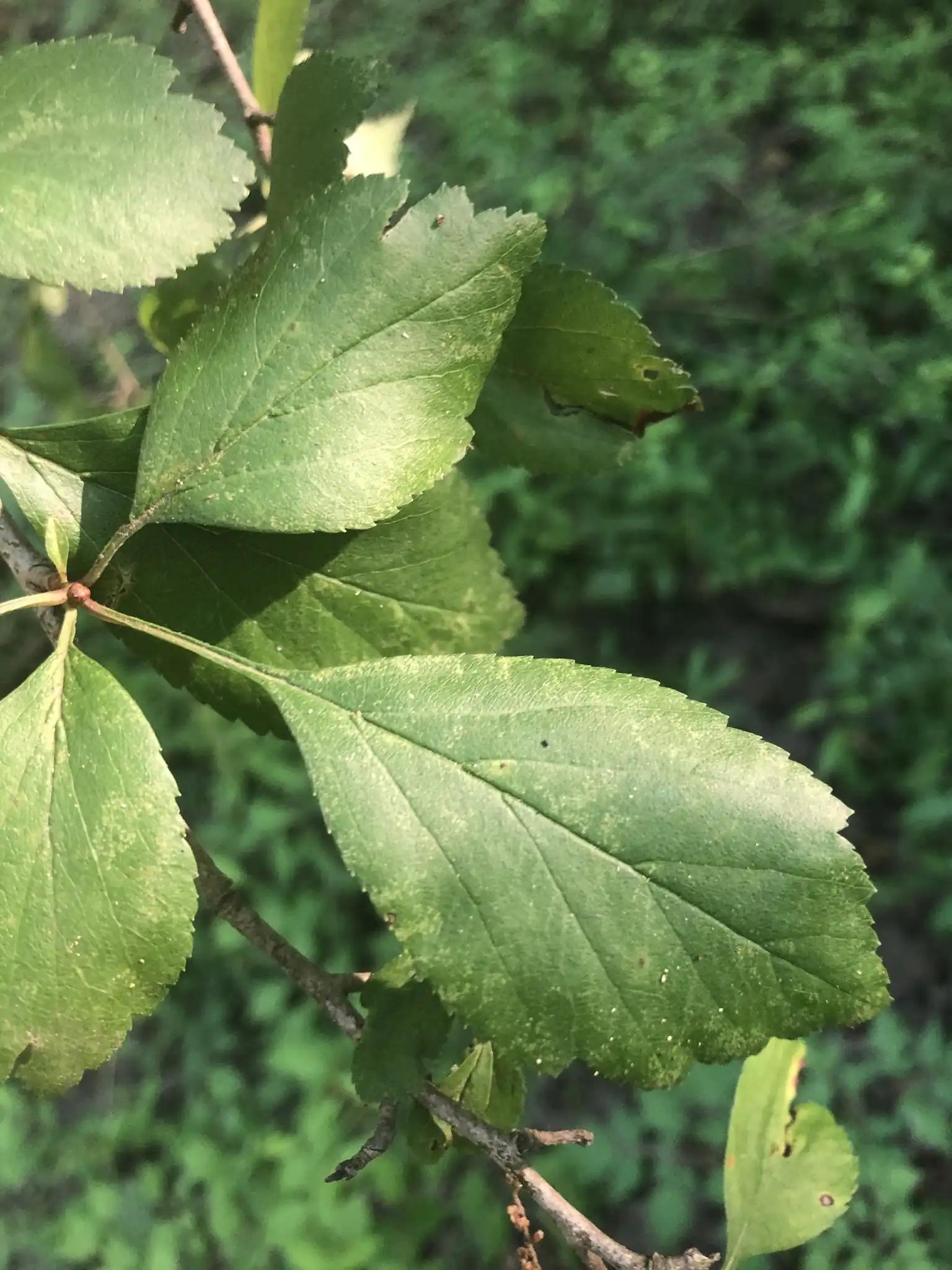 Crataegus viridisHawthorn
The Story
Plant Bio
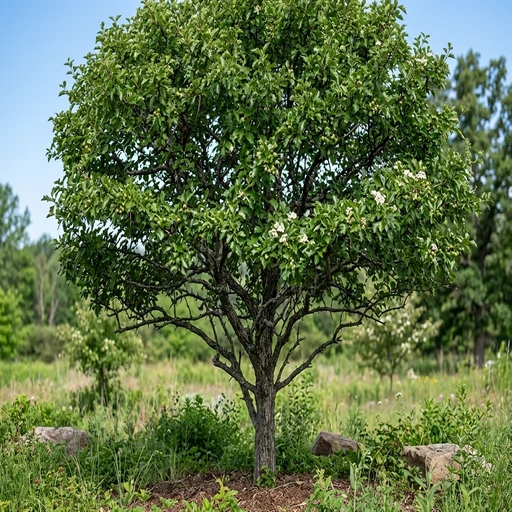
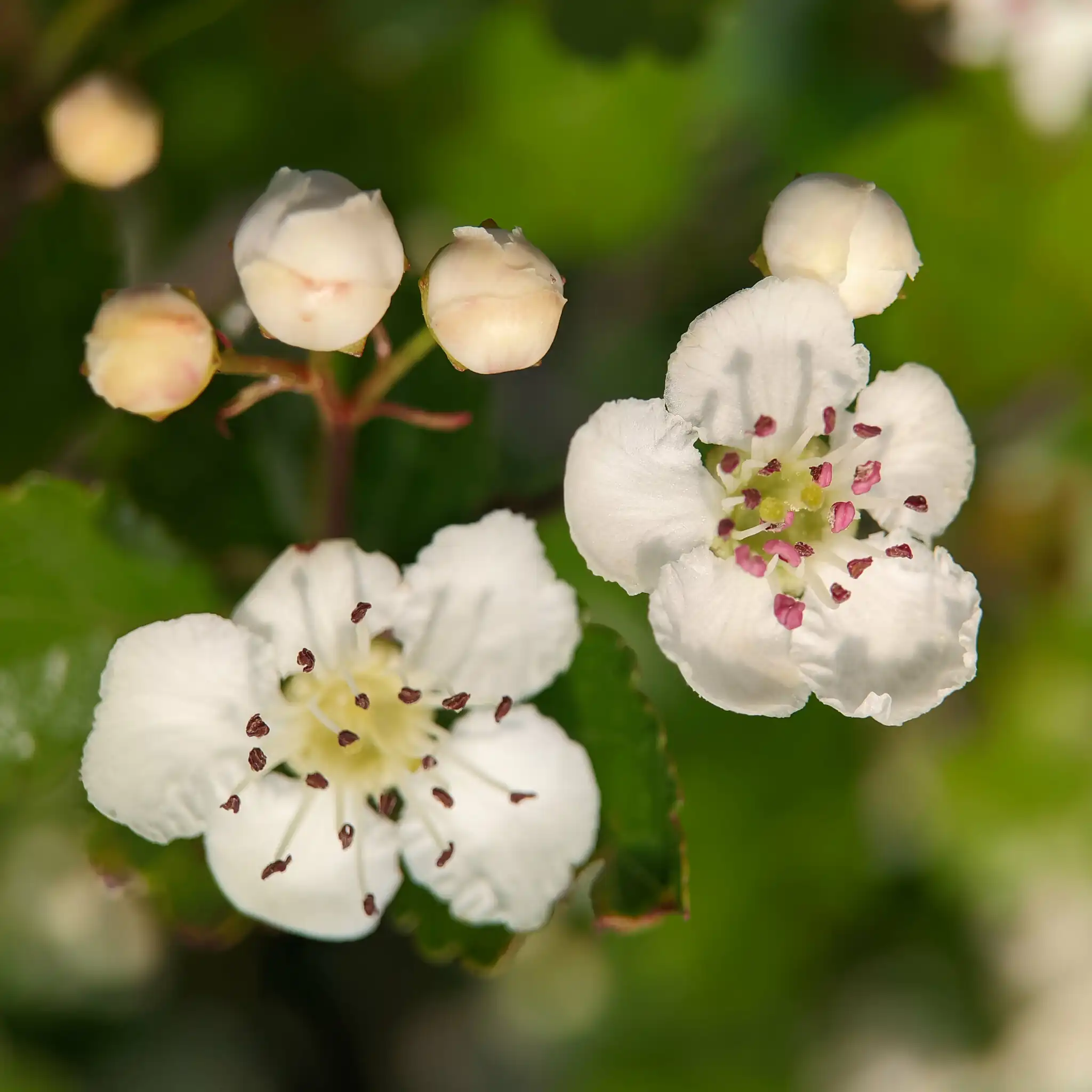
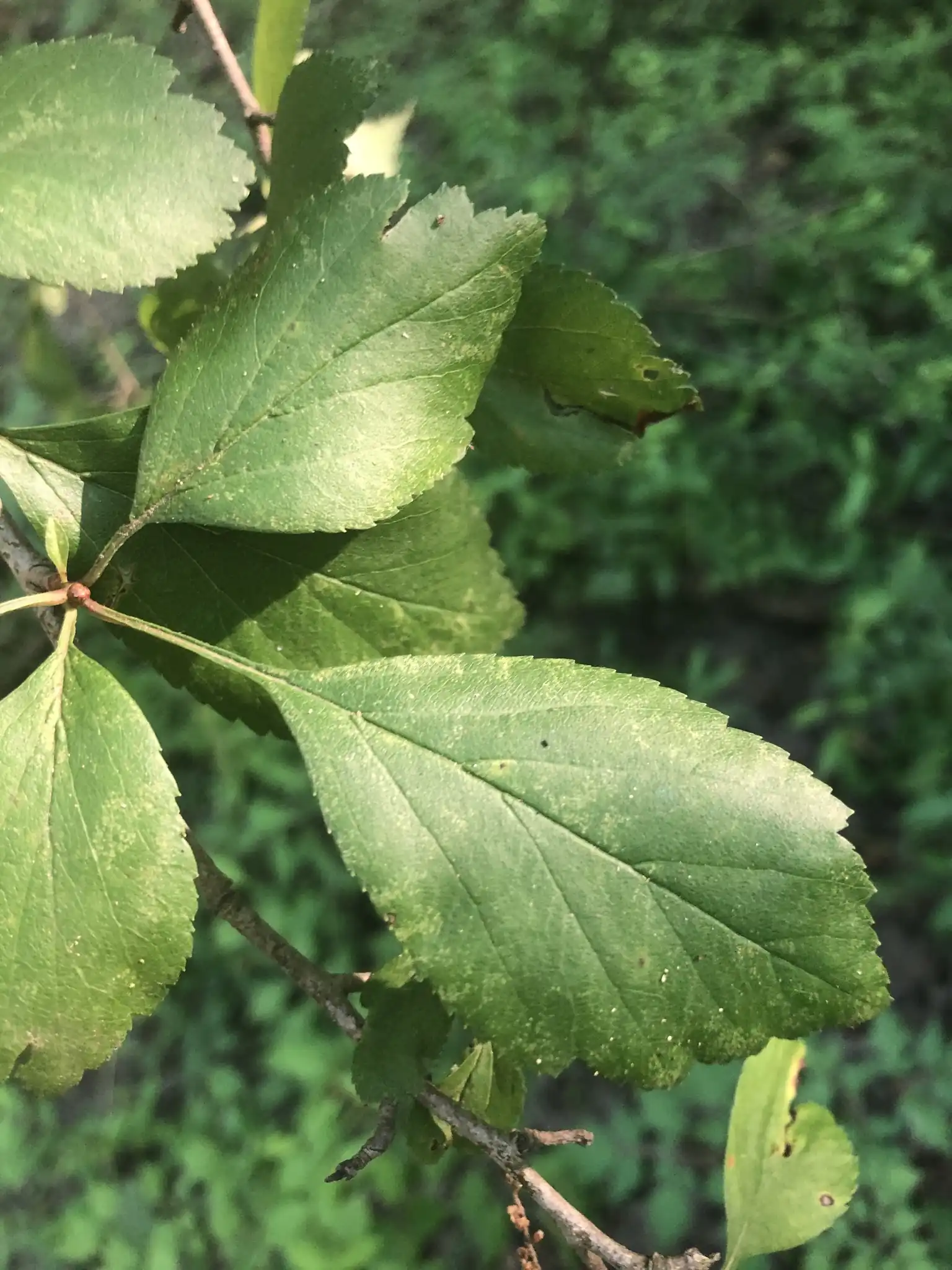
Crataegus viridis, or Green Hawthorn, is a small, tough North American native tree known for its adaptability, spring flowers, and persistent fruit.
'Winter King' is a superior cultivar celebrated for its four-season interest: abundant white spring flowers, silvery exfoliating bark, excellent fall color, and a profusion of bright red berries that persist through winter.
Uses & Benefits:
Essentials
At a Glance
Plant Type
Tree
Height
300"
Width
300"
Light
Full Sun
Zones
4, 5, 6, 7
Water
Low to medium
Humidity
Adaptable
Lifespan
Medium-lived deciduous tree
Native To
Southeastern United States
Toxicity
Fruit is edible but seeds contain cyanide.
Bloom period
Late spring – Early summer
In flower about 2 months of the year
Planting
How to Grow
- Select a site in full sun with average, well-drained soil.
- Dig a hole two to three times wider than the root ball.
- Place the tree in the hole, ensuring the top of the root ball is level with the soil.
- Backfill with the original soil, firming it gently.
- Water deeply after planting to settle the soil.
- Mulch around the base to conserve moisture and suppress weeds.
Pro Tip
Site this tree where its thorns will not be a hazard to foot traffic, but where its persistent winter berries can be enjoyed.
Keep It Thriving
Care Guide
Do
- Provide full sun for best flowering and fruiting.
- Water regularly during the first year of establishment.
- Prune to develop a strong framework when the tree is young.
- Appreciate its winter silhouette, bark, and berries.
Don't
- Do not plant in heavy shade, which reduces flowering and fruiting.
- Avoid planting in poorly drained, waterlogged areas.
- Don't shear into a formal shape; allow its natural form to develop.
- Be cautious of the sharp thorns on branches.
Seasonal Care Calendar
| Task | Jan | Feb | Mar | Apr | May | Jun | Jul | Aug | Sep | Oct | Nov | Dec |
|---|---|---|---|---|---|---|---|---|---|---|---|---|
| Pest Check | ||||||||||||
| Plant | ||||||||||||
| Prune |
Watch Out For
Pests & Diseases
Common Pests
Common Diseases
In the Garden
Landscape Uses & Companions
Landscape Uses
Multiply
Propagation Methods
Good to Know
Common Questions
Winter King Hawthorn questions
What zones can Winter King Hawthorn grow in?
Winter King Hawthorn is hardy in USDA Zones 4–7. Inside that range it survives winter in the ground; outside it, grow it as an annual or a container plant you protect.
Is Winter King Hawthorn deer resistant?
Yes — Winter King Hawthorn is rated deer-resistant. Deer typically pass it over, though extreme hunger can override any plant's defenses.
When does Winter King Hawthorn bloom?
Winter King Hawthorn typically blooms in late spring through early summer. Exact timing shifts a week or two with your zone — Sow's bloom calendar maps it to your garden.
Does Winter King Hawthorn need full sun?
Winter King Hawthorn does best in full sun (6+ hours).
Is Winter King Hawthorn drought tolerant?
Yes — once established (usually after the first full season), Winter King Hawthorn handles dry spells with minimal watering. Water deeply its first year to build the root system that makes that possible.
More Crataegus to compare
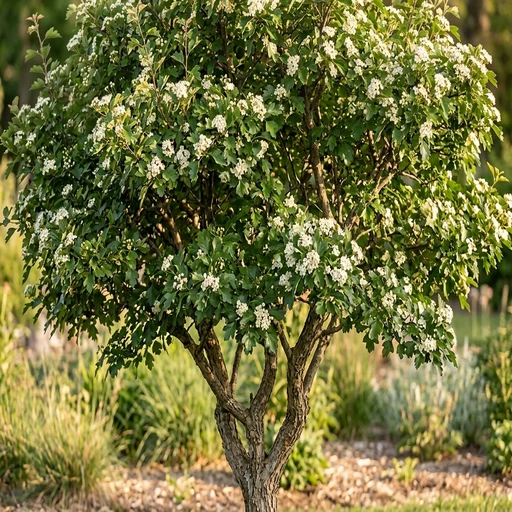
Washington Hawthorn
Crataegus phaenopyrum
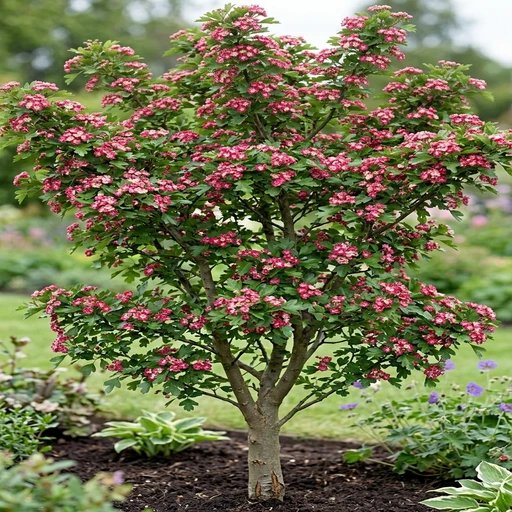
Crimson Cloud English Hawthorn
Crataegus laevigata 'Crimson Cloud'
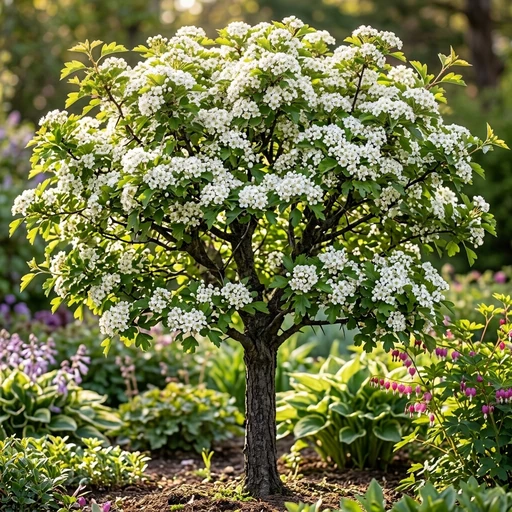
Crusader Hawthorn
Crataegus crus-galli 'Cruzam'
Cockspur Hawthorn
Crataegus crus-galli
English Hawthorn
Crataegus laevigata
Hawthorn
Crataegus viridis
Keep exploring
Explore the genus
Hardy in your zone?
Grow Winter King Hawthorn with confidence
See it in a design of your actual yard, get zone-matched care reminders, and track it season by season in your garden journal.