Also known as Hawthorn · 113 saves
Crataegus
Crataegus, the genus most gardeners know as hawthorn. We track 8 varieties; the ones most used by real gardeners.
The 8 most-saved Crataegus varieties
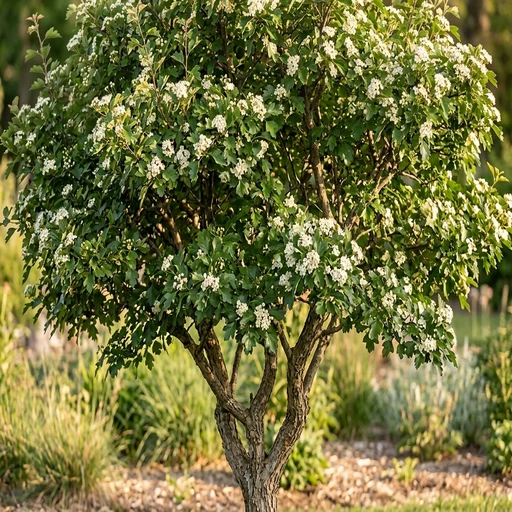
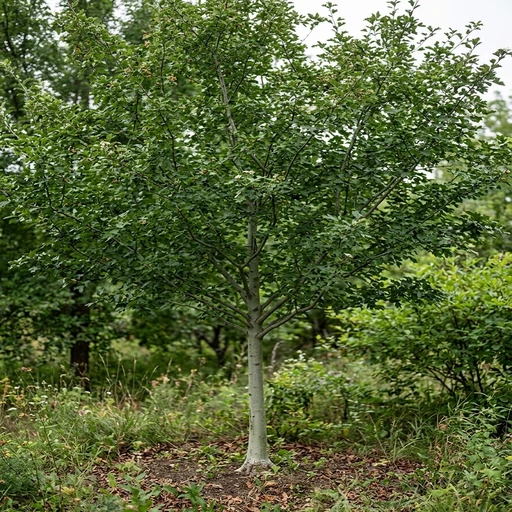
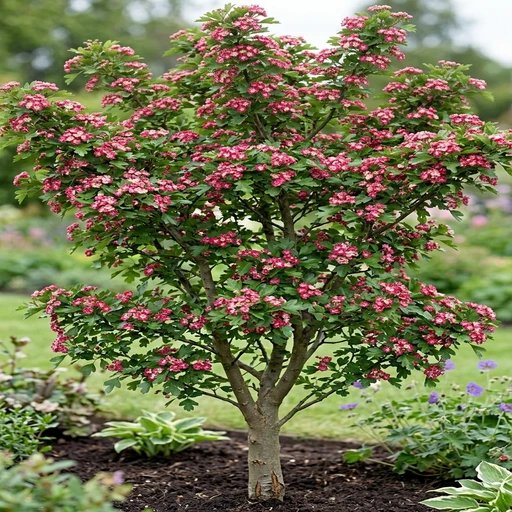
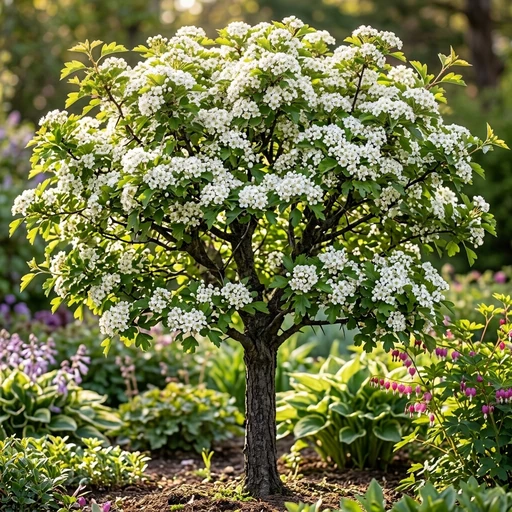
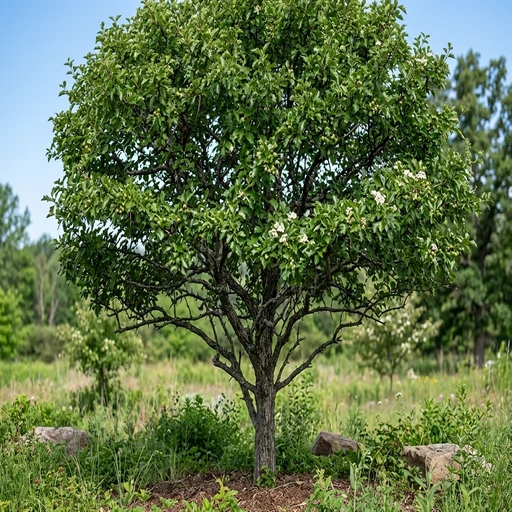
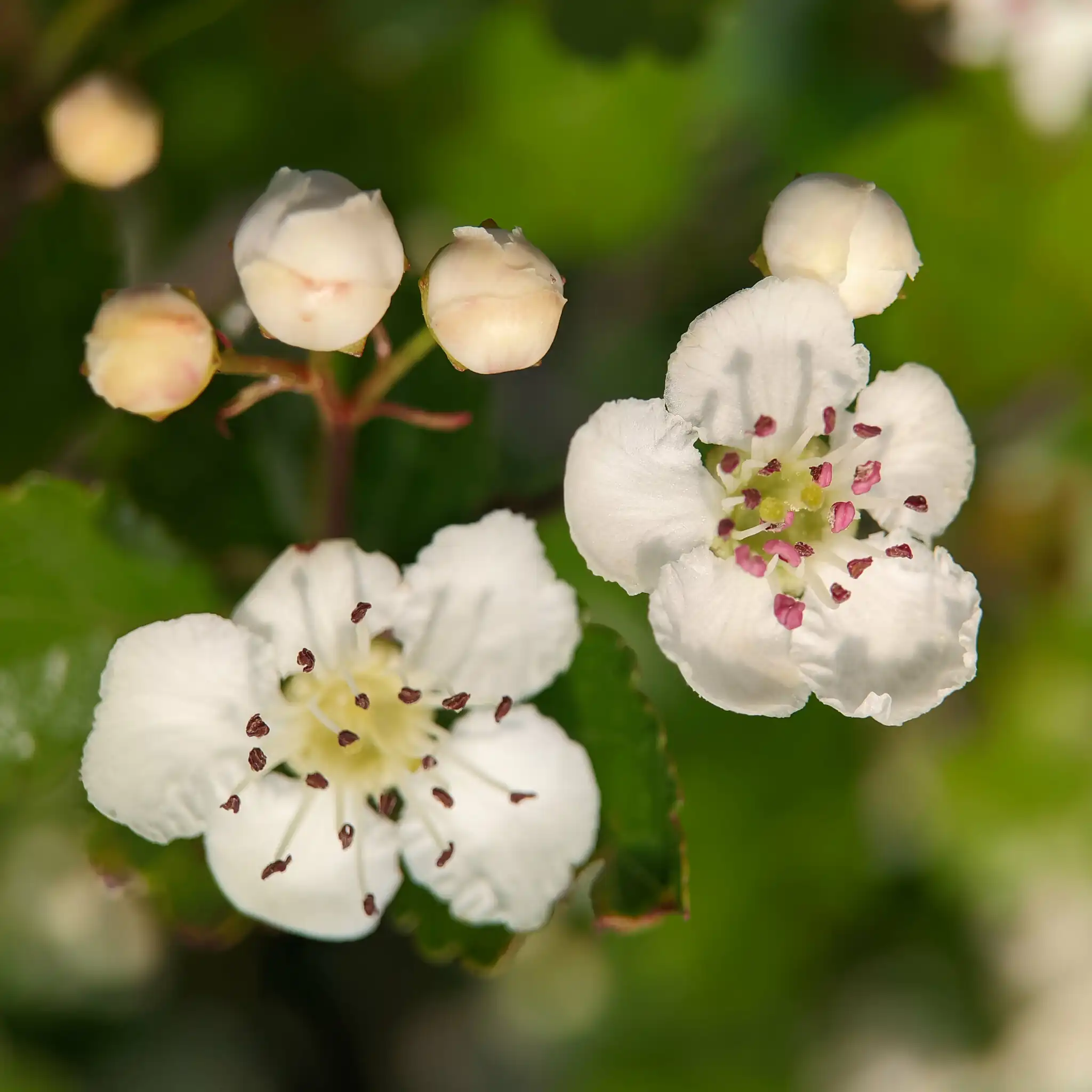
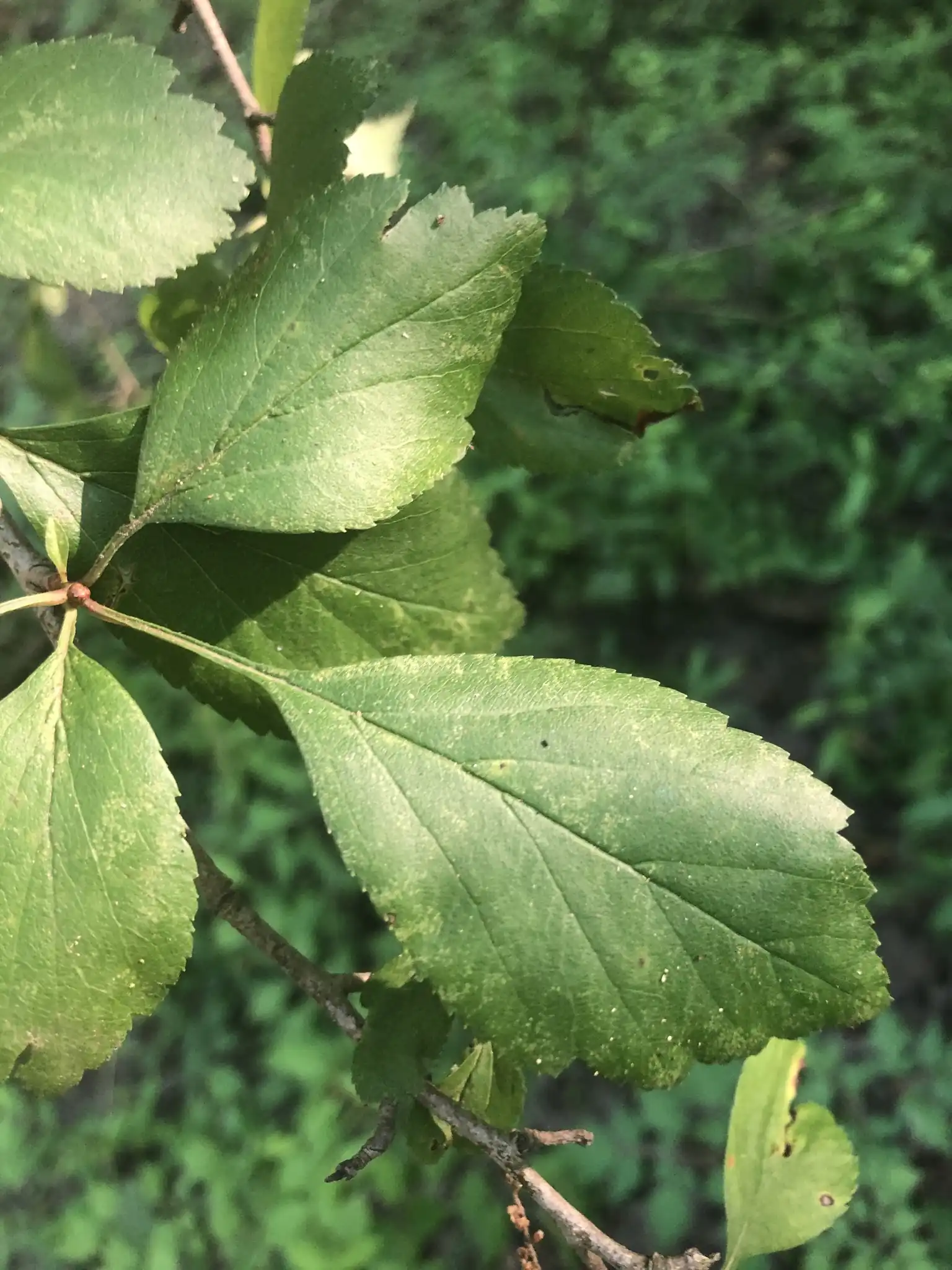
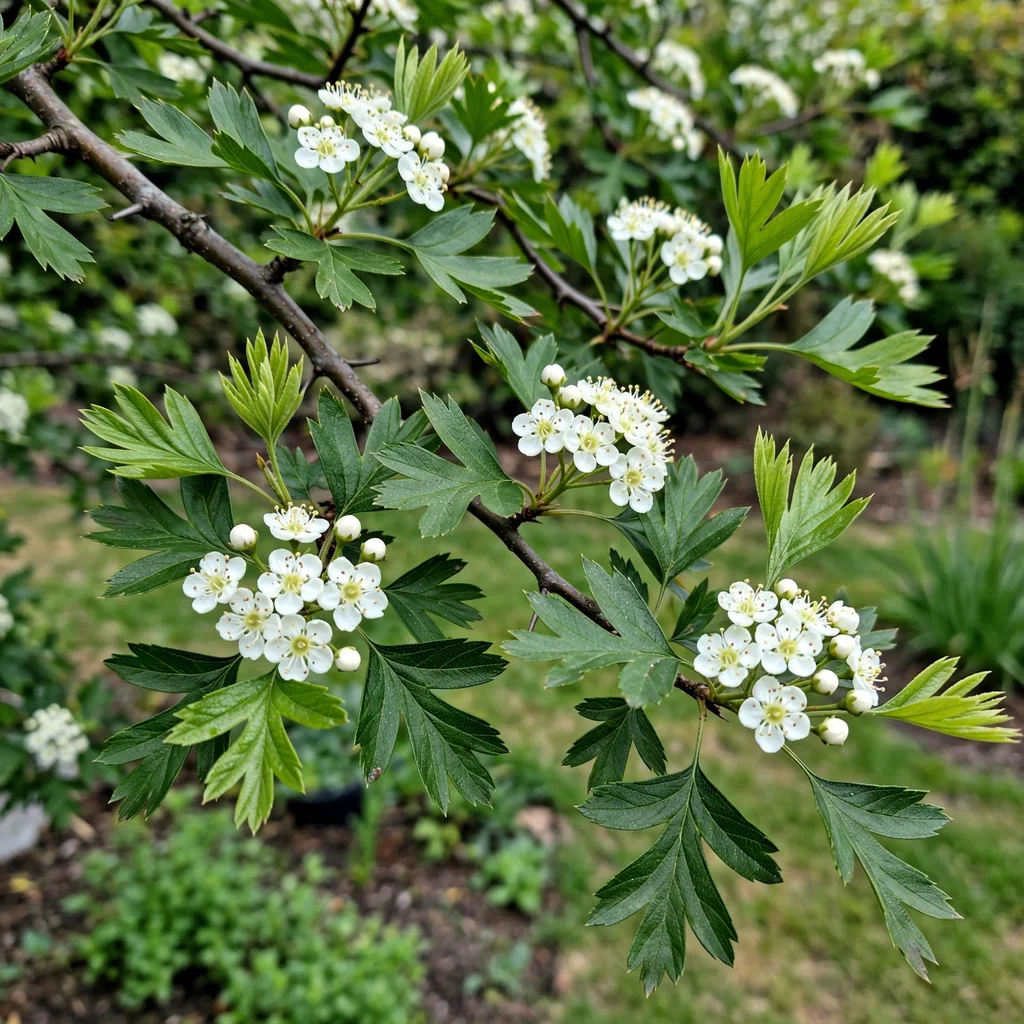
3 species of Crataegus
Each one is a parent of the varieties above.
Track your Crataegus in Sow
Save the Crataegus you grow and get care reminders timed to your zone.
How to grow Crataegus
Whats common across all Crataegus varieties in our catalog — drawn from the care records of the 8 most-grown of them.
The Crataegus year
- PruneFebruary and March100% of varieties
Prune in late winter to remove dead wood and suckers.
- Check for PestsJune and July63% of varieties
Monitor for aphids, lace bugs, and scale.
- PlantApril, May, October and November50% of varieties
Plant in spring or fall in a full sun location.
- Spray TreatmentMay and June38% of varieties
Apply preventative fungicides in spring if cedar-hawthorn rust or powdery mildew are recurring issues.


Do
- Water regularly during the first year of establishment.
- Provide full sun for best flowering and fruiting.
- Prune to develop a strong framework when the tree is young.
- Appreciate its winter silhouette, bark, and berries.
- Prune in late winter to remove dead, diseased, or crossing branches.
Avoid
- Do not plant in heavy shade, which reduces flowering and fruiting.
- Avoid planting in poorly drained, waterlogged areas.
- Don't shear into a formal shape; allow its natural form to develop.
- Be cautious of the sharp thorns on branches.
What goes wrong with Crataegus
| Problem | What you'll see | What to do |
|---|---|---|
| Aphids | Clusters of small insects on new growth, causing leaf curl and sticky honeydew. | A strong jet of water can dislodge them. Use insecticidal soap for heavier infestations. |
| Lace Bugs | Stippled, bleached-looking upper leaf surfaces; tiny black varnish-like spots on the undersides. | Encourage beneficial predators. Spray with insecticidal soap or horticultural oil, focusing on leaf undersides. Systemic insecticides can be used for severe cases. |
| Japanese beetle | Skeletonized leaves during the summer months. | Hand-pick beetles from foliage or apply targeted, approved insecticides. |
| Red spider mites | Stippled, bronze-tinted foliage and fine webbing on leaf undersides. | Apply miticides or use strong jets of water to disrupt populations. |
| Cedar-Hawthorn Rust | Bright orange-yellow spots on leaves, fruit, and twigs. Can cause defoliation. | Avoid planting near Eastern Red Cedars (Juniperus virginiana), the alternate host. Rake up and destroy fallen leaves. Apply preventative fungicides in spring. |
| Fire Blight | Sudden wilting and blackening of branch tips, looking burnt. | Prune out infected branches, cutting at least 12 inches into healthy wood. Disinfect pruning tools between cuts. |
| Cedar-Apple Rust | Orange-yellow spots on leaves and fruit. Can cause defoliation. | 'Winter King' has good resistance. Avoid planting near Eastern Red Cedars (Juniperus virginiana). Apply preventative fungicides if rust is a recurring problem. |
Making more Crataegus
Seed
- Collect ripe pome fruits in fall and extract the seeds from the pulp.
- Subject seeds to a period of warm stratification followed by cold stratification to break dormancy.
- Sow stratified seeds in a well-drained seed-starting mix in spring.
- Keep the medium moist until germination occurs, which may take up to two seasons.
Budding
- Collect budwood from 'Winter King' in mid-summer.
- Perform T-budding onto Crataegus rootstock.
- Wrap the bud union securely with budding tape.
- The bud will remain dormant until the following spring.
Crataegus questions
How many types of Crataegus are there?
The Sow catalog tracks 8 distinct Crataegus varieties. The most popular — ranked by 113 real gardeners — are shown first above.
What zones does Crataegus grow in?
Across its varieties, Crataegus covers USDA Zones 4–8. Individual varieties differ — each plant page lists its exact range, and Sow filters the catalog to your zone automatically.
When does Crataegus bloom?
Most Crataegus varieties bloom in late spring, mid-spring, mid to late spring. Staggering early, mid, and late varieties extends the genus's season in one bed.
Which Crataegus should I choose?
Start from the most-saved varieties above — popularity across thousands of gardens is a strong signal of reliability — then filter by your zone and sun. In the Sow app you can preview any of them in a photo of your actual yard before you buy.