1 named cultivar

The Story
Plant Bio
Crataegus is a large genus of thorny shrubs and small trees in the rose family, commonly known as hawthorns. They are valued for their spring flowers, fall fruit, and wildlife-attracting qualities.
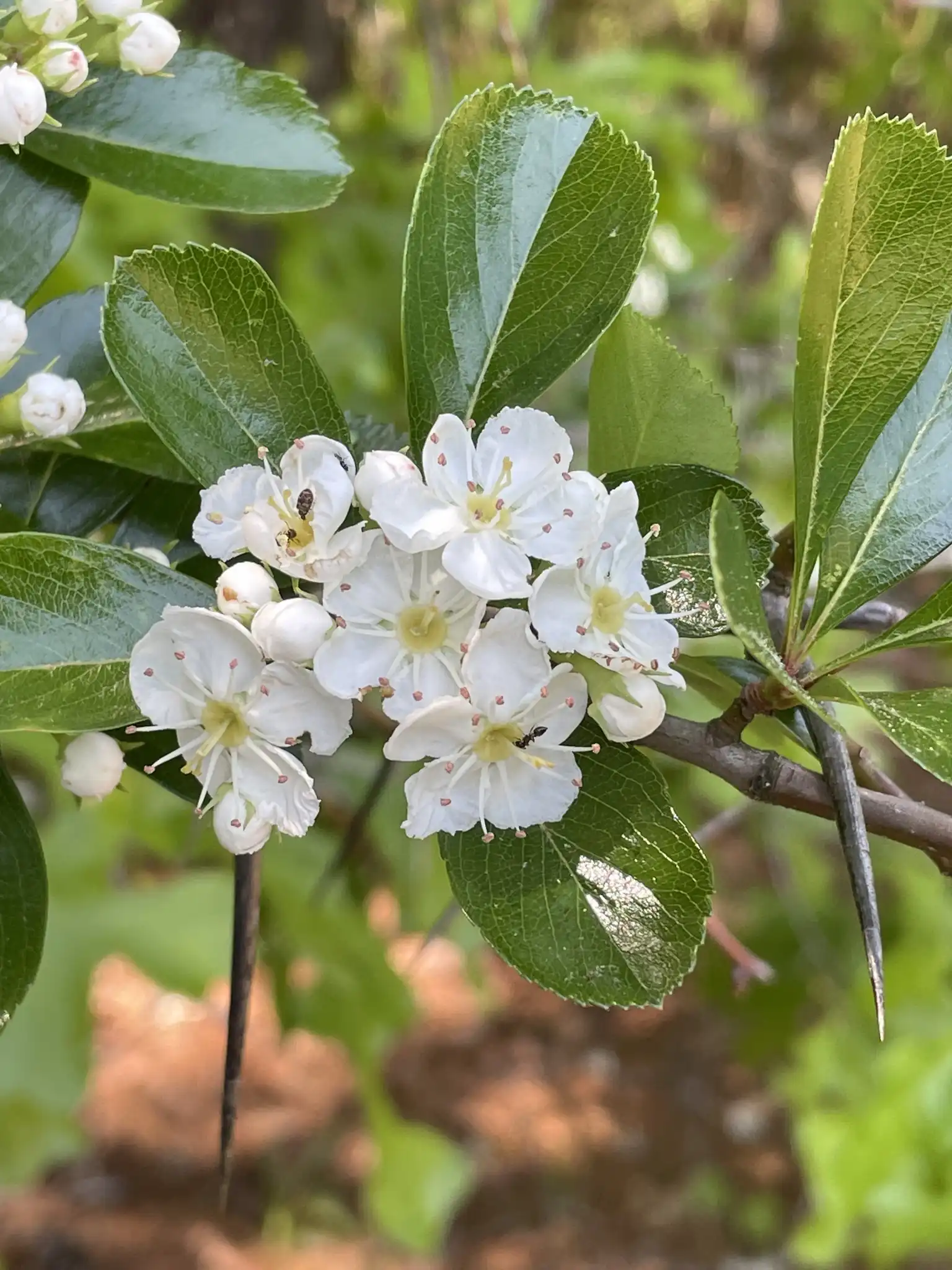
Cockspur Hawthorn is distinguished by its wide, flat-topped crown, distinctive horizontal branching, and formidable, long, sharp thorns. It is an extremely tough and adaptable native tree with excellent fall color.
Uses & Benefits:
Essentials
At a Glance
Plant Type
Tree
Height
360"
Width
360"
Light
Full Sun
Zones
4, 5, 6, 7
Water
Medium
Humidity
Adaptable
Lifespan
50-100 years
Native To
Eastern North America
Toxicity
Fruit is edible but seeds are toxic
Planting
How to Grow
- Select a location in full sun.
- This tree is highly adaptable to almost any soil type.
- Dig a hole as deep as the root ball and twice as wide.
- Place the tree in the hole and backfill with native soil.
- Water thoroughly to settle the soil around the roots.
- Stake only if necessary in a very windy location.
Pro Tip
Site this tree carefully, far away from paths and play areas, to take advantage of its beauty without risking injury from its long thorns.
Keep It Thriving
Care Guide
Do
- Wear thick leather gloves and eye protection when pruning.
- Provide ample space for its wide-spreading canopy to develop.
- Appreciate its high value for wildlife.
- Monitor for signs of cedar-hawthorn rust.
Don't
- Don't plant near walkways, patios, or children's play areas.
- Avoid planting near Eastern Red Cedars (Juniperus virginiana) to prevent rust disease.
- Do not leave pruned, thorny branches on the ground.
- Don't expect fragrant flowers; they have an unpleasant scent.
Seasonal Care Calendar
| Task | Jan | Feb | Mar | Apr | May | Jun | Jul | Aug | Sep | Oct | Nov | Dec |
|---|---|---|---|---|---|---|---|---|---|---|---|---|
| Plant | ||||||||||||
| Prune | ||||||||||||
| Spray |
Watch Out For
Pests & Diseases
Common Pests
Common Diseases
In the Garden
Landscape Uses & Companions
Landscape Uses
Multiply
Propagation Methods
Good to Know
Common Questions
Cockspur Hawthorn questions
What zones can Cockspur Hawthorn grow in?
Cockspur Hawthorn is hardy in USDA Zones 4–7. Inside that range it survives winter in the ground; outside it, grow it as an annual or a container plant you protect.
Is Cockspur Hawthorn deer resistant?
Yes — Cockspur Hawthorn is rated deer-resistant. Deer typically pass it over, though extreme hunger can override any plant's defenses.
When does Cockspur Hawthorn bloom?
Cockspur Hawthorn typically blooms in late spring through late spring. Exact timing shifts a week or two with your zone — Sow's bloom calendar maps it to your garden.
Does Cockspur Hawthorn need full sun?
Cockspur Hawthorn does best in full sun (6+ hours).
Is Cockspur Hawthorn drought tolerant?
Yes — once established (usually after the first full season), Cockspur Hawthorn handles dry spells with minimal watering. Water deeply its first year to build the root system that makes that possible.
More Crataegus to compare
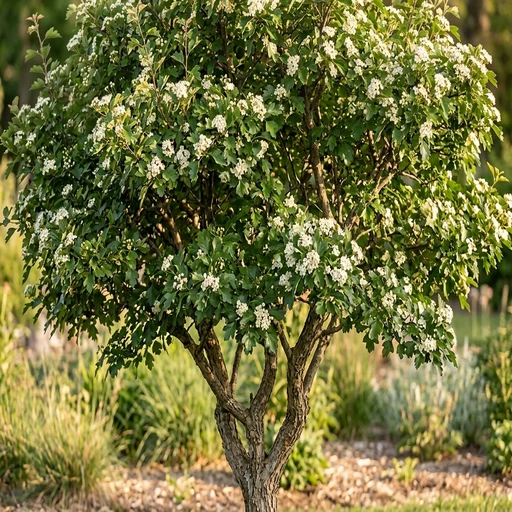
Washington Hawthorn
Crataegus phaenopyrum
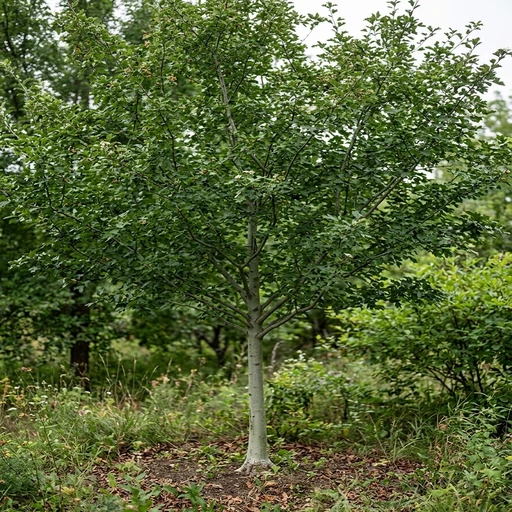
Winter King Hawthorn
Crataegus viridis 'Winter King'
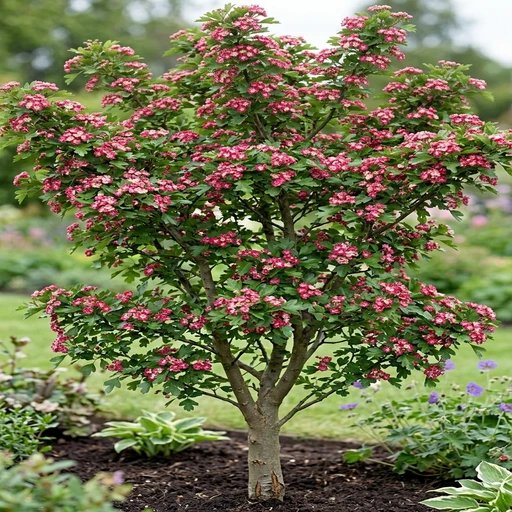
Crimson Cloud English Hawthorn
Crataegus laevigata 'Crimson Cloud'
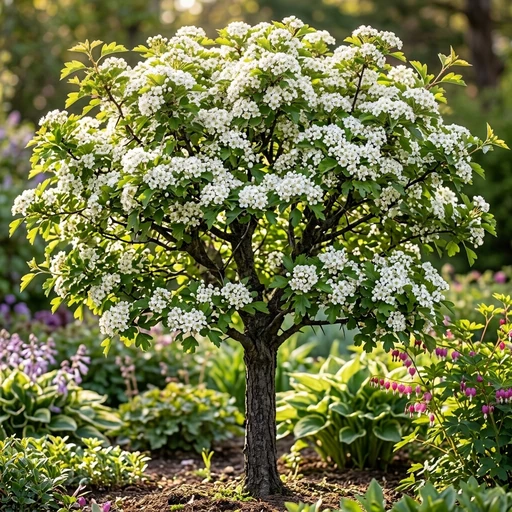
Crusader Hawthorn
Crataegus crus-galli 'Cruzam'
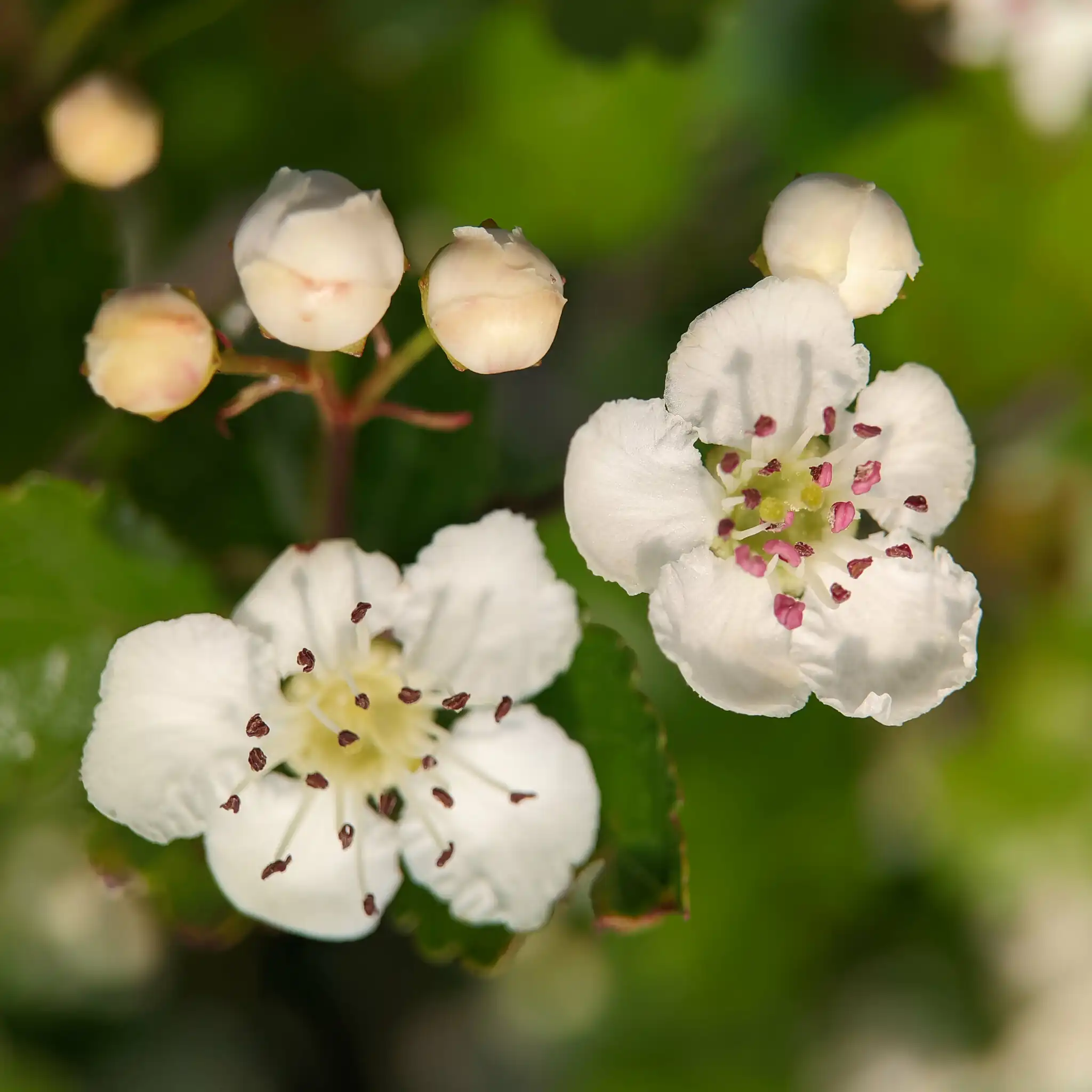
English Hawthorn
Crataegus laevigata
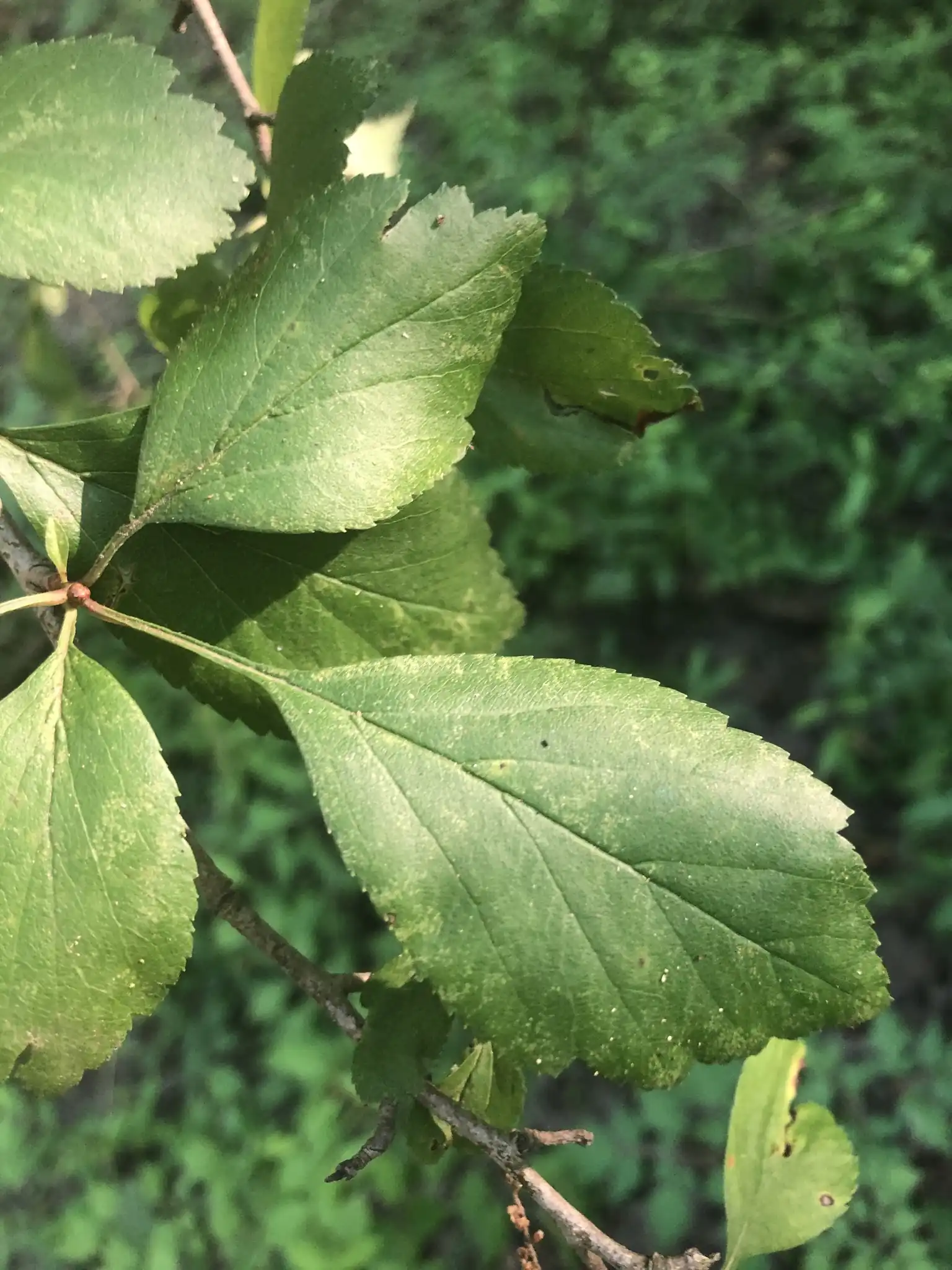
Hawthorn
Crataegus viridis
Keep exploring
Explore the genus
Hardy in your zone?
Grow Cockspur Hawthorn with confidence
See it in a design of your actual yard, get zone-matched care reminders, and track it season by season in your garden journal.