
Species
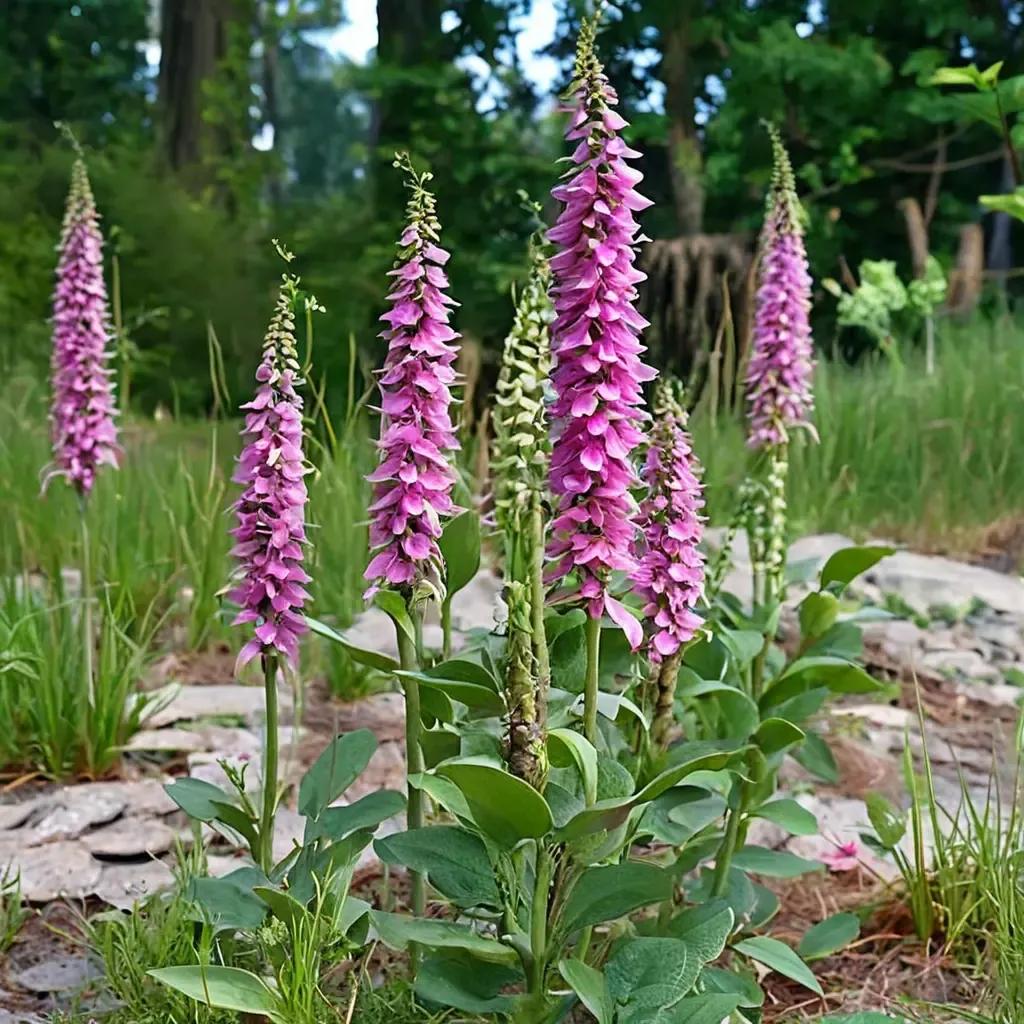 Digitalis purpureaFoxglove
17 other cultivars
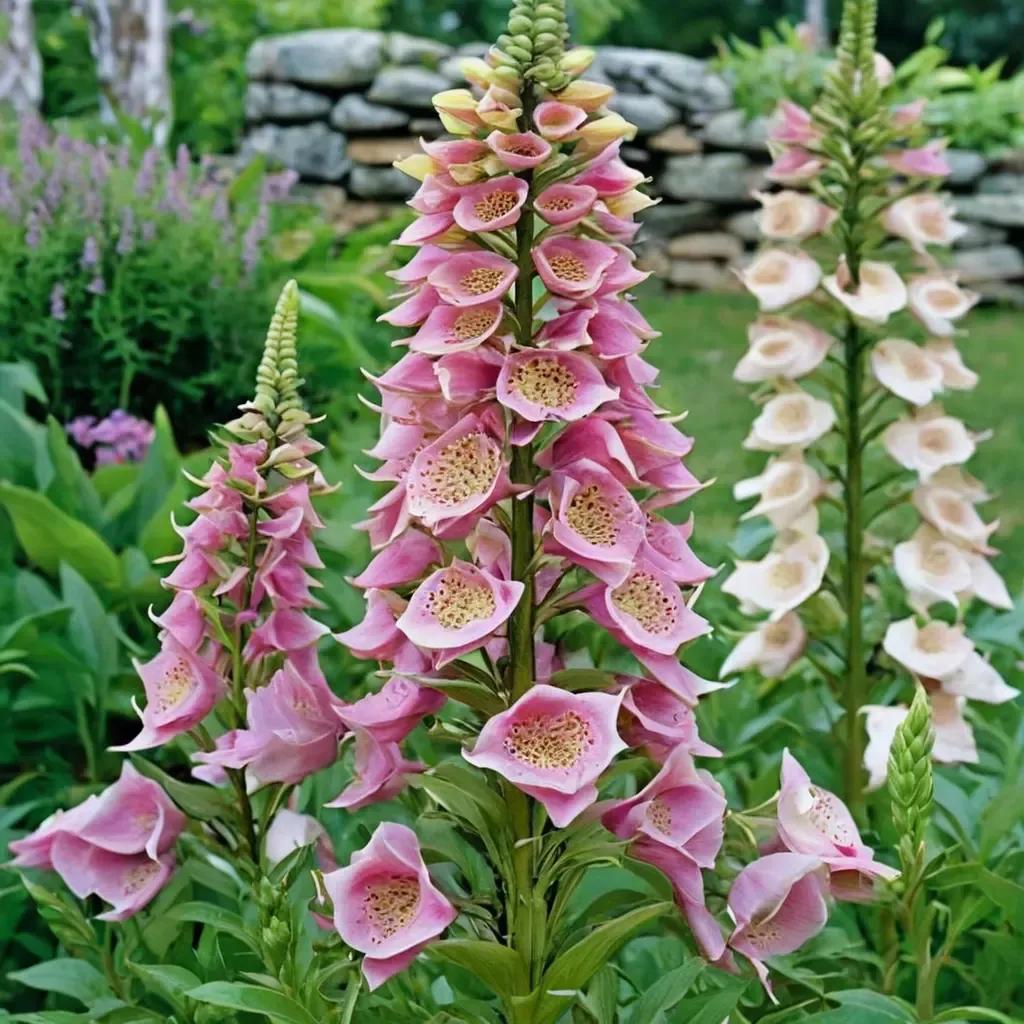 ‘Excelsior Group’Common Foxglove
 ‘Arctic Fox Rose’Arctic Fox Rose Foxglove
 ‘Apricot Beauty’Apricot Foxglove
 ‘Mix’Foxglove
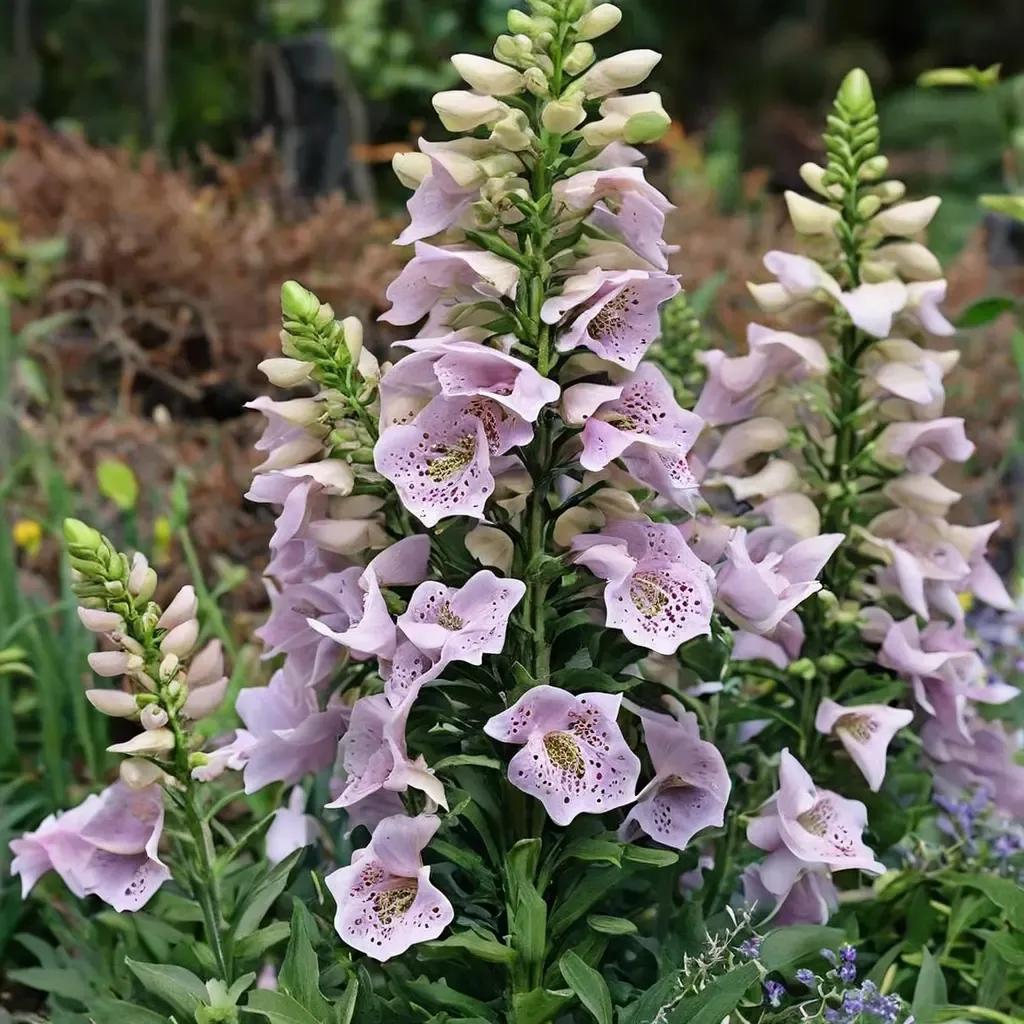 ‘Camelot Lavender’Camelot Lavender Foxglove
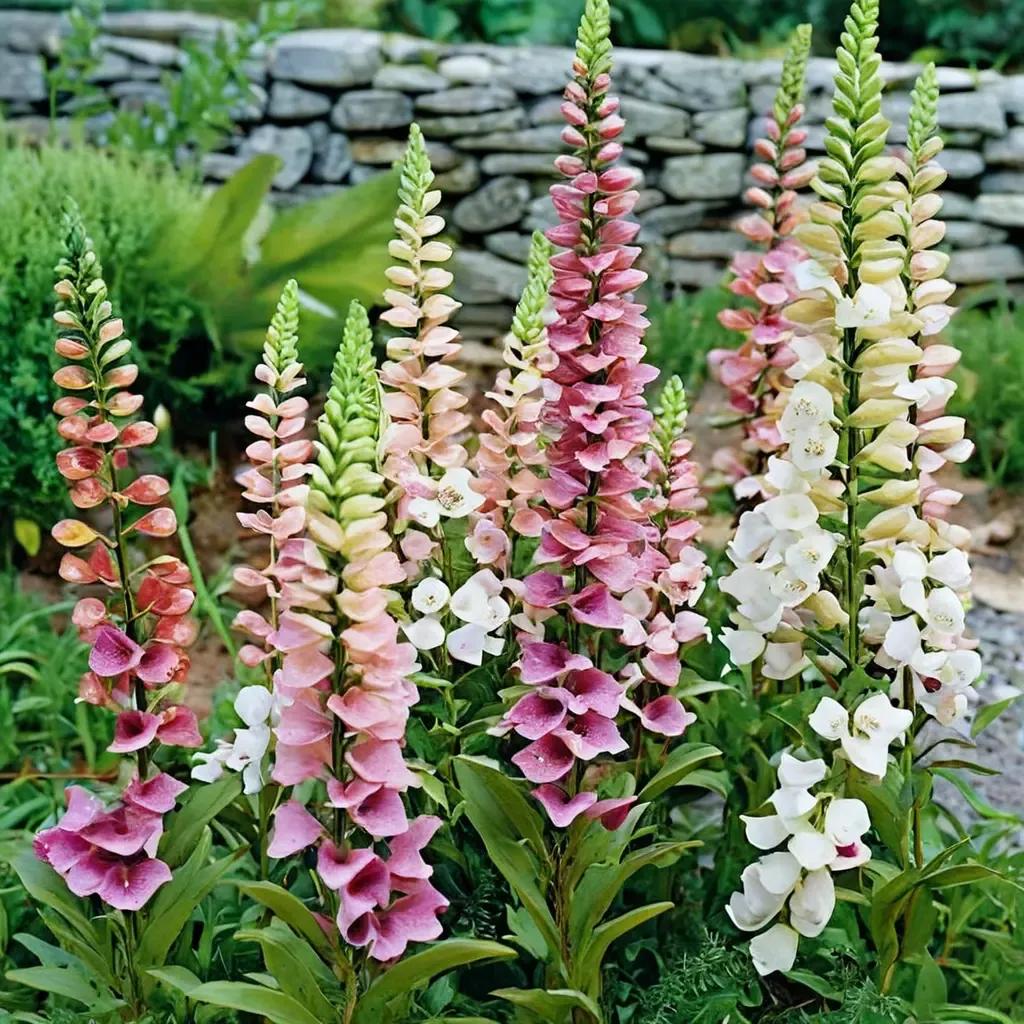 ‘Excelsior Foxglove Mix’Excelsior Foxglove
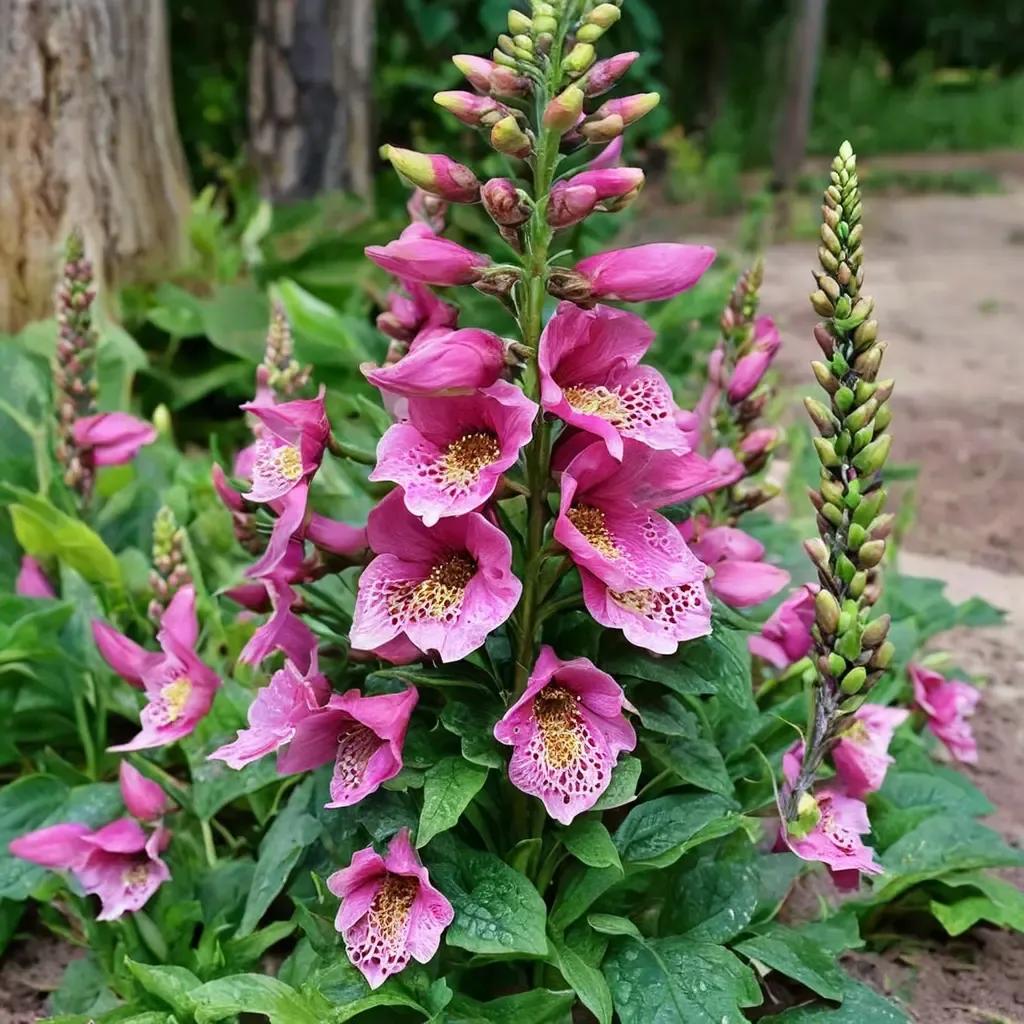 ‘Camelot Rose’Camelot Rose Foxglove
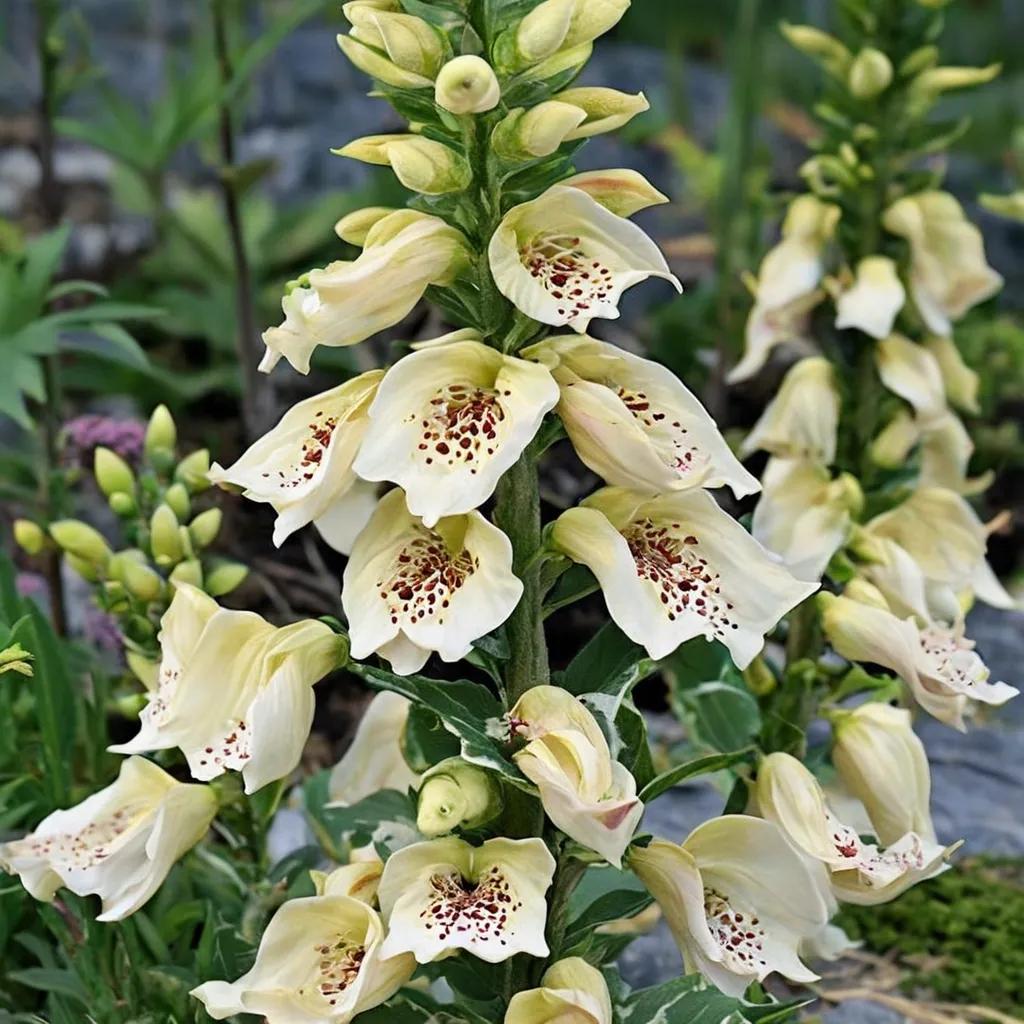 ‘Dalmation Crème’Foxglove Dalmation Crème
 ‘Foxy’Foxy Foxglove
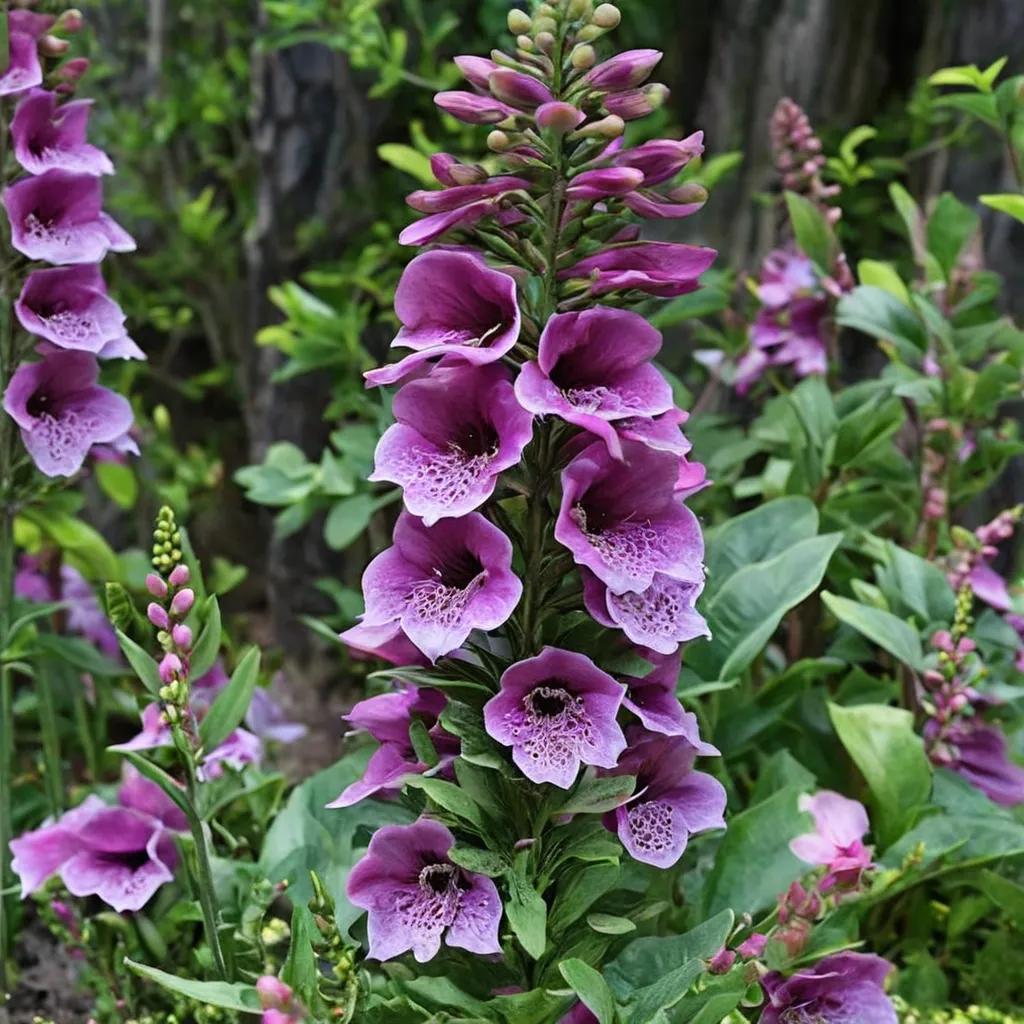 ‘Dalmatian Purple’Dalmatian Purple Foxglove
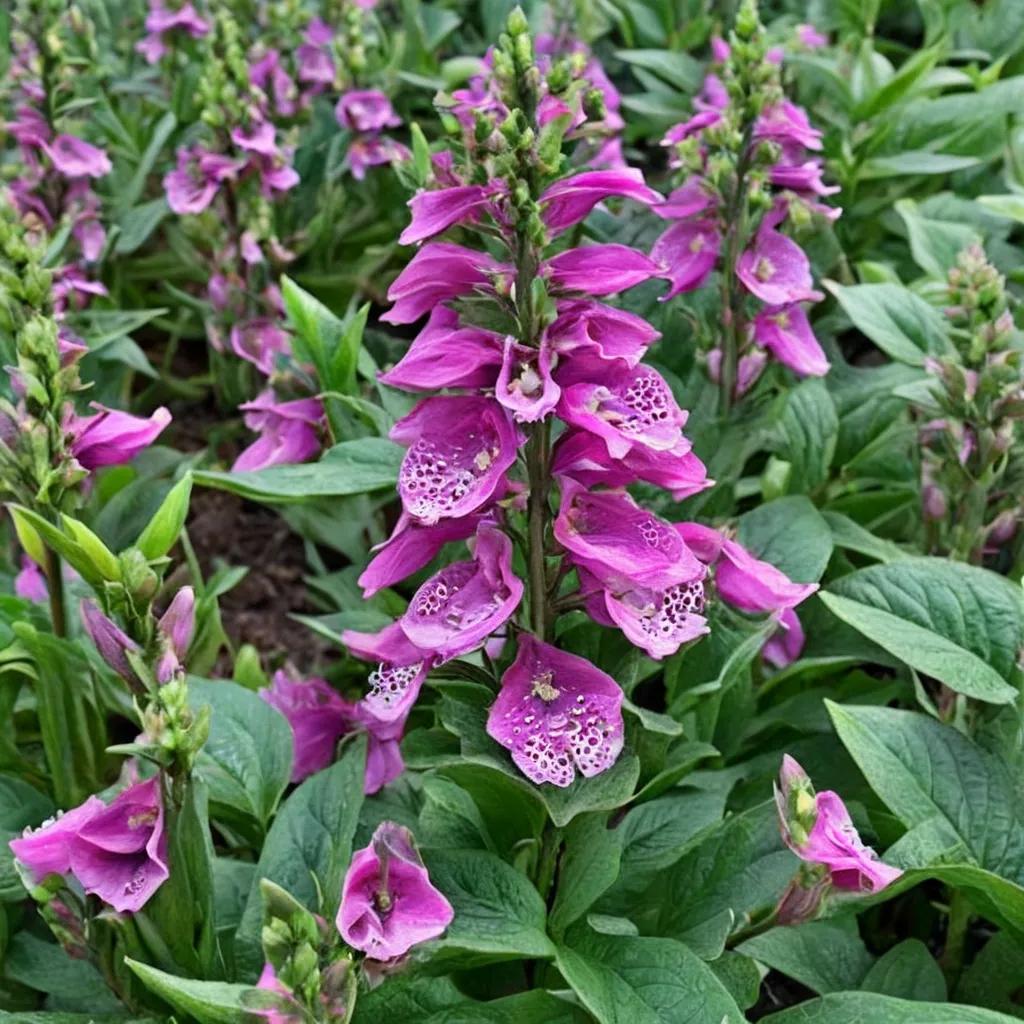 ‘Dalmatian Purple Improved’Dalmatian Purple Improved Foxglove
 ‘Giant Shirley’Giant Shirley Foxglove
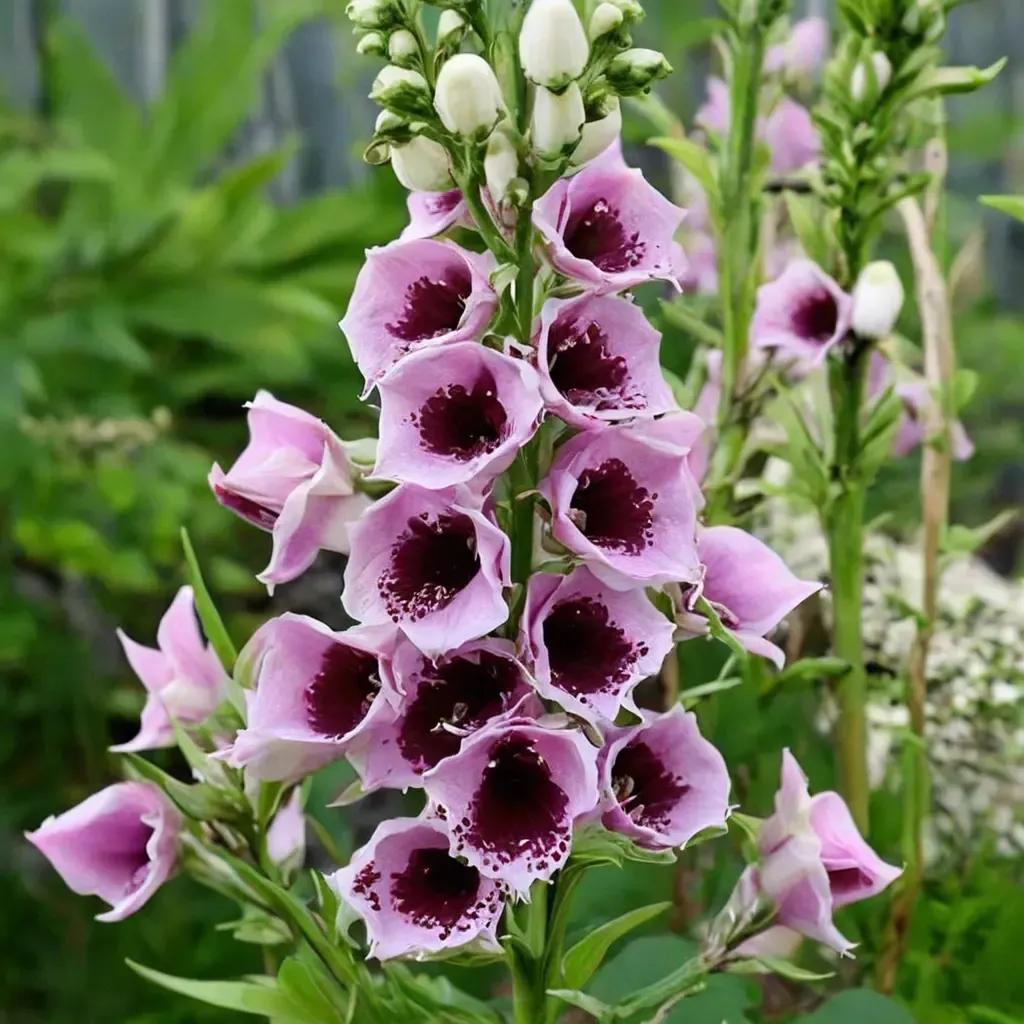 ‘Sugar Plum’Foxglove Sugar Plum
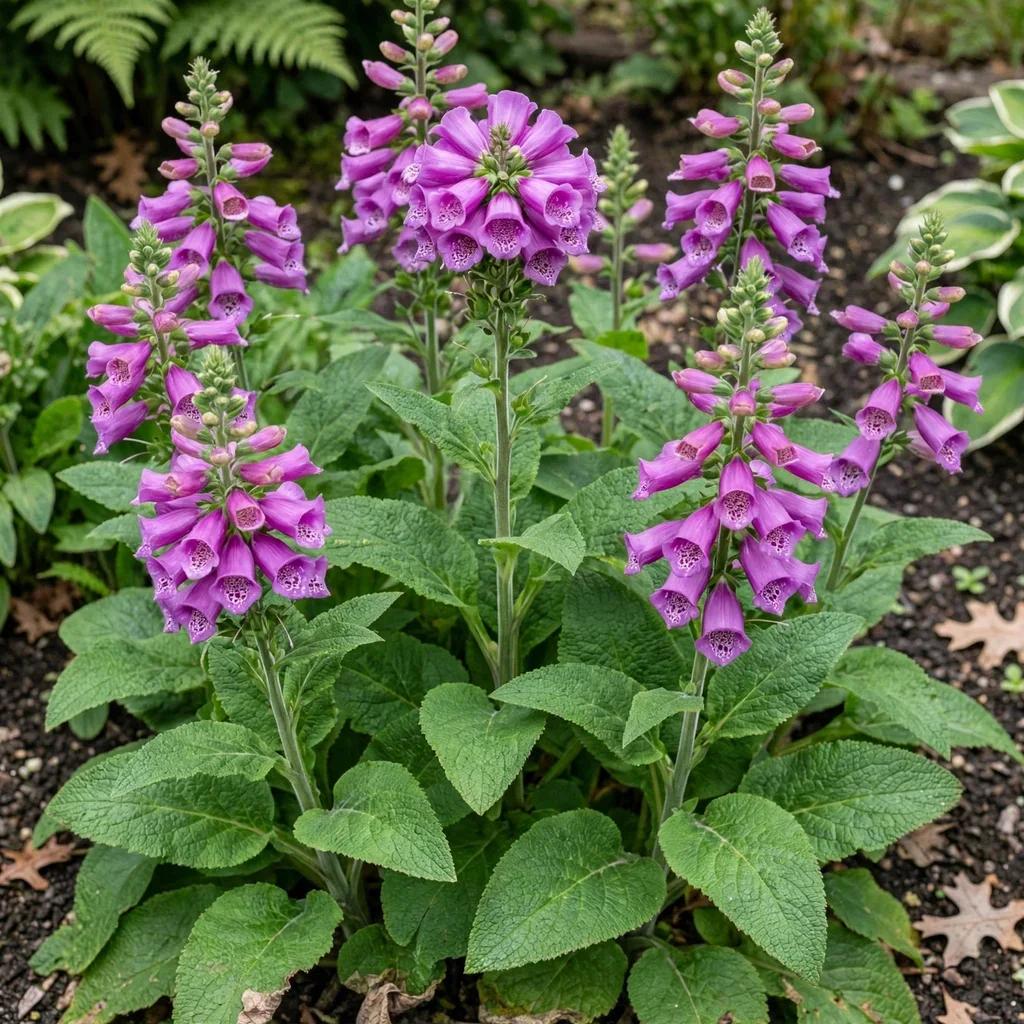 ‘Monstrosa’Monstrosa Foxglove
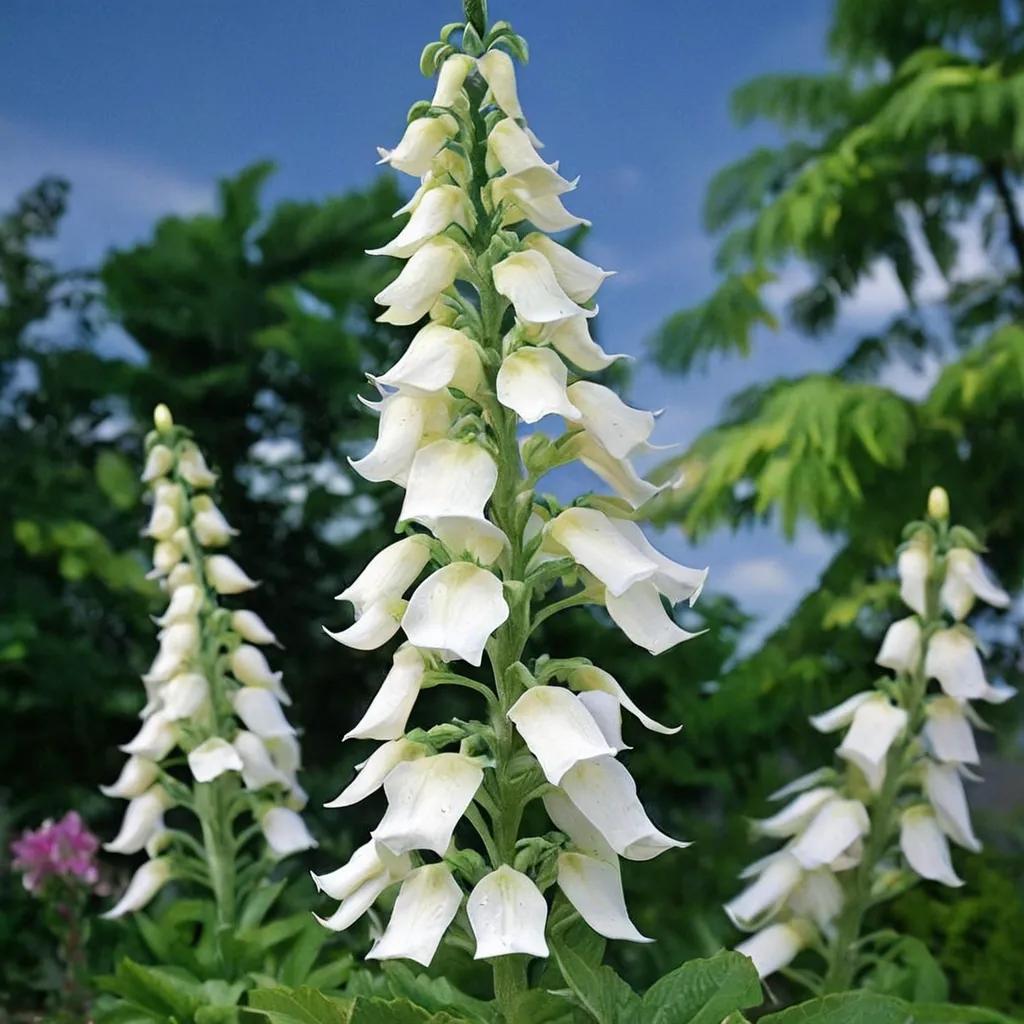 ‘Snow Thimble’Common Foxglove Snow Thimble
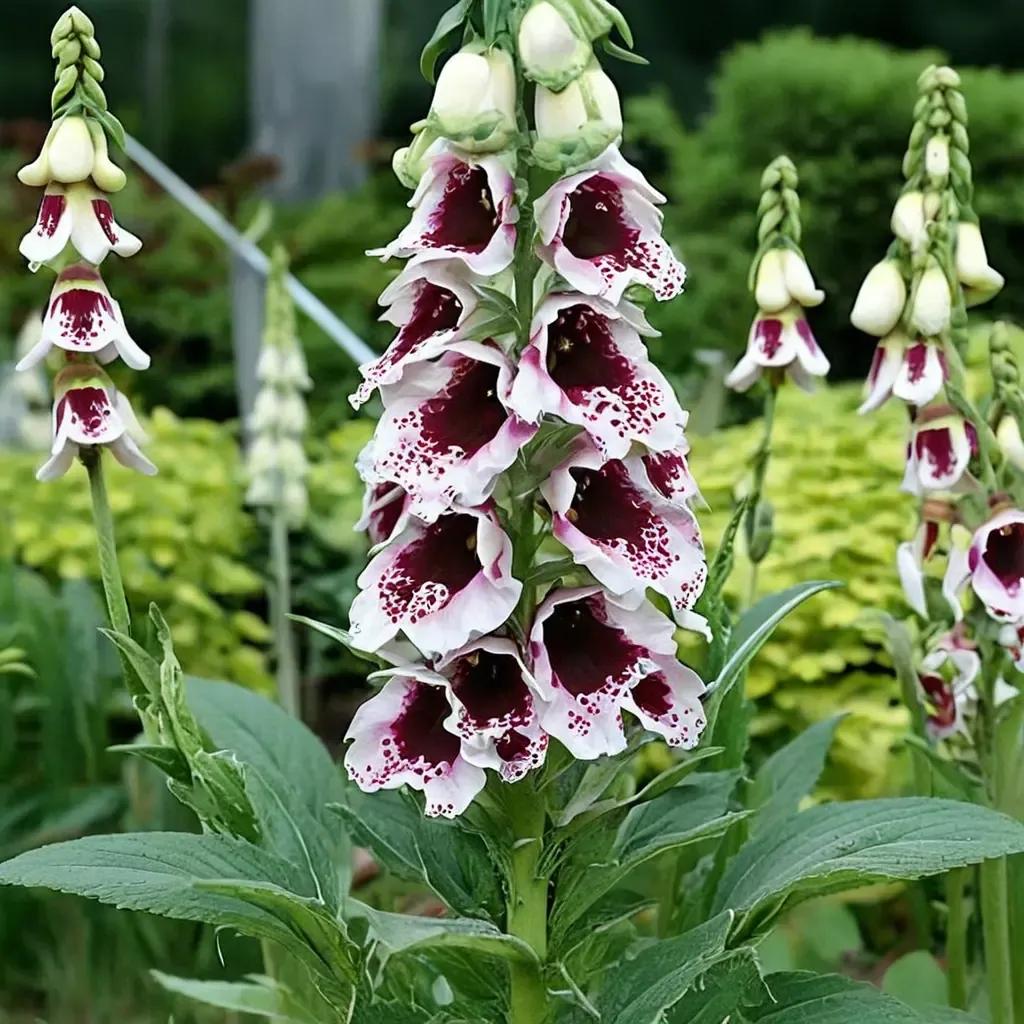 ‘Pam’Pam's Choice Foxglove
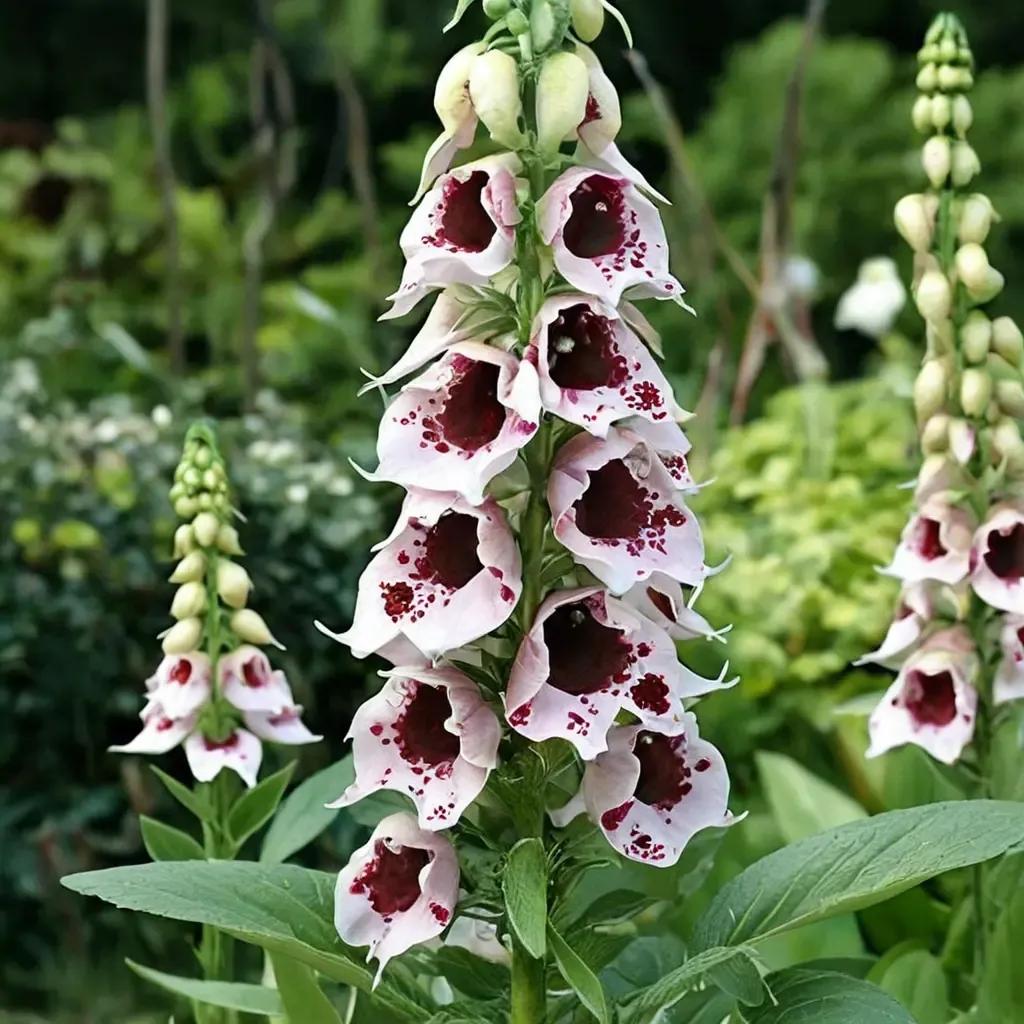 ‘Pam's Choice’Pam's Choice Foxglove
The Story
Plant Bio
A biennial or short-lived perennial foxglove, part of a series noted for flowering reliably in the first year. Forms a low rosette of leaves from which rise tall, stately spires of large, bell-shaped, pure white flowers with lightly speckled throats.
Part of the Camelot series, this cultivar is prized for its ability to bloom in its first year from seed. The outward-facing, pure white blooms are held horizontally on strong stems, showcasing their delicately spotted throats.
Uses & Benefits:
Essentials
At a Glance
Plant Type
Perennial
Height
48"
Width
18"
Light
Full Sun, Partial Sun
Zones
4, 5, 6, 7, 8, 9
Water
Medium
Humidity
Average
Lifespan
Biennial / Short-lived Perennial
Native To
Europe
Toxicity
High
Bloom period
Late spring to early summer – Early summer
In flower about 2 months of the year
Planting
How to Grow
- Tuck seeds lightly into moist, well-draining soil in early spring.
- Mist cuttings regularly to maintain humidity and root in 4–6 weeks.
- Choose a sunny spot for planting with partial shade in hotter climates.
- Water consistently, keeping the soil moist but not waterlogged.
- Apply a balanced fertilizer every 4–6 weeks during the growing season.
- Mulch around plants to retain moisture and suppress weeds.
Pro Tip
Sow seeds indoors 6–8 weeks before last frost for early bloom.
Keep It Thriving
Care Guide
Do
- Water regularly to keep soil moist 🌱
- Deadhead spent flowers to encourage reblooming
- Apply organic compost annually for nutrients
Don't
- Avoid overwatering to prevent root rot ❌
- Don’t plant in heavy, poorly-draining soil
- Refrain from excessive fertilizing which can cause legginess
Seasonal Care Calendar
| Task | Jan | Feb | Mar | Apr | May | Jun | Jul | Aug | Sep | Oct | Nov | Dec |
|---|---|---|---|---|---|---|---|---|---|---|---|---|
| Deadhead | ||||||||||||
| Plant | ||||||||||||
| Propagate | ||||||||||||
| Spring Cleanup | ||||||||||||
| Stake |
Watch Out For
Pests & Diseases
Common Pests
Common Diseases
In the Garden
Landscape Uses & Companions
Landscape Uses
Multiply
Propagation Methods
Good to Know
Common Questions
Camelot White Foxglove questions
What zones can Camelot White Foxglove grow in?
Camelot White Foxglove is hardy in USDA Zones 4–9. Inside that range it survives winter in the ground; outside it, grow it as an annual or a container plant you protect.
Is Camelot White Foxglove deer resistant?
Yes — Camelot White Foxglove is rated deer-resistant. Deer typically pass it over, though extreme hunger can override any plant's defenses.
When does Camelot White Foxglove bloom?
Camelot White Foxglove typically blooms in late spring to early summer through early summer. Exact timing shifts a week or two with your zone — Sow's bloom calendar maps it to your garden.
Does Camelot White Foxglove need full sun?
Camelot White Foxglove does best in full sun to part shade. In hot climates, afternoon shade keeps blooms fresher longer.
More Digitalis to compare
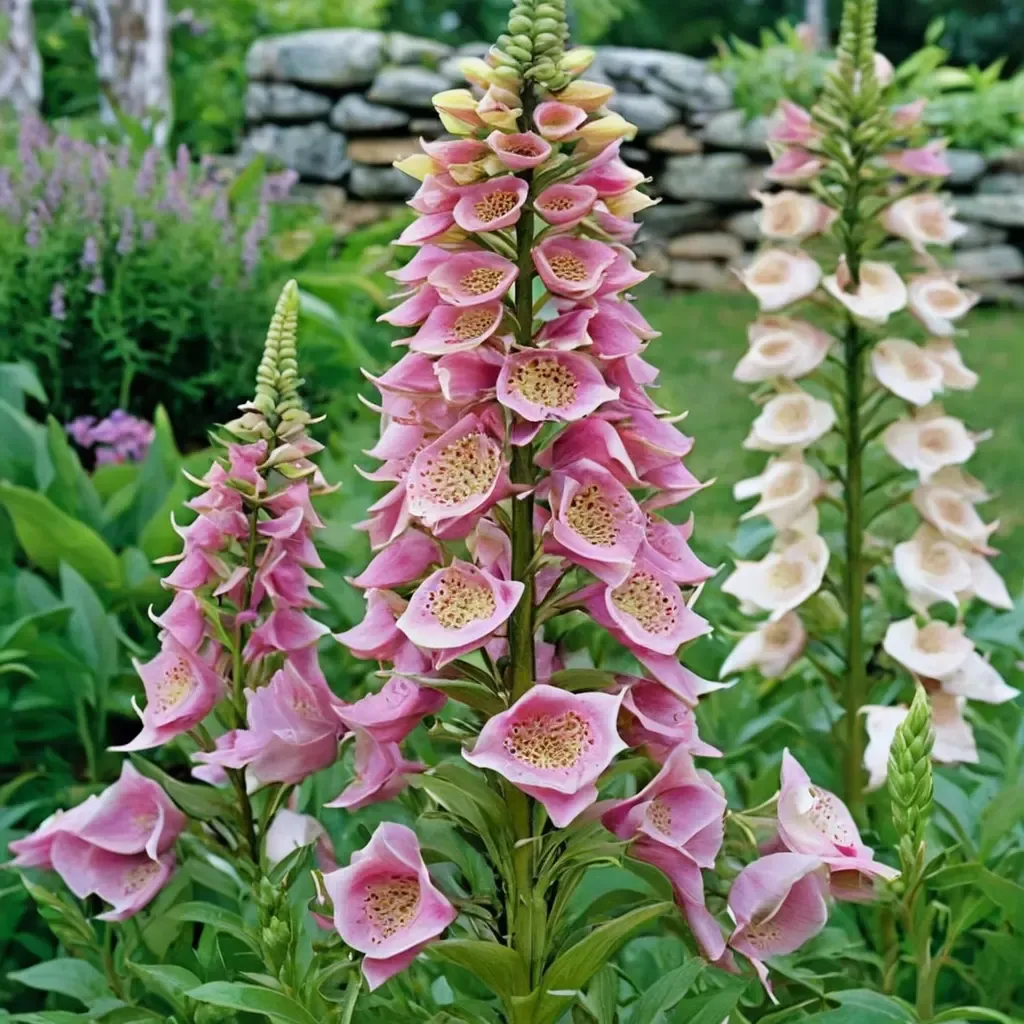
Common Foxglove
Digitalis purpurea 'Excelsior Group'
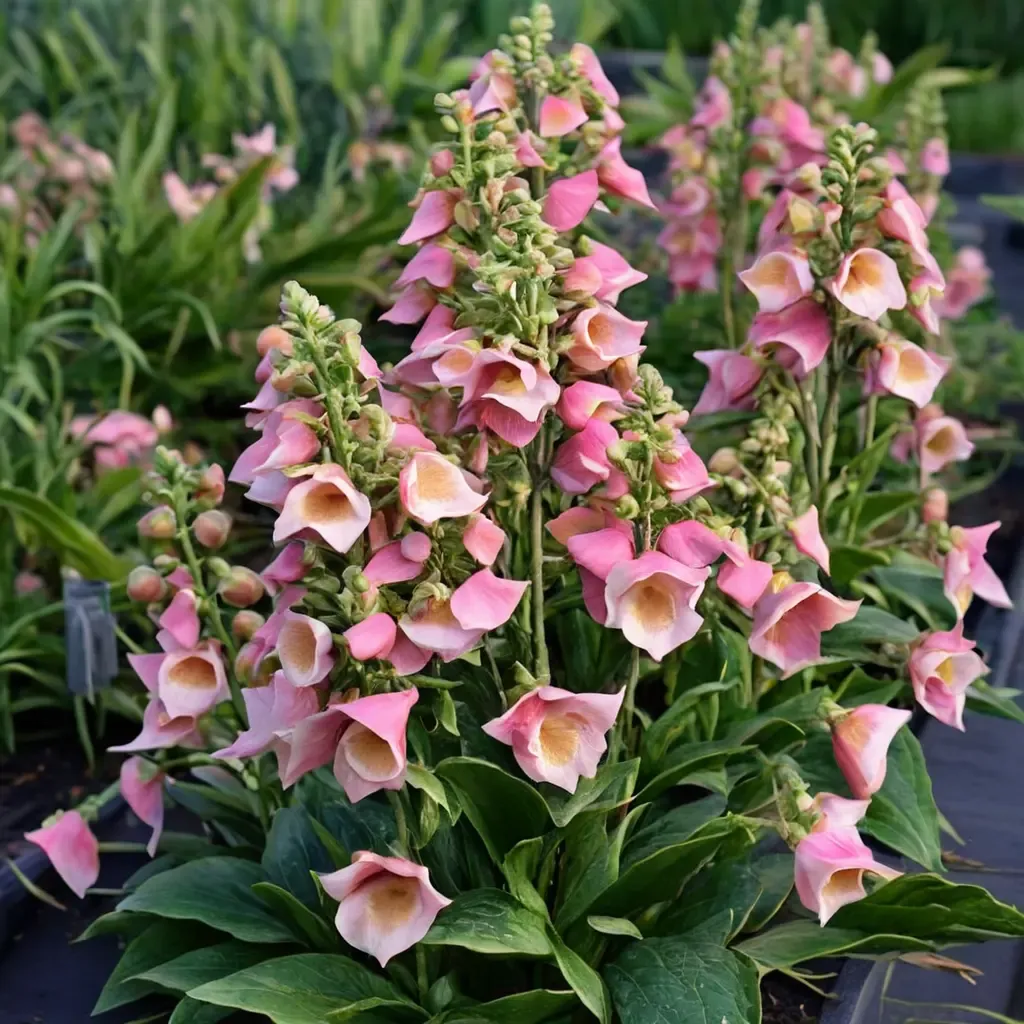
Arctic Fox Rose Foxglove
Digitalis purpurea 'Arctic Fox Rose'
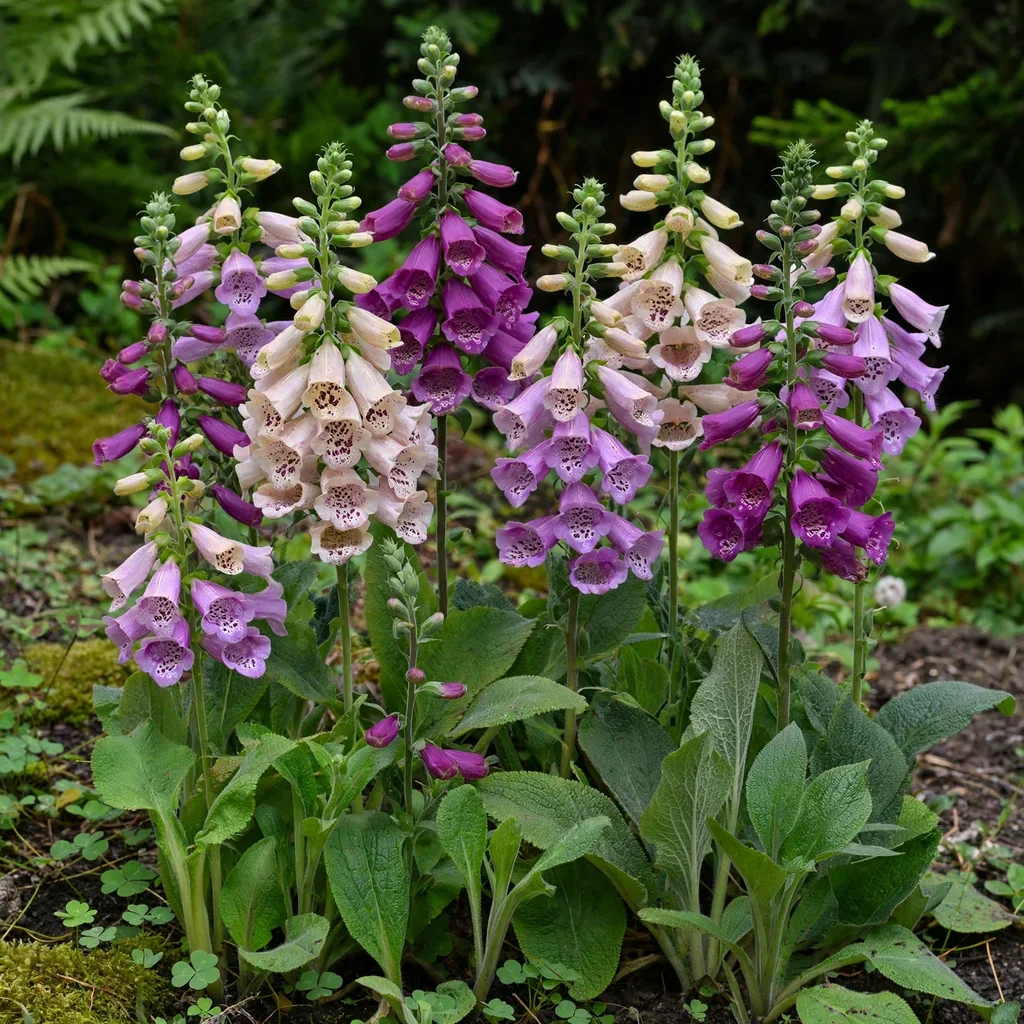
Foxglove
Digitalis purpurea 'Mix'
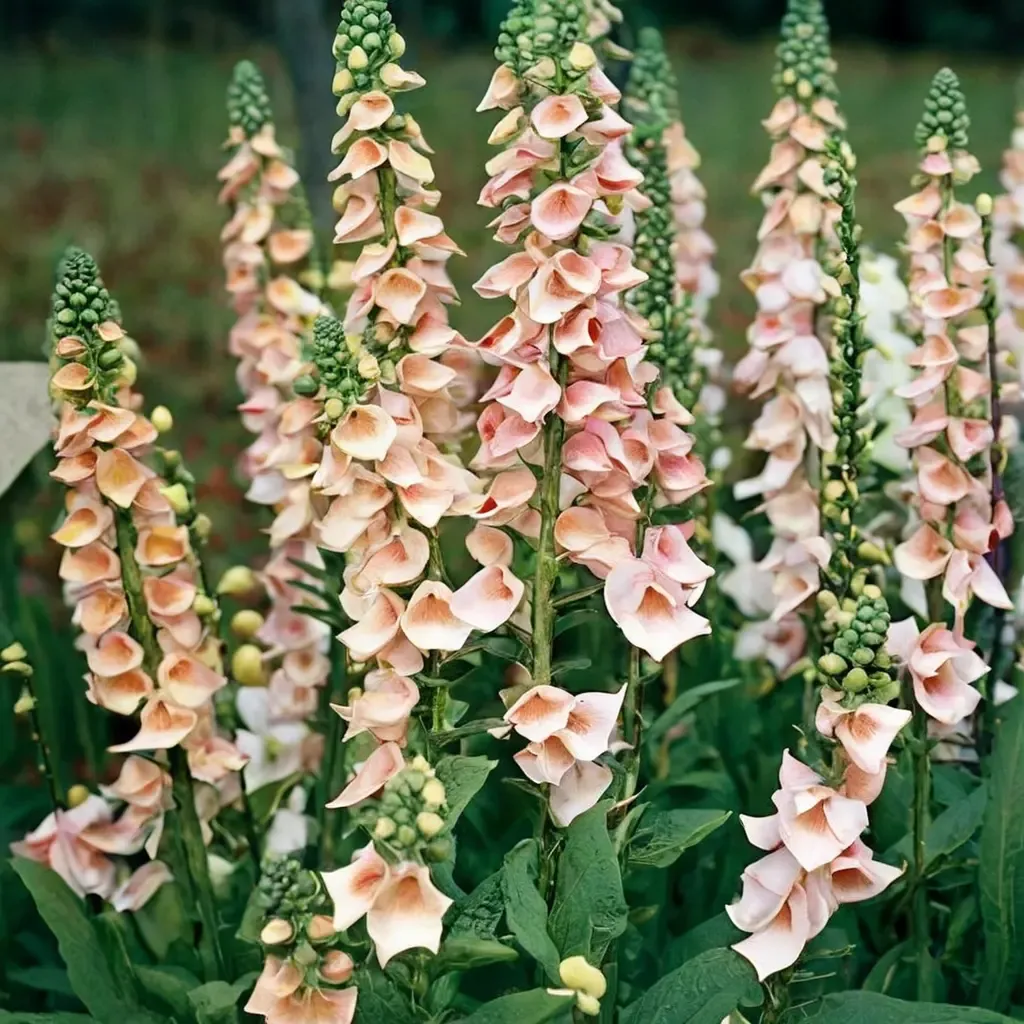
Apricot Foxglove
Digitalis purpurea 'Apricot Beauty'
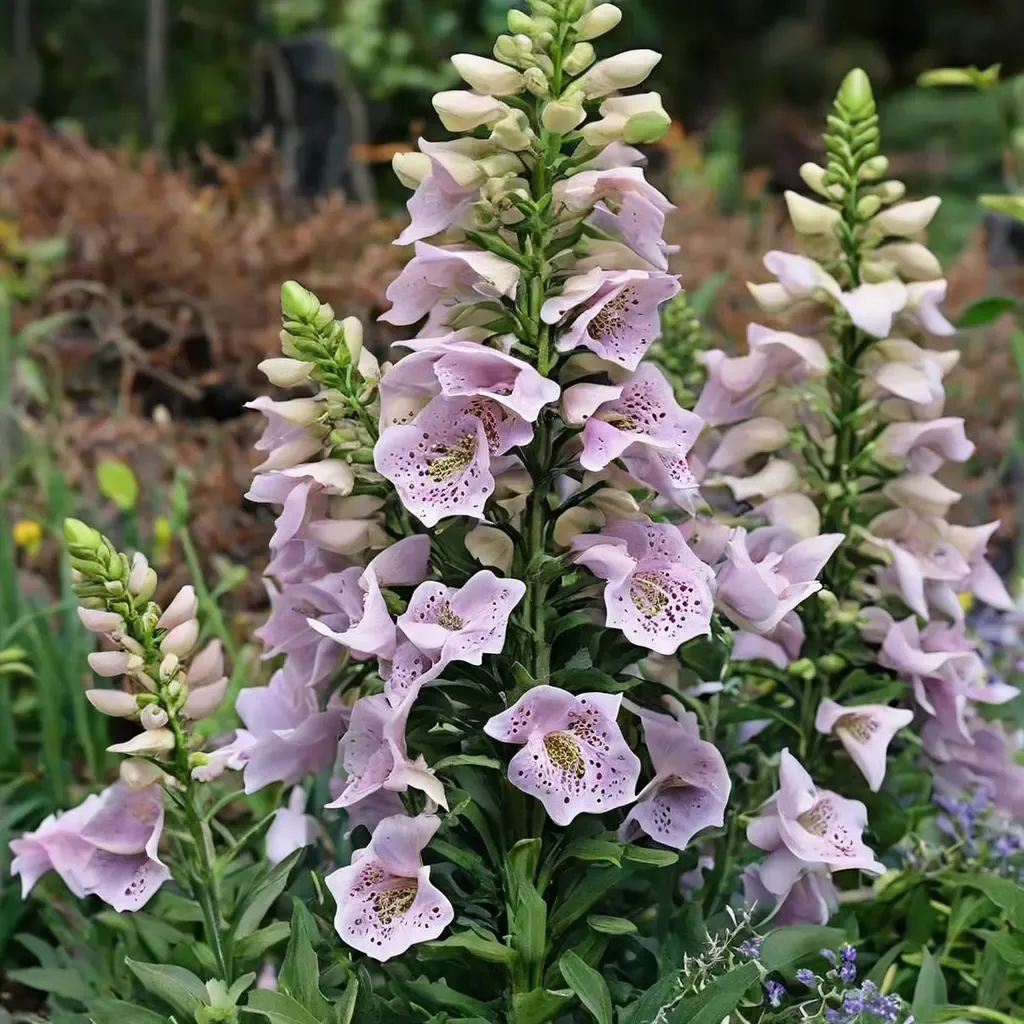
Camelot Lavender Foxglove
Digitalis purpurea 'Camelot Lavender'
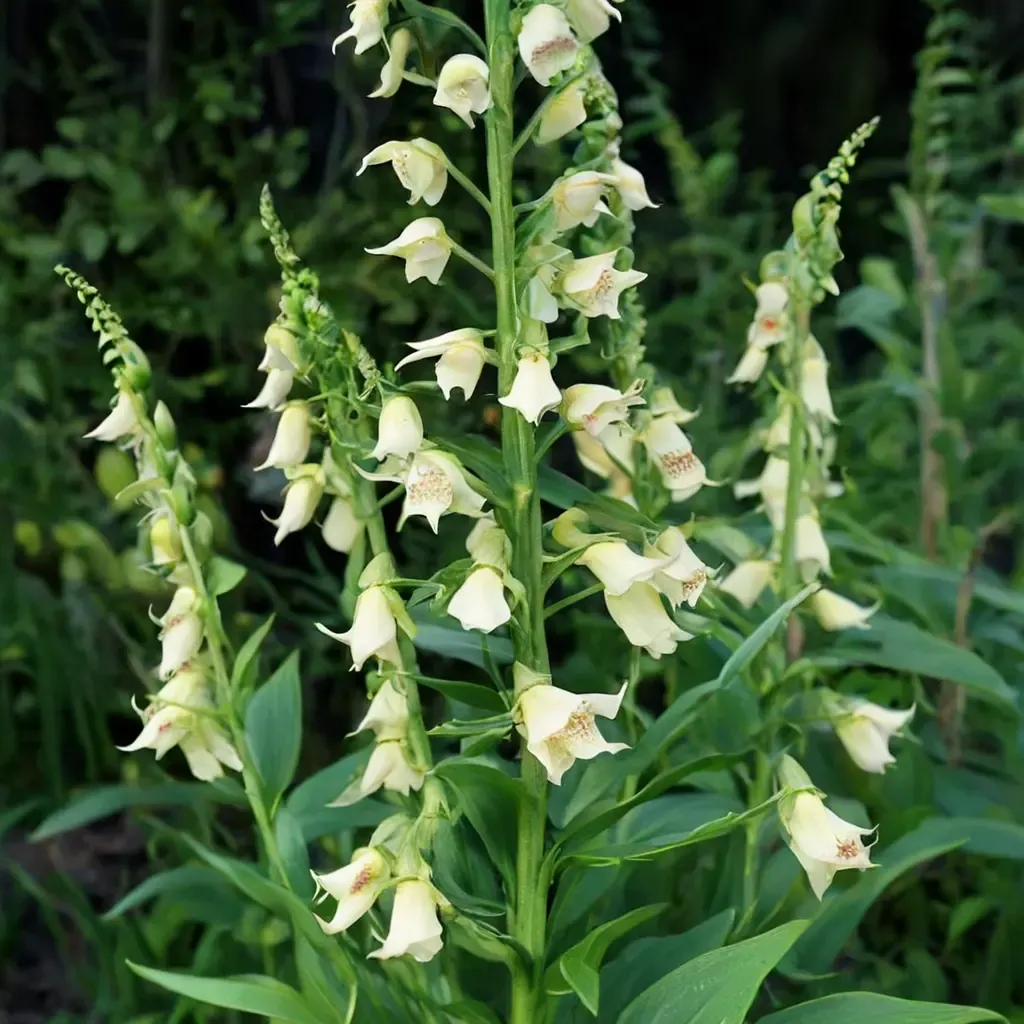
Yellow Foxglove
Digitalis lutea
Keep exploring
Explore the genus
Grow Camelot White Foxglove with confidence
See it in a design of your actual yard, get zone-matched care reminders, and track it season by season in your garden journal.