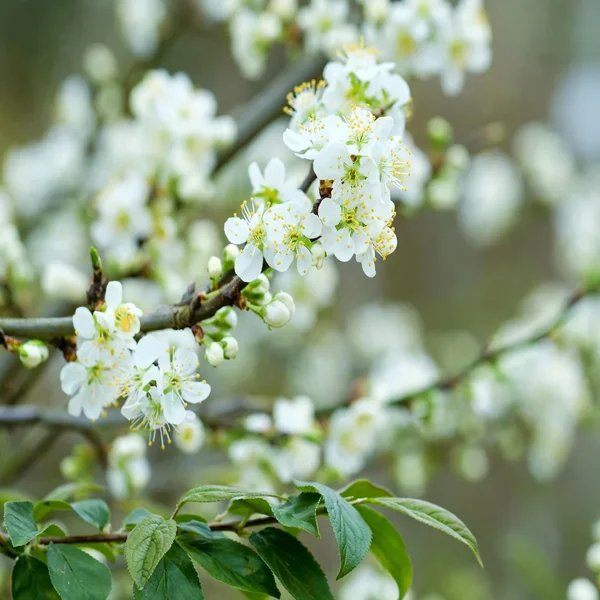
Species
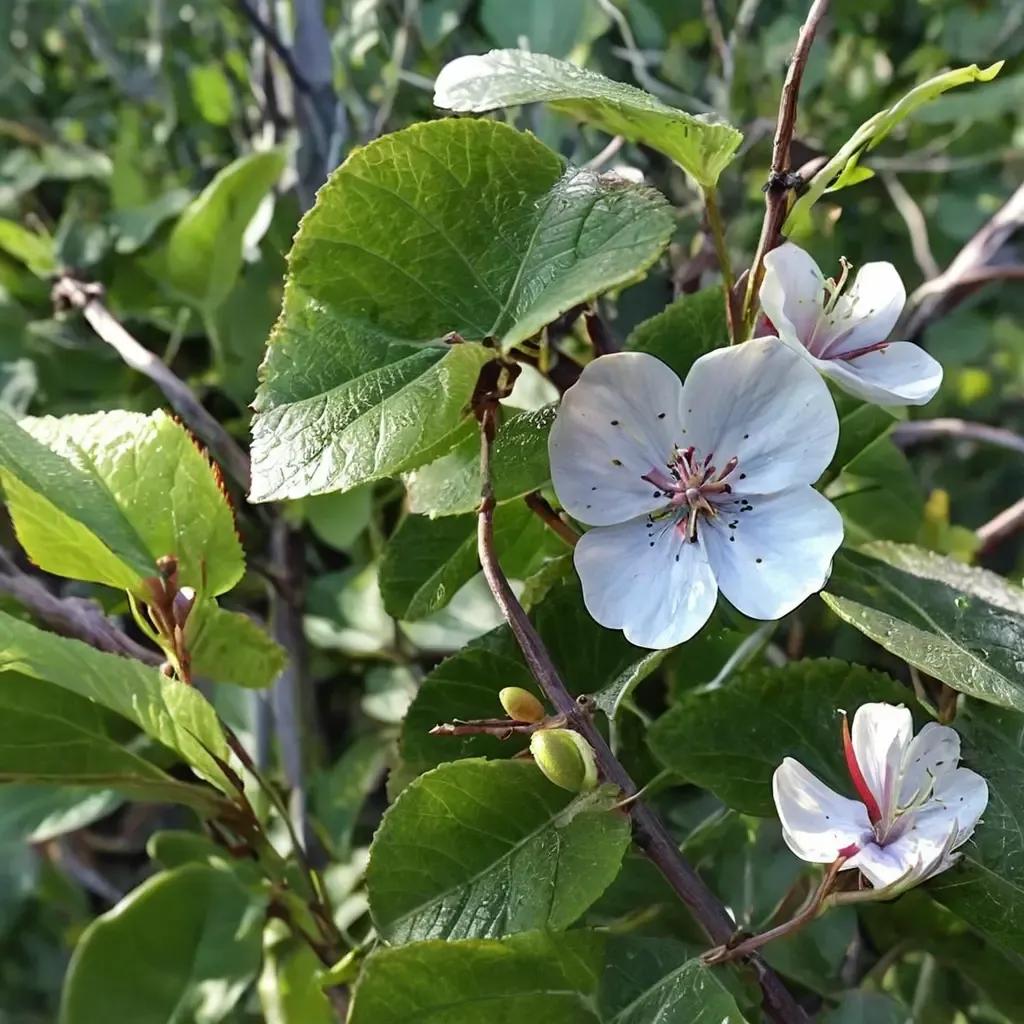 Prunus domesticaEuropean Plum
1 other cultivar

The Story
Plant Bio
A deciduous, fruit-bearing tree, Prunus domestica is valued for its spring blossoms and edible plums. It typically has an upright-spreading to rounded habit. Most cultivars require a second pollinator variety, though some are self-fertile.
Produces small to medium, oval, purple-skinned plums with sweet, rich, yellowish-green flesh. The fruit has a high sugar content, making it excellent for eating fresh, cooking, and drying into prunes. It is a freestone variety, ripening in late summer.
Uses & Benefits:
Essentials
At a Glance
Plant Type
Fruit Vegetable
Height
180"
Width
180"
Light
Full Sun
Zones
5, 6, 7, 8, 9
Water
Medium
Humidity
Average
Lifespan
20-30 years
Native To
Caucasus Mountains, Western Asia
Toxicity
Fruit is edible; leaves, stems, and pits are toxic.
Bloom period
Early spring – Late spring
In flower about 3 months of the year
Planting
How to Grow
- Select a sunny location with well-draining soil for planting.
- Tuck seeds or grafted saplings into the soil, watering thoroughly.
- Mist cuttings regularly to maintain humidity and promote rooting.
- Apply mulch around the base to retain moisture and suppress weeds.
- Fertilize in early spring with a balanced fruit tree fertilizer.
- Prune to shape and remove dead or diseased branches during winter.
Pro Tip
Graft onto compatible rootstocks for better disease resistance and yield.
Keep It Thriving
Care Guide
Do
- Water deeply during dry spells to keep soil moist 🌱
- Prune annually to improve air circulation and fruit quality
- Fertilize early spring and late summer for optimal growth
Don't
- Avoid overwatering to prevent root rot ❌
- Do not prune in late summer, as it may reduce fruiting
- Never plant in waterlogged soil
Seasonal Care Calendar
| Task | Jan | Feb | Mar | Apr | May | Jun | Jul | Aug | Sep | Oct | Nov | Dec |
|---|---|---|---|---|---|---|---|---|---|---|---|---|
| Fertilize | ||||||||||||
| Harvest | ||||||||||||
| Mulch | ||||||||||||
| Pest Check | ||||||||||||
| Prune | ||||||||||||
| Spray |
Watch Out For
Pests & Diseases
Common Pests
Common Diseases
In the Garden
Landscape Uses & Companions
Landscape Uses
Companion Plants
Multiply
Propagation Methods
Good to Know
Common Questions
Sugar Plum questions
What zones can Sugar Plum grow in?
Sugar Plum is hardy in USDA Zones 5–9. Inside that range it survives winter in the ground; outside it, grow it as an annual or a container plant you protect.
Is Sugar Plum deer resistant?
Not reliably. Deer may browse Sugar Plum, especially tender spring growth — plan on repellents or fencing where pressure is high.
When does Sugar Plum bloom?
Sugar Plum typically blooms in early spring through late spring. Exact timing shifts a week or two with your zone — Sow's bloom calendar maps it to your garden.
Does Sugar Plum need full sun?
Sugar Plum does best in full sun (6+ hours).
More Prunus to compare
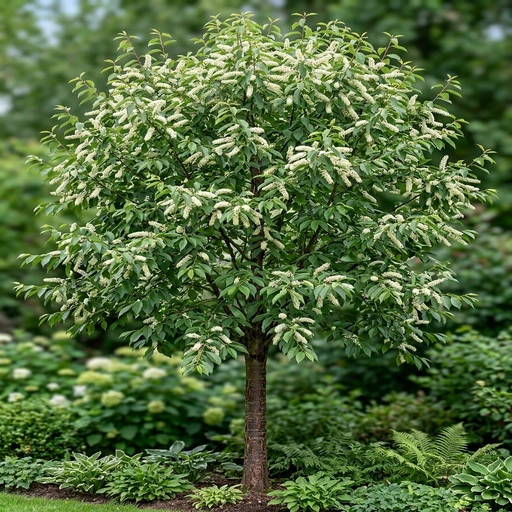
Black Cherry
Prunus serotina
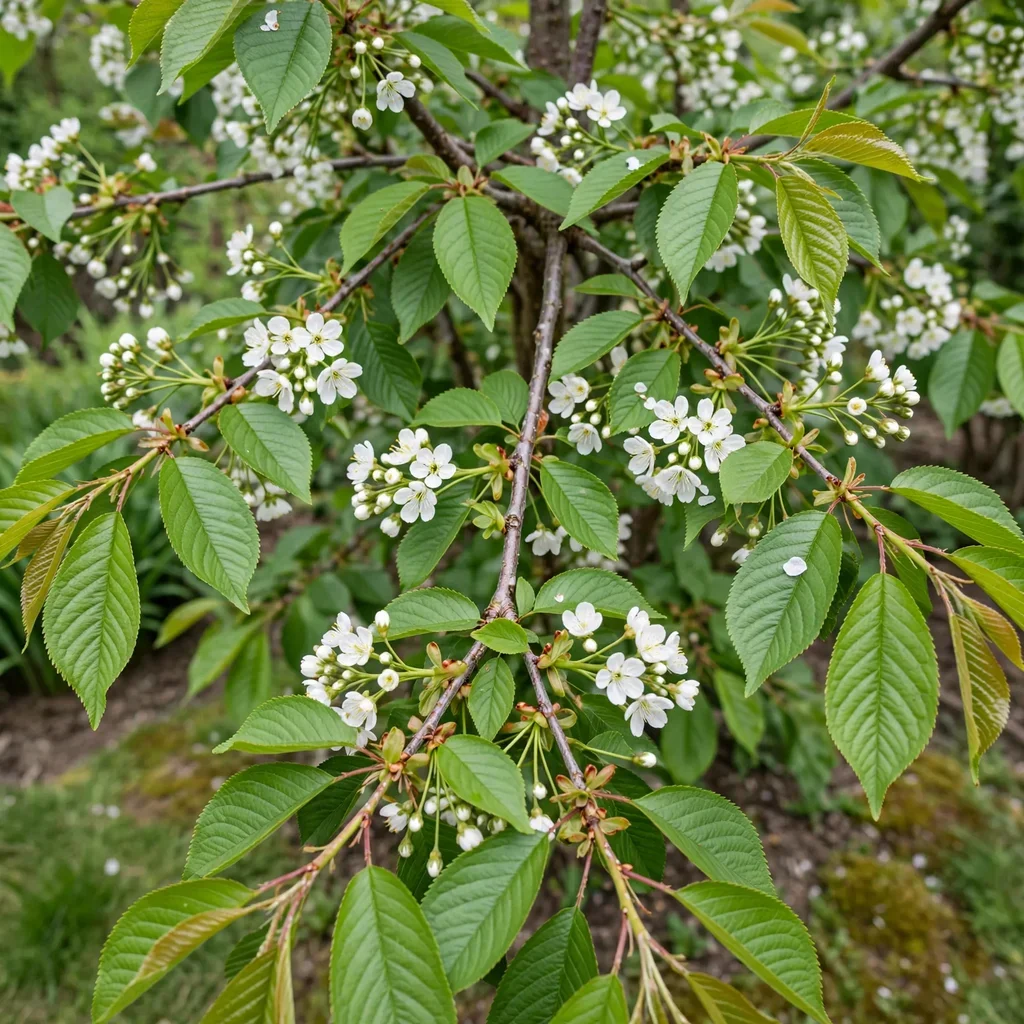
Sweet Cherry
Prunus avium 'Mix'
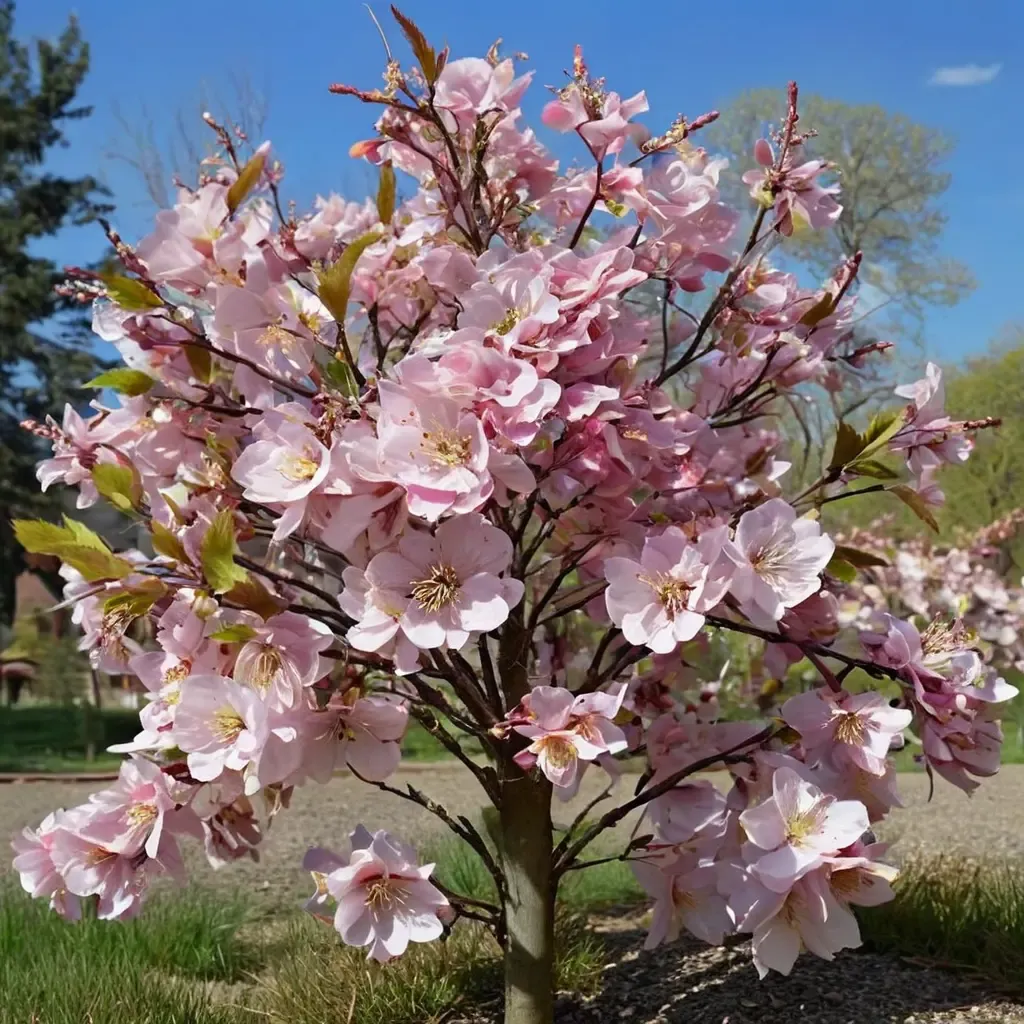
Japanese Flowering Cherry
Prunus serrulata
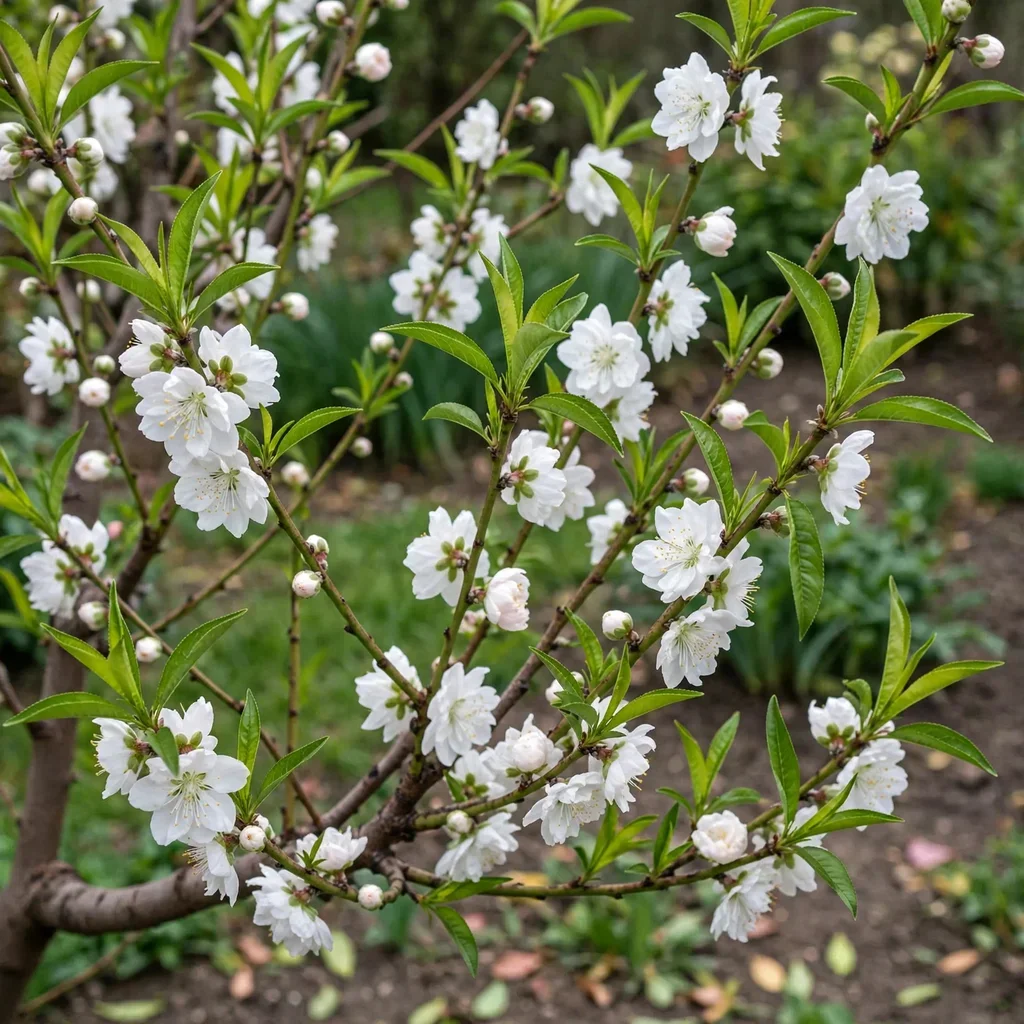
Feiching Tao White Peach
Prunus persica 'Feiching Tao White'
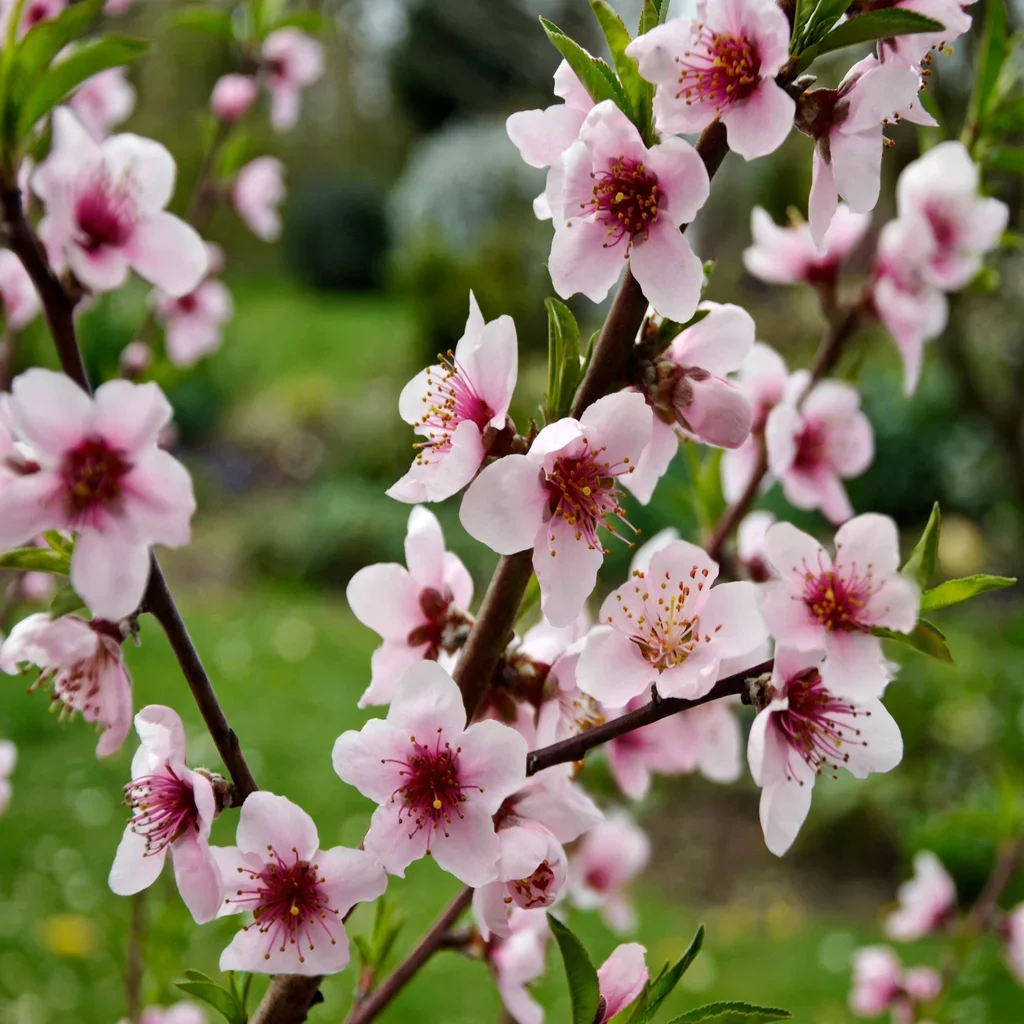
Hale Haven Peach
Prunus persica 'Hale Haven'
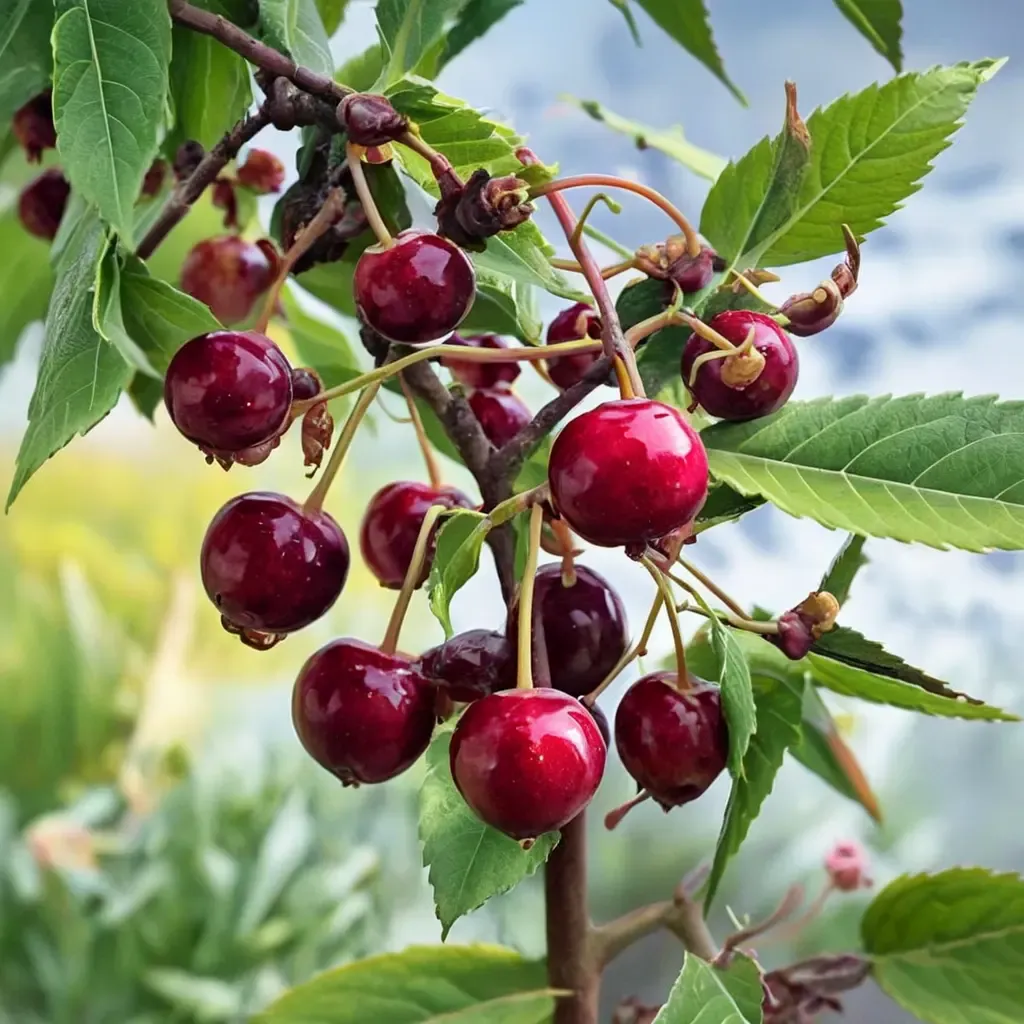
Juliet Cherry
Prunus cerasus 'Juliet'
Keep exploring
Explore the genus
Hardy in your zone?
Grow Sugar Plum with confidence
See it in a design of your actual yard, get zone-matched care reminders, and track it season by season in your garden journal.