The Story
Plant Bio
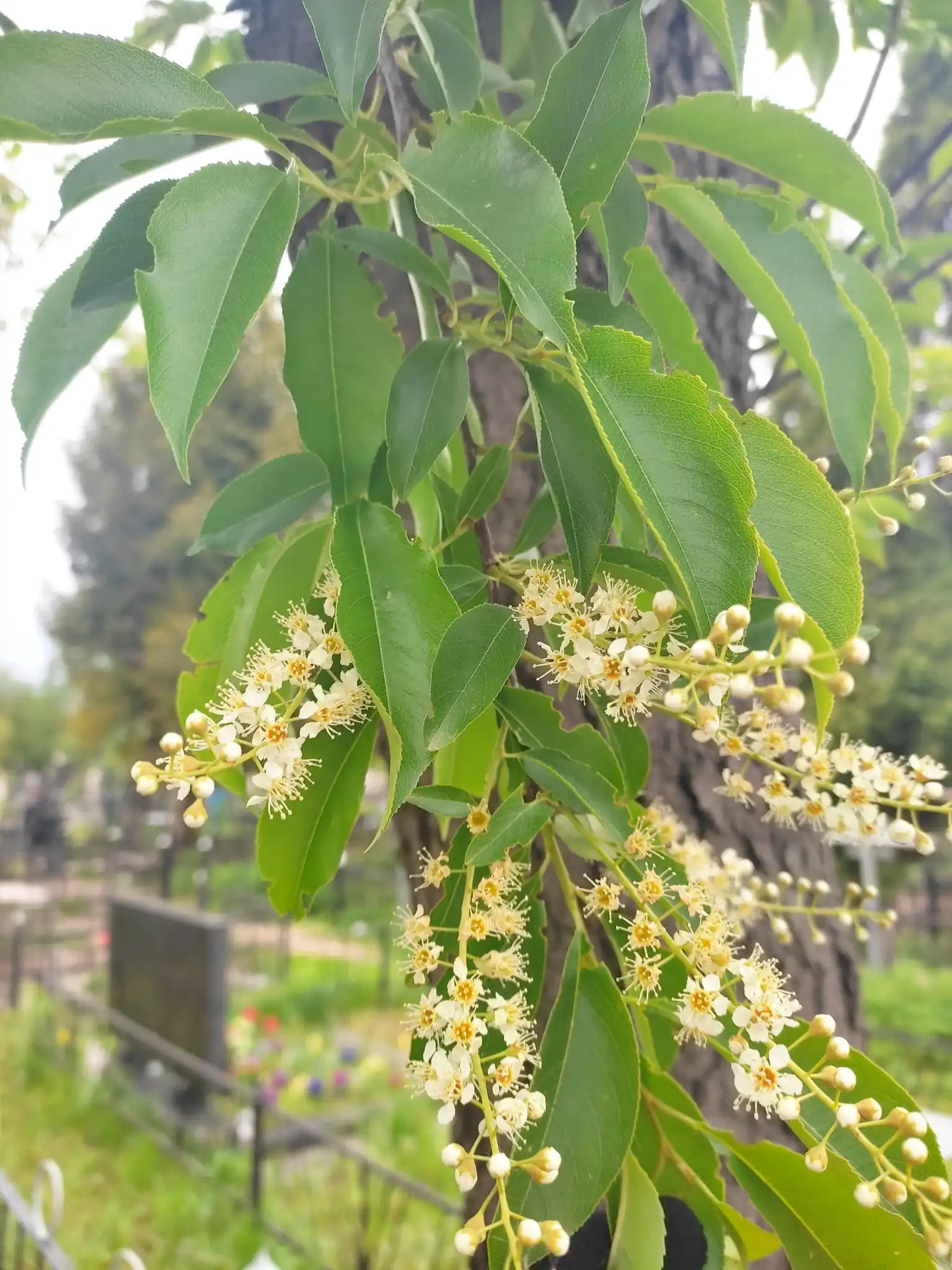
Prunus serotina is a large, fast-growing deciduous tree native to North America, known for its valuable hardwood, fragrant spring flowers, and dark, edible fruits. Its bark becomes scaly and dark with age.
It is a keystone species, serving as a host plant for hundreds of species of Lepidoptera, including the Eastern Tiger Swallowtail. Wilted leaves are toxic to livestock due to the release of cyanide.
Uses & Benefits:
Essentials
At a Glance
Plant Type
Tree
Height
720"
Width
360"
Light
Full Sun, Partial Sun
Zones
4, 5, 6, 7, 8, 9
Water
Medium
Humidity
Adaptable
Lifespan
100+ years
Native To
Eastern and Central North America
Toxicity
Wilted leaves, twigs, and seeds are toxic if ingested
Bloom period
Late spring – Early summer
In flower about 2 months of the year
Planting
How to Grow
- Select a location in full sun for best flowering and fruiting.
- Plant in moist, well-drained soil; it is adaptable to various soil types.
- Dig a hole twice the width of the root ball.
- Set the tree so the top of the root ball is level with the ground.
- Backfill the hole and water deeply to settle the soil.
- Mulch around the base to conserve moisture, but keep it off the trunk.
Pro Tip
Plant in an area where it can naturalize, as it readily self-seeds and is best suited for less formal landscapes.
Keep It Thriving
Care Guide
Do
- Water young trees regularly until they are well-established.
- Allow the tree to develop its natural, often irregular, form.
- Monitor for tent caterpillar nests in spring and remove them.
- Appreciate its value to wildlife, from pollinators to birds.
Don't
- Do not plant where livestock can access wilted leaves from fallen branches.
- Avoid planting over patios or driveways as the fruit can cause stains.
- Don't attempt to maintain it as a perfectly manicured tree; embrace its wild nature.
- Avoid wounding the bark, as it can be an entry point for diseases.
Seasonal Care Calendar
| Task | Jan | Feb | Mar | Apr | May | Jun | Jul | Aug | Sep | Oct | Nov | Dec |
|---|---|---|---|---|---|---|---|---|---|---|---|---|
| Harvest | ||||||||||||
| Pest Check | ||||||||||||
| Prune |
Watch Out For
Pests & Diseases
Common Pests
Common Diseases
In the Garden
Landscape Uses & Companions
Landscape Uses
Multiply
Propagation Methods
Good to Know
Common Questions
Black Cherry questions
What zones can Black Cherry grow in?
Black Cherry is hardy in USDA Zones 4–9. Inside that range it survives winter in the ground; outside it, grow it as an annual or a container plant you protect.
Is Black Cherry deer resistant?
Not reliably. Deer may browse Black Cherry, especially tender spring growth — plan on repellents or fencing where pressure is high.
When does Black Cherry bloom?
Black Cherry typically blooms in late spring through early summer. Exact timing shifts a week or two with your zone — Sow's bloom calendar maps it to your garden.
Does Black Cherry need full sun?
Black Cherry does best in full sun to part shade. In hot climates, afternoon shade keeps blooms fresher longer.
Is Black Cherry drought tolerant?
Yes — once established (usually after the first full season), Black Cherry handles dry spells with minimal watering. Water deeply its first year to build the root system that makes that possible.
More Prunus to compare
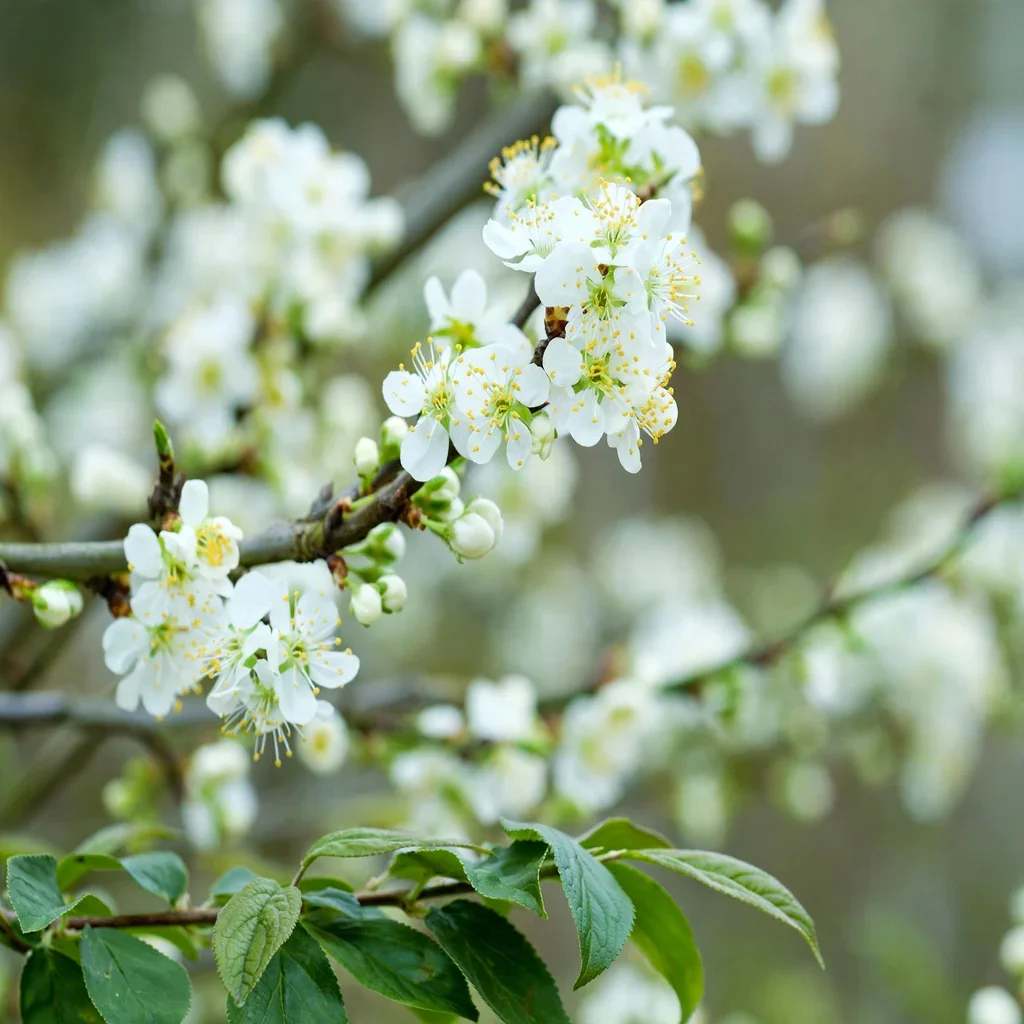
Sugar Plum
Prunus domestica 'Sugar Plum'
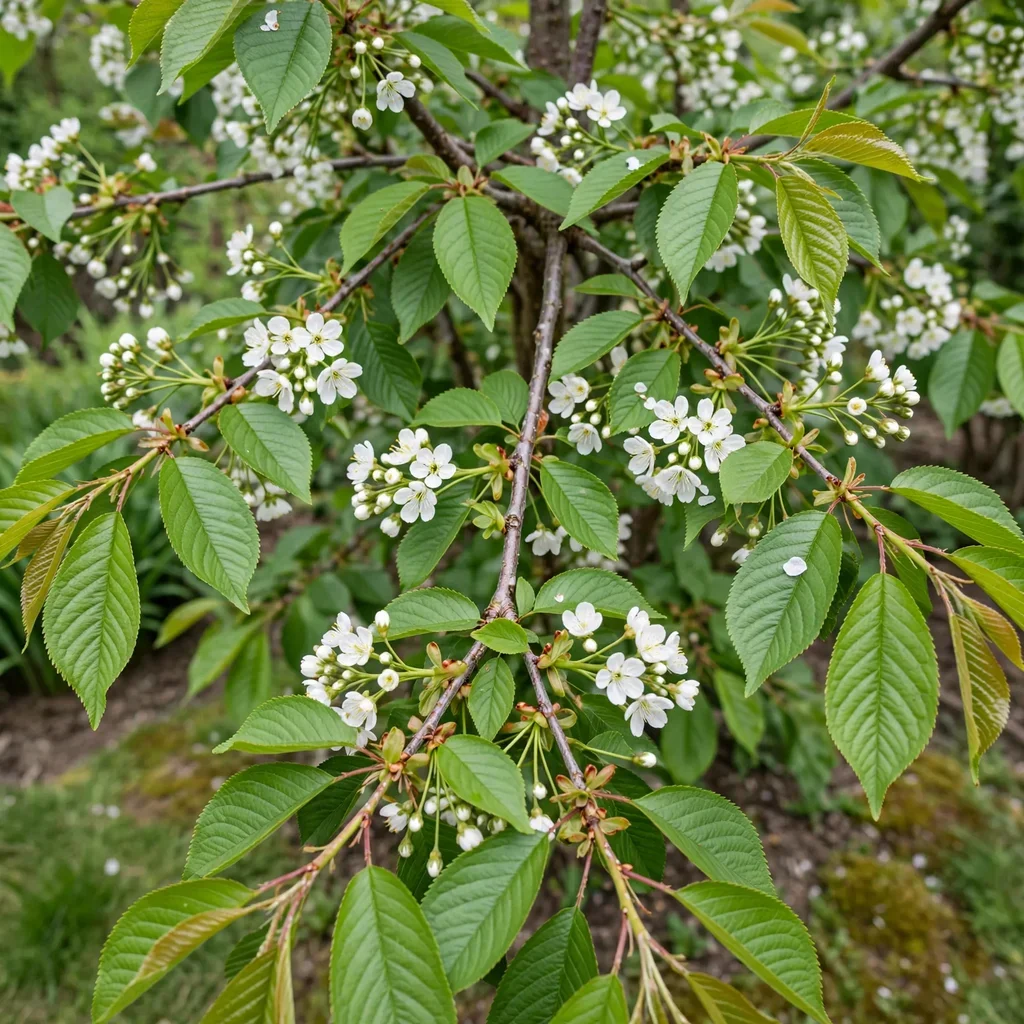
Sweet Cherry
Prunus avium 'Mix'
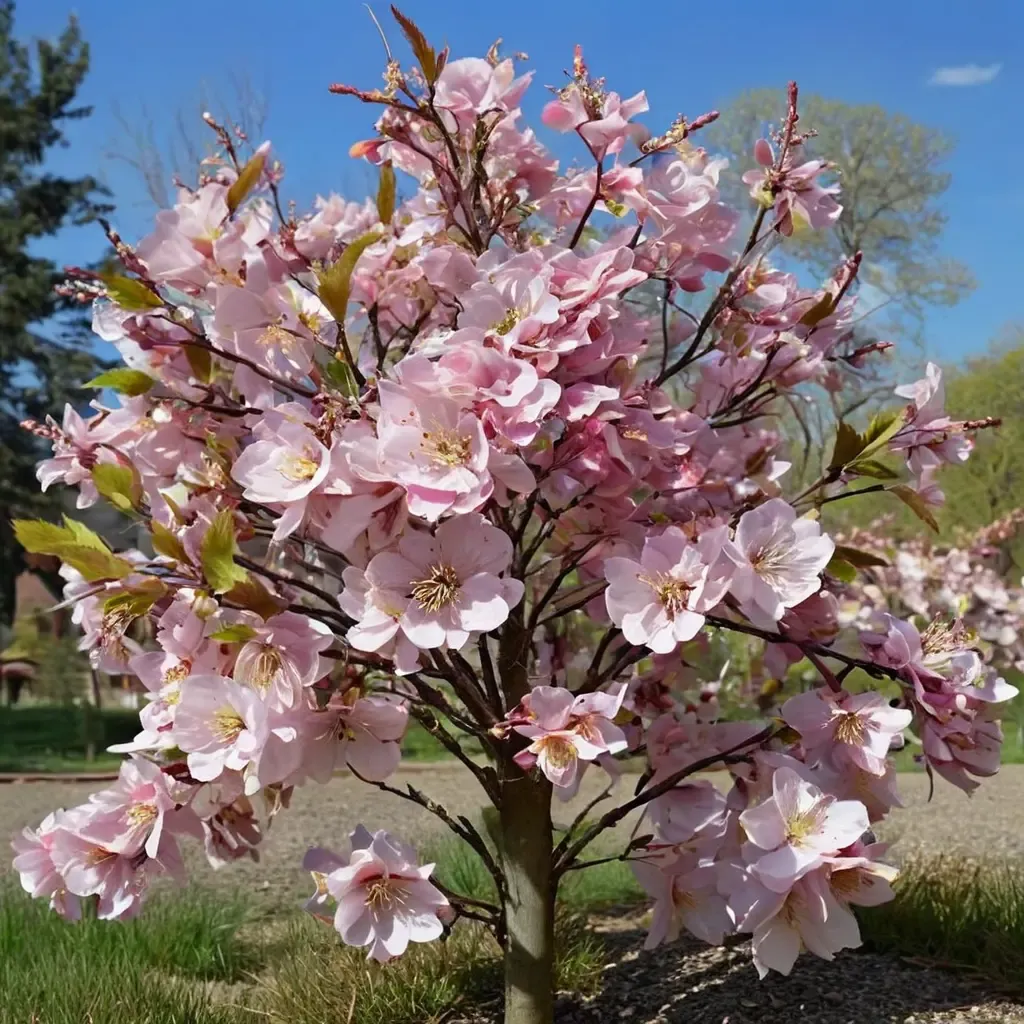
Japanese Flowering Cherry
Prunus serrulata
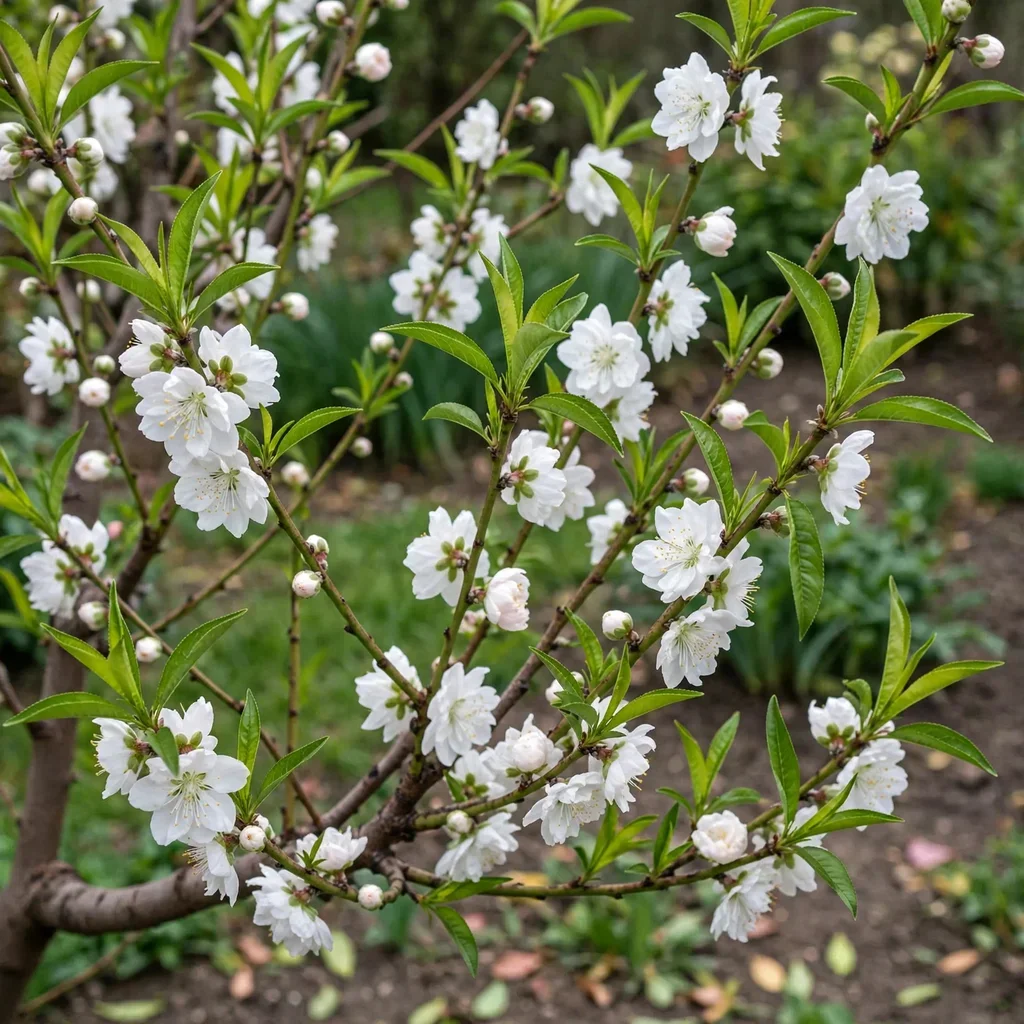
Feiching Tao White Peach
Prunus persica 'Feiching Tao White'
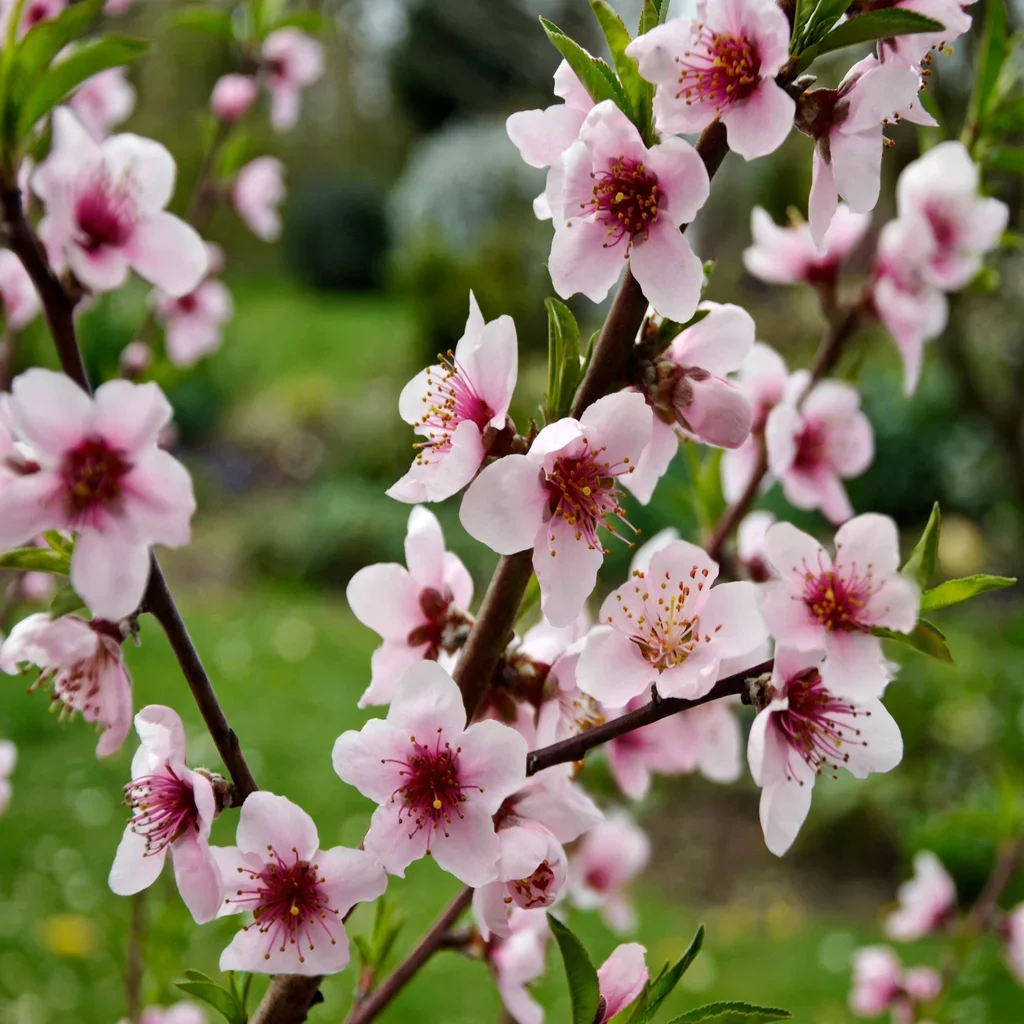
Hale Haven Peach
Prunus persica 'Hale Haven'
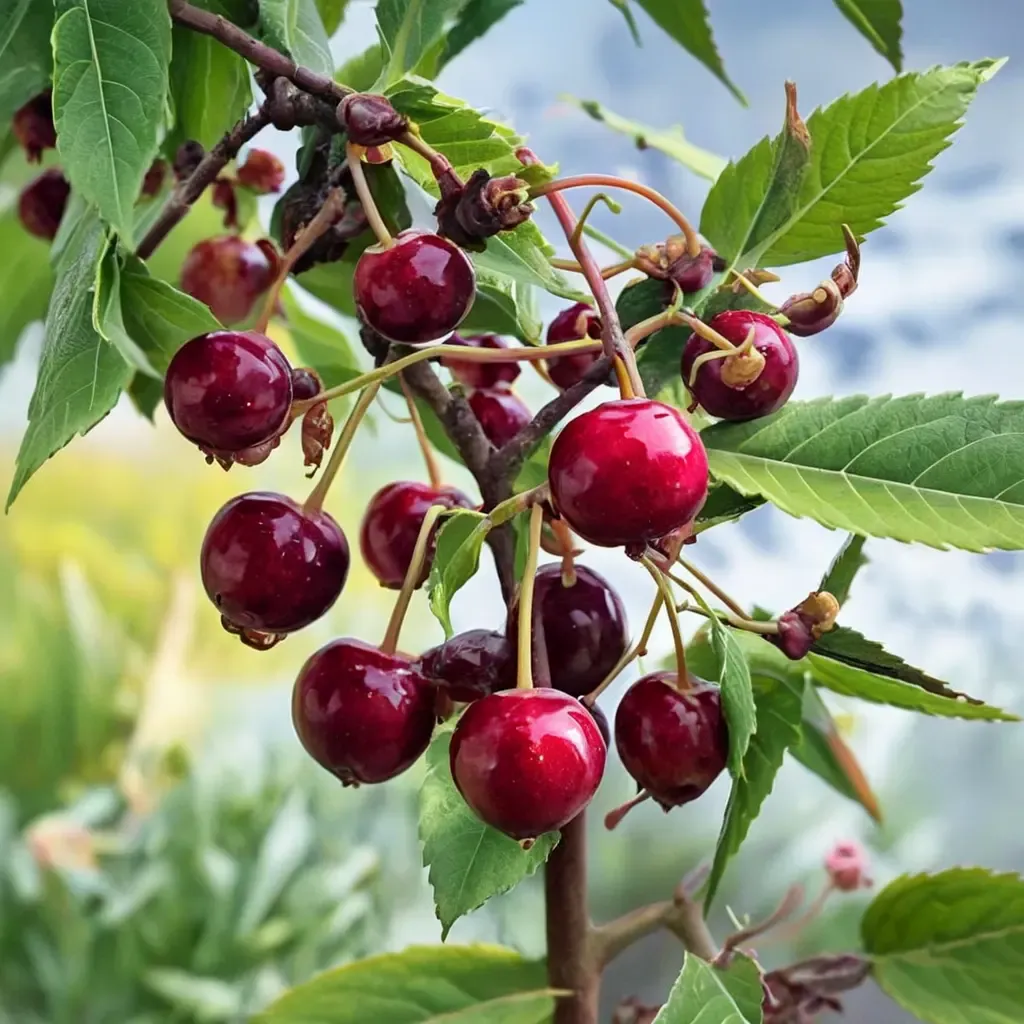
Juliet Cherry
Prunus cerasus 'Juliet'
Keep exploring
Explore the genus
Grow Black Cherry with confidence
See it in a design of your actual yard, get zone-matched care reminders, and track it season by season in your garden journal.