Also known as Cherry / Plum · 3k saves
Prunus
Prunus, the genus most gardeners know as cherry / plum. We track 96 varieties; the ones most used by real gardeners.
The 24 most-saved Prunus varieties
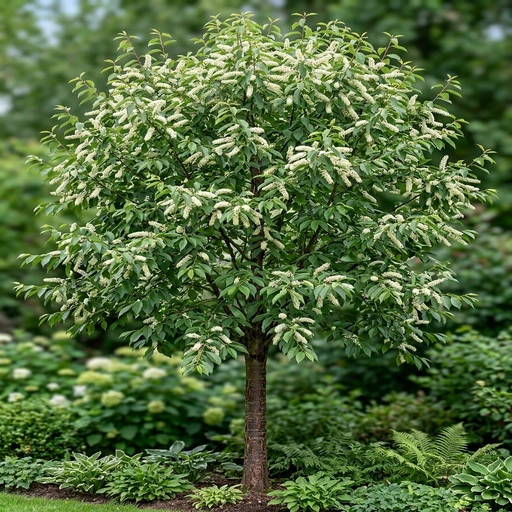
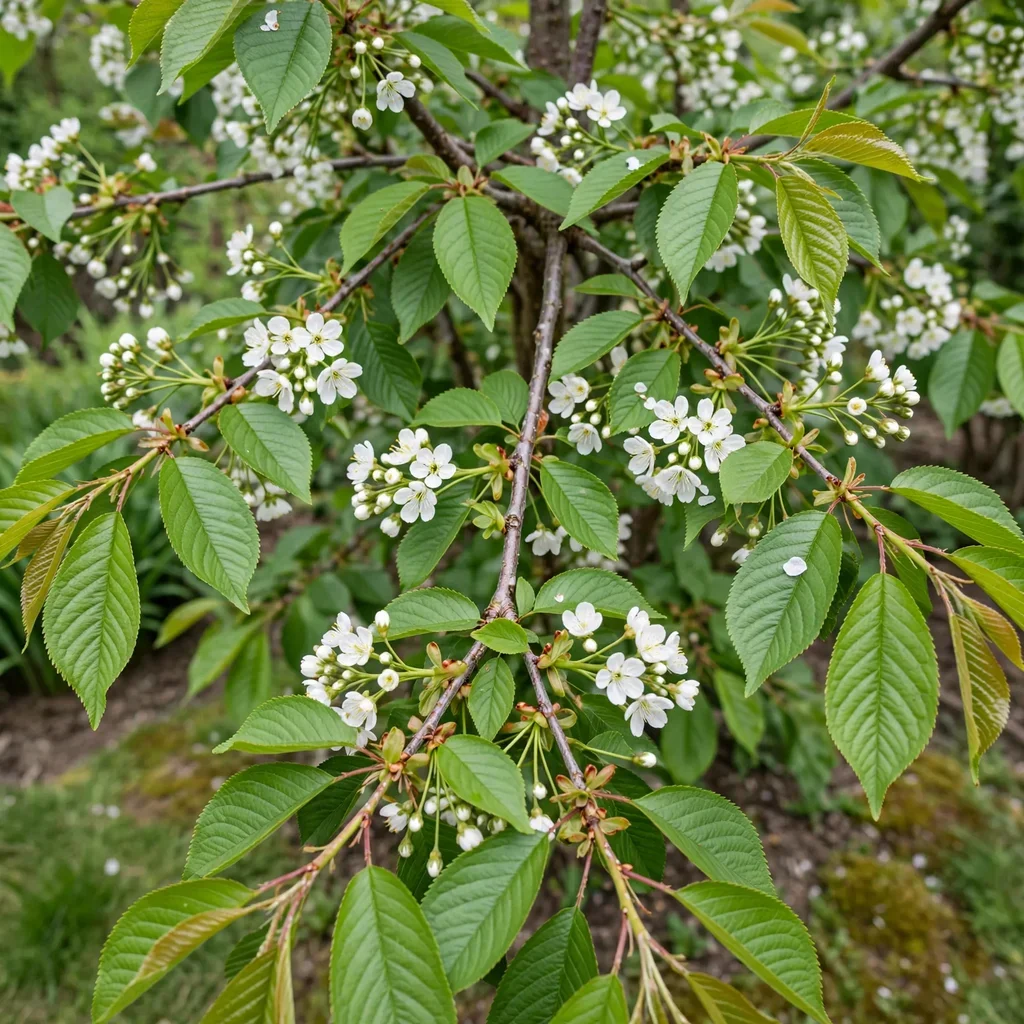
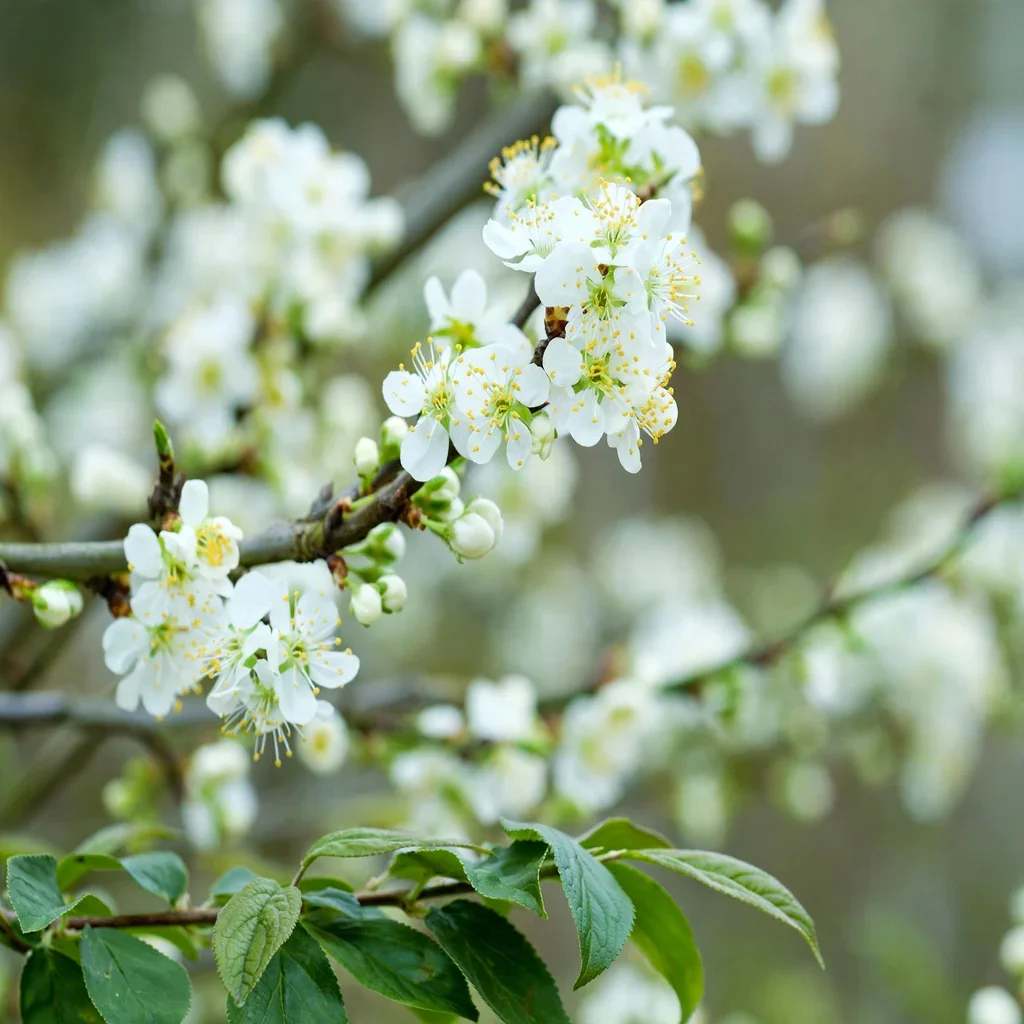
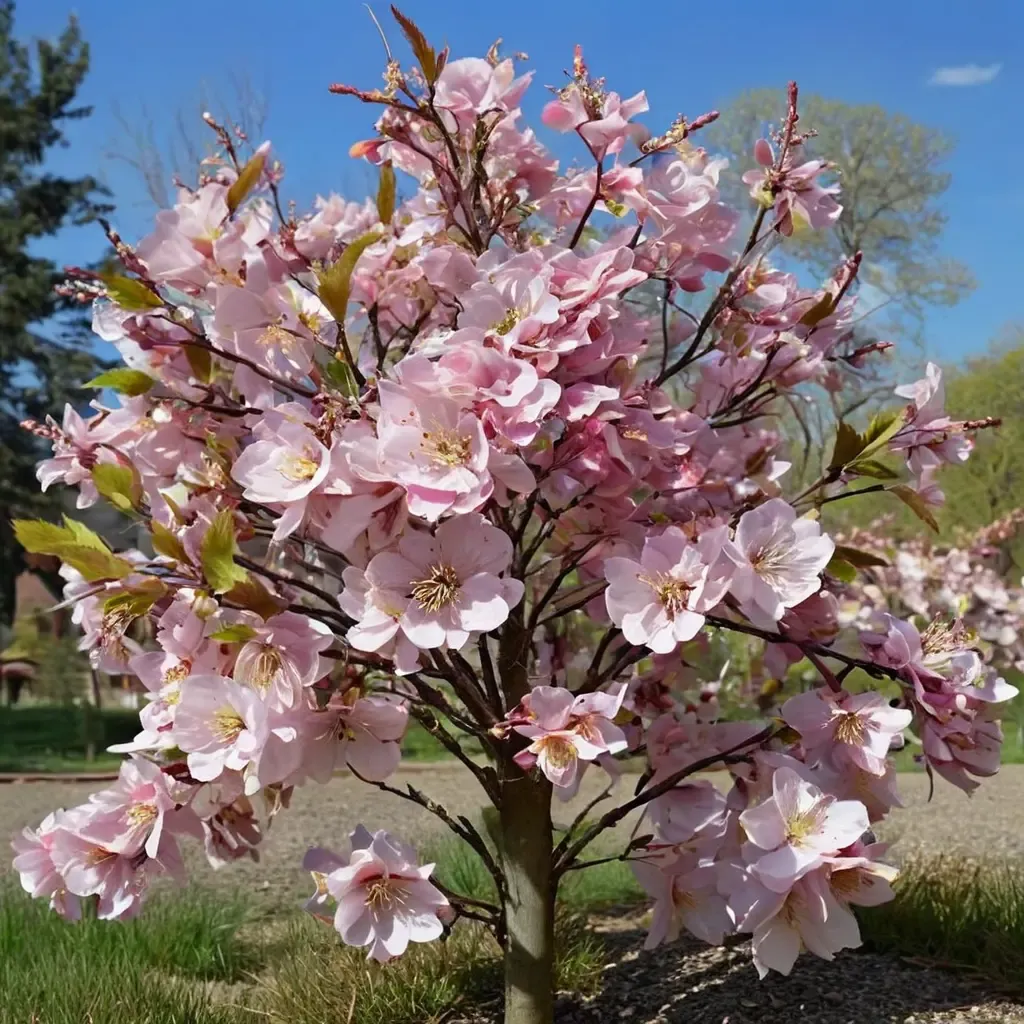
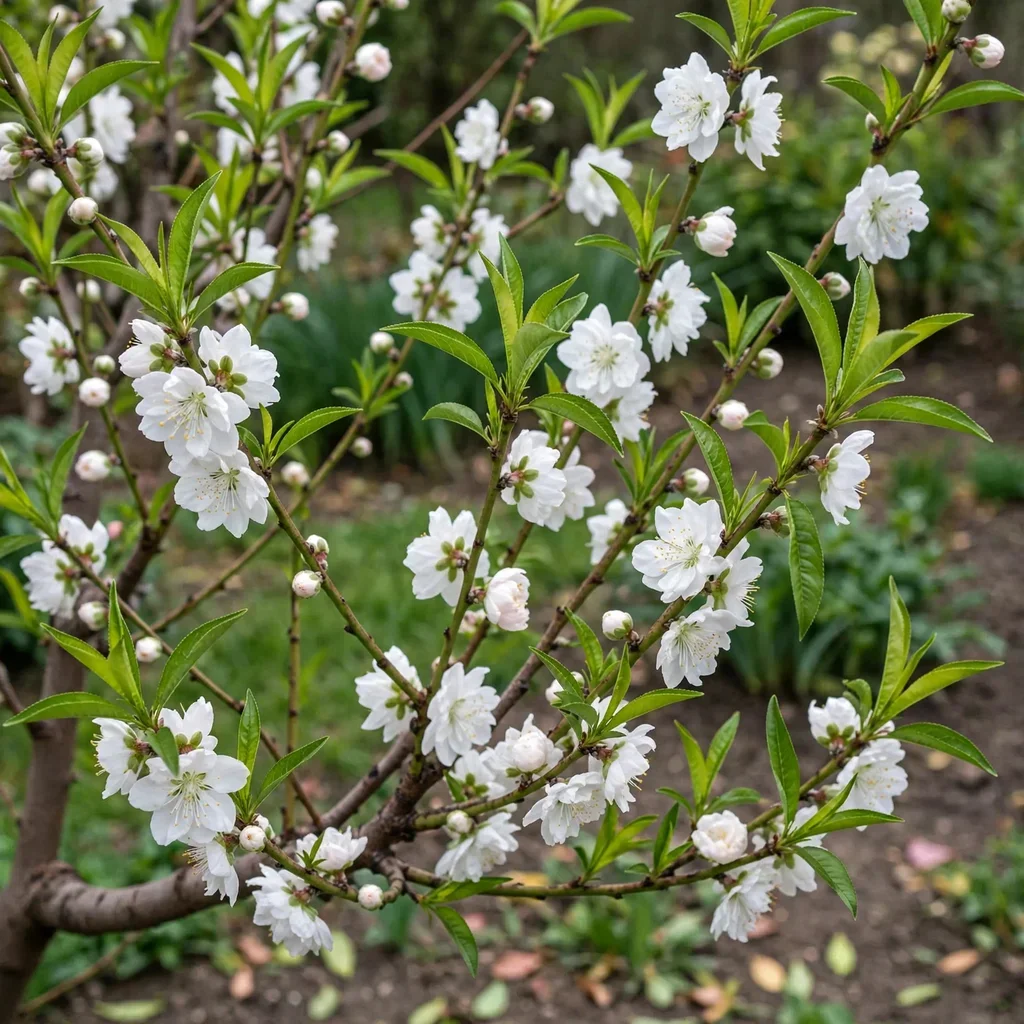
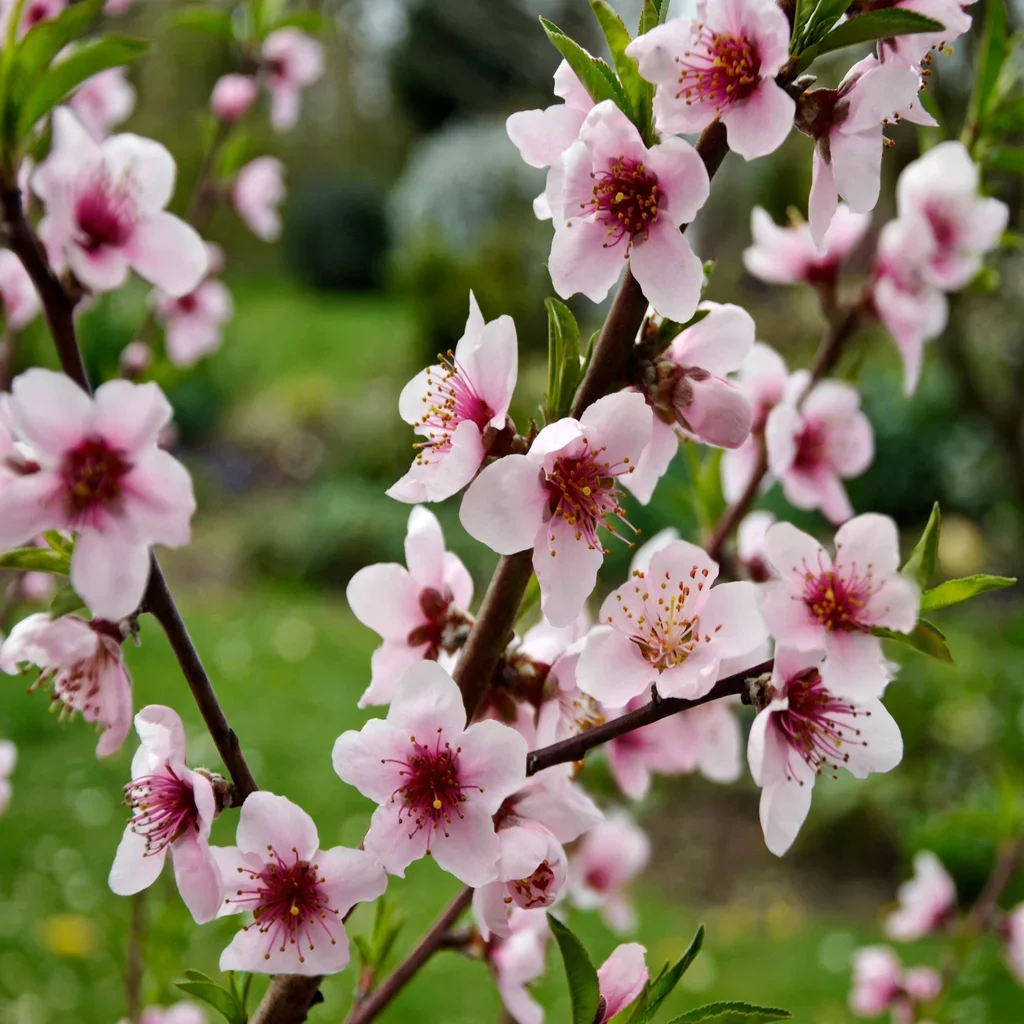
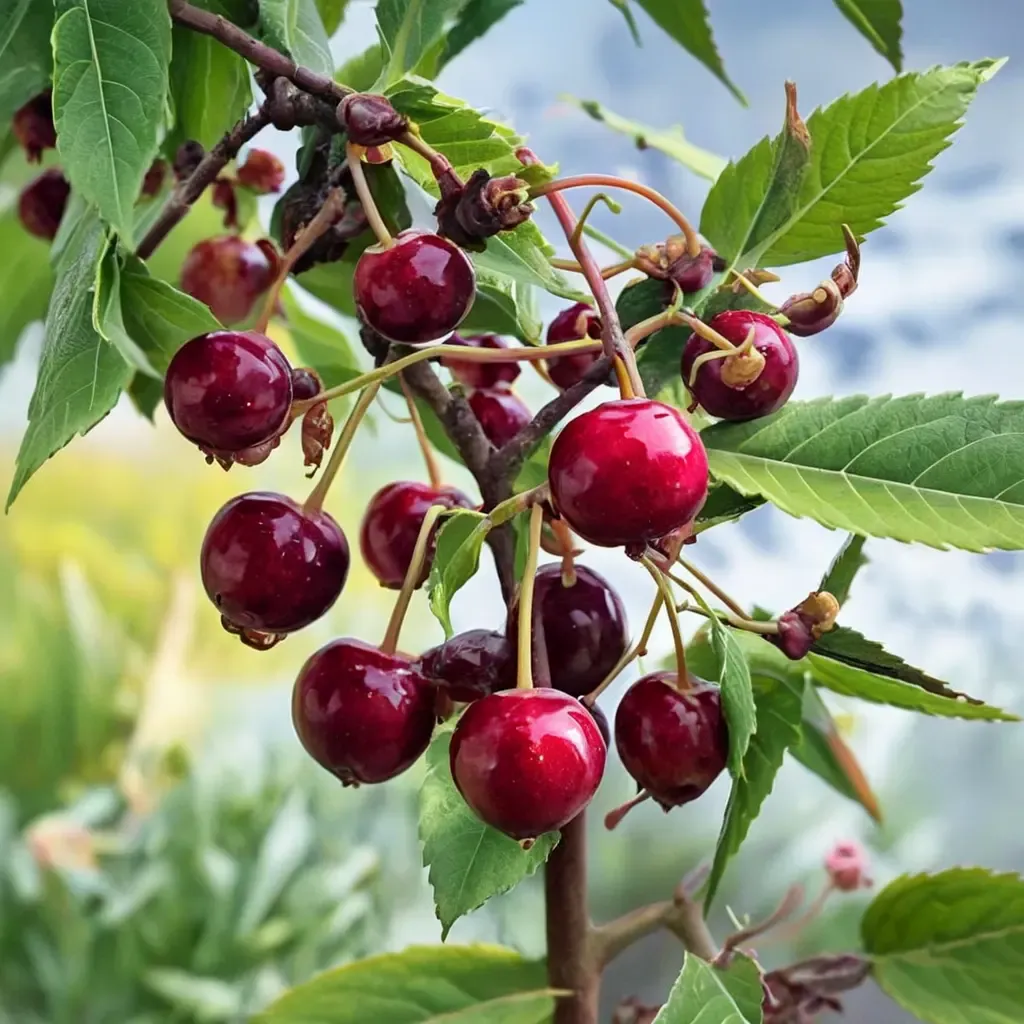
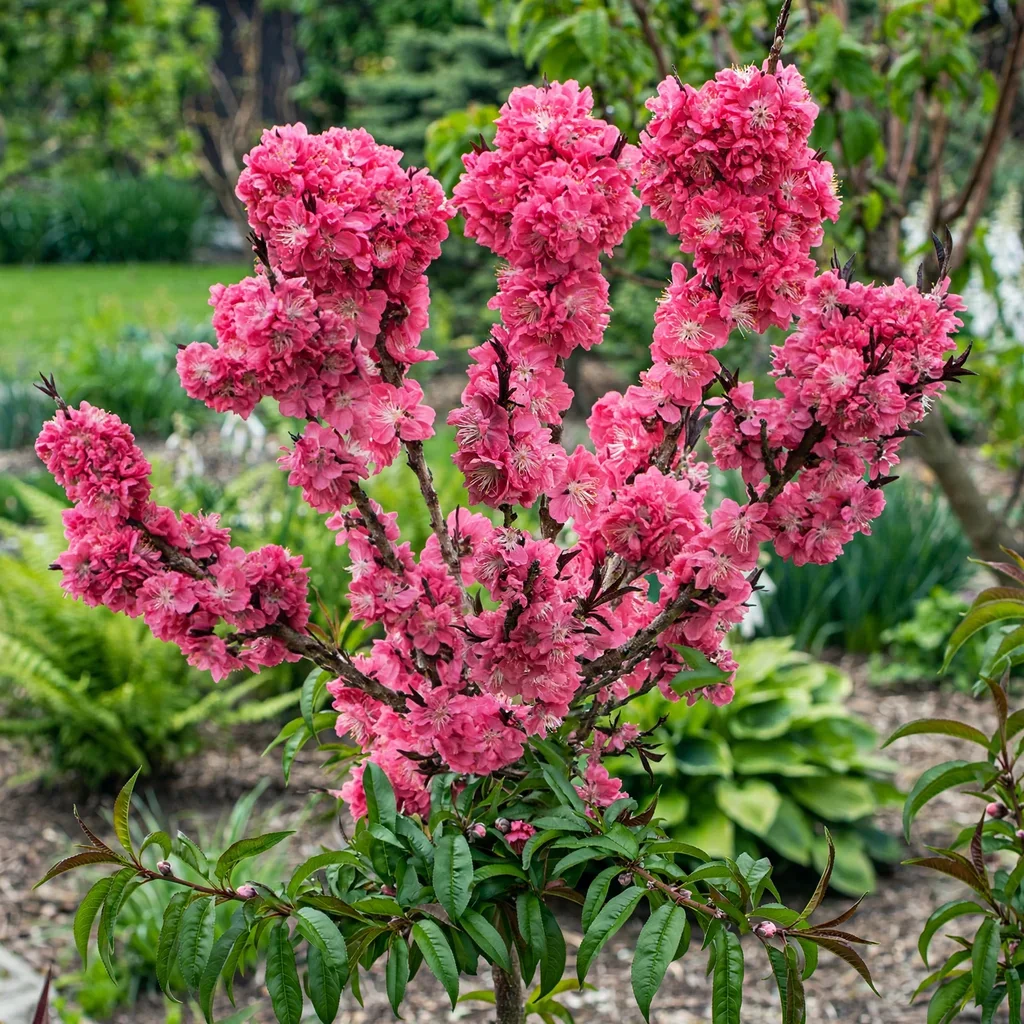
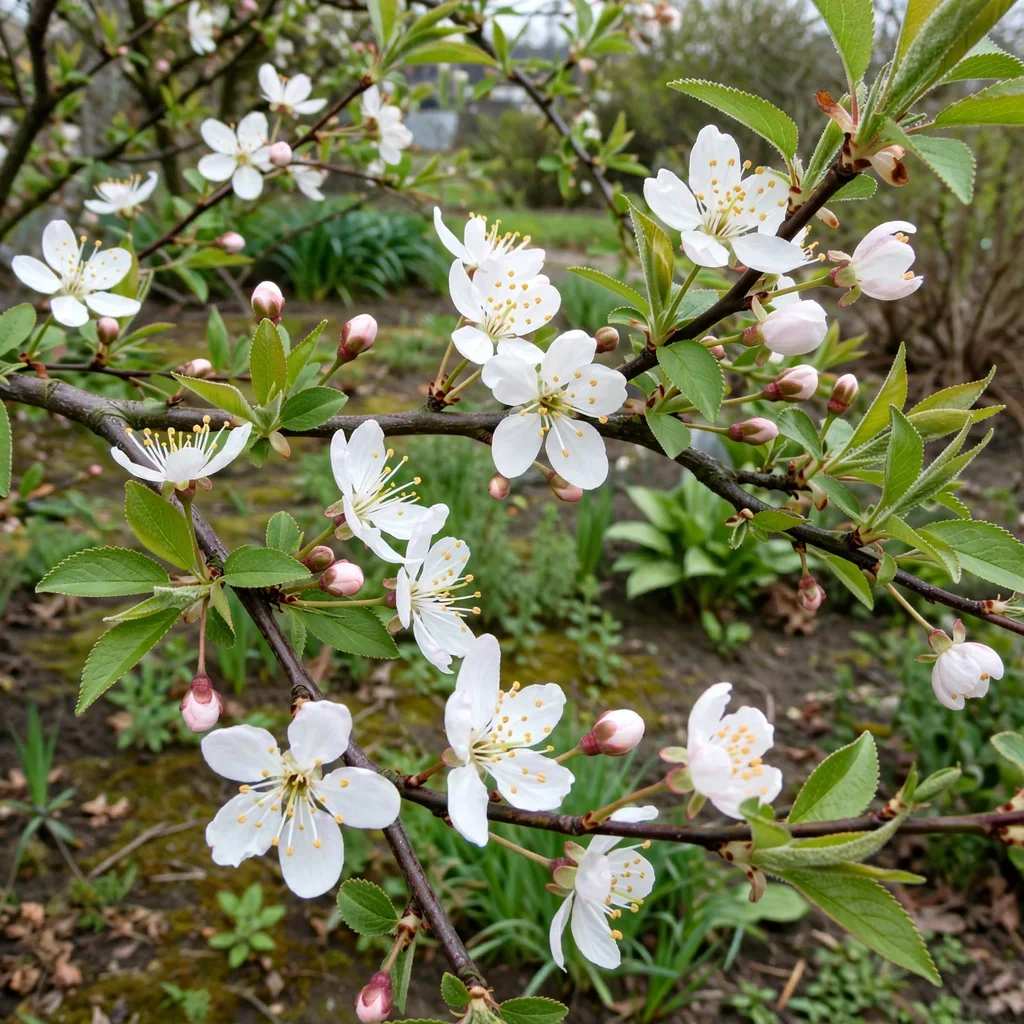
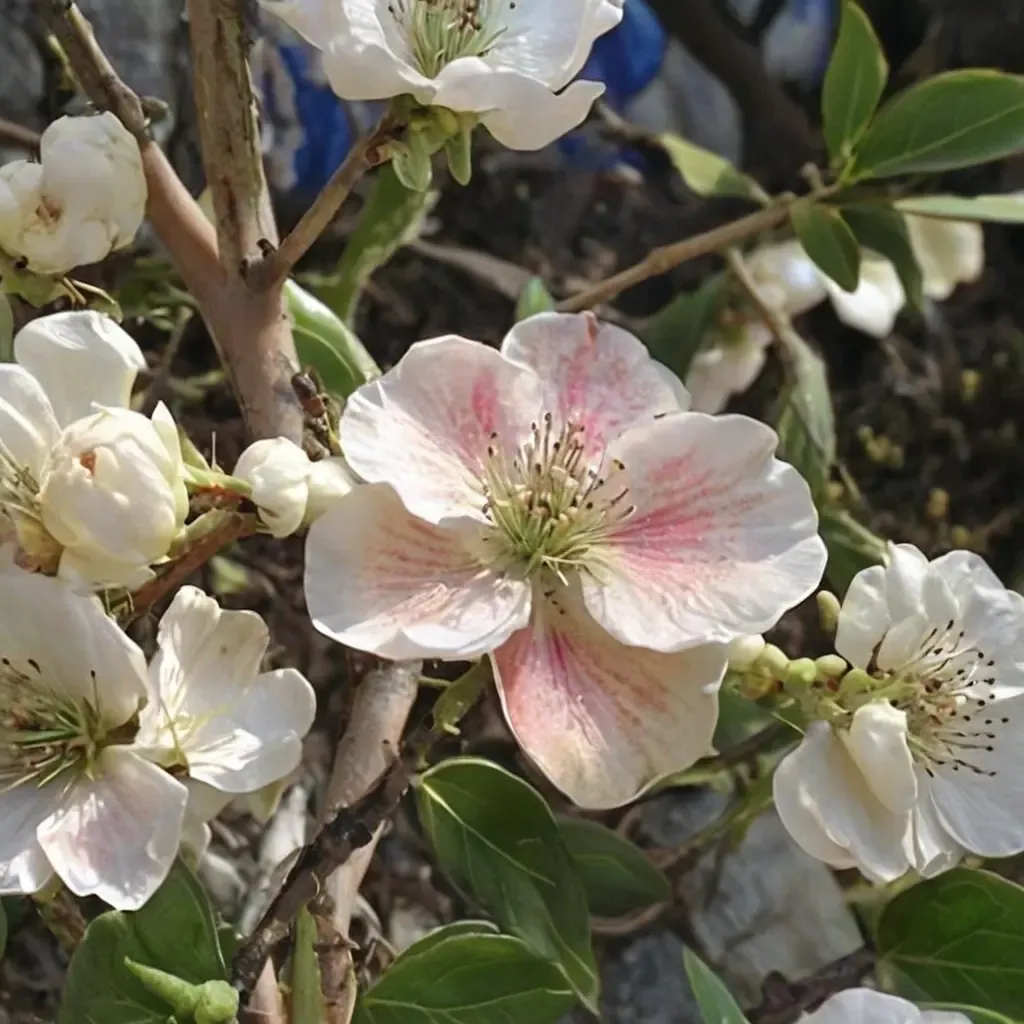
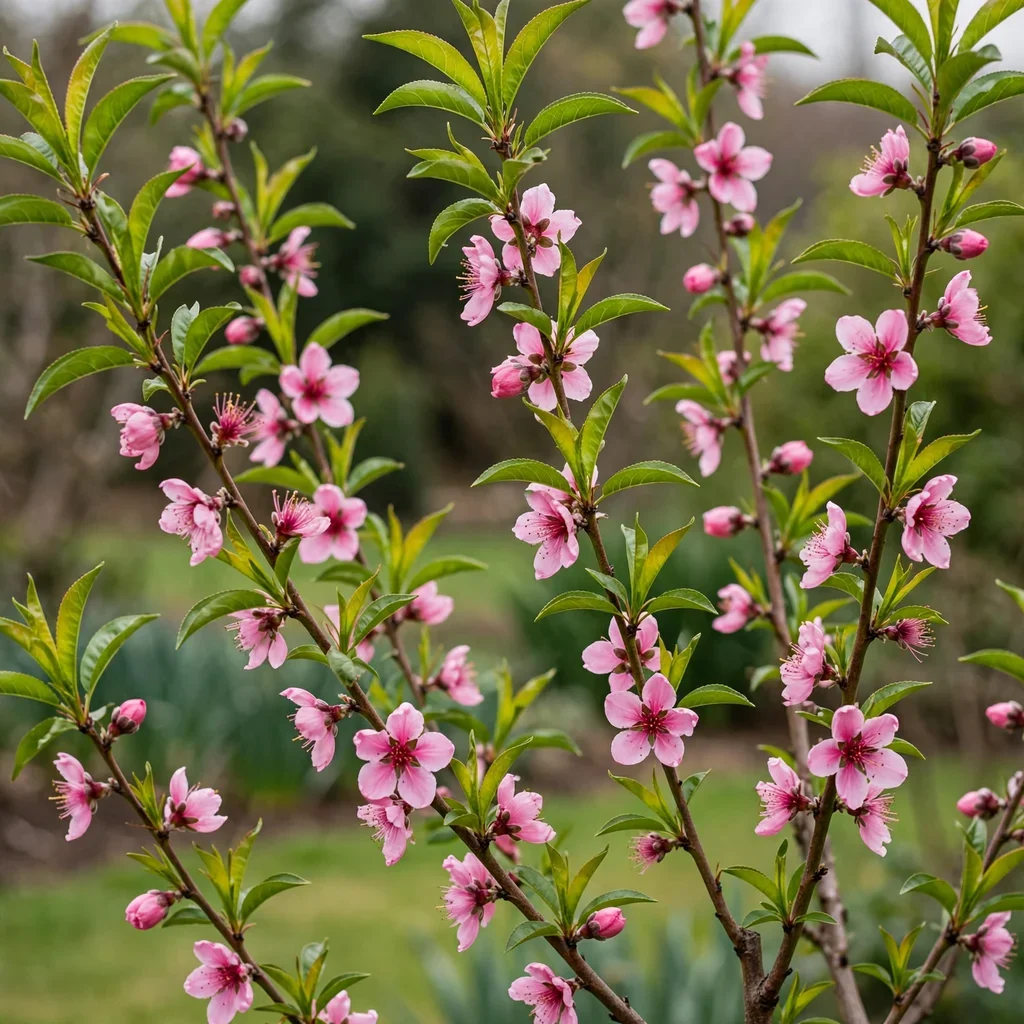
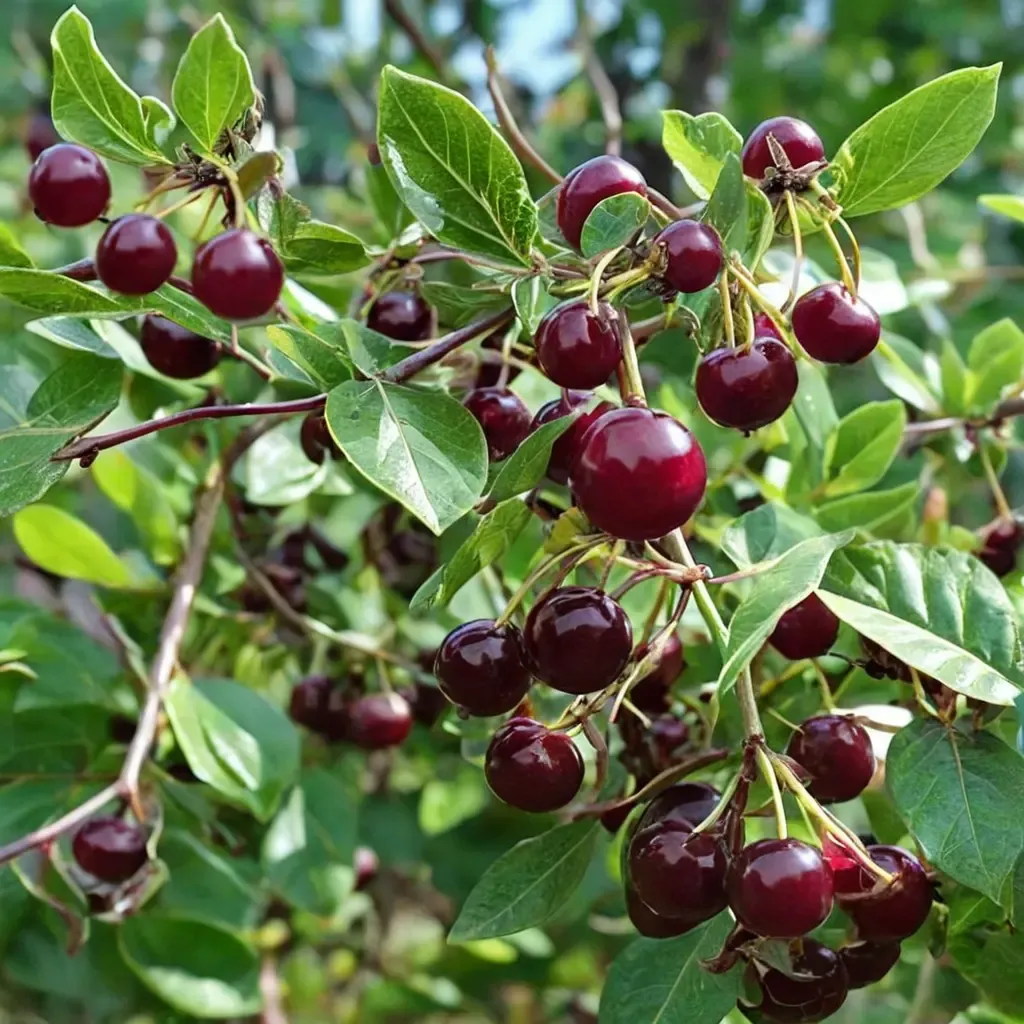
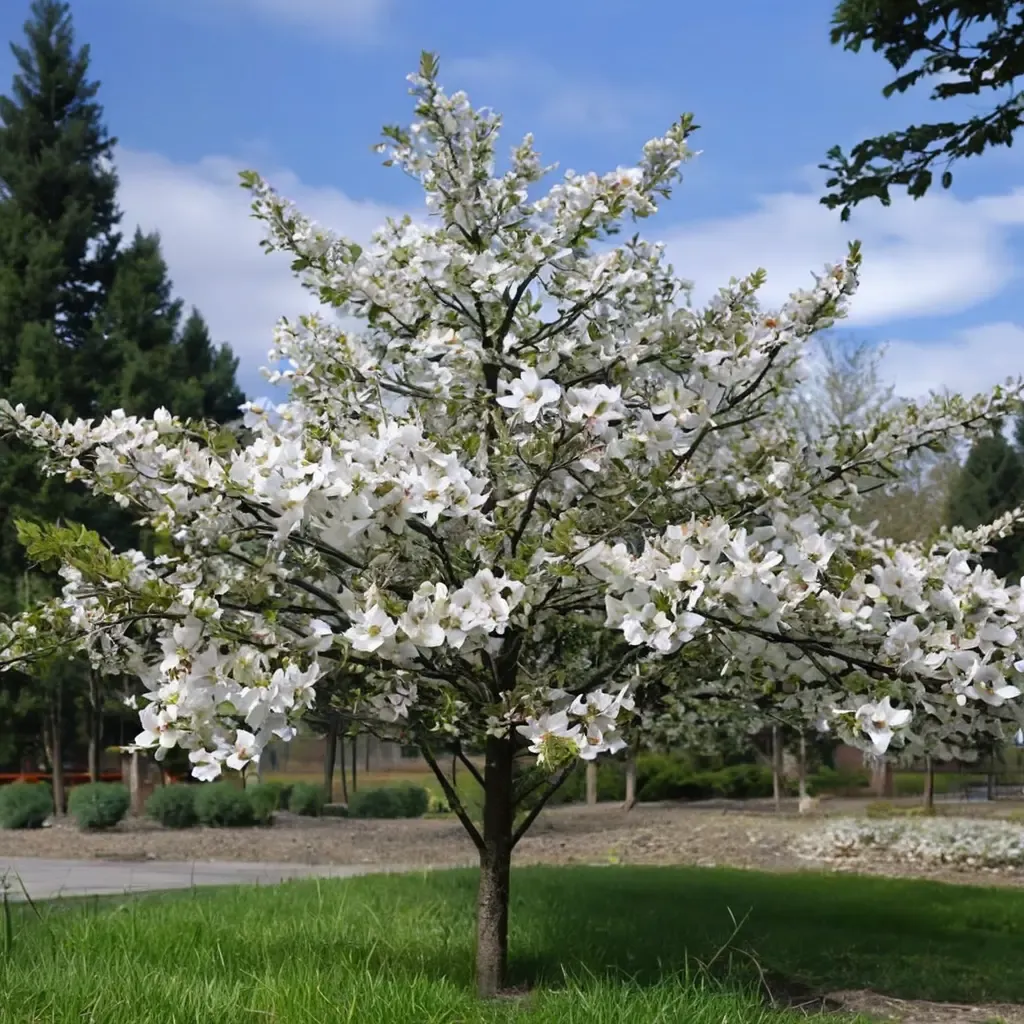
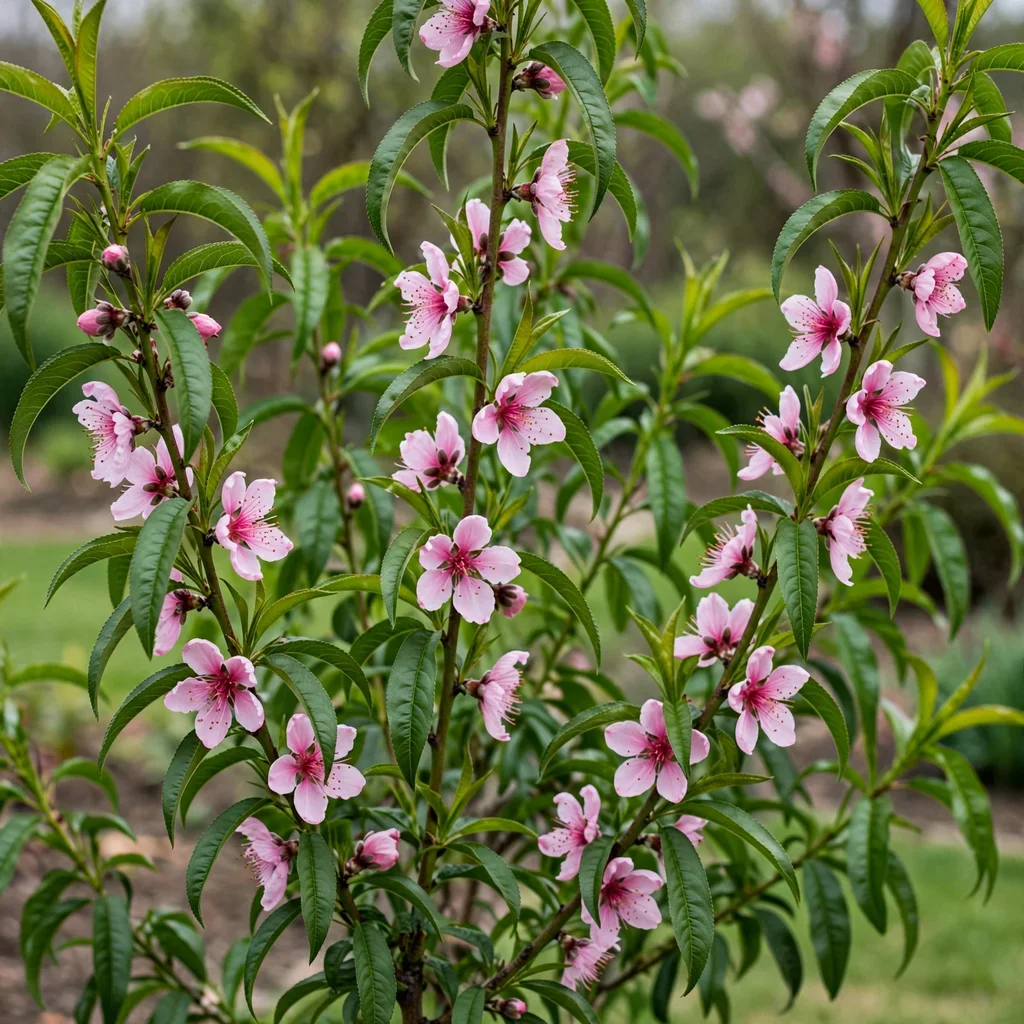
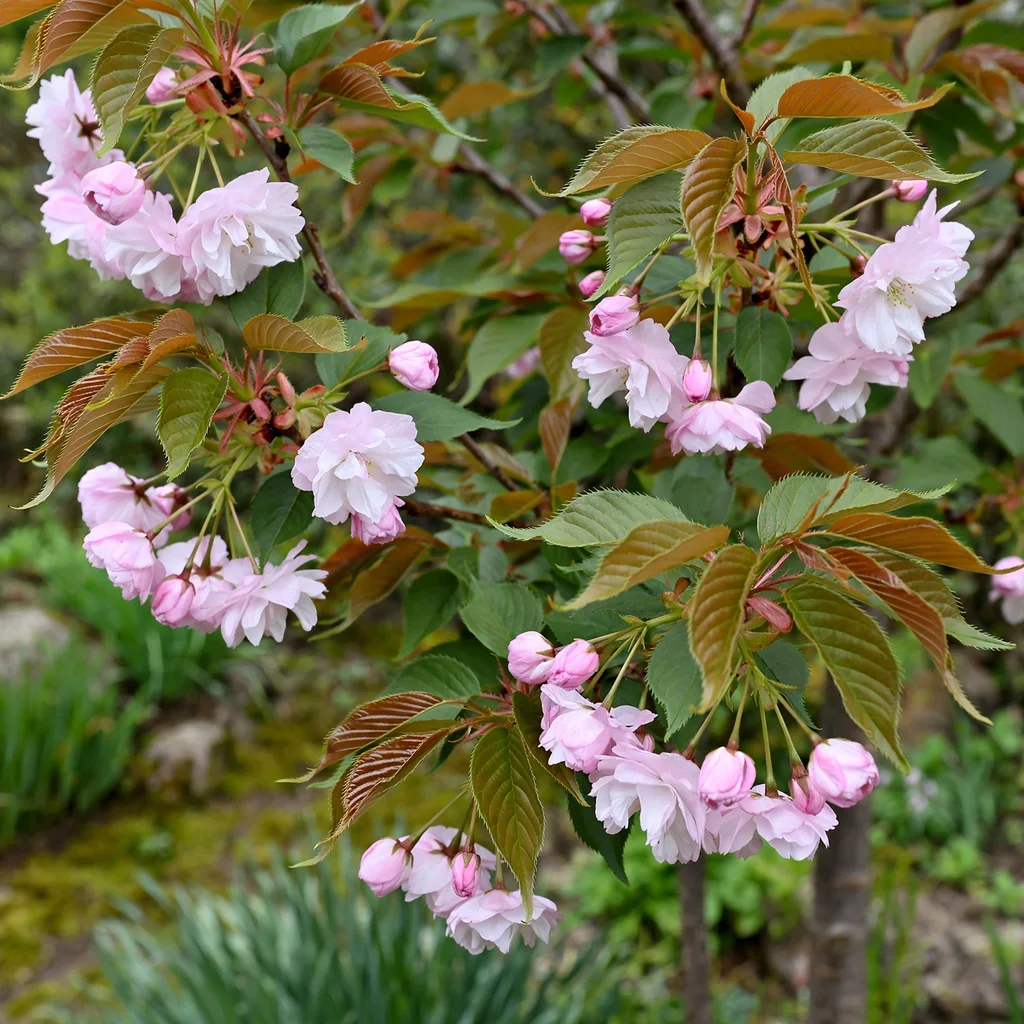
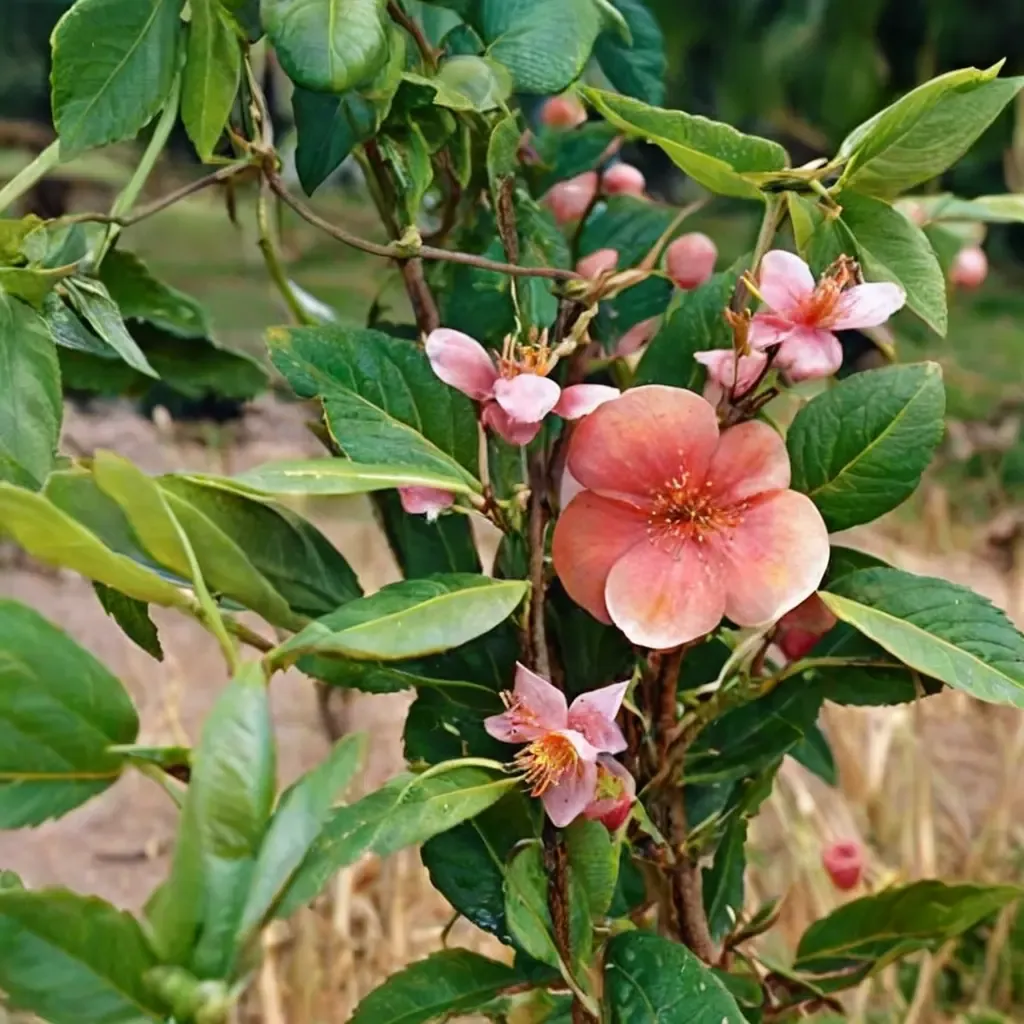
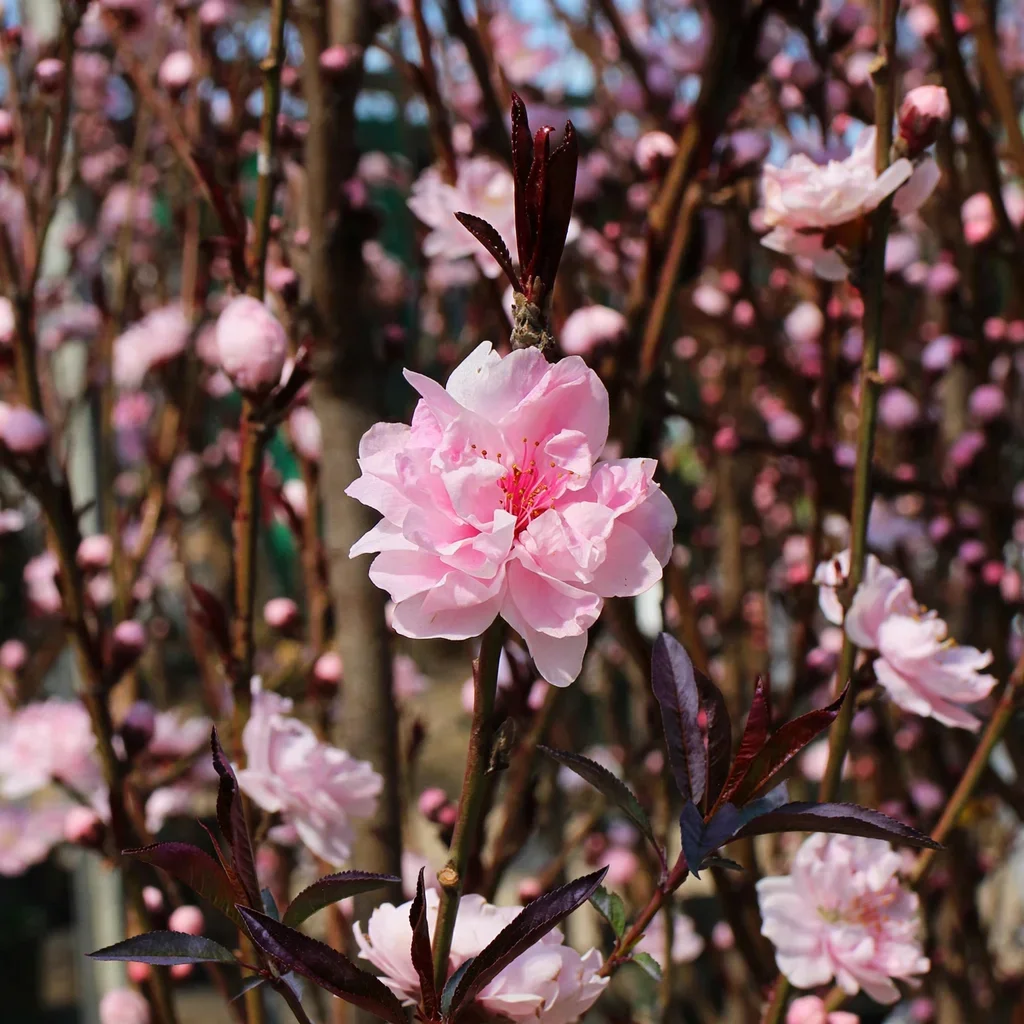
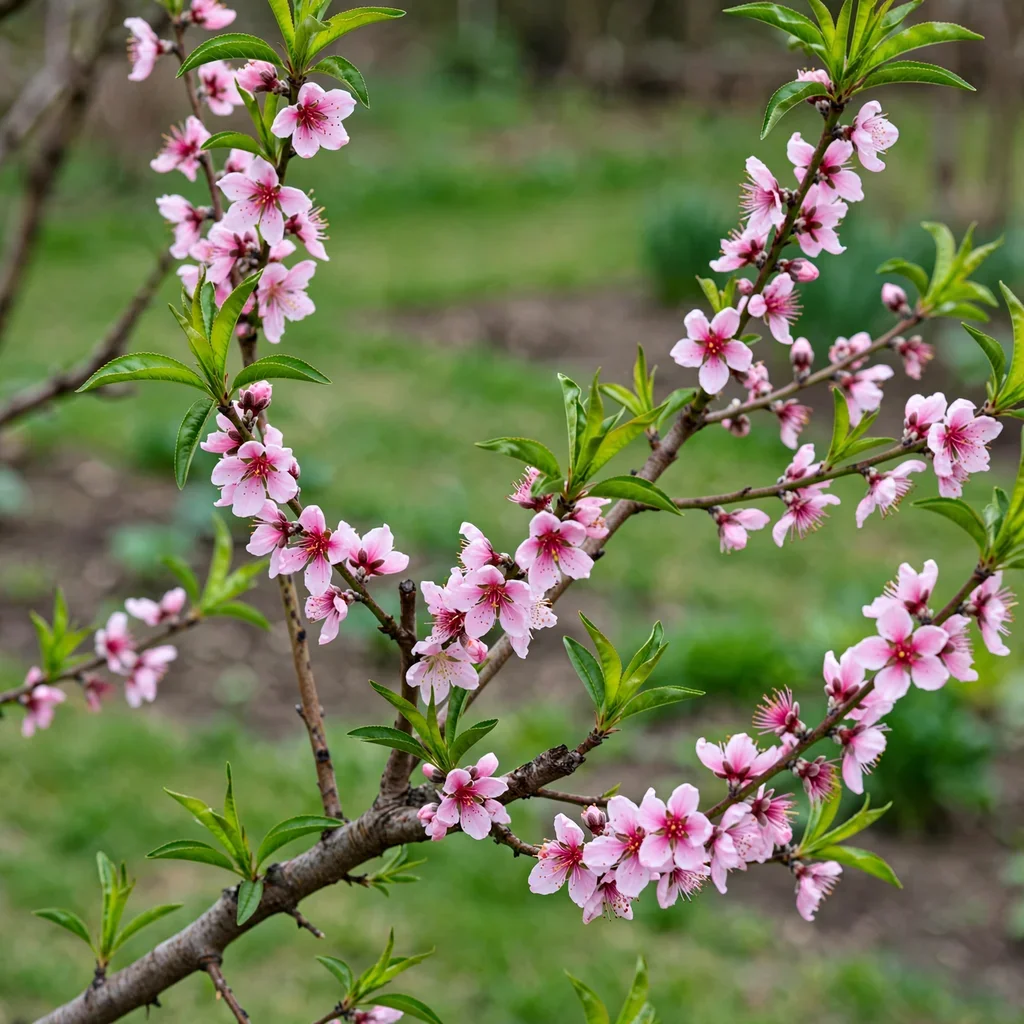
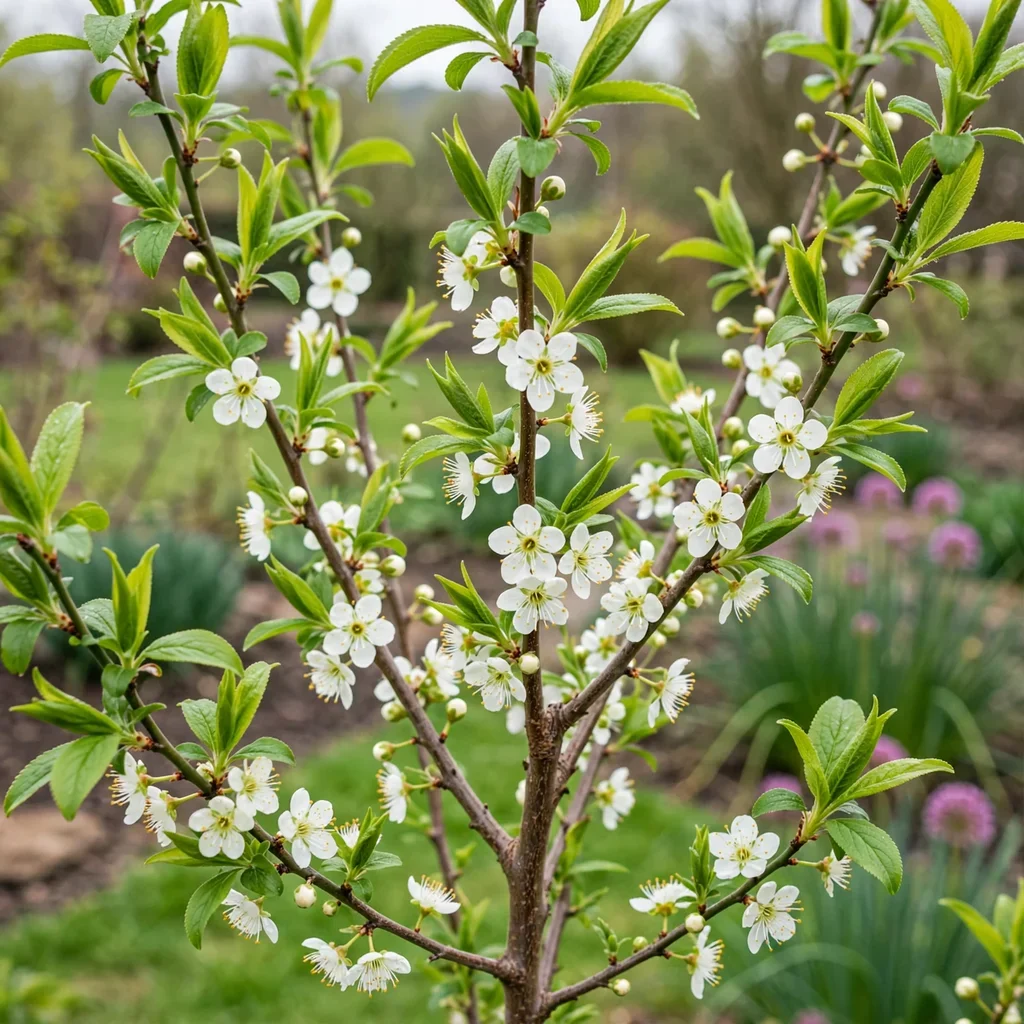
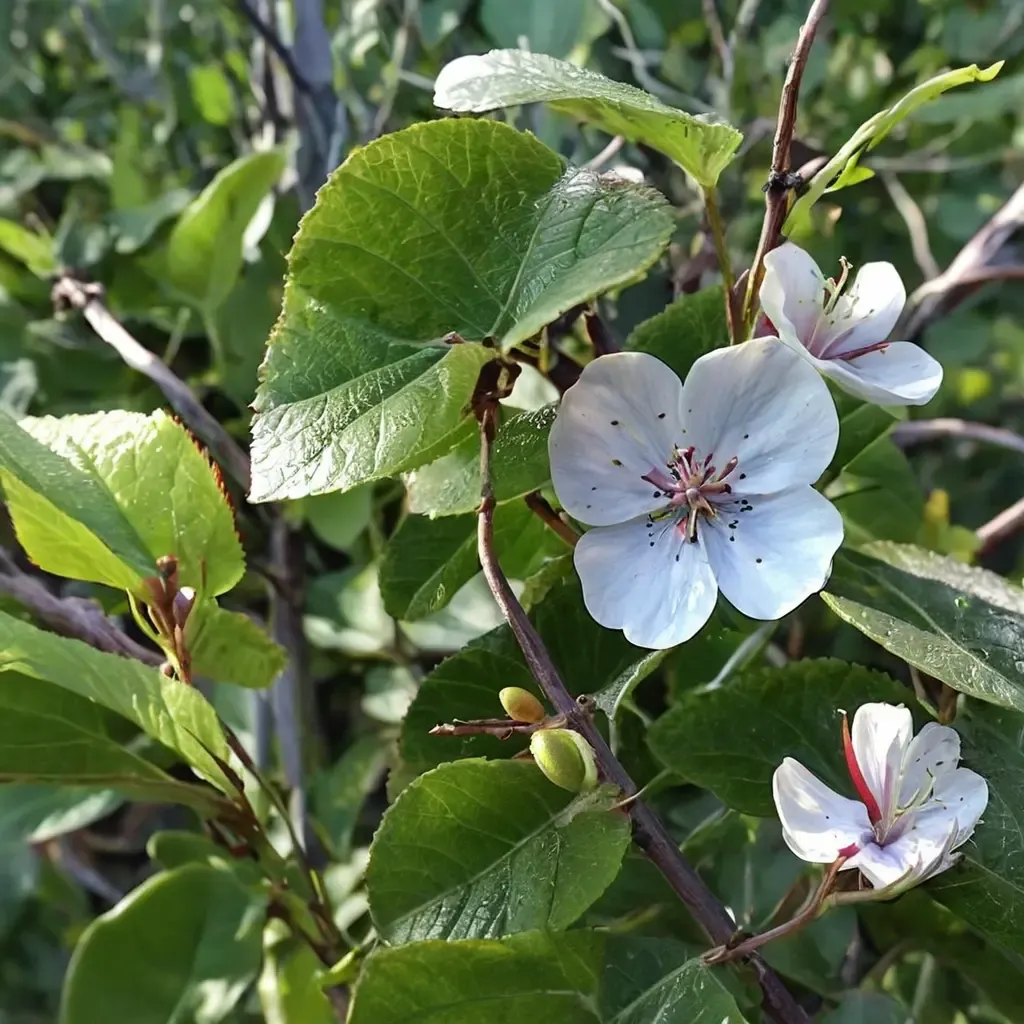
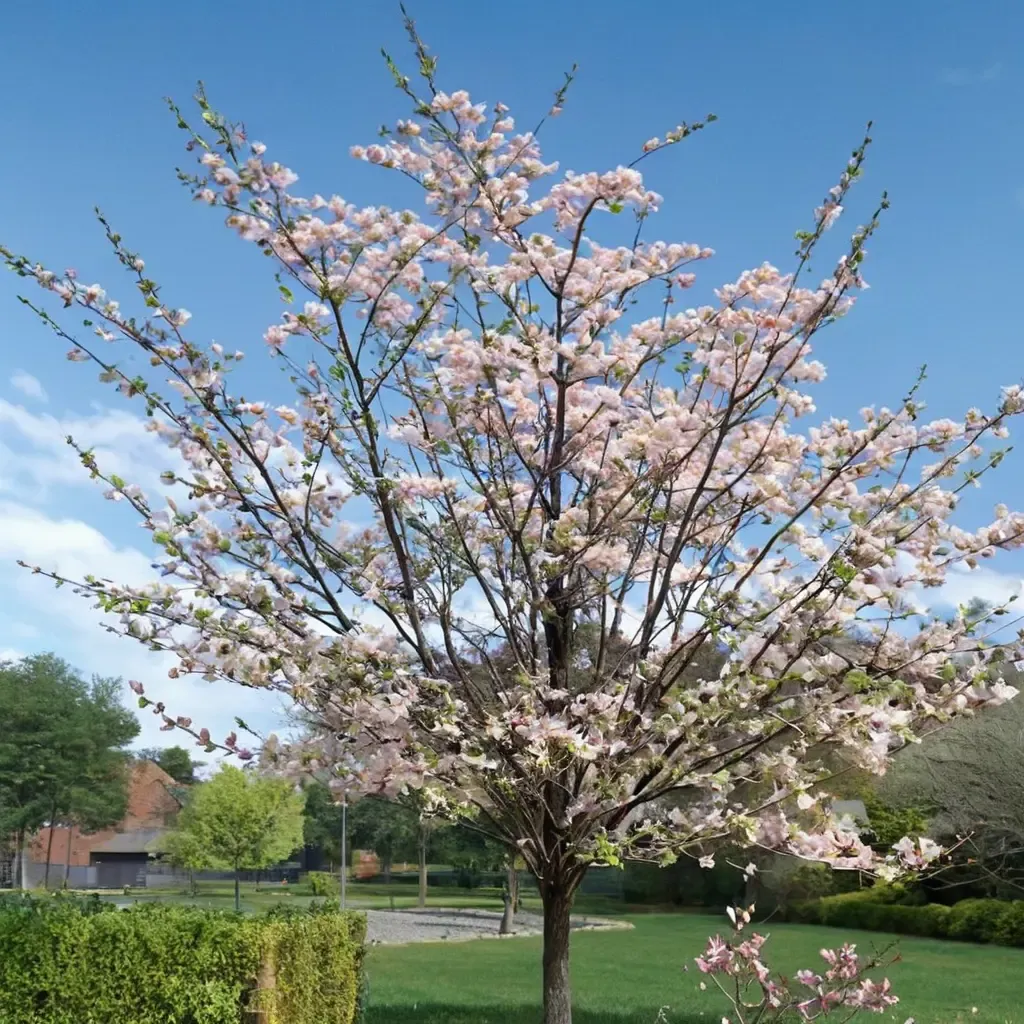
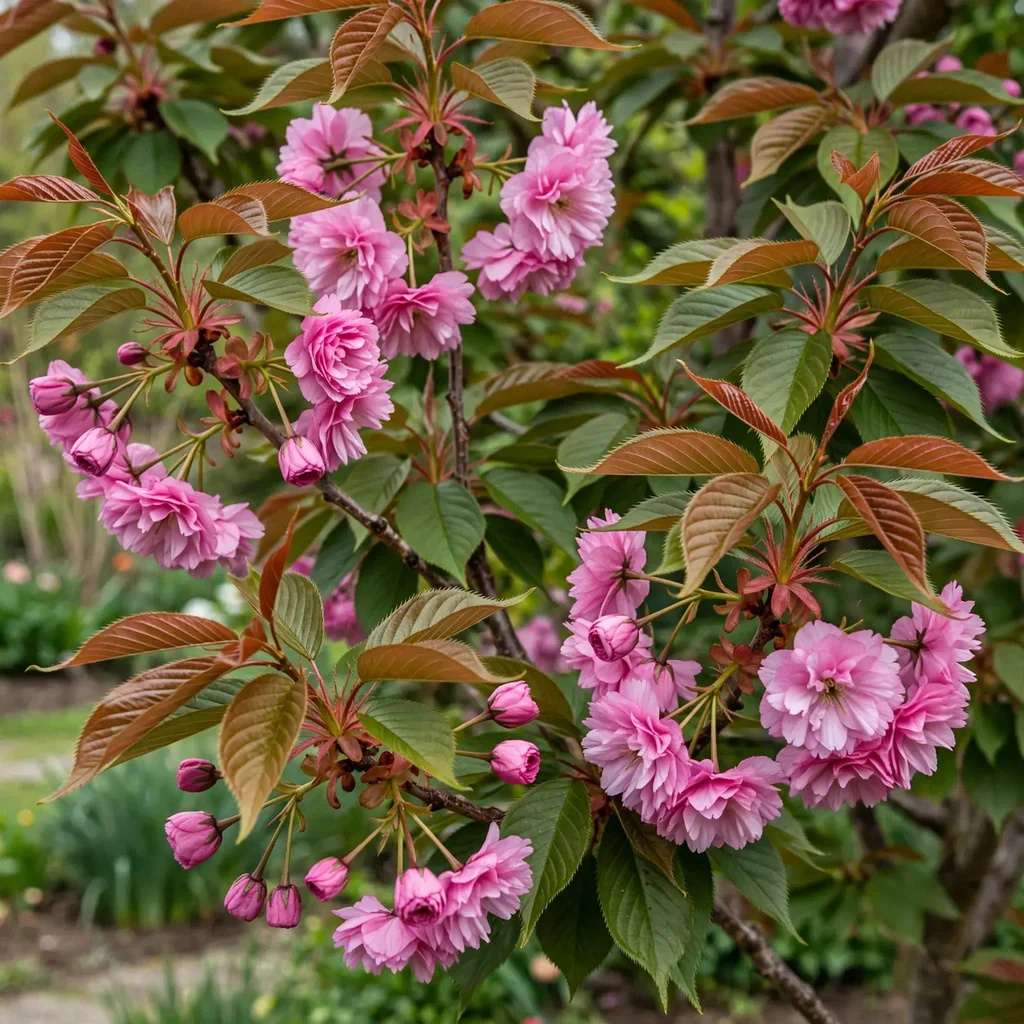
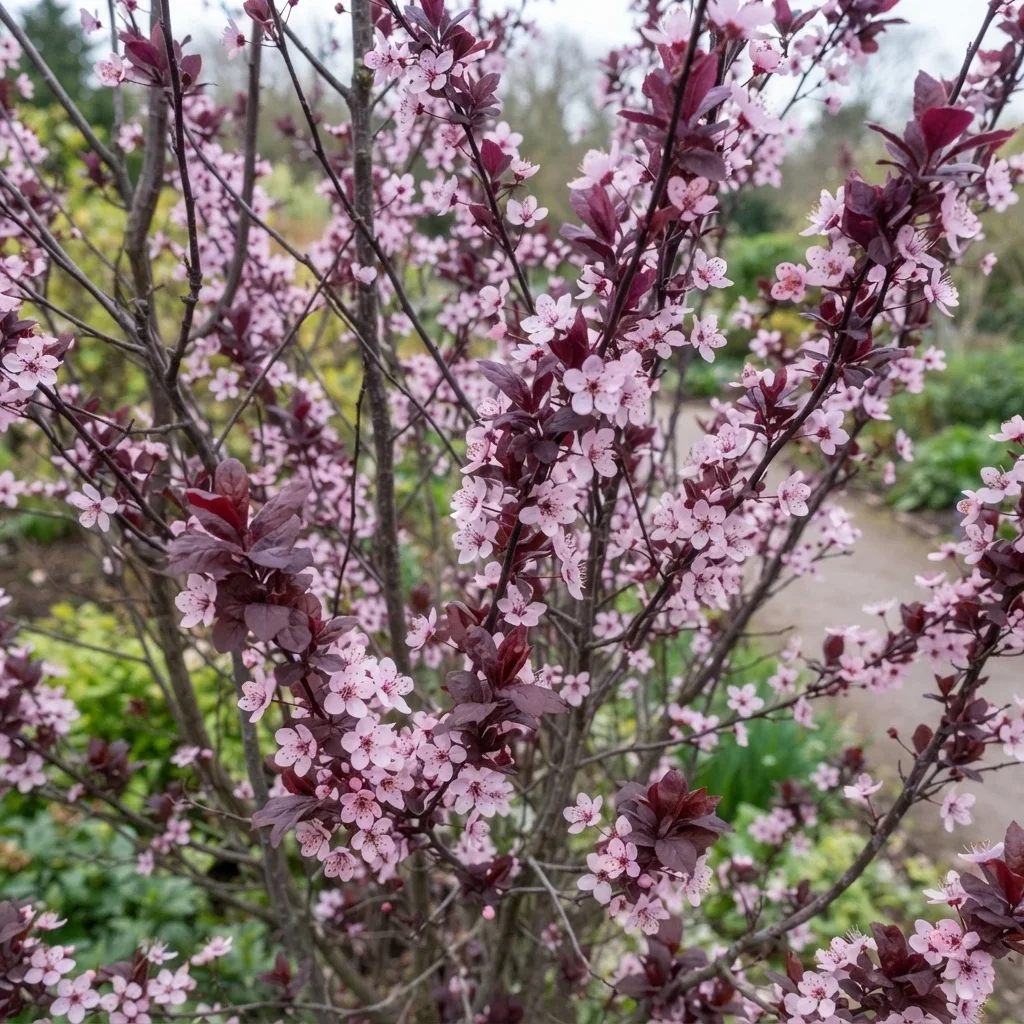
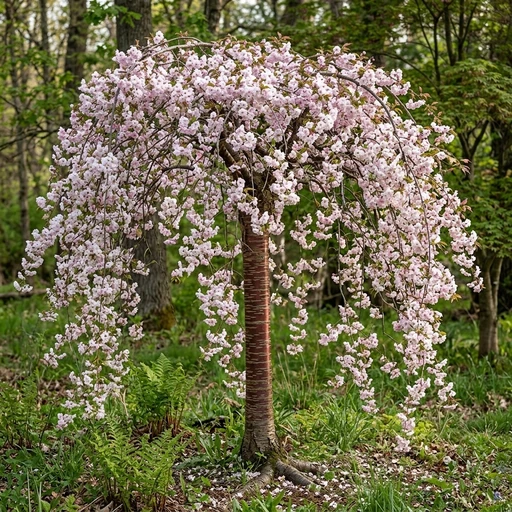
See all 96 Prunus varieties →Search this genus →
17 species of Prunus
Each one is a parent of the varieties above.
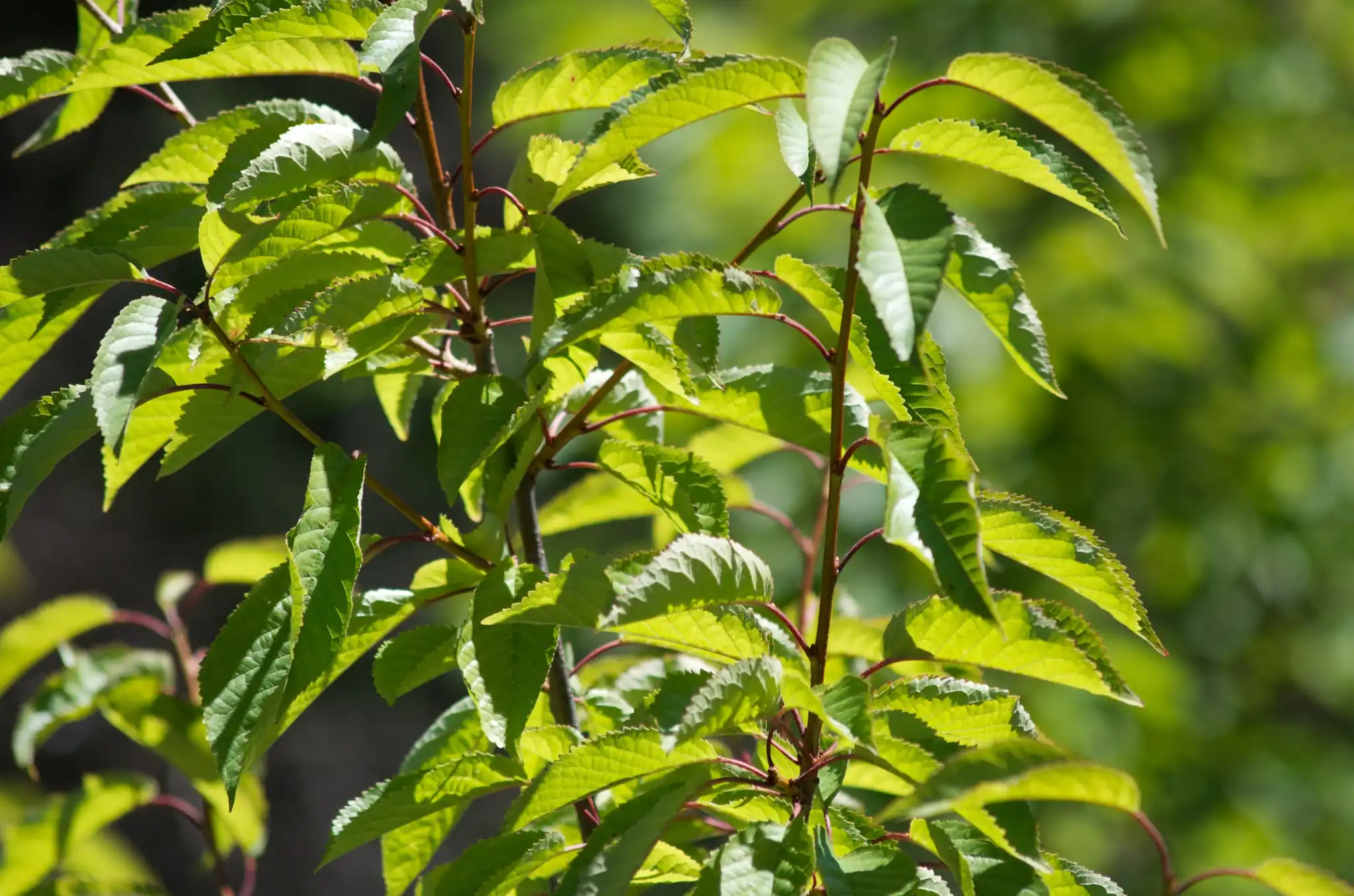
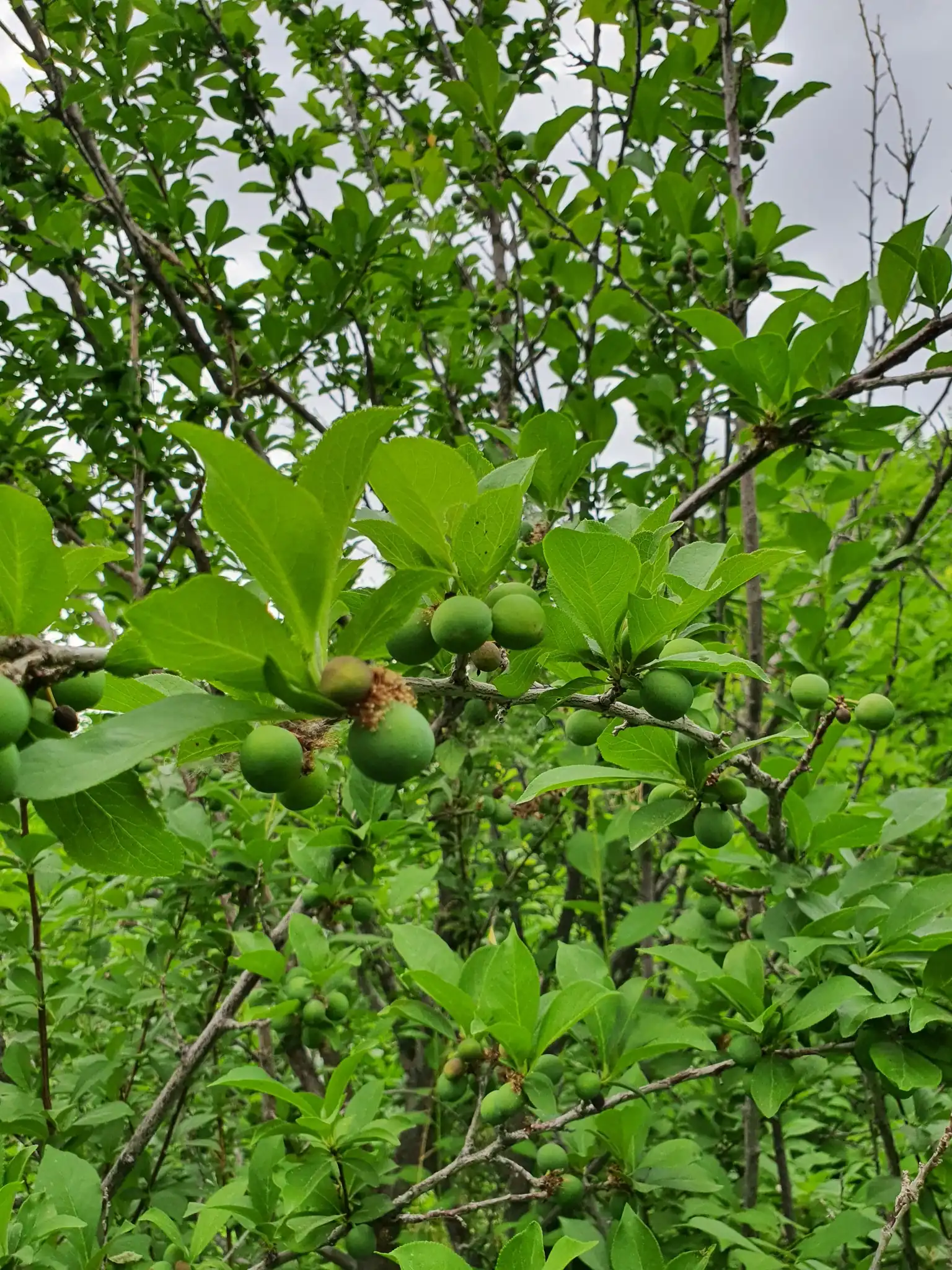
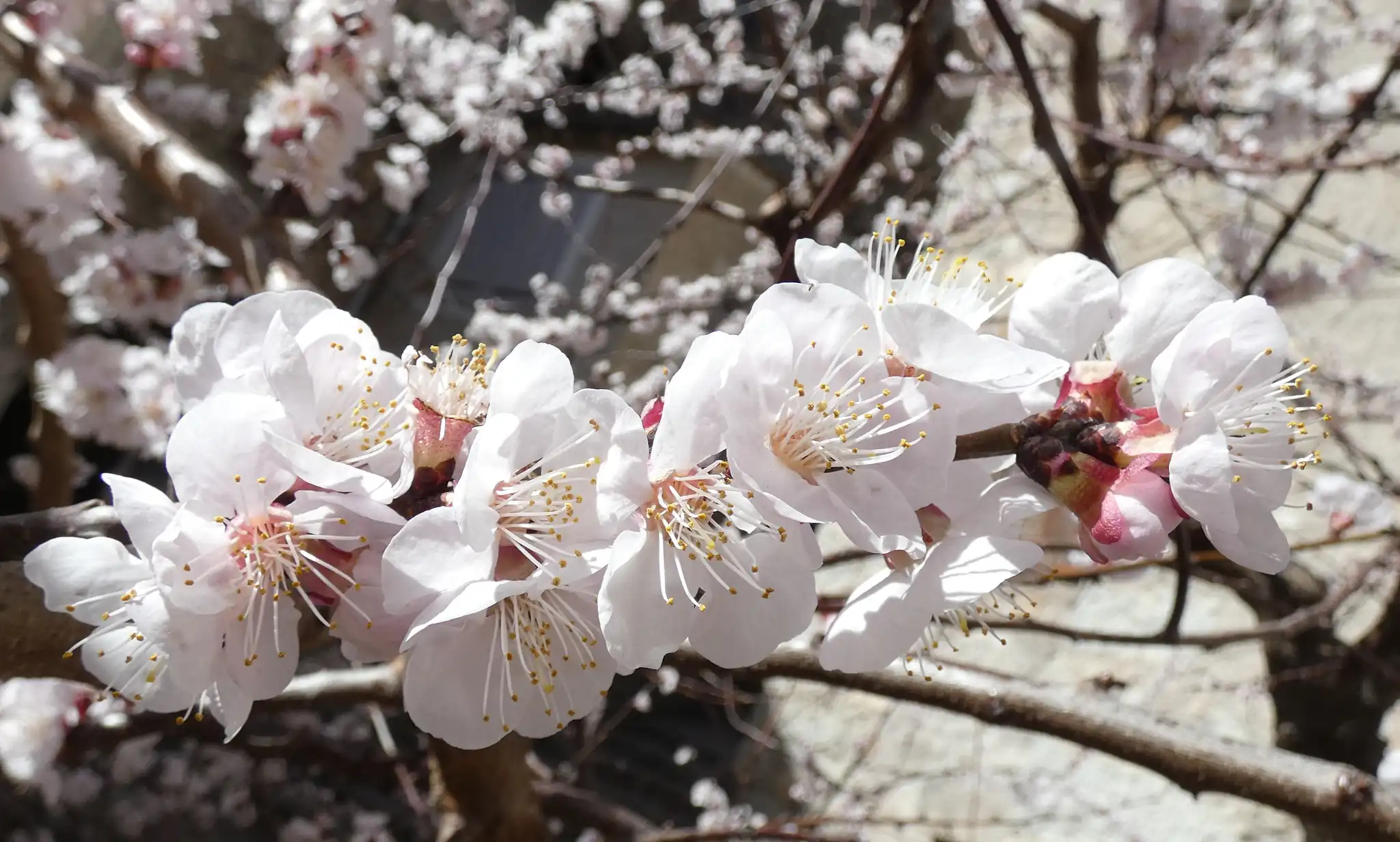
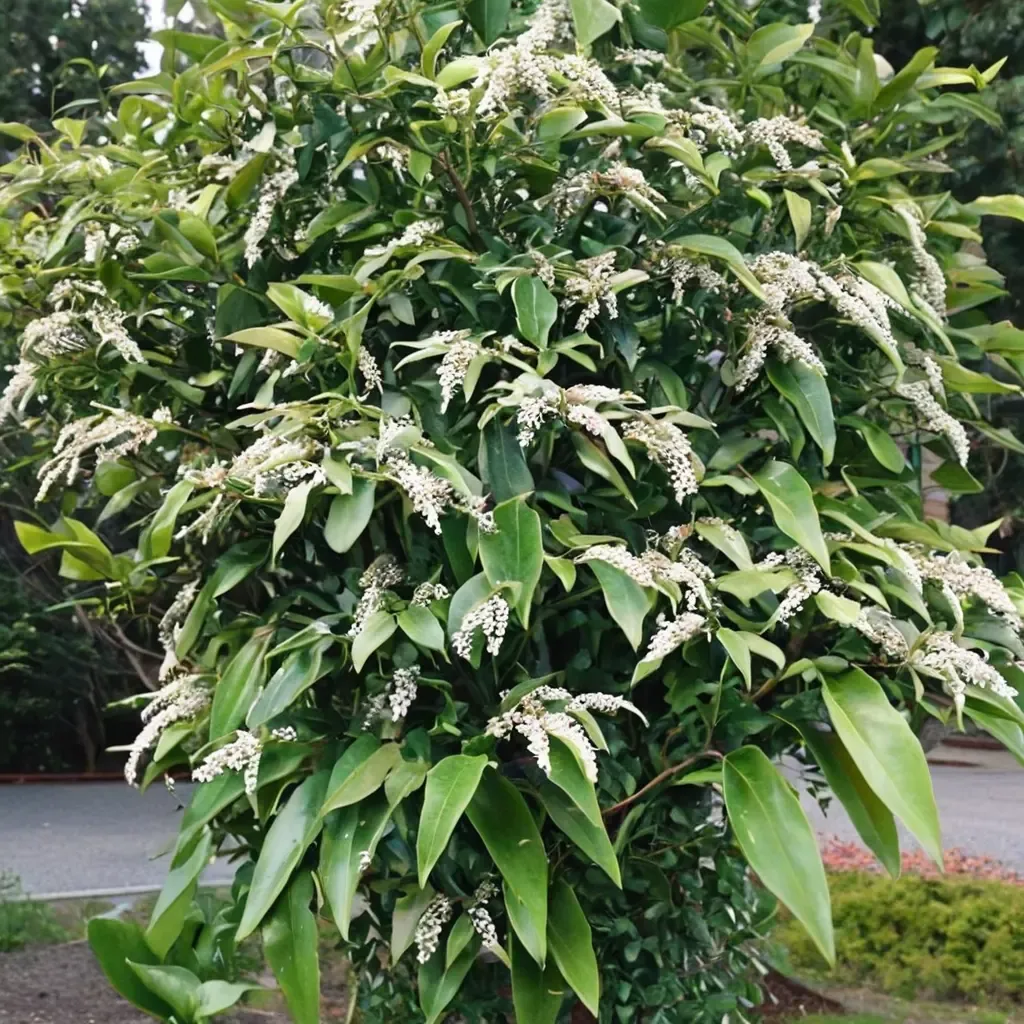
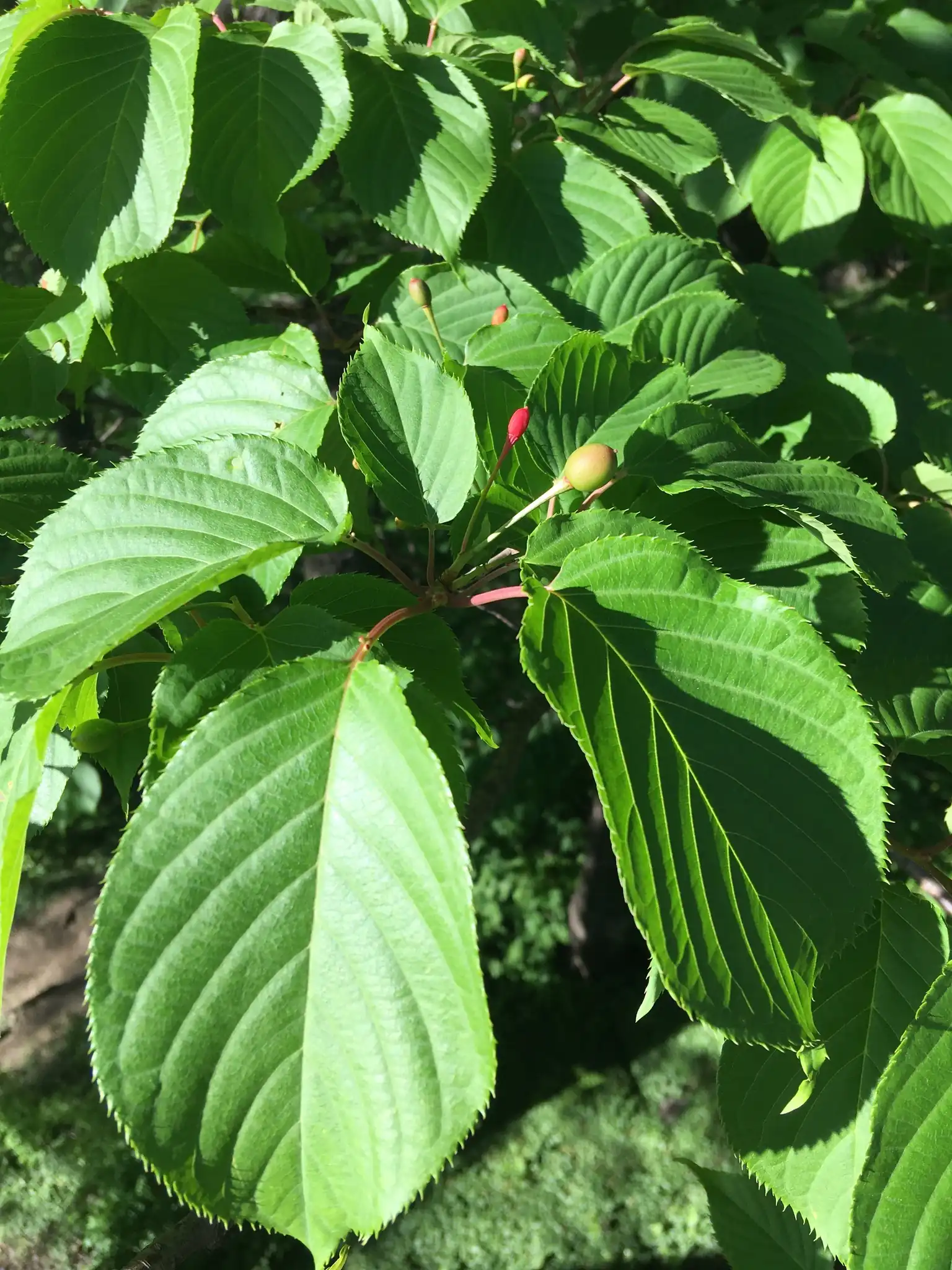
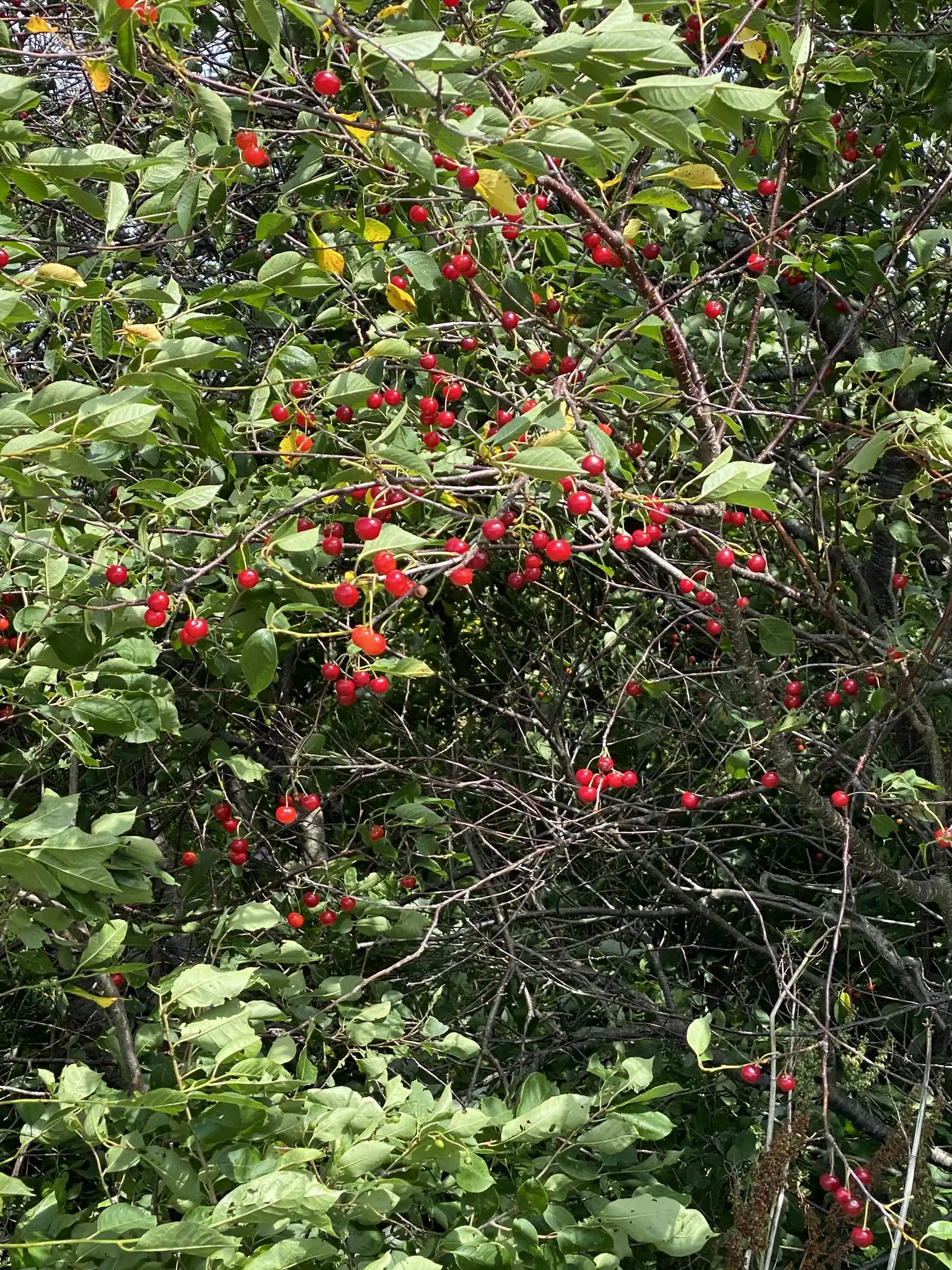
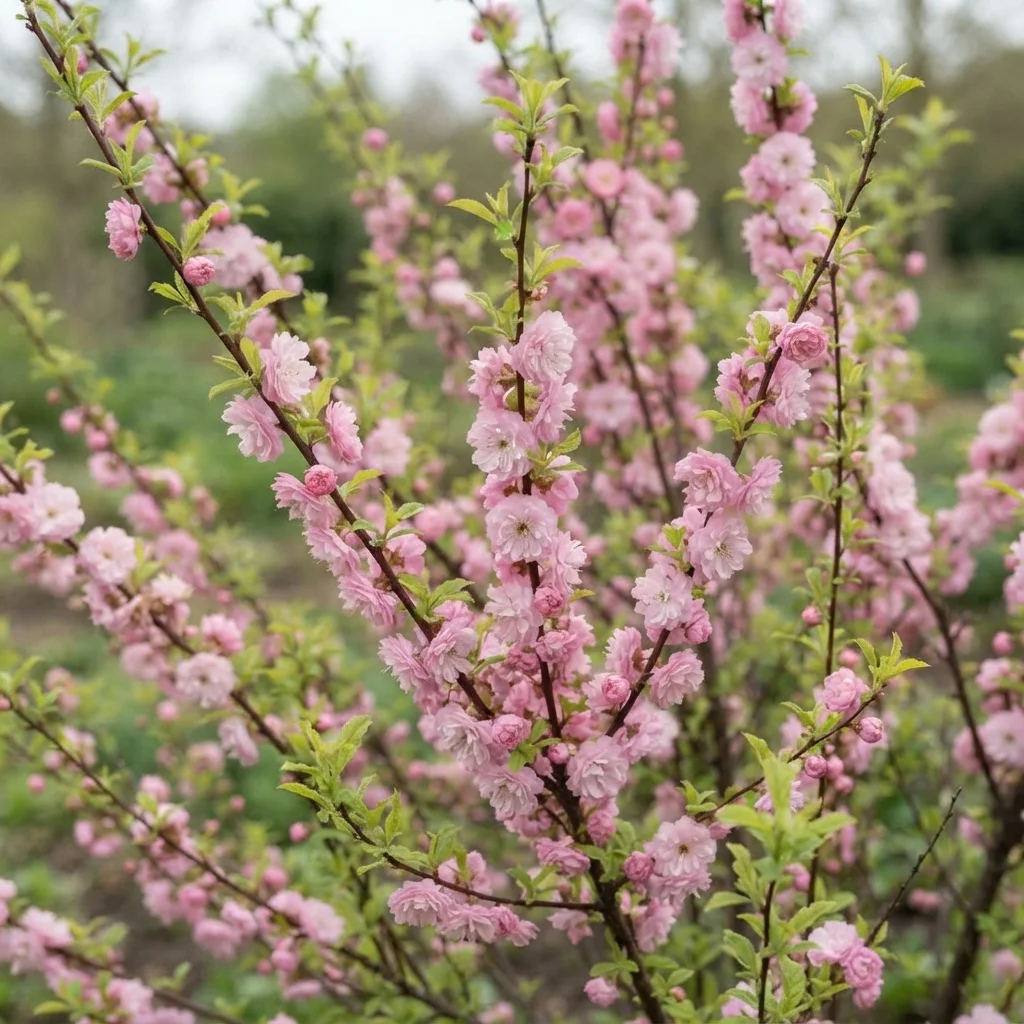
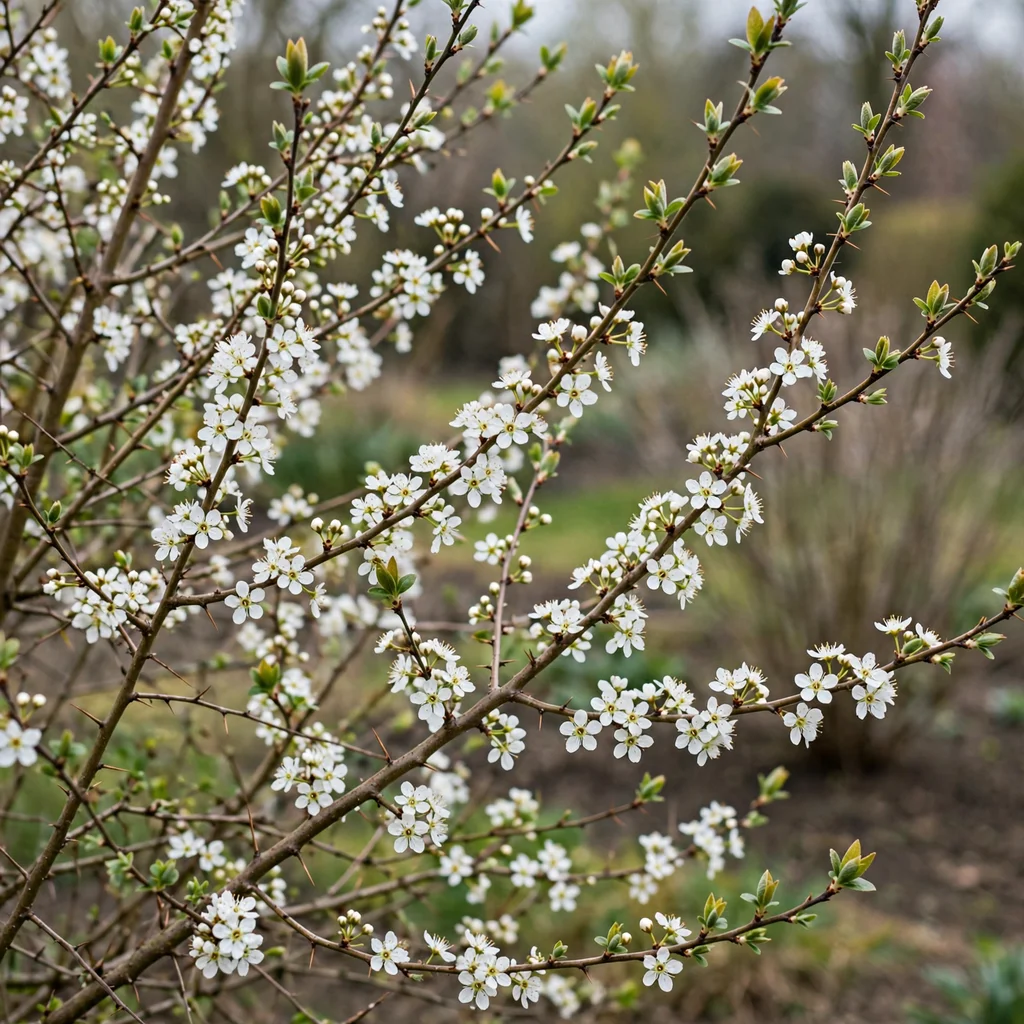
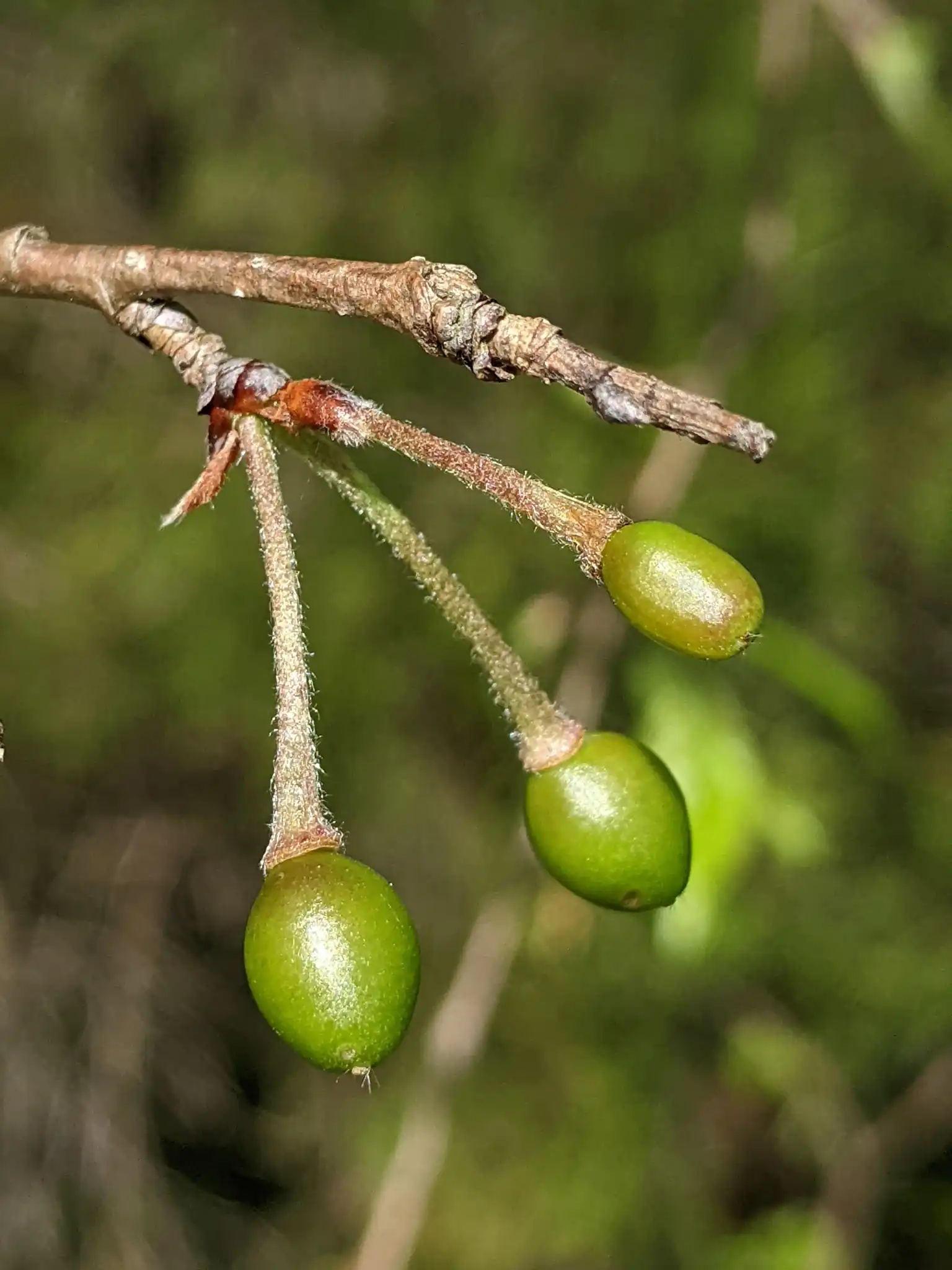
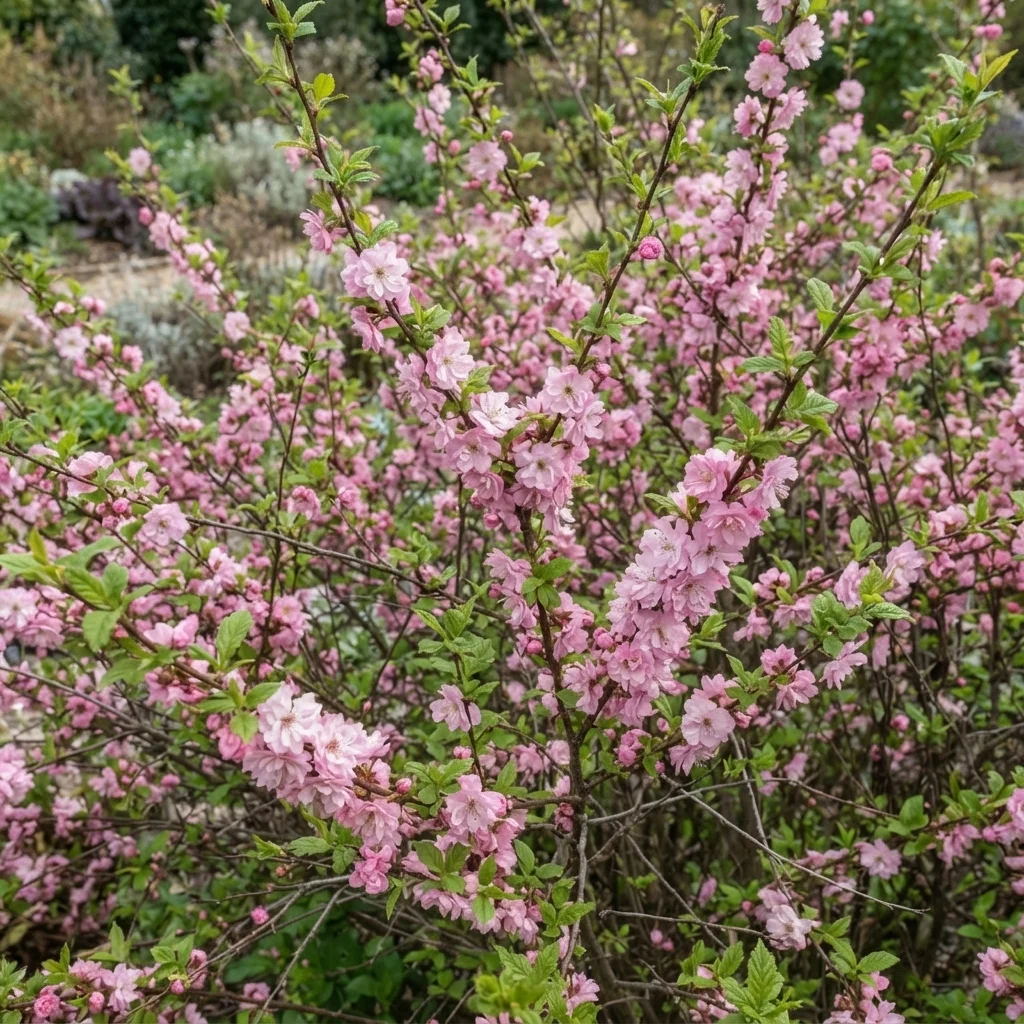
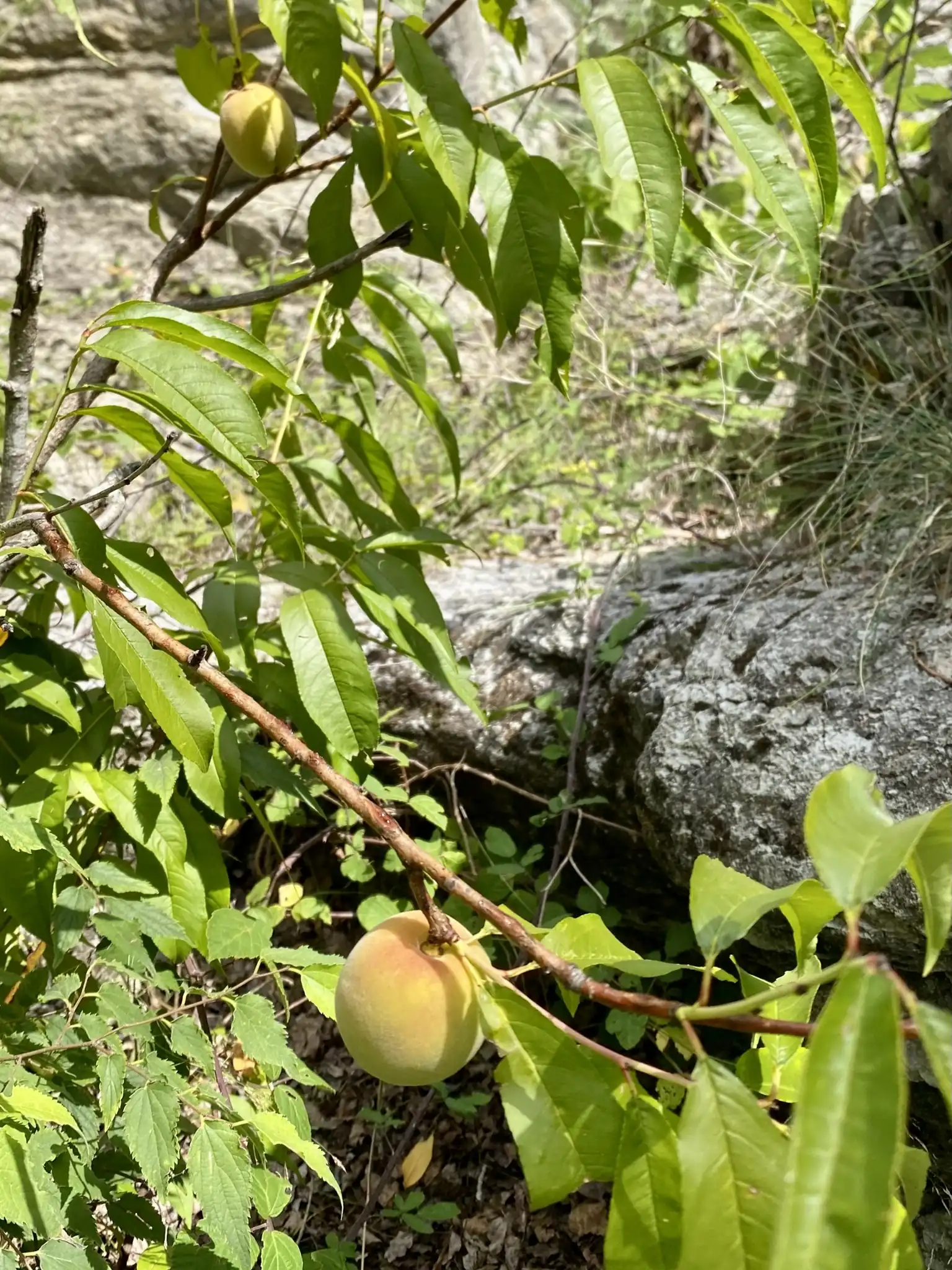
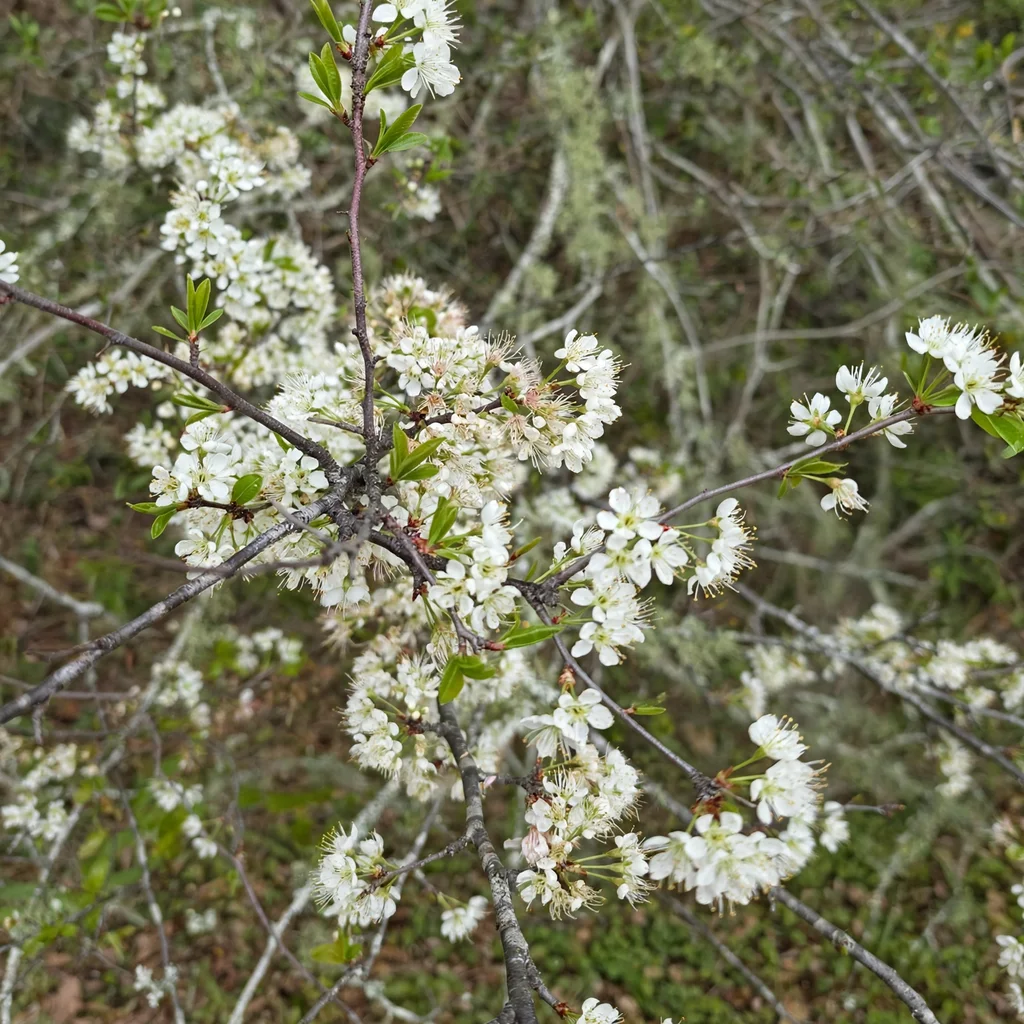
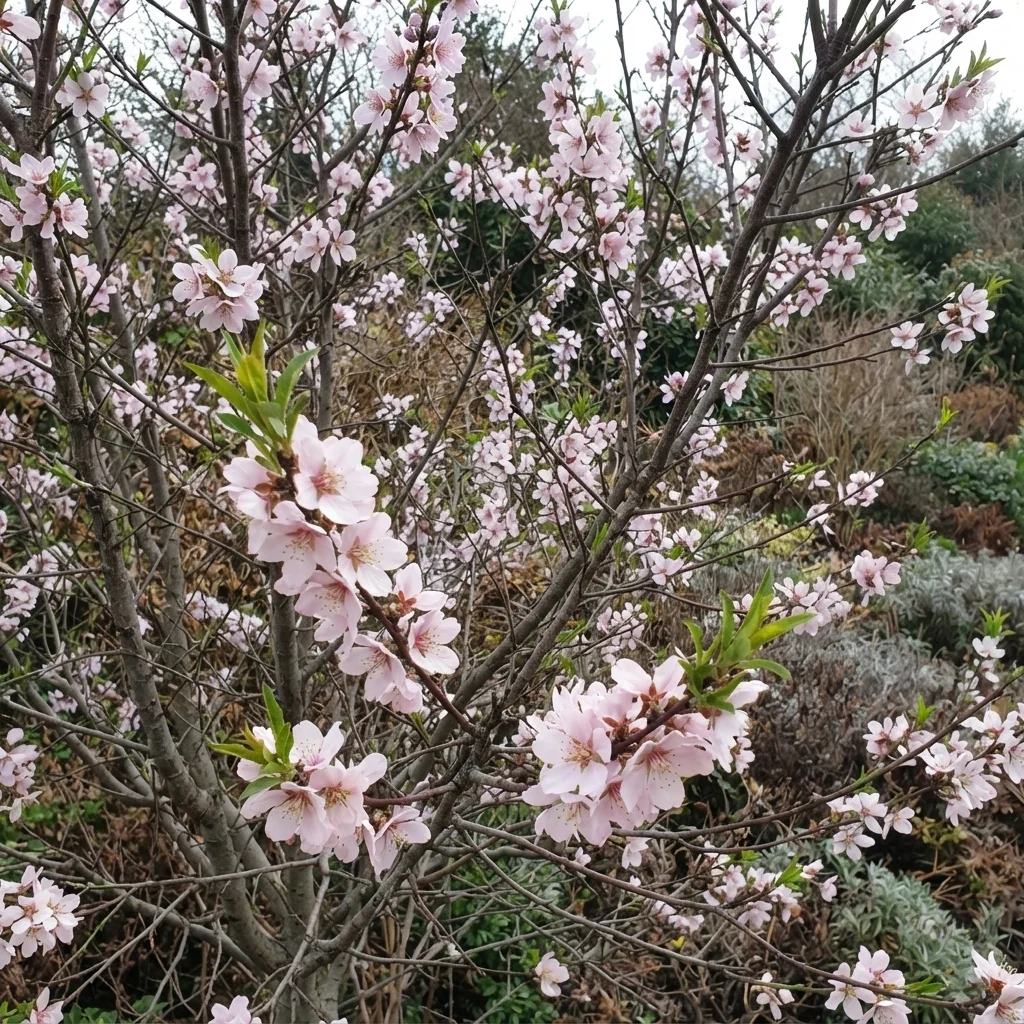
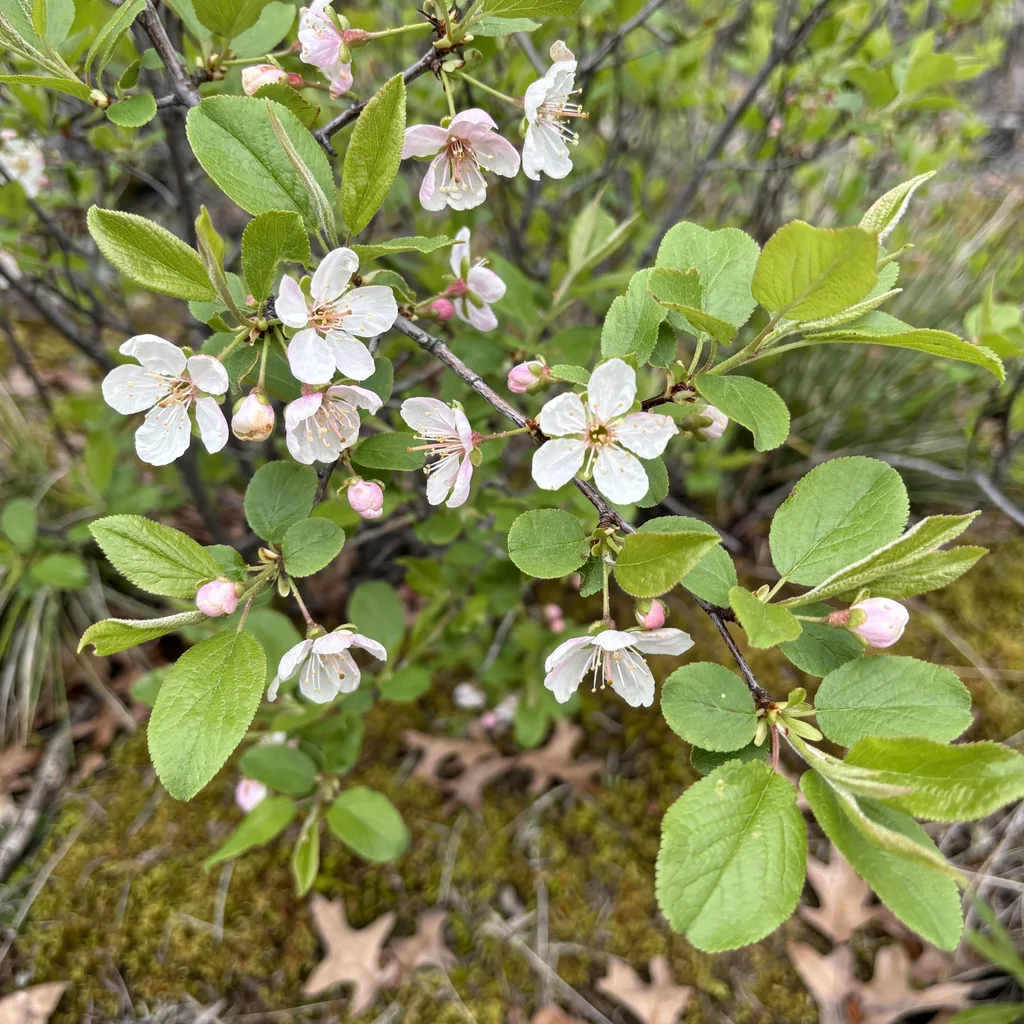
Track your Prunus in Sow
Save the Prunus you grow and get care reminders timed to your zone.
How to grow Prunus
Whats common across all Prunus varieties in our catalog — drawn from the care records of the 40 most-grown of them.
The Prunus year
- PruneFebruary and March100% of varieties
Heavy dormant pruning to open canopy and remove dead wood.
- FertilizeMarch and April88% of varieties
Apply balanced fertilizer before bloom and again in late spring.
- Check for PestsMay–August68% of varieties
Monitor for peach tree borer, aphids, and brown rot.
- HarvestJuly and August63% of varieties
Pick fruit when skin color develops and flesh yields slightly.
- Spray TreatmentFebruary and March60% of varieties
Apply dormant oil/fungicide for peach leaf curl before buds swell.
- MulchApril40% of varieties
Refresh mulch layer around the base of the tree.
- PlantMarch, April, October and November40% of varieties
Plant in spring or fall in well-drained soil.


Do
- Water deeply during dry spells 🌱
- Monitor regularly for pests and diseases
- Provide consistent water, especially during fruit development.
- Mulch to conserve moisture and regulate soil temperature
- Monitor for pests regularly
Avoid
- Avoid overwatering to prevent root rot ❌
- Avoid overwatering which can cause root rot ❌
- Overwater to prevent root rot ❌
- Do not fertilize late in the season
What goes wrong with Prunus
| Problem | What you'll see | What to do |
|---|---|---|
| Aphids | Sticky residue and distorted leaves | Use insecticidal soap or neem oil |
| Peach Tree Borer | Wilting and dieback | Apply organic borer traps and proper sanitation |
| Cherry Fruit Fly | Small maggots inside the ripening fruit, causing it to rot. | Hang yellow sticky traps to monitor for adults. Apply spinosad or other approved insecticides starting when flies emerge. |
| Peach Tree Borers | D-shaped holes in trunk | Apply organic borer traps and avoid deep planting |
| Brown Rot | Rotting fruit and blossom blight | Prune affected areas and use fungicide |
| Black Knot | Hard, black, swollen galls form on branches and twigs. | Prune out and destroy infected branches in winter, cutting several inches below the gall. Apply fungicides in spring. |
| Peach Leaf Curl | Red or yellow curling leaves | Apply copper fungicide in late winter |
Making more Prunus
Grafting
- Select healthy scions and rootstocks, 4 weeks before planting.
- Make matching cuts on both scion and rootstock.
- Join with grafting tape and secure tightly.
- Keep grafted plant in a warm, moist environment for 6 weeks until established.
Seed
- Extract seeds from ripe fruit and clean
- Stratify in moist compost for 8-12 weeks
- Plant in prepared soil and water regularly
Prunus questions
How many types of Prunus are there?
The Sow catalog tracks 96 distinct Prunus varieties. The most popular — ranked by 3k real gardeners — are shown first above.
What zones does Prunus grow in?
Across its varieties, Prunus covers USDA Zones 4–10. Individual varieties differ — each plant page lists its exact range, and Sow filters the catalog to your zone automatically.
When does Prunus bloom?
Most Prunus varieties bloom in late spring, mid-spring, early spring. Staggering early, mid, and late varieties extends the genus's season in one bed.
Which Prunus should I choose?
Start from the most-saved varieties above — popularity across thousands of gardens is a strong signal of reliability — then filter by your zone and sun. In the Sow app you can preview any of them in a photo of your actual yard before you buy.