Species
 Rosa banksiaeLady Banks Rose
The Story
Plant Bio
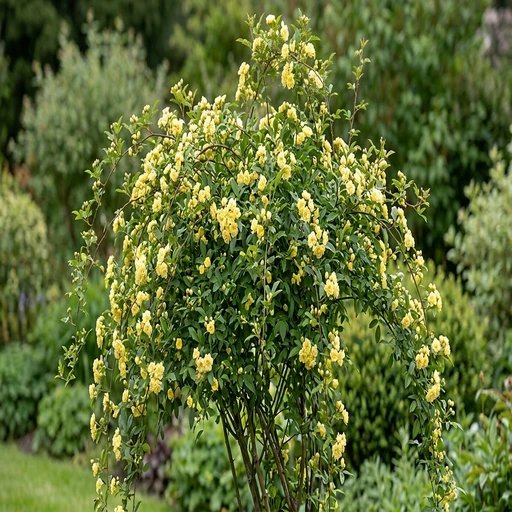
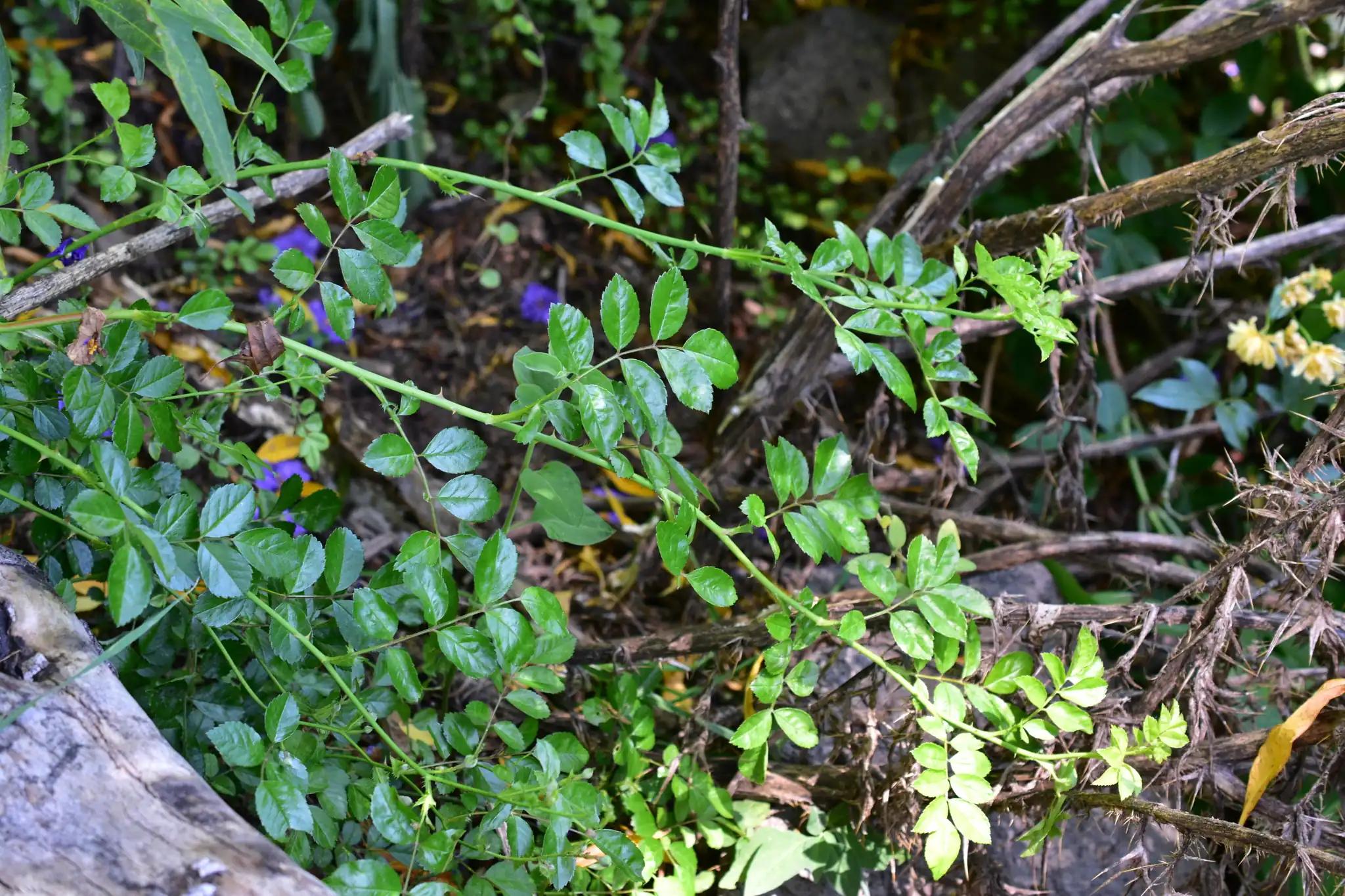
A vigorous, nearly thornless, climbing species rose known for its massive and spectacular, once-a-year spring bloom. It has small, glossy, semi-evergreen to evergreen leaves in mild climates.
'Lutea' produces a profusion of small, double, pale yellow flowers in large clusters. The flowers have a slight violet-like fragrance. Its thornless nature makes it easy to train on structures.
Uses & Benefits:
Essentials
At a Glance
Plant Type
Vine
Height
300"
Width
180"
Light
Full Sun
Zones
7, 8, 9
Water
Low to Moderate
Humidity
Moderate
Lifespan
Very long
Native To
China
Toxicity
Non-toxic.
Bloom period
Late spring
In flower about 1 month of the year
Marketplace
Where to Buy
Shipping costs Year-round shipping Free shipping
Planting
How to Grow
- Select a sturdy support in a full sun location.
- Prepare fertile, well-drained soil amended with compost.
- Plant the rose, angling the canes toward the support structure.
- Water regularly during the first year to establish roots.
- Tie new canes to the support as they grow.
- Fertilize in early spring before new growth begins.
Pro Tip
Prune only after flowering to remove dead wood or shape; heavy pruning or pruning at the wrong time will sacrifice the next year's blooms.
Keep It Thriving
Care Guide
Do
- Provide a very strong and large support structure like a pergola or wall.
- Give it plenty of space to reach its mature size.
- Water deeply during establishment and extended droughts.
Don't
- Don't prune in winter or spring before it blooms, as it flowers on old wood.
- Don't plant it in a small space; it is a very vigorous grower.
- Avoid planting in poorly drained or constantly wet soil.
Seasonal Care Calendar
| Task | Jan | Feb | Mar | Apr | May | Jun | Jul | Aug | Sep | Oct | Nov | Dec |
|---|---|---|---|---|---|---|---|---|---|---|---|---|
| Fertilize | ||||||||||||
| Prune |
Watch Out For
Pests & Diseases
Common Pests
Common Diseases
In the Garden
Landscape Uses & Companions
Landscape Uses
Multiply
Propagation Methods
Good to Know
Common Questions
Yellow Banksia Rose questions
What zones can Yellow Banksia Rose grow in?
Yellow Banksia Rose is hardy in USDA Zones 7–9. Inside that range it survives winter in the ground; outside it, grow it as an annual or a container plant you protect.
Is Yellow Banksia Rose deer resistant?
Yes — Yellow Banksia Rose is rated deer-resistant. Deer typically pass it over, though extreme hunger can override any plant's defenses.
When does Yellow Banksia Rose bloom?
Yellow Banksia Rose typically blooms in late spring through late spring. Exact timing shifts a week or two with your zone — Sow's bloom calendar maps it to your garden.
Does Yellow Banksia Rose need full sun?
Yellow Banksia Rose does best in full sun (6+ hours).
Is Yellow Banksia Rose drought tolerant?
Yes — once established (usually after the first full season), Yellow Banksia Rose handles dry spells with minimal watering. Water deeply its first year to build the root system that makes that possible.
More Rosa to compare
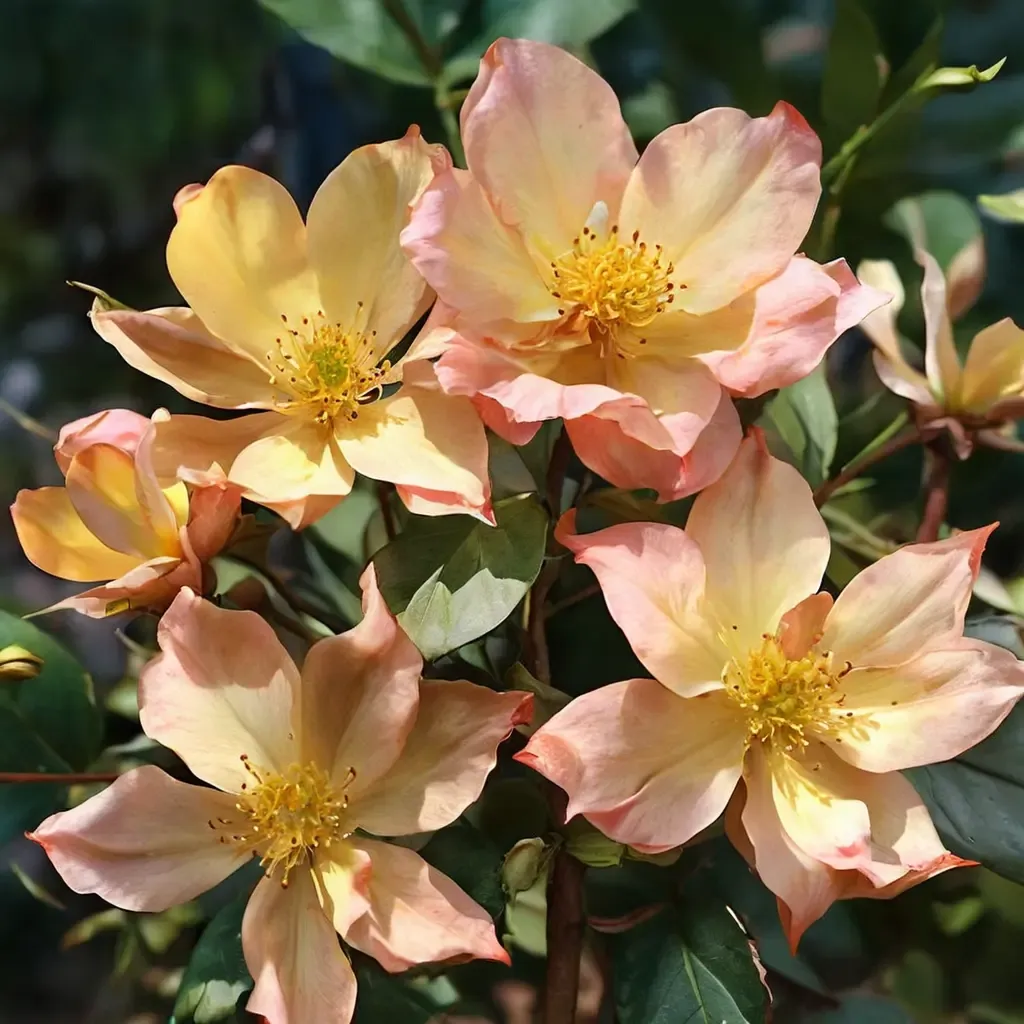
Flutterbye Rose
Rosa x hybrida 'Flutterbye'
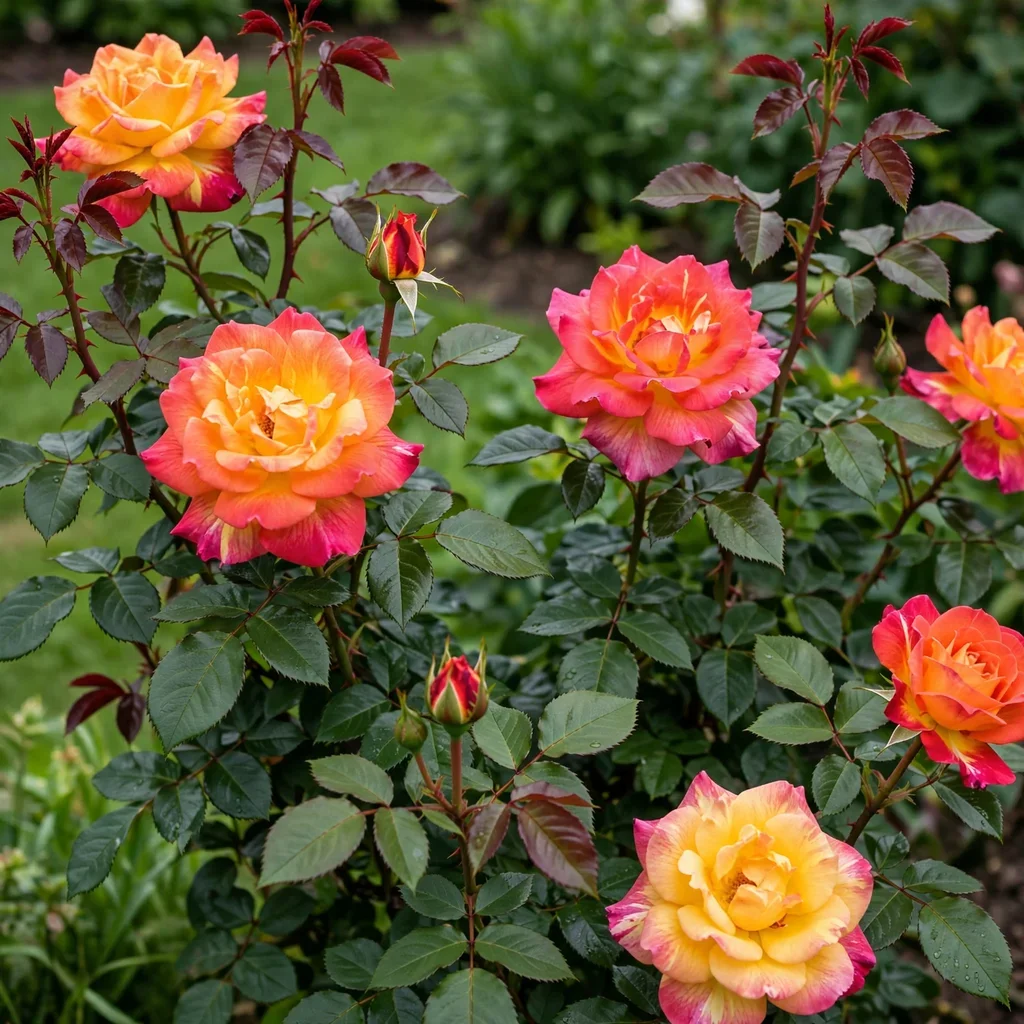
Joseph's Coat Rose
Rosa x hybrida 'Joseph's Coat'
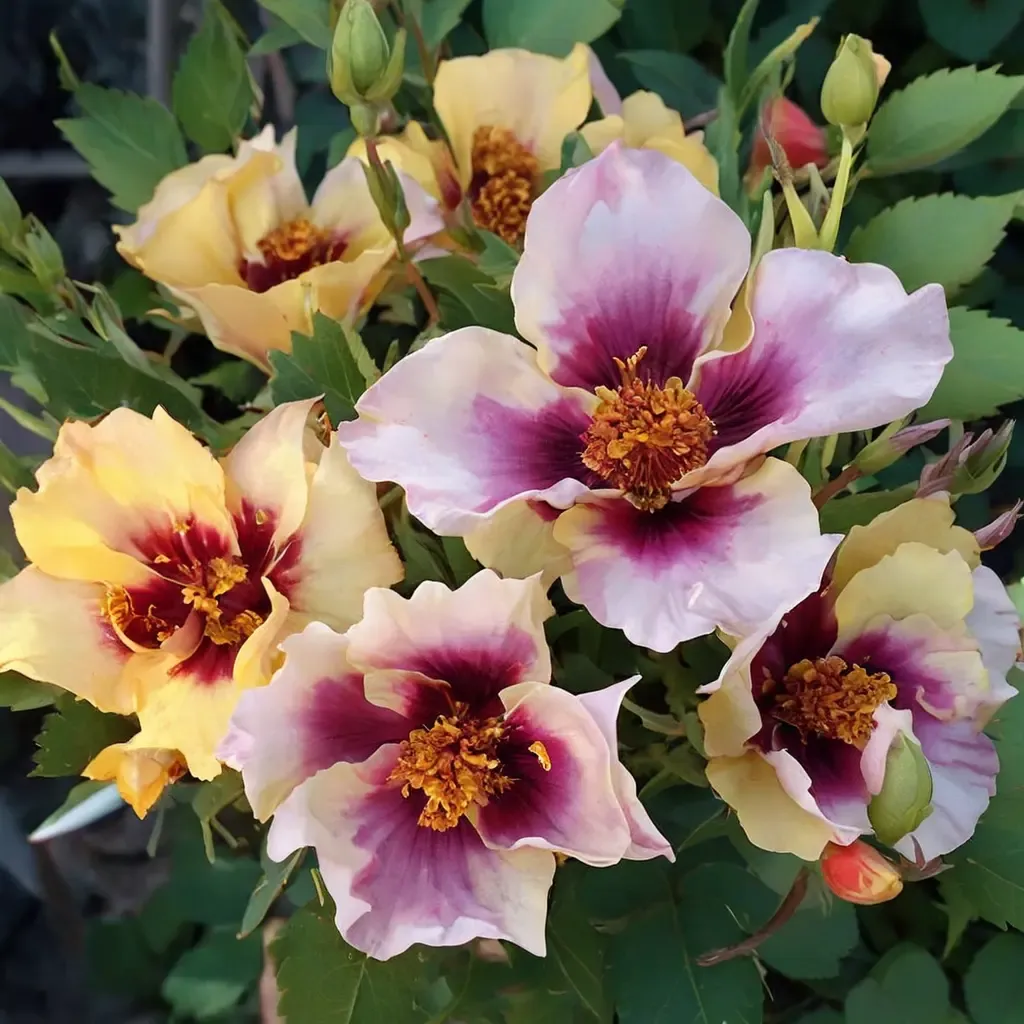
In Your Eyes Rose
Rosa x hybrida 'In Your Eyes'
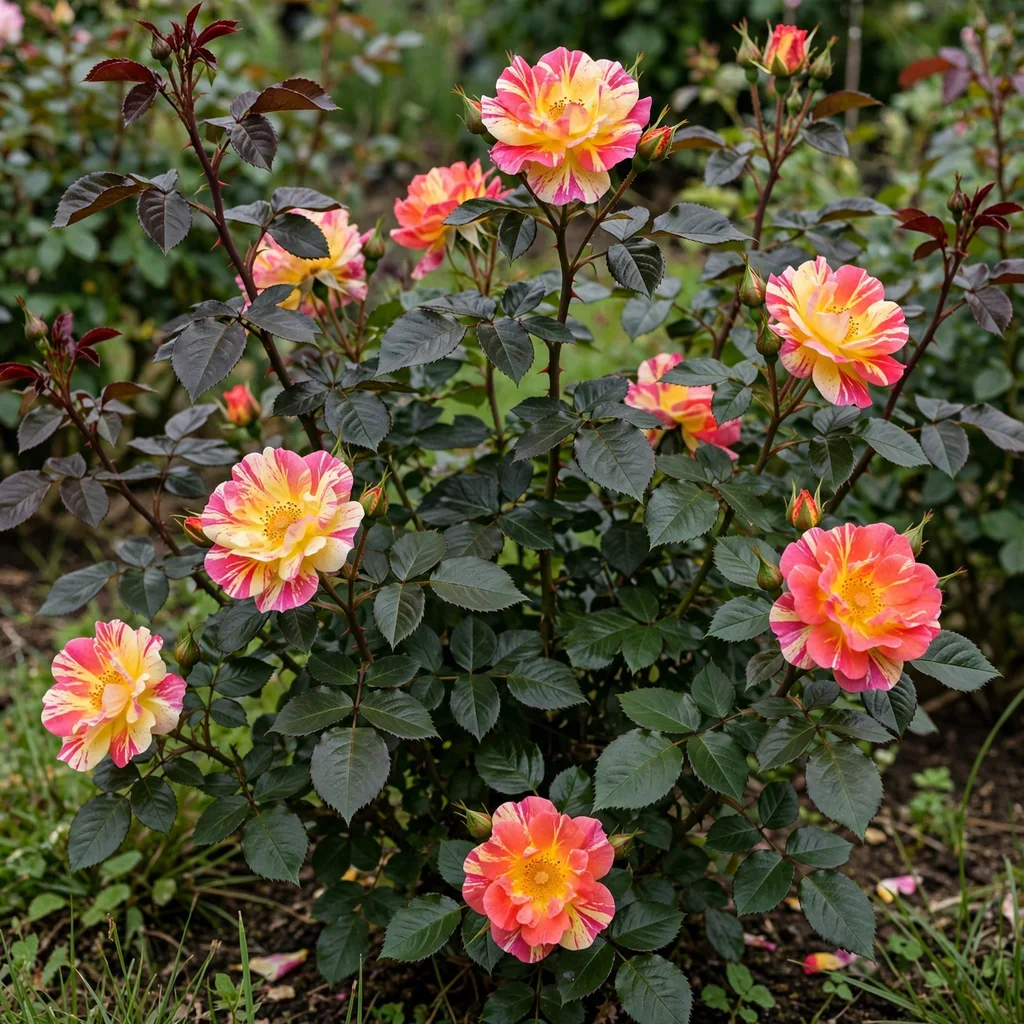
Rainbow Rose
Rosa x hybrida 'Rainbow'
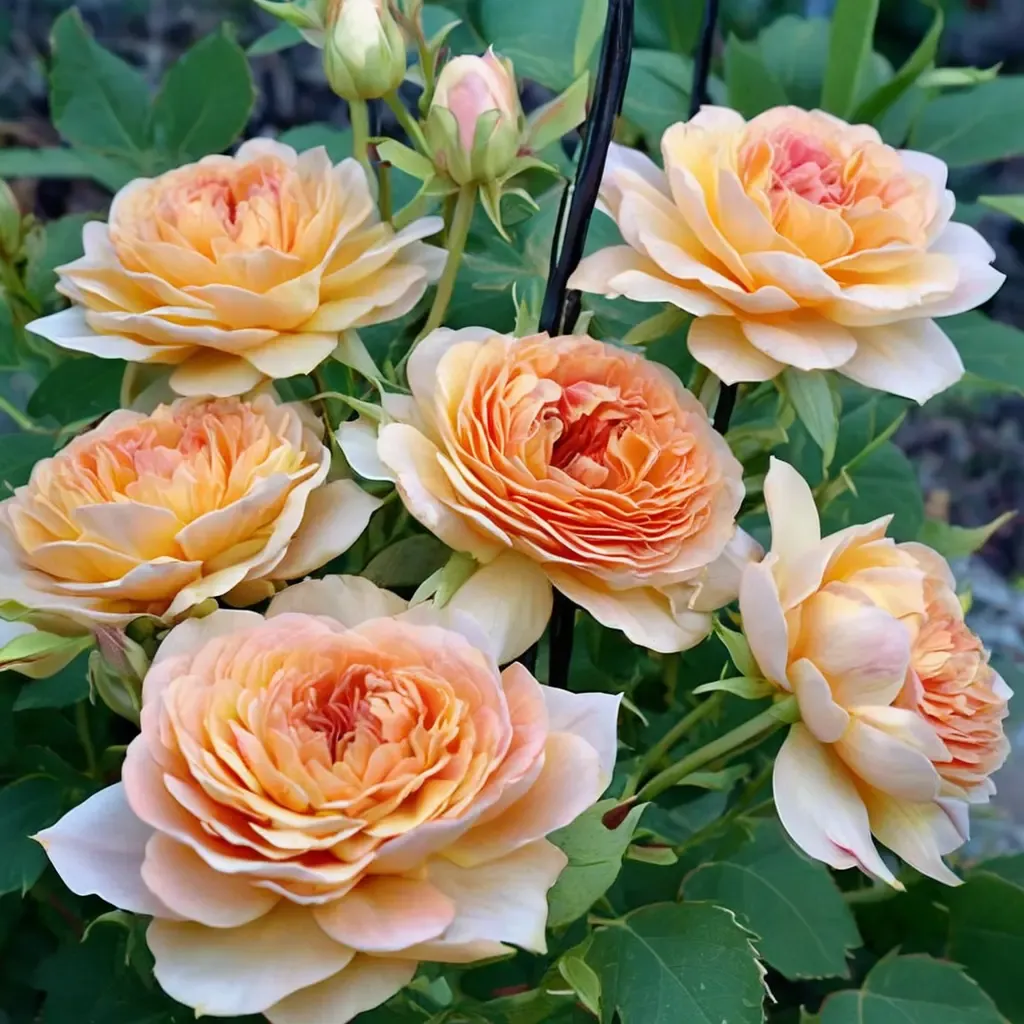
Fun in the Sun Rose
Rosa x hybrida 'Fun in the Sun'
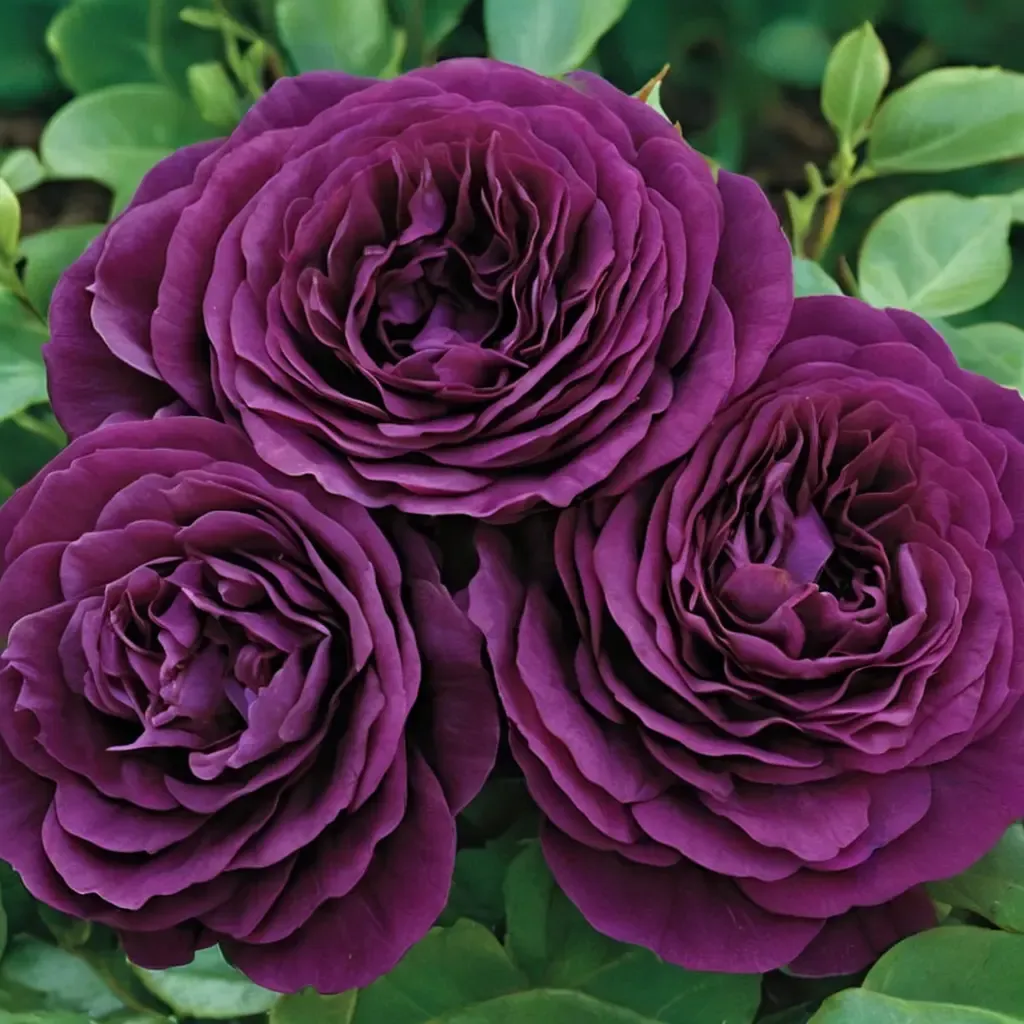
Twilight Zone Rose
Rosa x hybrida 'Twilight Zone'
Keep exploring
Explore the genus
Hardy in your zone?
Grow Yellow Banksia Rose with confidence
See it in a design of your actual yard, get zone-matched care reminders, and track it season by season in your garden journal.