
Species
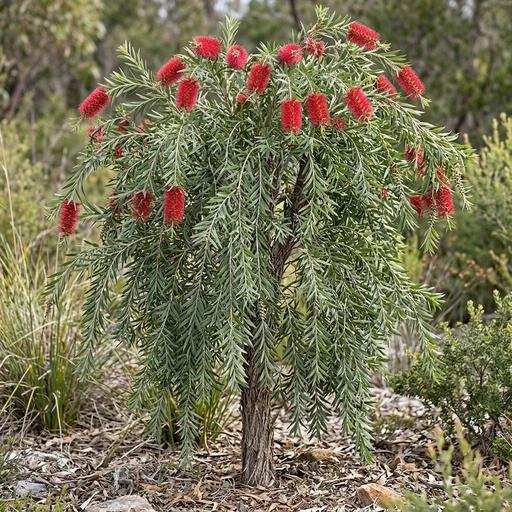 Callistemon viminalisWeeping Bottlebrush
7 other cultivars



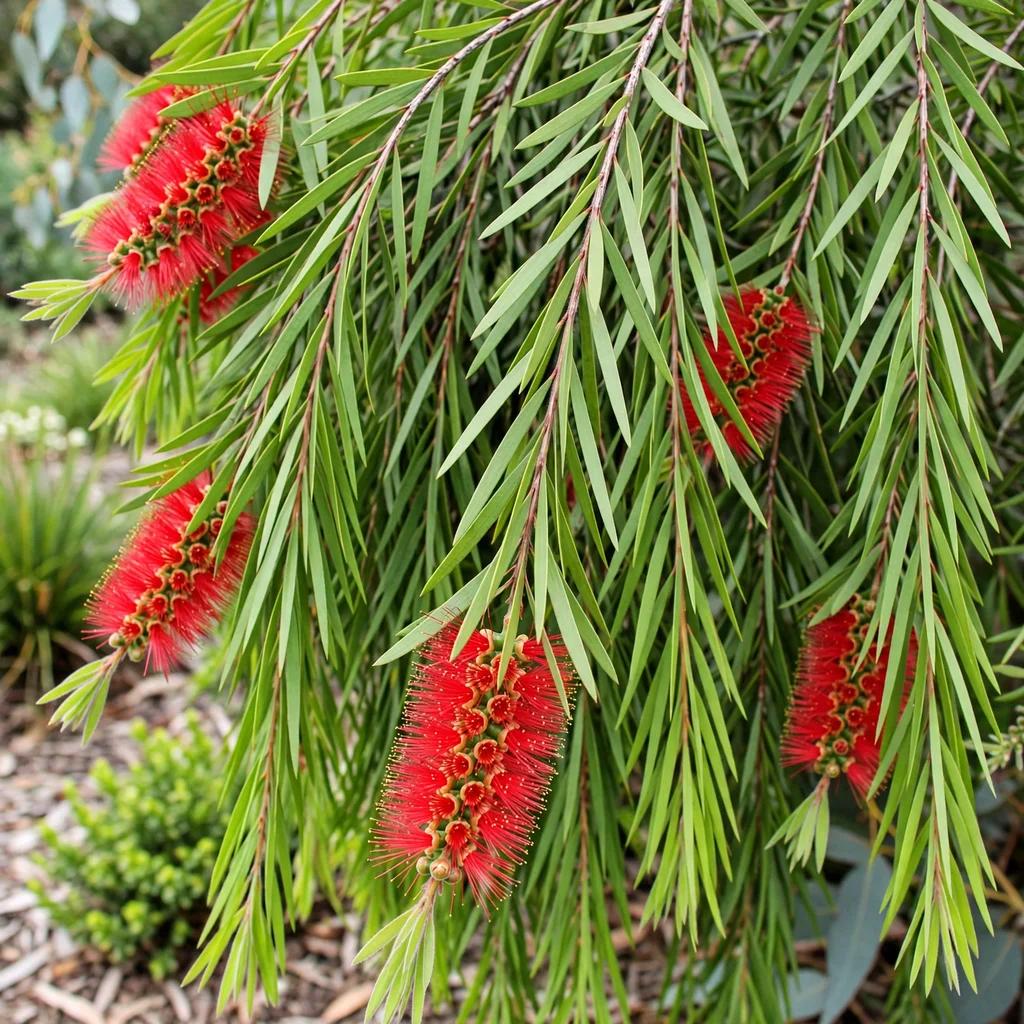
The Story
Plant Bio
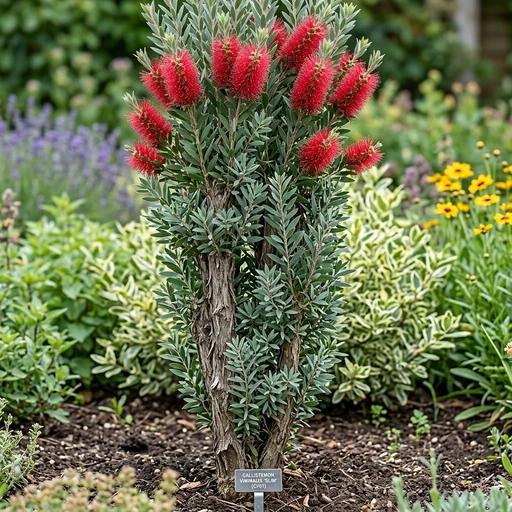
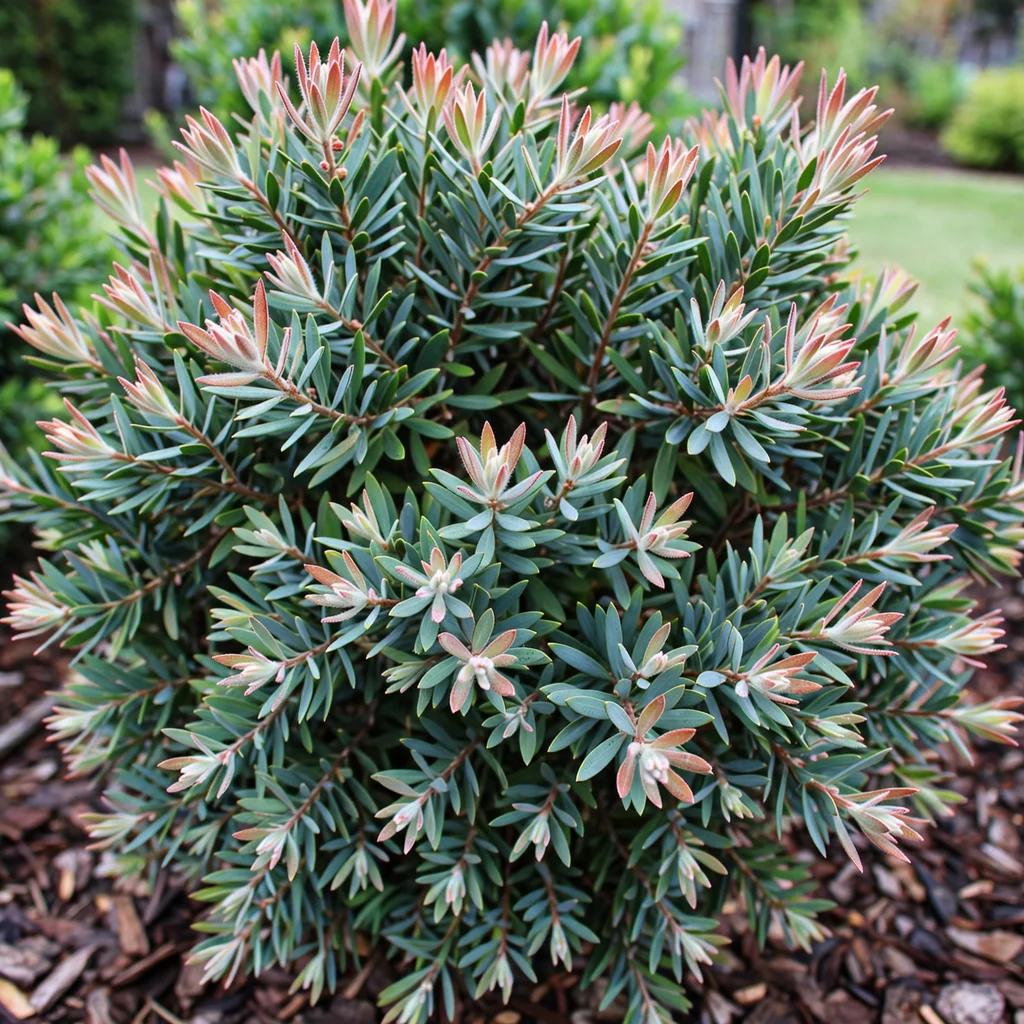
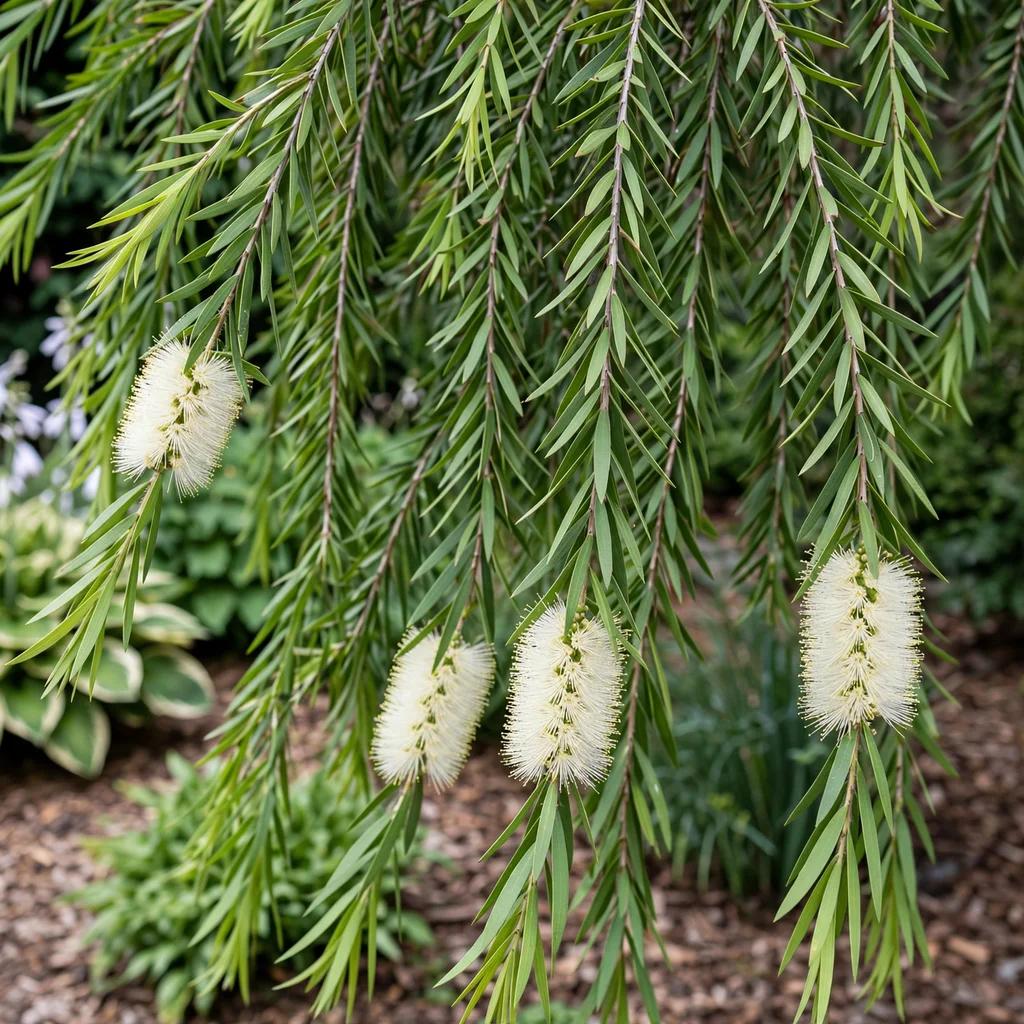
Callistemon, or Bottlebrush, are evergreen shrubs or small trees native to Australia, famed for their cylindrical, brush-like flower spikes. They are heat and drought-tolerant plants ideal for warm climates.
'Red Cluster' is a popular cultivar known for its weeping habit and profuse clusters of brilliant red, bottlebrush-like flowers. It often blooms repeatedly throughout the year in mild climates, attracting hummingbirds.
Uses & Benefits:
Essentials
At a Glance
Plant Type
Shrub
Height
180"
Width
180"
Light
Full Sun
Zones
9, 10
Water
Low once established
Humidity
Low to moderate
Lifespan
Long-lived shrub
Native To
Australia
Toxicity
Non-toxic
Bloom period
Late spring – Mid-summer
In flower about 3 months of the year
Marketplace
Where to Buy
Shipping costs Year-round shipping Free shipping
Planting
How to Grow
- Select a location in full sun with excellent soil drainage.
- Dig a hole twice as wide as the root ball but no deeper.
- Gently tease out any circling roots before planting.
- Set the plant at the same depth it was in the container.
- Backfill with native soil and water deeply to settle.
- Mulch to conserve water, keeping it away from the trunk.
Pro Tip
Prune lightly after the main flowering flush, just behind the spent blooms, to encourage denser growth and more flowers.
Keep It Thriving
Care Guide
Do
- Provide full sun for best flowering.
- Water deeply but infrequently once established.
- Use a low-phosphorus fertilizer suitable for Australian natives.
- Prune after flowering to maintain shape.
Don't
- Do not plant in heavy, wet clay soil.
- Avoid high-phosphorus fertilizers, which can be toxic to them.
- Do not prune heavily into old, non-leafy wood.
- Avoid planting in shady areas.
Seasonal Care Calendar
| Task | Jan | Feb | Mar | Apr | May | Jun | Jul | Aug | Sep | Oct | Nov | Dec |
|---|---|---|---|---|---|---|---|---|---|---|---|---|
| Fertilize | ||||||||||||
| Pest Check | ||||||||||||
| Plant | ||||||||||||
| Prune |
Watch Out For
Pests & Diseases
Common Pests
Common Diseases
In the Garden
Landscape Uses & Companions
Landscape Uses
Companion Plants
Multiply
Propagation Methods
Good to Know
Common Questions
Red Cluster Weeping Bottlebrush questions
What zones can Red Cluster Weeping Bottlebrush grow in?
Red Cluster Weeping Bottlebrush is hardy in USDA Zones 9–10. Inside that range it survives winter in the ground; outside it, grow it as an annual or a container plant you protect.
Is Red Cluster Weeping Bottlebrush deer resistant?
Not reliably. Deer may browse Red Cluster Weeping Bottlebrush, especially tender spring growth — plan on repellents or fencing where pressure is high.
When does Red Cluster Weeping Bottlebrush bloom?
Red Cluster Weeping Bottlebrush typically blooms in late spring through mid-summer. Exact timing shifts a week or two with your zone — Sow's bloom calendar maps it to your garden.
Does Red Cluster Weeping Bottlebrush need full sun?
Red Cluster Weeping Bottlebrush does best in full sun (6+ hours).
Is Red Cluster Weeping Bottlebrush drought tolerant?
Yes — once established (usually after the first full season), Red Cluster Weeping Bottlebrush handles dry spells with minimal watering. Water deeply its first year to build the root system that makes that possible.
More Callistemon to compare
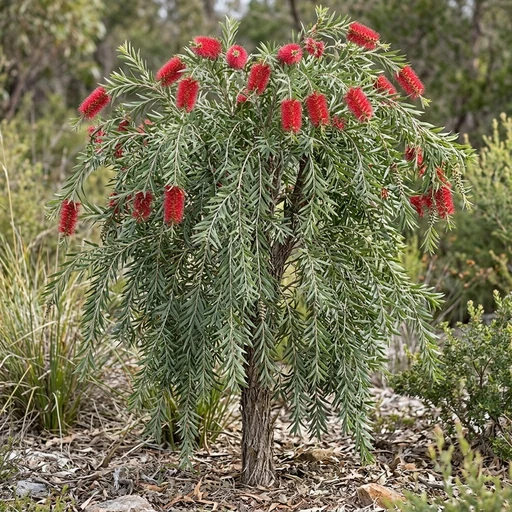
Weeping Bottlebrush
Callistemon viminalis
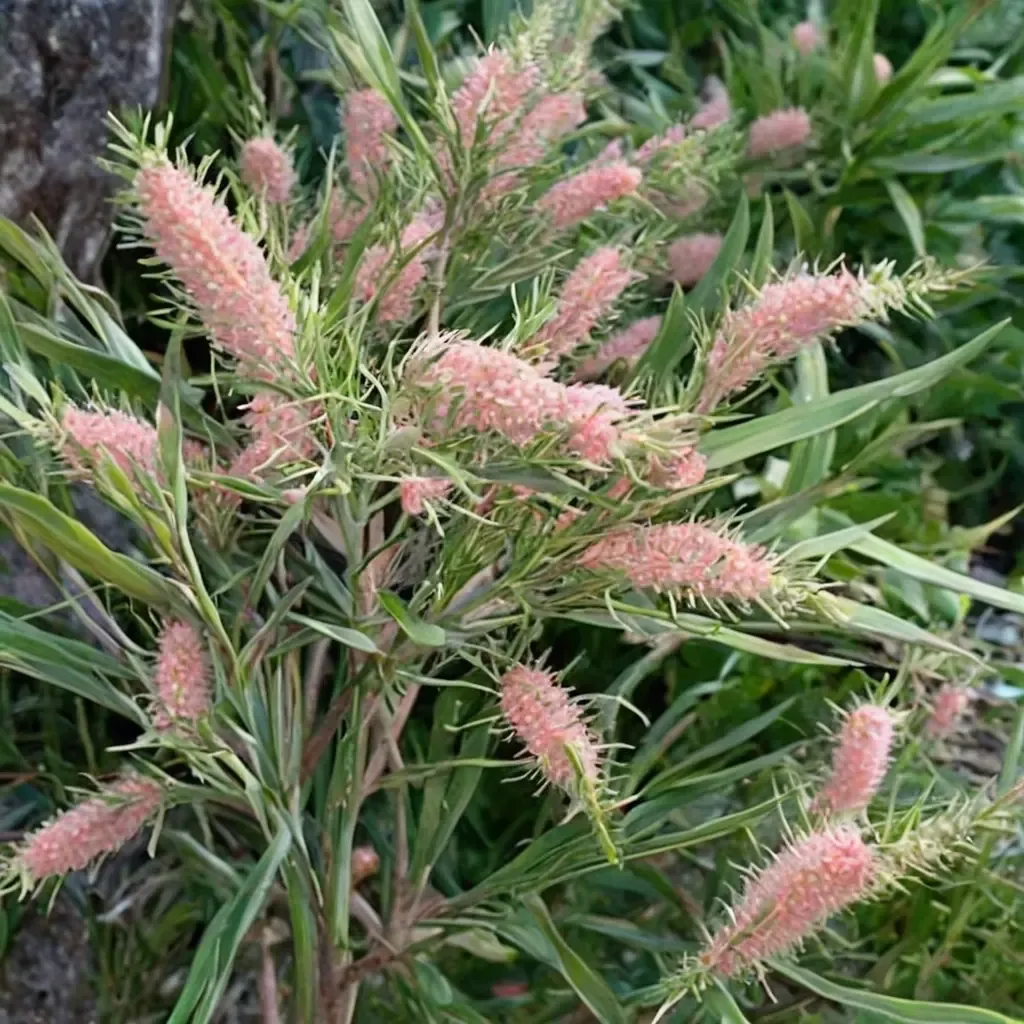
Cane's Hybrid Bottlebrush
Callistemon citrinus 'Cane's Hybrid'
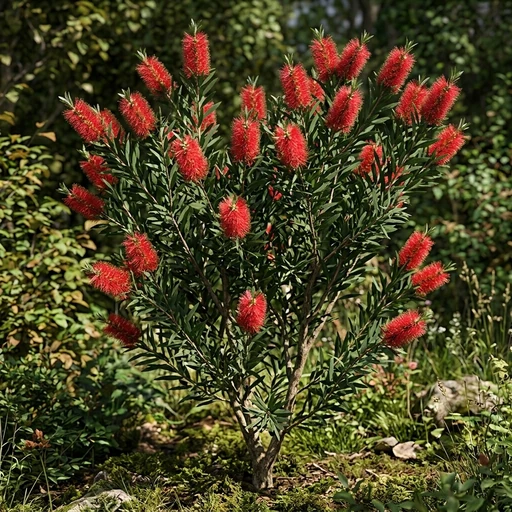
Woodlander's Hardy Bottlebrush
Callistemon x hybrida 'Woodlander'S Hardy'
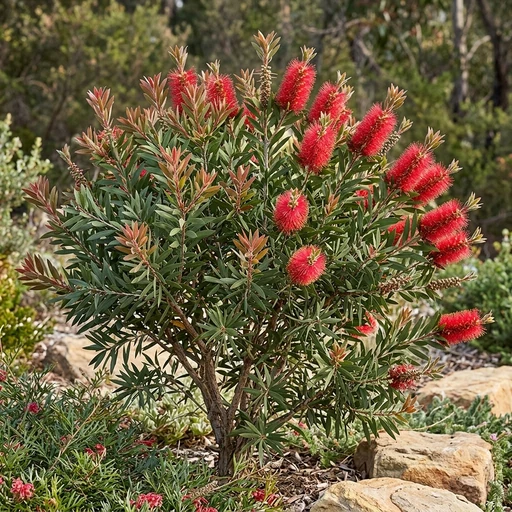
Little John Dwarf Bottlebrush
Callistemon citrinus 'Little John'
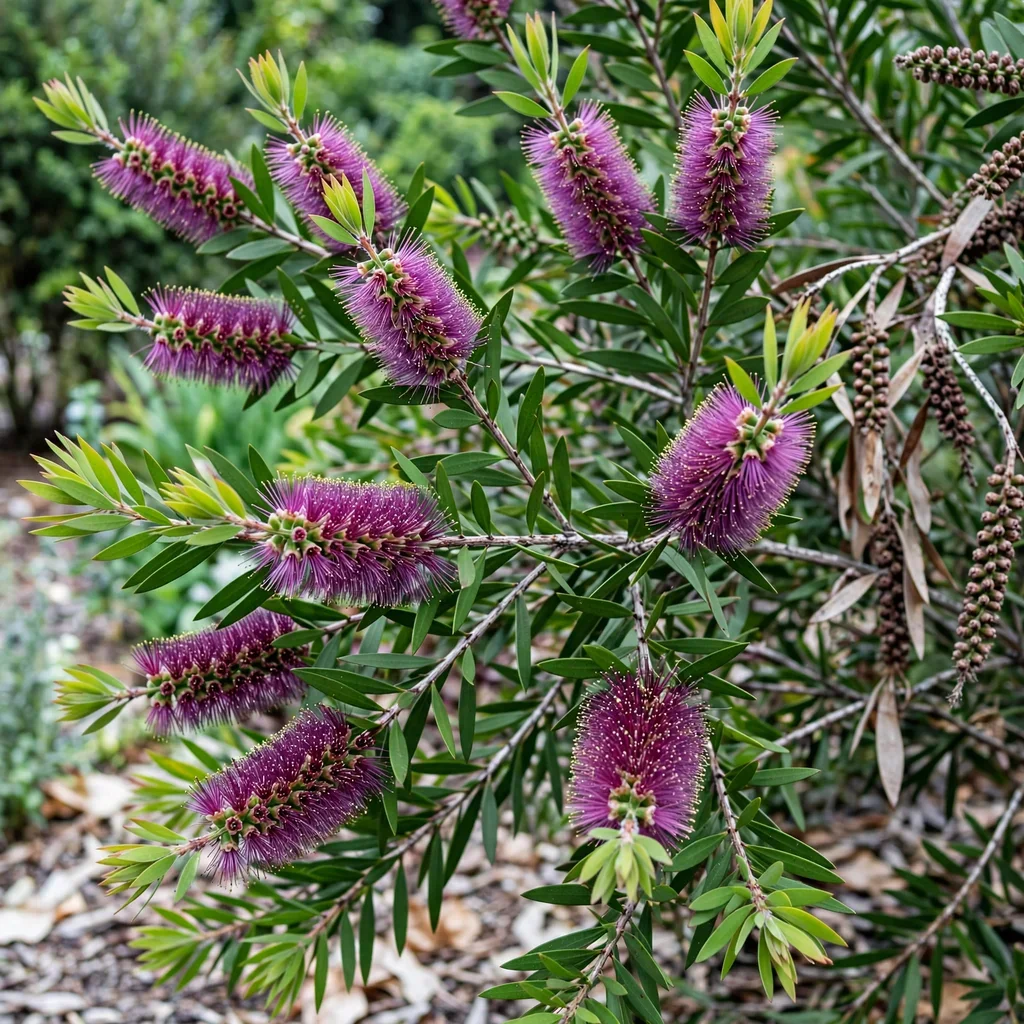
Violet Bottlebrush
Callistemon x hybrida 'Violaceus'
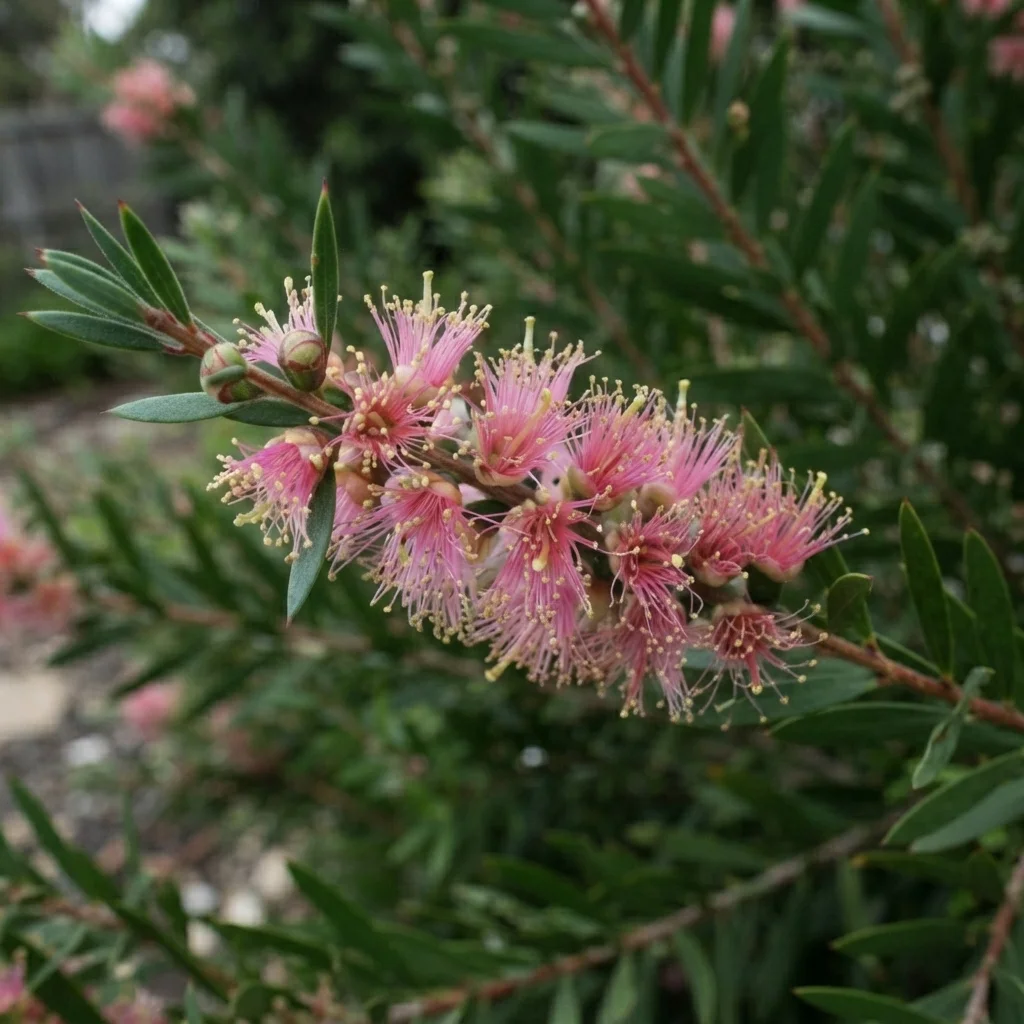
River Bottlebrush
Callistemon sieberi
Keep exploring
Explore the genus
Hardy in your zone?
Grow Red Cluster Weeping Bottlebrush with confidence
See it in a design of your actual yard, get zone-matched care reminders, and track it season by season in your garden journal.