Also known as Bottlebrush · 174 saves
Callistemon
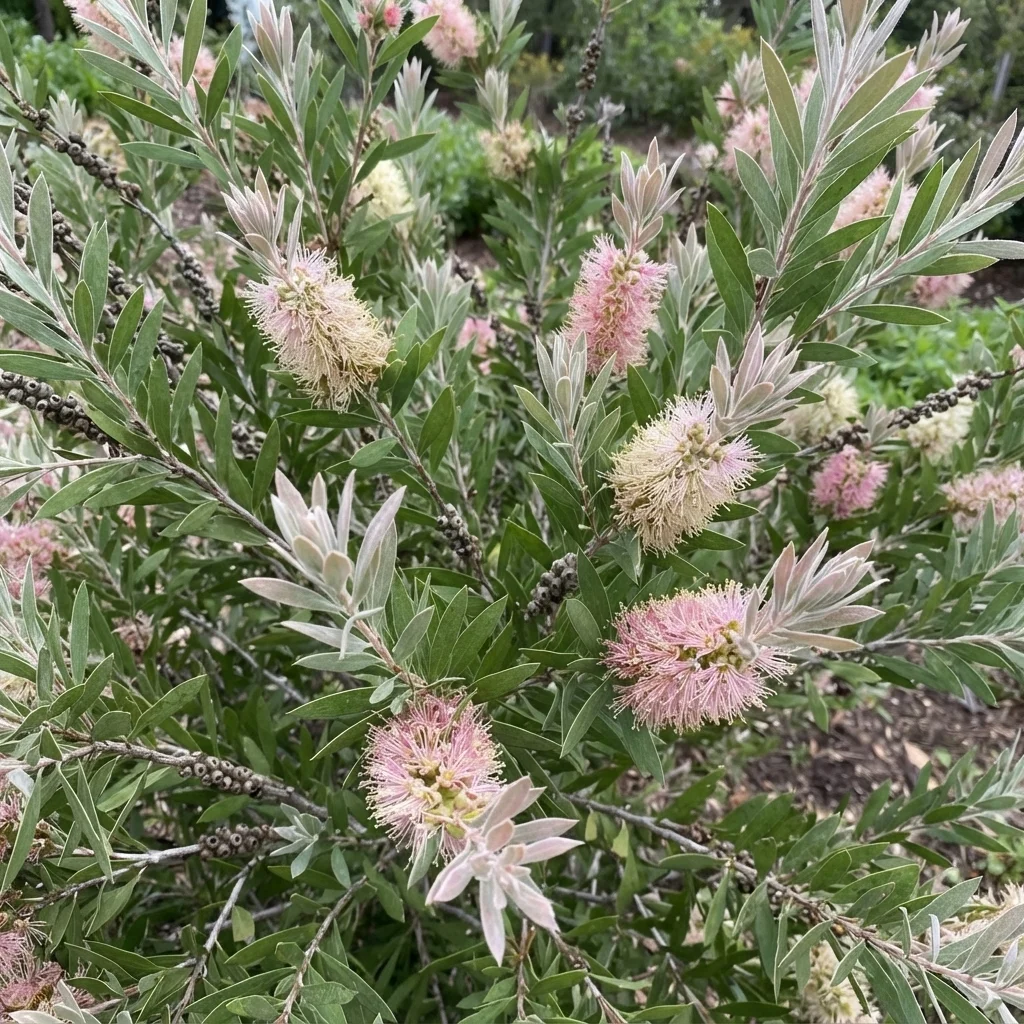
Callistemon, the genus most gardeners know as bottlebrush. We track 28 varieties; the ones most used by real gardeners.
The 24 most-saved Callistemon varieties
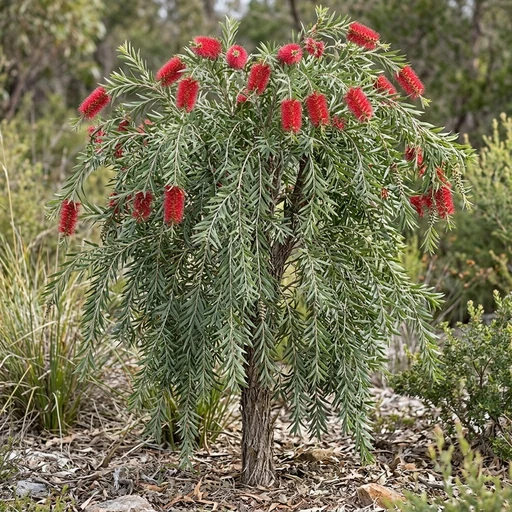
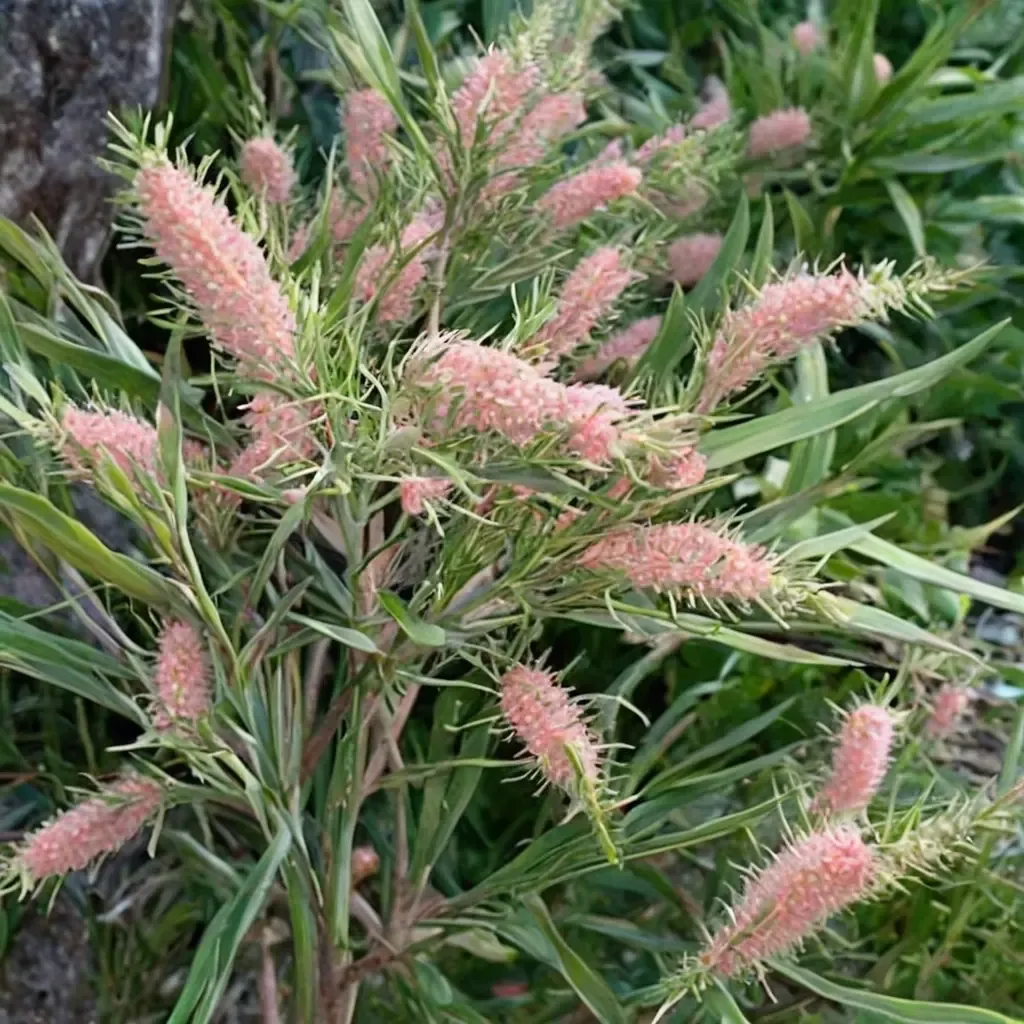
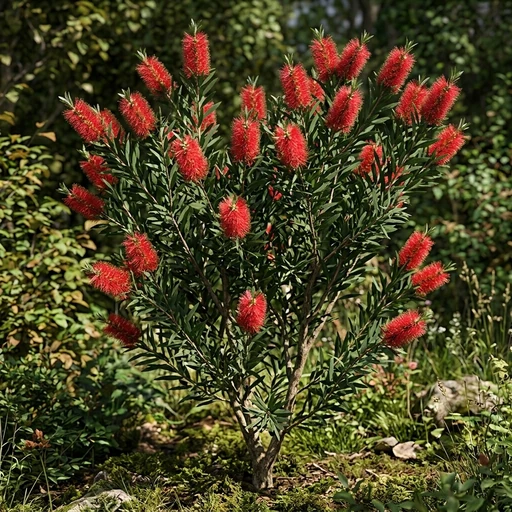
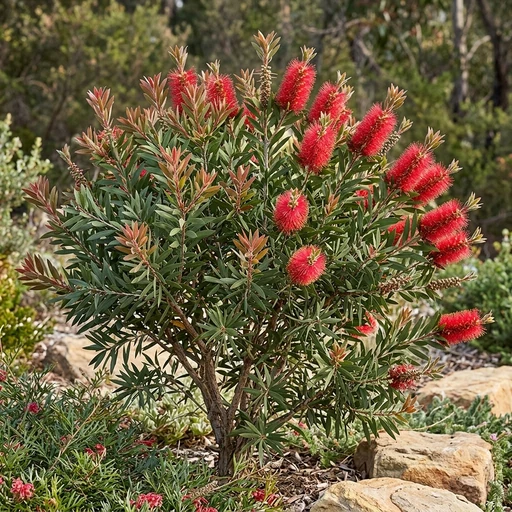
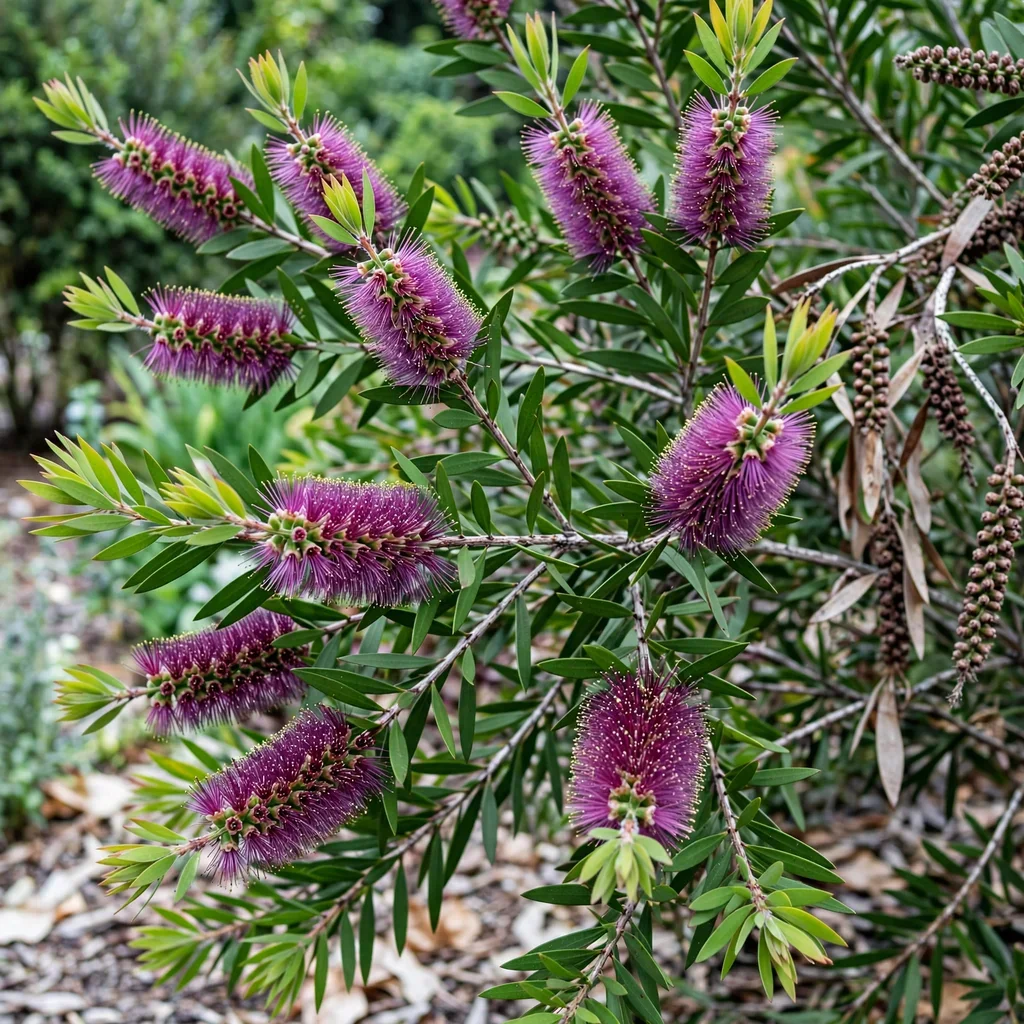
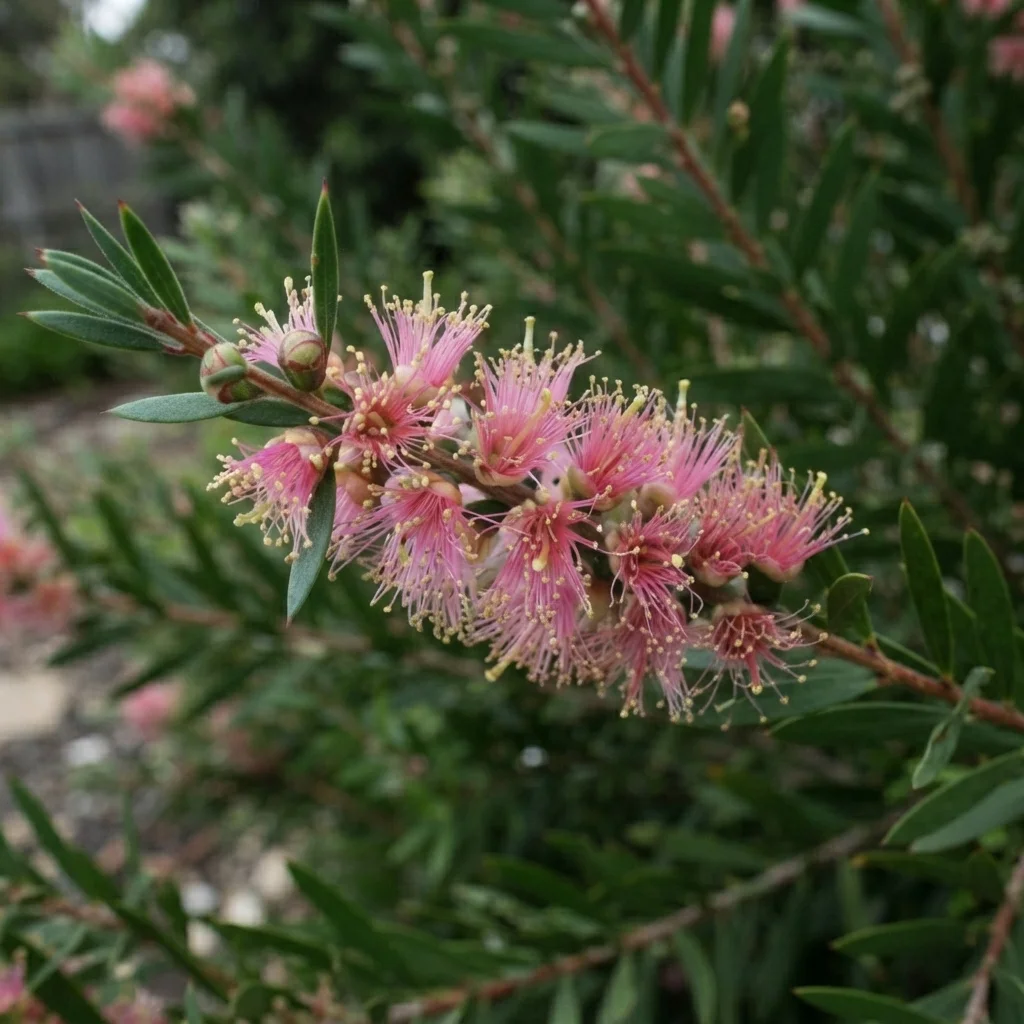
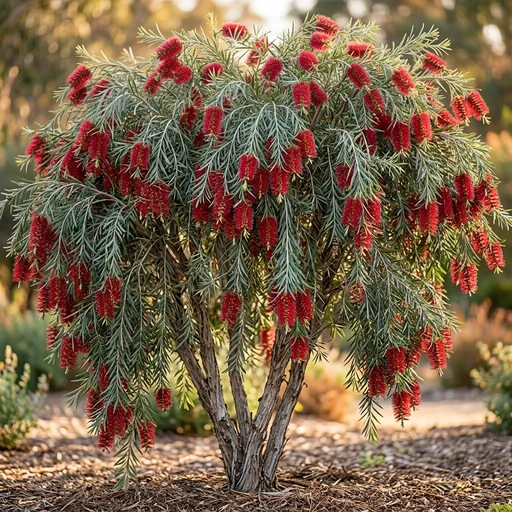
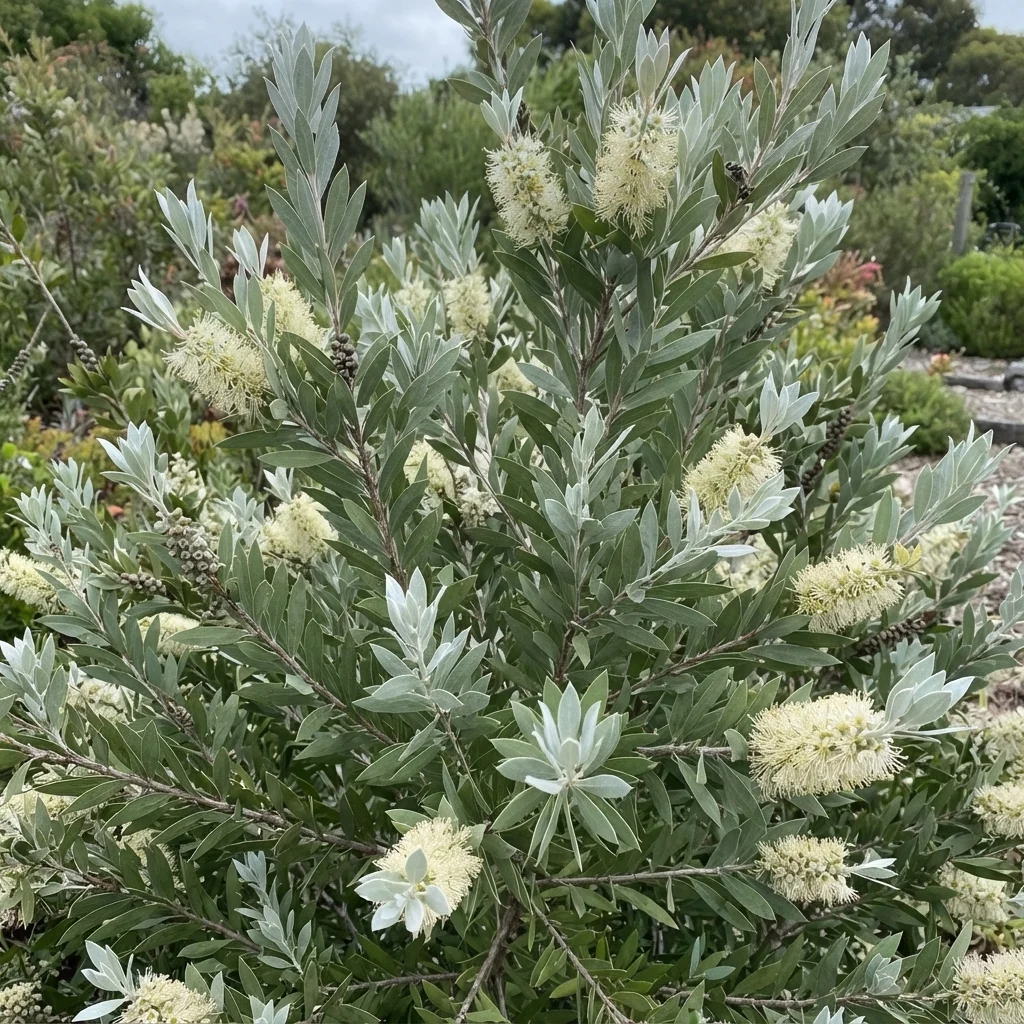
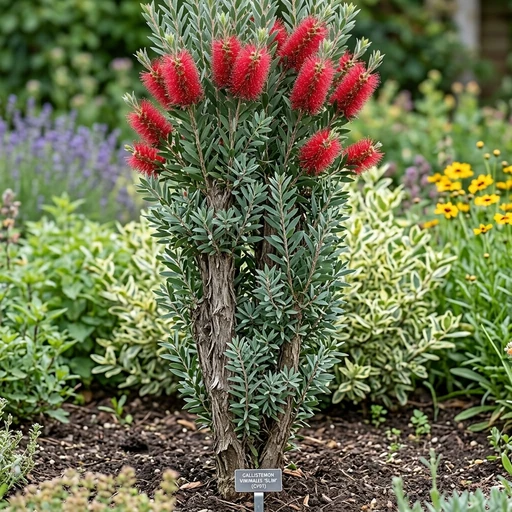
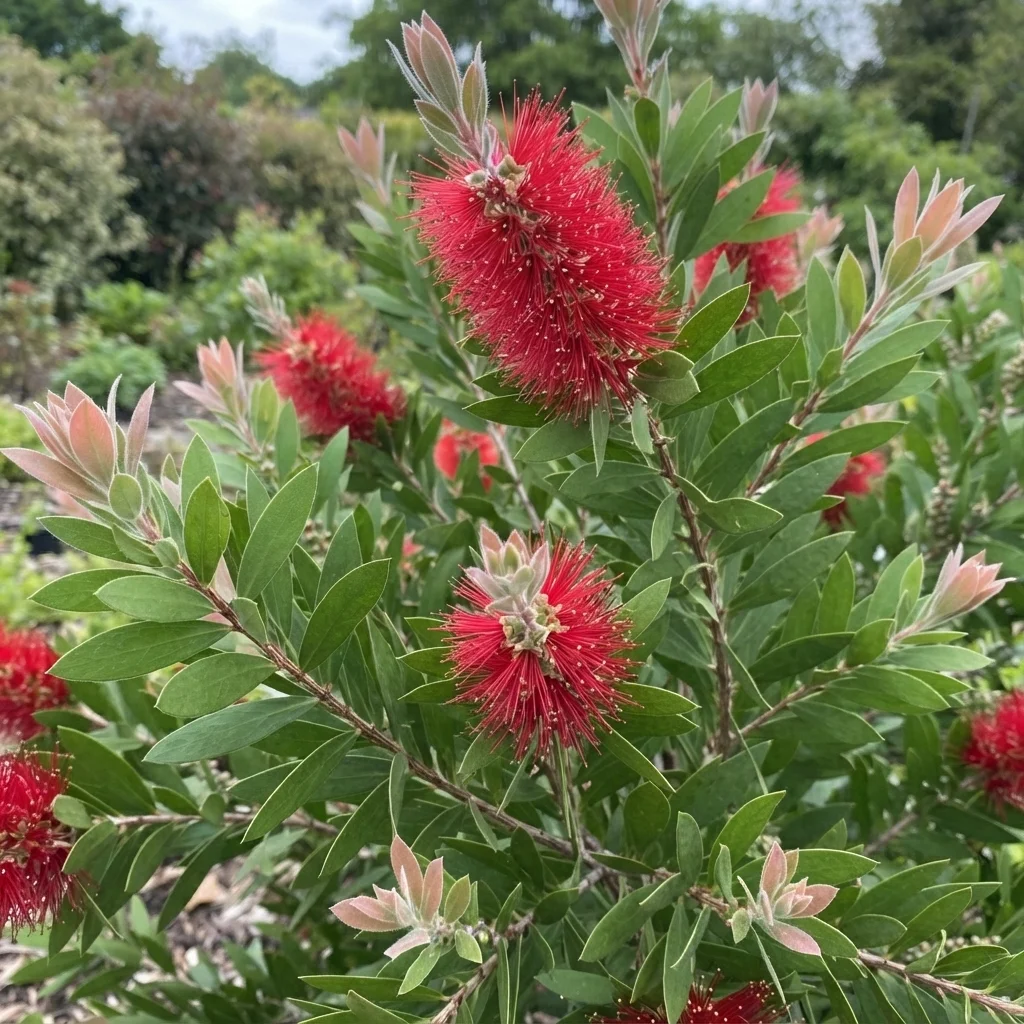
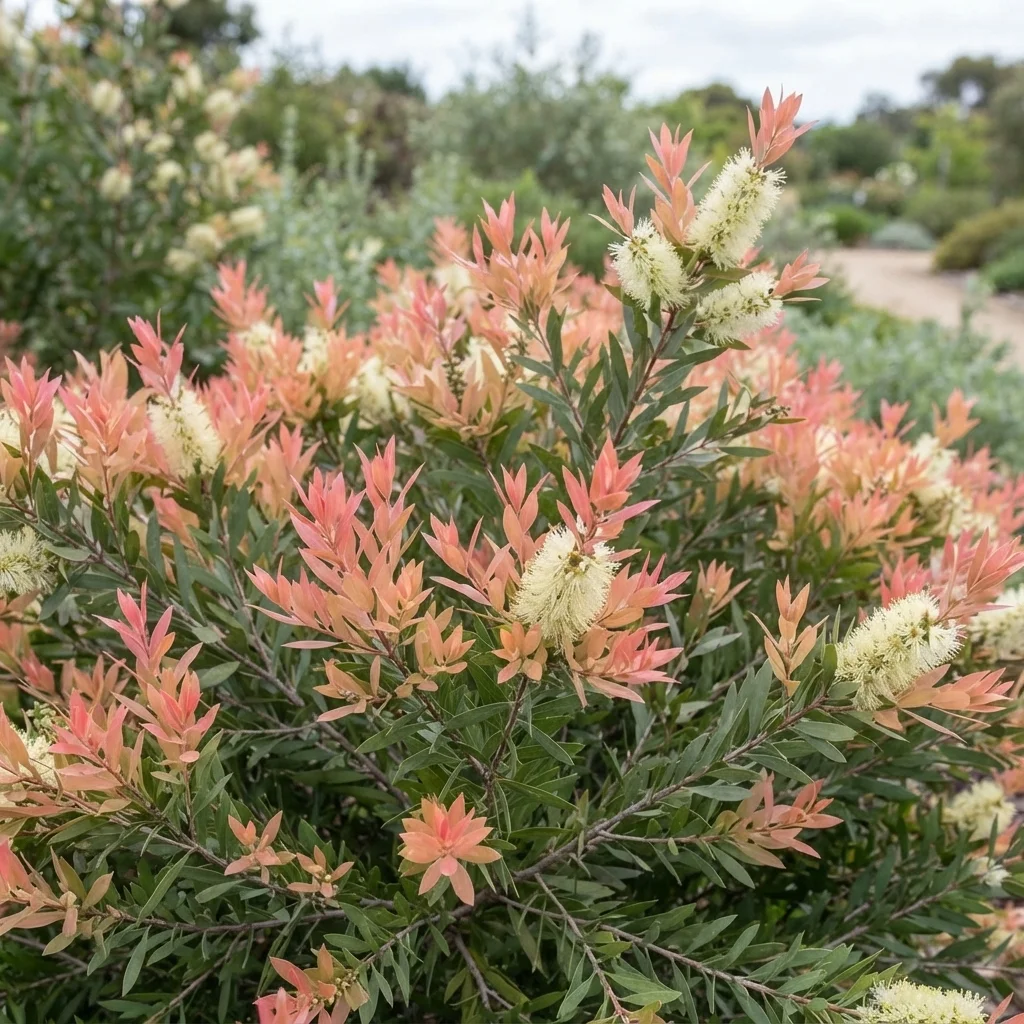
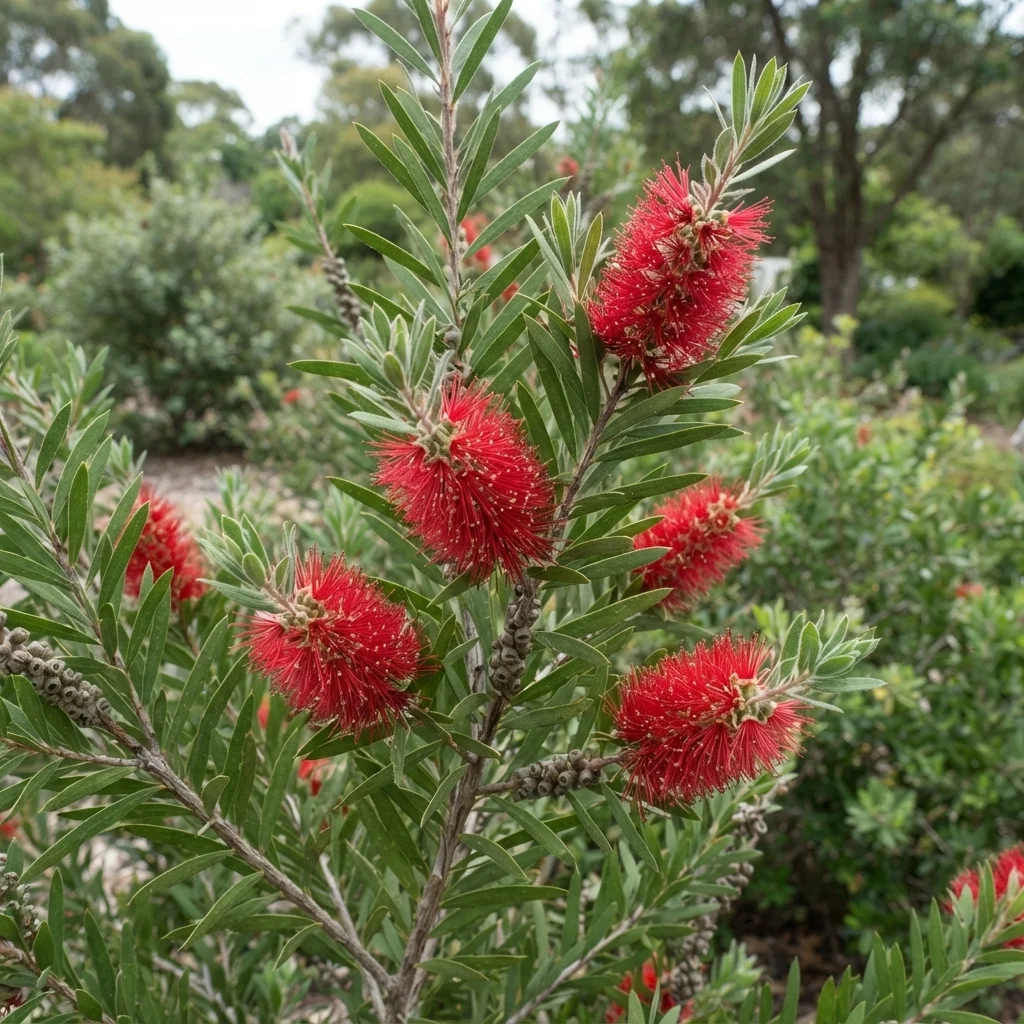
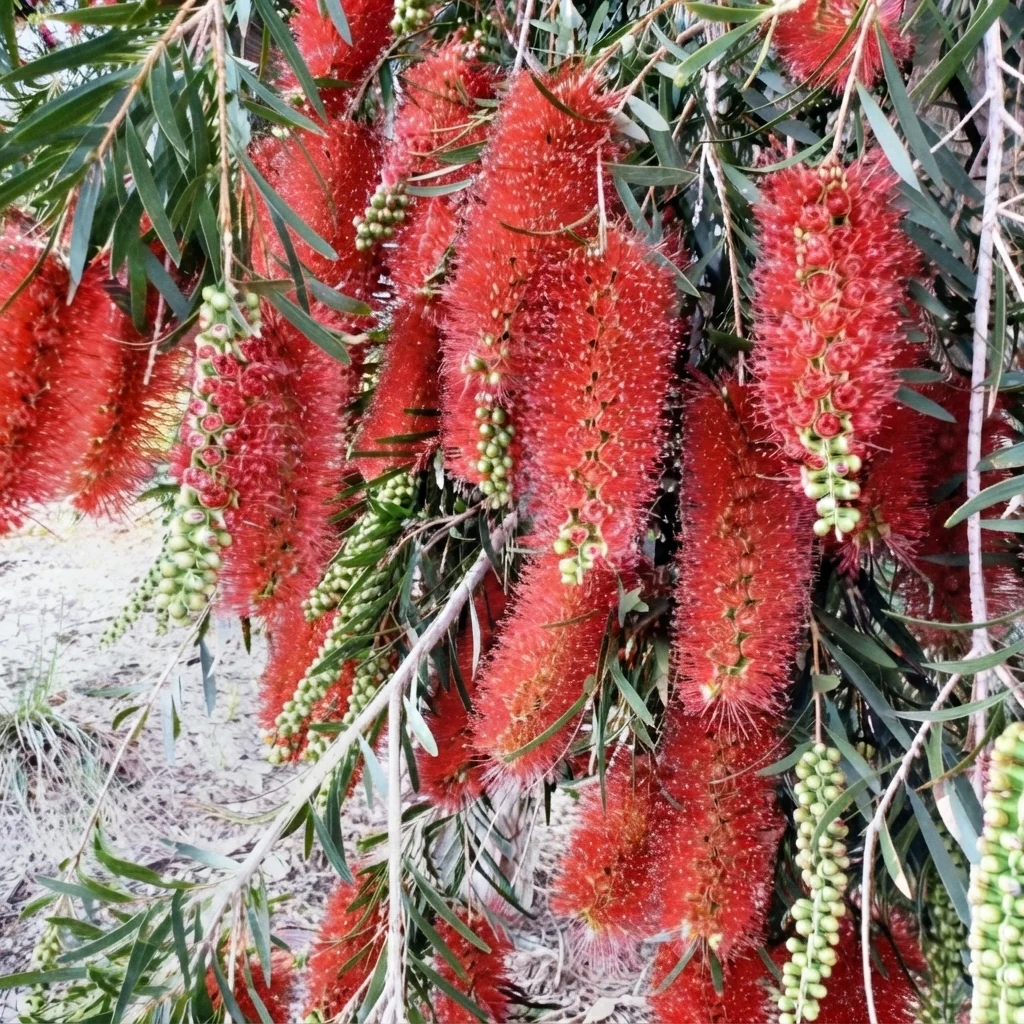
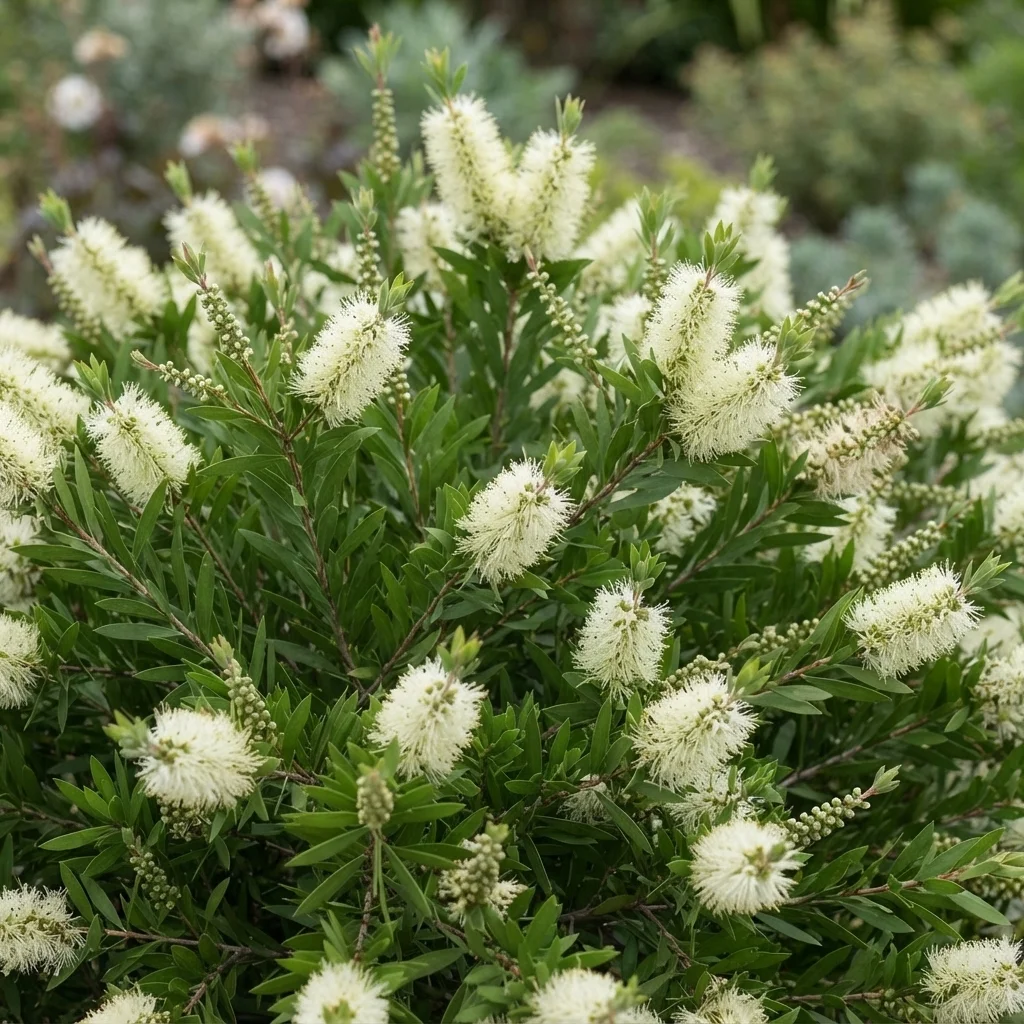
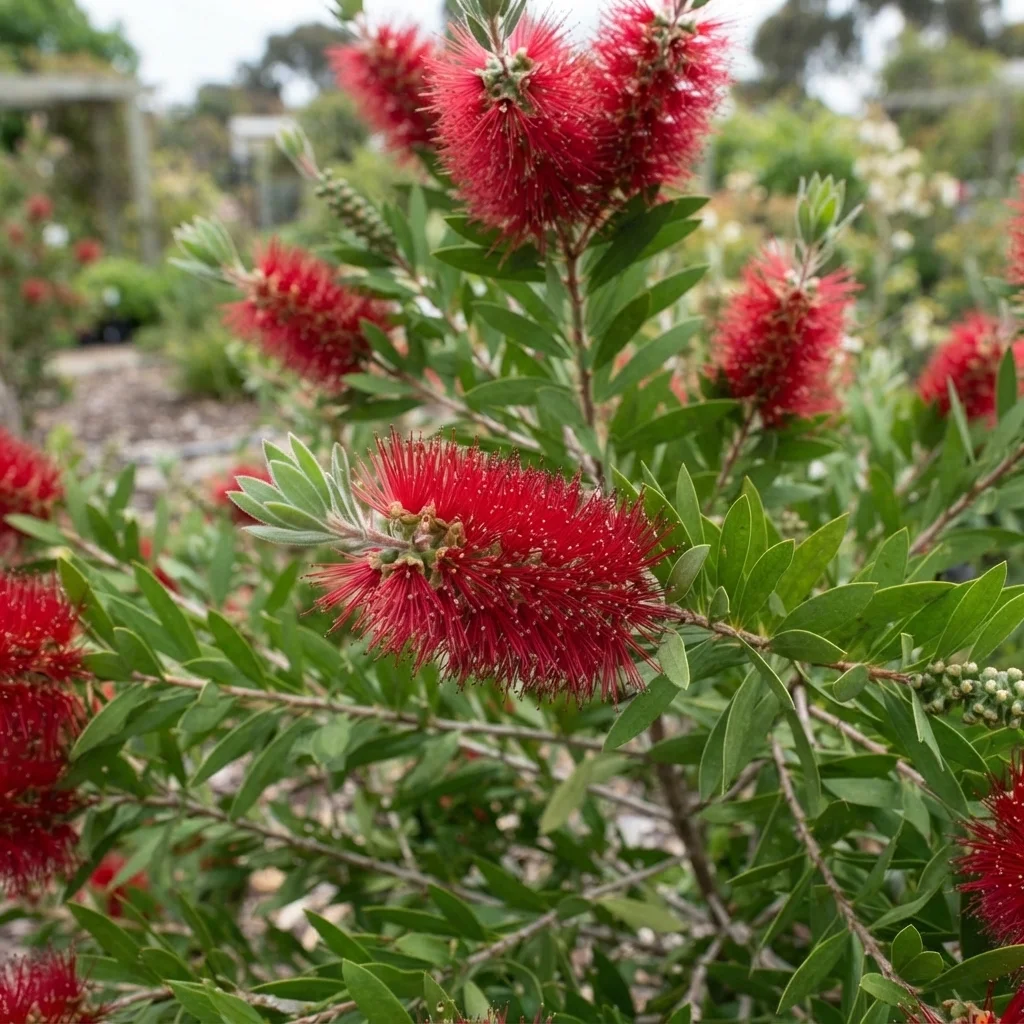
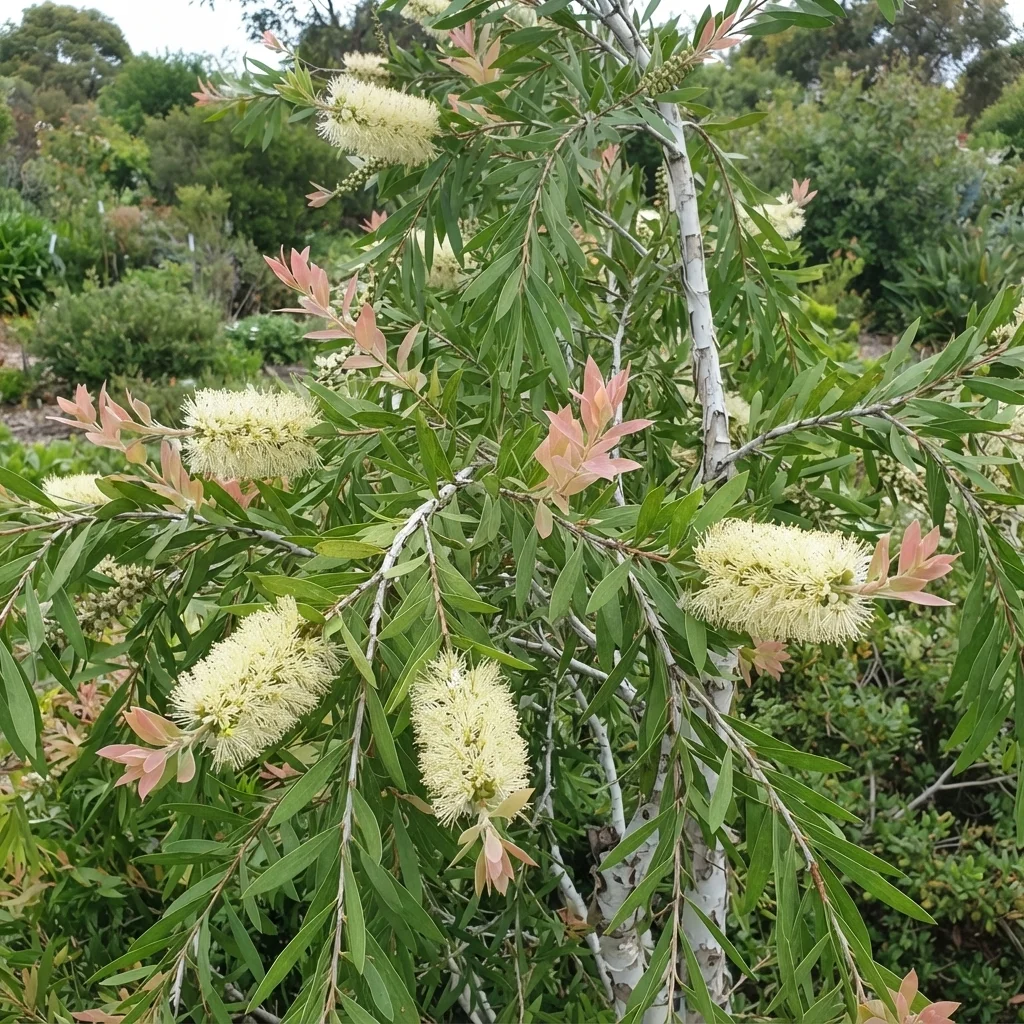
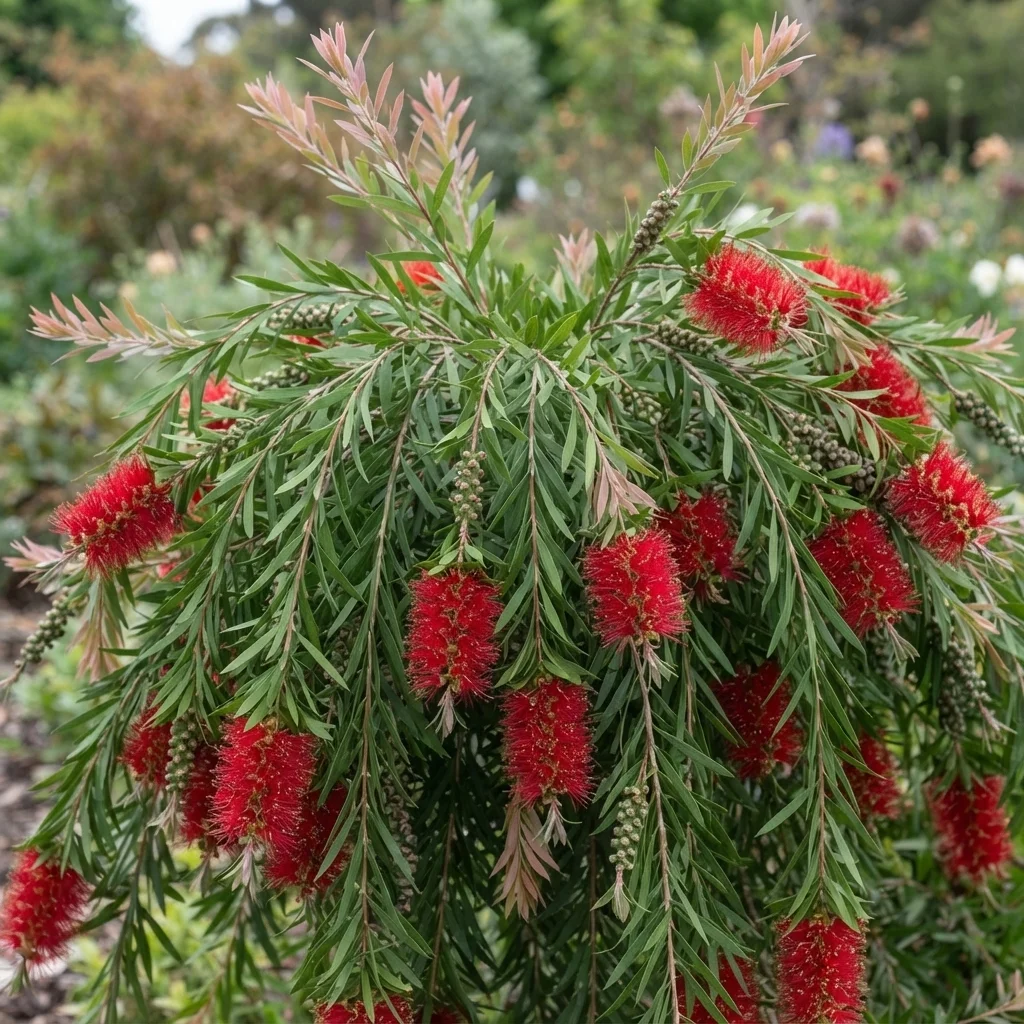
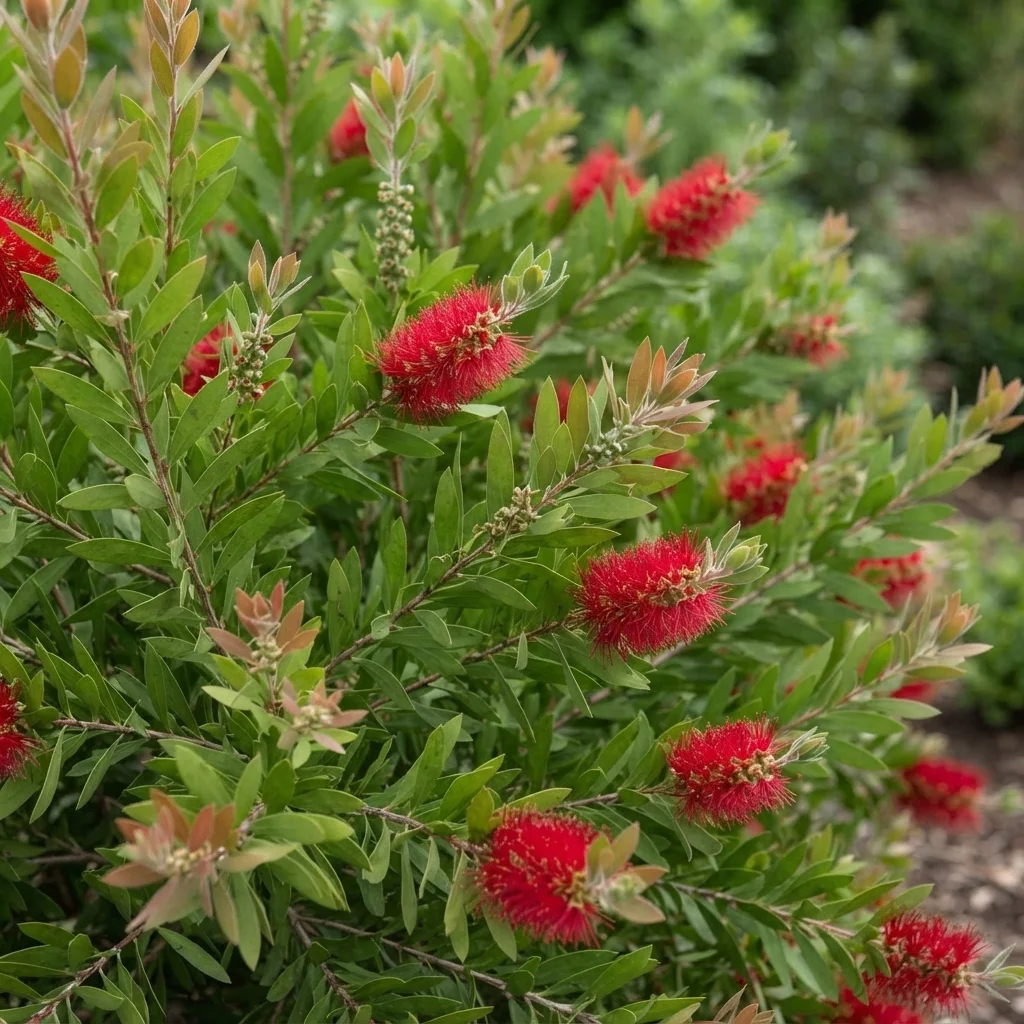
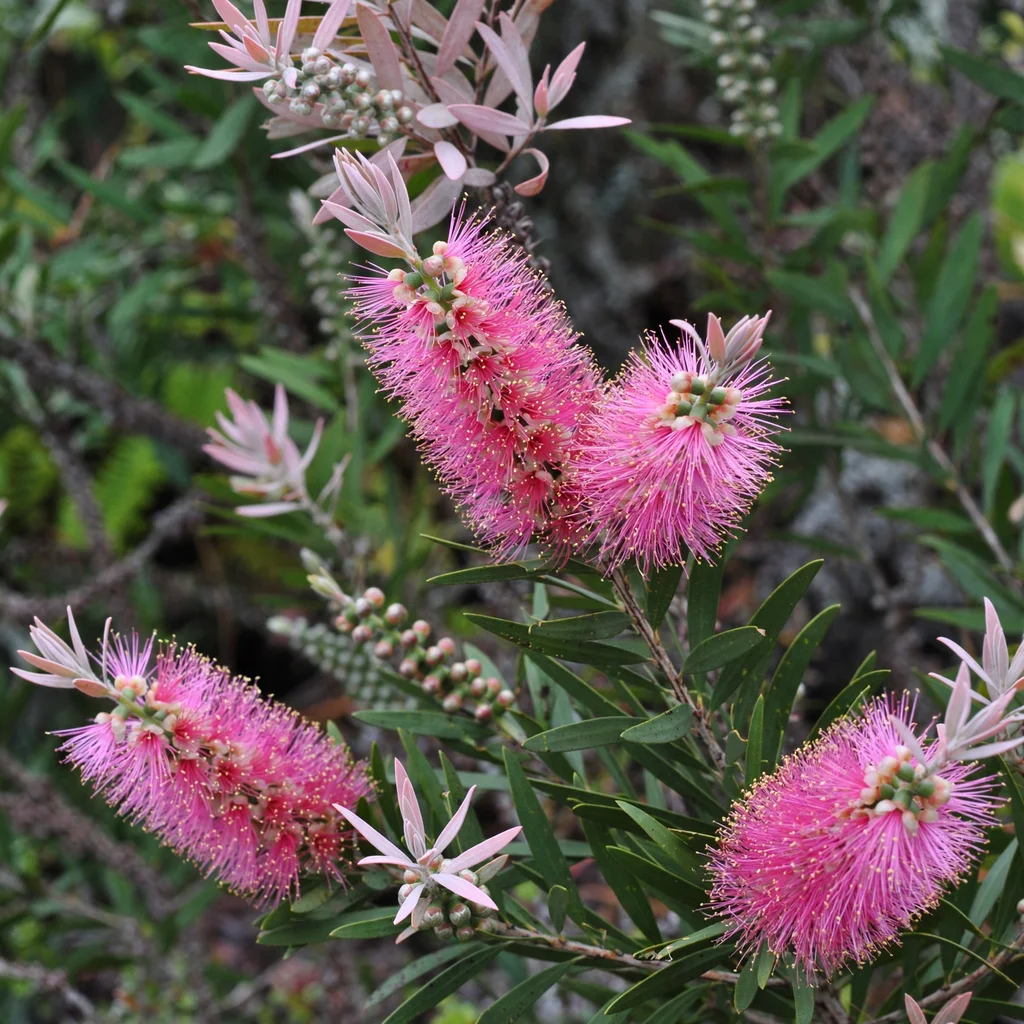
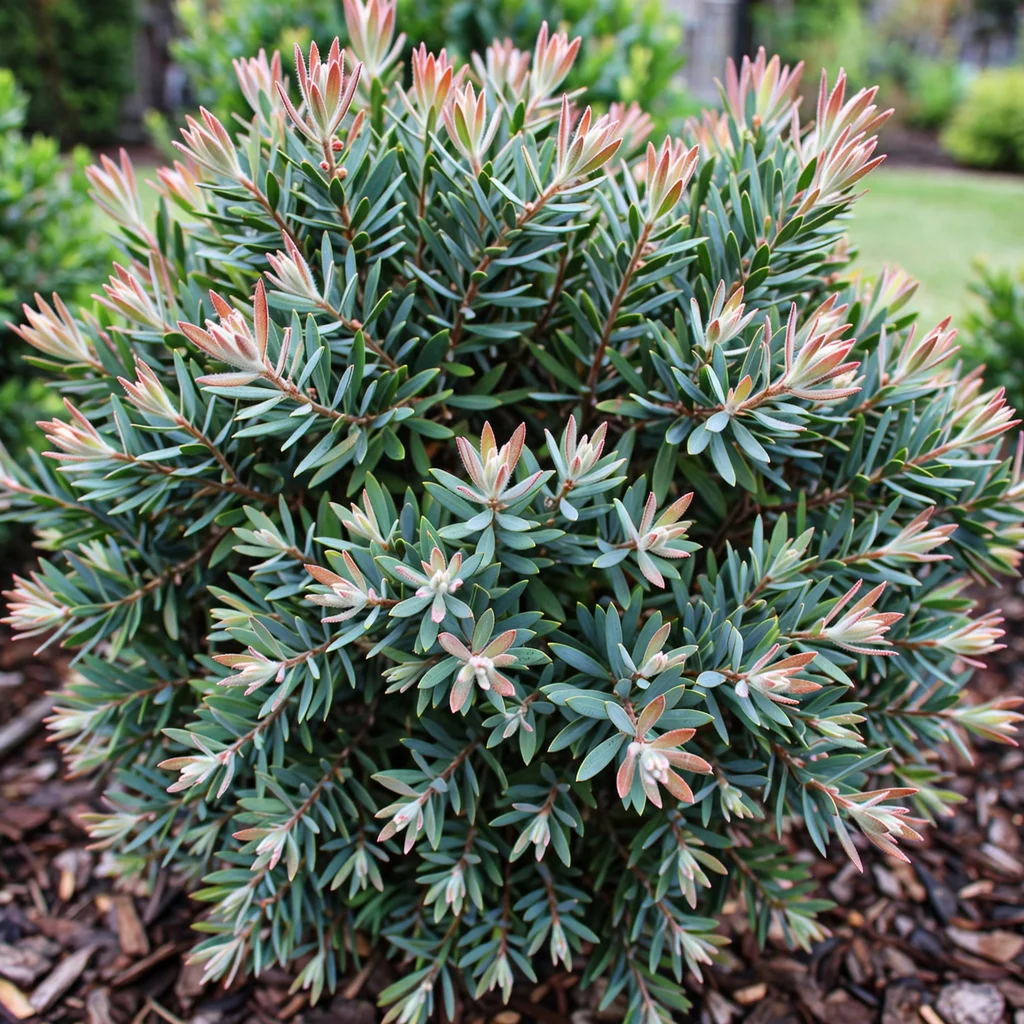
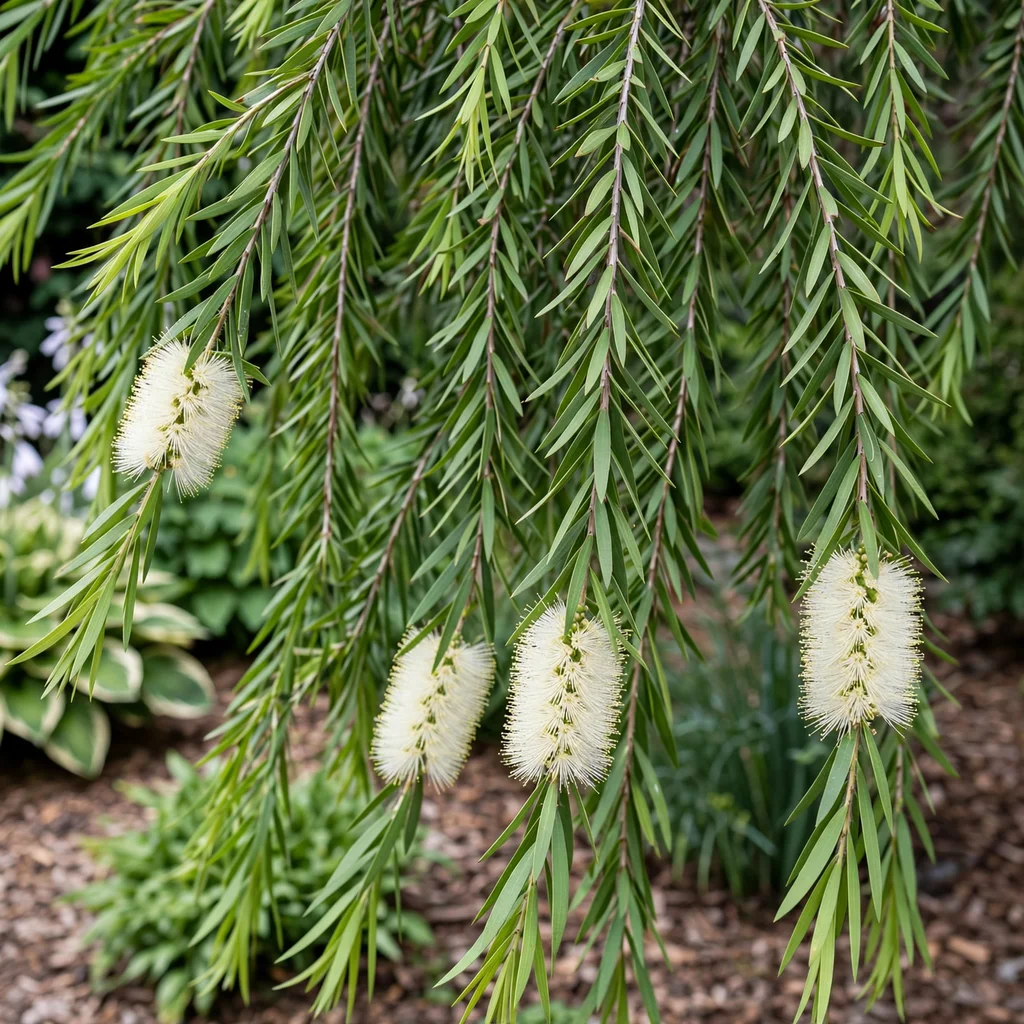
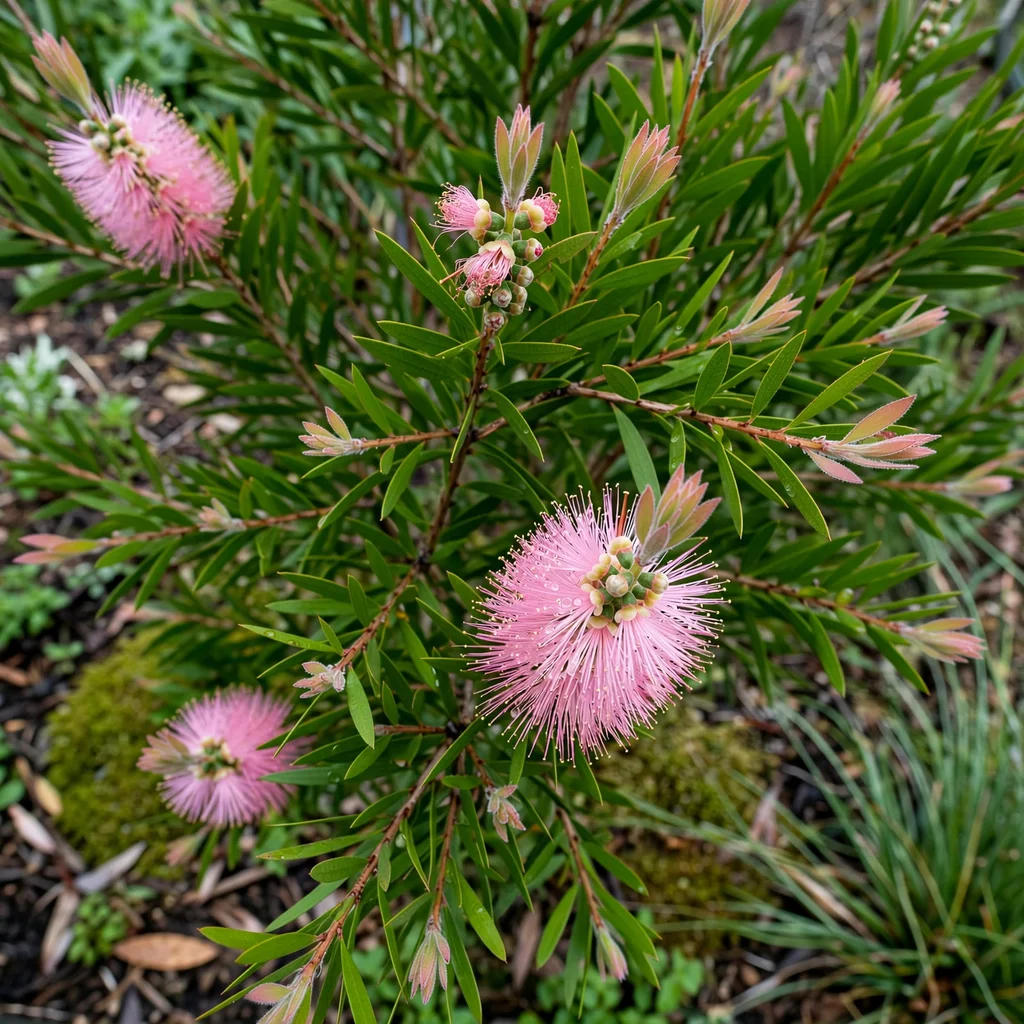
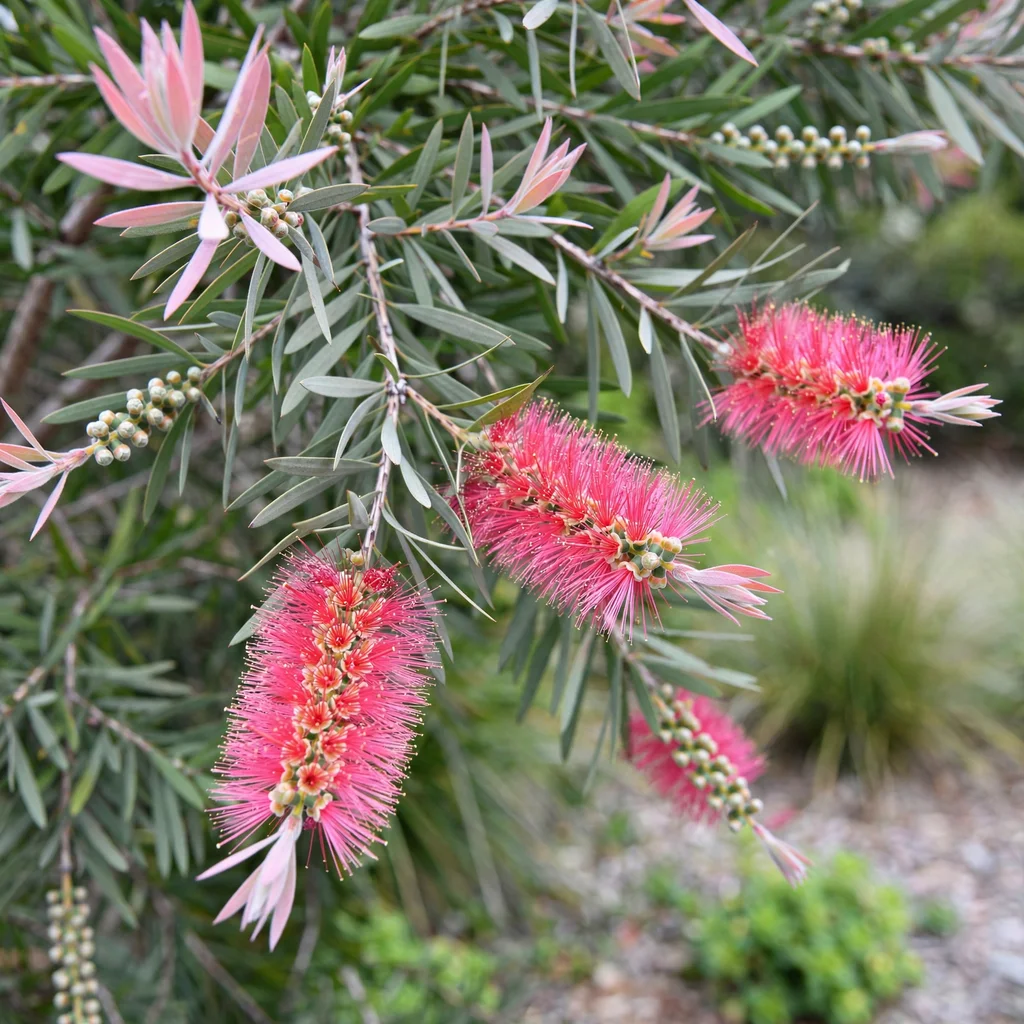
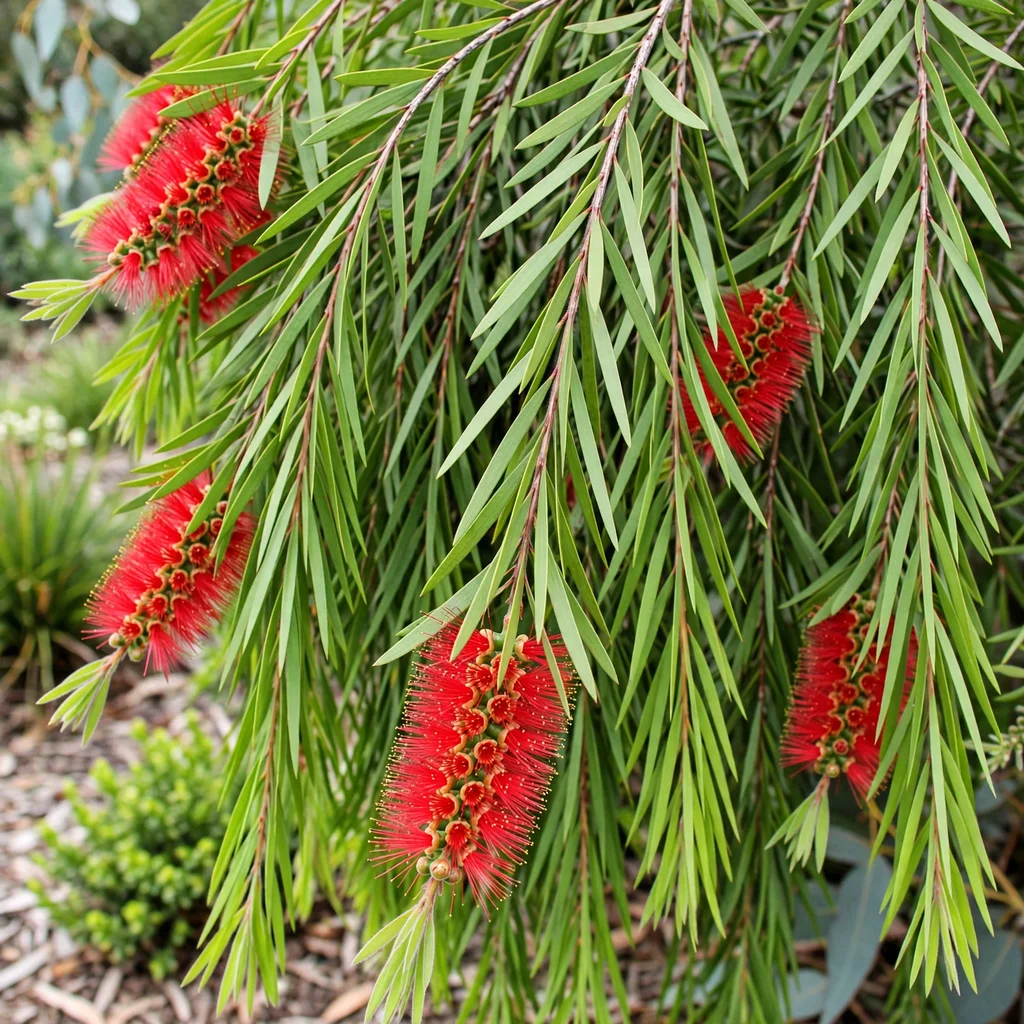
See all 28 Callistemon varieties →Search this genus →
6 species of Callistemon
Each one is a parent of the varieties above.

Track your Callistemon in Sow
Save the Callistemon you grow and get care reminders timed to your zone.
How to grow Callistemon
Whats common across all Callistemon varieties in our catalog — drawn from the care records of the 28 most-grown of them.
The Callistemon year
- PruneJune and July100% of varieties
Prune lightly after main flowering flush to shape and encourage blooms.
- FertilizeMarch and April96% of varieties
Apply a low-phosphorus, slow-release fertilizer in spring.
- Check for PestsJune–August86% of varieties
Inspect stems for signs of scale insects.
- Winter PrepNovember and December32% of varieties
In marginal zones, apply a thick layer of organic mulch around the root zone to protect against frost.
- MulchApril, October and November32% of varieties
Apply a layer of organic mulch around the base to protect roots from light winter frosts.


Do
- Water deeply but infrequently once established.
- Provide full sun for best flowering.
- Prune after flowering to maintain shape
- Water regularly during the first growing season to establish a deep root system.
- Ensure the soil drains rapidly to prevent root rot.
Avoid
- Do not plant in heavy, wet clay soil.
- Do not use high-phosphorus fertilizers.
- Do not plant in heavy, waterlogged soil.
- Avoid high-phosphorus fertilizers, which can be toxic to them.
What goes wrong with Callistemon
| Problem | What you'll see | What to do |
|---|---|---|
| Scale insects | Small, waxy bumps on stems and leaves accompanied by sticky honeydew. | Apply horticultural oil during the dormant season or scrape off light infestations. |
| Spider mites | Fine webbing on leaf undersides and stippled, yellowing foliage. | Spray the foliage with a strong stream of water or apply insecticidal soap. |
| Aphids | Curled, yellowing leaves with sticky residue | Spray with insecticidal soap or neem oil |
| Scale Insects | Small, hard bumps on stems and leaves, often accompanied by sooty mold. | Scrub off light infestations. Apply horticultural oil during the dormant season. Use a systemic insecticide for heavy infestations. |
| Root rot | Wilting, yellowing leaves and decaying roots in waterlogged soil. | Improve soil drainage and reduce watering frequency. |
| Powdery mildew | White, powdery coating on leaves, particularly in humid conditions with poor air circulation. | Prune to improve airflow and avoid overhead watering. |
| Root Rot | Yellowing leaves, wilting, and plant decline due to overly wet soil. | Ensure excellent drainage at planting time. Reduce watering. There is no cure; prevention is key. |
Making more Callistemon
Semi-hardwood cuttings
- Take four-inch cuttings of semi-ripe wood in late summer.
- Remove the lower leaves and dip the cut end in rooting hormone.
- Insert the cutting into a moist, well-draining propagation mix.
- Place in a warm, humid environment with bright indirect light until roots establish.
Seed
- Collect dry capsules to release the fine seed.
- Sow seed on the surface of a moist seed-starting mix in spring.
- Keep the medium warm and lightly moist.
- Expect germination within two to three weeks.
Callistemon questions
How many types of Callistemon are there?
The Sow catalog tracks 28 distinct Callistemon varieties. The most popular — ranked by 174 real gardeners — are shown first above.
What zones does Callistemon grow in?
Across its varieties, Callistemon covers USDA Zones 7–10. Individual varieties differ — each plant page lists its exact range, and Sow filters the catalog to your zone automatically.
When does Callistemon bloom?
Most Callistemon varieties bloom in late spring, spring, summer. Staggering early, mid, and late varieties extends the genus's season in one bed.
Which Callistemon should I choose?
Start from the most-saved varieties above — popularity across thousands of gardens is a strong signal of reliability — then filter by your zone and sun. In the Sow app you can preview any of them in a photo of your actual yard before you buy.