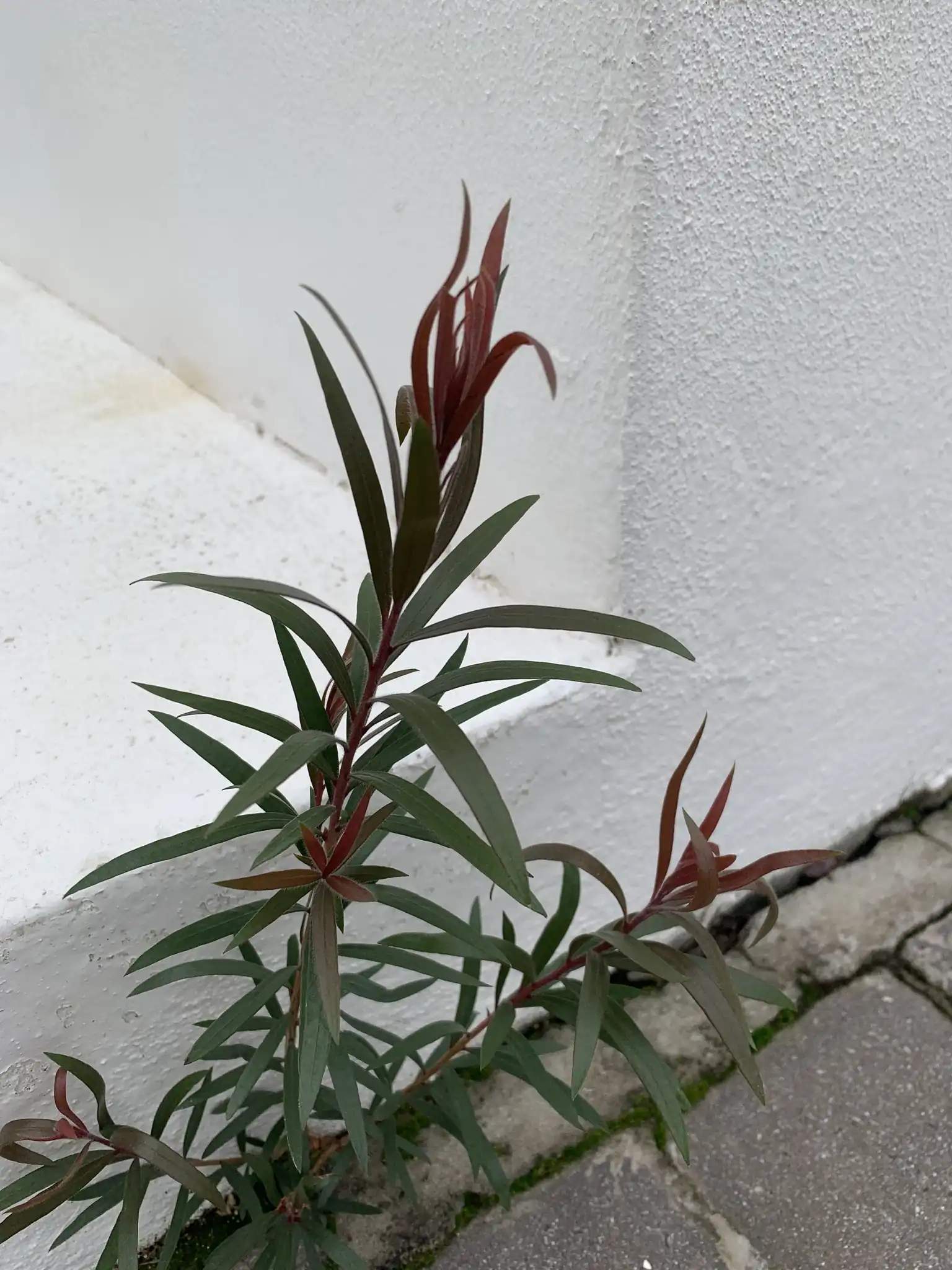
8 named cultivars
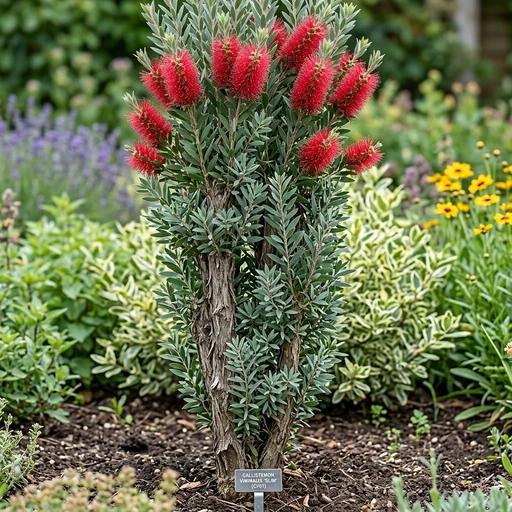 ‘Slim’Slim Bottlebrush
 ‘Red Cluster’Red Cluster Weeping Bottlebrush
 ‘Hannah Ray’Weeping Bottlebrush
 ‘Captain Cook’Captain Cook Dwarf Weeping Bottlebrush
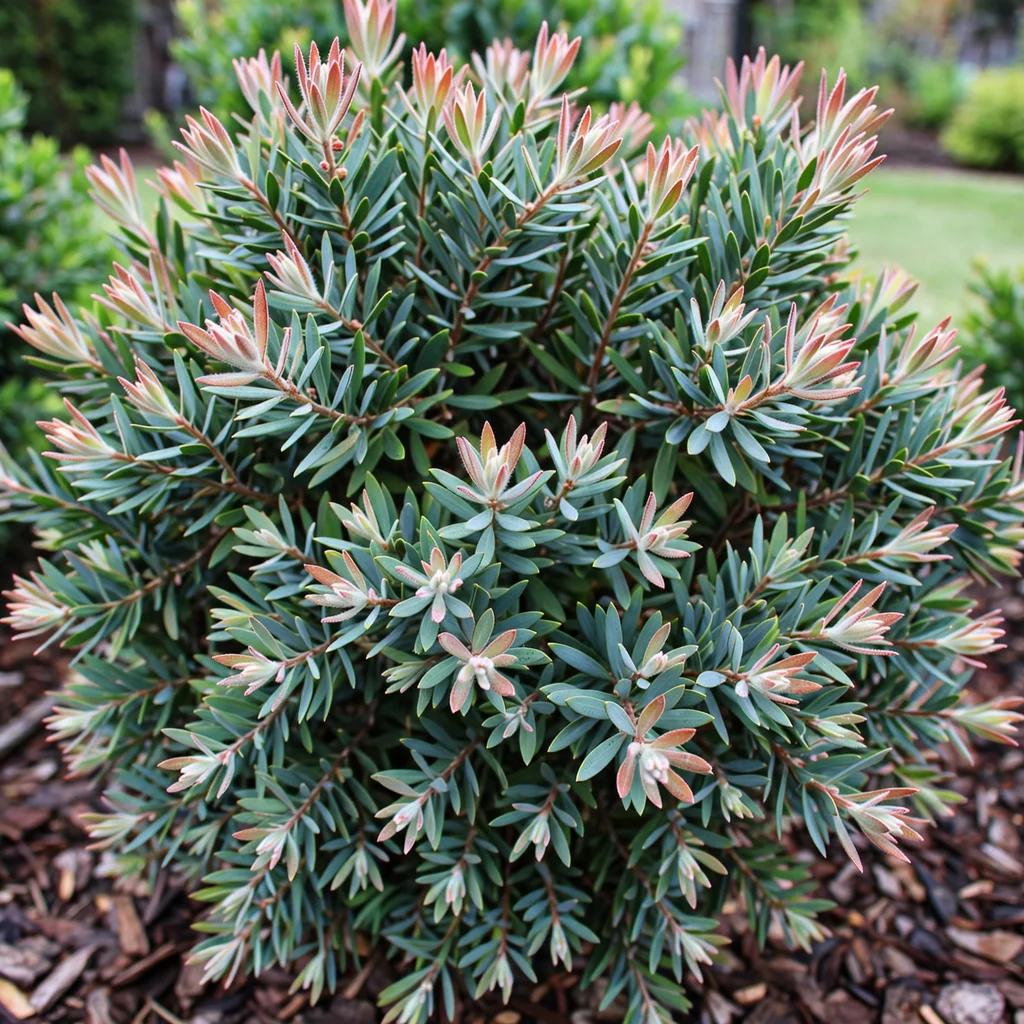 ‘Better John’Better John Bottlebrush
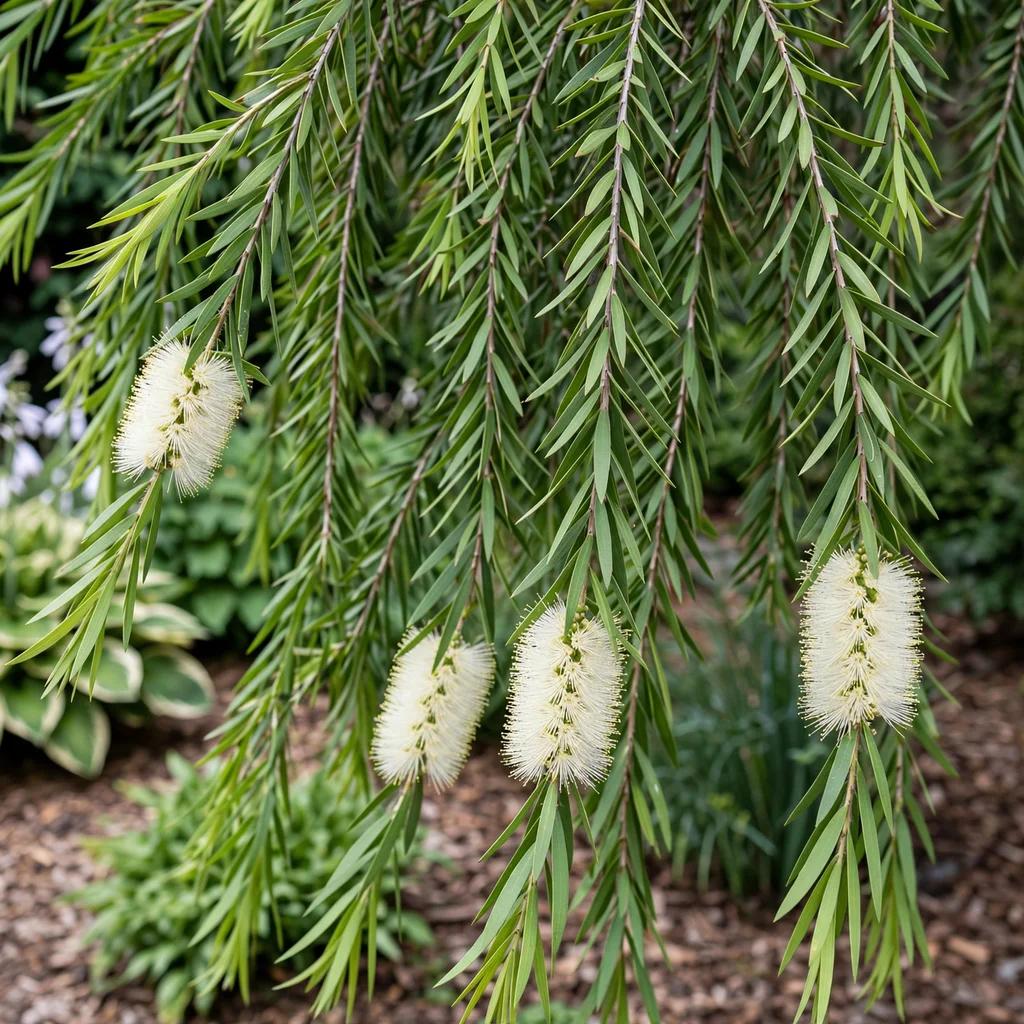 ‘Wilderness White’Wilderness White Bottlebrush
 ‘Matthew Flinders’Matthew Flinders Bottlebrush
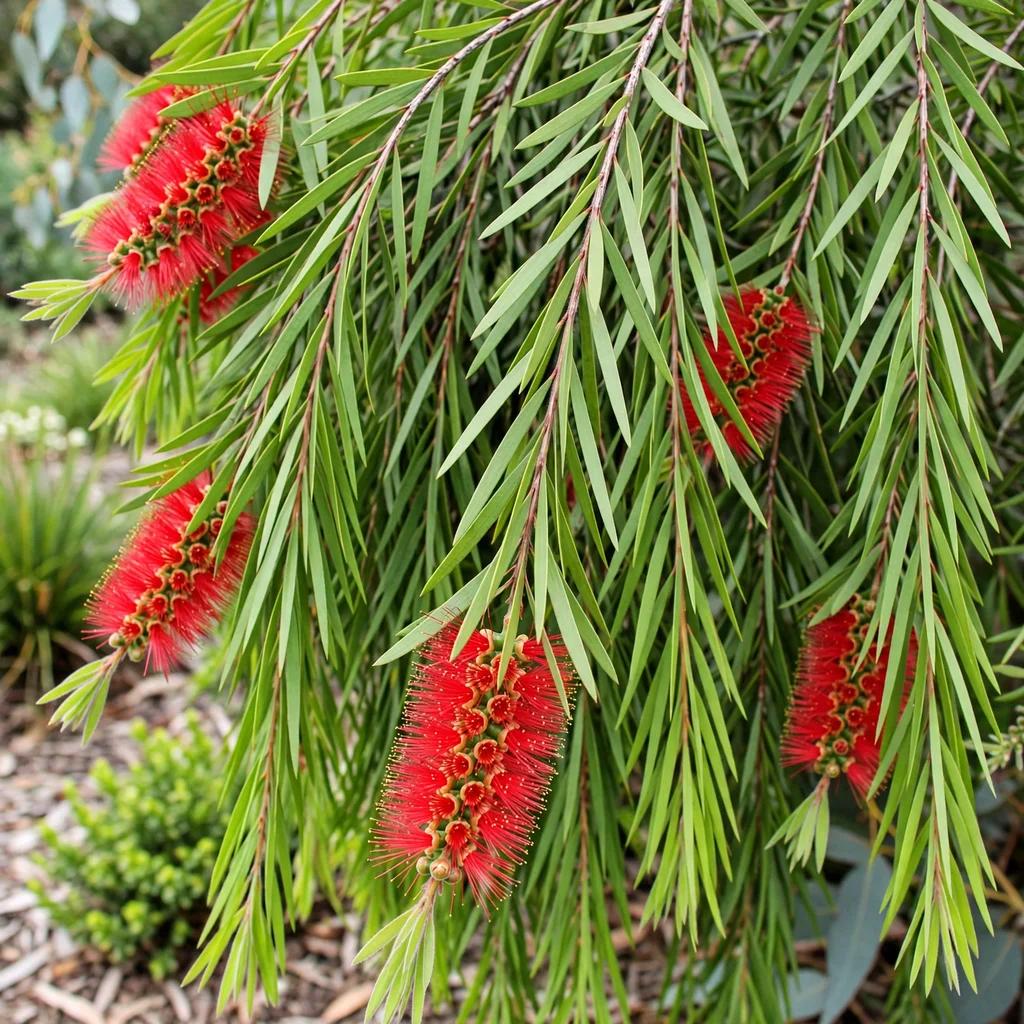 ‘Macarthur’Macarthur Bottlebrush
The Story
Plant Bio
A large evergreen shrub or small tree native to Australia, characterized by its pendulous branches and spectacular cylindrical spikes of red flowers with prominent stamens. The weeping habit gives it a graceful, fountain-like appearance.
The species form is notable for its large size and dramatic weeping form, making it a stunning specimen tree in warm climates. Its flowers are an irresistible magnet for hummingbirds and other nectar-feeding birds.
Uses & Benefits:
Essentials
At a Glance
Plant Type
Tree
Height
240"
Width
150"
Light
Full Sun
Zones
9, 10
Water
Low to Medium
Humidity
Low to High
Lifespan
Long-lived tree
Native To
Australia
Toxicity
Non-toxic
Marketplace
Where to Buy
Shipping costs Year-round shipping Free shipping
Planting
How to Grow
- Choose a location in full sun with plenty of room to grow.
- Ensure the soil is well-drained.
- Dig a hole twice as wide as the root ball but no deeper.
- Place the tree in the hole and backfill with soil.
- Water deeply to settle the soil around the roots.
- Stake only if necessary in very windy locations, removing stakes after one year.
Pro Tip
Train it to a single trunk when young if a tree form is desired; otherwise, it will grow as a large, multi-stemmed shrub.
Keep It Thriving
Care Guide
Do
- Provide deep, infrequent waterings once established to encourage drought resistance.
- Prune lightly after flowering to encourage dense growth.
- Allow ample space for its weeping branches to spread.
- Protect from frost when young.
Don't
- Do not plant in heavy, waterlogged soil.
- Avoid planting near sidewalks or patios where falling flowers and seed capsules can be messy.
- Do not use fertilizers high in phosphorus.
- Avoid severe pruning, which can ruin its natural graceful form.
Seasonal Care Calendar
| Task | Jan | Feb | Mar | Apr | May | Jun | Jul | Aug | Sep | Oct | Nov | Dec |
|---|---|---|---|---|---|---|---|---|---|---|---|---|
| Fertilize | ||||||||||||
| Pest Check | ||||||||||||
| Prune |
Watch Out For
Pests & Diseases
Common Pests
Common Diseases
In the Garden
Landscape Uses & Companions
Landscape Uses
Companion Plants
Multiply
Propagation Methods
Good to Know
Common Questions
Weeping Bottlebrush questions
What zones can Weeping Bottlebrush grow in?
Weeping Bottlebrush is hardy in USDA Zones 9–10. Inside that range it survives winter in the ground; outside it, grow it as an annual or a container plant you protect.
Is Weeping Bottlebrush deer resistant?
Yes — Weeping Bottlebrush is rated deer-resistant. Deer typically pass it over, though extreme hunger can override any plant's defenses.
When does Weeping Bottlebrush bloom?
Weeping Bottlebrush typically blooms in late spring through mid-summer. Exact timing shifts a week or two with your zone — Sow's bloom calendar maps it to your garden.
Does Weeping Bottlebrush need full sun?
Weeping Bottlebrush does best in full sun (6+ hours).
Is Weeping Bottlebrush drought tolerant?
Yes — once established (usually after the first full season), Weeping Bottlebrush handles dry spells with minimal watering. Water deeply its first year to build the root system that makes that possible.
More Callistemon to compare
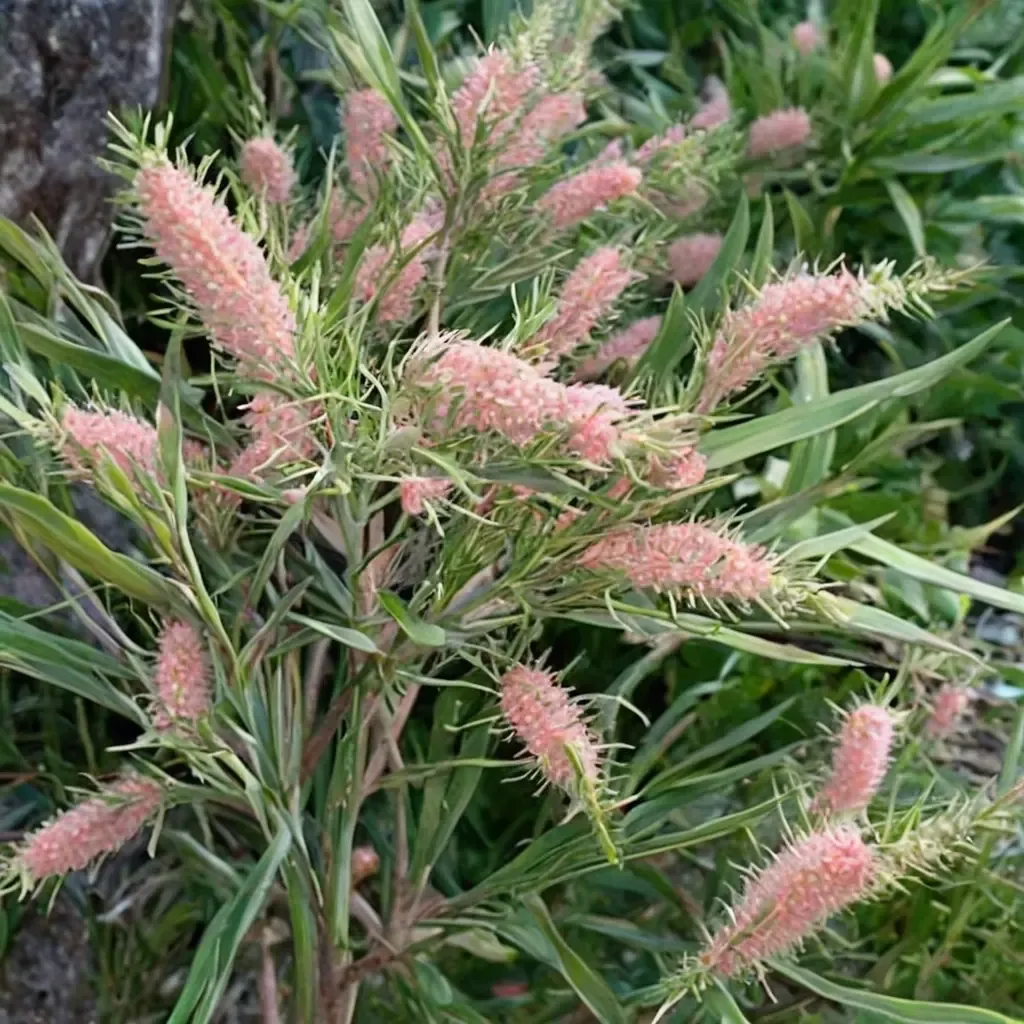
Cane's Hybrid Bottlebrush
Callistemon citrinus 'Cane's Hybrid'
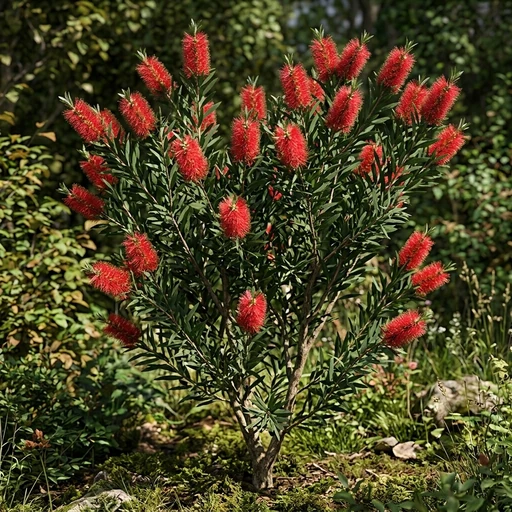
Woodlander's Hardy Bottlebrush
Callistemon x hybrida 'Woodlander'S Hardy'
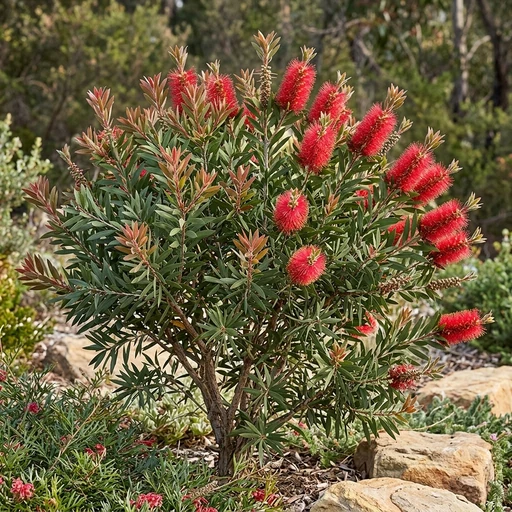
Little John Dwarf Bottlebrush
Callistemon citrinus 'Little John'
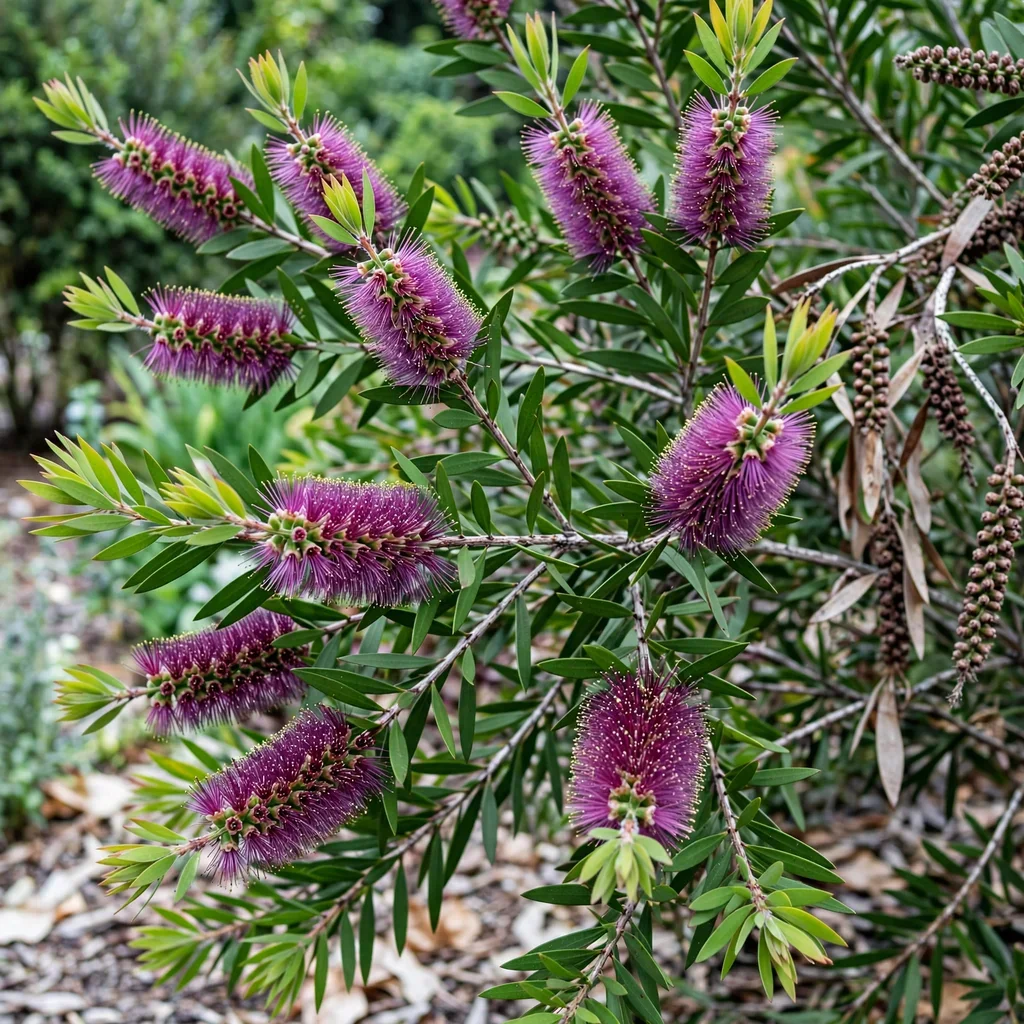
Violet Bottlebrush
Callistemon x hybrida 'Violaceus'
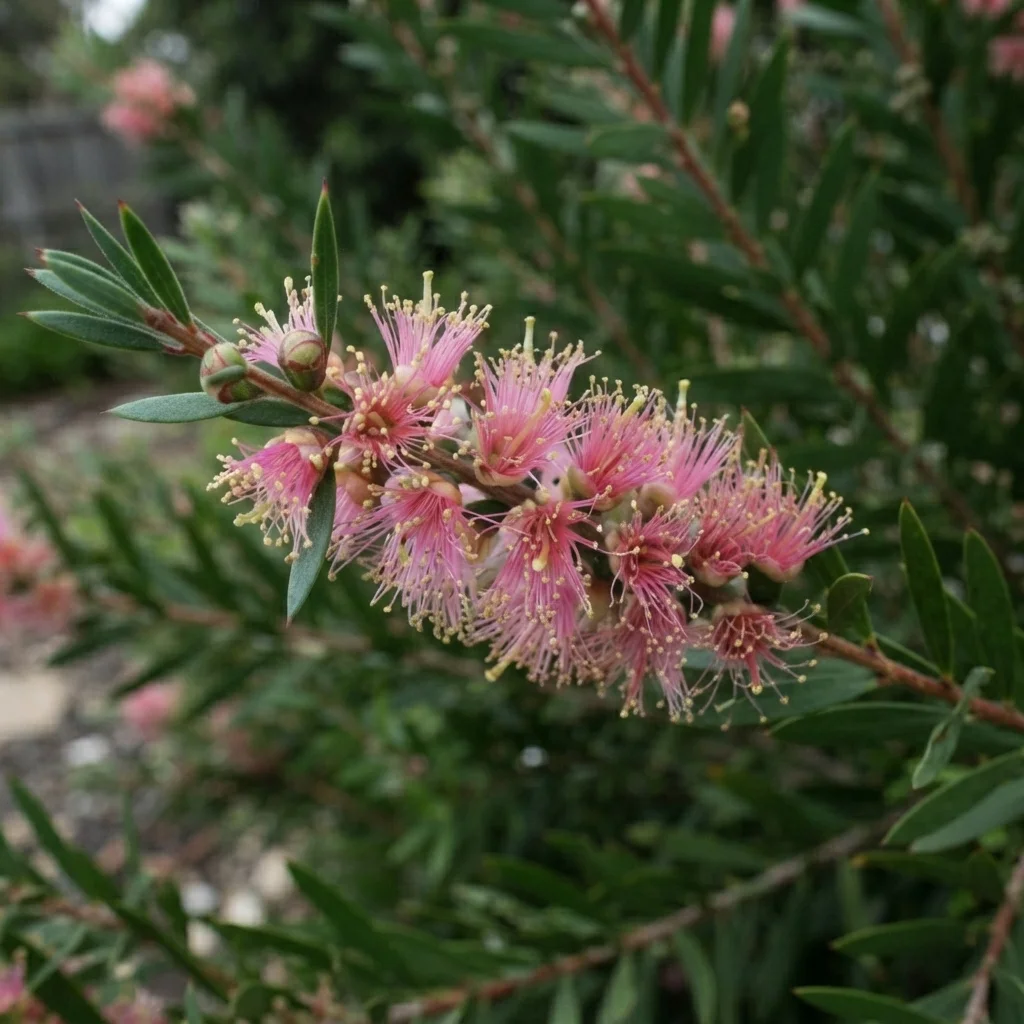
River Bottlebrush
Callistemon sieberi
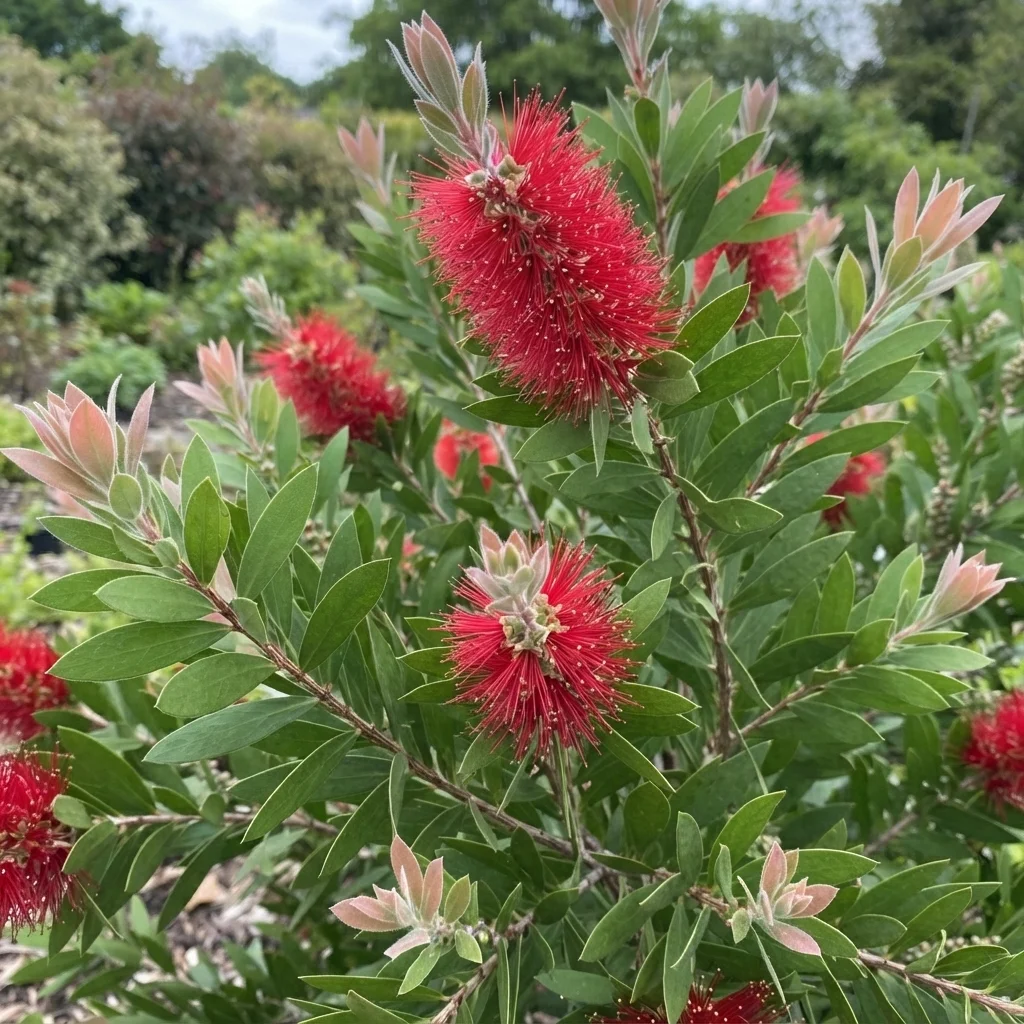
Crimson Bottlebrush
Callistemon citrinus 'Splendens'
Keep exploring
Explore the genus
Hardy in your zone?
Grow Weeping Bottlebrush with confidence
See it in a design of your actual yard, get zone-matched care reminders, and track it season by season in your garden journal.