The Story
Plant Bio
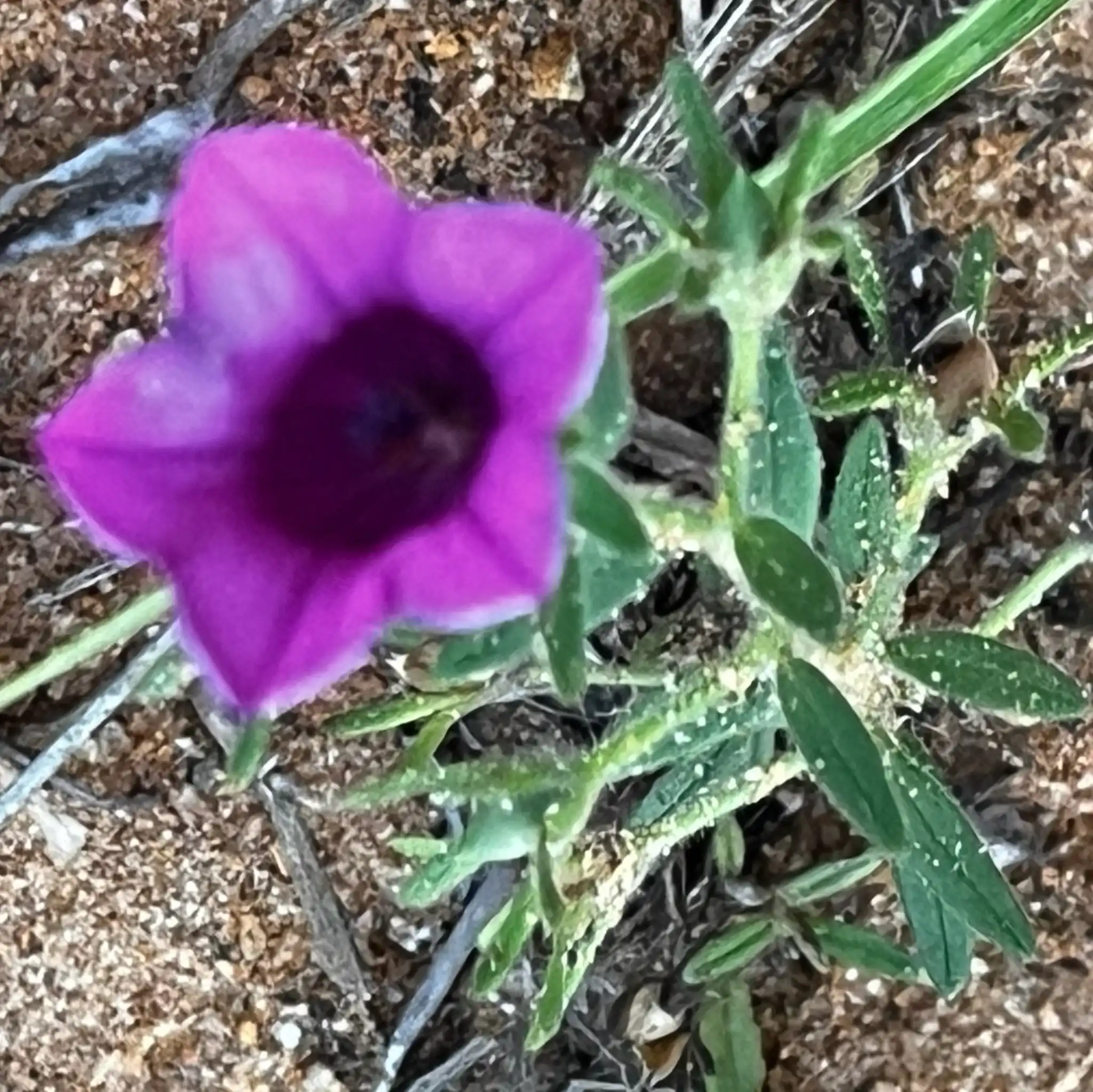
Petunia integrifolia, the violetflower petunia, is a low-growing, spreading herbaceous perennial native to South America that is widely grown as a warm-season annual in temperate climates. Densely branched with a naturally bushy habit, it produces simple, sticky-pubescent leaves and a continuous display of rose-purple to deep violet, funnel-shaped flowers from spring until frost.
This wild-type species is distinguished by its decumbent growth habit and smaller, highly abundant flowers that feature a slight bulge on the lower side of the corolla tube. Unlike modern hybrid petunias, it retains a more naturalistic, trailing form that cascades reliably over the edges of containers and retaining walls.
Uses & Benefits:
Essentials
At a Glance
Plant Type
Perennial
Height
18"
Width
24"
Light
Full Sun, Partial Sun
Zones
9, 10
Water
Moderate
Humidity
Good
Lifespan
Tender perennial (grown as annual)
Native To
South America
Toxicity
Non-toxic to pets; foliage may cause mild skin irritation
Bloom period
Spring – Fall
In flower about 9 months of the year
Planting
How to Grow
- Select a planting site in full sun to partial shade that receives at least six hours of direct sunlight daily.
- Amend the planting area with compost to create a rich, average soil, ensuring the site has excellent drainage to prevent root rot.
- Space young plants twelve to fifteen inches apart to allow their spreading, decumbent stems room to fill out.
- Water regularly to keep the soil evenly moist during establishment, then transition to watering only when the top inch of soil feels dry.
- Pinch back the growing tips of young plants early in the season to stimulate dense branching and maximize future bud sites.
Pro Tip
Avoid over-fertilizing with high-nitrogen feeds, which stimulates excessive, soft vegetative growth at the expense of flowers; instead, grow in lean, sharply drained soil and shear the stems back by half in midsummer to prompt a fresh flush of compact, blooming wood.
Keep It Thriving
Care Guide
Do
- Deadhead spent flowers weekly to redirect the plant's energy into producing new flower buds.
- Apply a balanced liquid fertilizer every two weeks during the active growing season to sustain continuous blooming.
- Shear back leggy or woody stems mid-season to rejuvenate the plant and stimulate a fresh wave of foliage and flowers.
- Provide sharp drainage in containers by using a lightweight potting mix and pots with ample drainage holes.
Don't
- Do not overwater or allow the roots to sit in waterlogged soil, which rapidly induces Pythium or Phytophthora root rot.
- Do not apply high-nitrogen fertilizers, as this suppresses flower production and results in weak, leggy stems.
- Do not plant outdoors until all danger of frost has passed, as this species is highly frost-sensitive.
- Do not handle the sticky foliage if you are prone to skin sensitivities, as the glandular hairs can cause mild contact dermatitis.
Seasonal Care Calendar
| Task | Jan | Feb | Mar | Apr | May | Jun | Jul | Aug | Sep | Oct | Nov | Dec |
|---|---|---|---|---|---|---|---|---|---|---|---|---|
| Deadhead | ||||||||||||
| Fertilize | ||||||||||||
| Pest Check | ||||||||||||
| Plant | ||||||||||||
| Prune |
Watch Out For
Pests & Diseases
Common Pests
Common Diseases
In the Garden
Landscape Uses & Companions
Landscape Uses
Companion Plants
Multiply
Propagation Methods
Good to Know
Common Questions
Violetflower Petunia questions
What zones can Violetflower Petunia grow in?
Violetflower Petunia is hardy in USDA Zones 9–10. Inside that range it survives winter in the ground; outside it, grow it as an annual or a container plant you protect.
When does Violetflower Petunia bloom?
Violetflower Petunia typically blooms in spring through fall. Exact timing shifts a week or two with your zone — Sow's bloom calendar maps it to your garden.
Does Violetflower Petunia need full sun?
Violetflower Petunia does best in full sun to part shade. In hot climates, afternoon shade keeps blooms fresher longer.
Is Violetflower Petunia drought tolerant?
Yes — once established (usually after the first full season), Violetflower Petunia handles dry spells with minimal watering. Water deeply its first year to build the root system that makes that possible.
More Petunia to compare
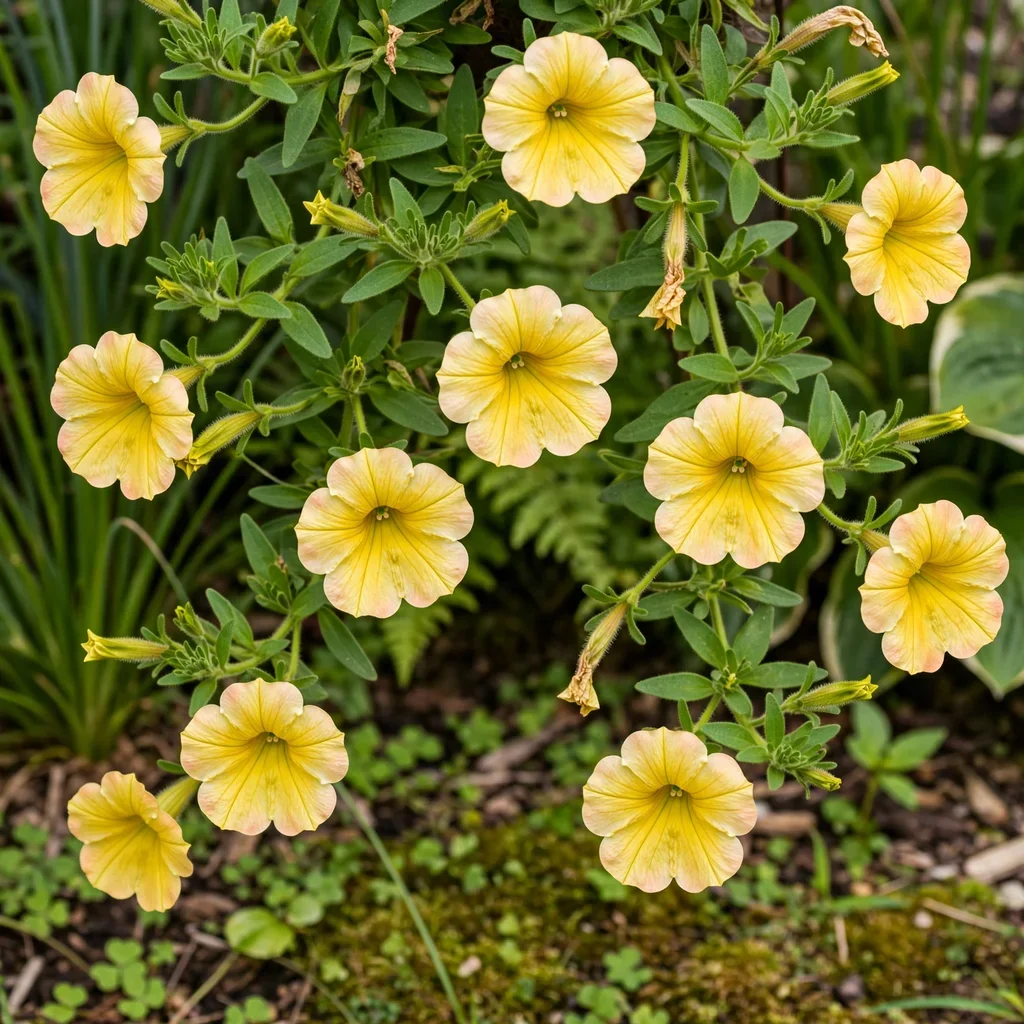
Petunia Honey
Petunia x hybrida 'Honey'
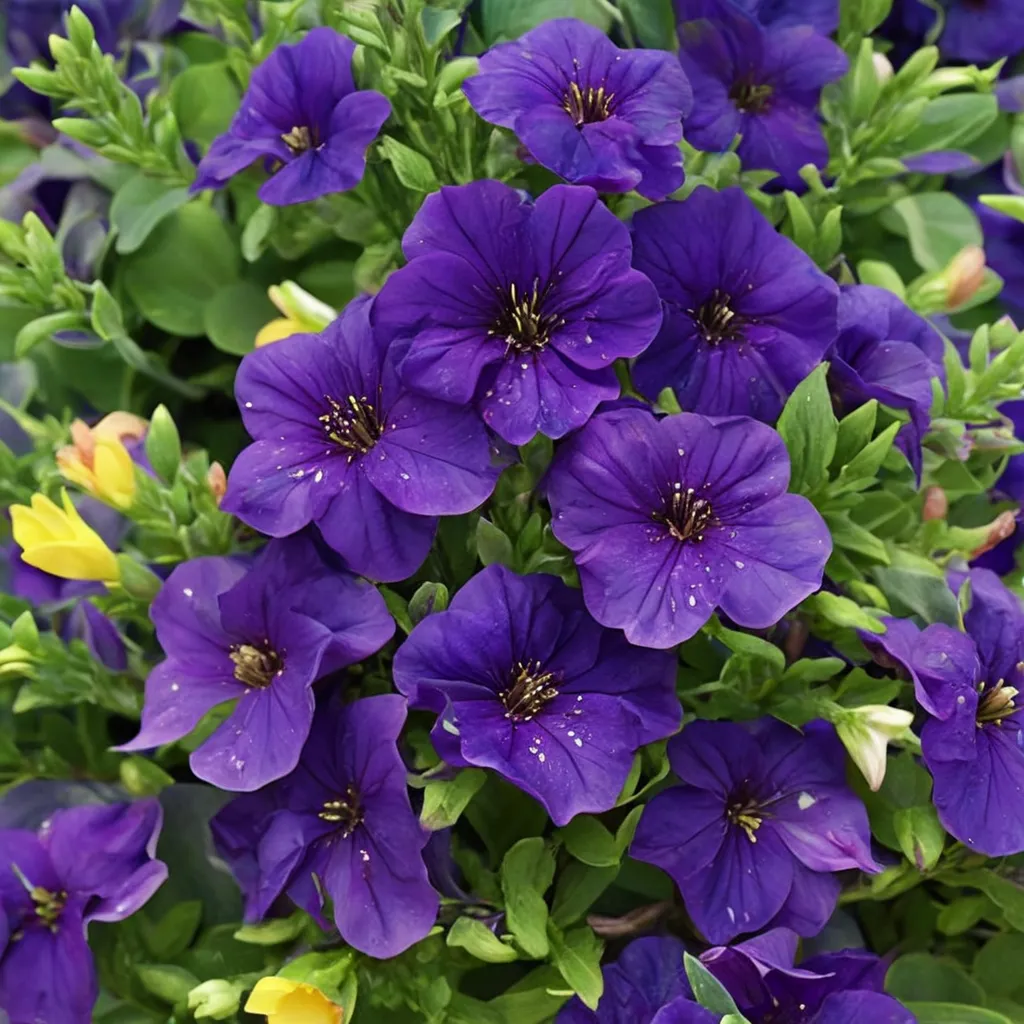
Petunia Royal Velvet
Petunia x hybrida 'Royal Velvet'
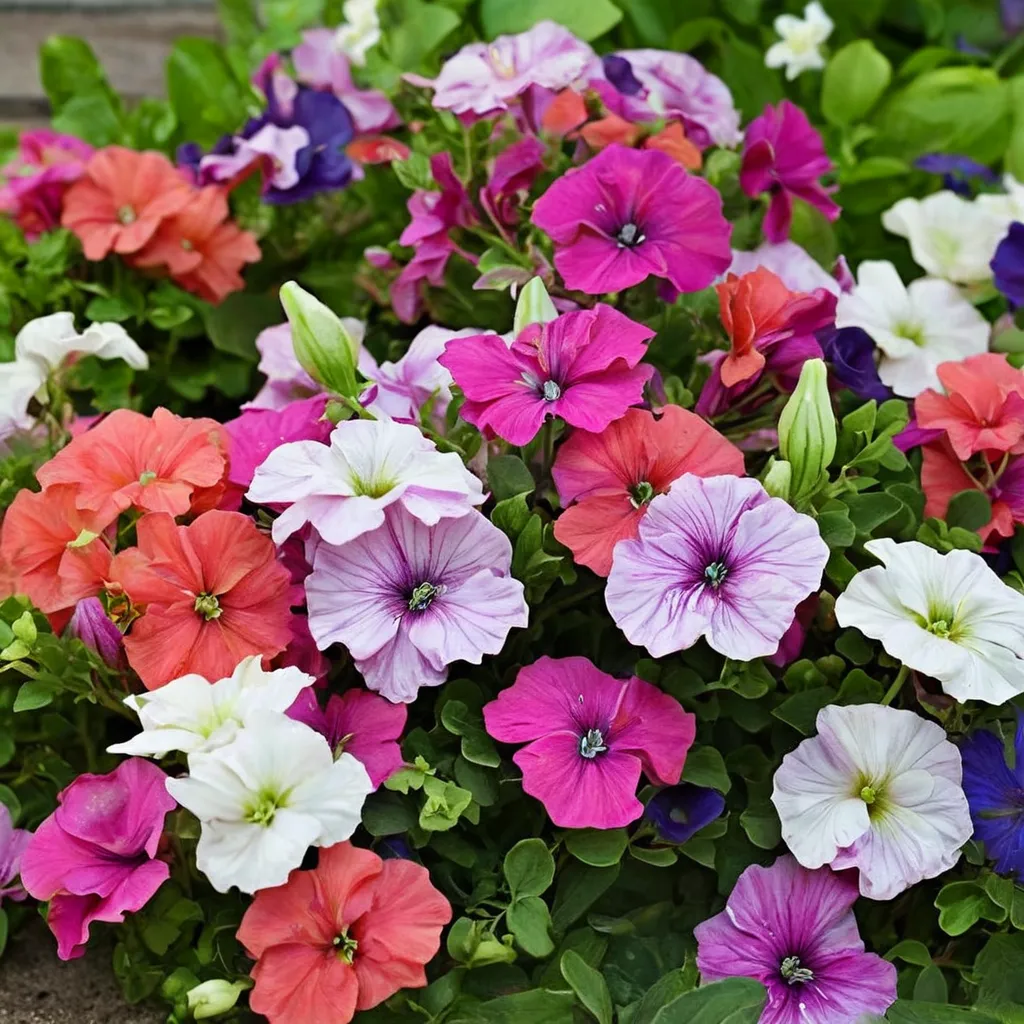
Garden Petunia
Petunia x hybrida 'Mix'
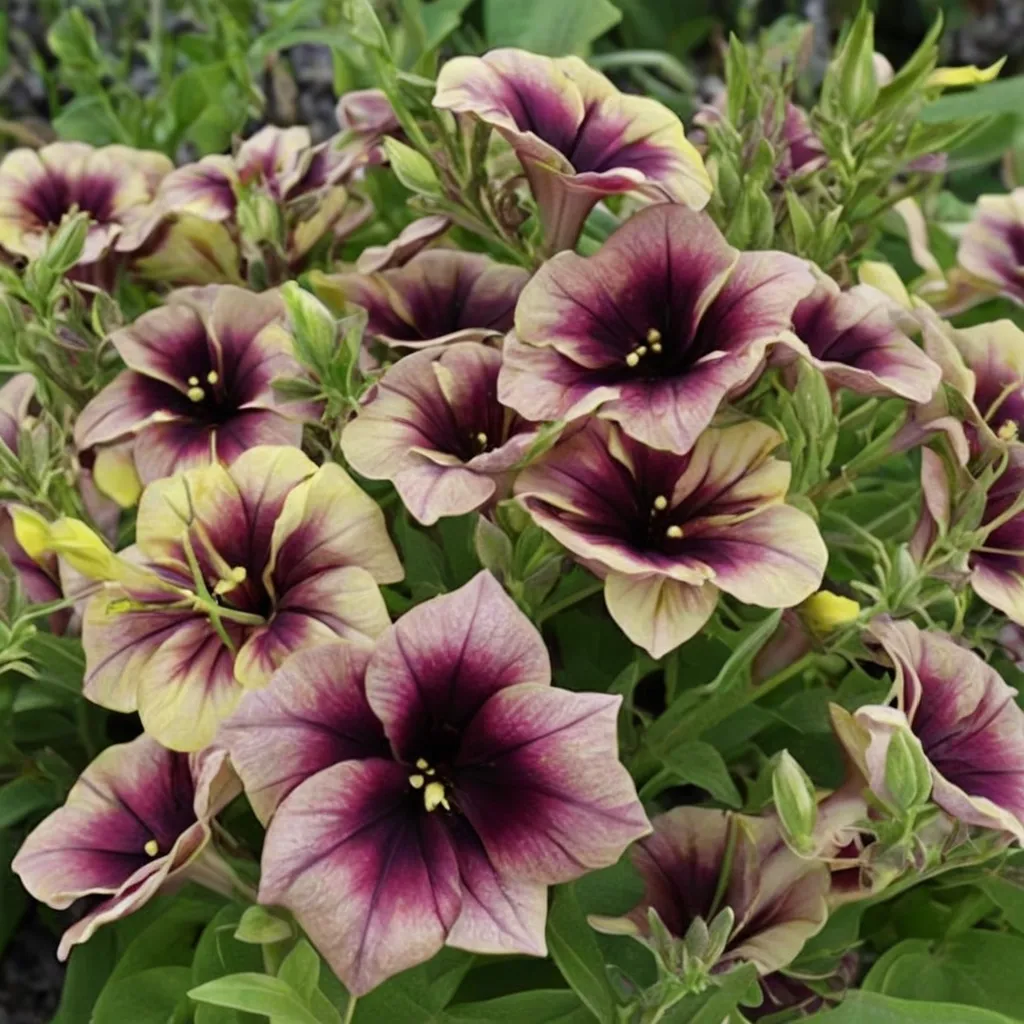
Petunia Autumn Mystery
Petunia x hybrida 'Autumn Mystery'
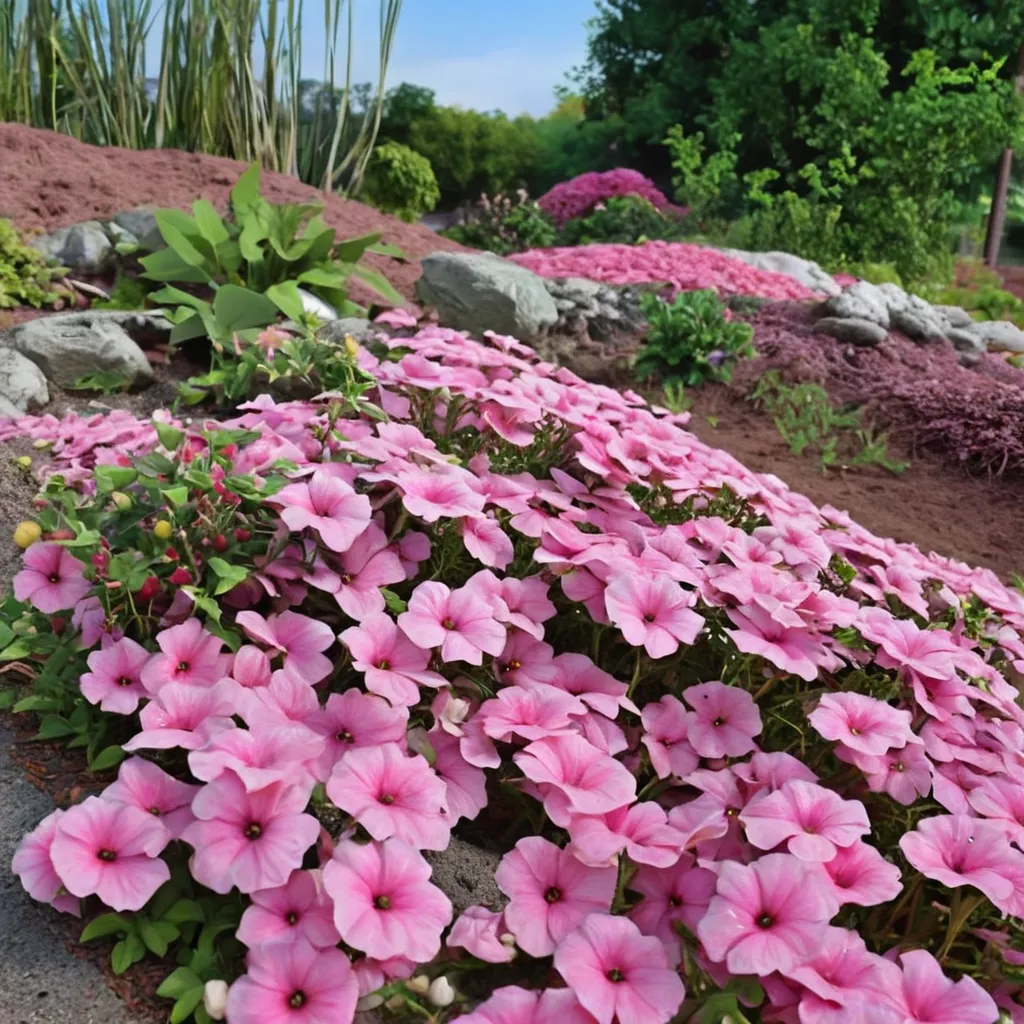
Supertunia Vista Bubblegum Petunia
Petunia x hybrida 'Vista Bubblegum'
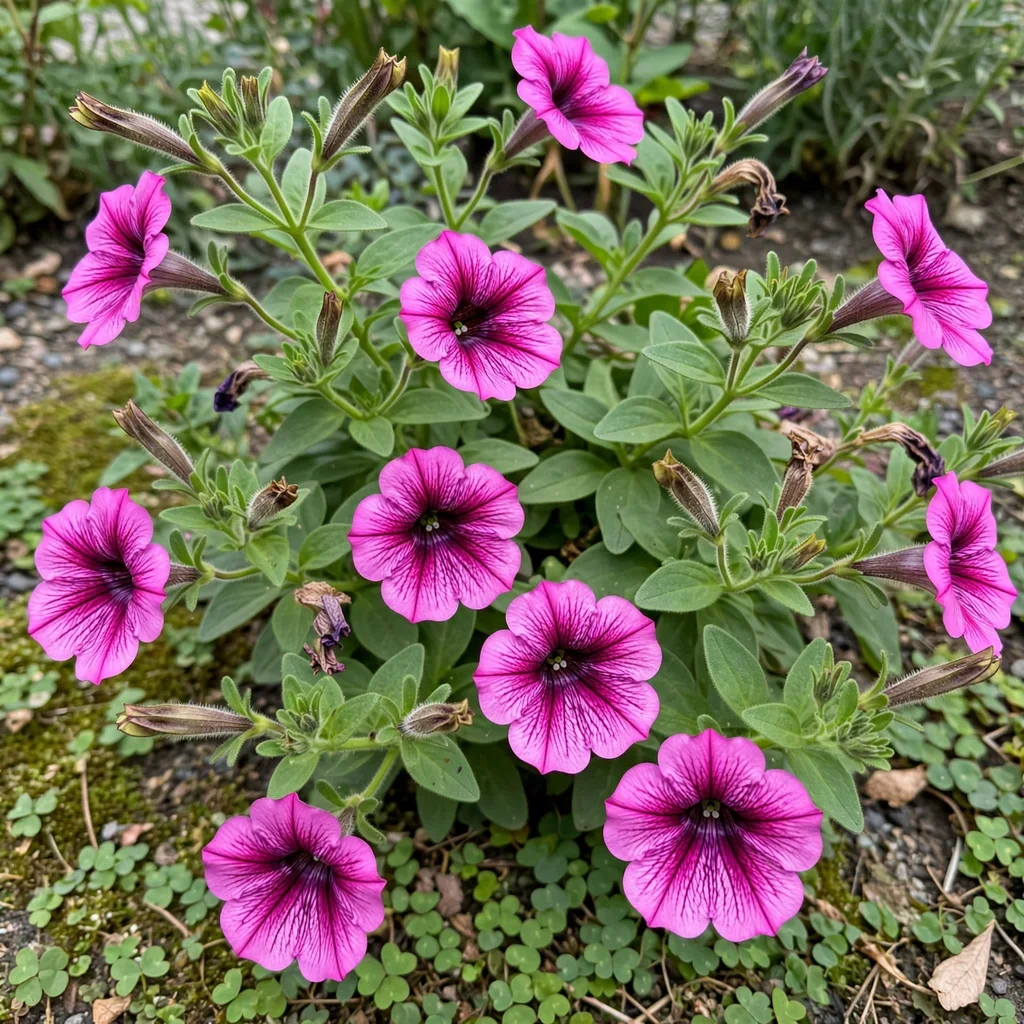
Neon Petunia
Petunia x hybrida 'Neon'
Keep exploring
Explore the genus
Hardy in your zone?
Grow Violetflower Petunia with confidence
See it in a design of your actual yard, get zone-matched care reminders, and track it season by season in your garden journal.