The Story
Plant Bio
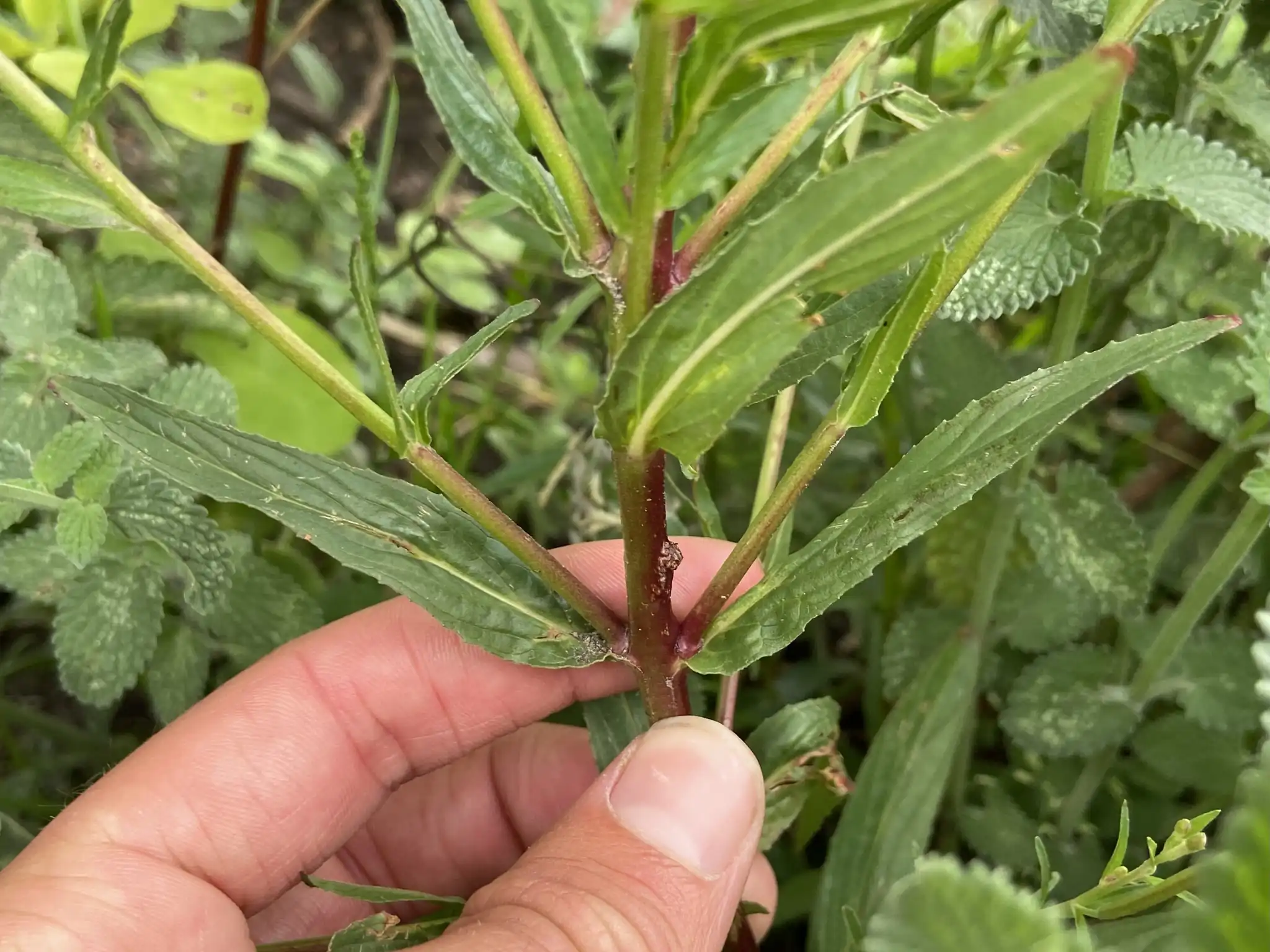
Epilobium tetragonum, the square-stemmed willowherb, is an erect herbaceous perennial native to Europe, Western to Central Asia, and North Africa. The species is distinguished by its square-appearing stems featuring two to four raised lines running down from the leaf bases, and its narrowly lanceolate, slightly toothed leaves.
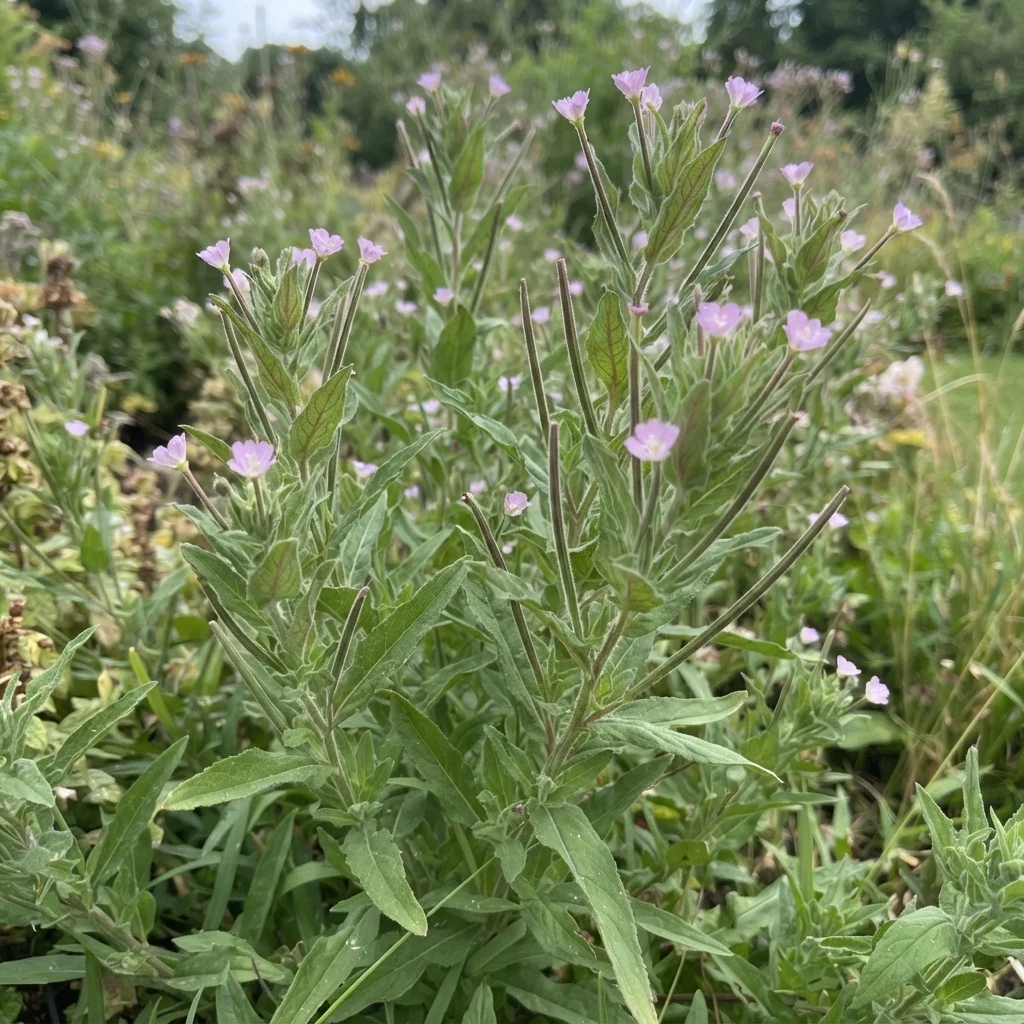
Small, pale pink to rose-purple flowers develop in leafy racemes during summer and fall, each featuring a floral tube with an internal ring of hairs and a four-lobed stigma. In fall, the plant produces a basal rosette of green foliage that persists into the next season.
Uses & Benefits:
Essentials
At a Glance
Plant Type
Perennial
Height
40"
Width
20"
Light
Full Sun, Partial Sun
Zones
5, 6, 7, 8, 9
Water
High
Humidity
Medium
Lifespan
Perennial
Native To
Europe, Western to Central Asia, and North Africa
Toxicity
Non-toxic
Bloom period
Summer – Fall
In flower about 6 months of the year
Planting
How to Grow
- Select a site with full sun to partial shade and moist, loam, clay, or sandy soil.
- Ensure the soil is neutral to alkaline, as this species is highly adapted to calcareous conditions.
- Water regularly to maintain consistent moisture, preventing the soil from drying out completely.
- Provide moderate drainage to prevent total stagnation and root rot in excessively wet conditions.
Pro Tip
Look for the characteristic raised stem lines and the ring of hairs inside the floral tube to distinguish this species from similar willowherbs that easily hybridize in the garden.
Keep It Thriving
Care Guide
Do
- Cut the stems back hard to ground level in late winter or early spring.
- Apply a balanced organic mulch or fertilizer in spring to support new growth.
- Divide the basal rosettes in spring to propagate and control spread.
Don't
- Do not allow the soil to dry out completely, as drought tolerance is low.
- Do not prune into old, dead woody stems during the active growing season.
- Avoid planting in poorly drained, stagnant areas where root rot can develop.
Seasonal Care Calendar
| Task | Jan | Feb | Mar | Apr | May | Jun | Jul | Aug | Sep | Oct | Nov | Dec |
|---|---|---|---|---|---|---|---|---|---|---|---|---|
| Fertilize | ||||||||||||
| Pest Check | ||||||||||||
| Propagate | ||||||||||||
| Spring Cleanup |
Watch Out For
Pests & Diseases
Common Pests
Common Diseases
In the Garden
Landscape Uses & Companions
Landscape Uses
Companion Plants
Multiply
Propagation Methods
Good to Know
Common Questions
Square-stemmed willowherb questions
What zones can Square-stemmed willowherb grow in?
Square-stemmed willowherb is hardy in USDA Zones 5–9. Inside that range it survives winter in the ground; outside it, grow it as an annual or a container plant you protect.
When does Square-stemmed willowherb bloom?
Square-stemmed willowherb typically blooms in summer through fall. Exact timing shifts a week or two with your zone — Sow's bloom calendar maps it to your garden.
Does Square-stemmed willowherb need full sun?
Square-stemmed willowherb does best in full sun to part shade. In hot climates, afternoon shade keeps blooms fresher longer.
More Epilobium to compare
Keep exploring
Explore the genus
Hardy in your zone?
Grow Square-stemmed willowherb with confidence
See it in a design of your actual yard, get zone-matched care reminders, and track it season by season in your garden journal.