The Story
Plant Bio
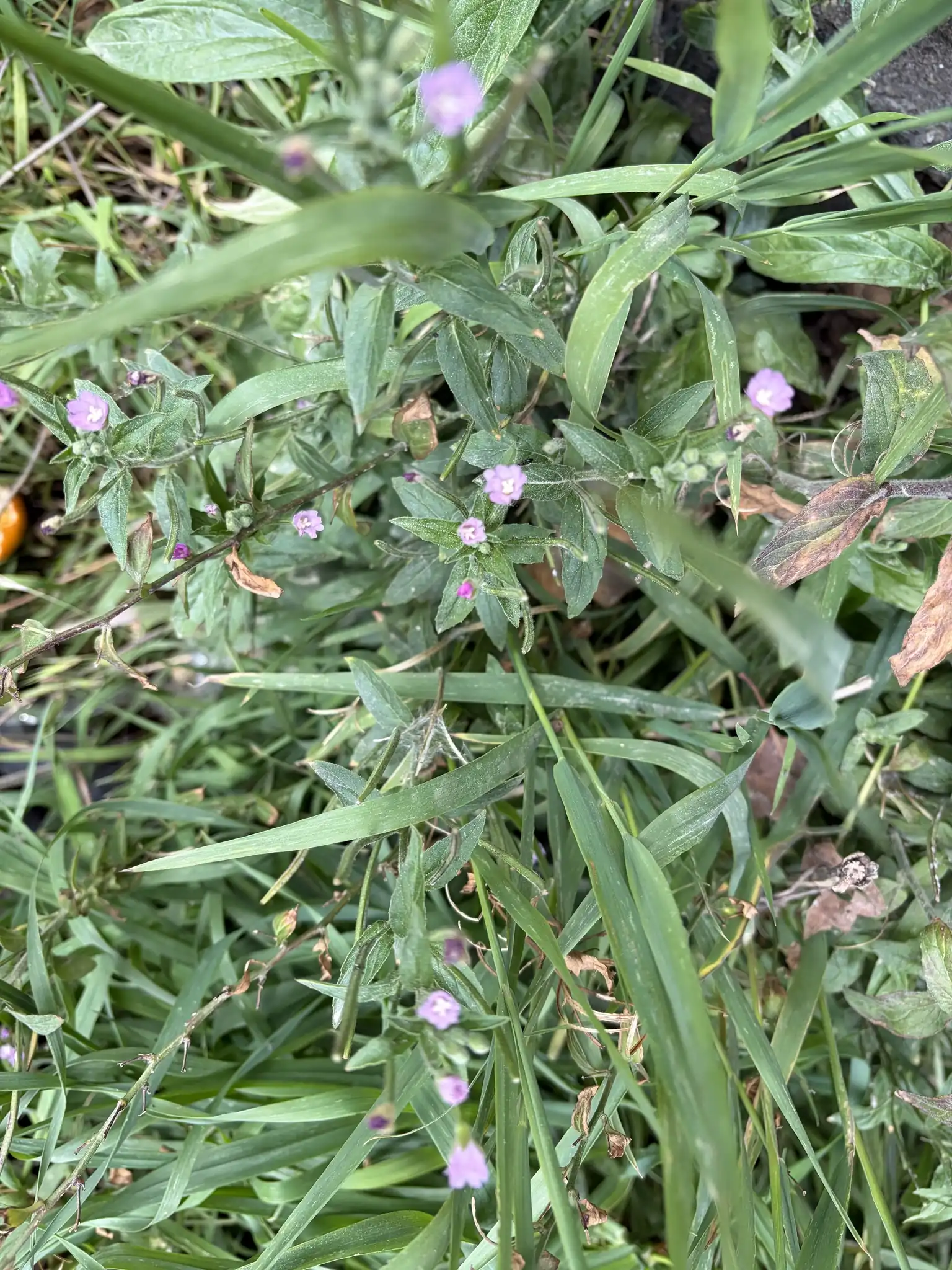
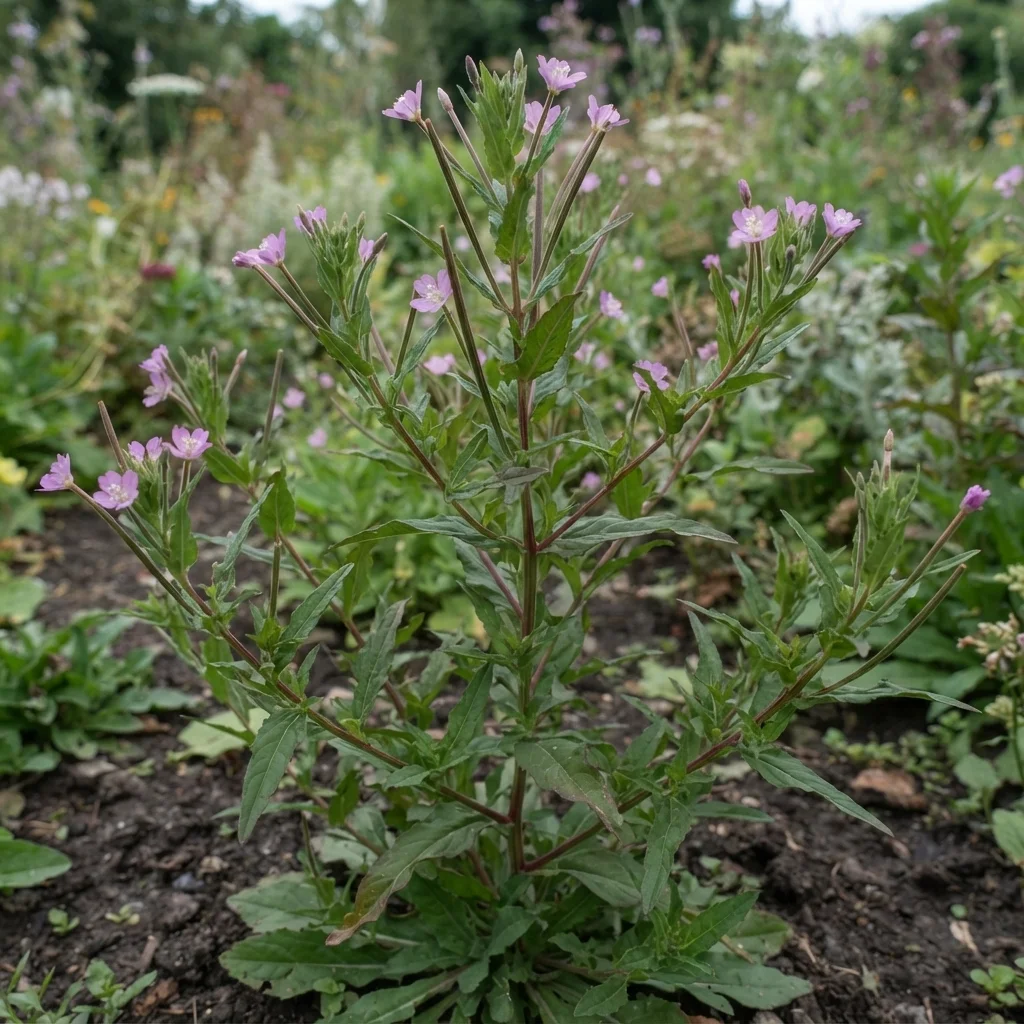
Epilobium parviflorum, commonly known as smallflower hairy willowherb, is an erect herbaceous perennial native to Eurasia that establishes in damp, open habitats. The stiffly branched stems are densely covered in soft, spreading hairs and carry narrow, lance-shaped leaves that transition from opposite to alternate arrangement near the top.
This species is distinguished by its tiny, pale pink to pale purple four-petaled flowers, which measure only six to eight millimeters across and open individually in the upper leaf axils. Following bloom, it produces slender seed capsules that split to release hundreds of wind-borne, plumed seeds.
Uses & Benefits:
Essentials
At a Glance
Plant Type
Perennial
Height
31"
Width
24"
Light
Full Sun, Partial Sun
Zones
4, 5, 6, 7, 8, 9
Water
High
Humidity
High
Lifespan
Perennial
Native To
Eurasia
Toxicity
Non-toxic
Bloom period
Summer
In flower about 3 months of the year
Planting
How to Grow
- Select a site in full sun to partial shade with consistently moist, poorly drained, or wet soil.
- Plant potted liners in spring, spacing them twelve to eighteen inches apart to allow for stoloniferous spread.
- Water regularly to maintain constant soil moisture, as the root system will not tolerate drying out.
- Cut back the entire plant to the ground in late winter to clear dead stems and encourage fresh spring growth.
Pro Tip
Cut back spent flower stalks immediately after the summer bloom to prevent the wind-dispersed seeds from colonizing surrounding garden beds.
Keep It Thriving
Care Guide
Do
- Keep the soil consistently moist or wet, especially during hot summer spells.
- Deadhead spent flowers promptly to control aggressive localized self-seeding.
- Divide established root clumps in early spring to manage the plant's spread.
Don't
- Do not allow the soil to dry out completely, which causes rapid foliage decline.
- Avoid applying heavy fertilizers, which leads to weak, floppy, and overly leggy stems.
- Do not plant near pristine wetland areas where wind-blown seeds could escape and naturalize.
Seasonal Care Calendar
| Task | Jan | Feb | Mar | Apr | May | Jun | Jul | Aug | Sep | Oct | Nov | Dec |
|---|---|---|---|---|---|---|---|---|---|---|---|---|
| Deadhead | ||||||||||||
| Divide | ||||||||||||
| Pest Check | ||||||||||||
| Prune |
Watch Out For
Pests & Diseases
Common Pests
Common Diseases
In the Garden
Landscape Uses & Companions
Landscape Uses
Companion Plants
Multiply
Propagation Methods
Good to Know
Common Questions
Smallflower Hairy Willowherb questions
What zones can Smallflower Hairy Willowherb grow in?
Smallflower Hairy Willowherb is hardy in USDA Zones 4–9. Inside that range it survives winter in the ground; outside it, grow it as an annual or a container plant you protect.
When does Smallflower Hairy Willowherb bloom?
Smallflower Hairy Willowherb typically blooms in summer through summer. Exact timing shifts a week or two with your zone — Sow's bloom calendar maps it to your garden.
Does Smallflower Hairy Willowherb need full sun?
Smallflower Hairy Willowherb does best in full sun to part shade. In hot climates, afternoon shade keeps blooms fresher longer.
More Epilobium to compare
Keep exploring
Explore the genus
Grow Smallflower Hairy Willowherb with confidence
See it in a design of your actual yard, get zone-matched care reminders, and track it season by season in your garden journal.