
The Story
Plant Bio
Iris germanica is a clump-forming, rhizomatous perennial native to southern Europe and western Asia, characterized by its stiff, sword-shaped, glaucous blue-green leaves arranged in flattened fans. The species spreads slowly via creeping surface rhizomes and produces branched flowering stems that rise well above the foliage.
'Florentina' is distinguished by its large, fragrant, iridescent soft white flowers tinged with pale lavender-blue, accented by a contrasting bright yellow beard on the falls. This historic cultivar blooms from late spring into early summer and is the primary source of orris root used in perfumery.
Uses & Benefits:
Essentials
At a Glance
Plant Type
Perennial
Height
34"
Width
20"
Light
Full Sun
Zones
4, 5, 6, 7, 8, 9
Water
Low
Humidity
Moderate
Lifespan
Perennial
Native To
Southern Europe, Western Asia
Toxicity
Toxic to Pets & Humans
Bloom period
Late spring – Early summer
In flower about 2 months of the year
Planting
How to Grow
- Select a planting site in full sun with gritty, exceptionally well-drained loam, avoiding low spots or heavy clay.
- Set the rhizome horizontally in the soil, spreading the roots downward while keeping the top half of the rhizome exposed to the air.
- Water thoroughly at planting to settle the soil, then withhold extra watering unless conditions are exceptionally dry.
- Space multiple rhizomes 12 to 18 inches apart, pointing the growing tips in the same direction to prevent immediate crowding.
Pro Tip
Plant the fleshy rhizomes so the top half is completely exposed to the sun at or slightly above the soil surface; burying them deep or covering them with organic mulch traps moisture and triggers bacterial soft rot.
Keep It Thriving
Care Guide
Do
- Cut spent flowering stems down to ground level immediately after the blooming period ends.
- Keep the soil surface around the rhizomes clear of fallen leaves, weeds, and organic mulch.
- Apply a light application of low-nitrogen fertilizer in early spring and again after flowering.
Don't
- Do not bury the rhizomes under wood chips or heavy organic mulch, which retains rot-inducing moisture.
- Avoid high-nitrogen fertilizers, which stimulate soft, disease-susceptible foliage at the expense of flowers.
- Do not overwater established plants, as they prefer dry summer conditions and suffer in waterlogged soil.
Seasonal Care Calendar
| Task | Jan | Feb | Mar | Apr | May | Jun | Jul | Aug | Sep | Oct | Nov | Dec |
|---|---|---|---|---|---|---|---|---|---|---|---|---|
| Divide | ||||||||||||
| Fertilize | ||||||||||||
| Pest Check | ||||||||||||
| Prune | ||||||||||||
| Spring Cleanup |
Watch Out For
Pests & Diseases
Common Pests
Common Diseases
In the Garden
Landscape Uses & Companions
Landscape Uses
Multiply
Propagation Methods
Good to Know
Common Questions
Florentine Iris questions
What zones can Florentine Iris grow in?
Florentine Iris is hardy in USDA Zones 4–9. Inside that range it survives winter in the ground; outside it, grow it as an annual or a container plant you protect.
Is Florentine Iris deer resistant?
Yes — Florentine Iris is rated deer-resistant. Deer typically pass it over, though extreme hunger can override any plant's defenses.
When does Florentine Iris bloom?
Florentine Iris typically blooms in late spring through early summer. Exact timing shifts a week or two with your zone — Sow's bloom calendar maps it to your garden.
Does Florentine Iris need full sun?
Florentine Iris does best in full sun (6+ hours).
Is Florentine Iris drought tolerant?
Yes — once established (usually after the first full season), Florentine Iris handles dry spells with minimal watering. Water deeply its first year to build the root system that makes that possible.
More Iris to compare
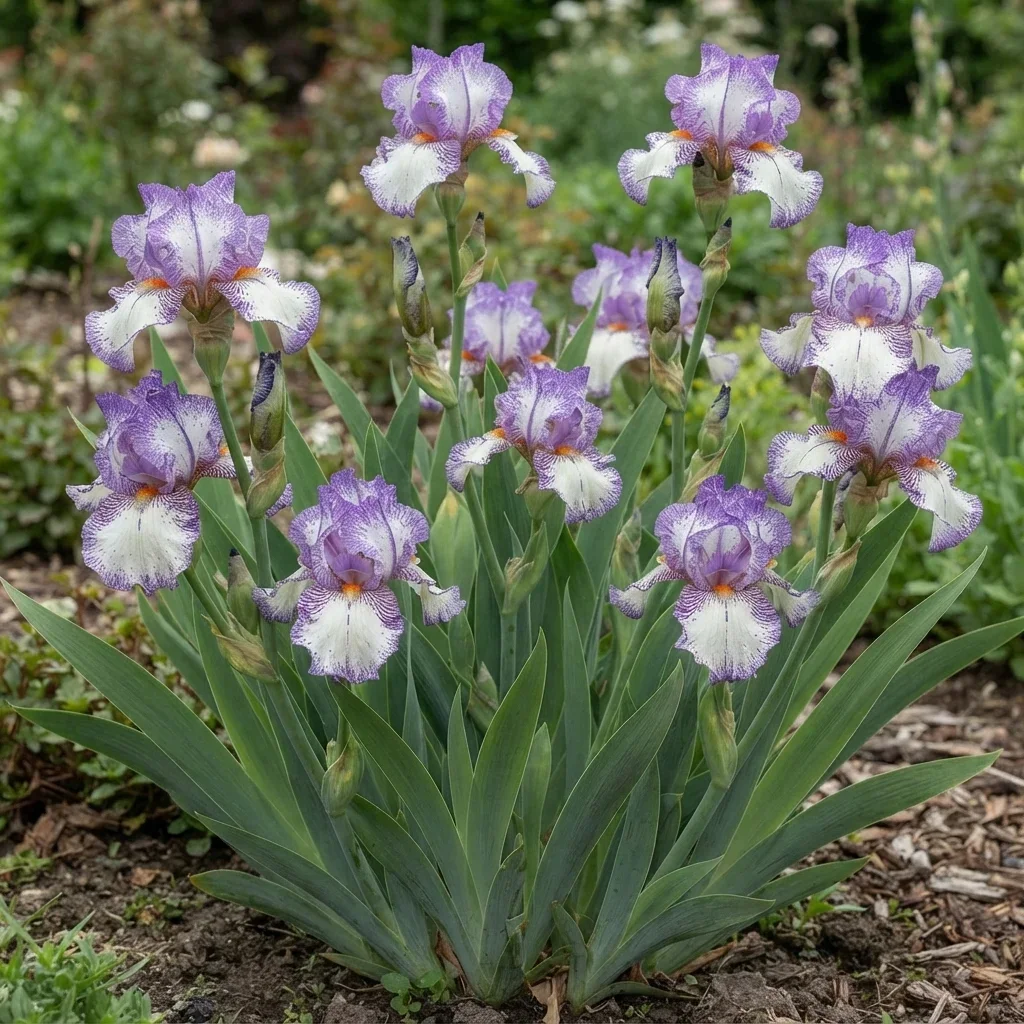
German Iris Bearded Iris
Iris x germanica 'Mix'
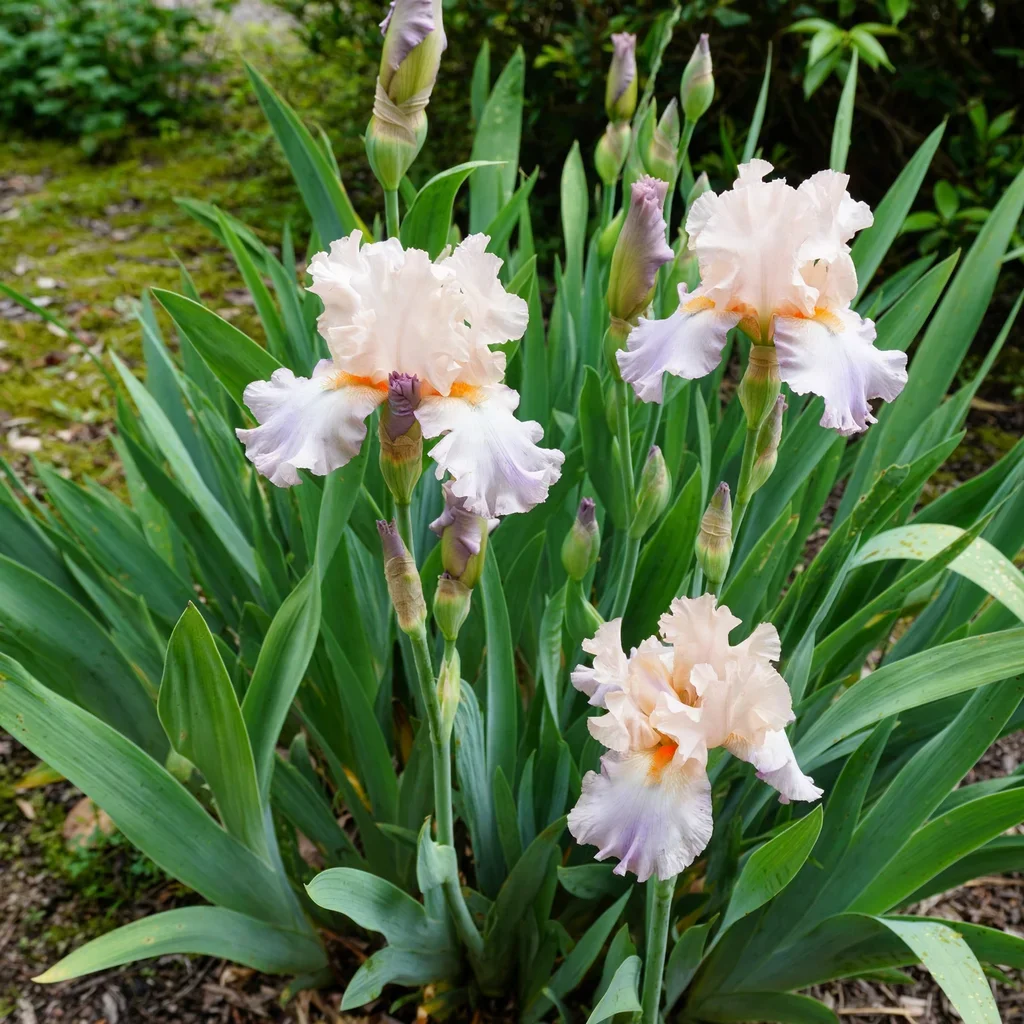
Celebration Song Iris
Iris tenuissima 'Celebration Song'
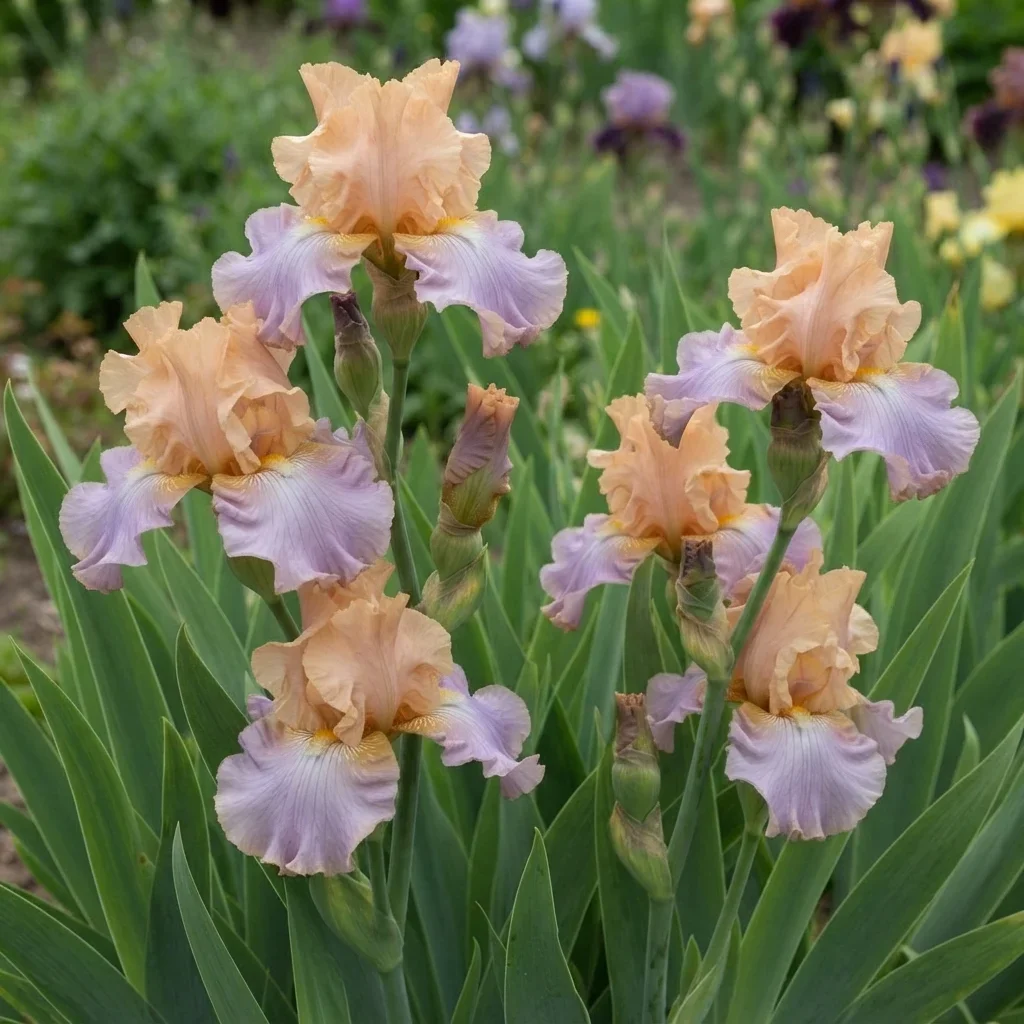
Poem of Ecstasy German Iris
Iris x germanica 'Poem Of Ecstasy'
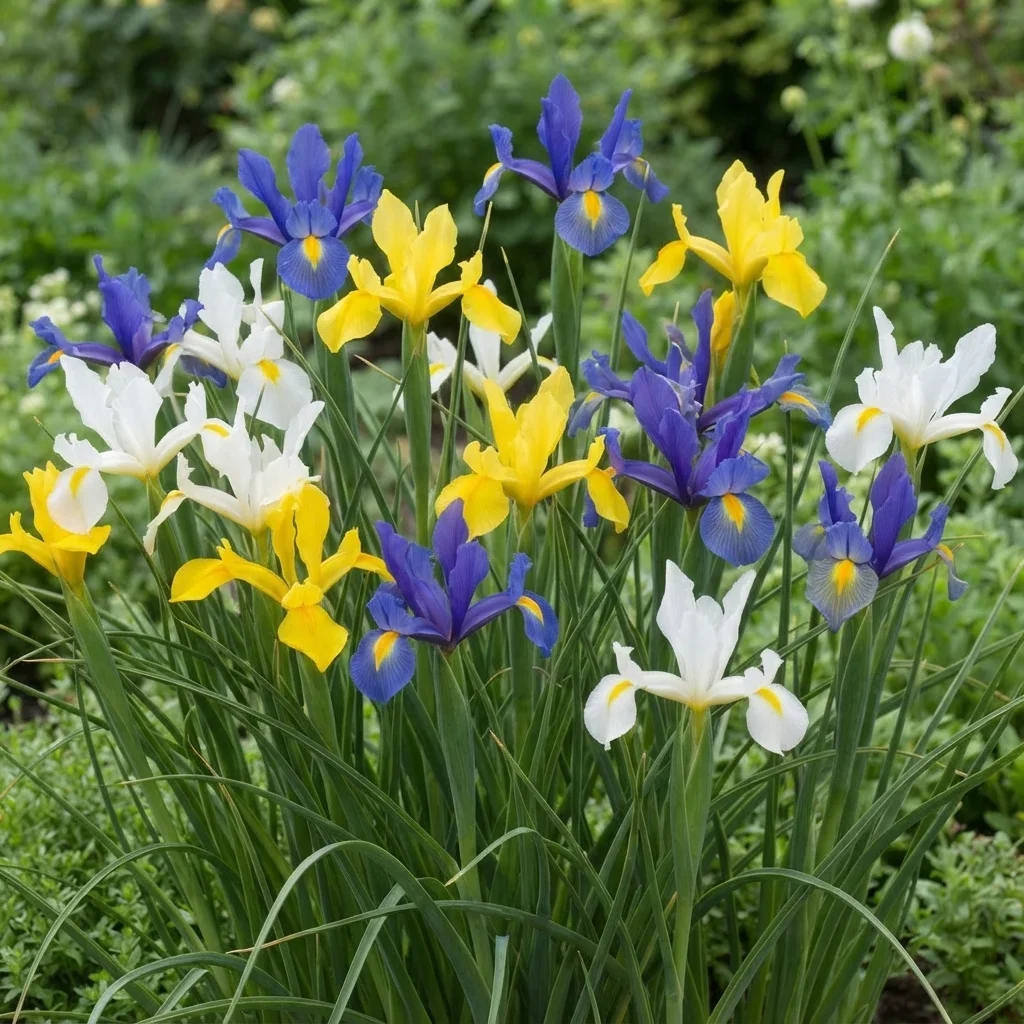
Dutch Iris Mix
Iris x hollandica 'Mix'
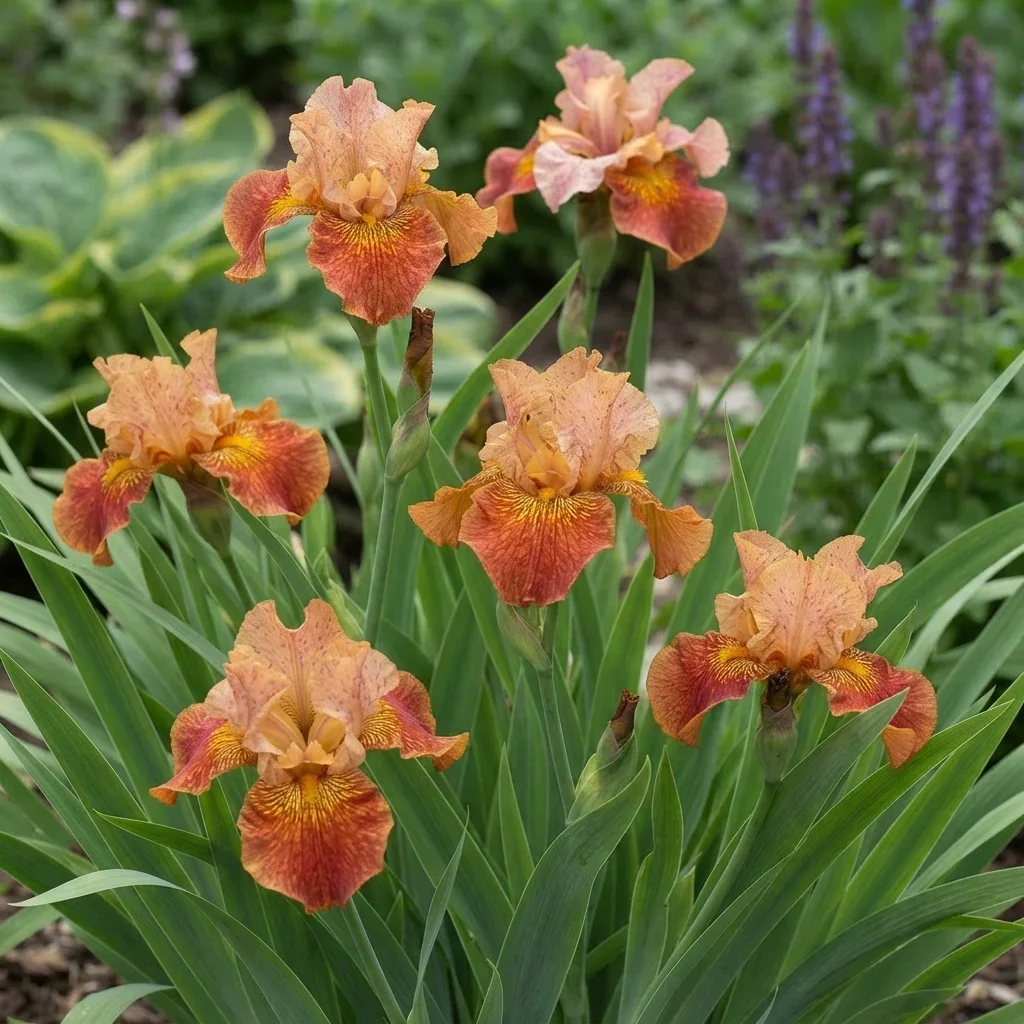
Siberian Iris 'Paprikash'
Iris x hybrida 'Paprikash'
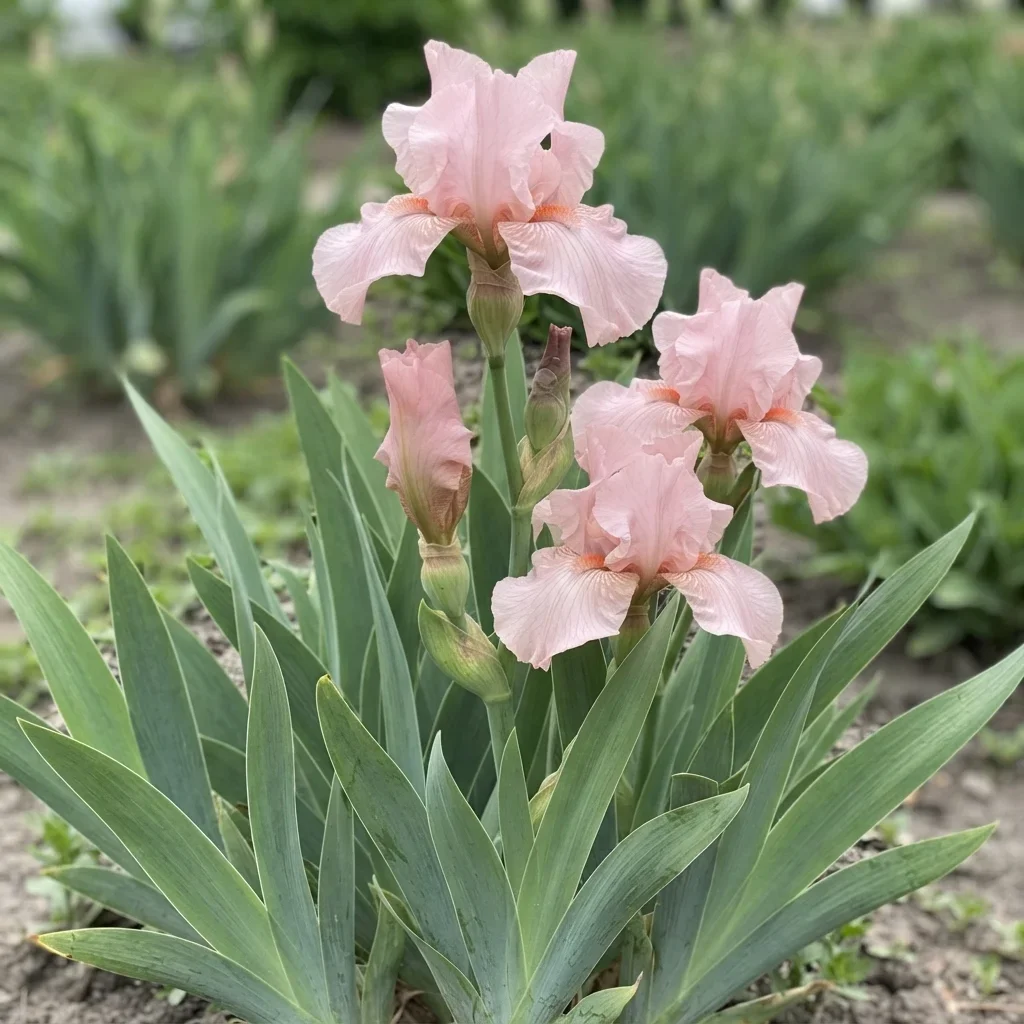
Baboon Bottom Bearded Iris
Iris x germanica 'Baboon Bottom Bearded'
Keep exploring
Explore the genus
Grow Florentine Iris with confidence
See it in a design of your actual yard, get zone-matched care reminders, and track it season by season in your garden journal.