The Story
Plant Bio
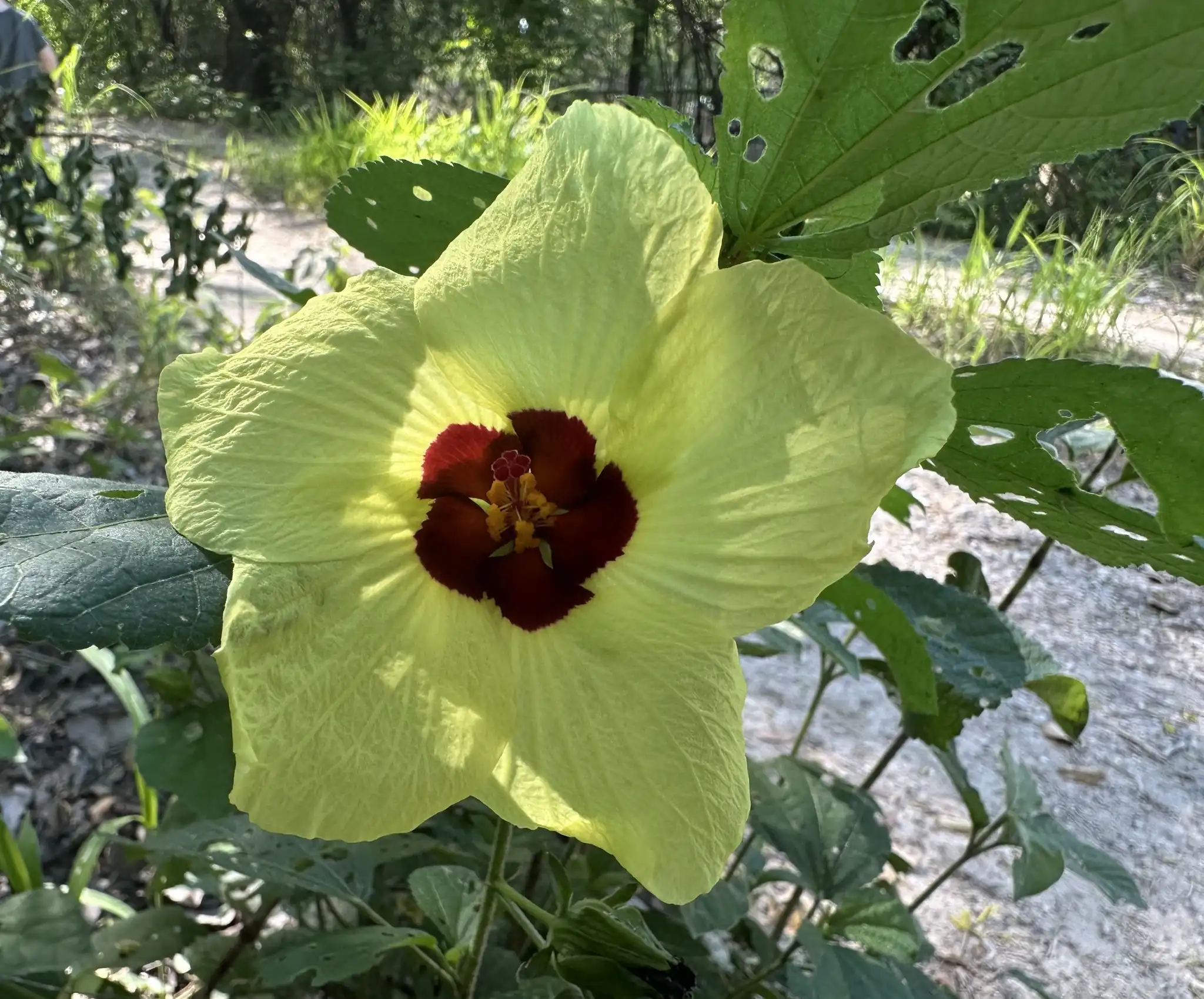
Hibiscus ovalifolius is an erect to sprawling, woody-based tropical shrub reaching three to ten feet in height, featuring subcircular, occasionally lobed leaves with a distinct stellate-hairy texture. The solitary flowers emerge from the upper leaf axils throughout summer and fall, displaying sulfur-yellow petals contrasted by a deep red or maroon central eye.
This species is distinguished by its unique epicalyx, which consists of five prominent bracts that are broadest near the middle before narrowing to a long, sharp tip. Unlike hardy herbaceous hibiscus, it maintains a lax, arching habit and requires strictly frost-free conditions to survive.
Uses & Benefits:
Essentials
At a Glance
Plant Type
Shrub
Height
118"
Width
71"
Light
Full Sun, Partial Sun
Zones
10
Water
Moderate
Humidity
High
Lifespan
Perennial
Native To
Africa, Madagascar, Mascarene Islands
Toxicity
Non-toxic
Bloom period
Summer – Fall
In flower about 6 months of the year
Planting
How to Grow
- Select a planting site with full sun to partial shade and exceptionally well-drained, fertile soil.
- Dig a hole twice the width of the root ball and set the plant at the same depth it grew in its container.
- Water deeply to settle the soil, then allow the top few inches to dry completely before watering again.
- Apply a balanced, slow-release fertilizer sparingly every few months during the active spring and summer growing seasons.
Pro Tip
Avoid cutting back into old, bare wood that lacks active buds, as regrowth from these areas is extremely slow and patchy; limit pruning to light shaping after the flowering season.
Keep It Thriving
Care Guide
Do
- Grow in containers that can be moved indoors or to a greenhouse if winter temperatures drop below freezing.
- Prune lightly after the autumn flowering flush to maintain a compact, bushy shape.
- Ensure the potting medium or garden soil has excellent drainage to prevent root rot.
Don't
- Do not over-water during the winter months when the plant's growth slows down.
- Do not cut back into old, leafless woody stems that have no visible green buds.
- Do not plant in heavy clay or low-lying areas where water tends to collect.
Seasonal Care Calendar
| Task | Jan | Feb | Mar | Apr | May | Jun | Jul | Aug | Sep | Oct | Nov | Dec |
|---|---|---|---|---|---|---|---|---|---|---|---|---|
| Fertilize | ||||||||||||
| Pest Check | ||||||||||||
| Prune | ||||||||||||
| Winter Prep |
Watch Out For
Pests & Diseases
Common Pests
Common Diseases
In the Garden
Landscape Uses & Companions
Landscape Uses
Companion Plants
Multiply
Propagation Methods
Good to Know
Common Questions
Yellow Rose Mallow questions
What zones can Yellow Rose Mallow grow in?
Yellow Rose Mallow is hardy in USDA Zone 10. Inside that range it survives winter in the ground; outside it, grow it as an annual or a container plant you protect.
When does Yellow Rose Mallow bloom?
Yellow Rose Mallow typically blooms in summer through fall. Exact timing shifts a week or two with your zone — Sow's bloom calendar maps it to your garden.
Does Yellow Rose Mallow need full sun?
Yellow Rose Mallow does best in full sun to part shade. In hot climates, afternoon shade keeps blooms fresher longer.
Is Yellow Rose Mallow drought tolerant?
Yes — once established (usually after the first full season), Yellow Rose Mallow handles dry spells with minimal watering. Water deeply its first year to build the root system that makes that possible.
More Hibiscus to compare
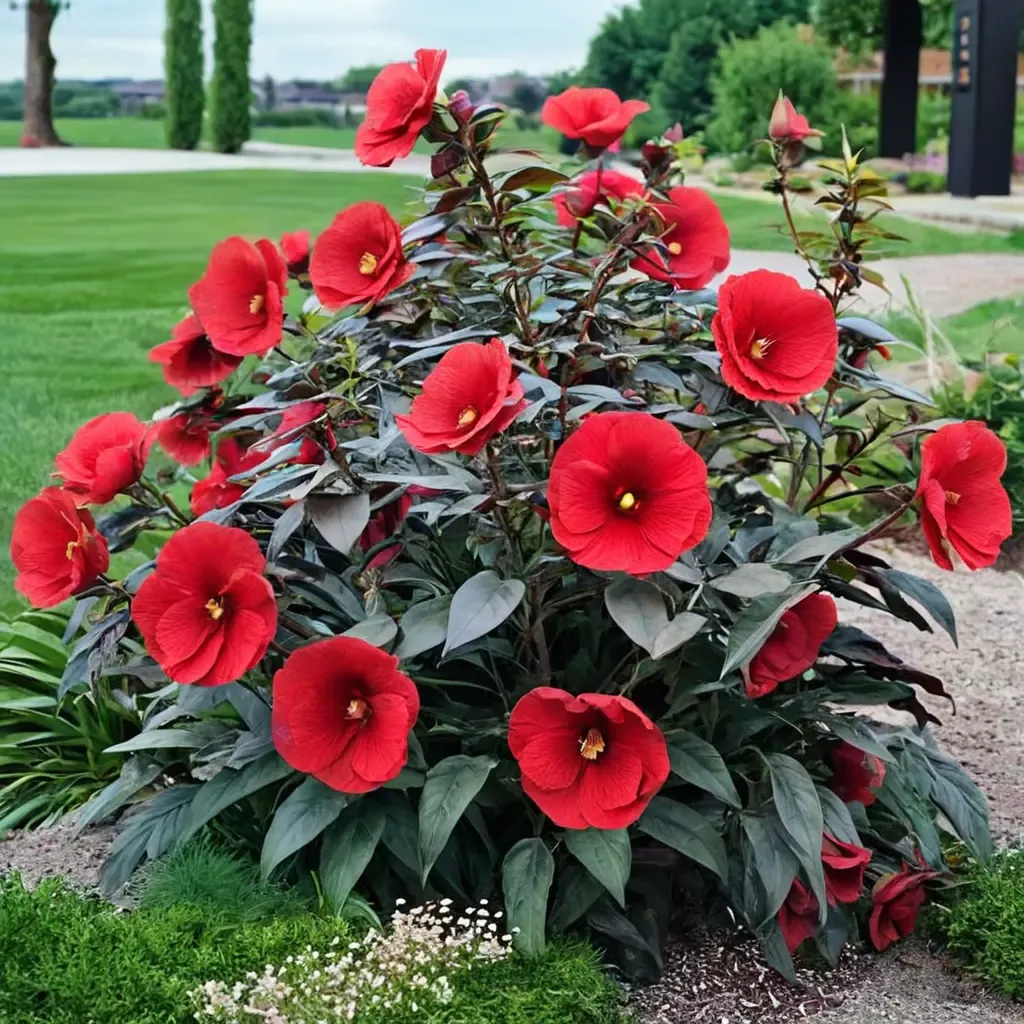
Midnight Marvel Swamp Hibiscus
Hibiscus moscheutos 'Midnight Marvel'
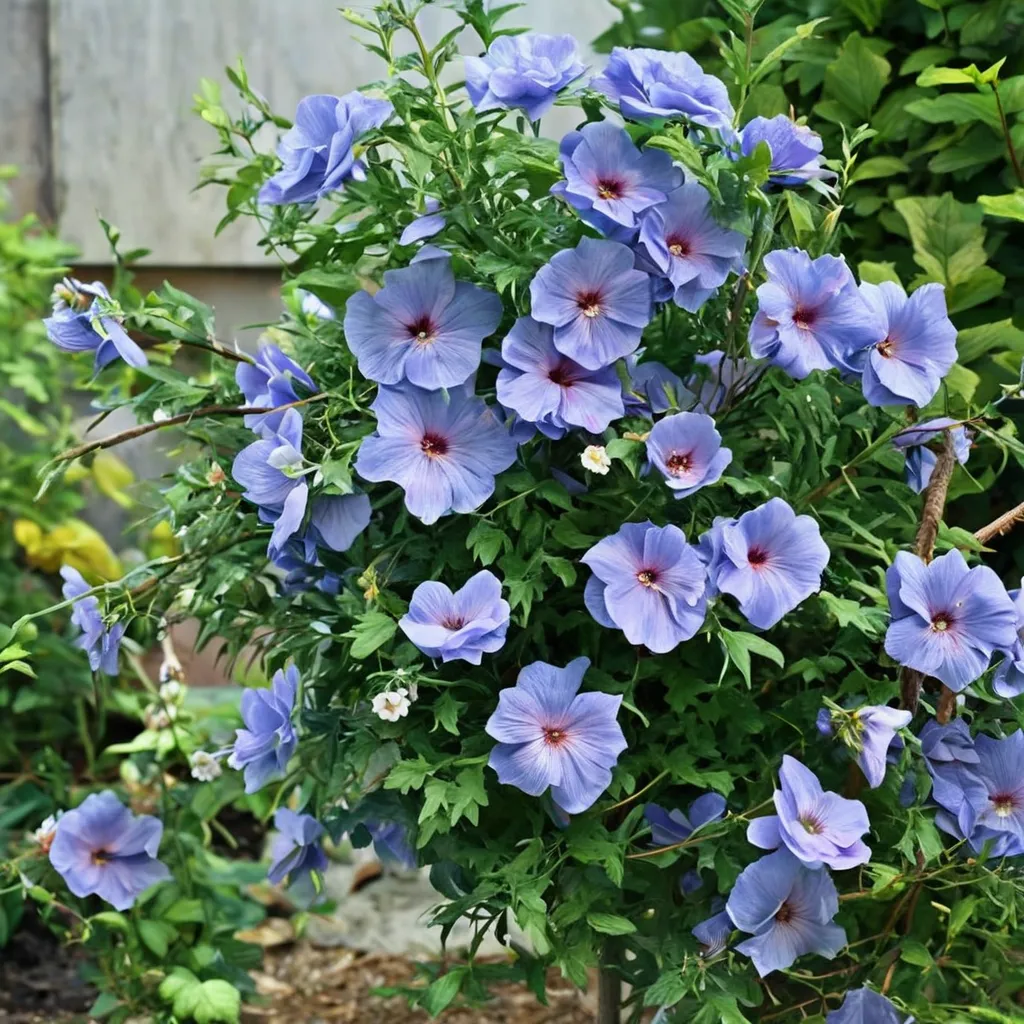
Rose of Sharon Hibiscus
Hibiscus syriacus 'Azurri Blue Satin'
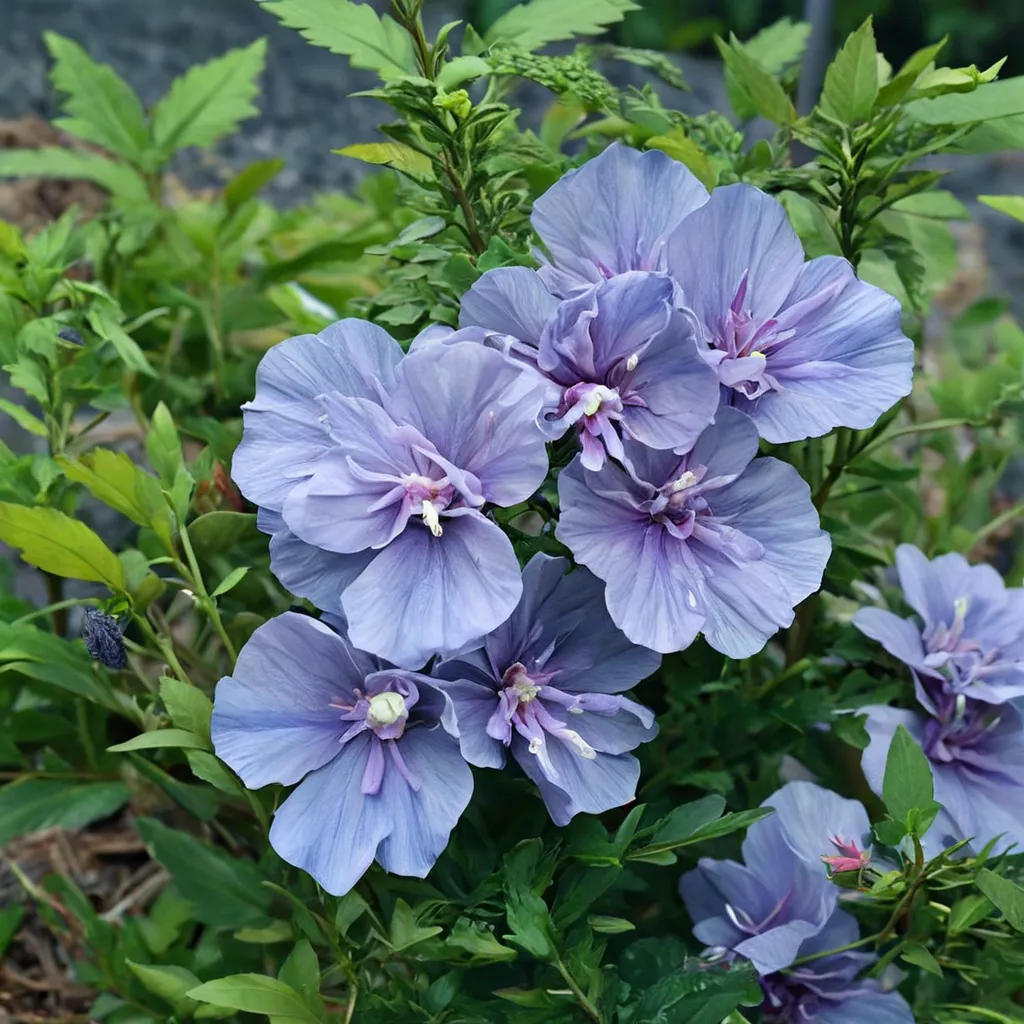
Blue Chiffon Rose of Sharon
Hibiscus syriacus 'Blue Chiffon'
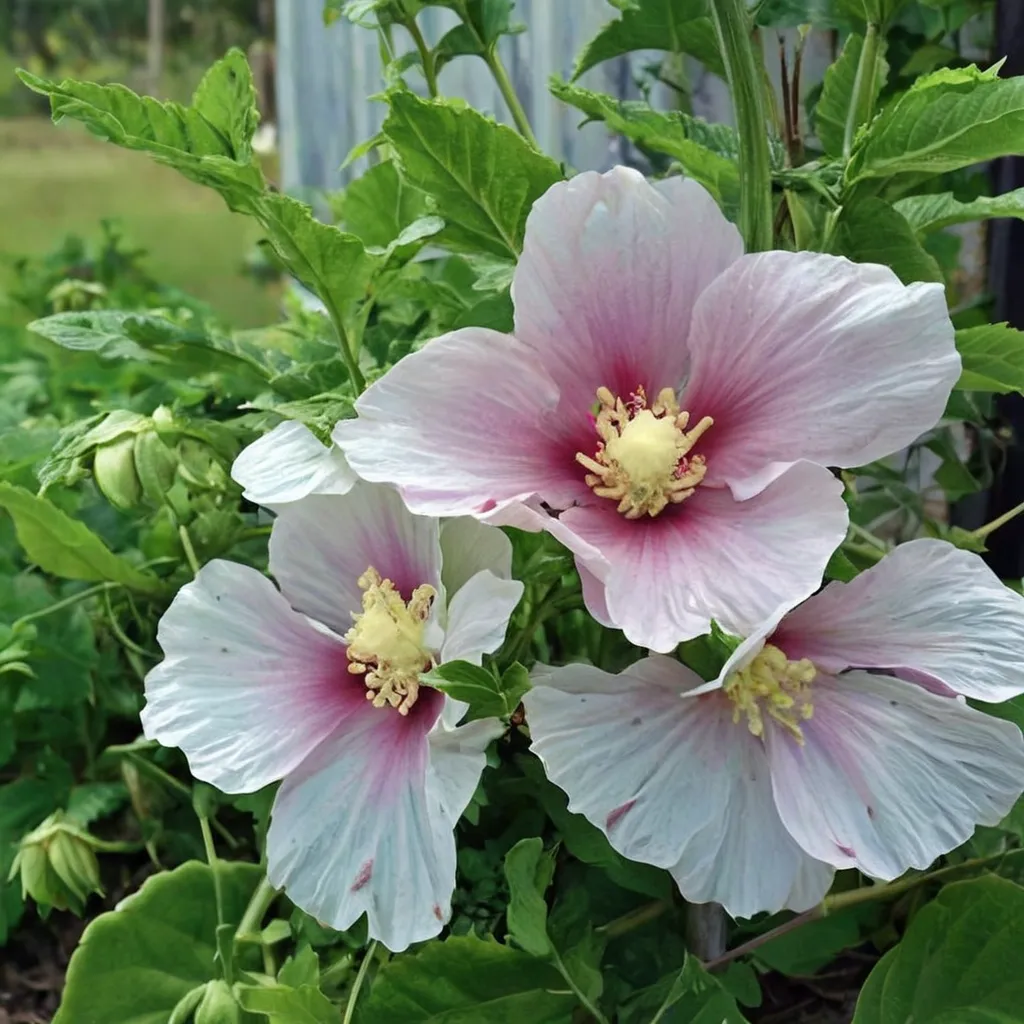
Confederate Rose
Hibiscus paramutabilis
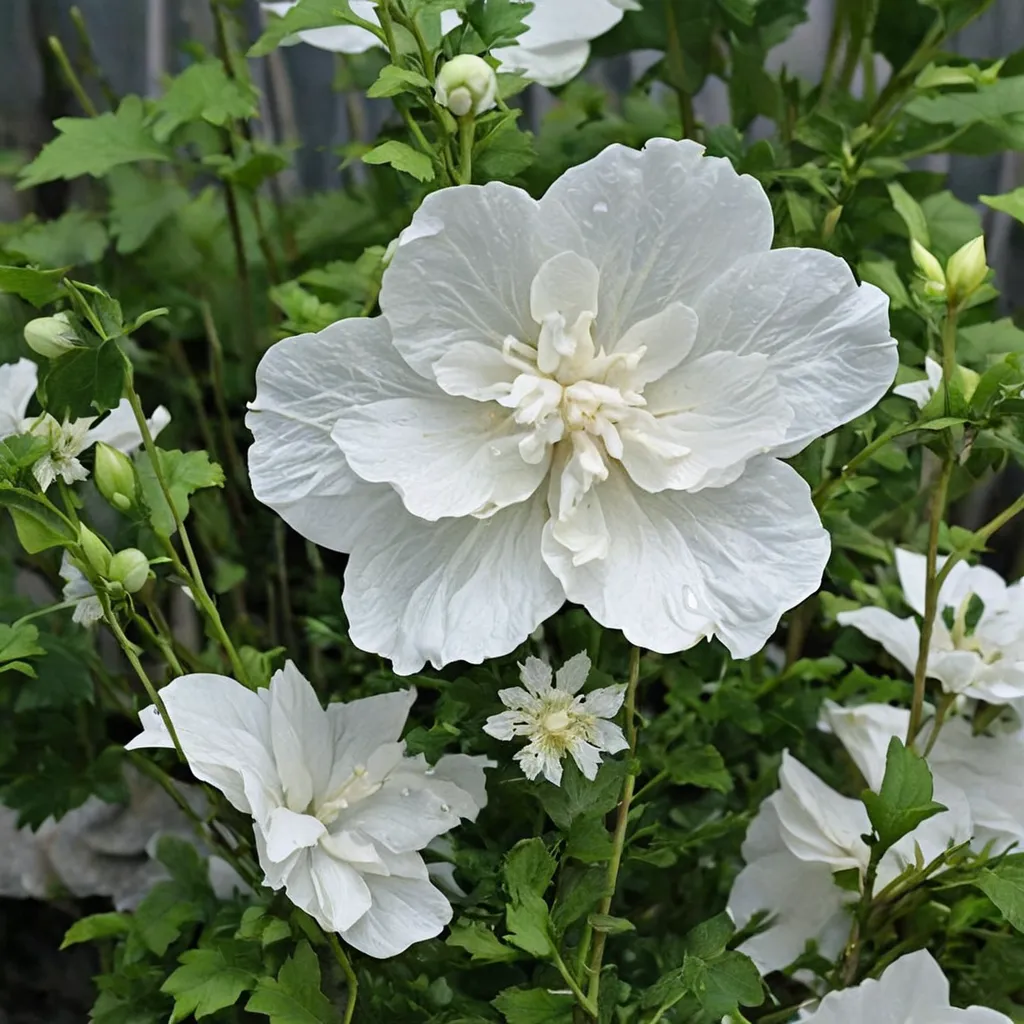
White Chiffon Hibiscus
Hibiscus syriacus 'White Chiffon'
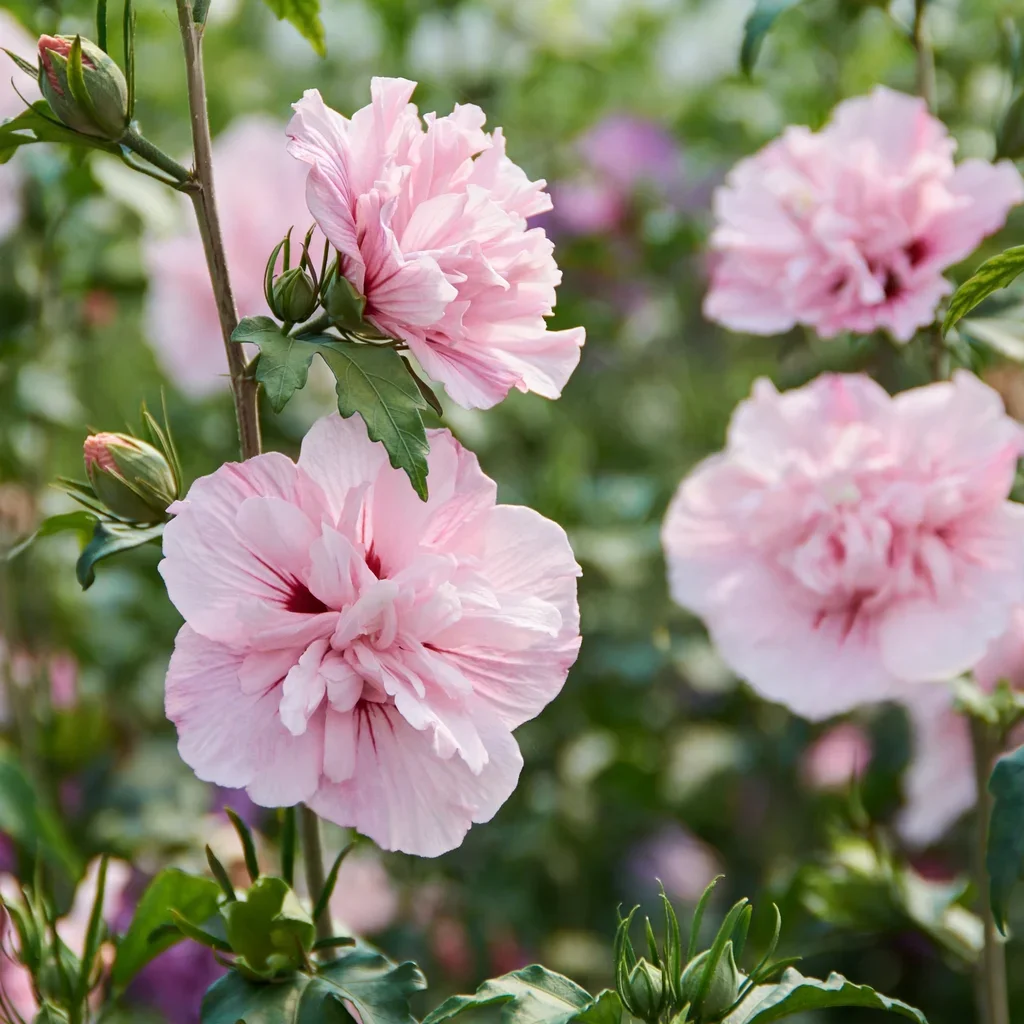
Pink Chiffon Rose of Sharon
Hibiscus syriacus 'Pink Chiffon'
Keep exploring
Explore the genus
Hardy in your zone?
Grow Yellow Rose Mallow with confidence
See it in a design of your actual yard, get zone-matched care reminders, and track it season by season in your garden journal.