45 saves
Plumbago
We track 5 varieties; the ones most used by real gardeners.
The 5 most-saved Plumbago varieties
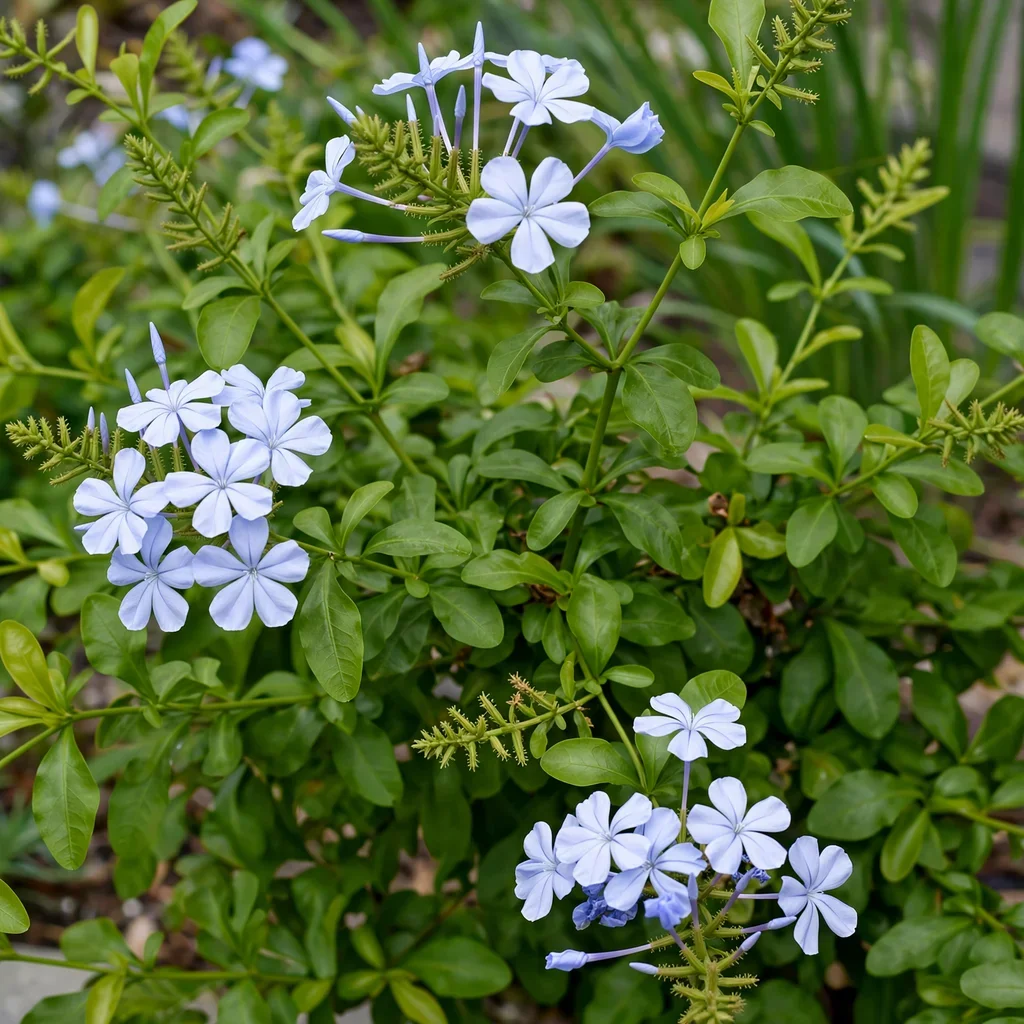
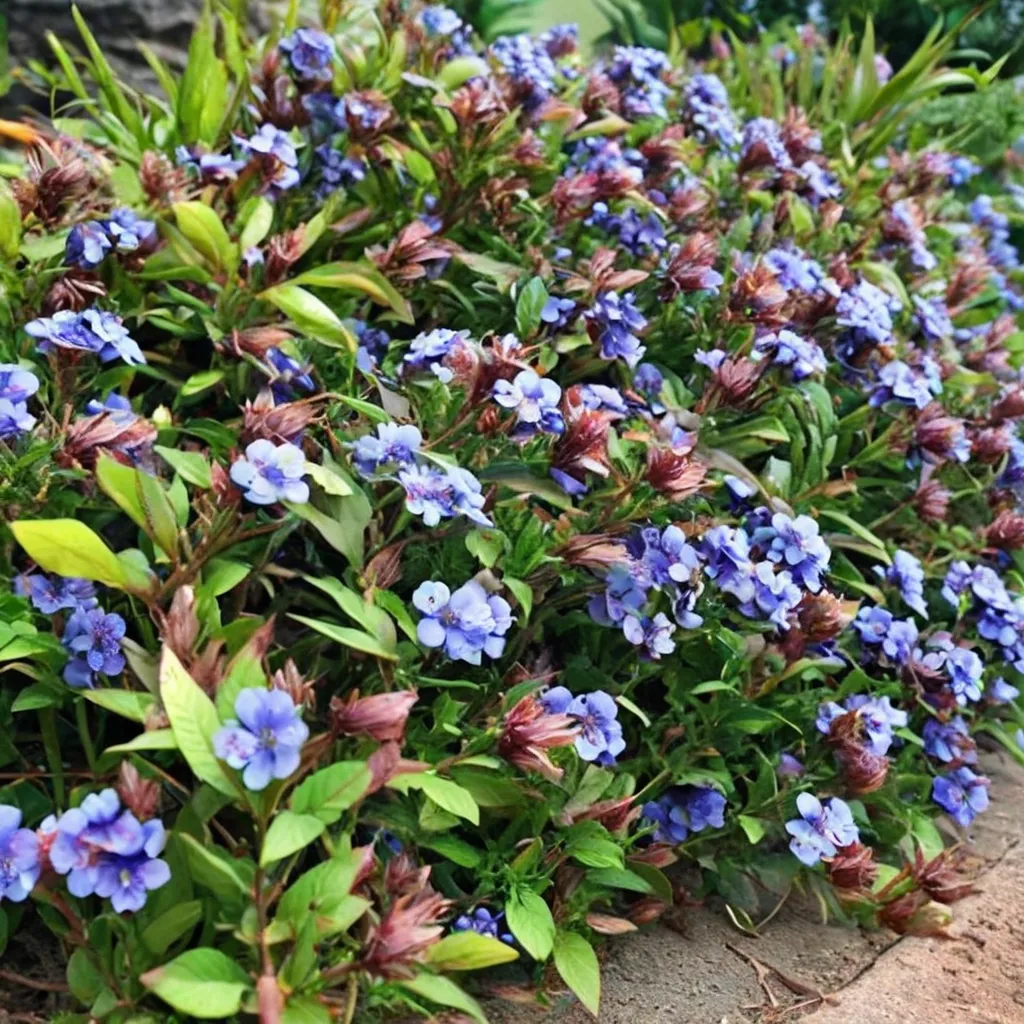
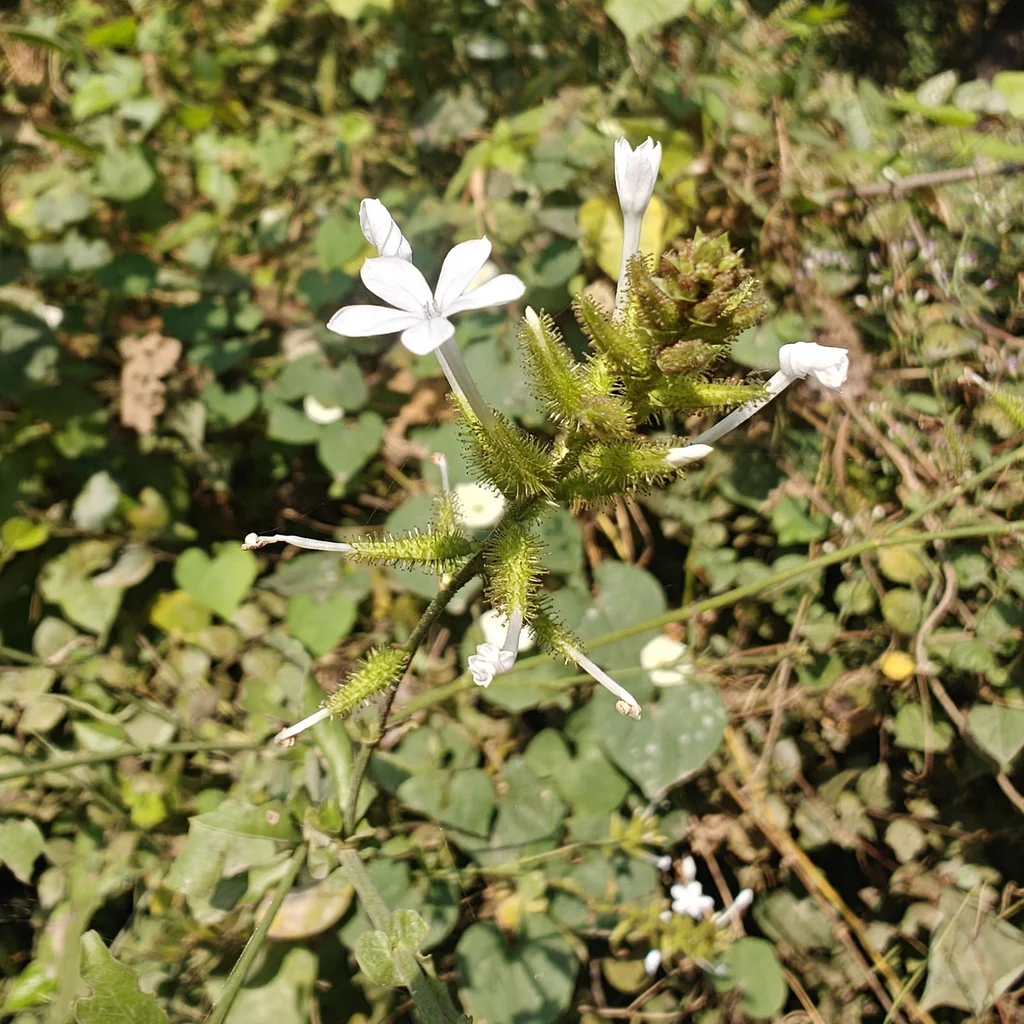
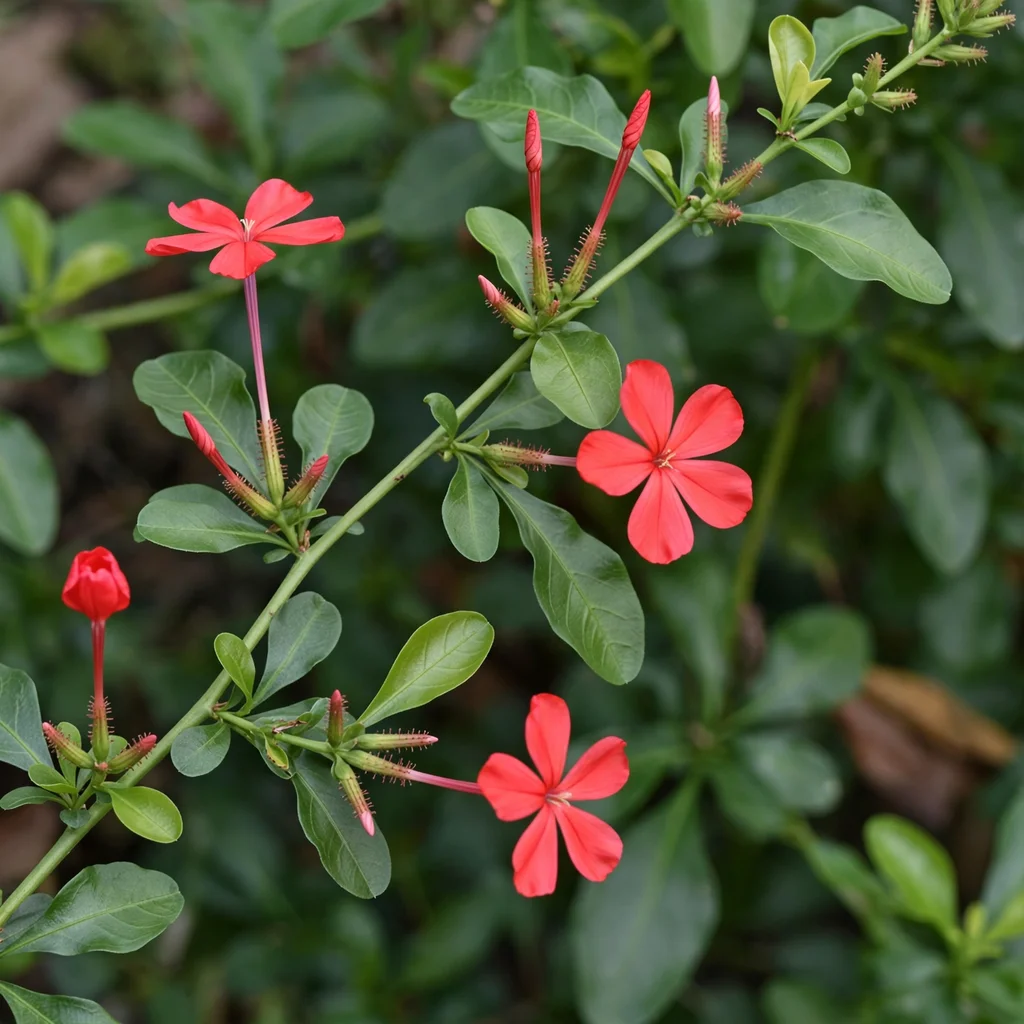
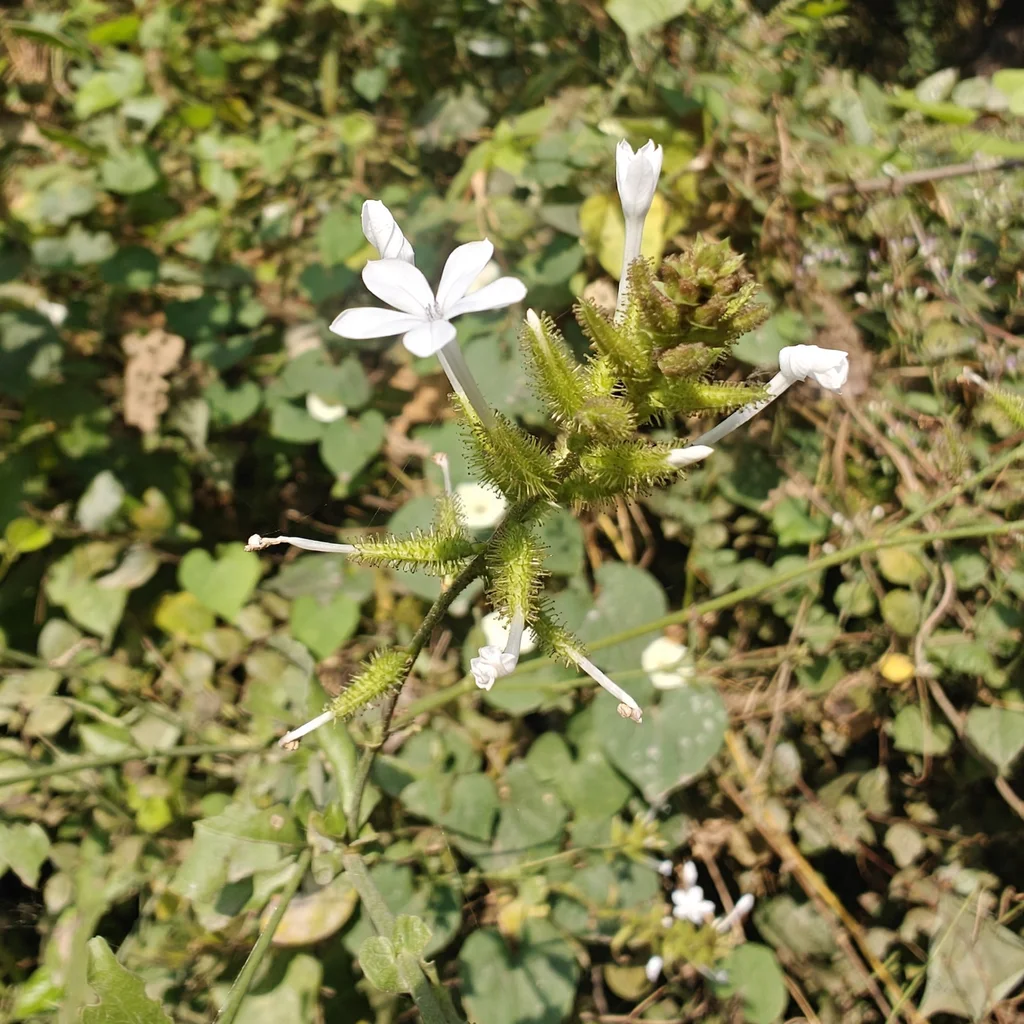
4 species of Plumbago
Each one is a parent of the varieties above.
Track your Plumbago in Sow
Save the Plumbago you grow and get care reminders timed to your zone.
How to grow Plumbago
Whats common across all Plumbago varieties in our catalog — drawn from the care records of the 5 most-grown of them.
The Plumbago year
- PruneMarch100% of varieties
Cut back leggy stems in early spring to shape before growth resumes.
- FertilizeApril–September100% of varieties
Feed monthly with balanced liquid fertilizer during active growth.
- Check for PestsJune–August80% of varieties
Check shoot tips and leaf undersides for aphids and mites in heat.
- Winter PrepNovember and December80% of varieties
Apply a thick layer of mulch around the base to protect roots over winter.
- PlantMay and June40% of varieties
Set out pots or bed plants after frost in rich, well-draining soil.


Do
- Do grow in rich, well-draining mix kept evenly moist in warm weather.
- Do move pots indoors before frost and give maximum winter light.
- Water deeply during dry spells 🌱
- Prune after flowering to shape the shrub
- Apply mulch to conserve moisture
Avoid
- Don't leave outdoors through frost or in soggy soil.
- Don't handle cut stems without gloves; sap causes skin blistering.
- Overwater in winter ❌
- Use heavy clay soil without amendment ❌
What goes wrong with Plumbago
| Problem | What you'll see | What to do |
|---|---|---|
| Aphids | Clusters on shoot tips and buds with sticky honeydew; rarely serious outdoors | Dislodge with a strong spray of water and prune infested tips if numbers build |
| Spider mites | Stippled pale leaves and fine webbing on overwintered plants in dry indoor air | Rinse foliage with water and raise humidity around indoor plants |
| Scale insects | Waxy or armored bumps on stems | Use horticultural oil |
| Cottony cushion scale | White cottony masses on stems and leaf undersides with sticky honeydew | Prune out heavy stems and treat with horticultural oil or insecticidal soap; blast light infestations with water. |
| Root rot | Wilting despite wet soil with blackened stem bases from soggy mix | Grow in well-draining mix, empty saucers, and let the surface dry between waterings |
| Powdery mildew | White powder on leaves in crowded humid plantings | Space for airflow, avoid overhead watering, prune out affected shoots. |
| Leaf spot | Brown spots on lower leaves | Remove spotted leaves, keep foliage dry, and clean up fallen debris. |
Making more Plumbago
Stem cuttings
- Take 4-inch tip cuttings in late spring from firm new growth.
- Strip lower leaves and insert into moist perlite and peat mix.
- Hold warm and humid in bright indirect light until rooted.
- Pot up and grow on warm before moving outdoors after frost.
Cuttings
- Take 4-6 inch softwood cuttings in late spring.
- Remove lower leaves and dip in rooting hormone.
- Plant in moist, well-draining soil.
- Keep soil moist and place in indirect sunlight.
- Roots develop in 6 weeks.
Plumbago questions
How many types of Plumbago are there?
The Sow catalog tracks 5 distinct Plumbago varieties. The most popular — ranked by 45 real gardeners — are shown first above.
What zones does Plumbago grow in?
Across its varieties, Plumbago covers USDA Zones 7–10. Individual varieties differ — each plant page lists its exact range, and Sow filters the catalog to your zone automatically.
When does Plumbago bloom?
Most Plumbago varieties bloom from summer to fall.
Which Plumbago should I choose?
Start from the most-saved varieties above — popularity across thousands of gardens is a strong signal of reliability — then filter by your zone and sun. In the Sow app you can preview any of them in a photo of your actual yard before you buy.