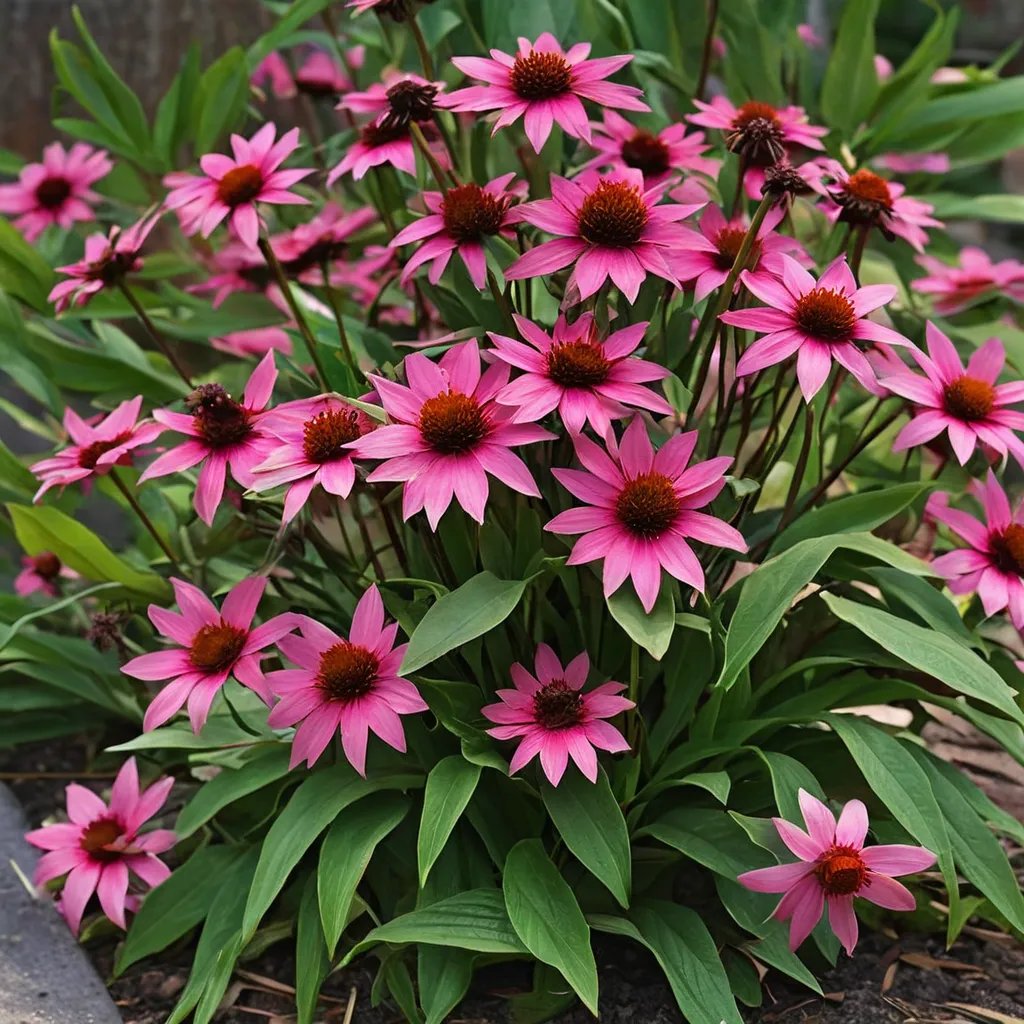
Garden hybrid
This is a garden hybrid, bred from more than one wild species, so it has no single species page of its own.
25 other cultivars
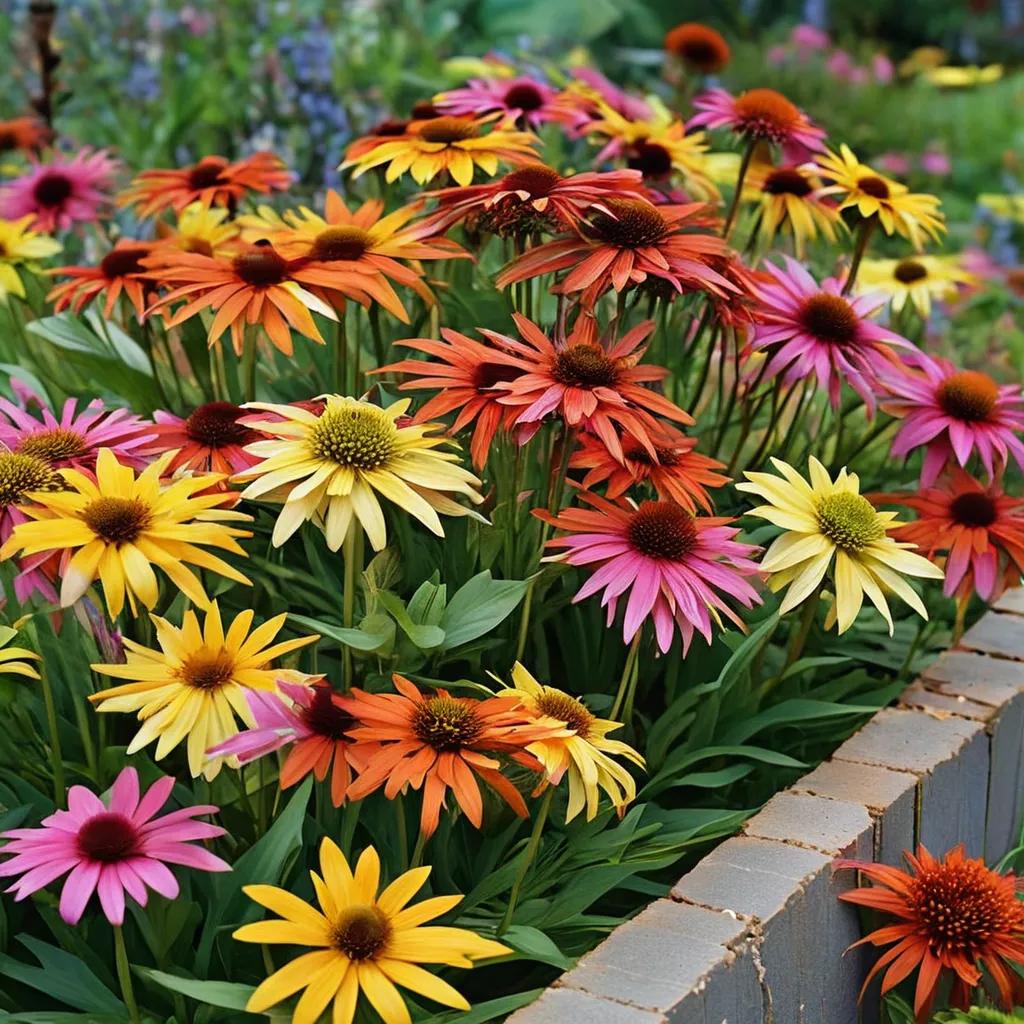 ‘Mix’Coneflower Mix
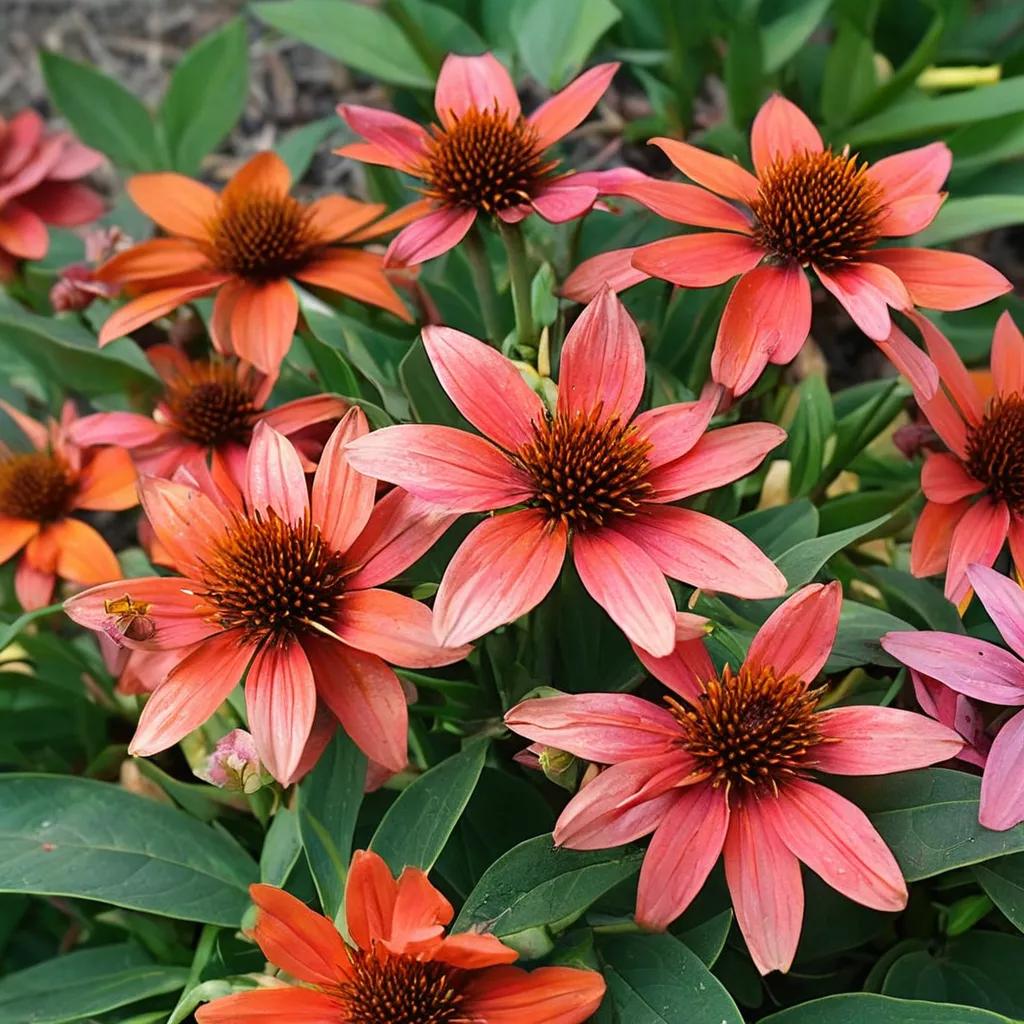 ‘Hot Coral’Echinacea Hot Coral
 ‘Sombrero Adobe’Sombrero Adobe Orange Coneflower
 ‘Kismet Raspberry’Kismet Raspberry Coneflower
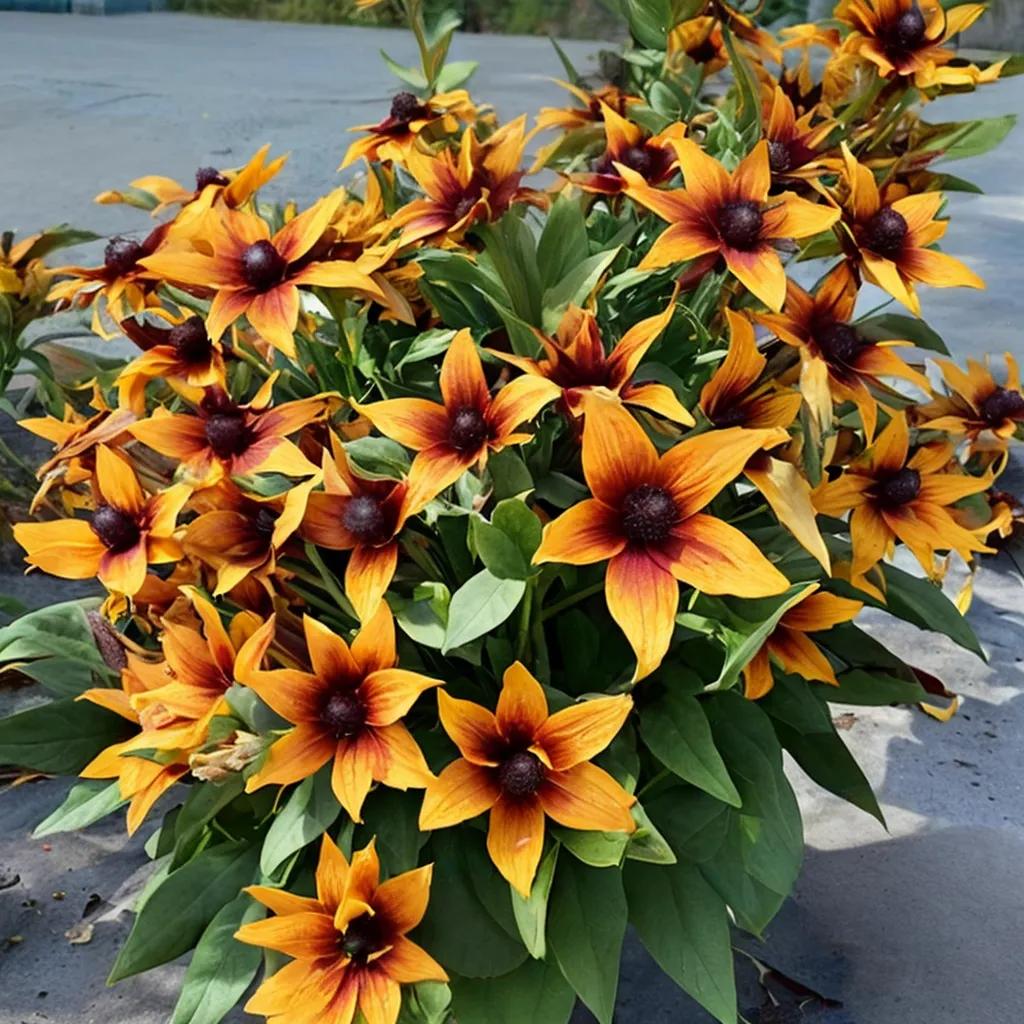 ‘Summerina Sunreef’Coneflower
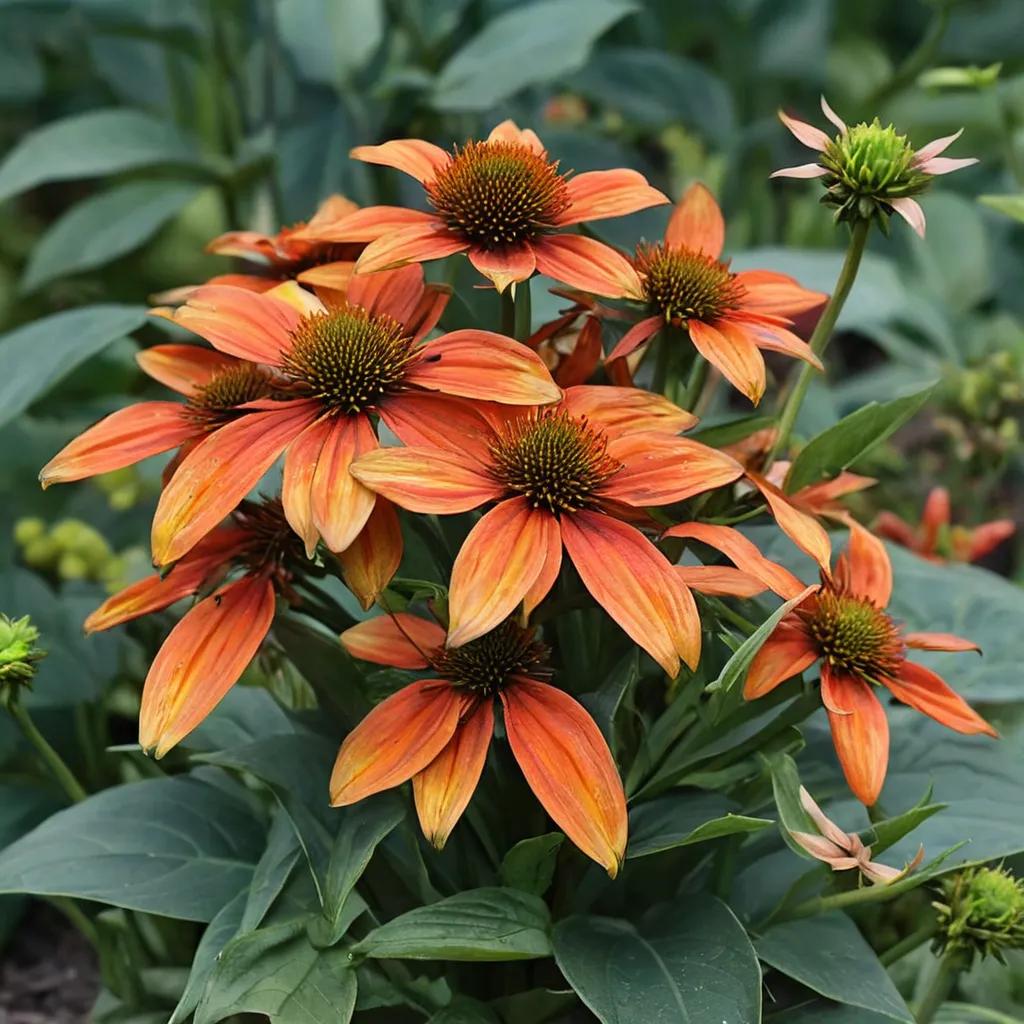 ‘Adobe Orange’Echinacea x hybrida Adobe Orange
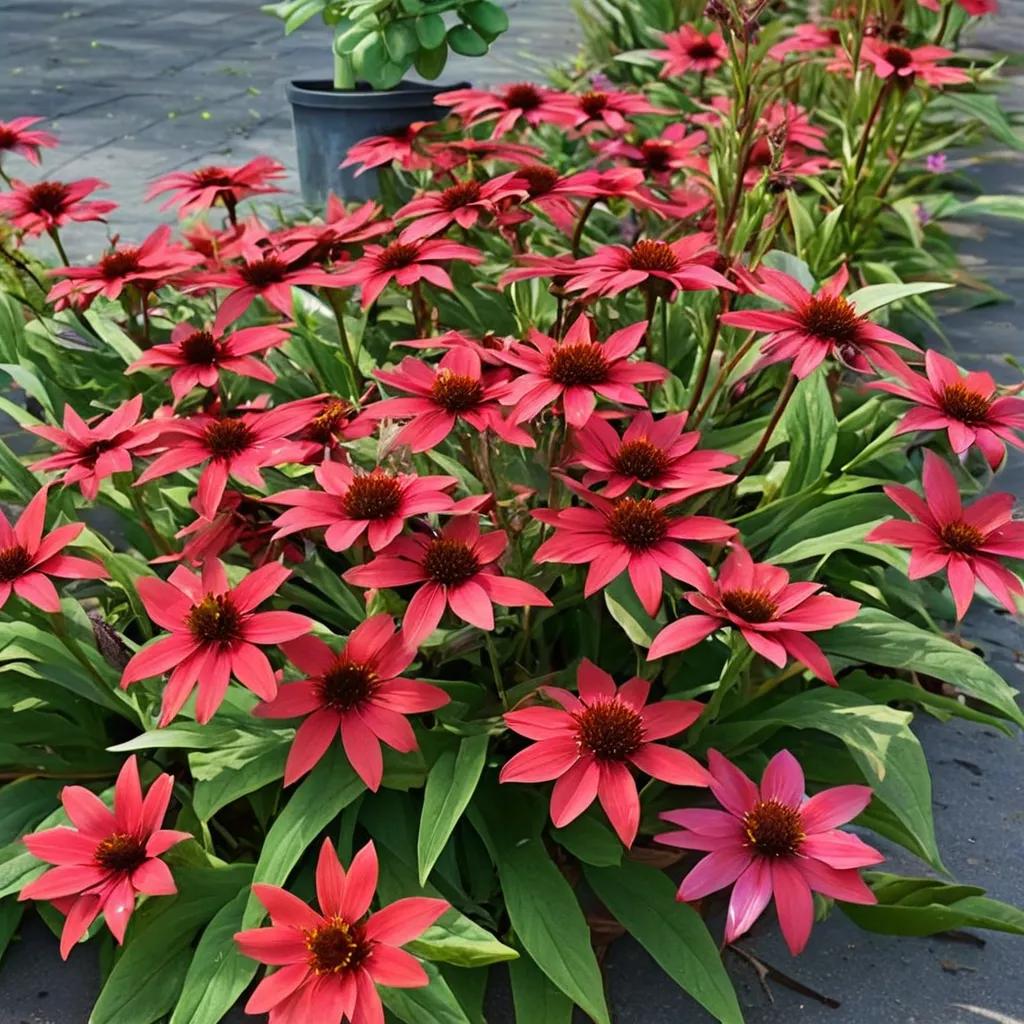 ‘Baja Burgundy’Baja Burgundy Coneflower
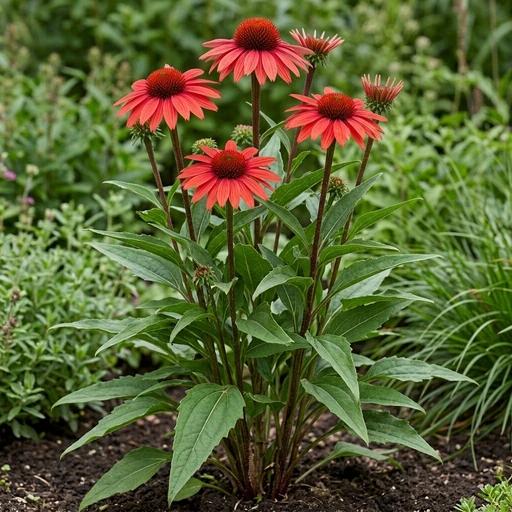 ‘Fire Finch’Fire Finch Coneflower
 ‘Sombrero Baja Burgundy’Sombrero Baja Burgundy Coneflower
 ‘Sombrero Coral’Sombrero Coral Coneflower
 ‘Kismet Red’Kismet Red Coneflower
 ‘Pixie Meadowbrite’Pixie Meadowbrite Hybrid Coneflower
 ‘Sombrero Flamenco’Sombrero Flamenco Orange Coneflower
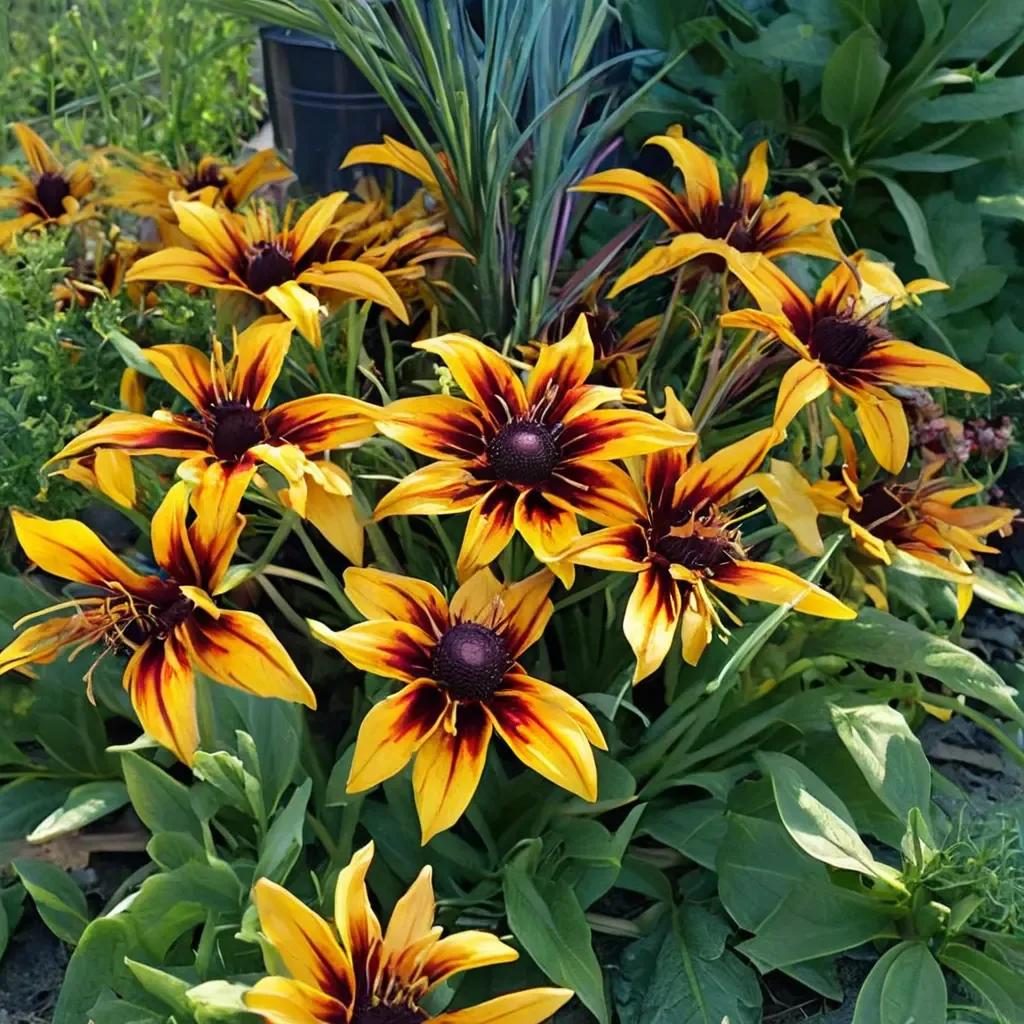 ‘Summerina Blazing Fire’Summerina Blazing Fire Coneflower
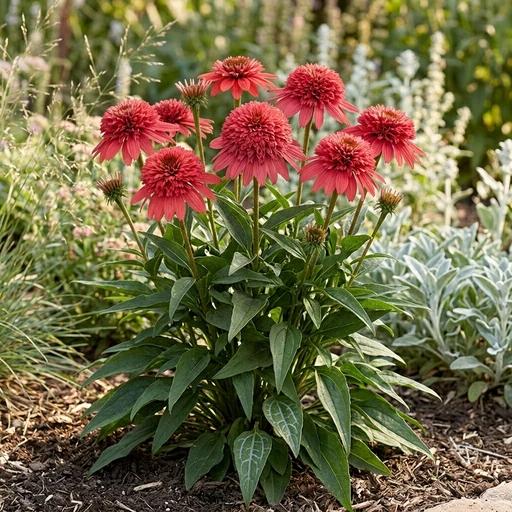 ‘Watermelon Deluxe’Double Scoop Watermelon Deluxe Coneflower
 ‘Sombrero Tres Amigos’Sombrero Tres Amigos Coneflower
 ‘Sombrero Lemon Yellow’Sombrero Lemon Yellow Coneflower
 ‘Sombrero Blanco’Sombrero Blanco Coneflower
 ‘Yellow Ombre’Artisan Yellow Ombre Coneflower
 ‘Sombrero Sangrita’Sombrero Sangrita Coneflower
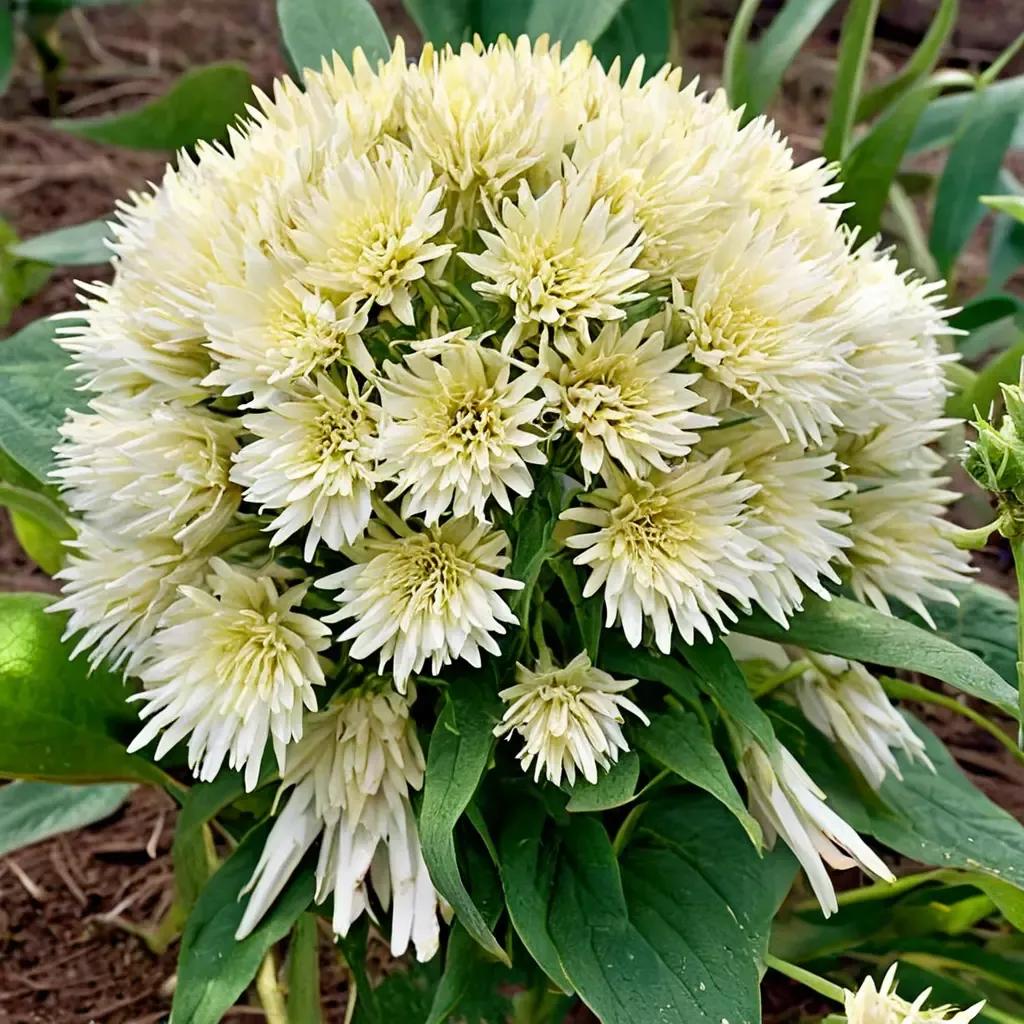 ‘Delightful Lace’Delightful Lace Coneflower
 ‘Butterfly Orange Skipper’Butterfly Orange Skipper Coneflower
 ‘Kismet Yellow’Kismet Yellow Coneflower
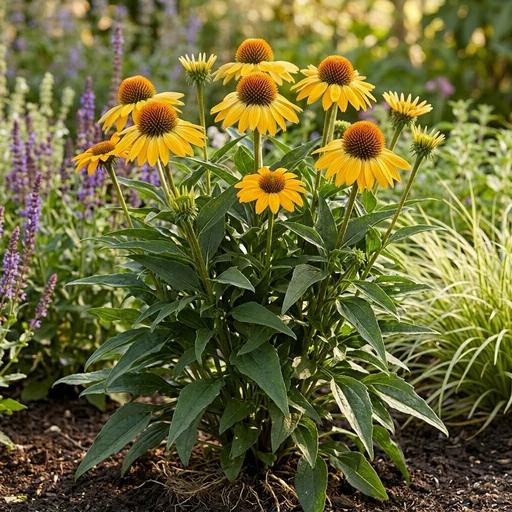 ‘Sombrero Granada Gold’Sombrero Granada Gold Coneflower
 ‘Artisan Red Ombre’Artisan Red Ombre Coneflower
The Story
Plant Bio
Echinacea x hybrida 'Rosada' is a robust perennial with daisy-like flowers featuring a central cone and soft pink petals, complemented by coarse, hairy foliage that forms clumps in garden beds.
A compact cultivar known for its profusion of large, non-fading, intense rose-pink flowers with overlapping petals. Its sturdy stems and long bloom period make it excellent for borders and containers.
Uses & Benefits:
Bred from more than one wild species, so it has no species page of its own.
Essentials
At a Glance
Plant Type
Perennial
Height
24"
Width
18"
Light
Full Sun, Partial Sun
Zones
4, 5, 6, 7, 8, 9
Water
Dry to Medium
Humidity
Average
Lifespan
Perennial
Native To
North America
Toxicity
Non-toxic
Bloom period
Summer to Fall – Late summer
In flower about 3 months of the year
Planting
How to Grow
- Tuck seeds in well-draining soil in early spring.
- Water regularly until established, then reduce watering.
- Place in full sun for best flowering.
- Divide plants every 3-4 years in early spring or fall.
- Mulch around base to retain moisture and suppress weeds.
- Prune spent flowers to encourage new blooms.
Pro Tip
Ensure good air circulation to prevent powdery mildew.
Keep It Thriving
Care Guide
Do
- Water deeply during dry spells 🌱
- Deadhead spent flowers to prolong bloom
- Apply a balanced fertilizer in spring
Don't
- Avoid overwatering to prevent root rot ❌
- Don’t prune in late fall or winter
- Avoid planting in dense shade
Seasonal Care Calendar
| Task | Jan | Feb | Mar | Apr | May | Jun | Jul | Aug | Sep | Oct | Nov | Dec |
|---|---|---|---|---|---|---|---|---|---|---|---|---|
| Deadhead | ||||||||||||
| Divide | ||||||||||||
| Fertilize | ||||||||||||
| Spring Cleanup | ||||||||||||
| Winter Prep |
Watch Out For
Pests & Diseases
Common Pests
Common Diseases
In the Garden
Landscape Uses & Companions
Landscape Uses
Multiply
Propagation Methods
Good to Know
Common Questions
'Rosada' Coneflower questions
What zones can 'Rosada' Coneflower grow in?
'Rosada' Coneflower is hardy in USDA Zones 4–9. Inside that range it survives winter in the ground; outside it, grow it as an annual or a container plant you protect.
Is 'Rosada' Coneflower deer resistant?
Yes — 'Rosada' Coneflower is rated deer-resistant. Deer typically pass it over, though extreme hunger can override any plant's defenses.
When does 'Rosada' Coneflower bloom?
'Rosada' Coneflower typically blooms in summer to fall through late summer. Exact timing shifts a week or two with your zone — Sow's bloom calendar maps it to your garden.
Does 'Rosada' Coneflower need full sun?
'Rosada' Coneflower does best in full sun to part shade. In hot climates, afternoon shade keeps blooms fresher longer.
Is 'Rosada' Coneflower drought tolerant?
Yes — once established (usually after the first full season), 'Rosada' Coneflower handles dry spells with minimal watering. Water deeply its first year to build the root system that makes that possible.
More Echinacea to compare
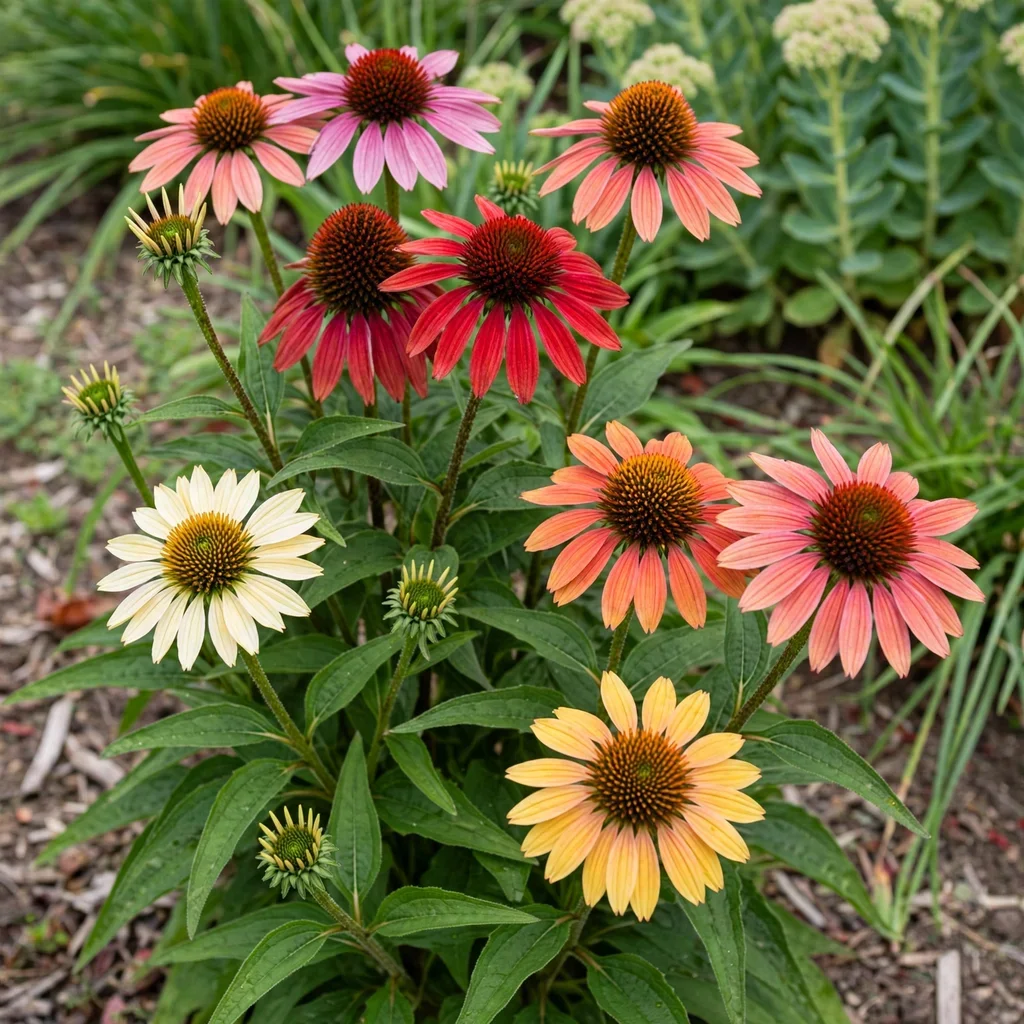
Cheyenne Spirit Coneflower
Echinacea purpurea 'Cheyenne Spirit'
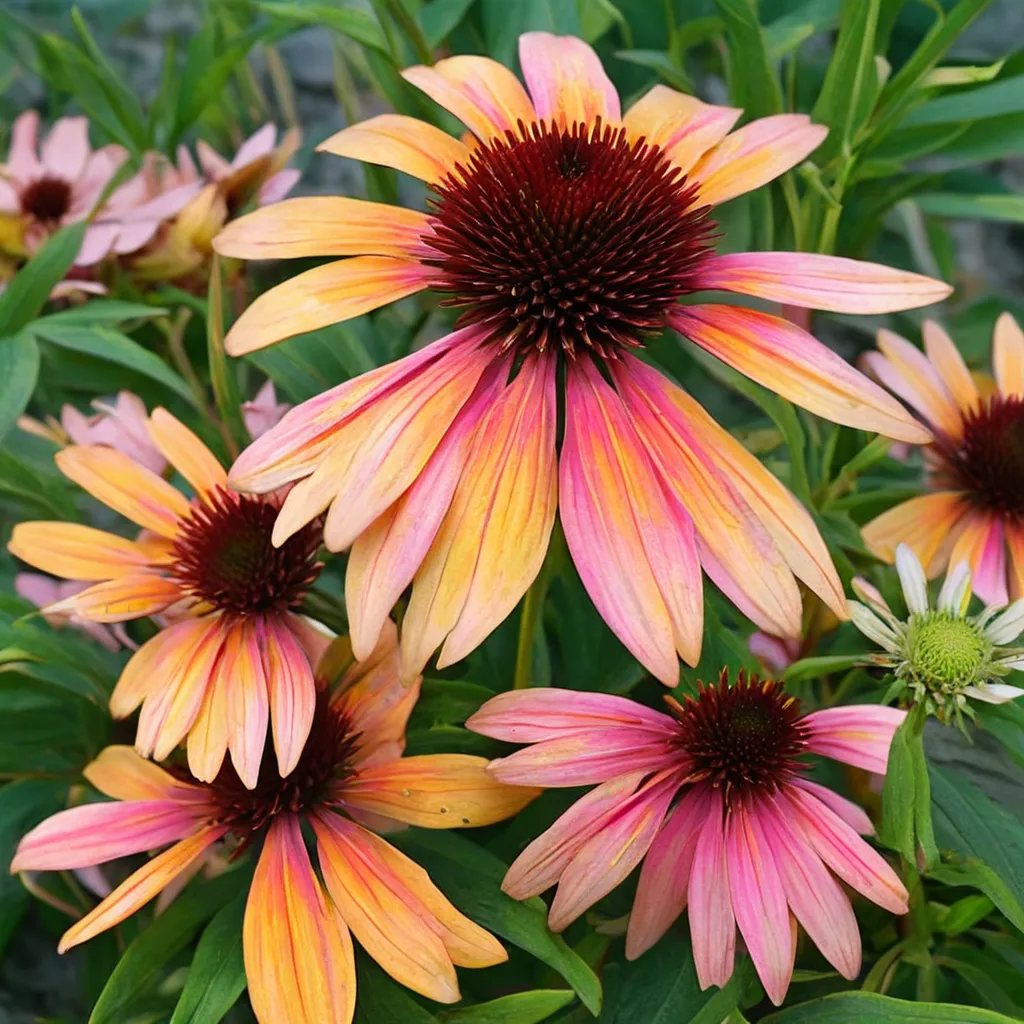
Purple Coneflower Rainbow
Echinacea purpurea 'Rainbow'
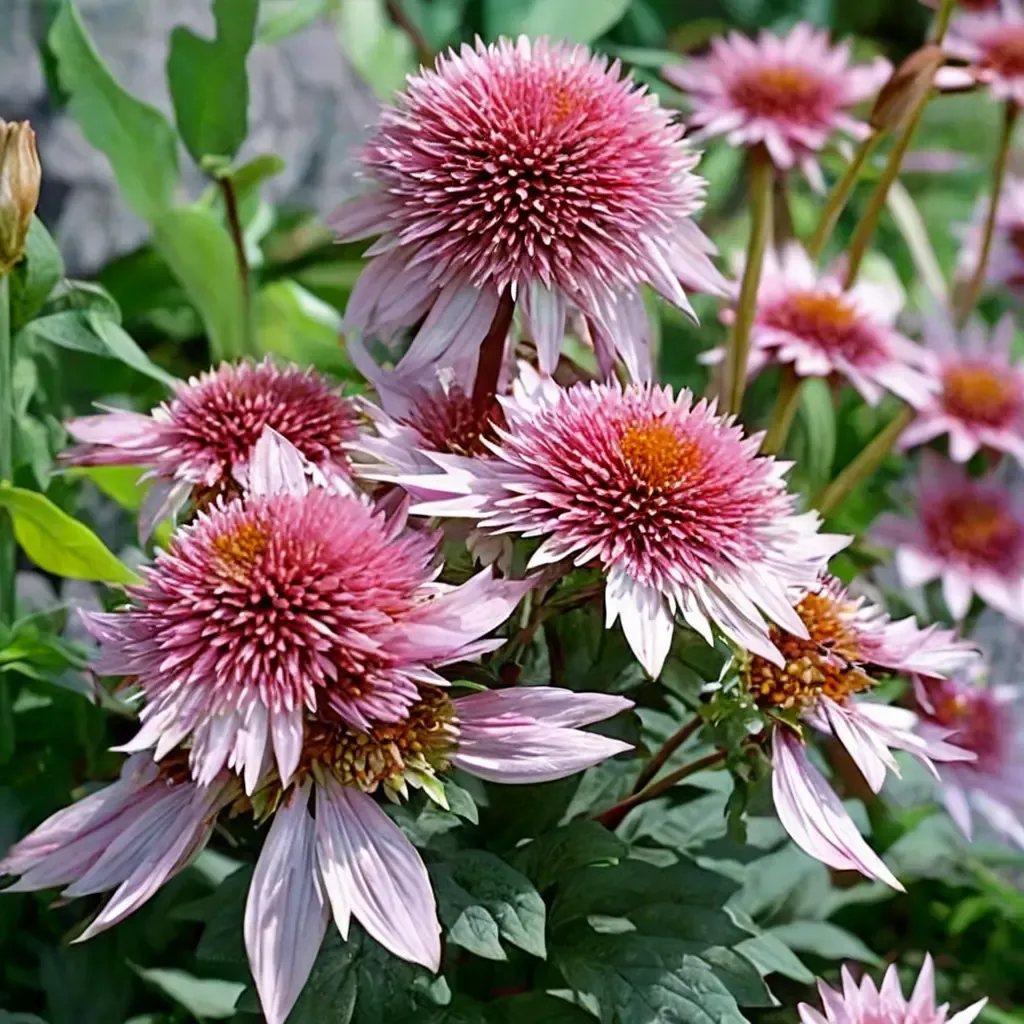
Butterfly Kisses Coneflower
Echinacea purpurea 'Butterfly Kisses'
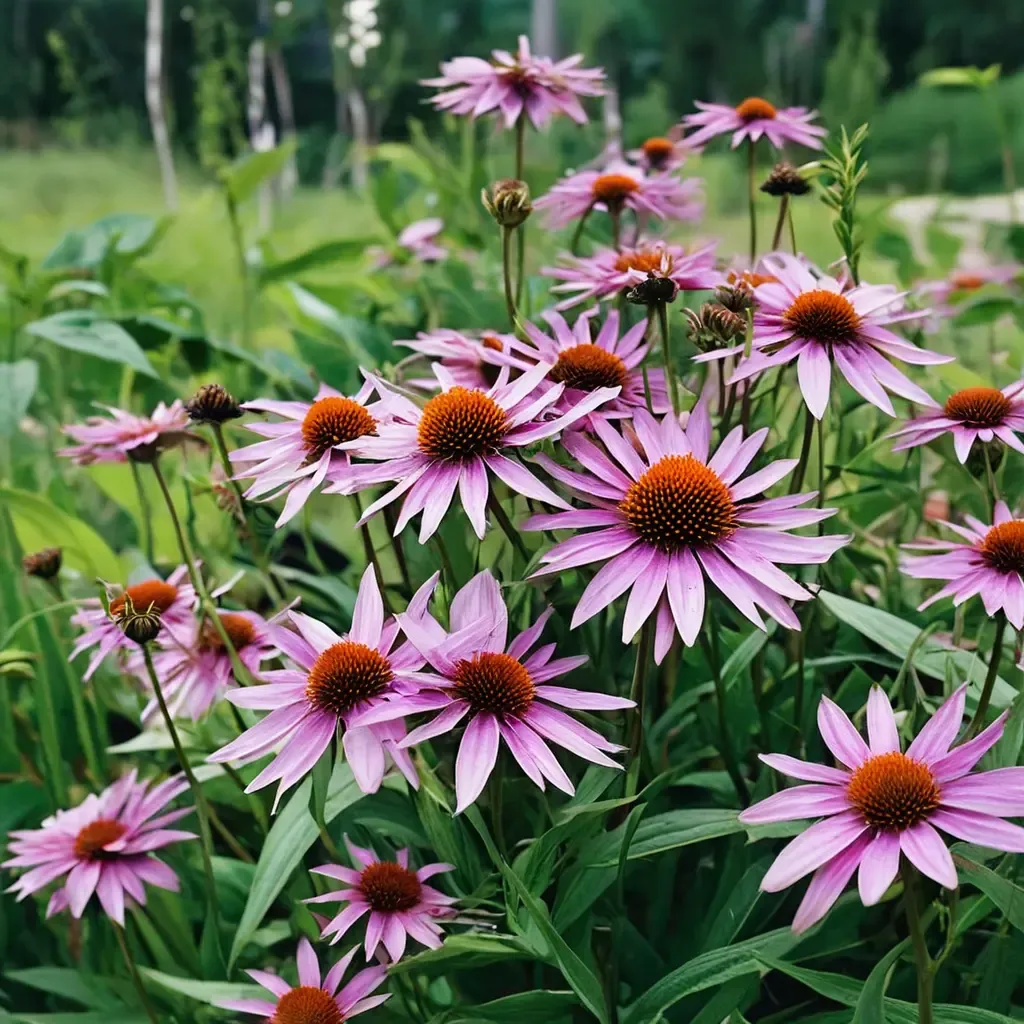
Purple Coneflower
Echinacea purpurea
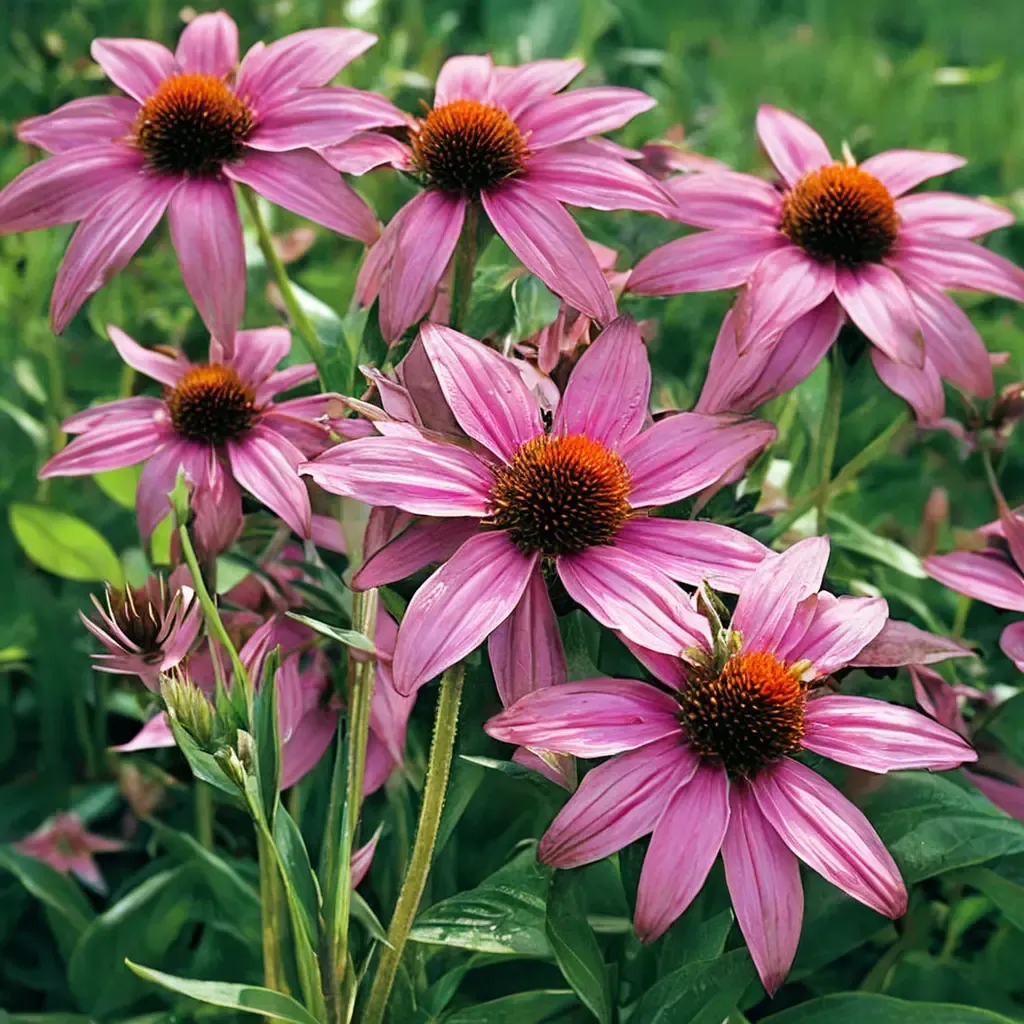
Primadonna Deep Rose Coneflower
Echinacea purpurea 'Primadonna Deep Rose'
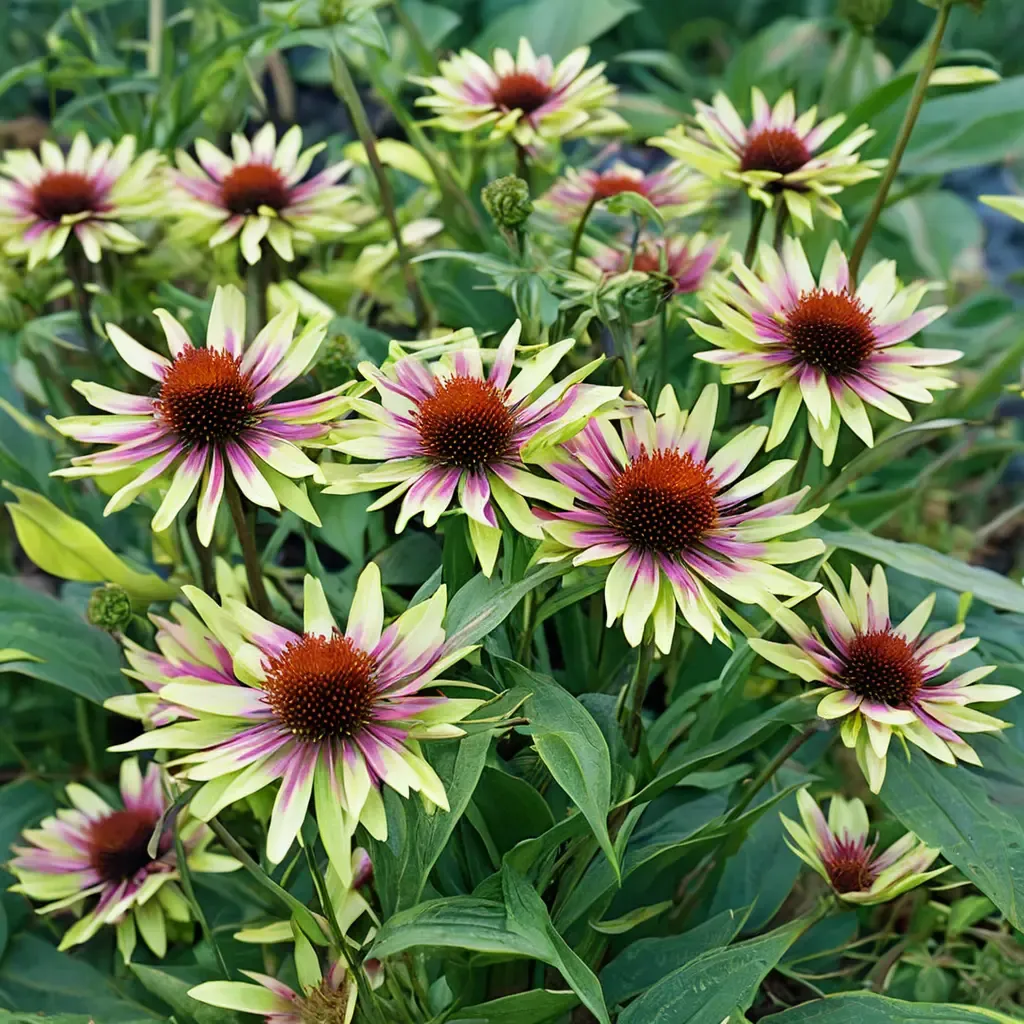
Green Twister Coneflower
Echinacea purpurea 'Green Twister'
Keep exploring
Explore the genus
Grow 'Rosada' Coneflower with confidence
See it in a design of your actual yard, get zone-matched care reminders, and track it season by season in your garden journal.