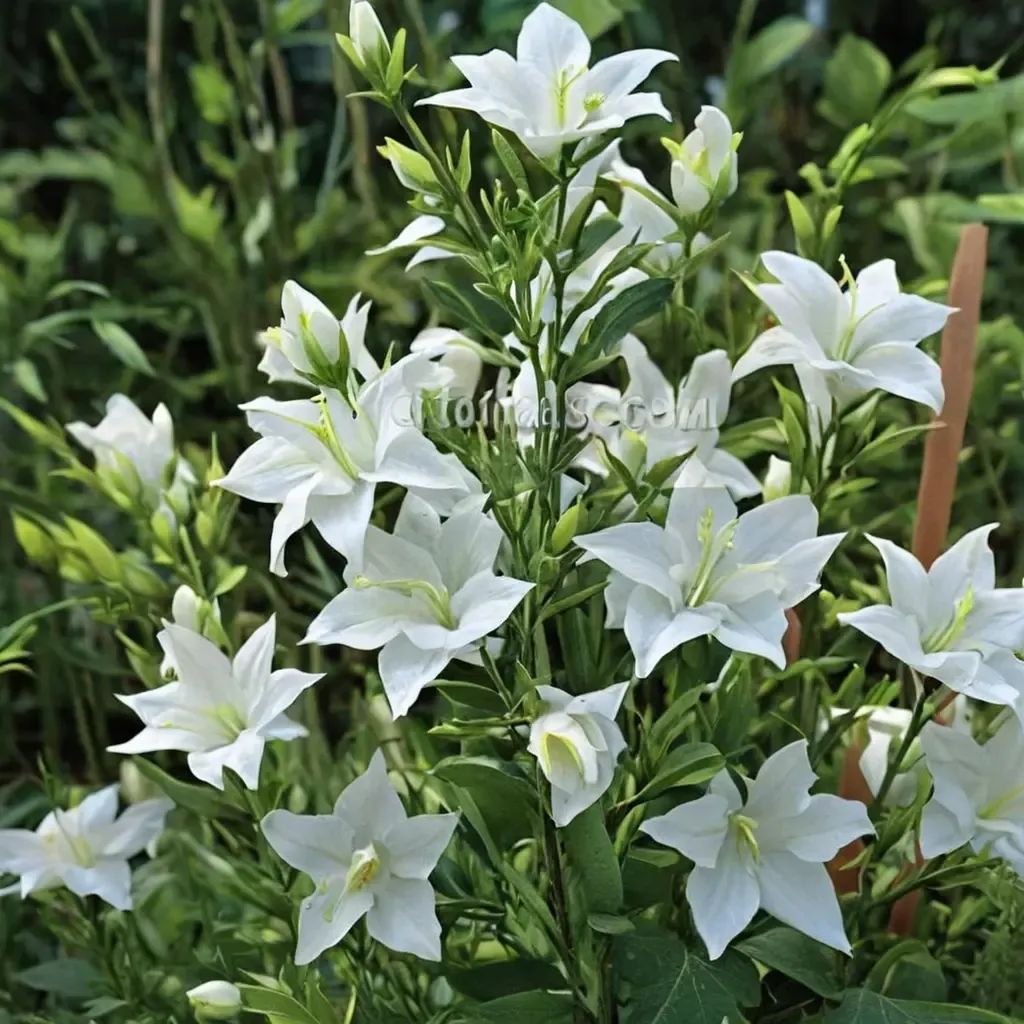
Peach-leaved Bellflower
Campanula alba
Not currently listed at our partner nurseries.
Essentials
At a Glance
Plant Type
Perennial
Height
30 inches
Width
18 inches
Light
Full Sun, Partial Sun
Zones
4, 5, 6, 7
Water
Medium
Humidity
Average
Lifespan
Short-lived Perennial
Native To
Europe and Temperate Asia
Toxicity
Non-toxic to humans and pets
The Story
Plant Bio
A clump-forming perennial with basal rosettes of narrow, lance-shaped leaves. Wiry, upright stems bear racemes of large, open, bell- or cup-shaped flowers. Features pure white, bell-shaped flowers on tall, slender stems, rising from a low rosette of peach-like leaves. Excellent as a cut flower and self-seeds readily in good conditions.
Uses & Benefits:
Marketplace
Where to Buy
We couldn't find this plant listed online right now.
Shipping costs Year-round shipping Free shipping
Planting
How to Grow
- Tuck seeds lightly into moist, well-drained soil in early spring.
- Mist cuttings regularly to maintain humidity and root in a bright, indirect light.
- Water consistently but avoid waterlogging to prevent root rot.
- Fertilize monthly with a balanced, water-soluble fertilizer during the growing season.
- Prune after flowering to maintain shape and encourage new growth.
- Divide clumps every 3–4 years in early spring for rejuvenation.
Pro Tip
Plant in full sun to partial shade for best flowering and foliage health.
Keep It Thriving
Care Guide
Do
- Water regularly to keep soil moist but not soggy 🌱
- Apply a layer of mulch to retain moisture and suppress weeds
- Prune dead or damaged stems to promote healthy growth
- Fertilize in spring with balanced nutrients
Don't
- Avoid overwatering to prevent root rot ❌
- Don’t let soil dry out completely between watering
- Refrain from cutting back in late fall to protect winter interest
- Don’t plant in overly shady areas where it may not bloom
Seasonal Care Calendar
| Task | Jan | Feb | Mar | Apr | May | Jun | Jul | Aug | Sep | Oct | Nov | Dec |
|---|---|---|---|---|---|---|---|---|---|---|---|---|
| Deadhead | ||||||||||||
| Divide | ||||||||||||
| Fertilize | ||||||||||||
| Prune | ||||||||||||
| Spring Cleanup |
Watch Out For
Pests & Diseases
Common Pests
Common Diseases
In the Garden
Landscape Uses & Companions
Landscape Uses
Companion Plants
Multiply
Propagation Methods
Good to Know
Common Questions
Peach-leaved Bellflower questions
What zones can Peach-leaved Bellflower grow in?
Peach-leaved Bellflower is hardy in USDA Zones 4–7. Inside that range it survives winter in the ground; outside it, grow it as an annual or a container plant you protect.
Is Peach-leaved Bellflower deer resistant?
Not reliably. Deer may browse Peach-leaved Bellflower, especially tender spring growth — plan on repellents or fencing where pressure is high.
When does Peach-leaved Bellflower bloom?
Peach-leaved Bellflower typically blooms in early to mid summer through mid-summer. Exact timing shifts a week or two with your zone — Sow's bloom calendar maps it to your garden.
Does Peach-leaved Bellflower need full sun?
Peach-leaved Bellflower does best in full sun to part shade. In hot climates, afternoon shade keeps blooms fresher longer.
More Campanula to compare
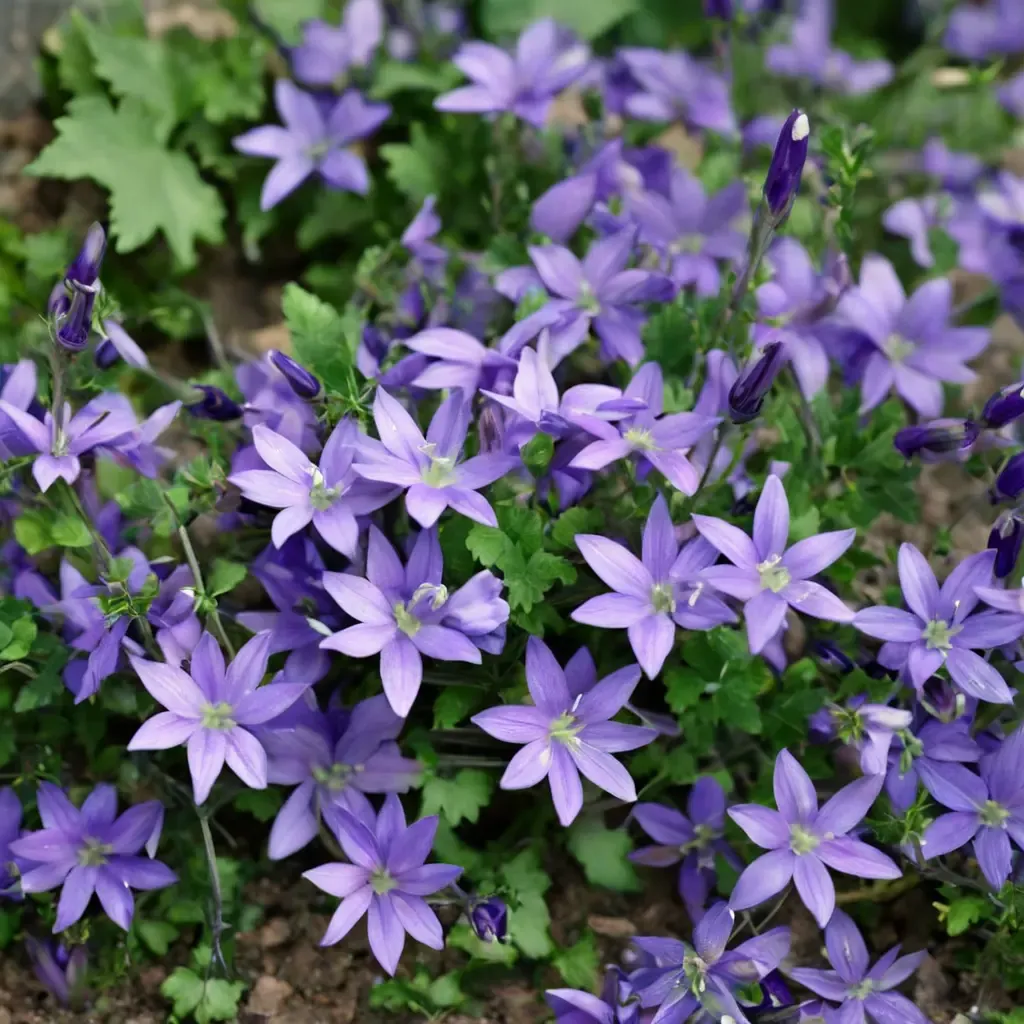
Birch Bellflower
Campanula x birchii 'Hybrids'
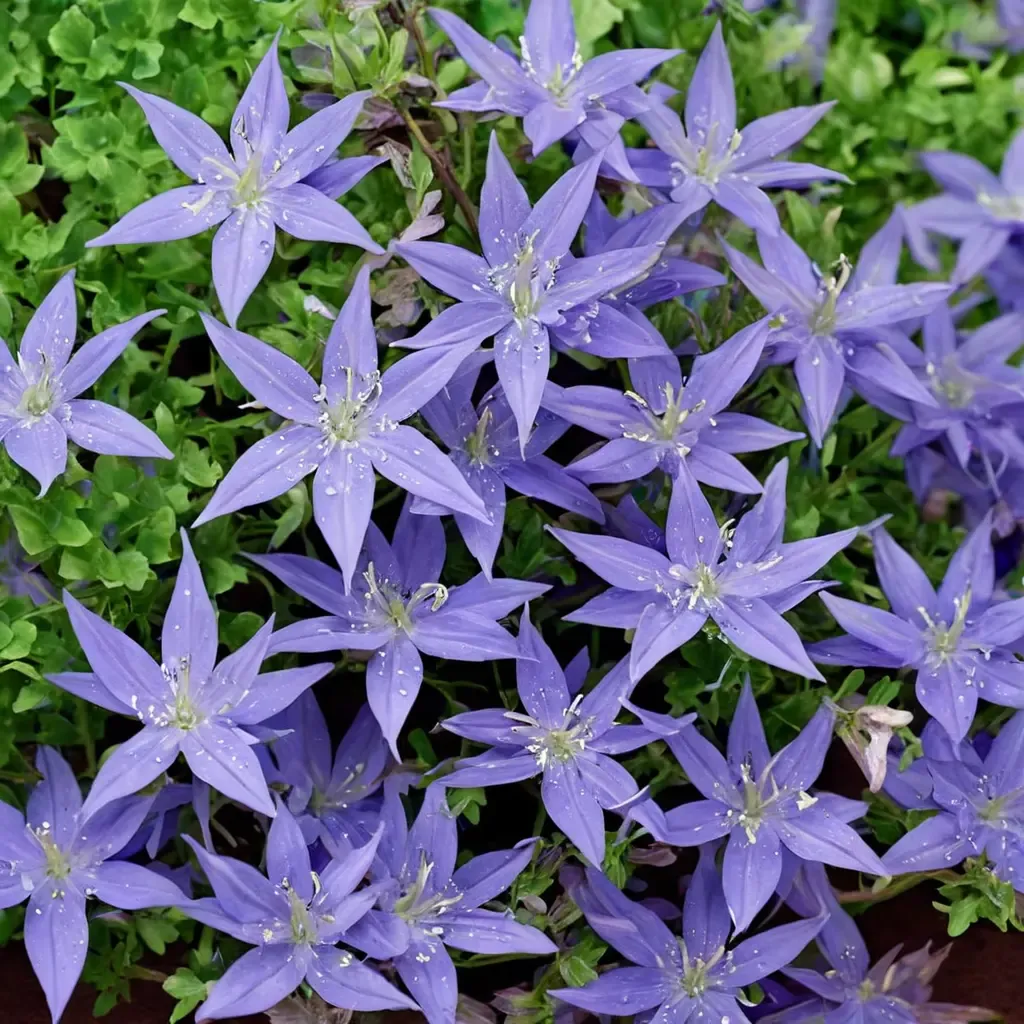
Blue Waterfall Bellflower
Campanula poscharskyana 'Blue Waterfall'
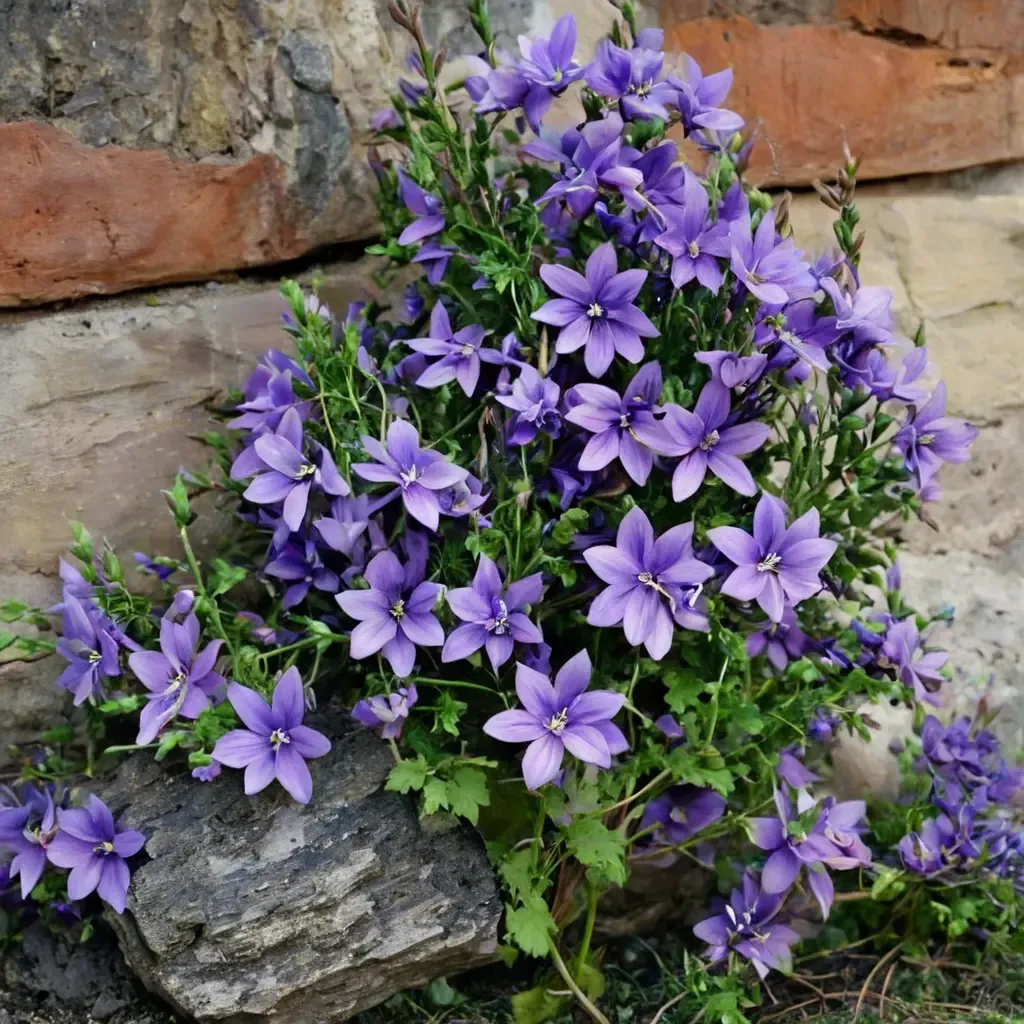
Dalmatian bellflower
Campanula portenschlagiana
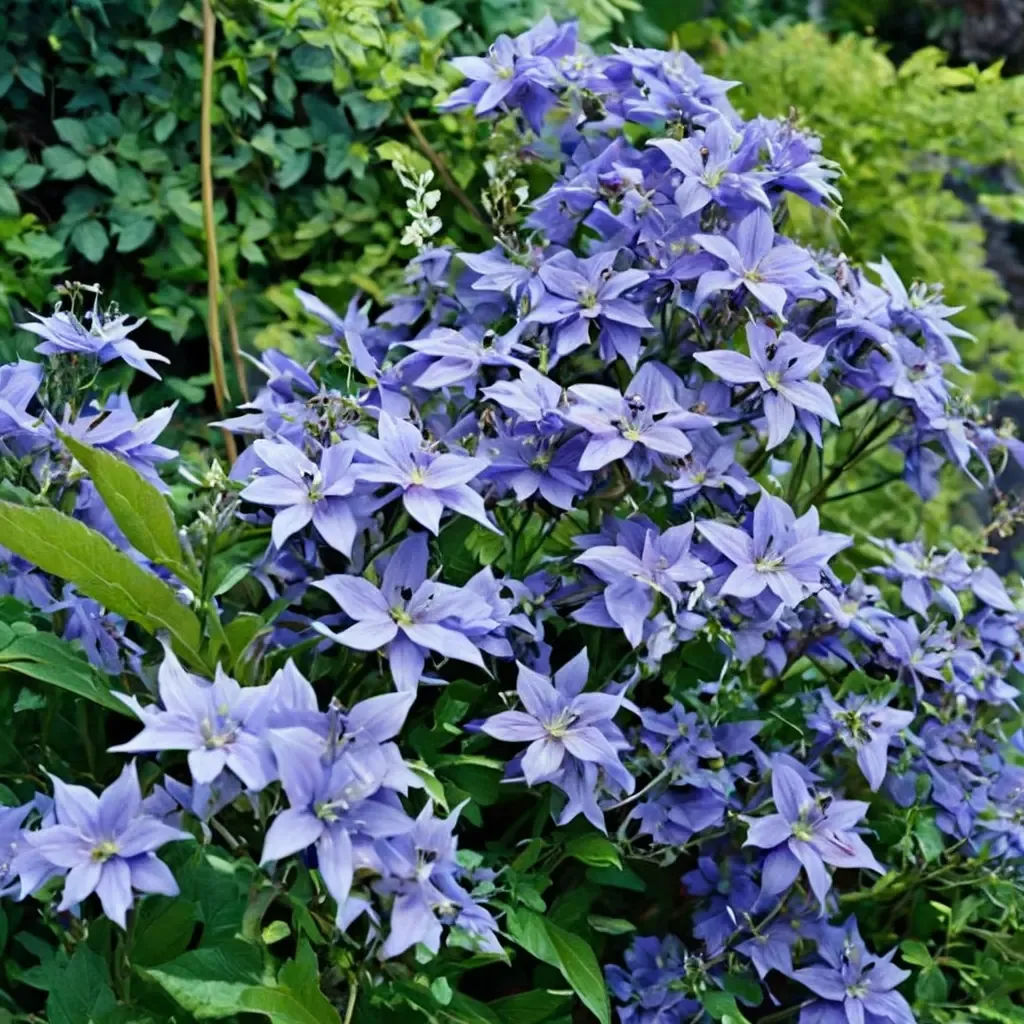
Prichard's Variety Milky Bellflower
Campanula lactiflora 'Prichard's Variety'
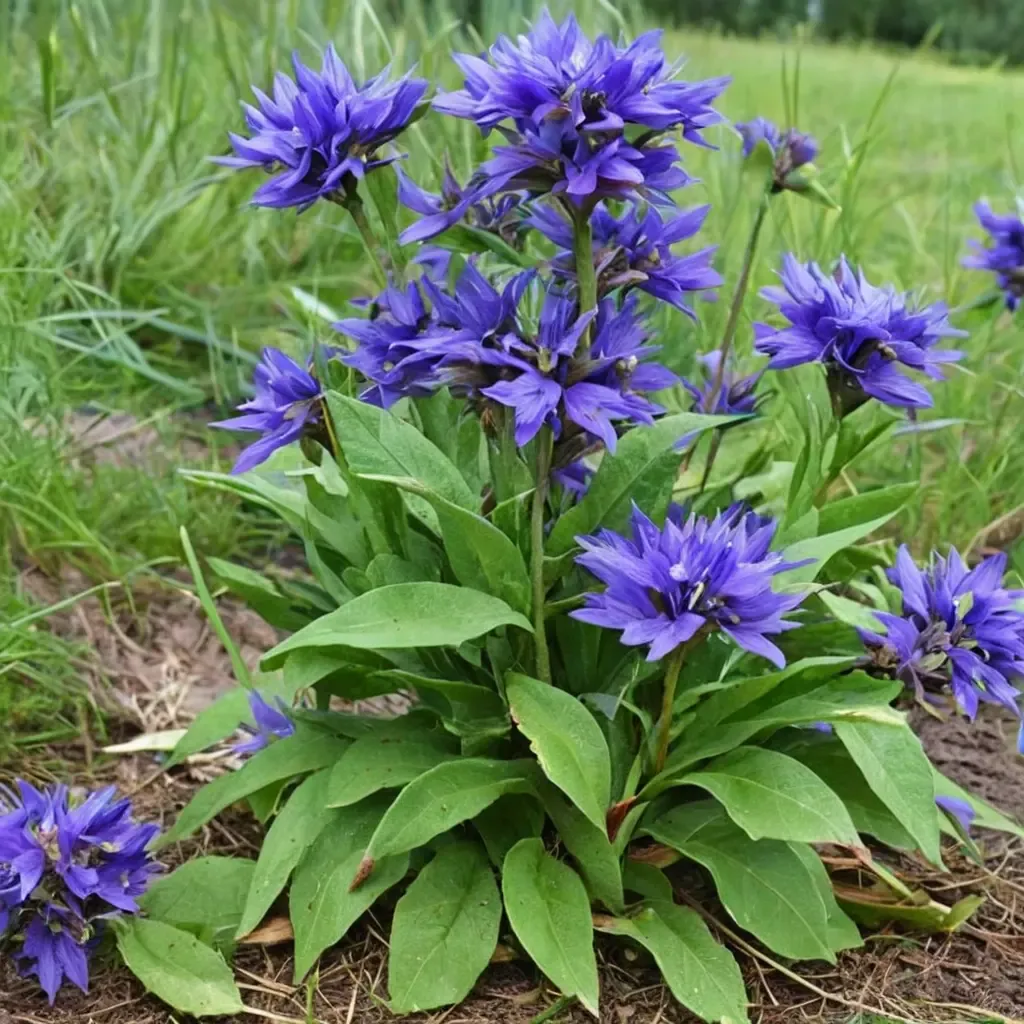
Clustered Bellflower
Campanula glomerata
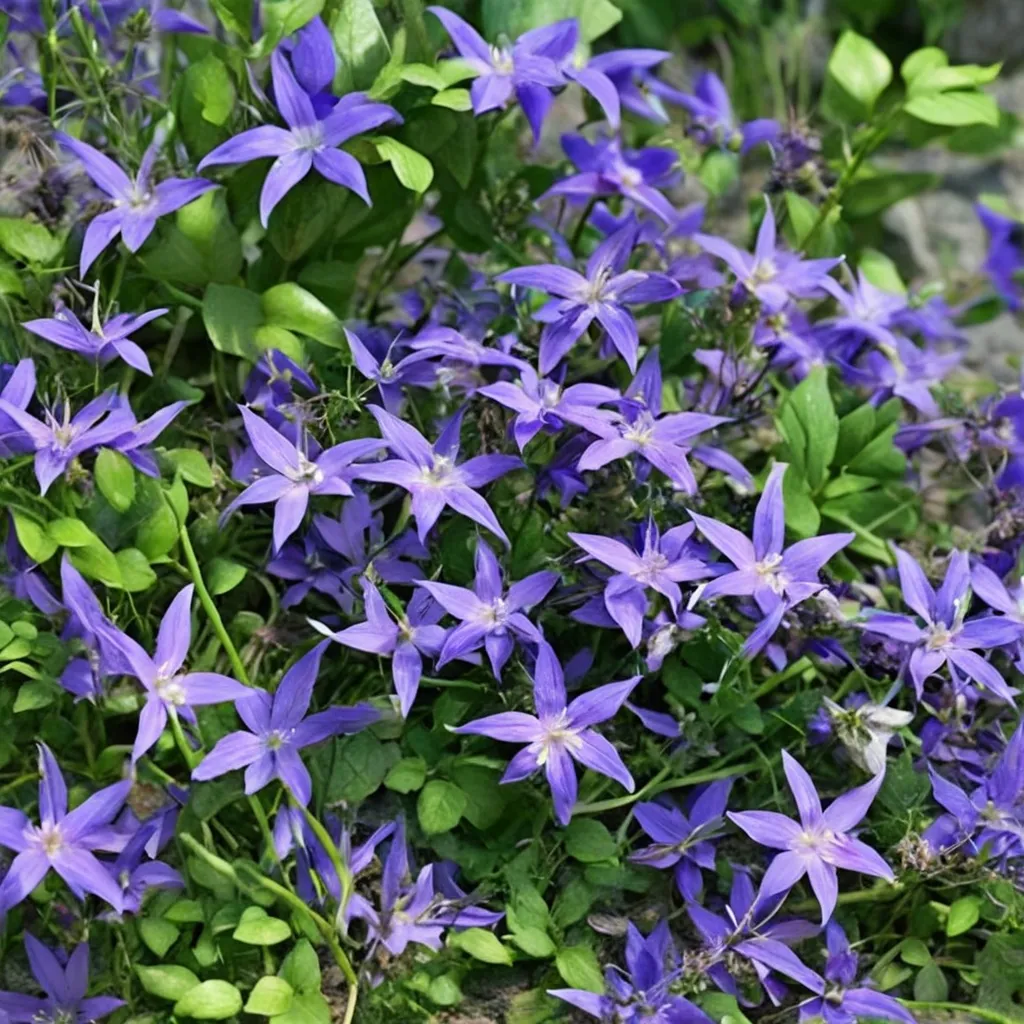
Serrated Bellflower
Campanula poscharskyana 'Stella'
Keep exploring
Explore the genus
Collections featuring this plant
Hardy in your zone?
Grow Peach-leaved Bellflower with confidence
See it in a design of your actual yard, get zone-matched care reminders, and track it season by season in your garden journal.