The Story
Plant Bio
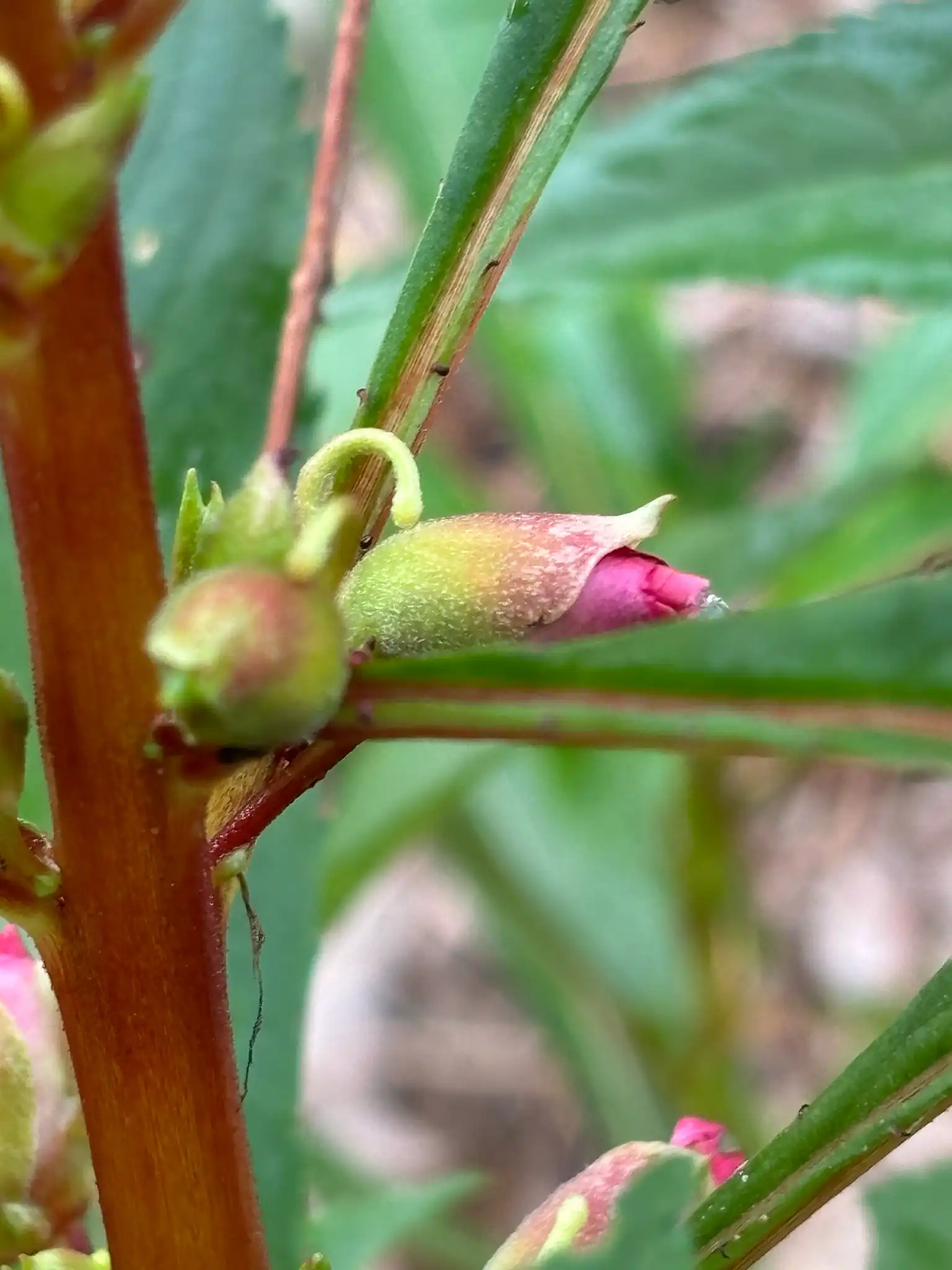
Impatiens balsamina, the garden balsam, is an erect, tender annual herb reaching six to thirty inches in height, characterized by succulent stems and lanceolate, deeply serrated light green leaves. The species produces cup-shaped, spurred flowers in shades of pink, red, purple, and white, which bloom tucked individually or in small clusters within the leaf axils from summer until the first frost.
Unlike modern bedding impatiens that display flat, fully exposed flowers, this species carries its camellia-like double blooms beneath a distinct canopy of pointed foliage. The mature seed pods exhibit explosive dehiscence, bursting open at the slightest touch to fling seeds several feet away.
Uses & Benefits:
Essentials
At a Glance
Plant Type
Annual
Height
30"
Width
18"
Light
Full Sun, Partial Sun
Zones
4, 5, 6, 7, 8, 9, 10
Water
Medium
Humidity
Moderate to high
Lifespan
Annual
Native To
South and Southeast Asia
Toxicity
Low-severity toxicity (calcium oxalate)
Bloom period
Summer – Autumn
In flower about 6 months of the year
Planting
How to Grow
- Sow seeds indoors six to eight weeks before the last expected frost, or direct-sow outdoors once soil temperatures warm in late spring.
- Select a planting site with organically rich, well-draining soil that receives full sun to partial shade, ideally with afternoon shade in hot climates.
- Space plants eight to twelve inches apart to ensure adequate air circulation and reduce the risk of fungal leaf diseases.
- Water regularly to keep the soil consistently moist, applying mulch around the base to retain moisture without waterlogging the roots.
Pro Tip
Pinch out the growing tips of young plants when they reach four inches tall to force lateral branching, preventing the naturally erect stems from becoming leggy and sparse.
Keep It Thriving
Care Guide
Do
- Keep soil evenly moist, as dry soil triggers rapid wilting and reduces flower production.
- Pinch back young shoots early in the season to encourage a bushier, more floriferous habit.
- Apply a balanced, slow-release fertilizer or compost in spring to support steady growth.
Don't
- Do not over-fertilize with high-nitrogen formulas, which stimulate excessive foliage at the expense of flowers.
- Do not allow the soil to become waterlogged, as succulent stems are highly prone to rot.
- Do not water overhead; wet foliage combined with poor airflow invites powdery mildew.
Seasonal Care Calendar
| Task | Jan | Feb | Mar | Apr | May | Jun | Jul | Aug | Sep | Oct | Nov | Dec |
|---|---|---|---|---|---|---|---|---|---|---|---|---|
| Deadhead | ||||||||||||
| Fertilize | ||||||||||||
| Pest Check | ||||||||||||
| Pinch | ||||||||||||
| Propagate |
Watch Out For
Pests & Diseases
Common Pests
Common Diseases
In the Garden
Landscape Uses & Companions
Landscape Uses
Companion Plants
Multiply
Propagation Methods
Good to Know
Common Questions
Garden Balsam questions
What zones can Garden Balsam grow in?
Garden Balsam is hardy in USDA Zones 4–10. Inside that range it survives winter in the ground; outside it, grow it as an annual or a container plant you protect.
When does Garden Balsam bloom?
Garden Balsam typically blooms in summer through autumn. Exact timing shifts a week or two with your zone — Sow's bloom calendar maps it to your garden.
Does Garden Balsam need full sun?
Garden Balsam does best in full sun to part shade. In hot climates, afternoon shade keeps blooms fresher longer.
More Impatiens to compare
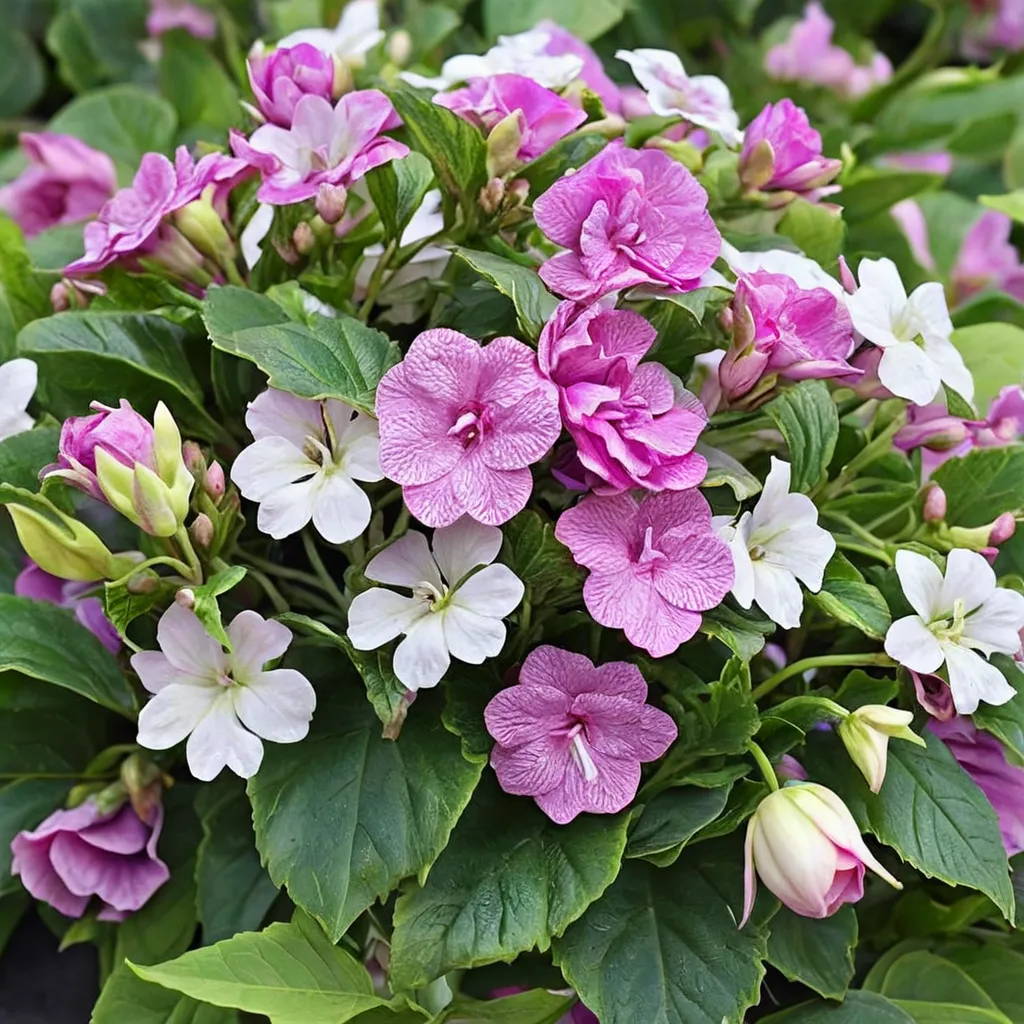
Rockapulco Wisteria Impatiens
Impatiens walleriana 'Rockapulco Wisteria'
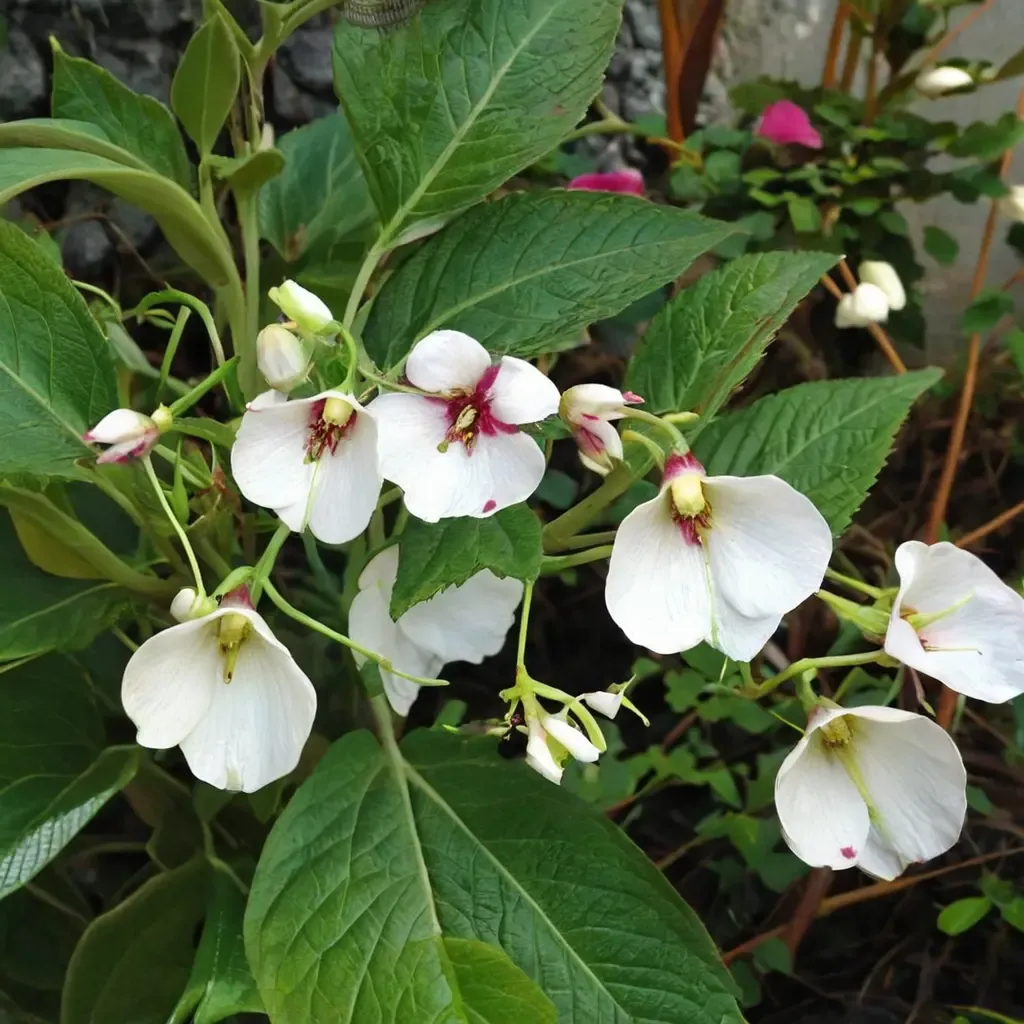
Dyemaker's Balsam
Impatiens tinctoria
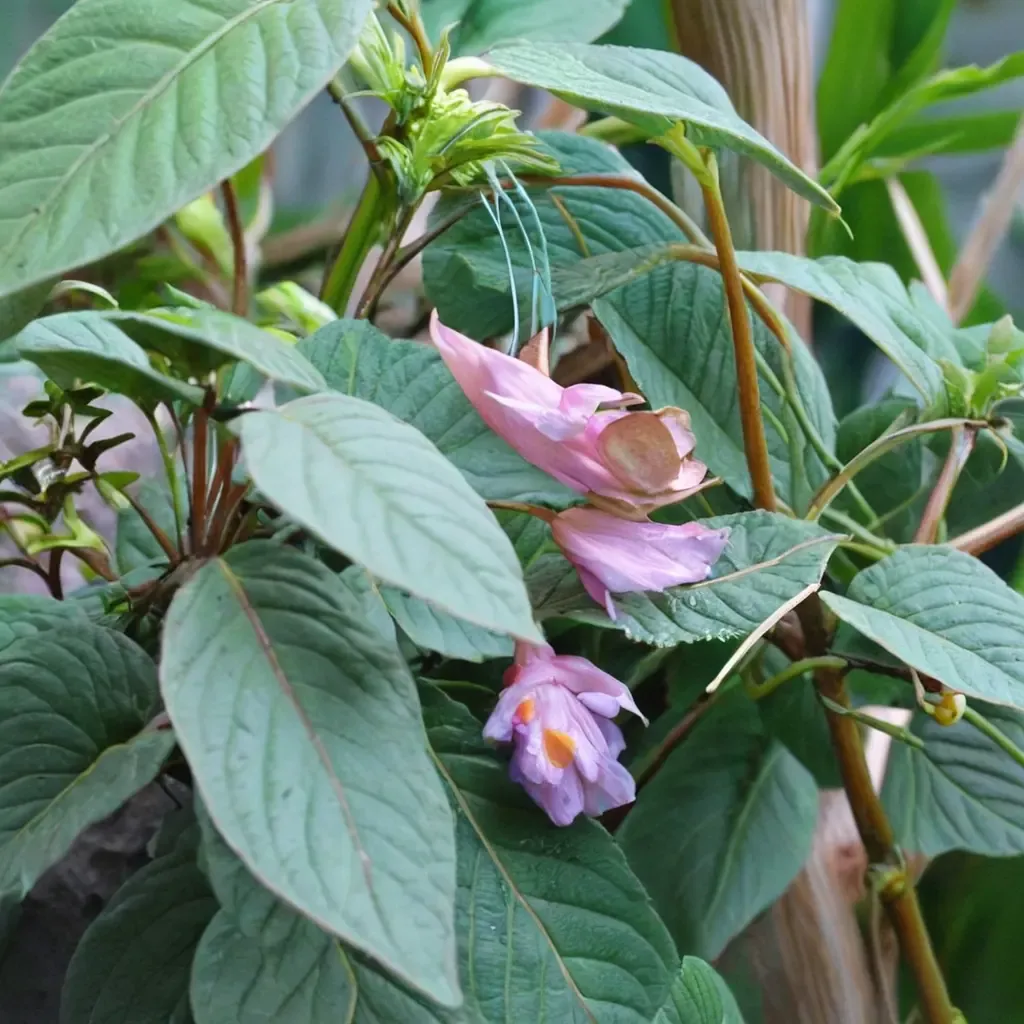
Blue Diamond Impatiens
Impatiens arguta
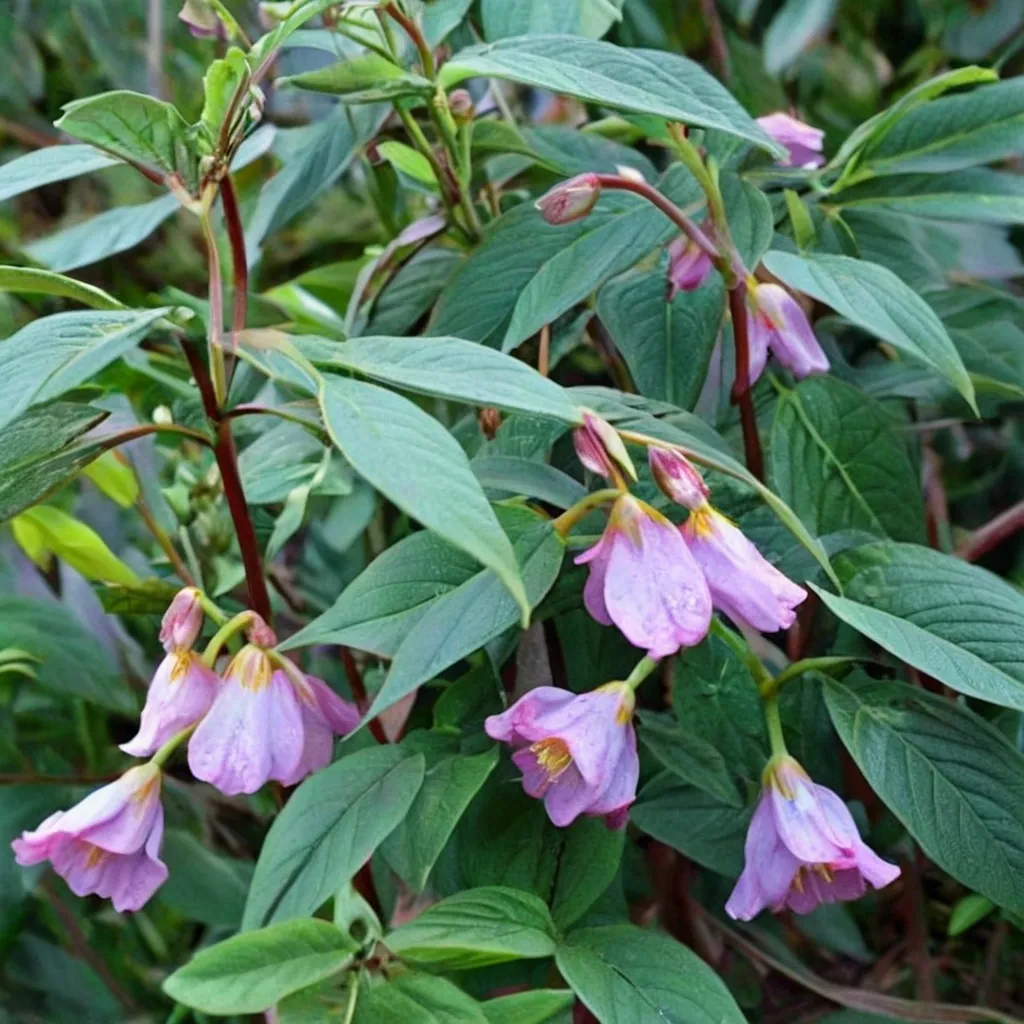
Impatiens Blue Dream
Impatiens arguta 'Blue Dream'
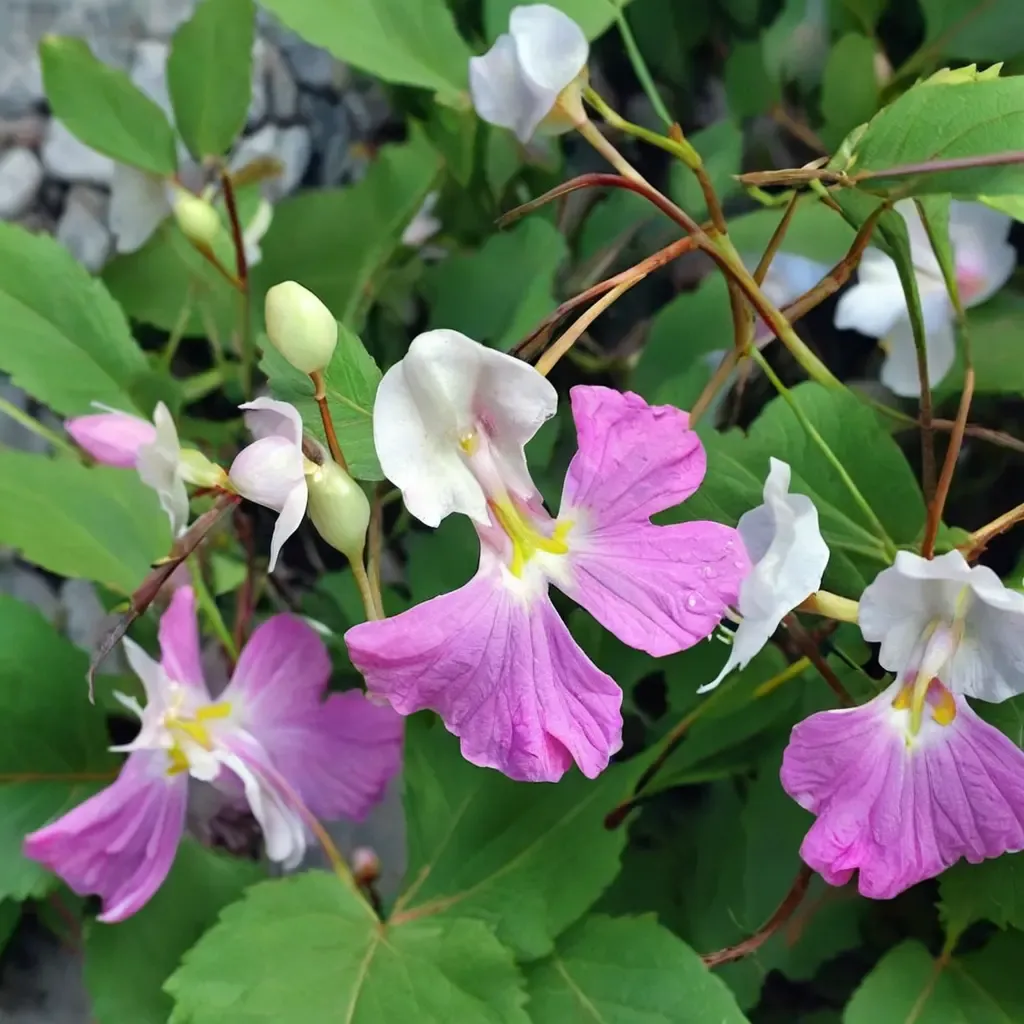
Poor Man's Orchid
Impatiens balfourii 'Poor Man's Orchid'
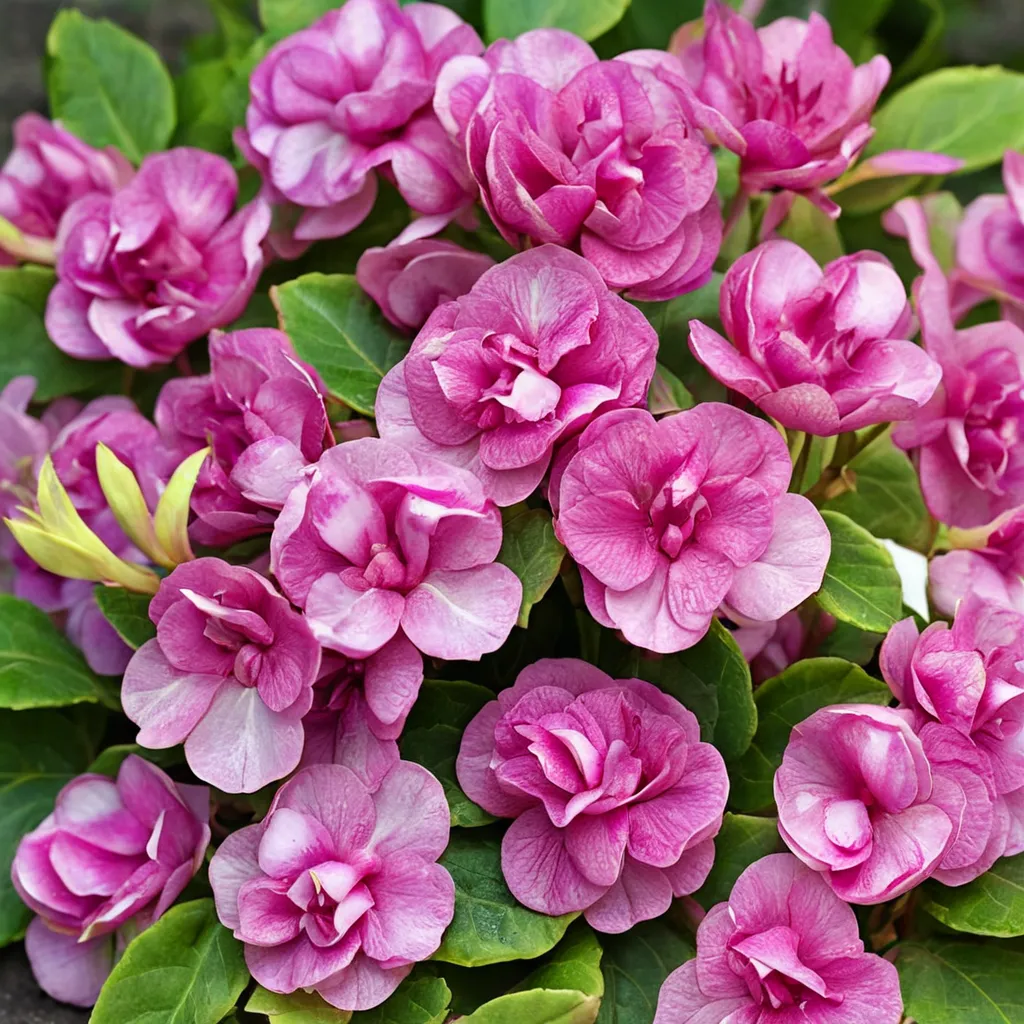
Rockapulco Purple Impatiens
Impatiens walleriana 'Rockapulco Purple'
Keep exploring
Explore the genus
Grow Garden Balsam with confidence
See it in a design of your actual yard, get zone-matched care reminders, and track it season by season in your garden journal.