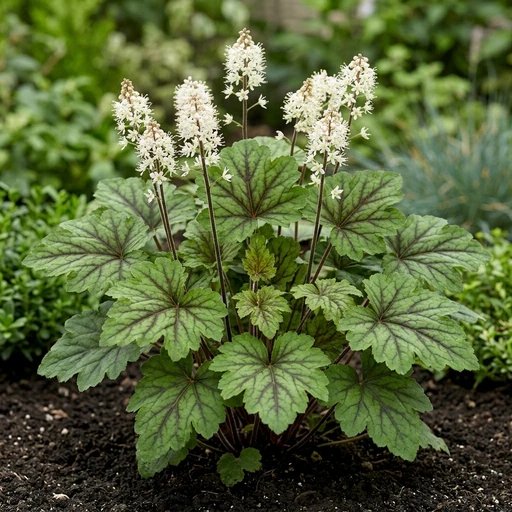
Garden hybrid
This is a garden hybrid, bred from more than one wild species, so it has no single species page of its own.
5 other cultivars

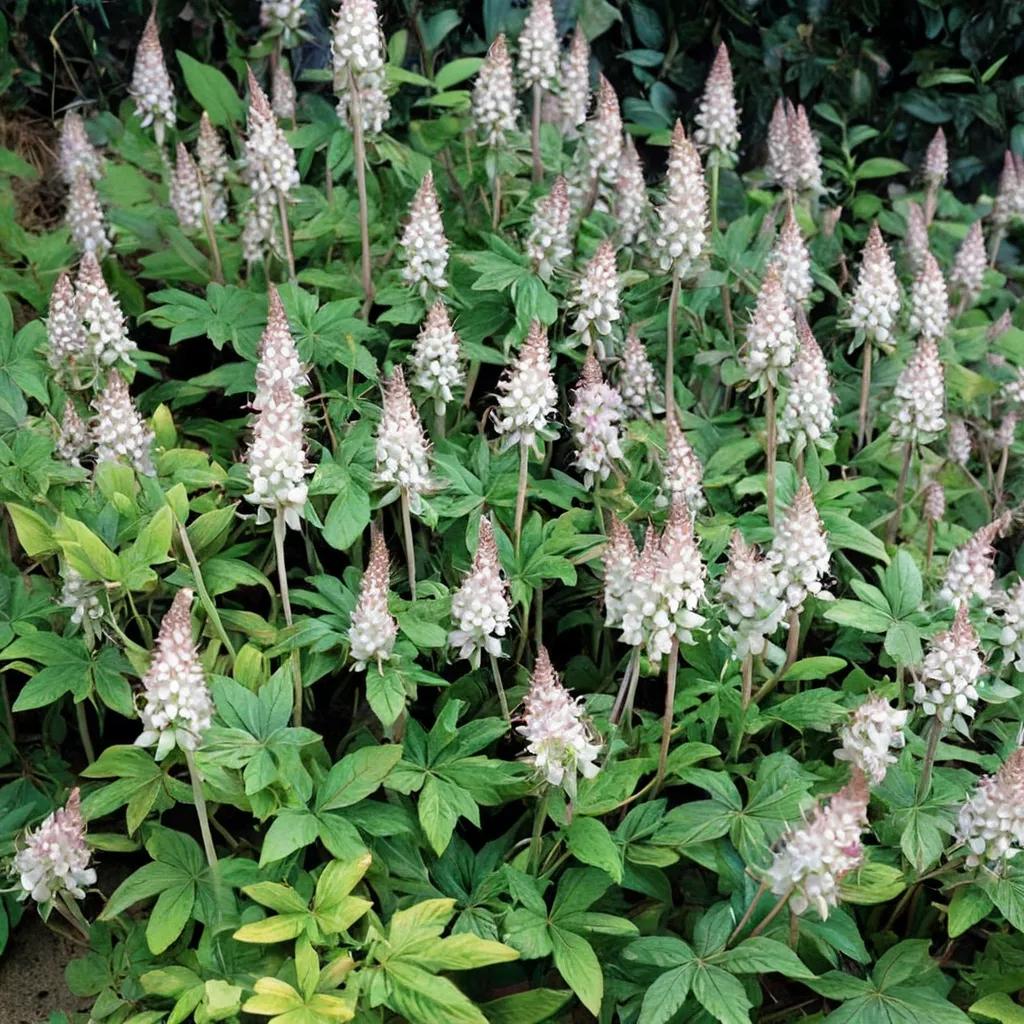


The Story
Plant Bio
Tiarella, or foamflower, are shade-loving, clumping or spreading perennials native to North American woodlands. They are cherished for their airy flower spikes and attractive, often patterned, foliage.
'Brandywine' is a vigorous, clump-forming cultivar with deeply lobed, bright green leaves marked with distinctive dark burgundy centers. It produces a profusion of fragrant, creamy-white flower spikes.
Uses & Benefits:
Bred from more than one wild species, so it has no species page of its own.
Essentials
At a Glance
Plant Type
Perennial
Height
12"
Width
18"
Light
Partial Sun, Shade
Zones
4, 5, 6, 7, 8, 9
Water
Medium to high
Humidity
High
Lifespan
Long-lived perennial
Native To
Eastern North America (parent species)
Toxicity
Non-toxic
Bloom period
Mid-spring – Late spring
In flower about 2 months of the year
Planting
How to Grow
- Select a shady location with organically rich, well-drained soil.
- Amend the planting area with compost or leaf mold.
- Dig a hole slightly larger than the plant's root ball.
- Set the plant in the hole so the crown is at soil level.
- Fill in around the plant and gently firm the soil.
- Water thoroughly and apply a layer of mulch.
Pro Tip
Maintain consistent moisture to prevent leaf scorch and ensure lush foliage, especially in warmer climates.
Keep It Thriving
Care Guide
Do
- Keep the soil consistently moist but not waterlogged.
- Plant in a location protected from hot afternoon sun.
- Mulch with organic matter to conserve moisture and feed the soil.
- Divide when the center of the clump becomes sparse or woody.
Don't
- Do not allow the soil to dry out completely.
- Avoid planting in heavy, poorly drained clay soil.
- Don't expose the plant to intense, direct sunlight.
- Refrain from using heavy chemical fertilizers; compost is preferred.
Seasonal Care Calendar
| Task | Jan | Feb | Mar | Apr | May | Jun | Jul | Aug | Sep | Oct | Nov | Dec |
|---|---|---|---|---|---|---|---|---|---|---|---|---|
| Deadhead | ||||||||||||
| Divide | ||||||||||||
| Mulch | ||||||||||||
| Plant |
Watch Out For
Pests & Diseases
Common Pests
Common Diseases
In the Garden
Landscape Uses & Companions
Landscape Uses
Companion Plants
Multiply
Propagation Methods
Good to Know
Common Questions
Brandywine Foamflower questions
What zones can Brandywine Foamflower grow in?
Brandywine Foamflower is hardy in USDA Zones 4–9. Inside that range it survives winter in the ground; outside it, grow it as an annual or a container plant you protect.
Is Brandywine Foamflower deer resistant?
Yes — Brandywine Foamflower is rated deer-resistant. Deer typically pass it over, though extreme hunger can override any plant's defenses.
When does Brandywine Foamflower bloom?
Brandywine Foamflower typically blooms in mid-spring through late spring. Exact timing shifts a week or two with your zone — Sow's bloom calendar maps it to your garden.
Does Brandywine Foamflower need full sun?
Brandywine Foamflower does best in part shade.
More Tiarella to compare
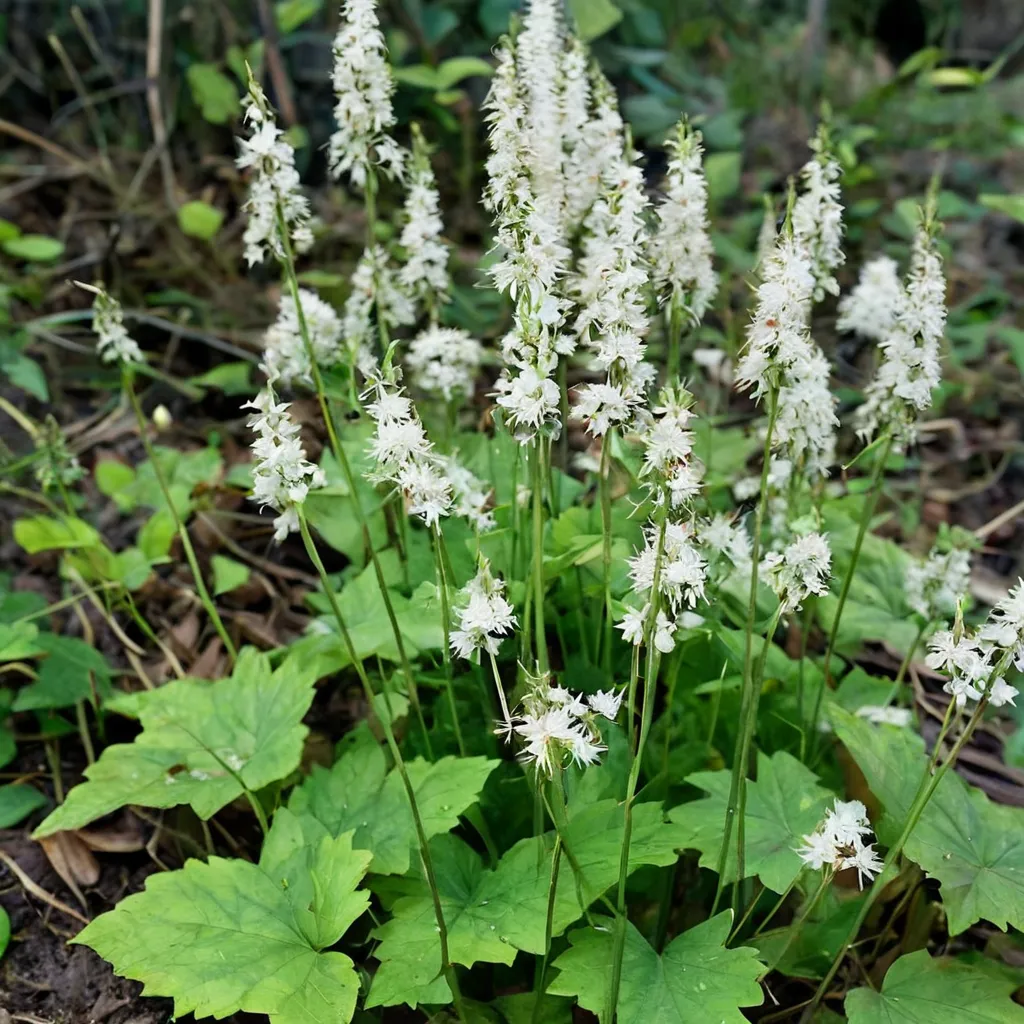
Foamflower
Tiarella cordifolia
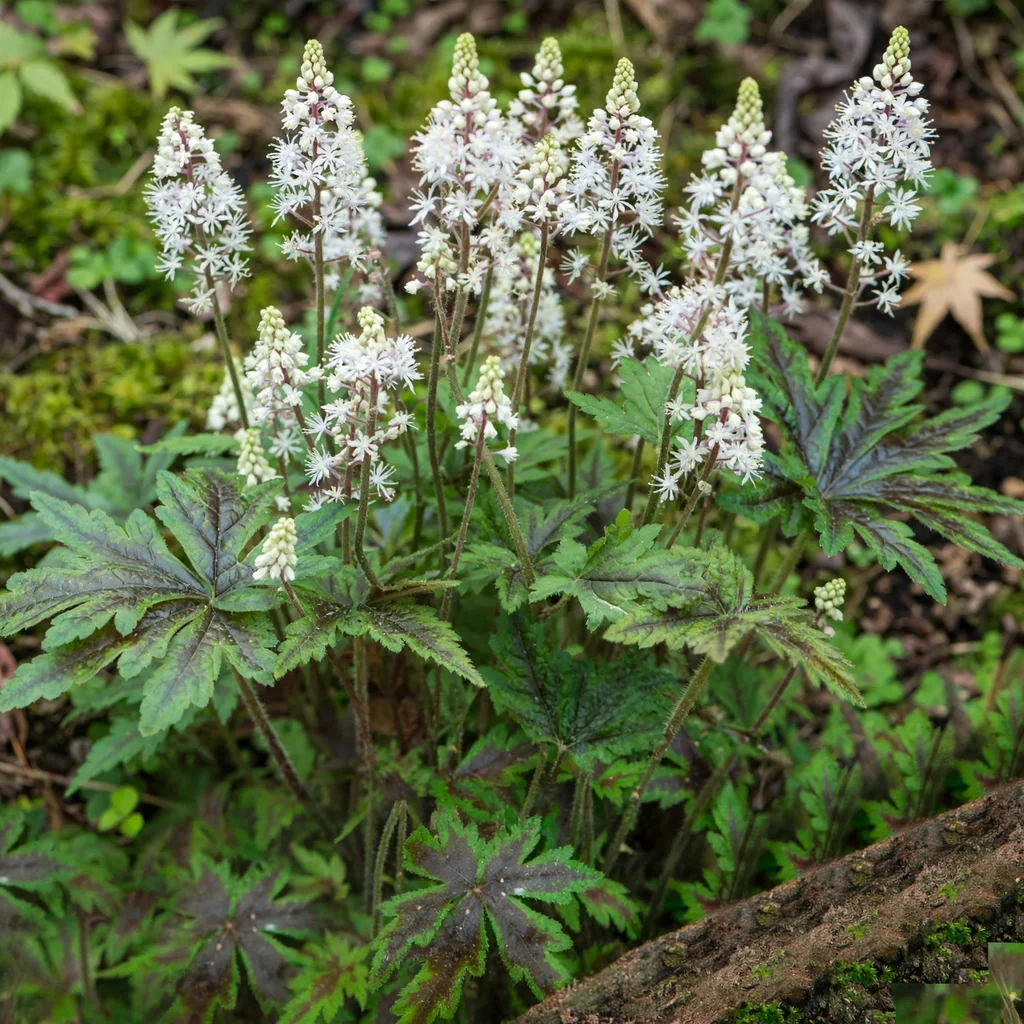
Angel Wings Foamflower
Tiarella cordifolia 'Angel Wings'
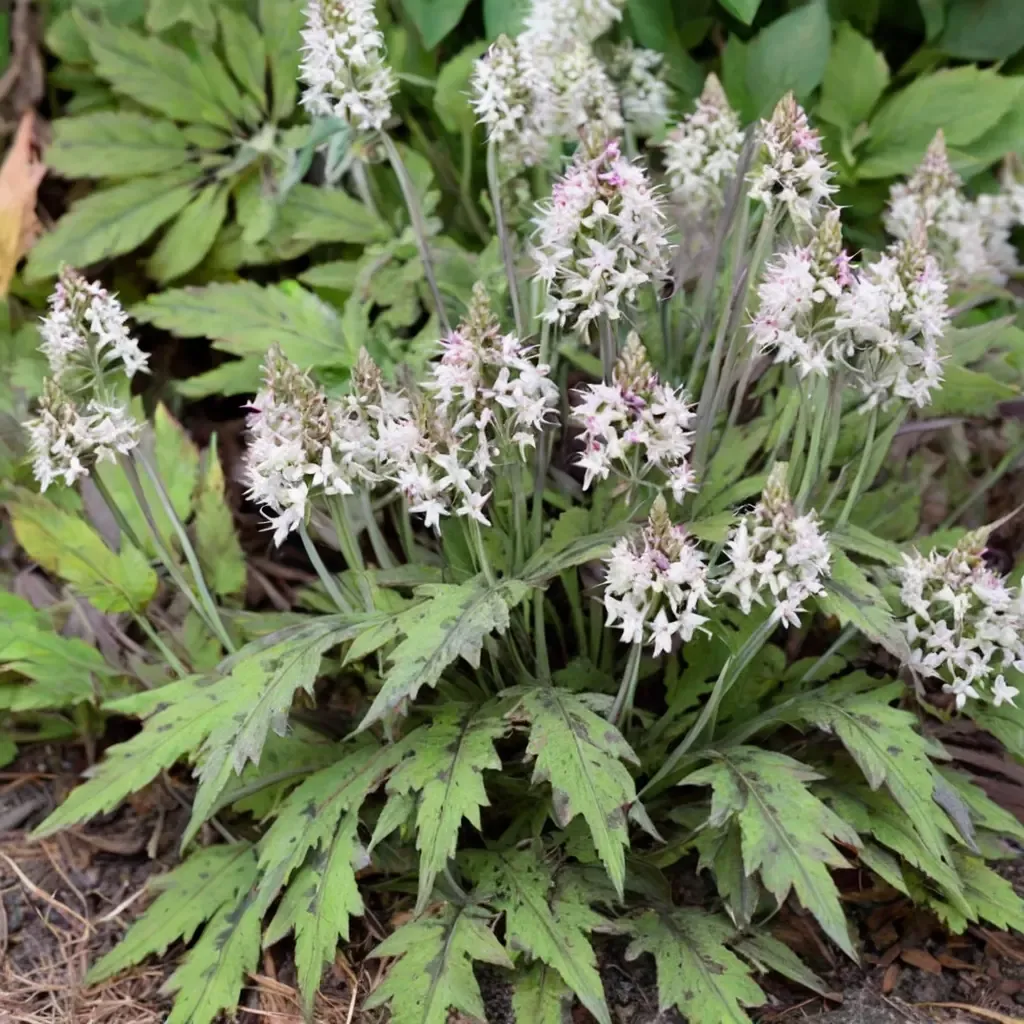
Cutting Edge Foamflower
Tiarella cordifolia 'Cutting Edge'
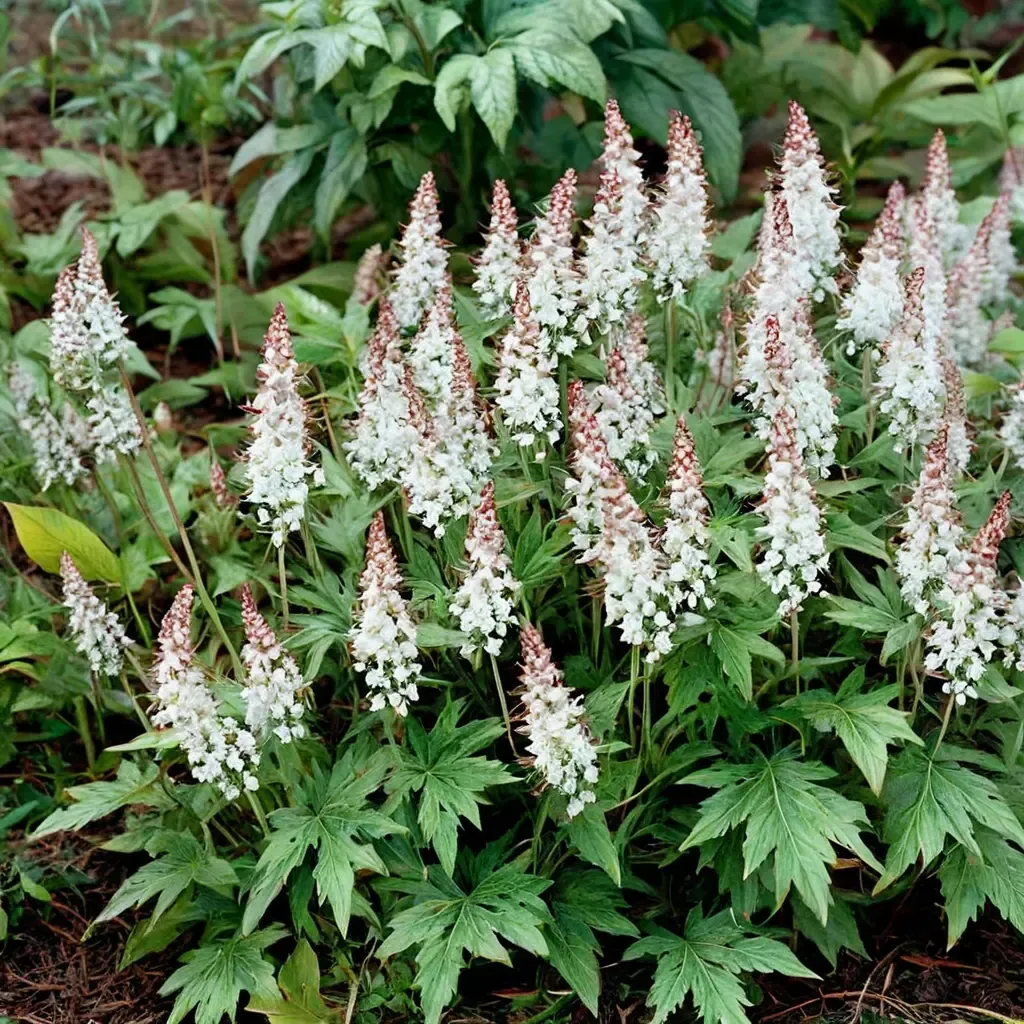
Sugar and Spice Foamflower
Tiarella wherryi 'Sugar And Spice'
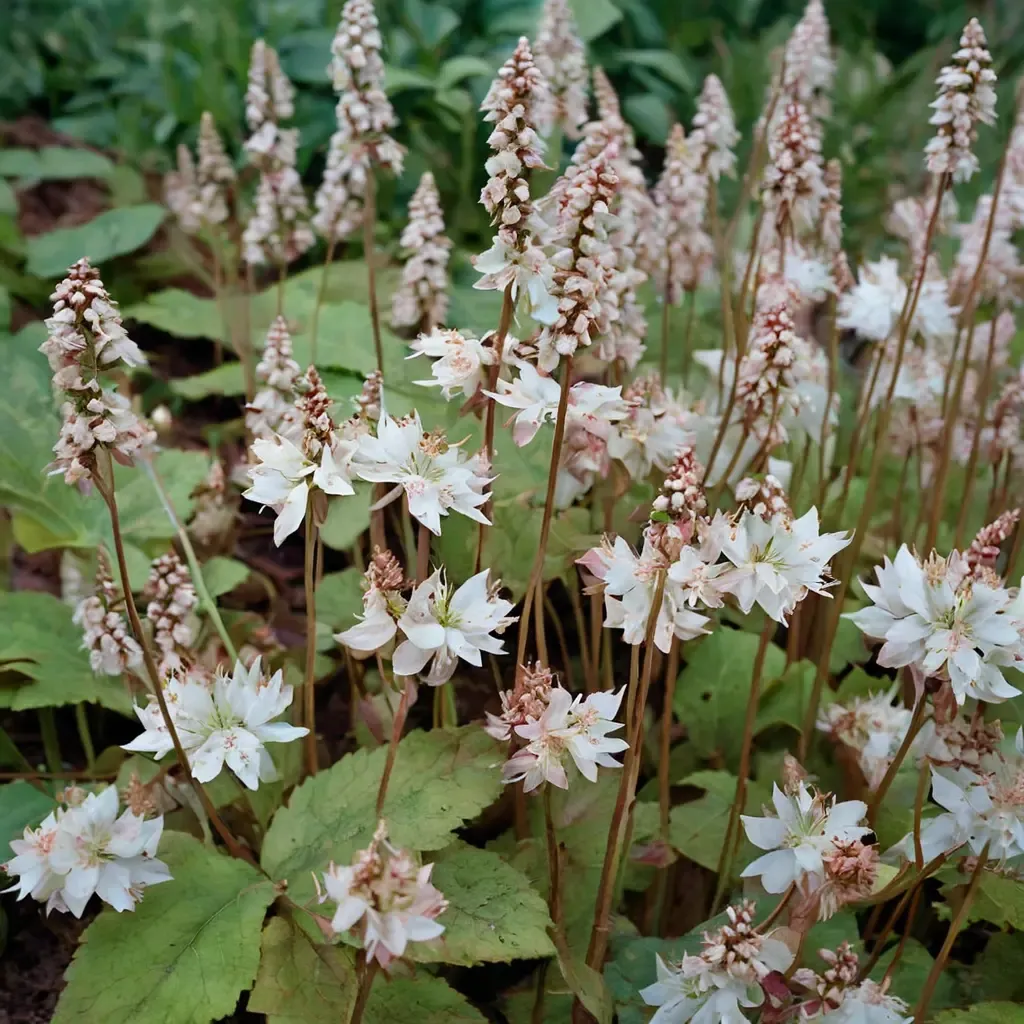
Copper King Foamflower
Tiarella wherryi 'Copper King'
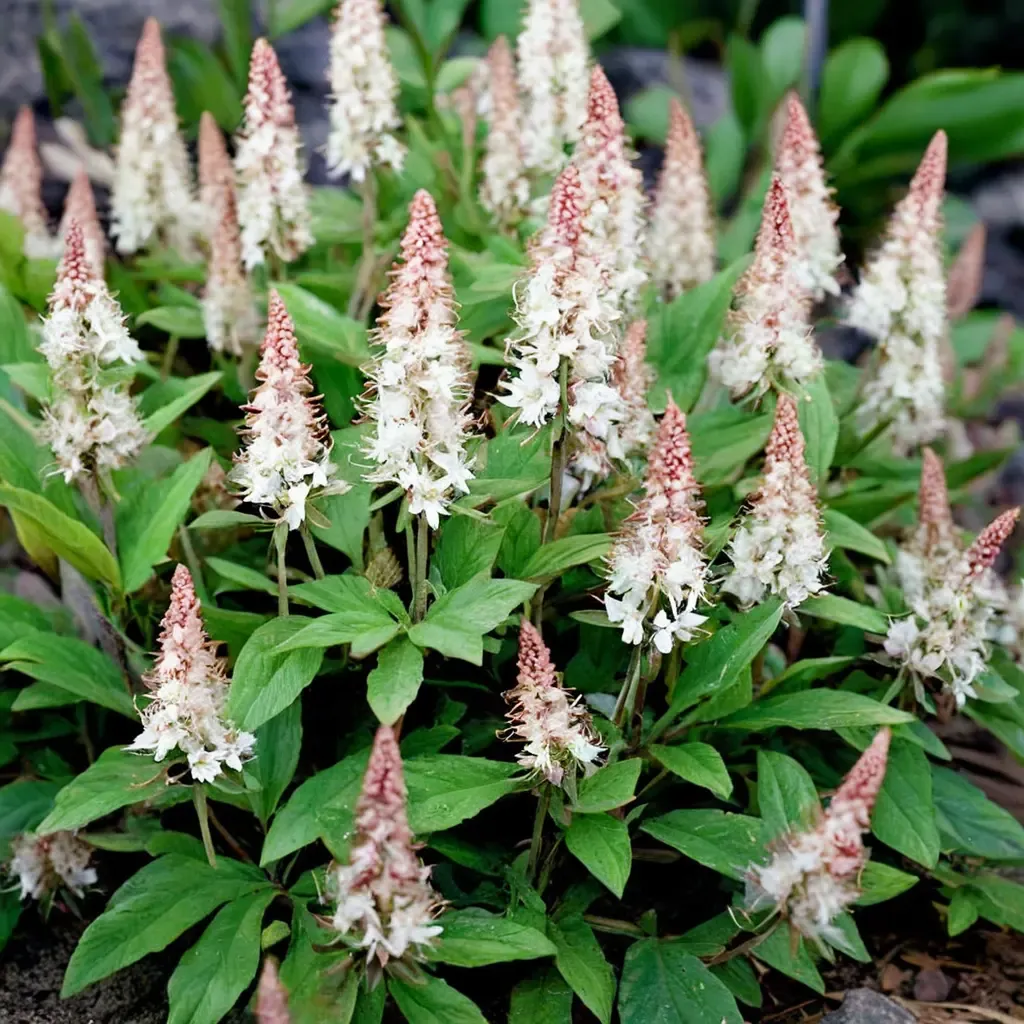
Pink Skyrocket Foamflower
Tiarella cordifolia 'Pink Skyrocket'
Keep exploring
Explore the genus
Grow Brandywine Foamflower with confidence
See it in a design of your actual yard, get zone-matched care reminders, and track it season by season in your garden journal.