The Story
Plant Bio
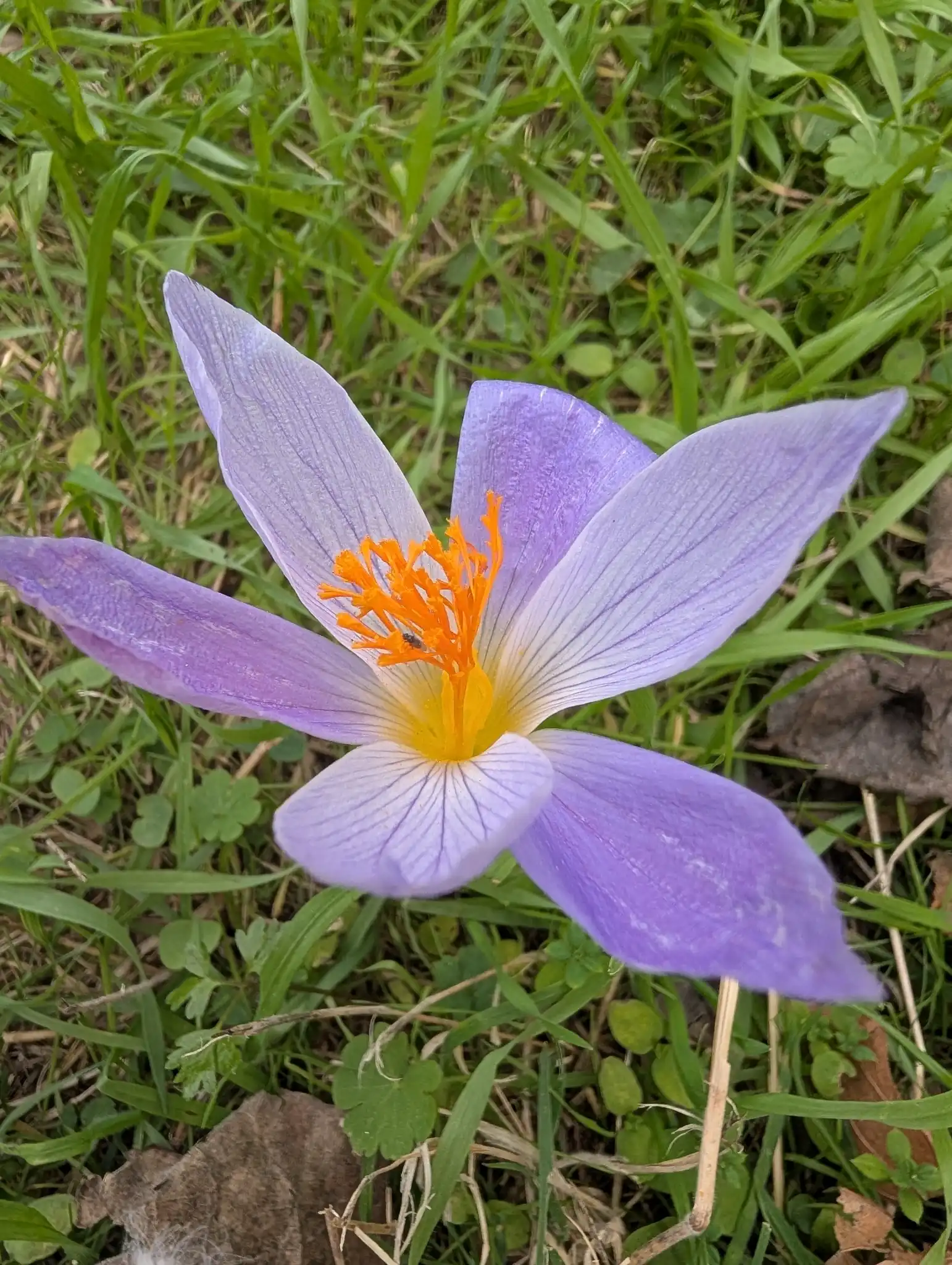
Crocus speciosus is a low-growing, cormous perennial native to Eurasia that produces large, goblet-shaped flowers in fall. The violet-blue to rich purple blooms feature prominent, bright orange-red divided stigmas and emerge before or alongside narrow, grass-like leaves marked by a silvery-white central stripe.
This species is distinguished by its late-season flowering window and its striking, highly contrasting orange stigmas. Unlike spring-blooming relatives, it remains dormant throughout the summer heat and requires dry conditions during this period to trigger its autumn display.
Uses & Benefits:
Essentials
At a Glance
Plant Type
Bulb Corm Tuber
Height
6"
Width
4"
Light
Full Sun, Partial Sun
Zones
4, 5, 6, 7, 8
Water
Low to Moderate
Humidity
Moderate
Lifespan
Perennial
Native To
Eurasia
Toxicity
Mildly Toxic
Bloom period
Fall
In flower about 3 months of the year
Planting
How to Grow
- Select a planting site in full sun to partial shade with gritty, sharply well-drained soil.
- Plant corms in late summer or early fall, placing them three to four inches deep with the pointed end facing upward.
- Water thoroughly after planting to settle the soil, then withhold water during summer dormancy in subsequent years.
- Allow the narrow foliage to grow through winter and spring, leaving it intact until it naturally turns yellow and dies back.
Pro Tip
Avoid watering the planting site during the summer dormancy period, as wet summer soil triggers immediate corm rot and prevents fall flowering.
Keep It Thriving
Care Guide
Do
- Ensure the soil has sharp drainage to prevent corm rot.
- Allow foliage to die back naturally for at least six weeks after spring emergence before clearing.
- Protect newly planted corms from digging rodents using wire mesh if necessary.
Don't
- Do not overwater or irrigate the planting area during the summer dormancy period.
- Do not cut back green leaves prematurely, as they feed the corm for the next season's bloom.
- Do not plant in heavy clay or waterlogged soils.
Seasonal Care Calendar
| Task | Jan | Feb | Mar | Apr | May | Jun | Jul | Aug | Sep | Oct | Nov | Dec |
|---|---|---|---|---|---|---|---|---|---|---|---|---|
| Fertilize | ||||||||||||
| Plant | ||||||||||||
| Propagate | ||||||||||||
| Spring Cleanup |
Watch Out For
Pests & Diseases
Common Pests
Common Diseases
In the Garden
Landscape Uses & Companions
Landscape Uses
Companion Plants
Multiply
Propagation Methods
Good to Know
Common Questions
Showy Crocus questions
What zones can Showy Crocus grow in?
Showy Crocus is hardy in USDA Zones 4–8. Inside that range it survives winter in the ground; outside it, grow it as an annual or a container plant you protect.
When does Showy Crocus bloom?
Showy Crocus typically blooms in fall through fall. Exact timing shifts a week or two with your zone — Sow's bloom calendar maps it to your garden.
Does Showy Crocus need full sun?
Showy Crocus does best in full sun to part shade. In hot climates, afternoon shade keeps blooms fresher longer.
Is Showy Crocus drought tolerant?
Yes — once established (usually after the first full season), Showy Crocus handles dry spells with minimal watering. Water deeply its first year to build the root system that makes that possible.
More Crocus to compare
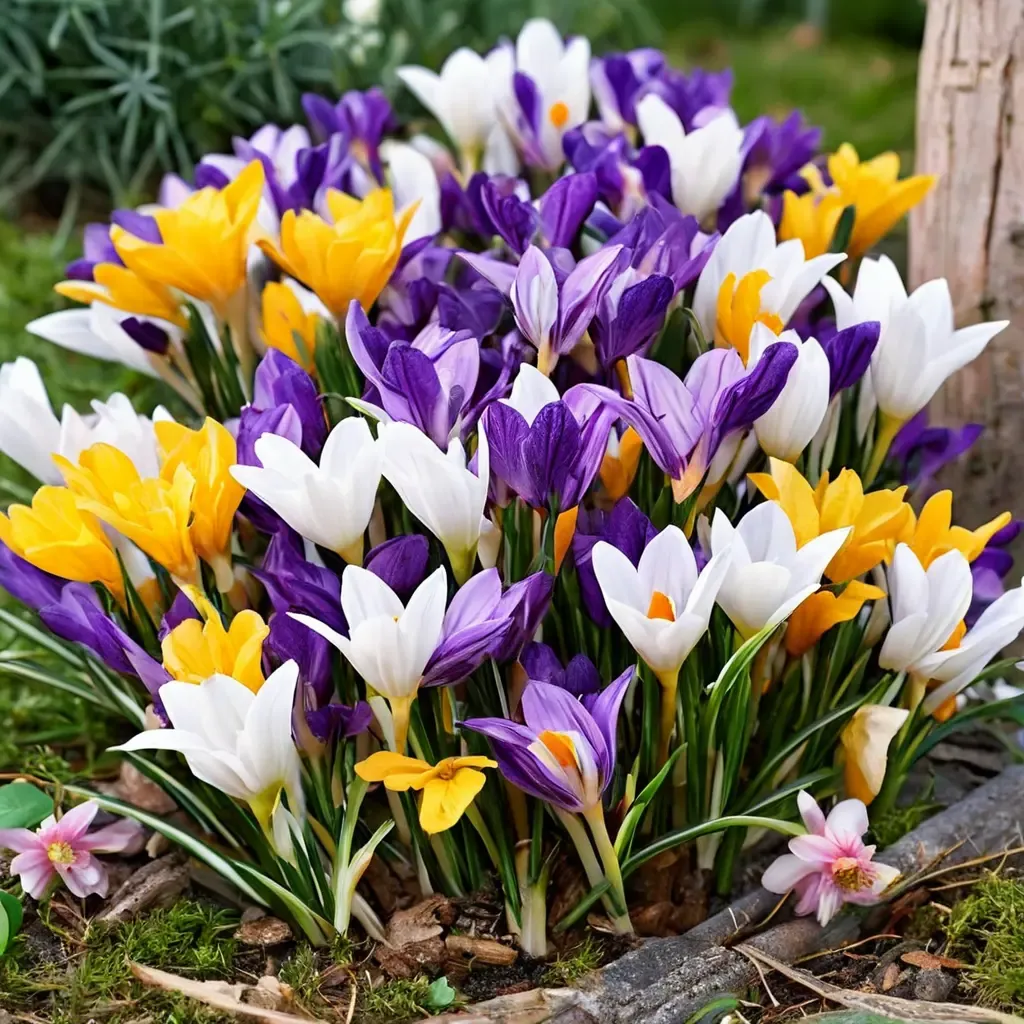
Crocus Mix
Crocus x hybrida 'Mix'
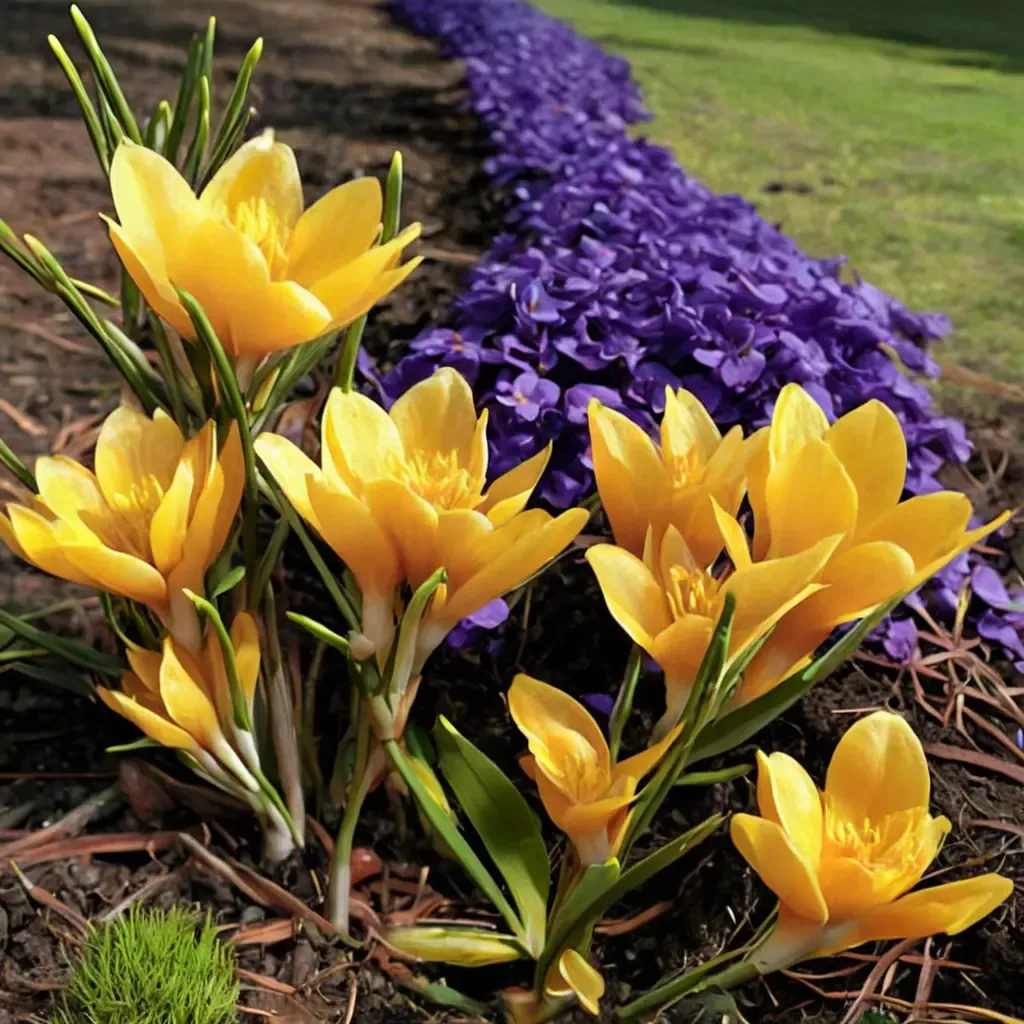
Golden Yellow Crocus
Crocus x hybrida 'Golden Yellow'
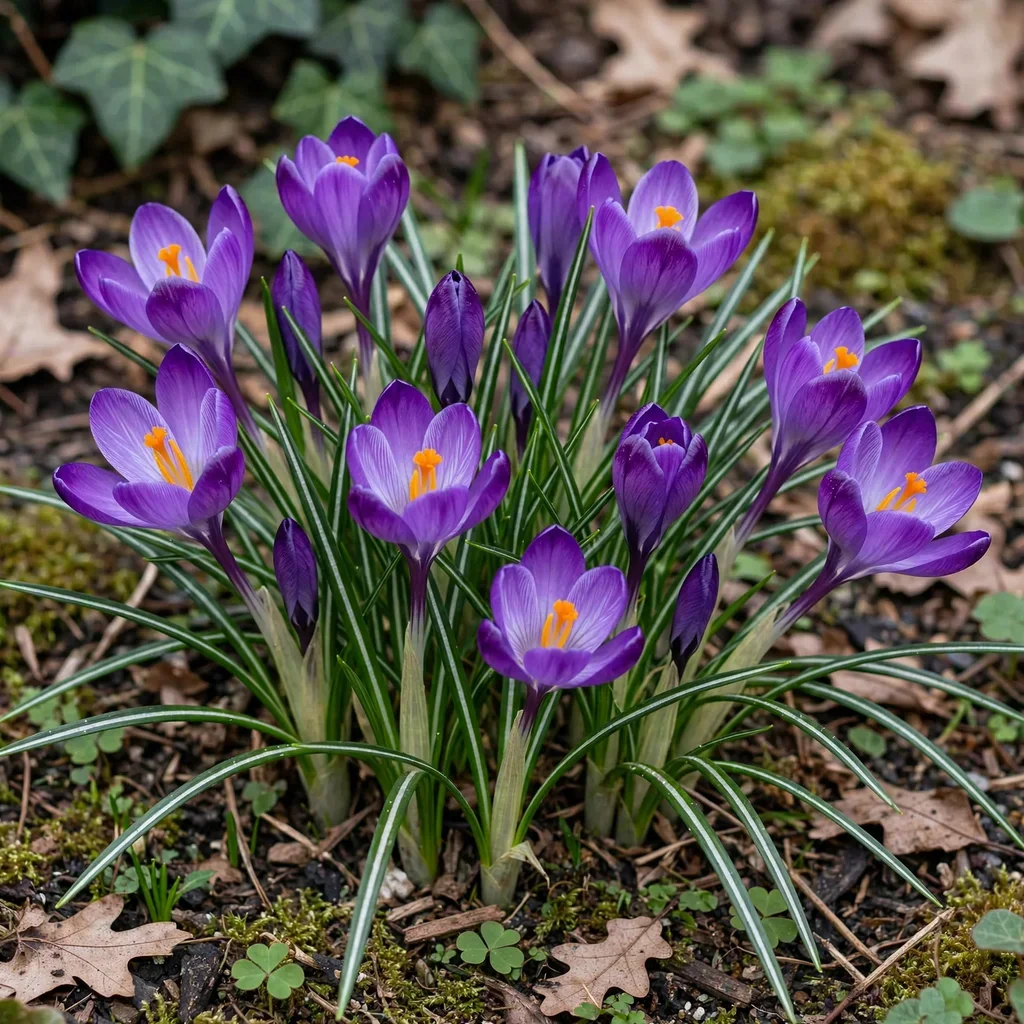
Ruby Giant Crocus
Crocus tommasinianus 'Ruby Giant'
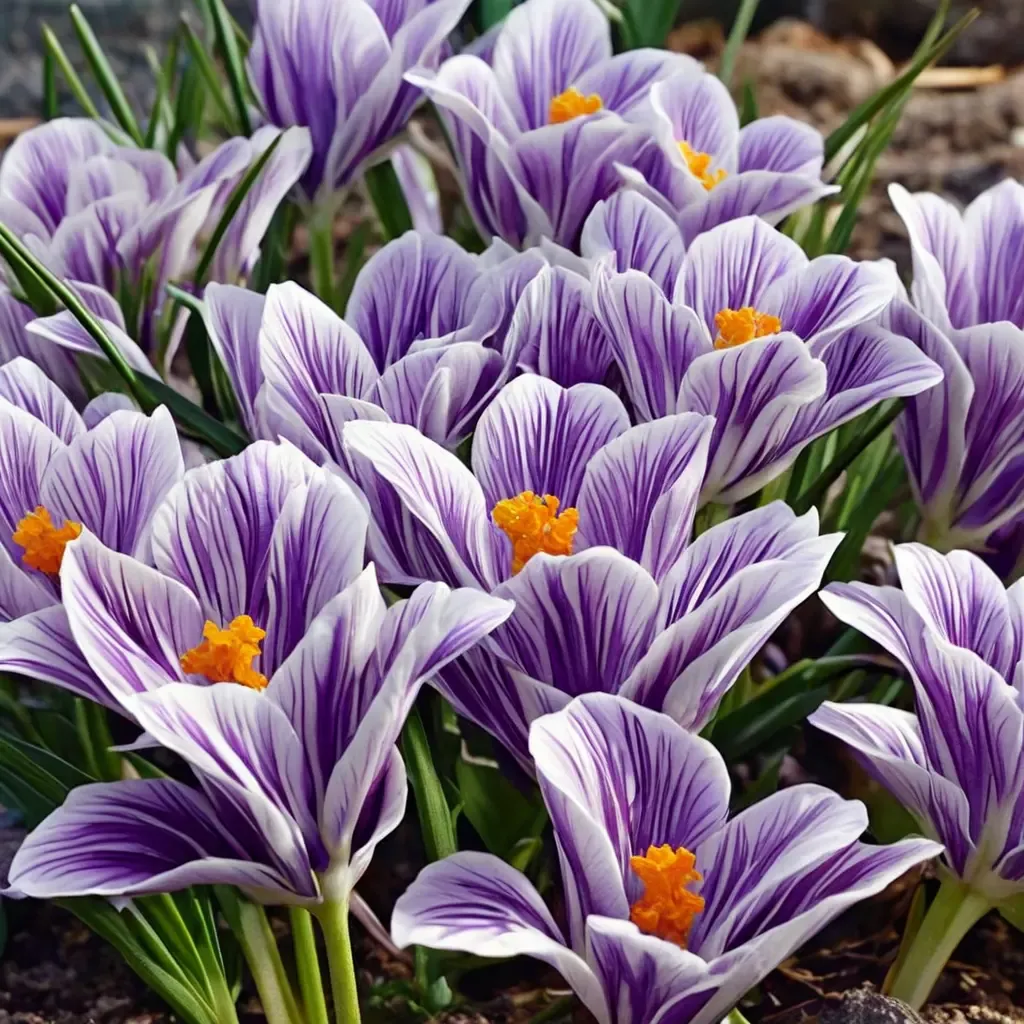
Pickwick Dutch Crocus
Crocus vernus 'Pickwick'
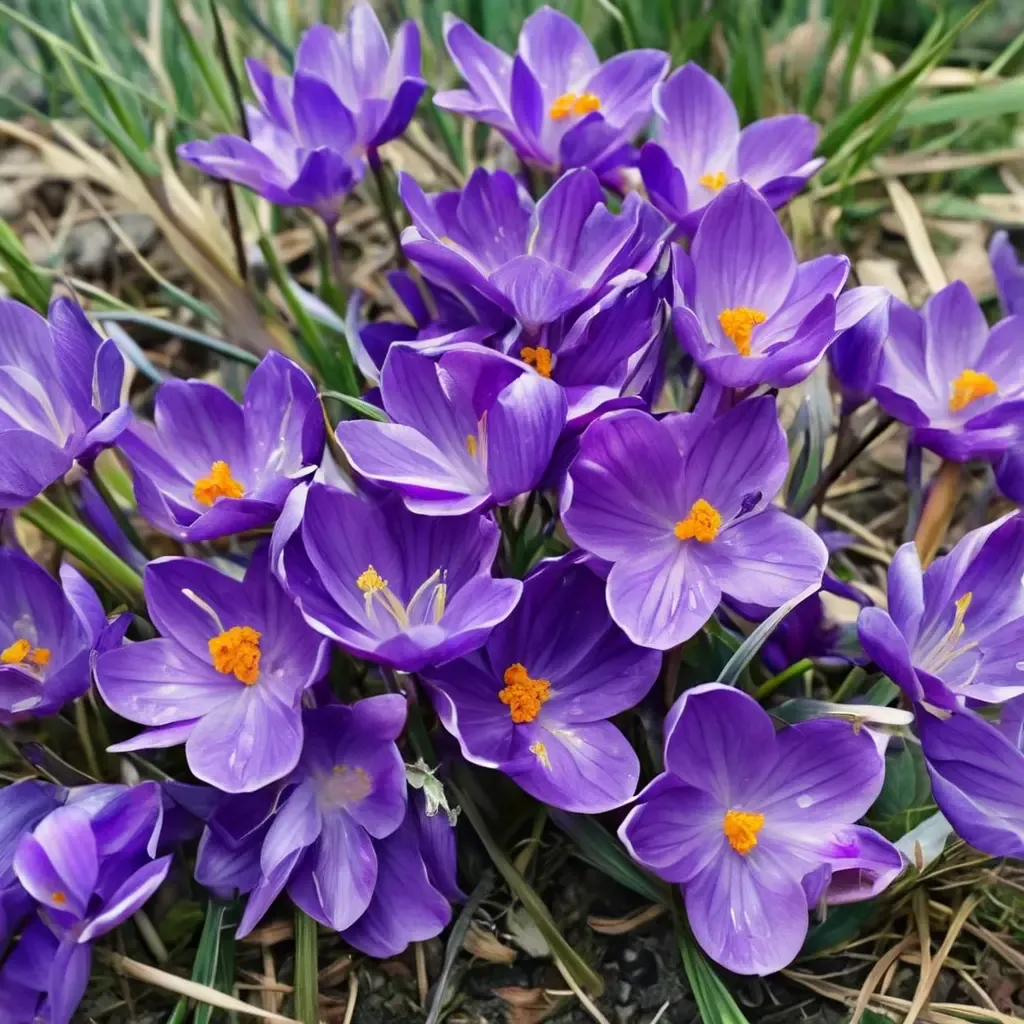
Spring Crocus
Crocus vernus
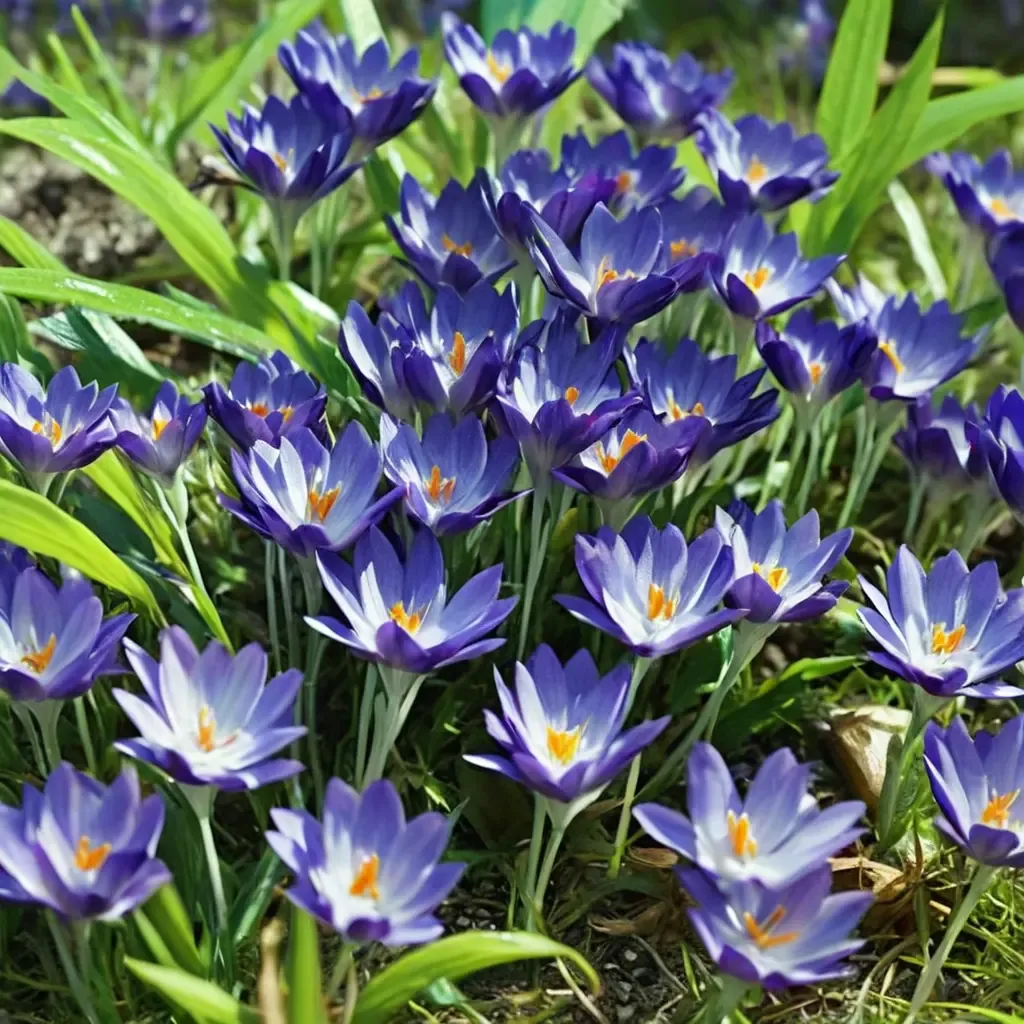
Whitewell Purple Crocus
Crocus tommasinianus 'Whitewell Purple'
Keep exploring
Explore the genus
Hardy in your zone?
Grow Showy Crocus with confidence
See it in a design of your actual yard, get zone-matched care reminders, and track it season by season in your garden journal.