The Story
Plant Bio
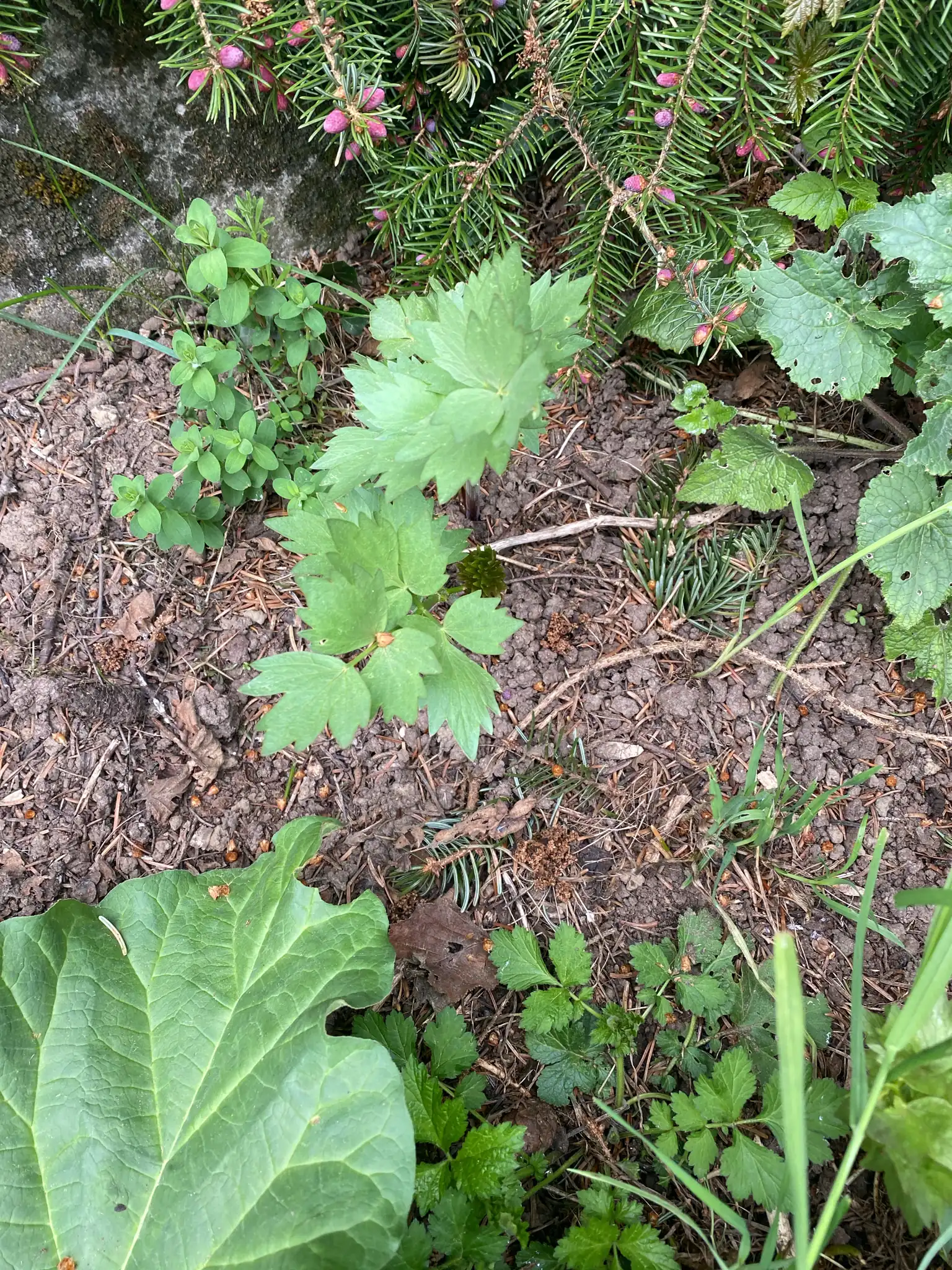
Levisticum officinale, commonly known as lovage, is a robust, clump-forming herbaceous perennial that produces hollow, upright stems and deeply divided, dark green foliage. The highly aromatic leaves emit a strong, celery-like scent when bruised, and the plant develops a deep, fleshy taproot that requires significant soil depth.
In late spring, the stems terminate in compound umbels of tiny, greenish-yellow flowers that attract a wide range of beneficial insects. The emerging spring foliage is a bright green, contrasting with the mature, dark green leaves that resemble flattened parsley.
Uses & Benefits:
Essentials
At a Glance
Plant Type
Perennial
Height
72"
Width
36"
Light
Full Sun, Partial Sun
Zones
4, 5, 6, 7, 8
Water
Medium
Humidity
Moderate
Lifespan
Perennial
Native To
Southwestern Asia and Eastern Mediterranean
Toxicity
Skin irritant
Bloom period
Spring – Summer
In flower about 6 months of the year
Planting
How to Grow
- Select a permanent site with deep, rich, humus-rich soil that retains moisture well, ensuring adequate space for the deep taproot.
- Plant in full sun to partial shade, opting for afternoon shade in regions with hot summer climates to prevent foliage scorch.
- Water regularly to maintain consistent soil moisture, as the plant suffers significantly and declines during extended dry periods.
- Apply a thick layer of organic mulch around the base annually to conserve soil moisture and suppress competing weeds.
Pro Tip
Harvest or cut back the outer stems hard throughout the growing season to continuously stimulate a flush of tender, aromatic new leaves and prevent the plant from becoming coarse and woody.
Keep It Thriving
Care Guide
Do
- Prune the entire plant back to the ground in late fall after the foliage dies back.
- Divide large, overcrowded root clumps every three to four years in early spring to maintain vigor.
- Wear gloves when handling the foliage in bright sunlight to avoid skin irritation from naturally occurring furocoumarins.
Don't
- Do not allow the soil to dry out completely, as drought stress causes premature yellowing and leaf drop.
- Avoid heavy chemical fertilization, which produces weak, floppy growth and dilutes the essential oils that give the foliage its flavor.
- Do not plant in shallow containers or tight spaces where the vigorous taproot will become restricted.
Seasonal Care Calendar
| Task | Jan | Feb | Mar | Apr | May | Jun | Jul | Aug | Sep | Oct | Nov | Dec |
|---|---|---|---|---|---|---|---|---|---|---|---|---|
| Divide | ||||||||||||
| Fertilize | ||||||||||||
| Pest Check | ||||||||||||
| Prune |
Watch Out For
Pests & Diseases
Common Pests
Common Diseases
In the Garden
Landscape Uses & Companions
Landscape Uses
Multiply
Propagation Methods
Good to Know
Common Questions
Lovage questions
What zones can Lovage grow in?
Lovage is hardy in USDA Zones 4–8. Inside that range it survives winter in the ground; outside it, grow it as an annual or a container plant you protect.
When does Lovage bloom?
Lovage typically blooms in spring through summer. Exact timing shifts a week or two with your zone — Sow's bloom calendar maps it to your garden.
Does Lovage need full sun?
Lovage does best in full sun to part shade. In hot climates, afternoon shade keeps blooms fresher longer.
Keep exploring
Explore the genus
Hardy in your zone?
Grow Lovage with confidence
See it in a design of your actual yard, get zone-matched care reminders, and track it season by season in your garden journal.