Also known as Dill · 573 saves
Anethum
Anethum, the genus most gardeners know as dill. We track 3 varieties; the ones most used by real gardeners.
The 3 most-saved Anethum varieties
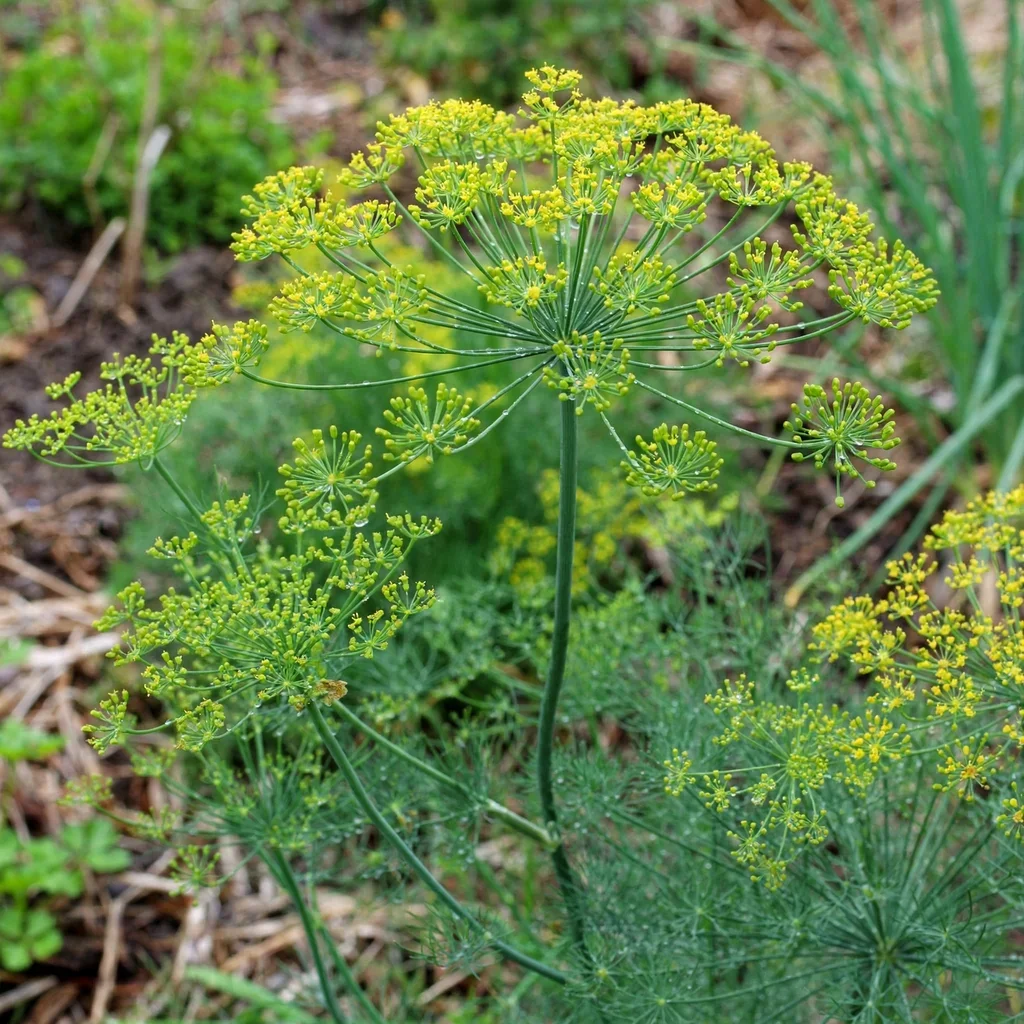
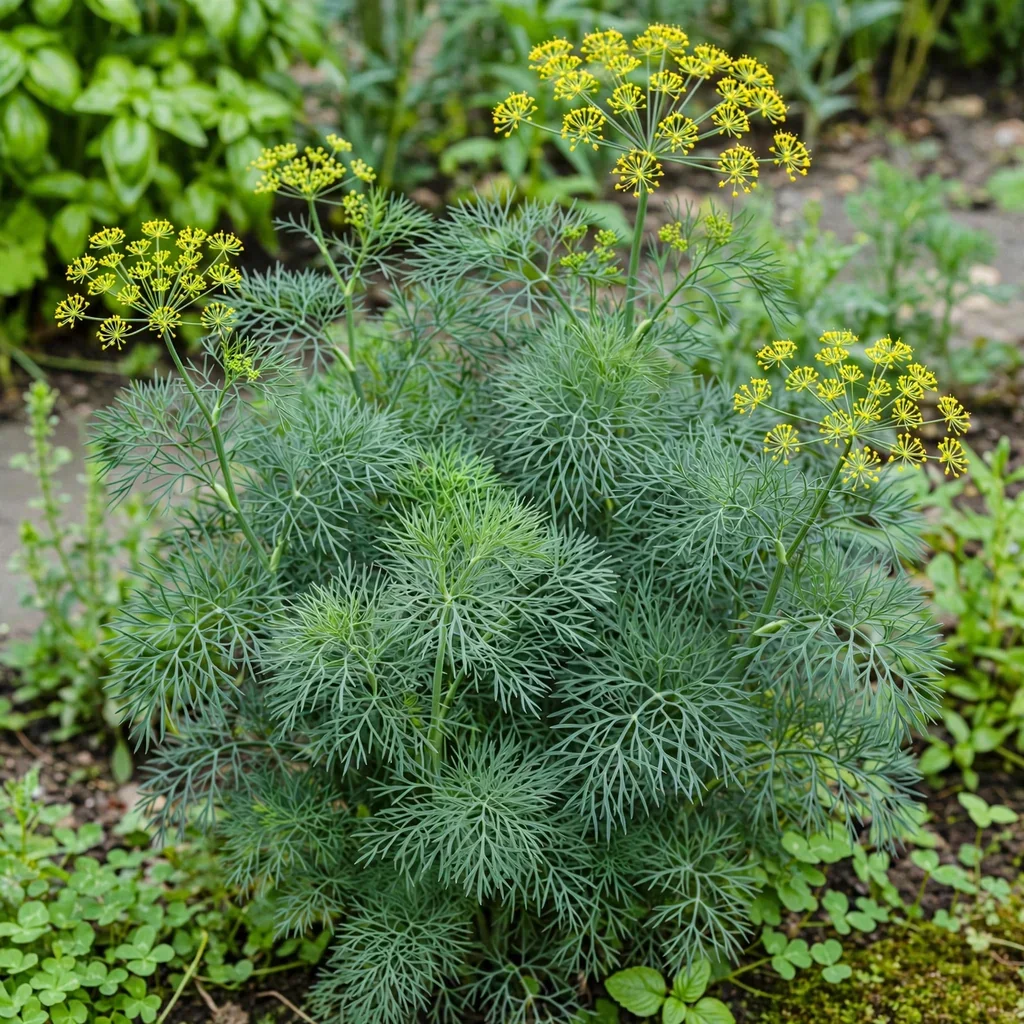
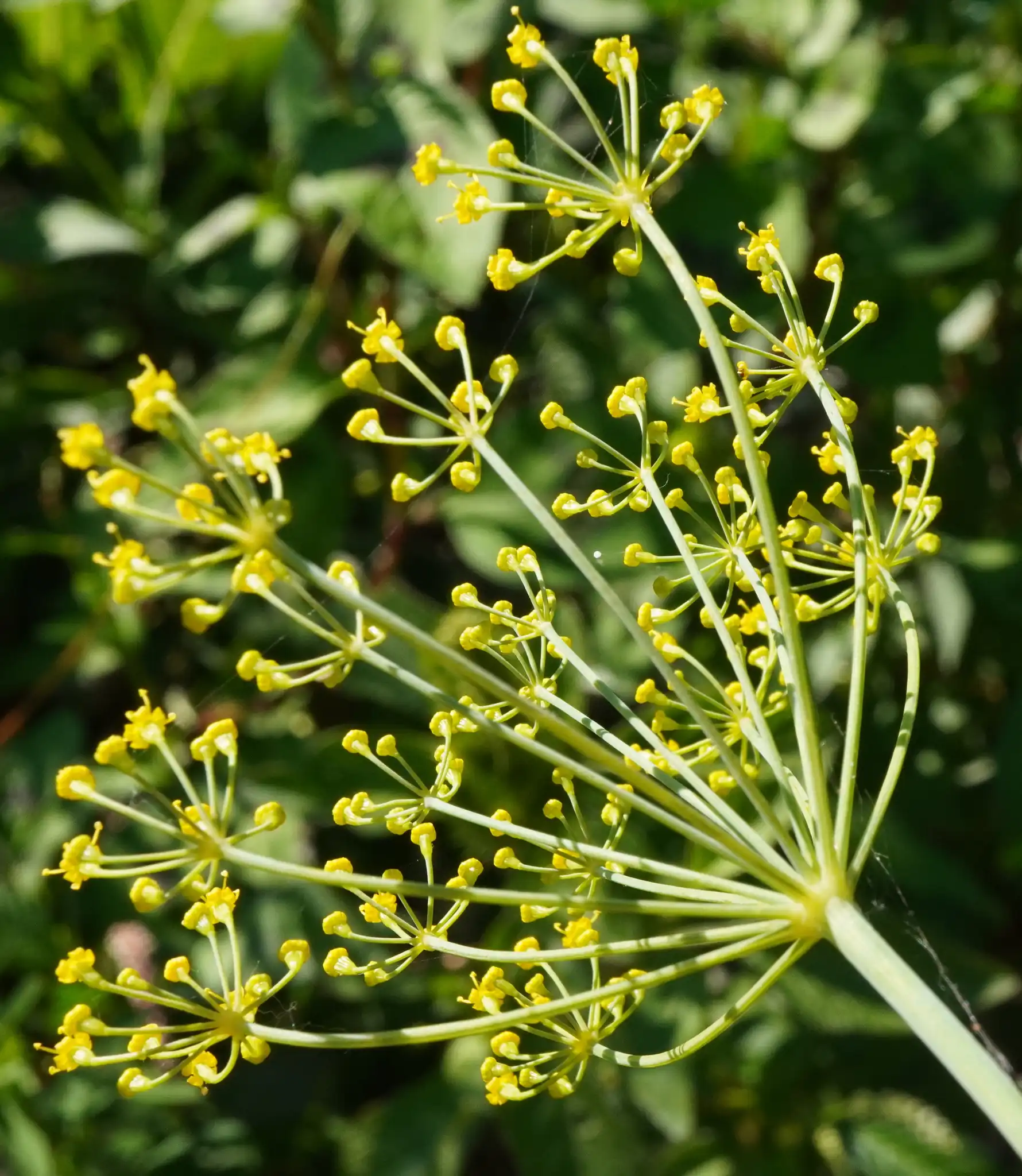
Species of Anethum
Each one is a parent of the varieties above.
Track your Anethum in Sow
Save the Anethum you grow and get care reminders timed to your zone.
How to grow Anethum
Whats common across all Anethum varieties in our catalog — drawn from the care records of the 3 most-grown of them.
The Anethum year
- PlantMay–July67% of varieties
Direct sow seeds every 2-3 weeks for a continuous harvest.
- HarvestJuly–September67% of varieties
Harvest leaves as needed. For seeds, let flowers mature and dry on the plant.
- Check for PestsJuly and August67% of varieties
Check for aphids. Leave swallowtail caterpillars; they are welcome guests!


Do
- Sow direct rather than transplanting 🌱
- Sow a short row every three weeks 📆
- Plant extra for swallowtail caterpillars 🦋
- Let a few plants self-seed 🌾
- Water consistently to keep soil moist 🌱
Avoid
- Transplant seedlings ❌
- Grow it right beside fennel ❌
- Remove swallowtail caterpillars ❌
- Overwater to avoid root rot ❌
What goes wrong with Anethum
| Problem | What you'll see | What to do |
|---|---|---|
| Aphids | Colonies on the flower umbels and soft stems, with sticky honeydew below | Wash off with a jet of water; the umbels also draw predatory insects that clear them quickly |
| Black swallowtail caterpillar | Green and black banded caterpillars stripping the feathery foliage in midsummer | Leave them — dill is their host plant. Plant a few extra plants so there is enough for both of you |
| Spider Mites | Fine webbing and speckled leaves | Increase humidity and apply insecticidal soap |
| Powdery mildew | White floury film on the stems and foliage in humid weather, particularly on crowded plants | Thin sowings for airflow and water at soil level; affected plants are usually near the end of their season anyway |
| Downy Mildew | Yellow patches on upper leaf surfaces, fuzzy growth underneath | Improve air circulation and apply copper fungicide |
| Root Rot | Wilting and browning at base of plant | Ensure well-drained soil and reduce watering |
Making more Anethum
Seed
- Sow direct in shallow drills from spring onwards.
- Thin seedlings to about nine inches apart.
- Repeat every three weeks for a continuous leaf crop.
Cuttings
- Take 4-inch cuttings from healthy plants in late spring.
- Dip cuttings in rooting hormone.
- Plant in moist soil or water for 4-6 weeks.
- Transplant rooted cuttings to garden when established.
Anethum questions
How many types of Anethum are there?
The Sow catalog tracks 3 distinct Anethum varieties. The most popular — ranked by 573 real gardeners — are shown first above.
What zones does Anethum grow in?
Across its varieties, Anethum covers USDA Zones 5–8. Individual varieties differ — each plant page lists its exact range, and Sow filters the catalog to your zone automatically.
When does Anethum bloom?
Most Anethum varieties bloom in mid-summer, summer. Staggering early, mid, and late varieties extends the genus's season in one bed.
Which Anethum should I choose?
Start from the most-saved varieties above — popularity across thousands of gardens is a strong signal of reliability — then filter by your zone and sun. In the Sow app you can preview any of them in a photo of your actual yard before you buy.