The Story
Plant Bio
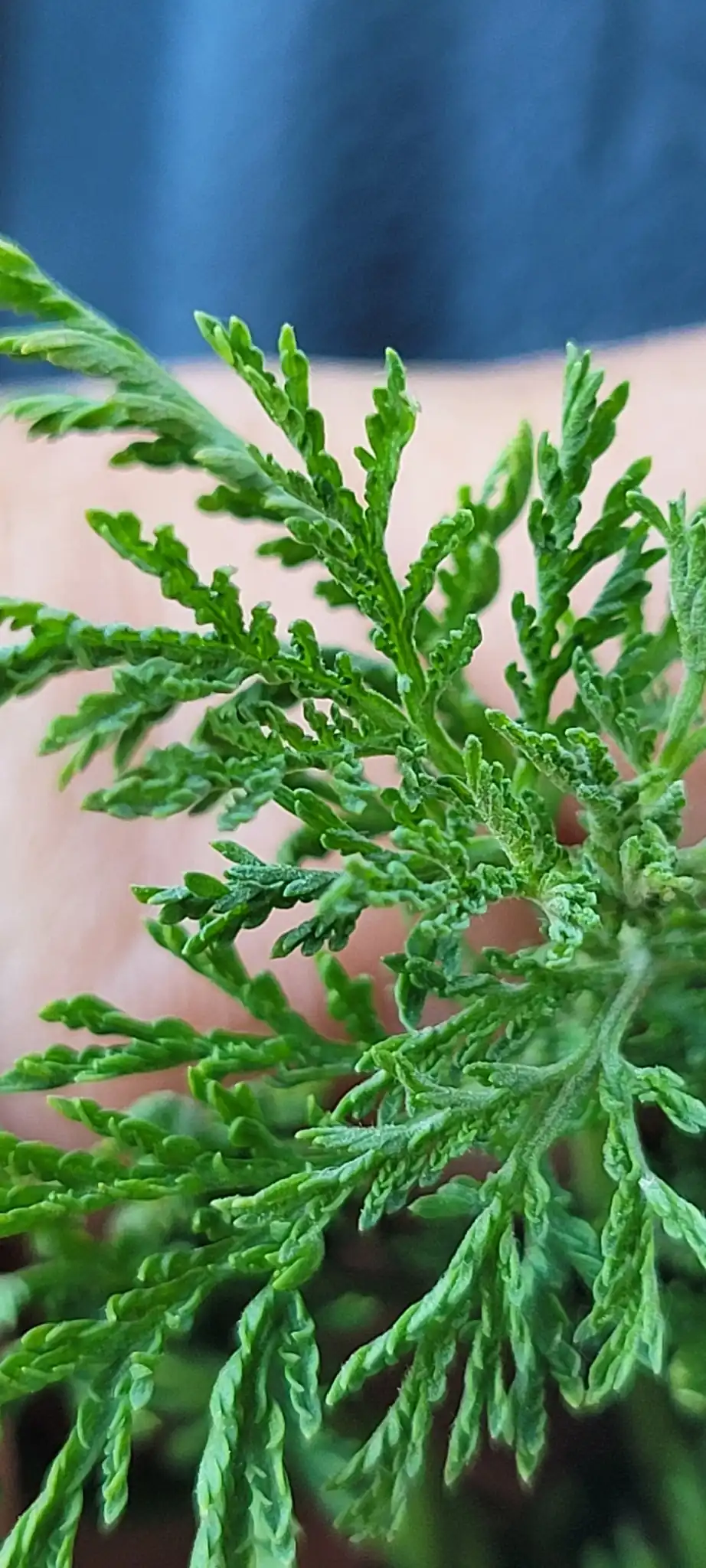
Artemisia annua, commonly known as sweet Annie, is an erect, single-stemmed annual herb that forms a bushy, pyramidal shape up to eight feet tall. The deeply divided, fern-like foliage is hairless and intensely aromatic, releasing a sweet, camphoraceous scent when bruised.
The species is distinguished by its rapid summer growth and terminal panicles of tiny, nodding yellow flower heads that appear in late summer. Unlike perennial wormwoods, it completes its entire life cycle in a single growing season and dies completely with the first fall frost.
Uses & Benefits:
Essentials
At a Glance
Plant Type
Annual
Height
80"
Width
30"
Light
Full Sun
Zones
4, 5, 6, 7, 8, 9
Water
Low to Moderate
Humidity
Moderate
Lifespan
Annual
Native To
Asia
Toxicity
Toxic if ingested in large quantities; can cause contact dermatitis
Bloom period
Late summer – Fall
In flower about 4 months of the year
Planting
How to Grow
- Sow seeds indoors in early spring or directly outdoors after the last frost has passed.
- Press seeds lightly into the soil surface, as they require light to trigger germination.
- Select a planting site in full sun with light, sandy, or loamy soil that drains rapidly.
- Water moderately until established, then allow the soil to dry out between waterings to prevent root rot.
Pro Tip
Avoid planting in highly fertile or heavily fertilized soils; excess nitrogen triggers rapid, weak growth that causes the tall stems to lodge and fall over.
Keep It Thriving
Care Guide
Do
- Provide excellent soil drainage to protect the taproot from rot.
- Space plants adequately to ensure good air circulation and minimize powdery mildew.
- Confirm identity by crushing a leaf to smell the sweet aroma, distinguishing it from toxic lookalikes like poison hemlock.
Don't
- Do not apply heavy nitrogen fertilizers, which reduce aromatic compounds and cause floppy growth.
- Do not overwater or plant in heavy, waterlogged clay soils.
- Do not attempt to prune back into old woody stems, as this annual will not regenerate.
Seasonal Care Calendar
| Task | Jan | Feb | Mar | Apr | May | Jun | Jul | Aug | Sep | Oct | Nov | Dec |
|---|---|---|---|---|---|---|---|---|---|---|---|---|
| Harvest | ||||||||||||
| Pest Check | ||||||||||||
| Plant | ||||||||||||
| Spring Cleanup |
Watch Out For
Pests & Diseases
Common Pests
Common Diseases
In the Garden
Landscape Uses & Companions
Landscape Uses
Companion Plants
Multiply
Propagation Methods
Good to Know
Common Questions
Sweet Annie questions
What zones can Sweet Annie grow in?
Sweet Annie is hardy in USDA Zones 4–9. Inside that range it survives winter in the ground; outside it, grow it as an annual or a container plant you protect.
Is Sweet Annie deer resistant?
Yes — Sweet Annie is rated deer-resistant. Deer typically pass it over, though extreme hunger can override any plant's defenses.
When does Sweet Annie bloom?
Sweet Annie typically blooms in late summer through fall. Exact timing shifts a week or two with your zone — Sow's bloom calendar maps it to your garden.
Does Sweet Annie need full sun?
Sweet Annie does best in full sun (6+ hours).
Is Sweet Annie drought tolerant?
Yes — once established (usually after the first full season), Sweet Annie handles dry spells with minimal watering. Water deeply its first year to build the root system that makes that possible.
More Artemisia to compare
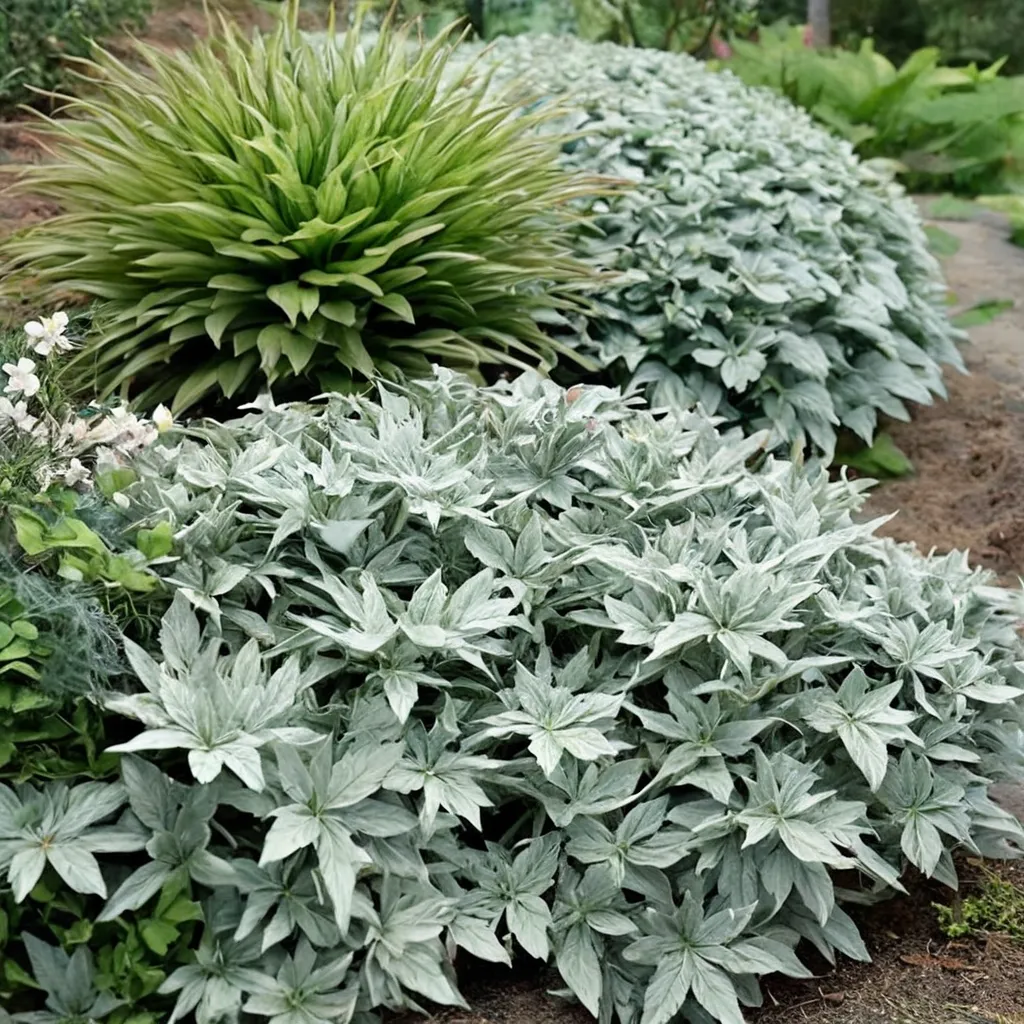
Artemisia Silver Lining
Artemisia x hybrida 'Silver Lining'
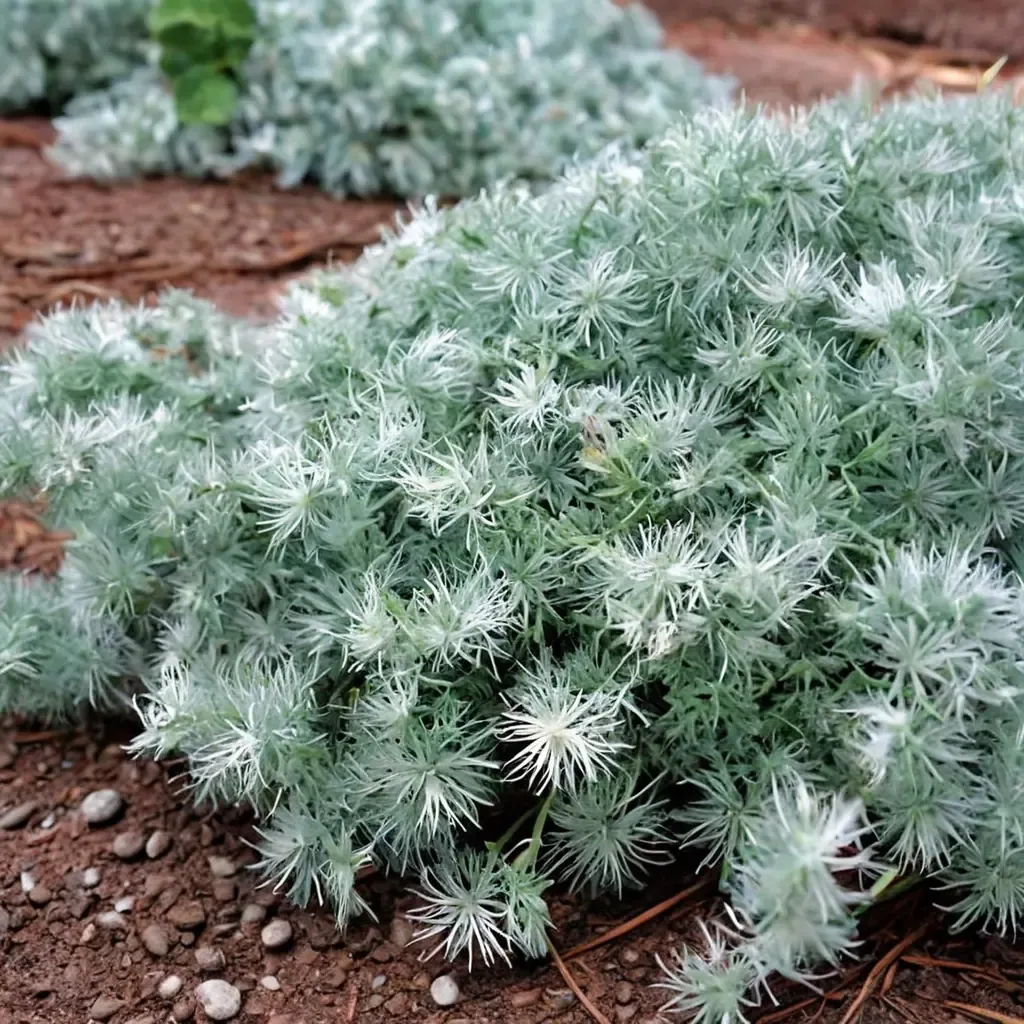
Silver Mound Wormwood
Artemisia schmidtiana 'Silver Mound'
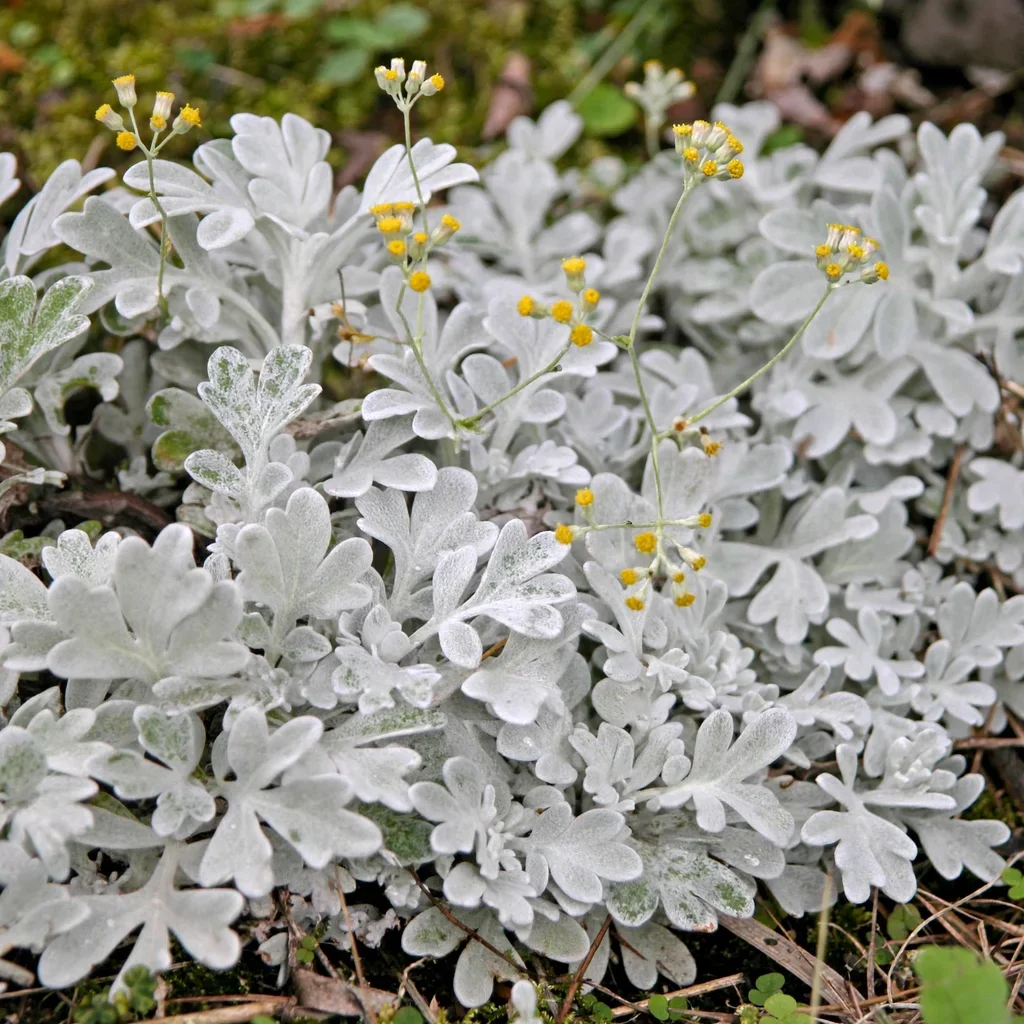
Beach Wormwood
Artemisia stelleriana 'Silver Brocade'
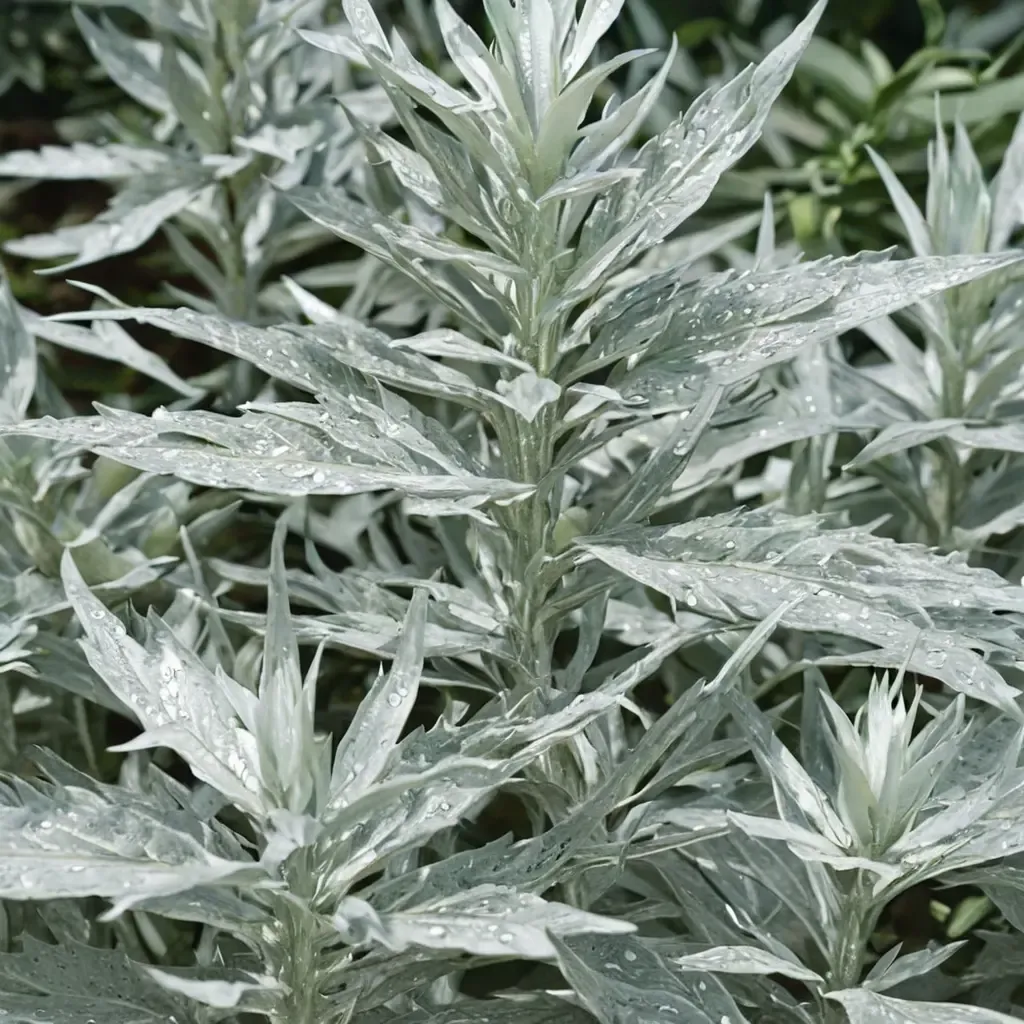
Silver King Artemisia
Artemisia ludoviciana 'Silver King'
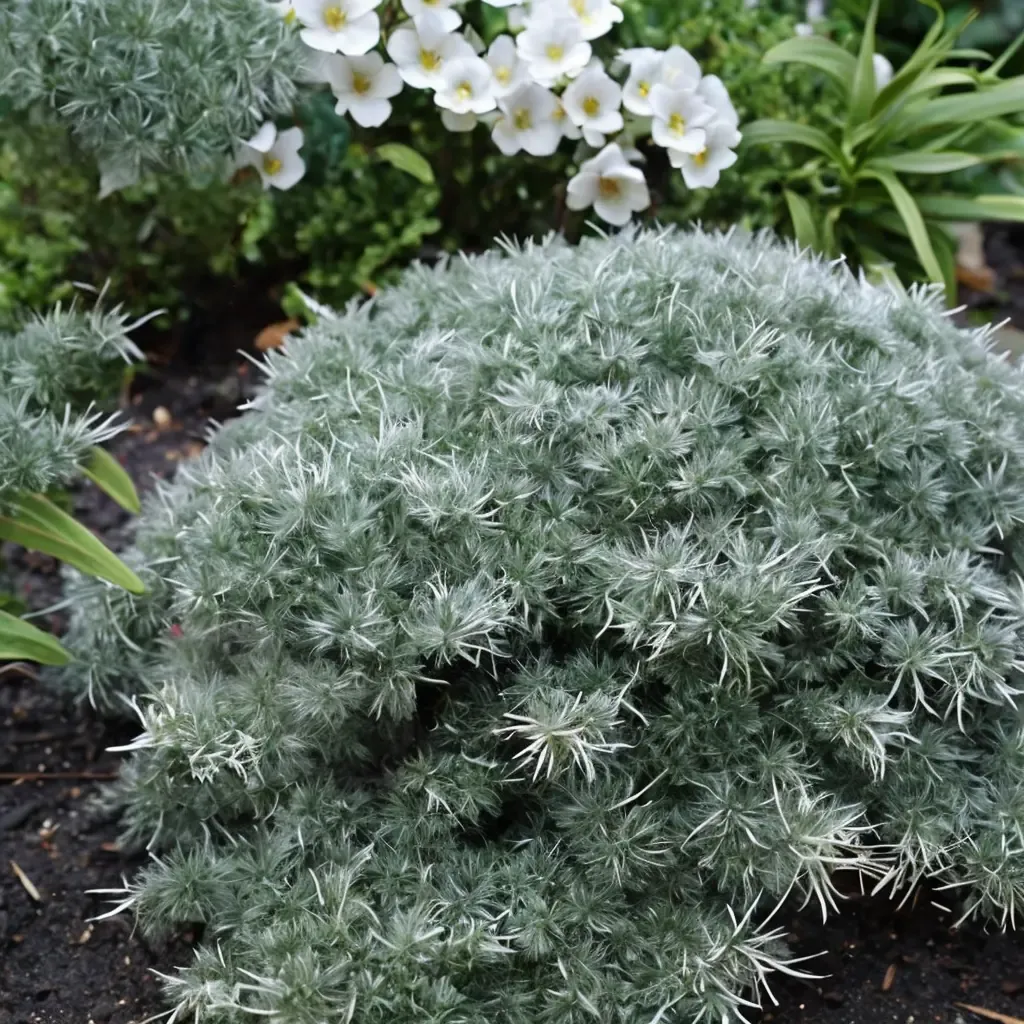
Silver Mound Artemisia
Artemisia schmidtiana 'Nana'
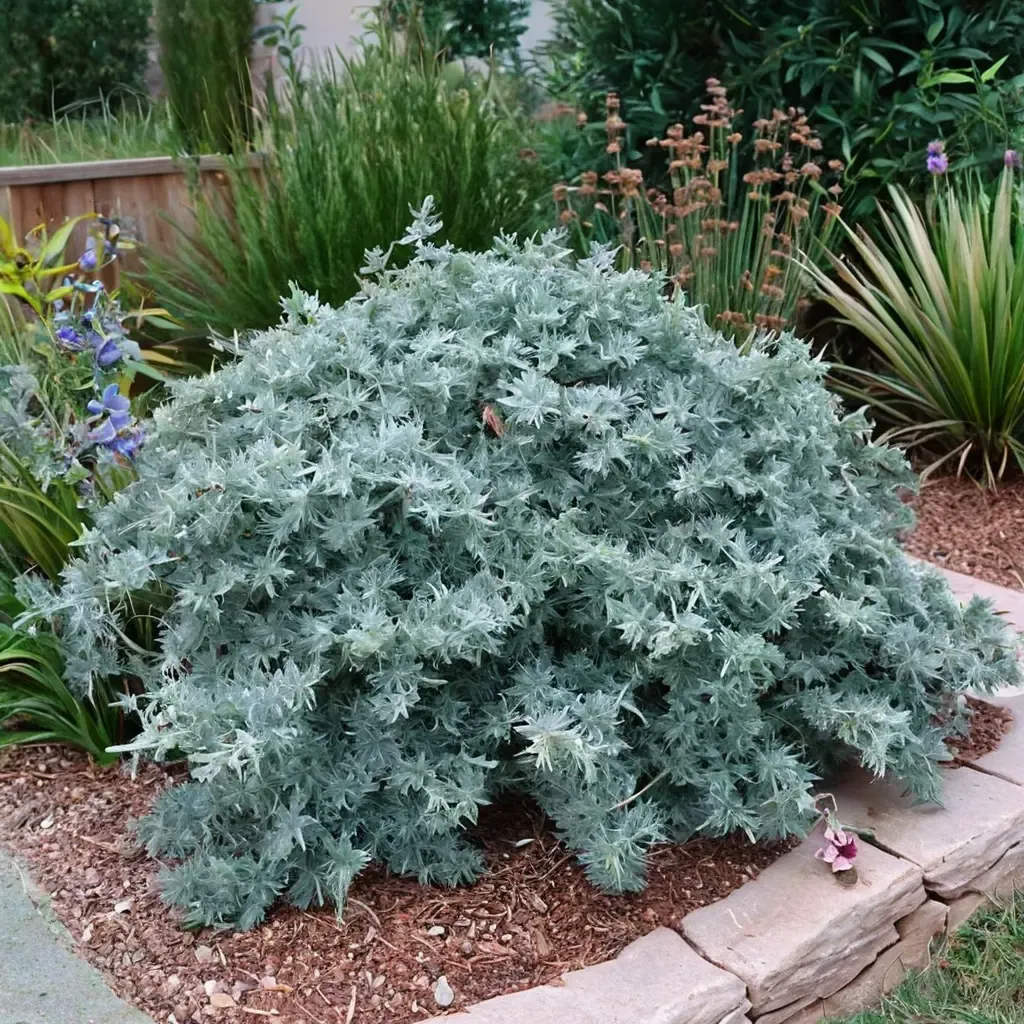
Powis Castle wormwood
Artemisia x hybrida 'Powis Castle'
Keep exploring
Explore the genus
Grow Sweet Annie with confidence
See it in a design of your actual yard, get zone-matched care reminders, and track it season by season in your garden journal.