The Story
Plant Bio
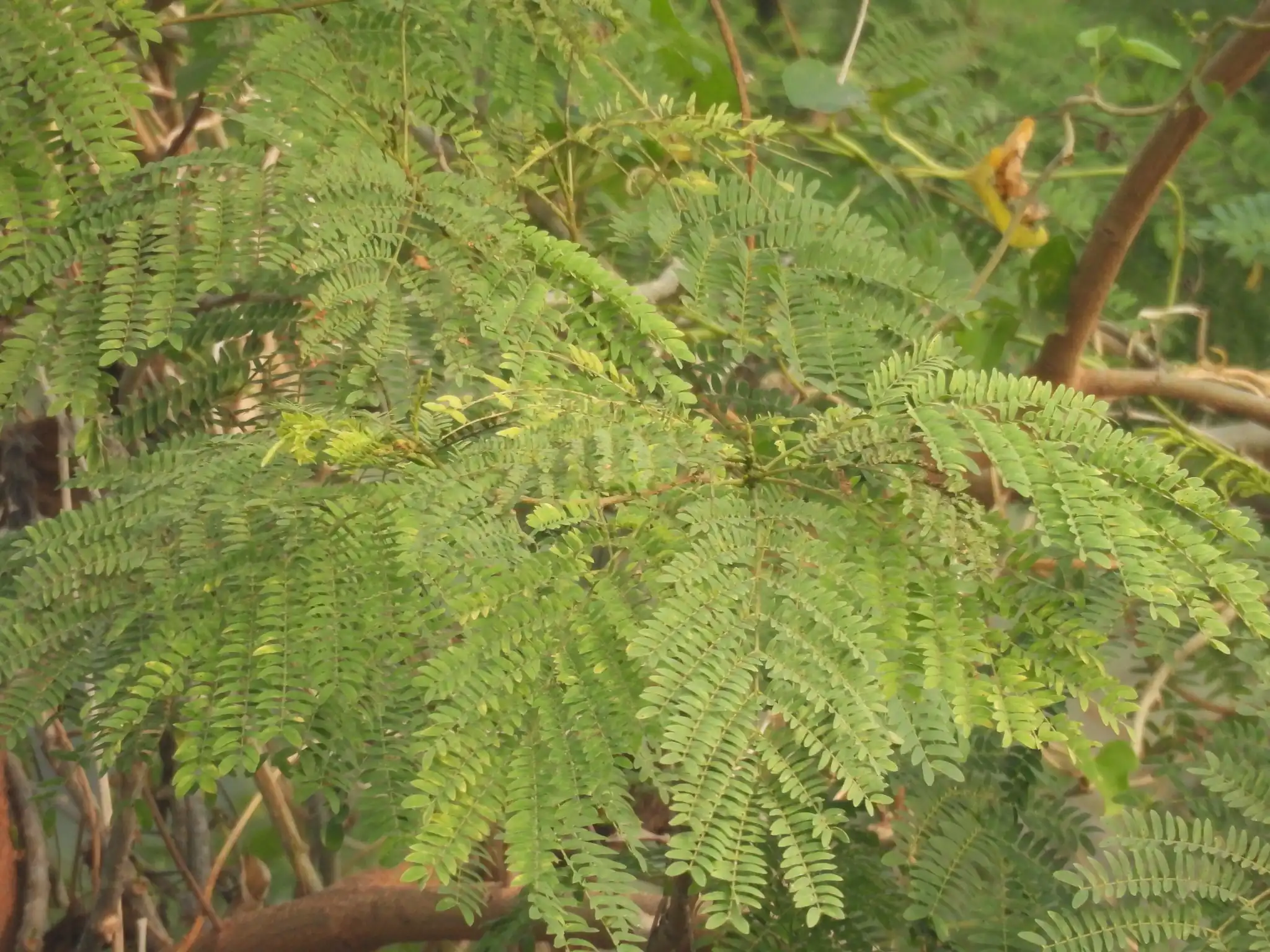
Peltophorum pterocarpum is a large, fast-growing, semi-deciduous tree native to tropical Asia and northern Australia, characterized by a wide-spreading, umbrella-like canopy. The alternate, bipinnately compound leaves feature dark green leaflets, while new growth emerges with distinct coppery and rusty-brown tones.
During summer and fall, the tree produces large, upright terminal panicles of bright golden-yellow flowers with crinkled petals and prominent orange stamens. These fragrant blossoms measure up to four centimeters across and emit a subtle grape-like scent.
Uses & Benefits:
Essentials
At a Glance
Plant Type
Tree
Height
984"
Width
590"
Light
Full Sun
Zones
10
Water
Low
Humidity
High
Lifespan
Long
Native To
Tropical Asia, Northern Australia
Toxicity
Non-toxic
Bloom period
Summer – Autumn
In flower about 6 months of the year
Planting
How to Grow
- Plant in a location that receives full sun, as this species will not perform well in shade.
- Ensure the planting site has well-drained soil, though the tree adapts easily to sand, loam, or heavy clay.
- Prune young specimens early to establish a strong single-trunk structure and well-spaced scaffold branches.
- Water regularly until established, after which the tree exhibits high drought tolerance and requires little to no fertilizer.
Pro Tip
Train young trees to a single dominant leader to prevent weak multi-trunk structures and poor branch union angles that fail in high winds. Avoid heavy pruning of mature wood, which permanently disfigures the natural umbrella-shaped canopy.
Keep It Thriving
Care Guide
Do
- Prune early in the tree's life to establish a single dominant leader.
- Ensure excellent soil drainage to prevent root rot.
- Clear fallen seed pods and spent petals from paved areas to prevent slipping hazards.
Don't
- Do not plant in shaded locations where the tree cannot receive full sun.
- Do not over-fertilize established trees, as their nitrogen-fixing capabilities make supplemental feeding unnecessary.
- Avoid heavy pruning of old, leafless wood on mature specimens.
Seasonal Care Calendar
| Task | Jan | Feb | Mar | Apr | May | Jun | Jul | Aug | Sep | Oct | Nov | Dec |
|---|---|---|---|---|---|---|---|---|---|---|---|---|
| Mulch | ||||||||||||
| Pest Check | ||||||||||||
| Prune | ||||||||||||
| Winter Prep |
Watch Out For
Pests & Diseases
Common Pests
Common Diseases
In the Garden
Landscape Uses & Companions
Landscape Uses
Multiply
Propagation Methods
Good to Know
Common Questions
Yellow Poinciana questions
What zones can Yellow Poinciana grow in?
Yellow Poinciana is hardy in USDA Zone 10. Inside that range it survives winter in the ground; outside it, grow it as an annual or a container plant you protect.
When does Yellow Poinciana bloom?
Yellow Poinciana typically blooms in summer through autumn. Exact timing shifts a week or two with your zone — Sow's bloom calendar maps it to your garden.
Does Yellow Poinciana need full sun?
Yellow Poinciana does best in full sun (6+ hours).
Is Yellow Poinciana drought tolerant?
Yes — once established (usually after the first full season), Yellow Poinciana handles dry spells with minimal watering. Water deeply its first year to build the root system that makes that possible.
Keep exploring
Explore the genus
Hardy in your zone?
Grow Yellow Poinciana with confidence
See it in a design of your actual yard, get zone-matched care reminders, and track it season by season in your garden journal.