The Story
Plant Bio
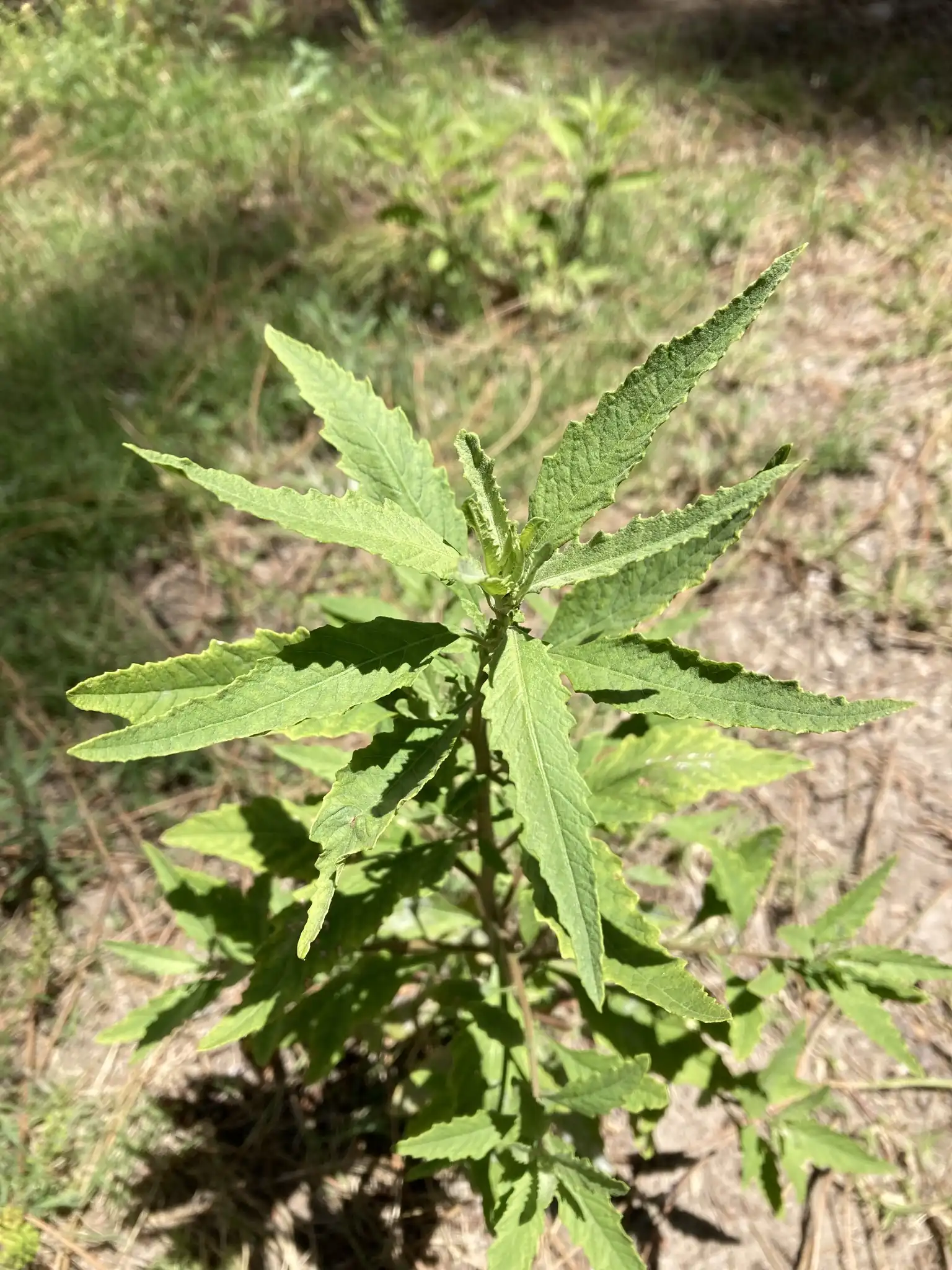
Dysphania ambrosioides is an erect, branching herb native to Central and South America, distinguished by aromatic leaves heavily glanded with essential oils. Small, green flowers gather in dense, leafy spikes from summer into fall.
The leaves release a pungent, resinous aroma when bruised, providing a distinctive flavor profile and deterring herbivorous pests. This species adapts easily to poor, dry soils where many other culinary plants struggle.
Uses & Benefits:
Essentials
At a Glance
Plant Type
Annual
Height
59"
Width
35"
Light
Full Sun, Partial Sun
Zones
4, 5, 6, 7, 8, 9, 10
Water
Low to Moderate
Humidity
High
Lifespan
Annual to Short-lived Perennial
Native To
Central America, South America, Southern Mexico
Toxicity
Medium
Bloom period
Summer – Fall
In flower about 6 months of the year
Planting
How to Grow
- Sow seeds on the soil surface or set out nursery plugs in full sun after spring frosts have passed.
- Water moderately during initial establishment, letting the top inch of soil dry between applications.
- Withhold heavy fertilizers to maximize the concentration of aromatic terpenes in the leaves.
- Pinch back stem tips to encourage branching, or snip developing seed spikes to prevent self-sowing.
Pro Tip
Keep fertilizer minimal and avoid over-watering, as rich moist conditions dilute the pungent essential oils in the foliage.
Keep It Thriving
Care Guide
Do
- Grow in full sun to optimize essential oil production.
- Allow soil to dry slightly between waterings.
- Remove flower spikes early if self-seeding is a concern.
Don't
- Do not over-fertilize, which reduces leaf pungency.
- Do not plant in soggy, poorly drained positions.
- Do not prune heavily into old leafless stems.
Seasonal Care Calendar
| Task | Jan | Feb | Mar | Apr | May | Jun | Jul | Aug | Sep | Oct | Nov | Dec |
|---|---|---|---|---|---|---|---|---|---|---|---|---|
| Harvest | ||||||||||||
| Pest Check | ||||||||||||
| Plant | ||||||||||||
| Prune | ||||||||||||
| Spring Cleanup |
Watch Out For
Pests & Diseases
Common Pests
Common Diseases
In the Garden
Landscape Uses & Companions
Landscape Uses
Multiply
Propagation Methods
Good to Know
Common Questions
Epazote questions
What zones can Epazote grow in?
Epazote is hardy in USDA Zones 4–10. Inside that range it survives winter in the ground; outside it, grow it as an annual or a container plant you protect.
Is Epazote deer resistant?
Yes — Epazote is rated deer-resistant. Deer typically pass it over, though extreme hunger can override any plant's defenses.
When does Epazote bloom?
Epazote typically blooms in summer through fall. Exact timing shifts a week or two with your zone — Sow's bloom calendar maps it to your garden.
Does Epazote need full sun?
Epazote does best in full sun to part shade. In hot climates, afternoon shade keeps blooms fresher longer.
Is Epazote drought tolerant?
Yes — once established (usually after the first full season), Epazote handles dry spells with minimal watering. Water deeply its first year to build the root system that makes that possible.
Keep exploring
Explore the genus
Grow Epazote with confidence
See it in a design of your actual yard, get zone-matched care reminders, and track it season by season in your garden journal.