Also known as Bean · 207 saves
Phaseolus
Phaseolus, the genus most gardeners know as bean. We track 5 varieties; the ones most used by real gardeners.
The 5 most-saved Phaseolus varieties
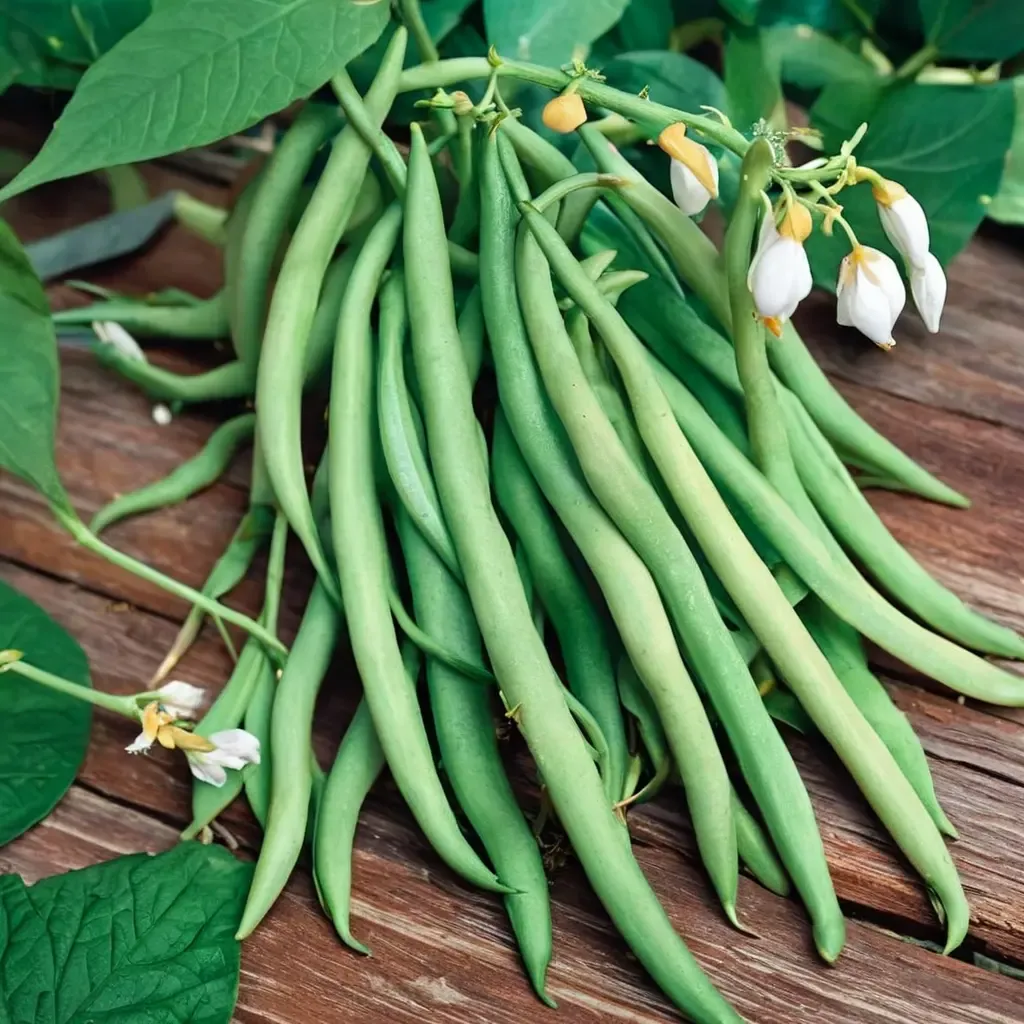
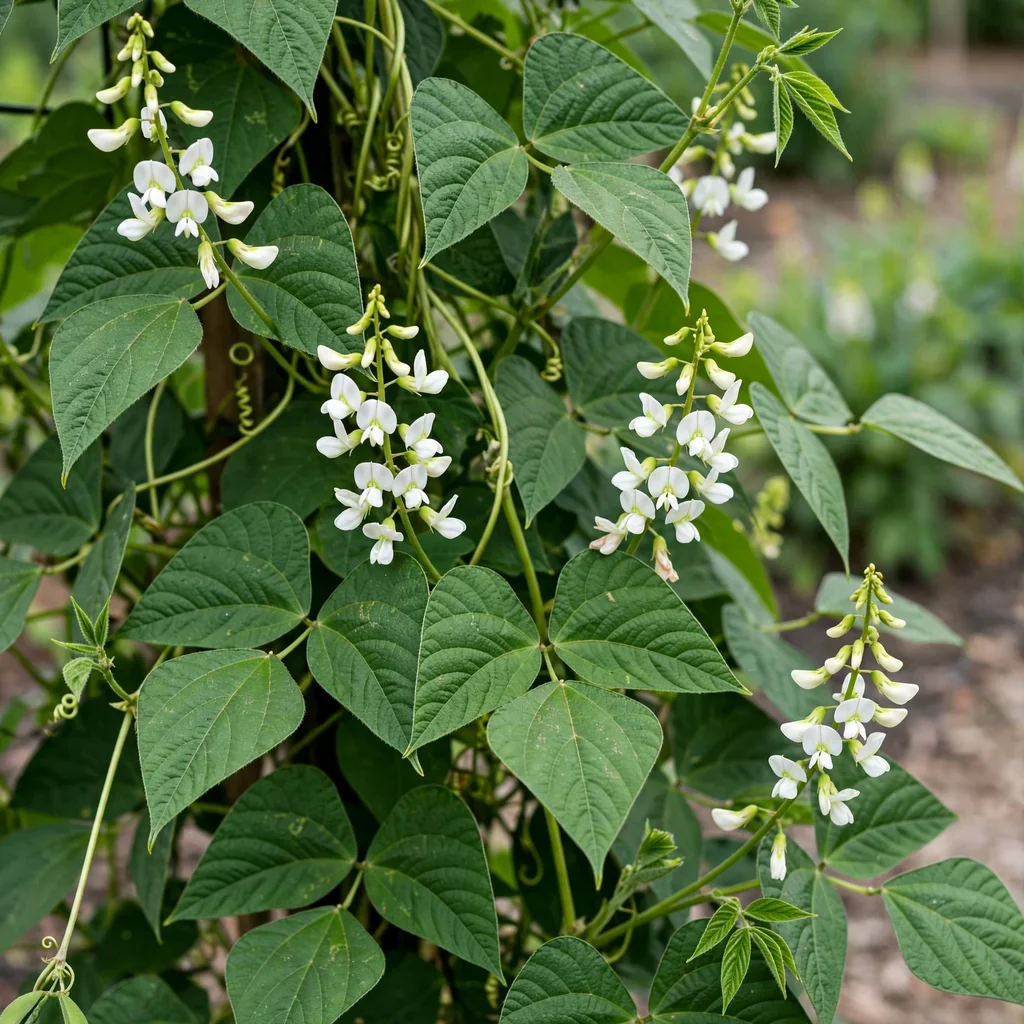
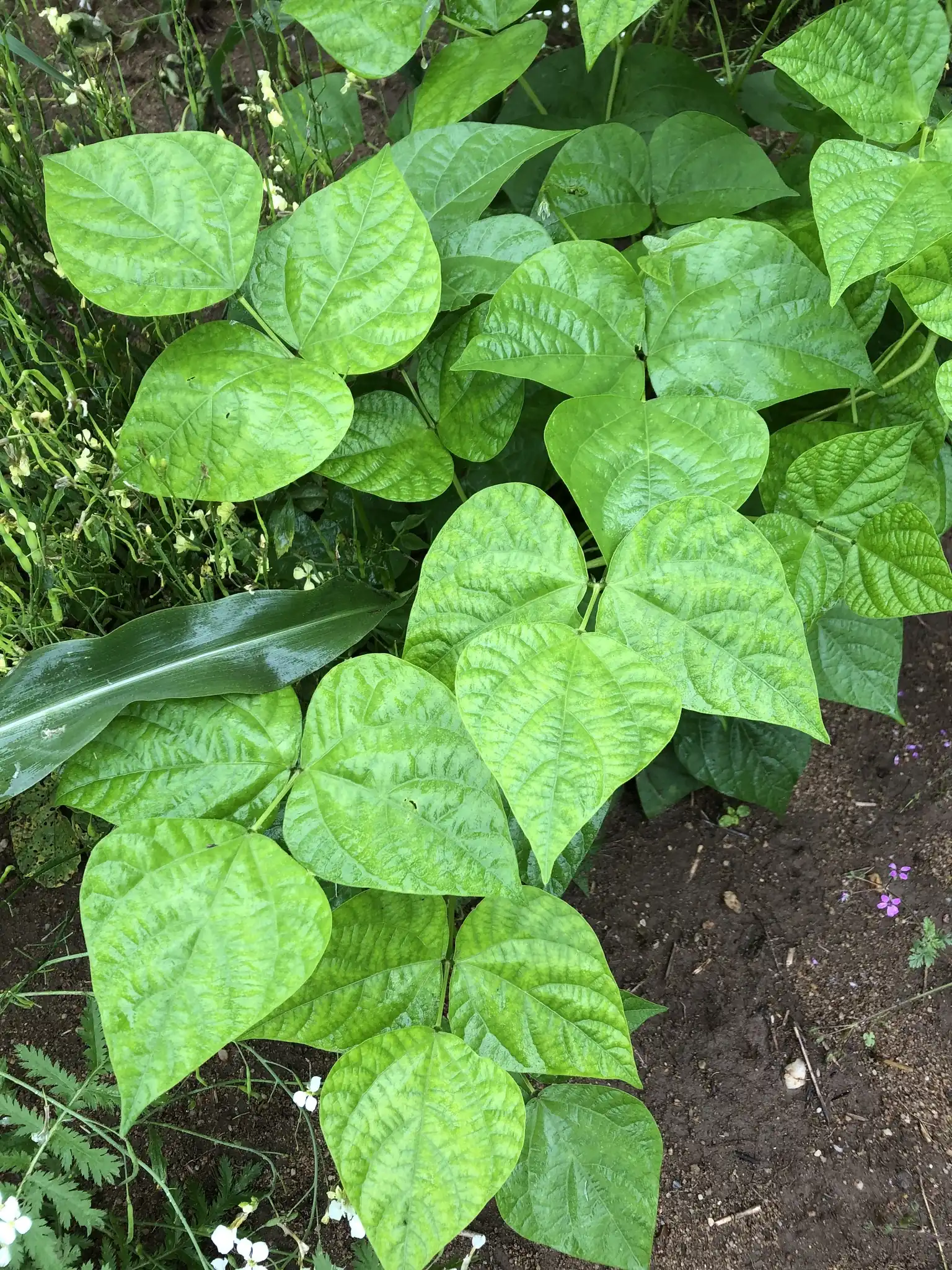
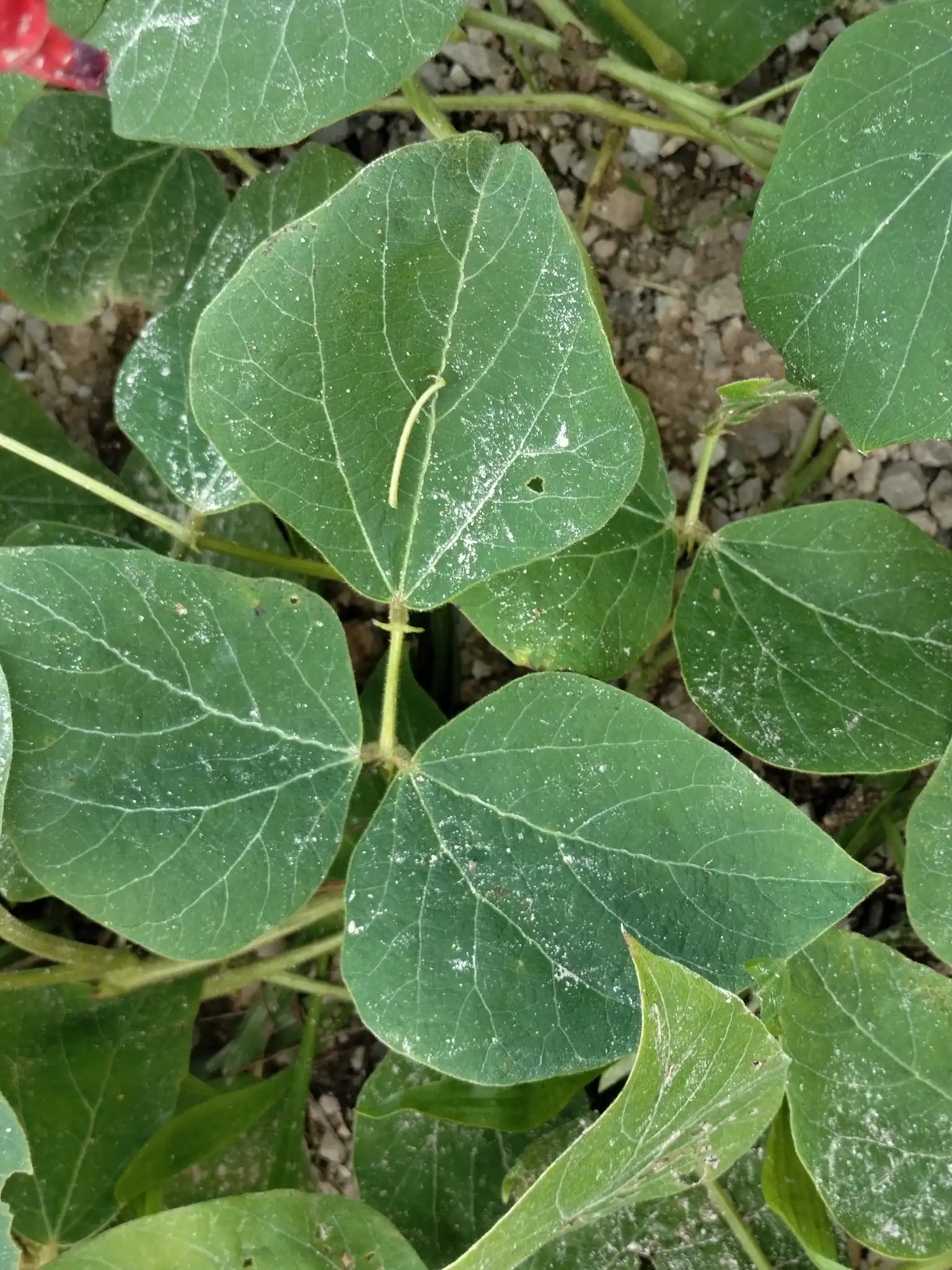
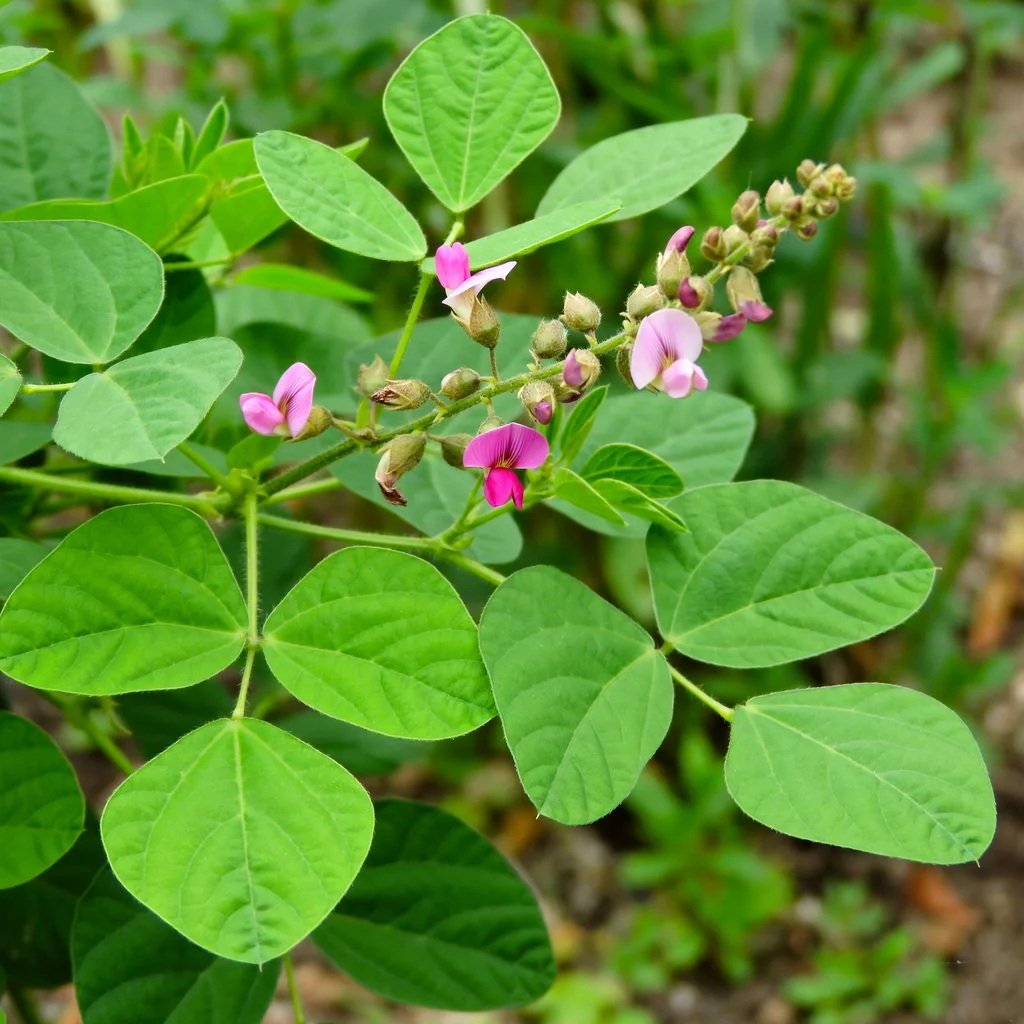
3 species of Phaseolus
Each one is a parent of the varieties above.
Track your Phaseolus in Sow
Save the Phaseolus you grow and get care reminders timed to your zone.
How to grow Phaseolus
Whats common across all Phaseolus varieties in our catalog — drawn from the care records of the 5 most-grown of them.
The Phaseolus year
- HarvestJuly–October100% of varieties
Harvest pods when they are plump and firm but still green, before they turn yellow and dry.
- PlantMay and June60% of varieties
Sow seeds directly into warm soil at least one inch deep after all danger of frost has passed.
- FertilizeJune and July60% of varieties
Apply a balanced low-nitrogen fertilizer or a phosphorus-potash boost at flowering; excess nitrogen prevents pod set.
- Check for PestsJune–August60% of varieties
Monitor foliage for Japanese beetles, aphids, and spider mites, treating early with insecticidal soap if needed.
- StakeMay40% of varieties
Install trellis or stakes for pole varieties at planting time


Do
- Ensure the soil is warm and well-drained before planting.
- Provide a strong trellis or support system for climbing varieties.
- Water at the base of the plant to keep foliage dry and prevent fungal diseases.
- Cook all harvested seeds thoroughly before consuming.
- Water consistently to keep soil evenly moist 💧
Avoid
- Do not plant seeds in cold, wet soil below 60°F (15°C).
- Do not over-fertilize with nitrogen, which causes excessive vine growth and no pods.
- Do not allow the soil to dry out completely during flowering and pod set.
- Do not eat any part of the plant raw.
What goes wrong with Phaseolus
| Problem | What you'll see | What to do |
|---|---|---|
| Aphids | Curled, yellowing leaves and sticky honeydew on foliage. | Apply insecticidal soaps or knock them off with a strong spray of water. |
| Bean beetles | Holes in leaves, defoliation | Handpick beetles or use organic insecticides |
| Japanese beetles | Skeletonized leaves with only the veins remaining. | Handpick beetles into soapy water or use floating row covers early in the season. |
| Spider mites | Fine webbing on leaf undersides and yellow stippling on foliage. | Increase humidity around plants and apply neem oil to affected areas. |
| Root rot | Stunted growth, yellowing leaves, and decayed, mushy roots. | Plant in highly drained soil and avoid overwatering or waterlogged conditions. |
| Powdery mildew | White, powdery fungal patches on leaves and stems. | Ensure good air circulation, space plants properly, and avoid overhead watering. |
| Bacterial blight | Water-soaked spots on leaves that dry out and turn brown. | Use certified disease-free seed, practice crop rotation, and avoid working among wet plants. |
Making more Phaseolus
Seed
- Wait until soil temperatures reach at least 60°F (15°C) after the last spring frost.
- Sow seeds directly into well-drained, fertile soil at a depth of 1 to 1.5 inches.
- Space seeds 3 to 6 inches apart in rows, providing a trellis for vining varieties.
- Keep soil consistently moist but not waterlogged until germination occurs in 7 to 14 days.
Seed sowing
- Tuck seeds 1-2 inches deep in moist soil (2 weeks).
- Maintain consistent watering for germination.
- Thin seedlings to one plant per 3 inches after emergence.
Phaseolus questions
How many types of Phaseolus are there?
The Sow catalog tracks 5 distinct Phaseolus varieties. The most popular — ranked by 207 real gardeners — are shown first above.
What zones does Phaseolus grow in?
Across its varieties, Phaseolus covers USDA Zones 4–10. Individual varieties differ — each plant page lists its exact range, and Sow filters the catalog to your zone automatically.
When does Phaseolus bloom?
Most Phaseolus varieties bloom in mid-summer, summer, midsummer to frost. Staggering early, mid, and late varieties extends the genus's season in one bed.
Which Phaseolus should I choose?
Start from the most-saved varieties above — popularity across thousands of gardens is a strong signal of reliability — then filter by your zone and sun. In the Sow app you can preview any of them in a photo of your actual yard before you buy.