


The Story
Plant Bio
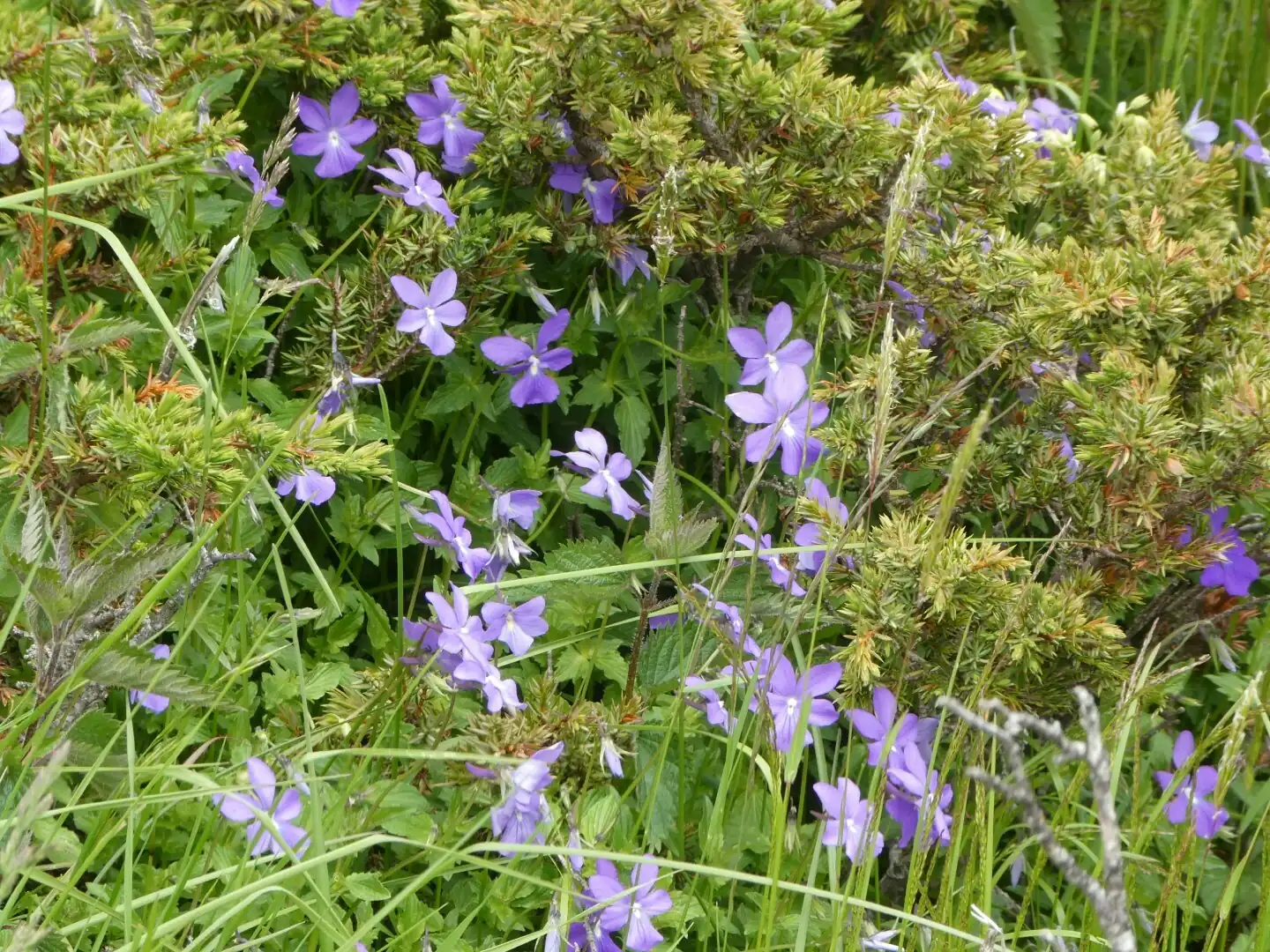
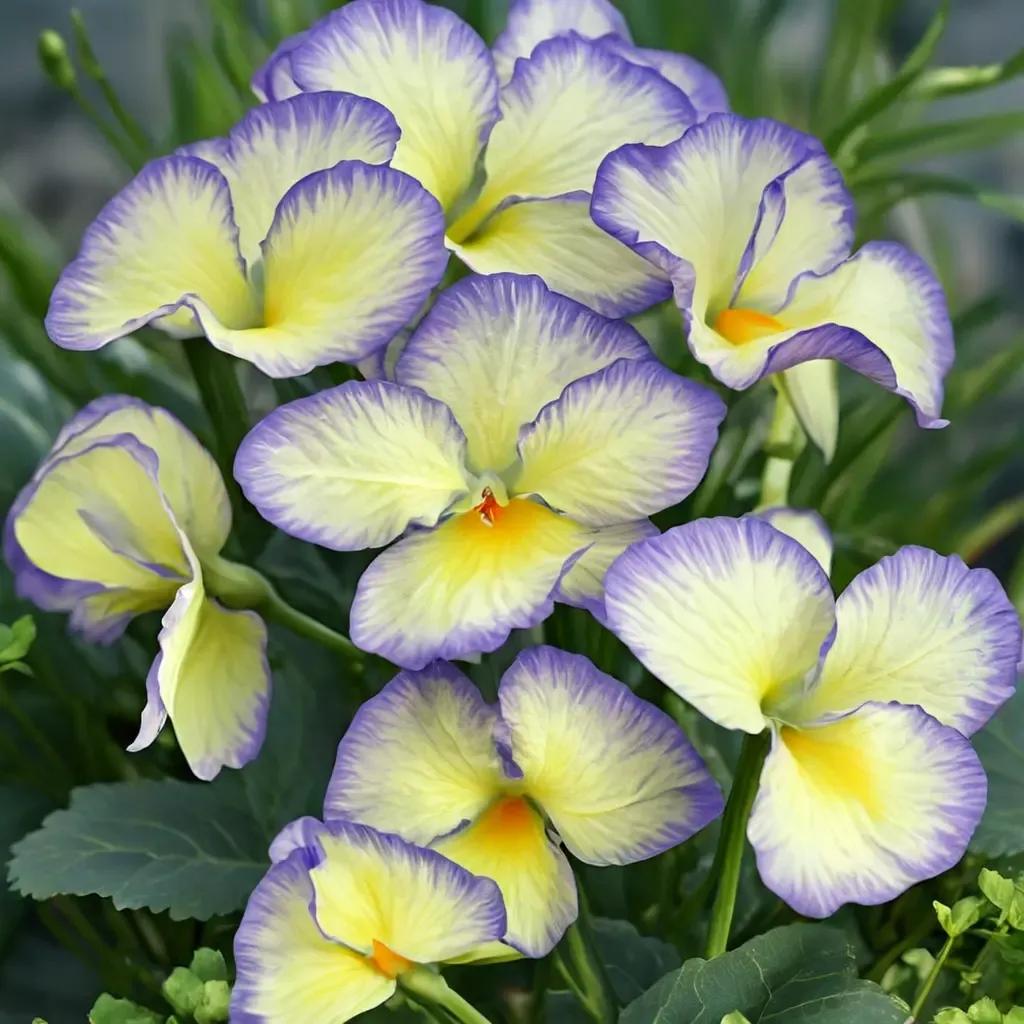
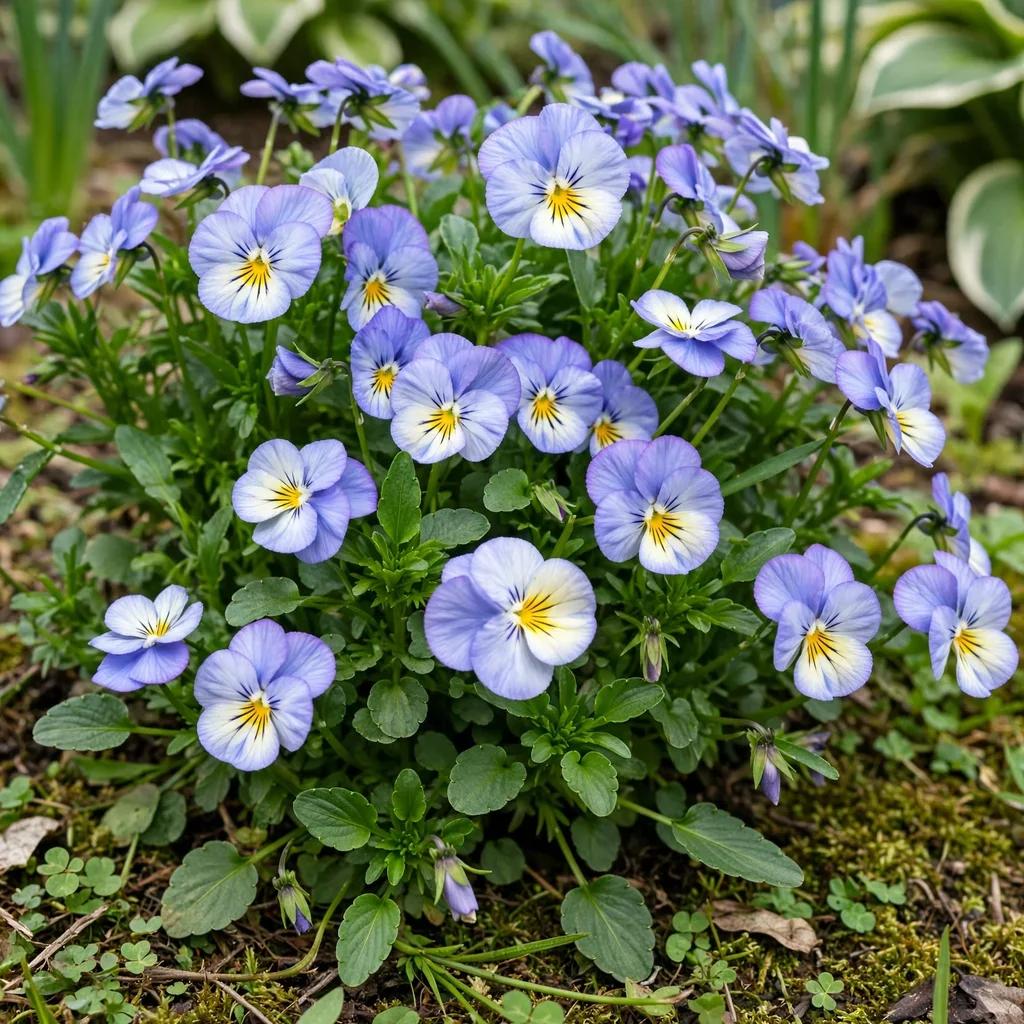
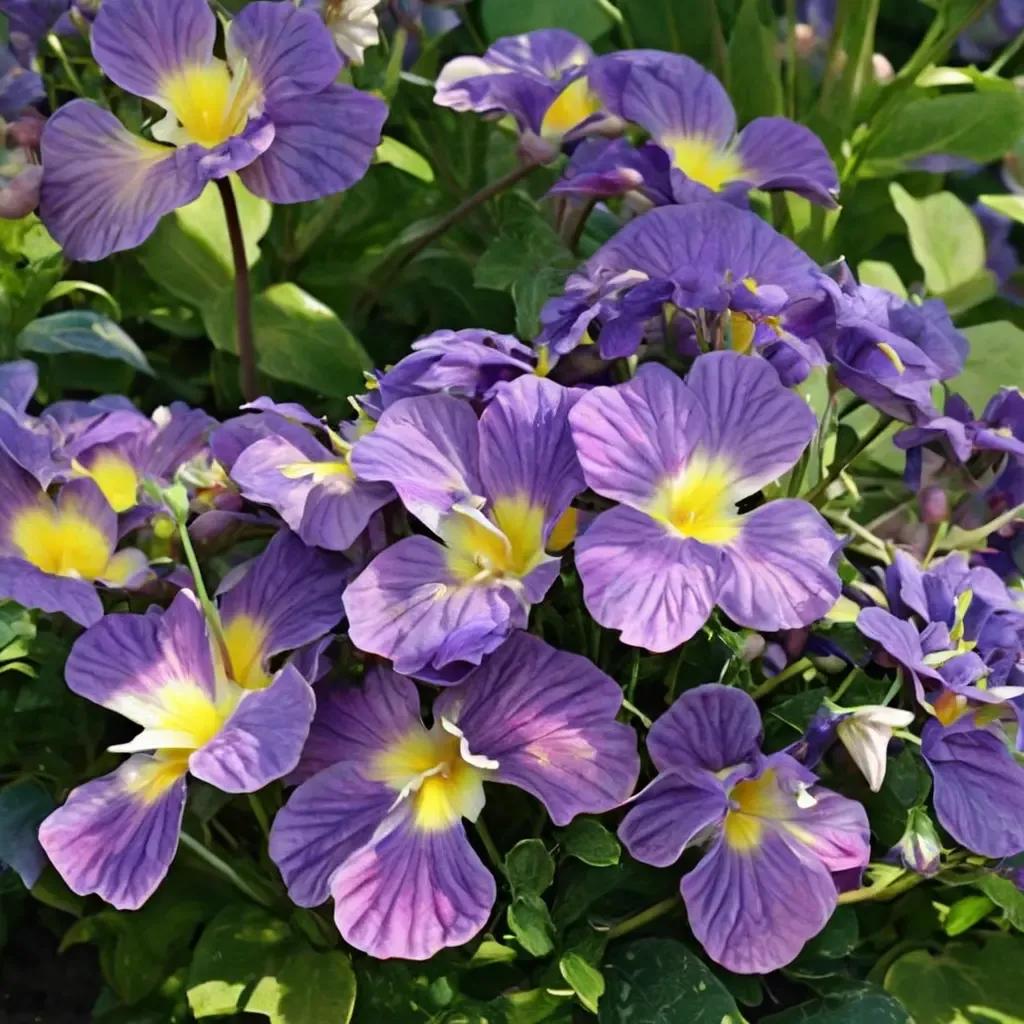
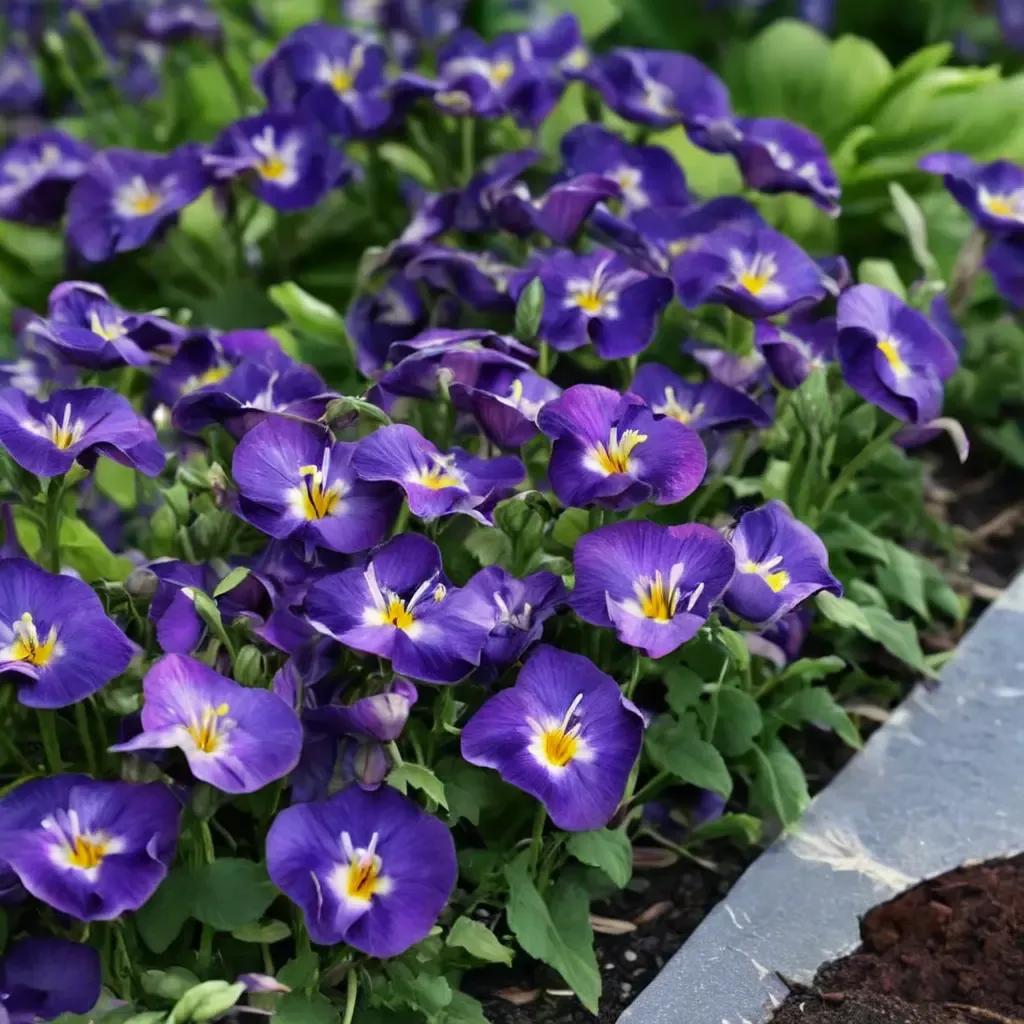
Viola cornuta, the horned or tufted violet, is a low spreading perennial from the Pyrenees of France and Spain, forming evergreen mats six to nine inches high. Rounded toothed leaves cover the clump, and small flat-faced flowers with a distinct spur behind each bloom open in spring and again in autumn, in violet, blue, white or apricot.
Unlike bedding pansies, which are effectively annual, this is a genuine perennial and comes back for years. It goes leggy and stops flowering in midsummer heat — shear the whole plant back by half at that point and it returns with a clean autumn flush. The flowers and leaves are edible and useful for decorating food.
Uses & Benefits:
Essentials
At a Glance
Plant Type
Perennial
Height
6"
Width
12"
Light
Full Sun, Partial Sun, Shade
Zones
4, 5, 6, 7, 8
Water
Moderate
Humidity
Moderate
Lifespan
Perennial
Native To
The Pyrenees of France and Spain
Toxicity
Non-toxic; flowers and leaves are edible
Planting
How to Grow
- Plant in full sun to partial shade.
- Give it moist, freely draining soil.
- Shear back by half when it goes leggy in midsummer.
- Water after shearing to bring on new growth.
- Divide congested clumps in spring or autumn.
- Deadhead regularly to extend flowering.
Pro Tip
Shear it by half in midsummer rather than pulling it out — the autumn flush is often better than the spring one.
Keep It Thriving
Care Guide
Do
- Shear back by half in midsummer ✂️
- Deadhead regularly for more flower 🌸
- Keep the soil moist but drained 💧
- Use the flowers to decorate food 🍰
Don't
- Treat it as a disposable annual ❌
- Let it bake dry in summer sun ❌
- Leave it leggy and unsheared ❌
Seasonal Care Calendar
| Task | Jan | Feb | Mar | Apr | May | Jun | Jul | Aug | Sep | Oct | Nov | Dec |
|---|---|---|---|---|---|---|---|---|---|---|---|---|
| Divide | ||||||||||||
| Shear |
Watch Out For
Pests & Diseases
Common Pests
Common Diseases
In the Garden
Landscape Uses & Companions
Landscape Uses
Companion Plants
Multiply
Propagation Methods
Good to Know
Common Questions
Horned Violet questions
What zones can Horned Violet grow in?
Horned Violet is hardy in USDA Zones 4–8. Inside that range it survives winter in the ground; outside it, grow it as an annual or a container plant you protect.
Is Horned Violet deer resistant?
Yes — Horned Violet is rated deer-resistant. Deer typically pass it over, though extreme hunger can override any plant's defenses.
When does Horned Violet bloom?
Horned Violet typically blooms in spring and fall through late spring. Exact timing shifts a week or two with your zone — Sow's bloom calendar maps it to your garden.
Does Horned Violet need full sun?
Horned Violet does best in full sun to part shade. In hot climates, afternoon shade keeps blooms fresher longer.
More Viola to compare
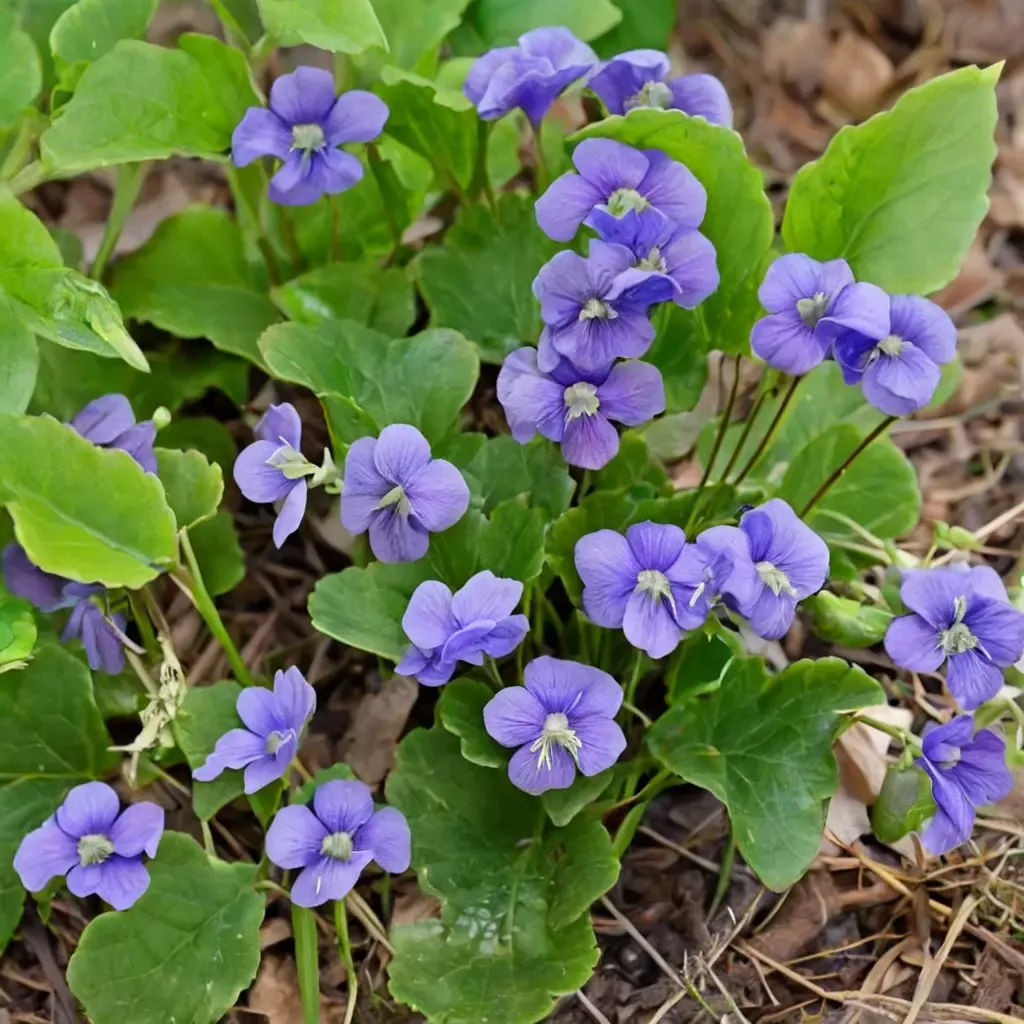
Common Blue Violet
Viola sororia
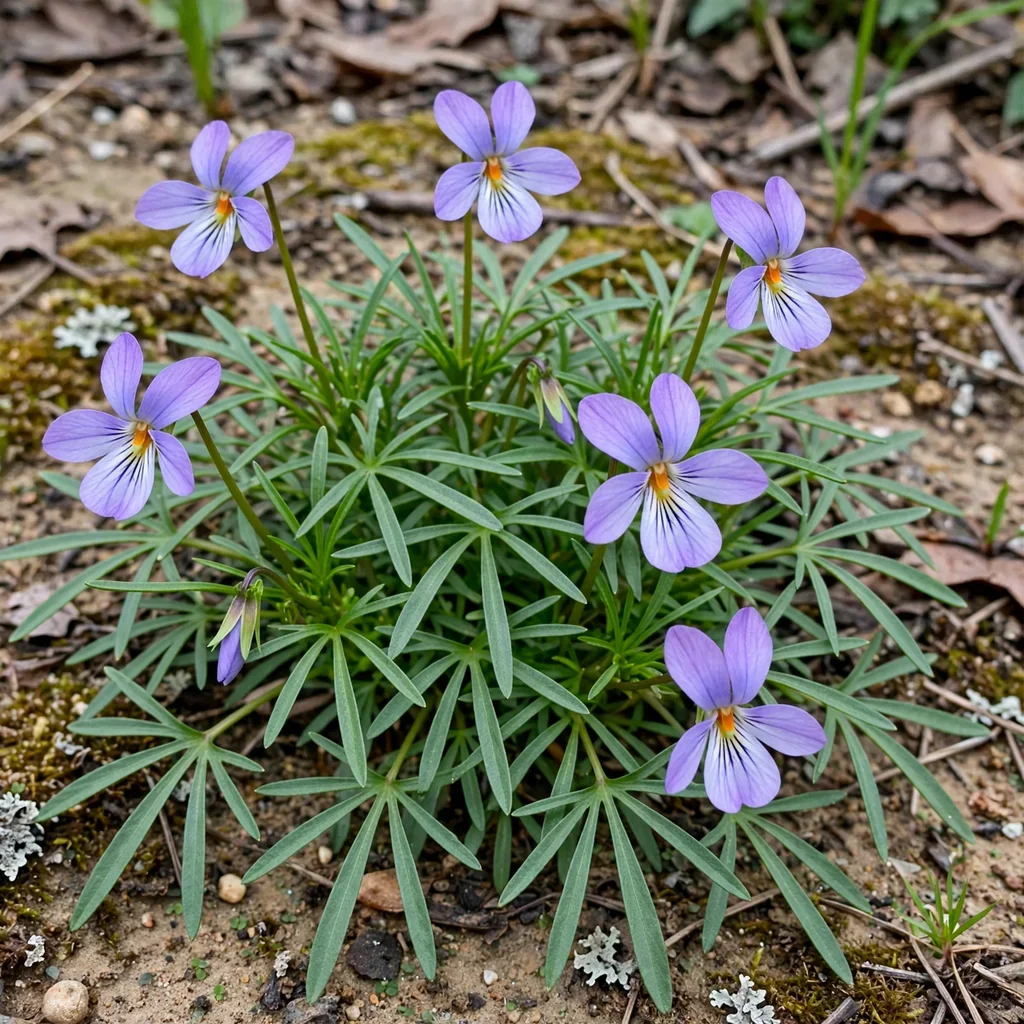
Bird's Foot Violet
Viola pedata
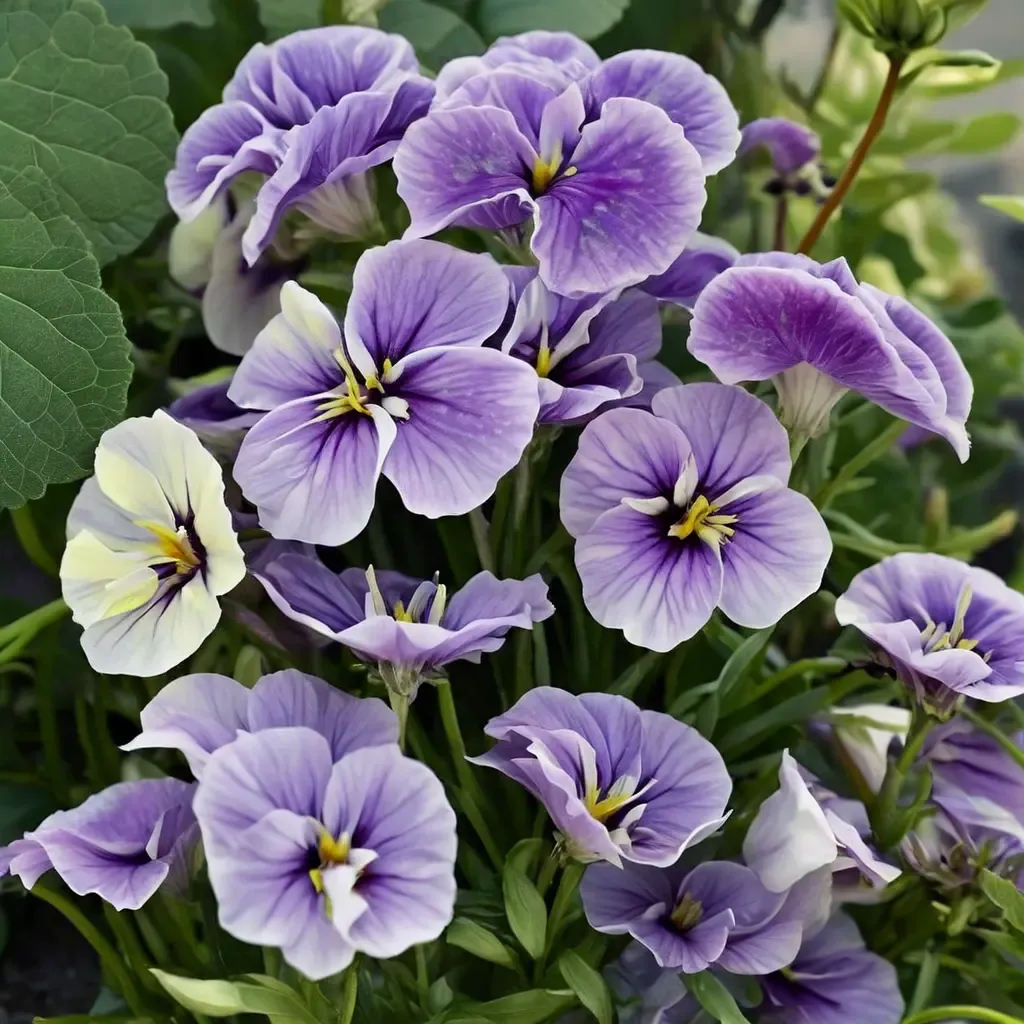
Painted Porcelain Pansy
Viola x wittrockiana 'Painted Porcelain'
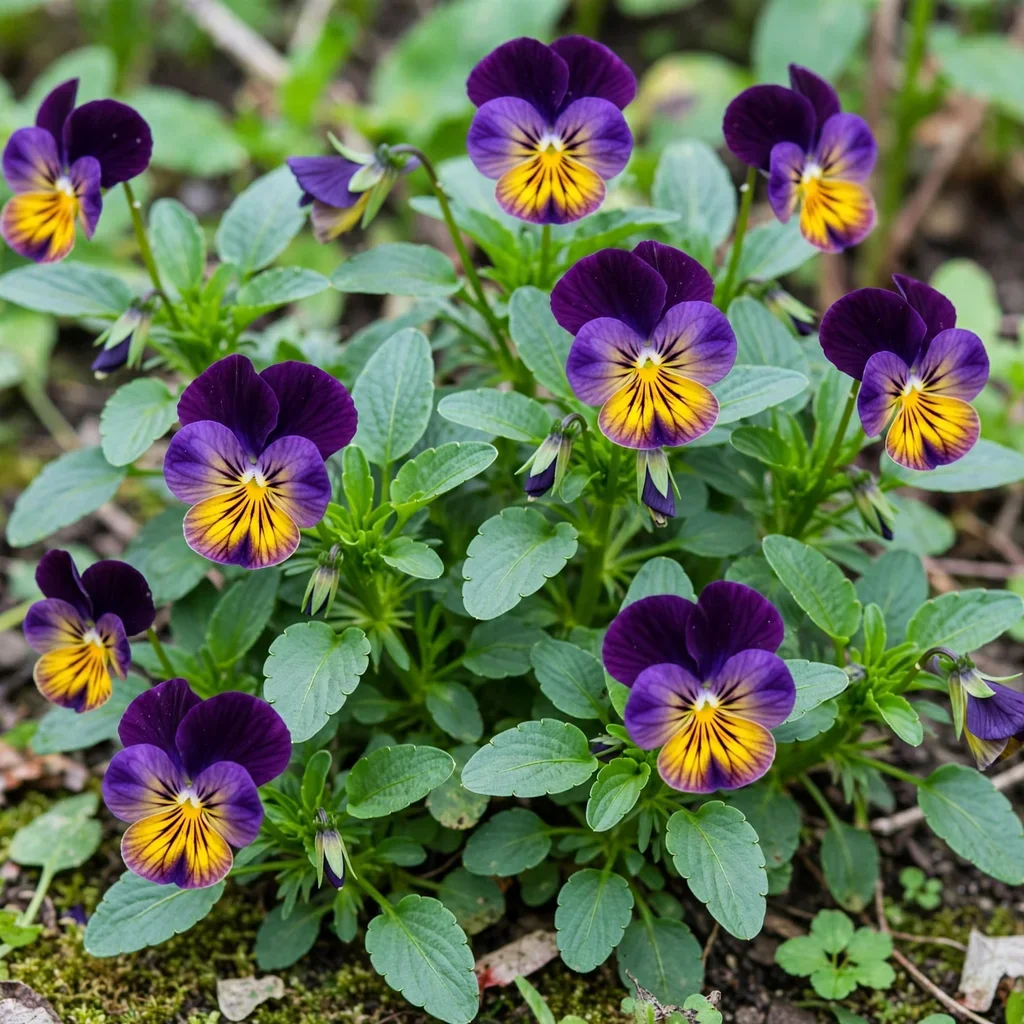
Northern Lights Horned Violet
Viola cornuta 'Northern Lights'
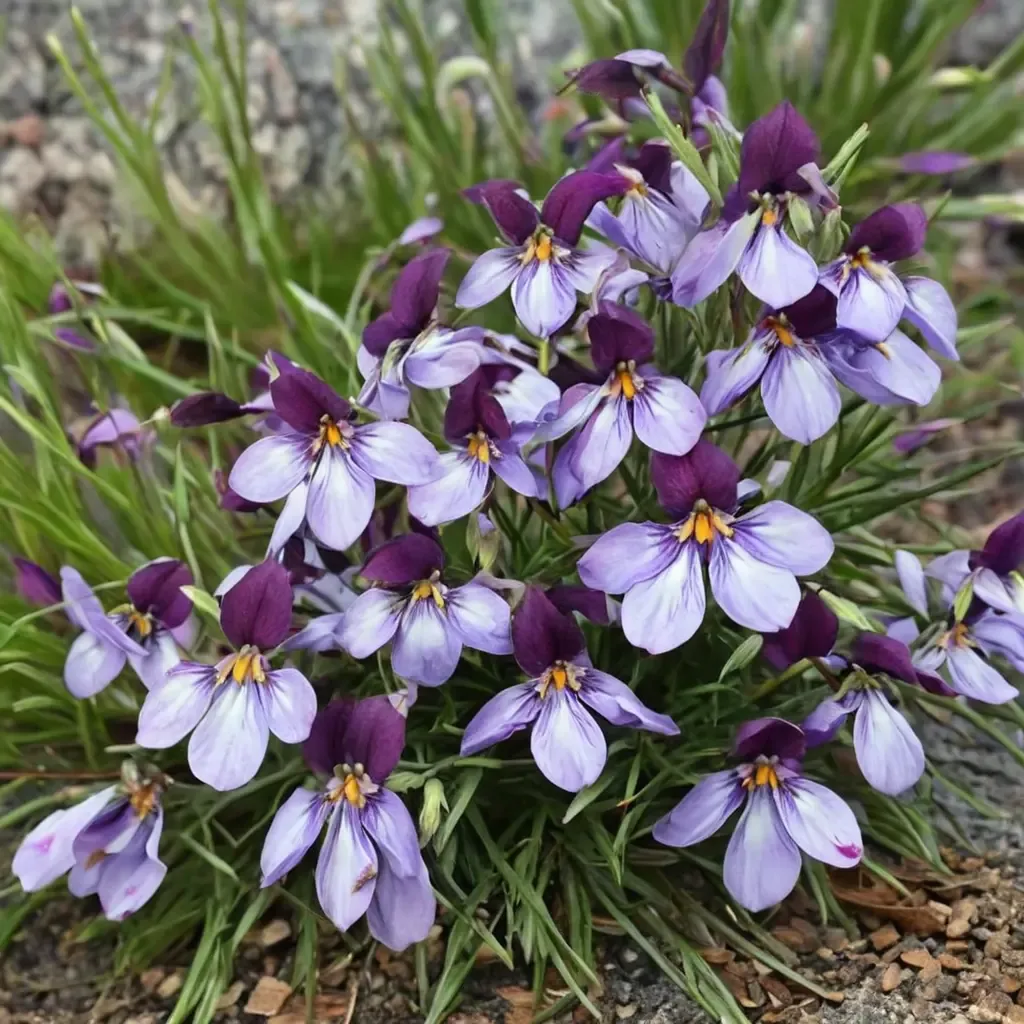
Birdfoot Violet
Viola pedata 'Eco Artist Palette'
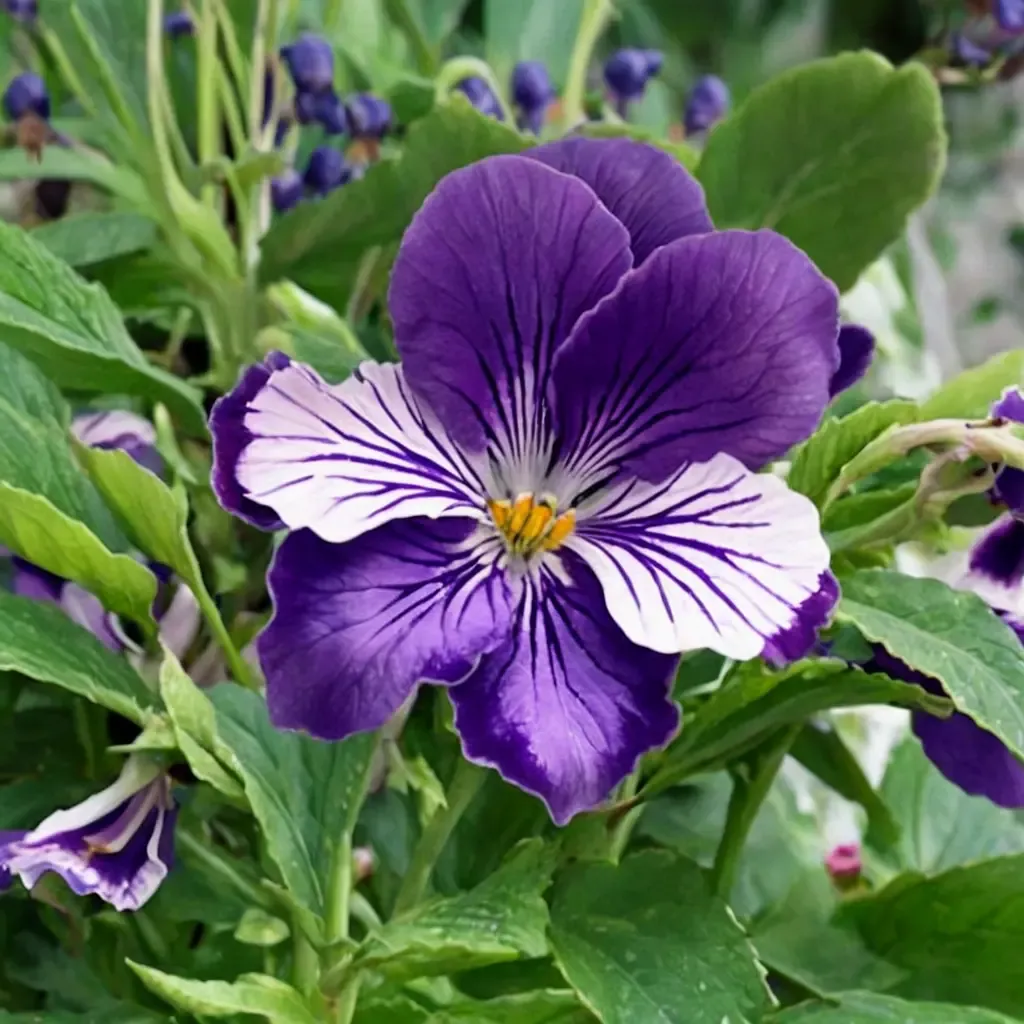
Whopping Purple Whiskers Pansy
Viola tricolor 'Whopping Purple Whiskers'
Keep exploring
Explore the genus
Hardy in your zone?
Grow Horned Violet with confidence
See it in a design of your actual yard, get zone-matched care reminders, and track it season by season in your garden journal.