
Species
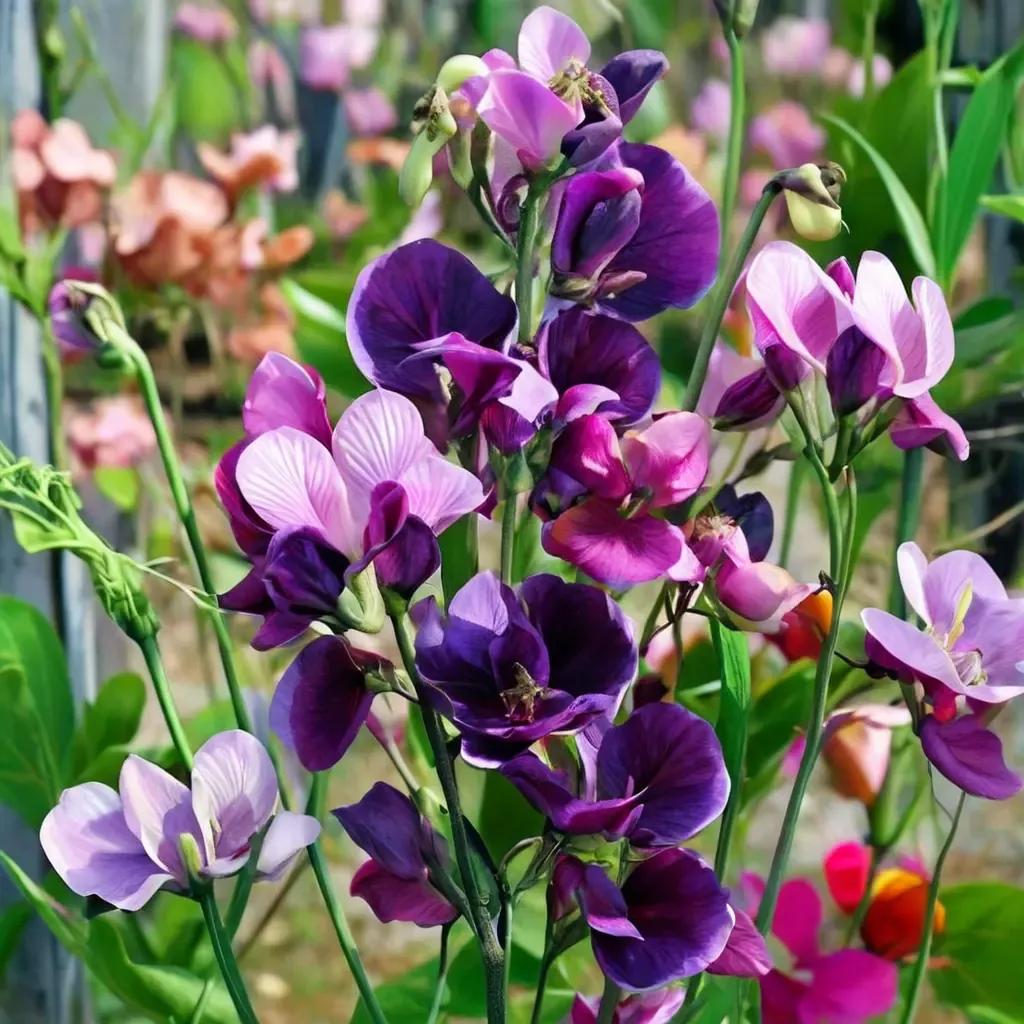 Lathyrus odoratusSweet Pea
15 other cultivars
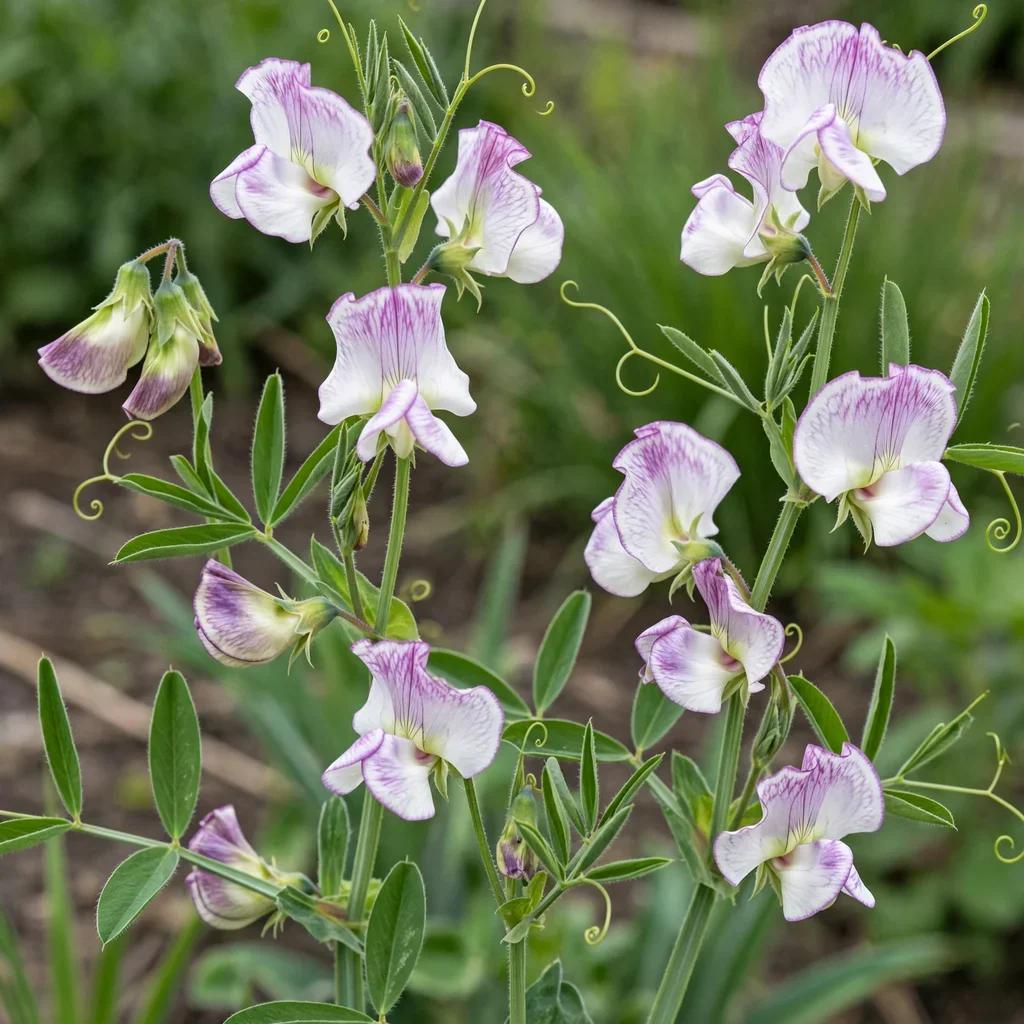 ‘Pulsar’Pulsar Sweet Pea
 ‘Painted Lady’Painted Lady Sweet Pea
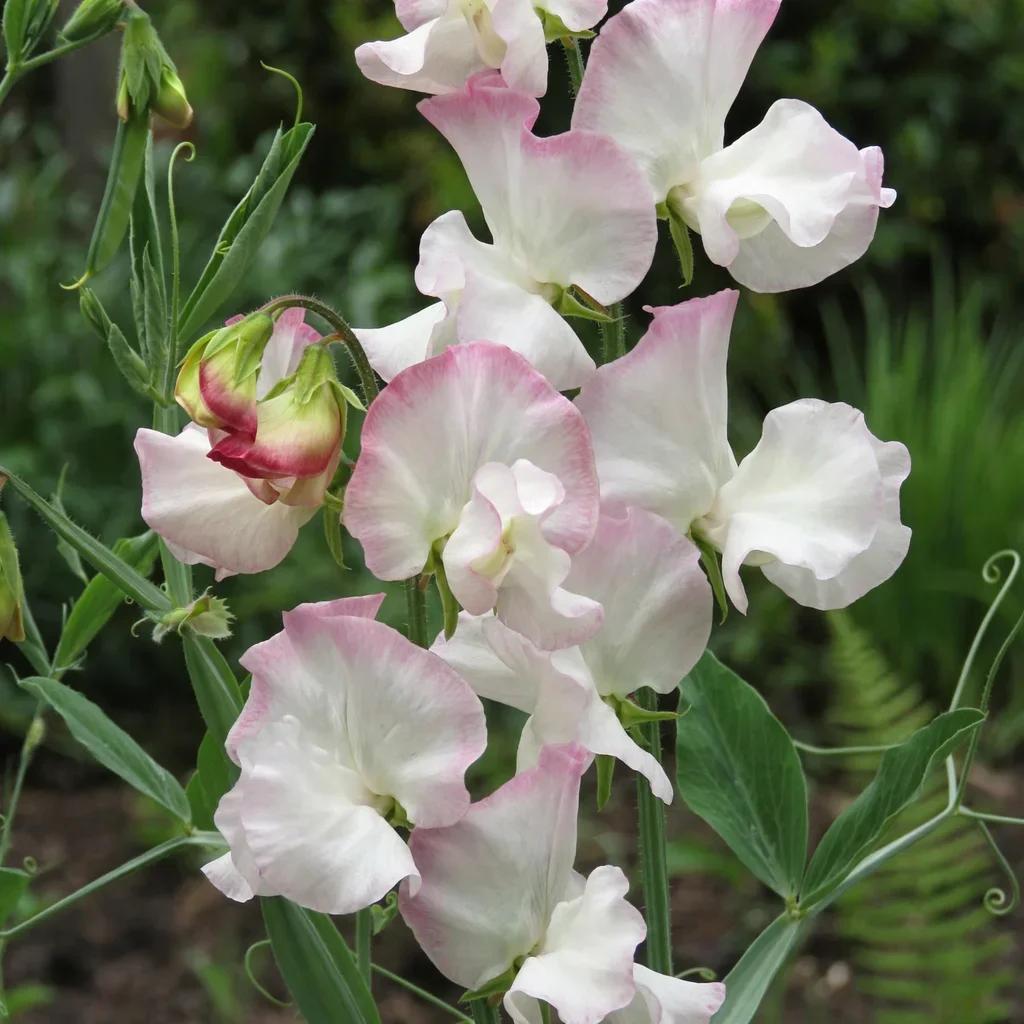 ‘High Society’Sweet Pea 'High Society'
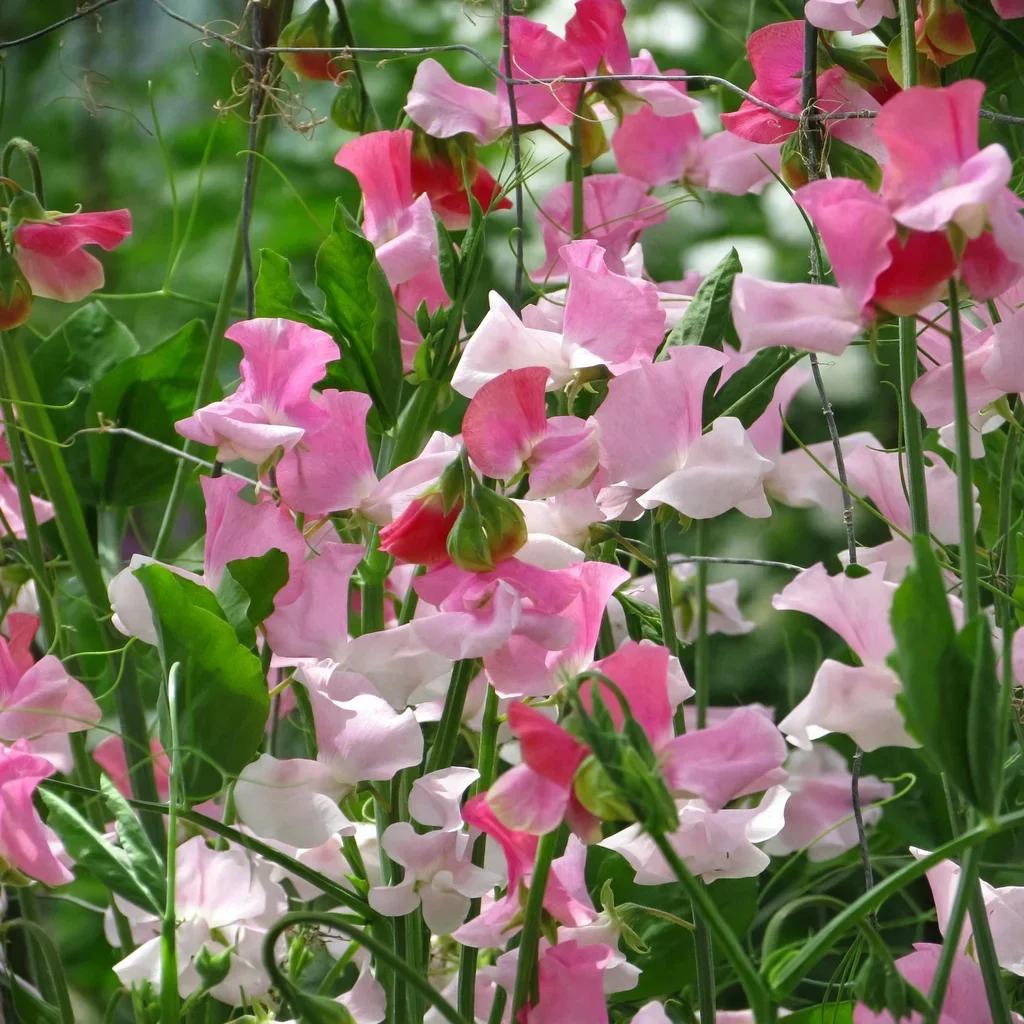 ‘Nuance’Nuance Sweet Pea
 ‘Sugar Magnolia’Sugar Magnolia Sweet Pea
 ‘Nimbus’Nimbus Sweet Pea
 ‘Almost Black’Almost Black Sweet Pea
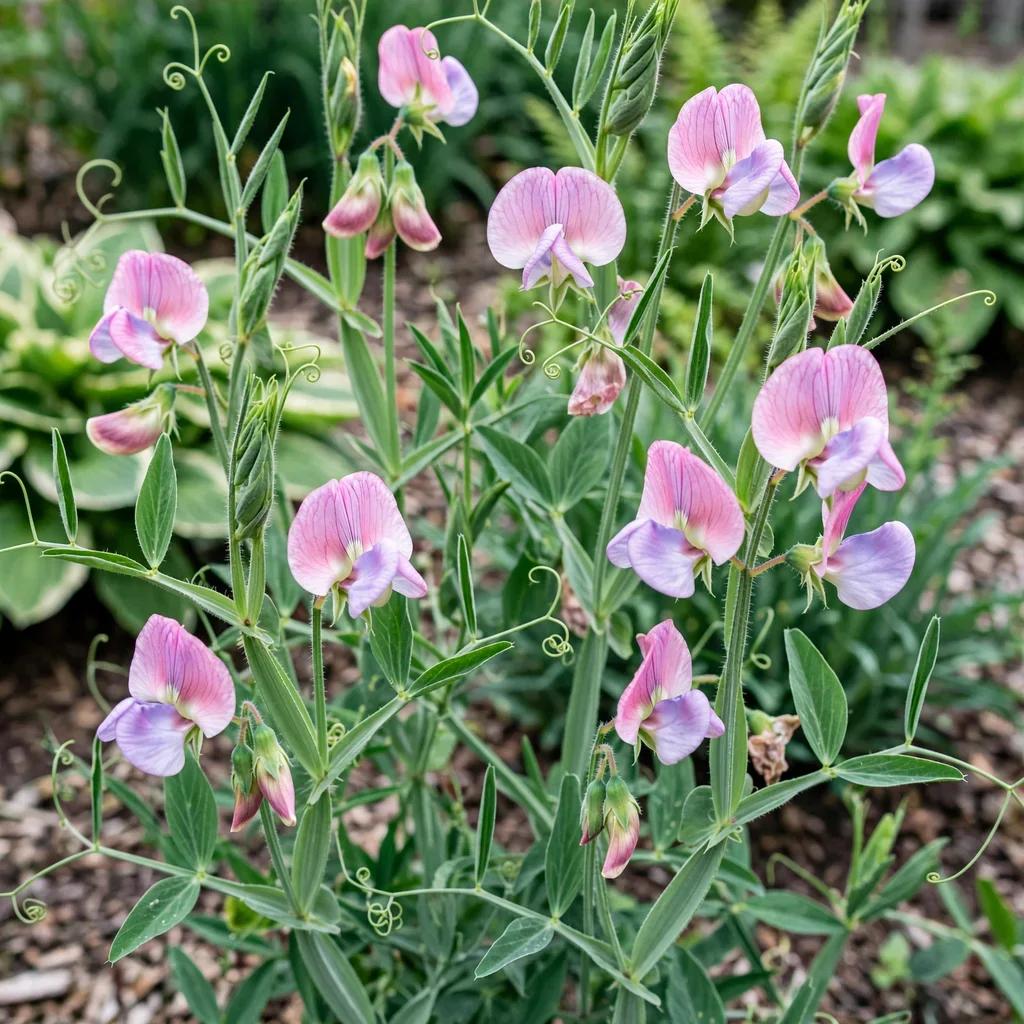 ‘Enchante’Enchanted Sweet Pea
 ‘April in Paris’Sweet Pea 'April in Paris'
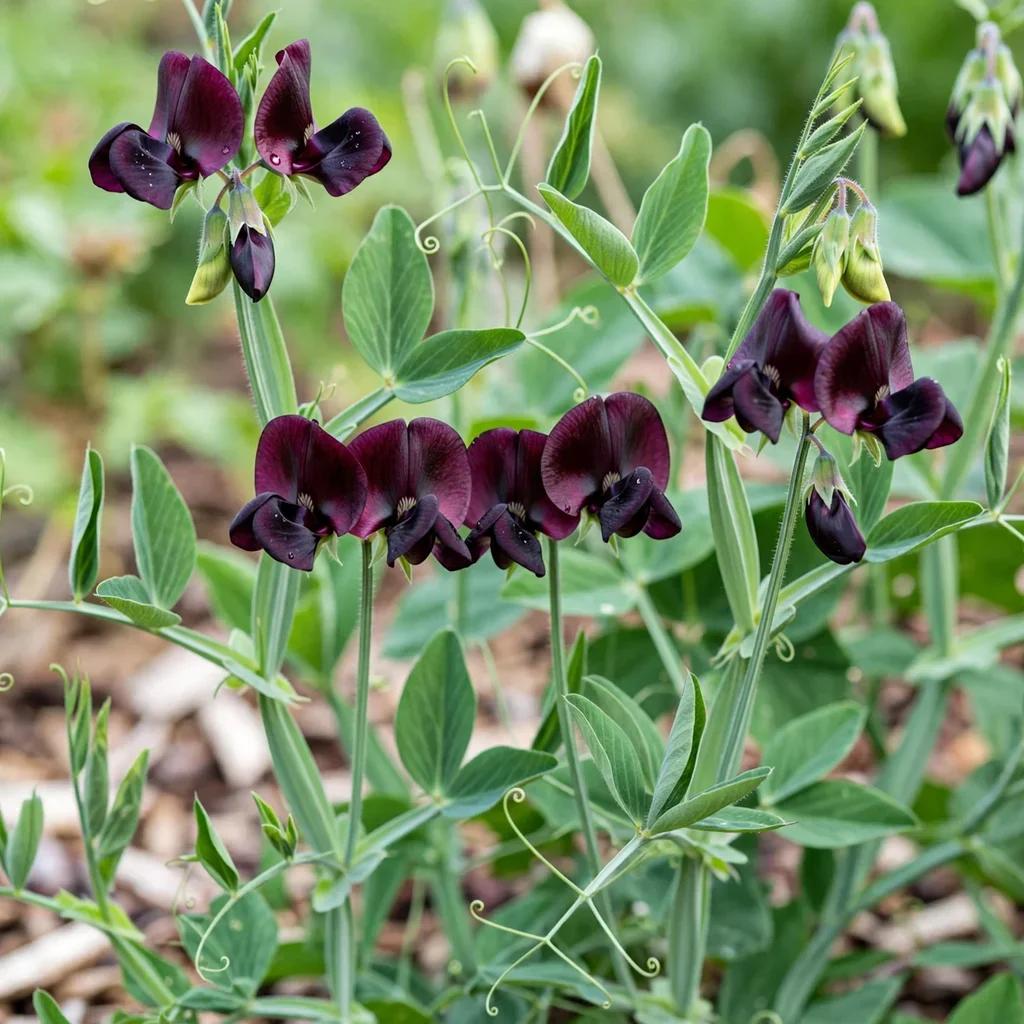 ‘Black Knight’Sweet Pea 'Black Knight'
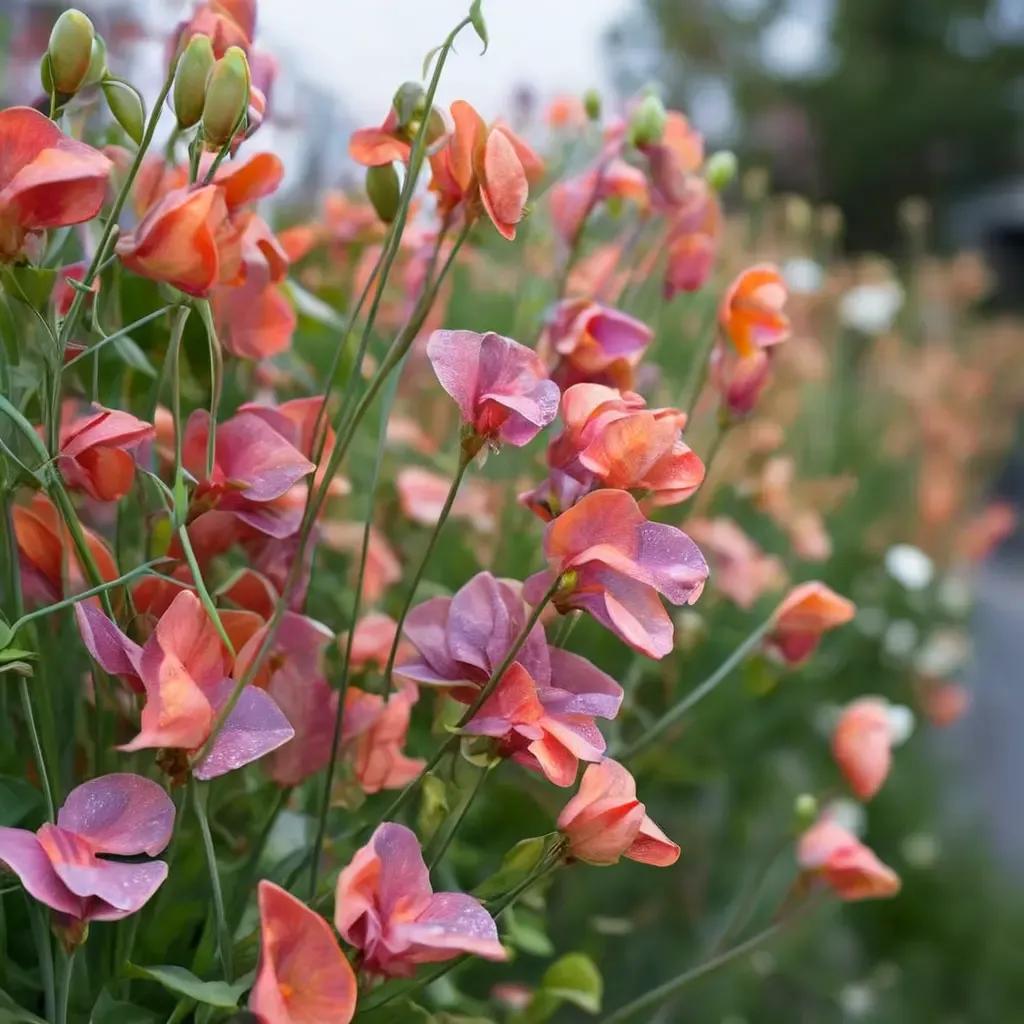 ‘Blue Vein’Blue Veined Sweet Pea
 ‘Streamers Chocolate’Chocolate Streamers Sweet Pea
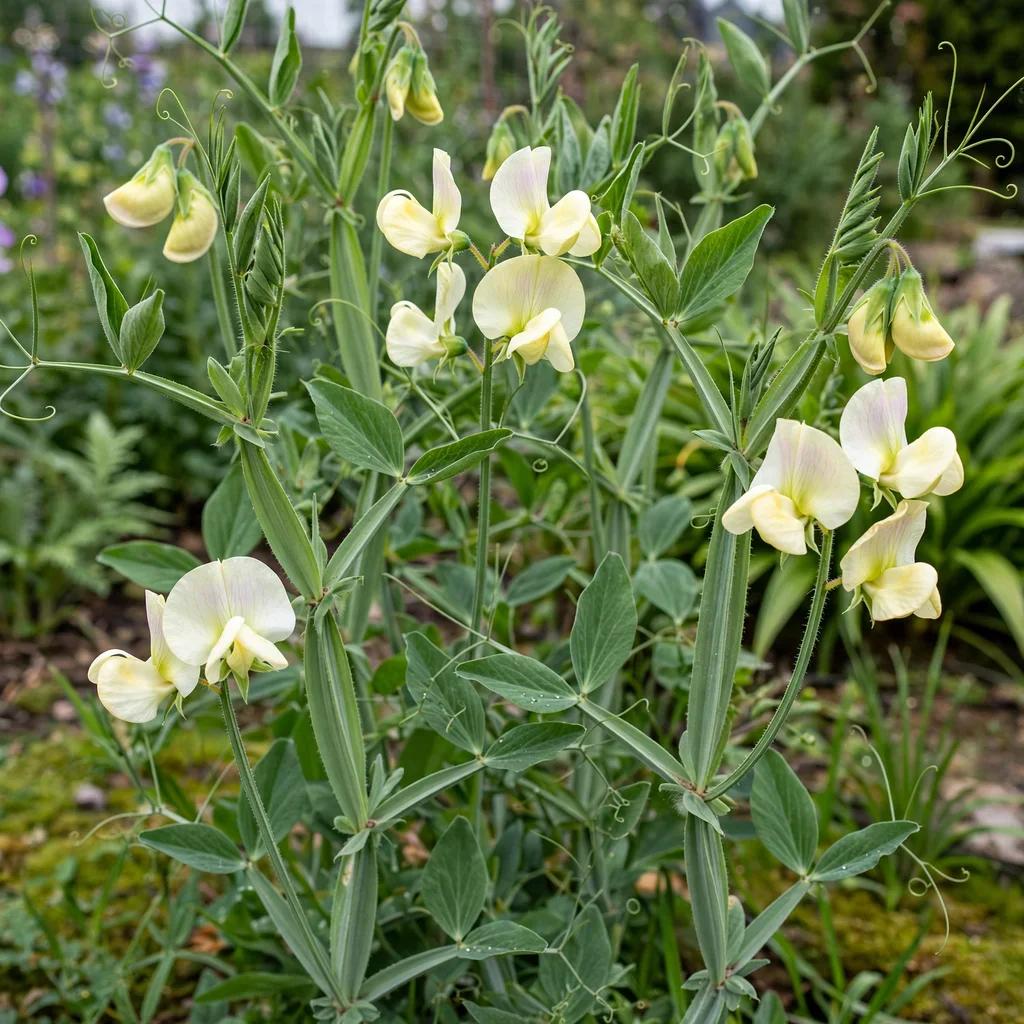 ‘Mrs Collier’Mrs. Collier Sweet Pea
 ‘Wiltshire Ripple’Wiltshire Ripple Sweet Pea
 ‘Prince of Orange’Prince of Orange Sweet Pea
The Story
Plant Bio
A heritage, climbing annual vine known for its intensely fragrant, bicolored flowers. It is one of the earliest known sweet pea cultivars, dating back to the 17th century.
Believed to be the original sweet pea, this heirloom variety is prized for its powerful fragrance and striking bicolored flowers, with deep maroon upper petals (standards) and violet-purple lower petals (wings).
Uses & Benefits:
Essentials
At a Glance
Plant Type
Annual
Height
72"
Width
12"
Light
Full Sun, Partial Sun
Zones
4, 5, 6, 7, 8, 9, 10
Water
Moderate
Humidity
Average
Lifespan
Annual
Native To
Sicily, Italy
Toxicity
Seeds are toxic if ingested.
Bloom period
Late spring to summer – Early summer
In flower about 2 months of the year
Planting
How to Grow
- Tuck seeds into well-draining soil in early spring for best germination.
- Mist cuttings regularly to maintain humidity and promote root growth.
- Support climbing vines with trellises or stakes as they grow taller.
- Water consistently but avoid waterlogging; keep soil moist during active growth.
- Fertilize monthly with a balanced, water-soluble fertilizer during the growing season.
- Prune after flowering to encourage bushier growth and remove dead tendrils.
Pro Tip
Soak seeds overnight before planting to enhance germination success.
Keep It Thriving
Care Guide
Do
- Provide full sun for optimal flowering 🌞
- Water regularly during dry spells 💧
- Support climbing stems with trellises or cages
- Apply balanced fertilizer monthly in growing season
- Prune after flowering to promote bushiness
Don't
- Avoid overwatering to prevent root rot ❌
- Don't plant in heavy clay soil without amendment
- Refrain from fertilizing late in the season to prevent legginess
- Don't neglect support structures for climbing vines
- Avoid pruning in late fall to prevent frost damage
Seasonal Care Calendar
| Task | Jan | Feb | Mar | Apr | May | Jun | Jul | Aug | Sep | Oct | Nov | Dec |
|---|---|---|---|---|---|---|---|---|---|---|---|---|
| Deadhead | ||||||||||||
| Fertilize | ||||||||||||
| Plant | ||||||||||||
| Stake |
Watch Out For
Pests & Diseases
Common Pests
Common Diseases
In the Garden
Landscape Uses & Companions
Landscape Uses
Multiply
Propagation Methods
Good to Know
Common Questions
Cupani Sweet Pea questions
What zones can Cupani Sweet Pea grow in?
Cupani Sweet Pea is hardy in USDA Zones 4–10. Inside that range it survives winter in the ground; outside it, grow it as an annual or a container plant you protect.
Is Cupani Sweet Pea deer resistant?
Not reliably. Deer may browse Cupani Sweet Pea, especially tender spring growth — plan on repellents or fencing where pressure is high.
When does Cupani Sweet Pea bloom?
Cupani Sweet Pea typically blooms in late spring to summer through early summer. Exact timing shifts a week or two with your zone — Sow's bloom calendar maps it to your garden.
Does Cupani Sweet Pea need full sun?
Cupani Sweet Pea does best in full sun to part shade. In hot climates, afternoon shade keeps blooms fresher longer.
More Lathyrus to compare
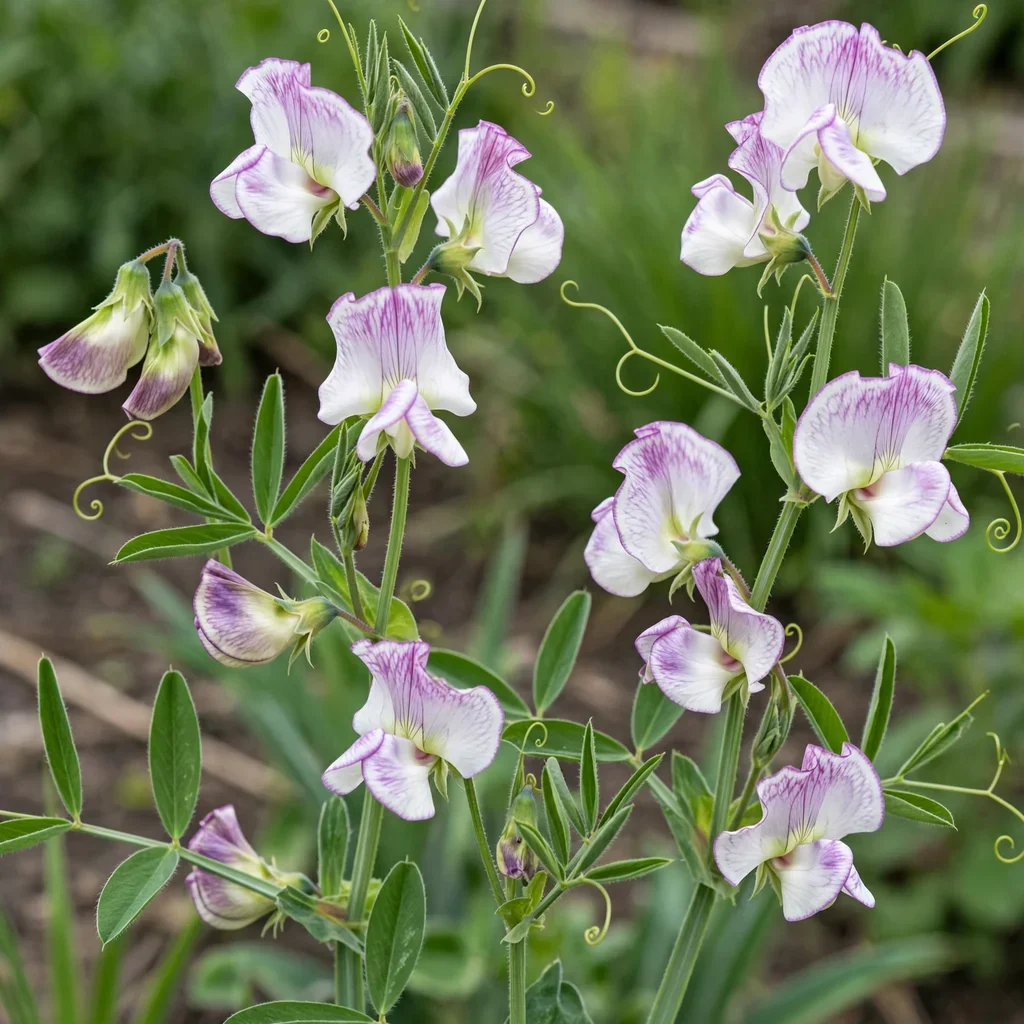
Pulsar Sweet Pea
Lathyrus odoratus 'Pulsar'
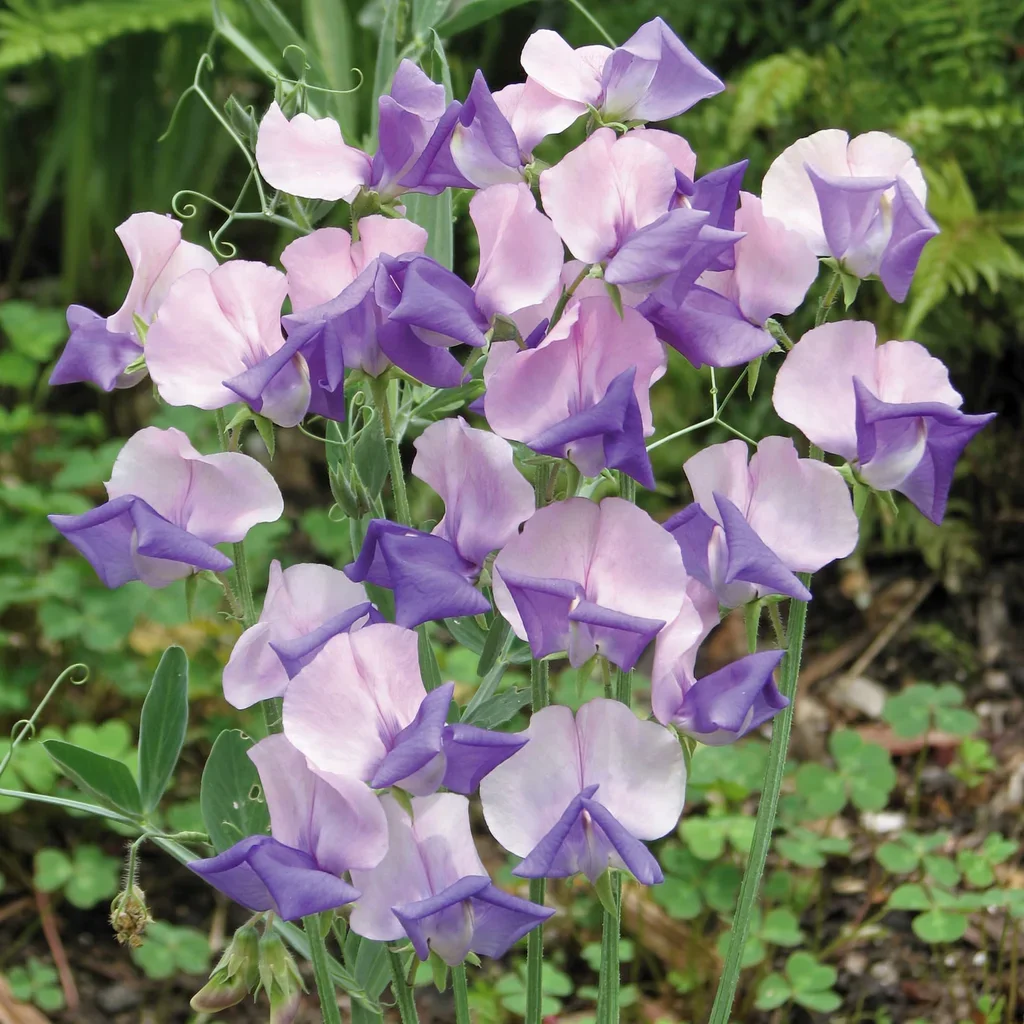
Erewhon Sweet Pea
Lathyrus x belinensis 'Erewhon'
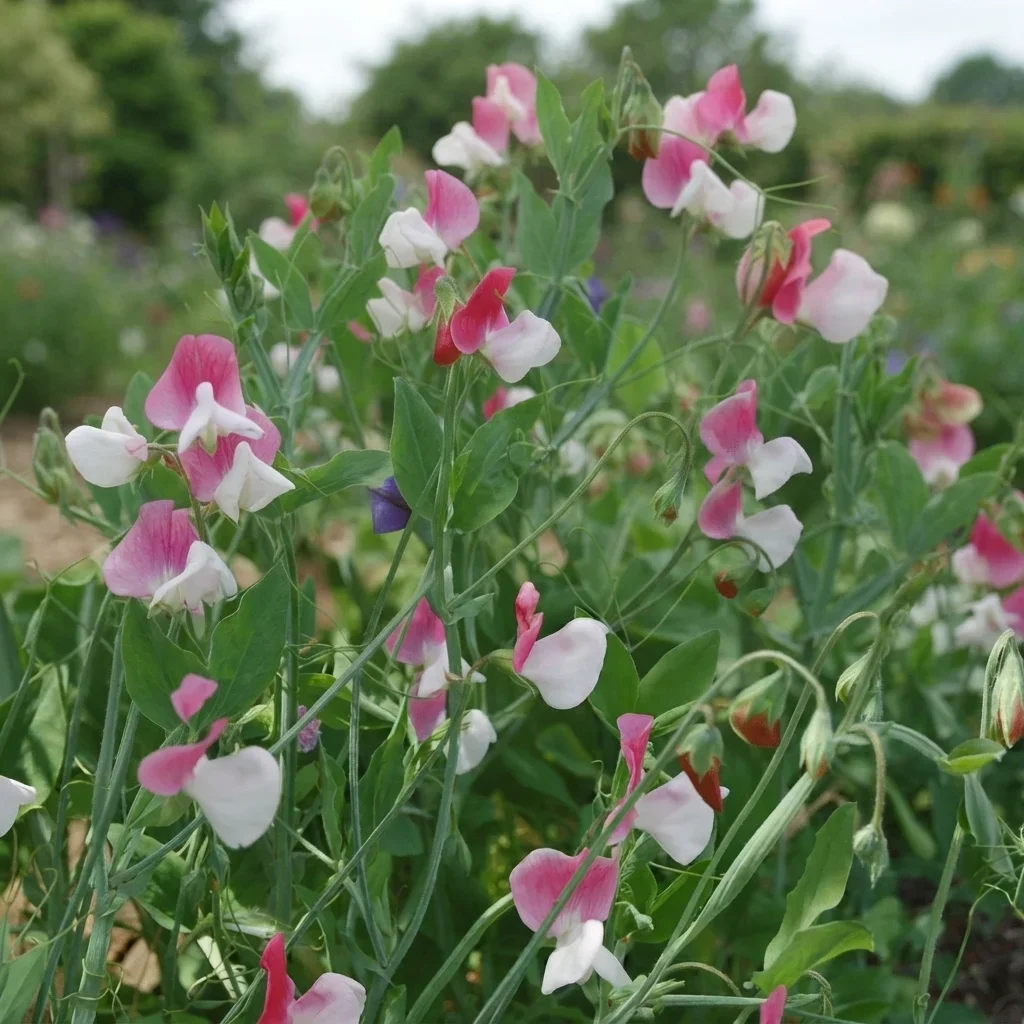
Painted Lady Sweet Pea
Lathyrus odoratus 'Painted Lady'
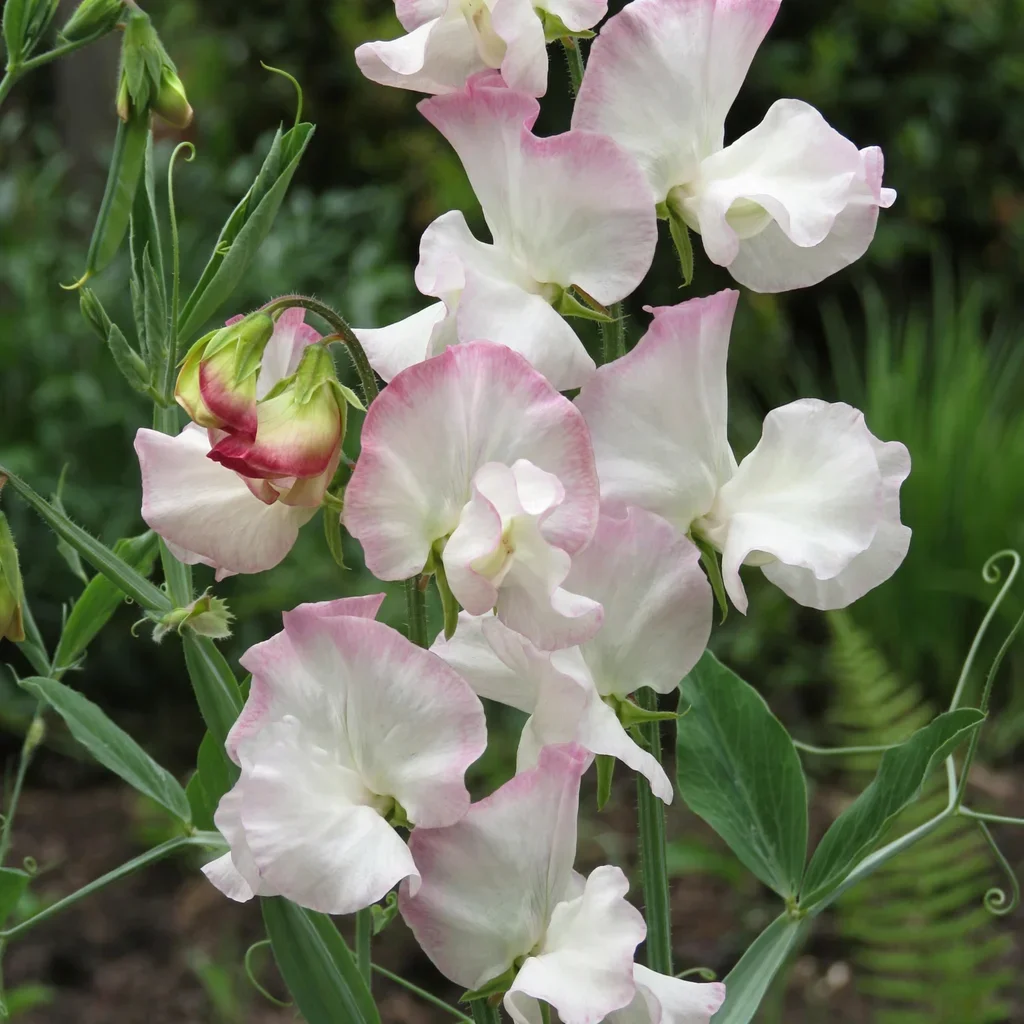
Sweet Pea 'High Society'
Lathyrus odoratus 'High Society'
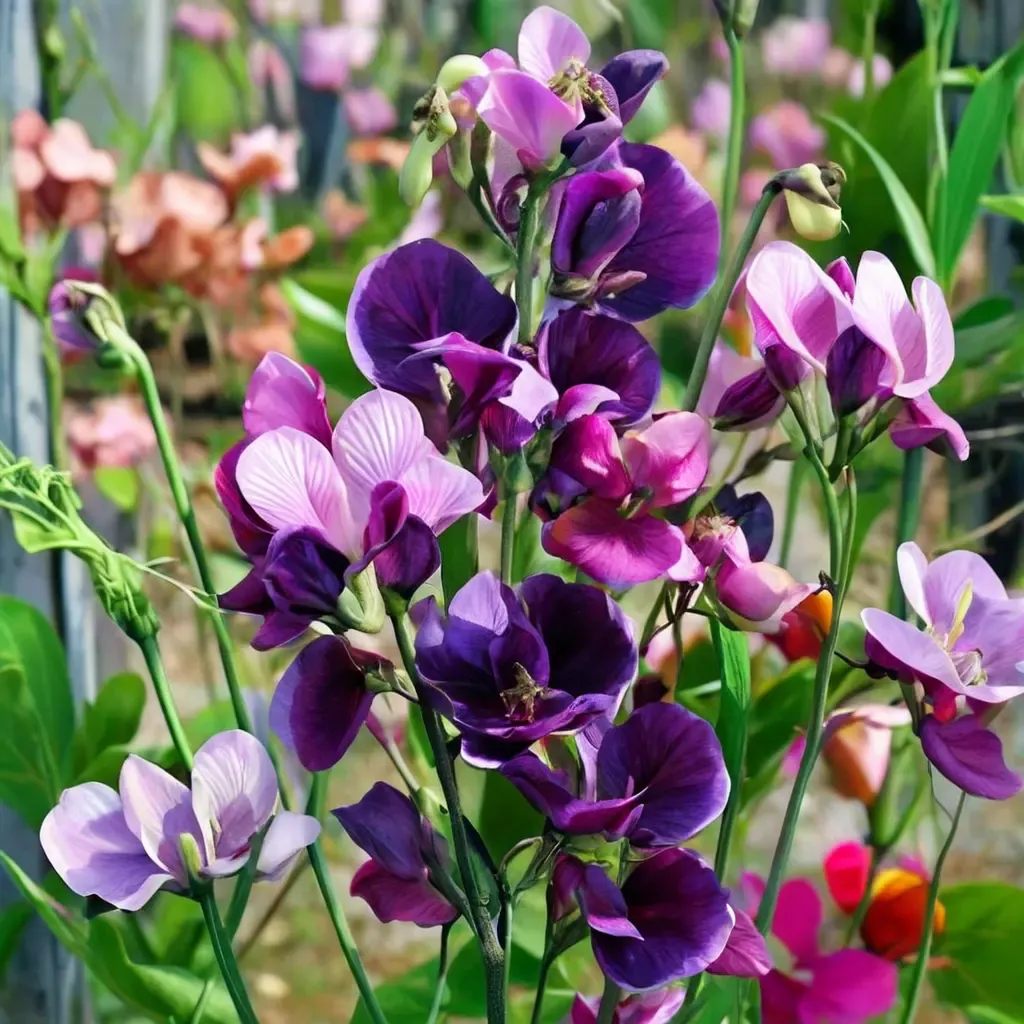
Sweet Pea
Lathyrus odoratus
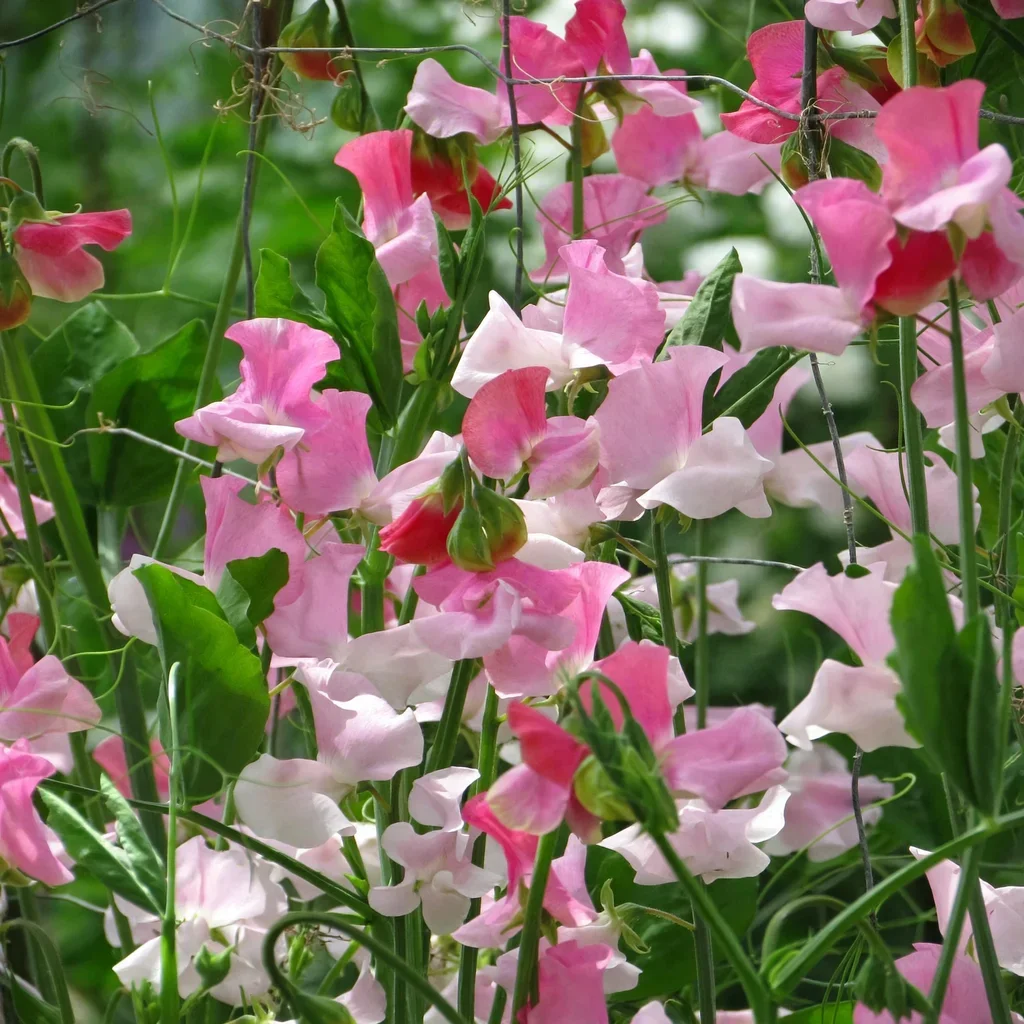
Nuance Sweet Pea
Lathyrus odoratus 'Nuance'
Keep exploring
Explore the genus
Grow Cupani Sweet Pea with confidence
See it in a design of your actual yard, get zone-matched care reminders, and track it season by season in your garden journal.