Also known as Sweet Pea · 565 saves
Lathyrus
Lathyrus, the genus most gardeners know as sweet pea. We track 19 varieties; the ones most used by real gardeners.
The 19 most-saved Lathyrus varieties
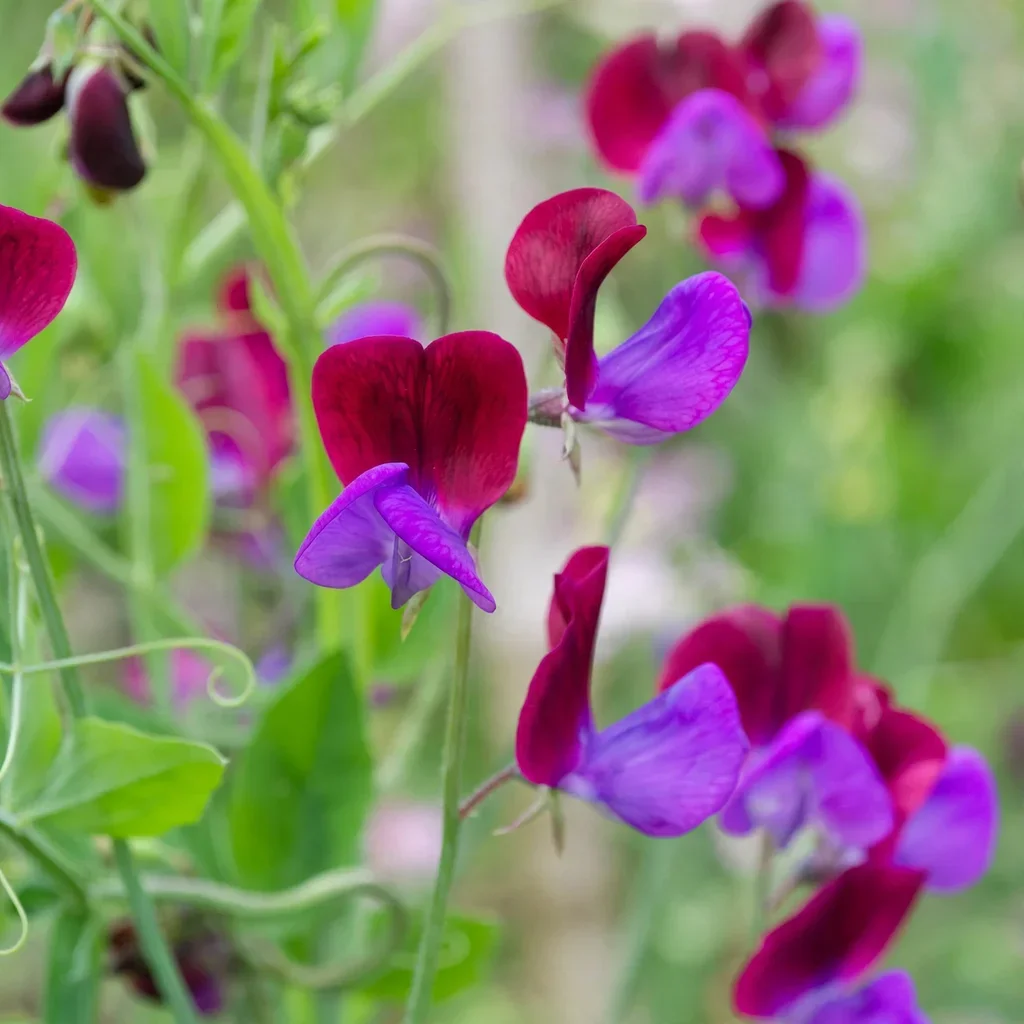
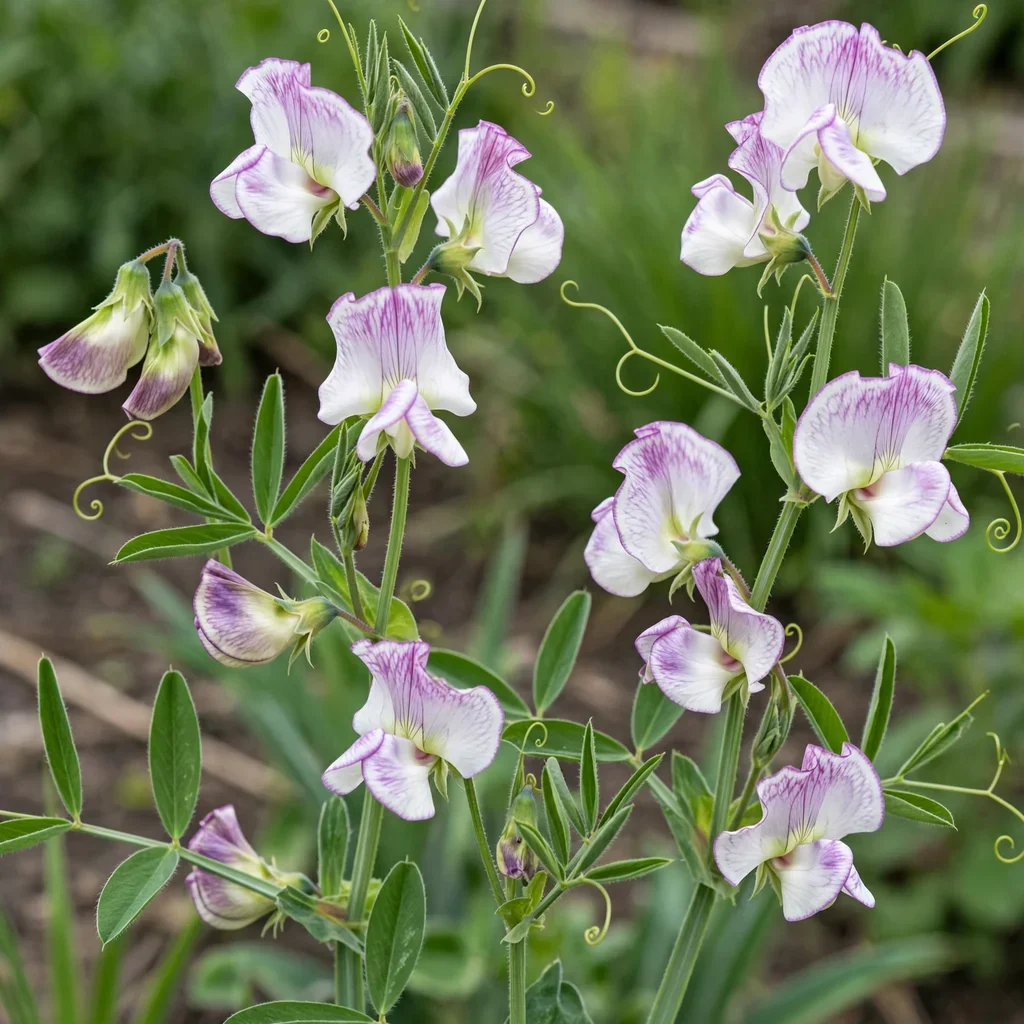
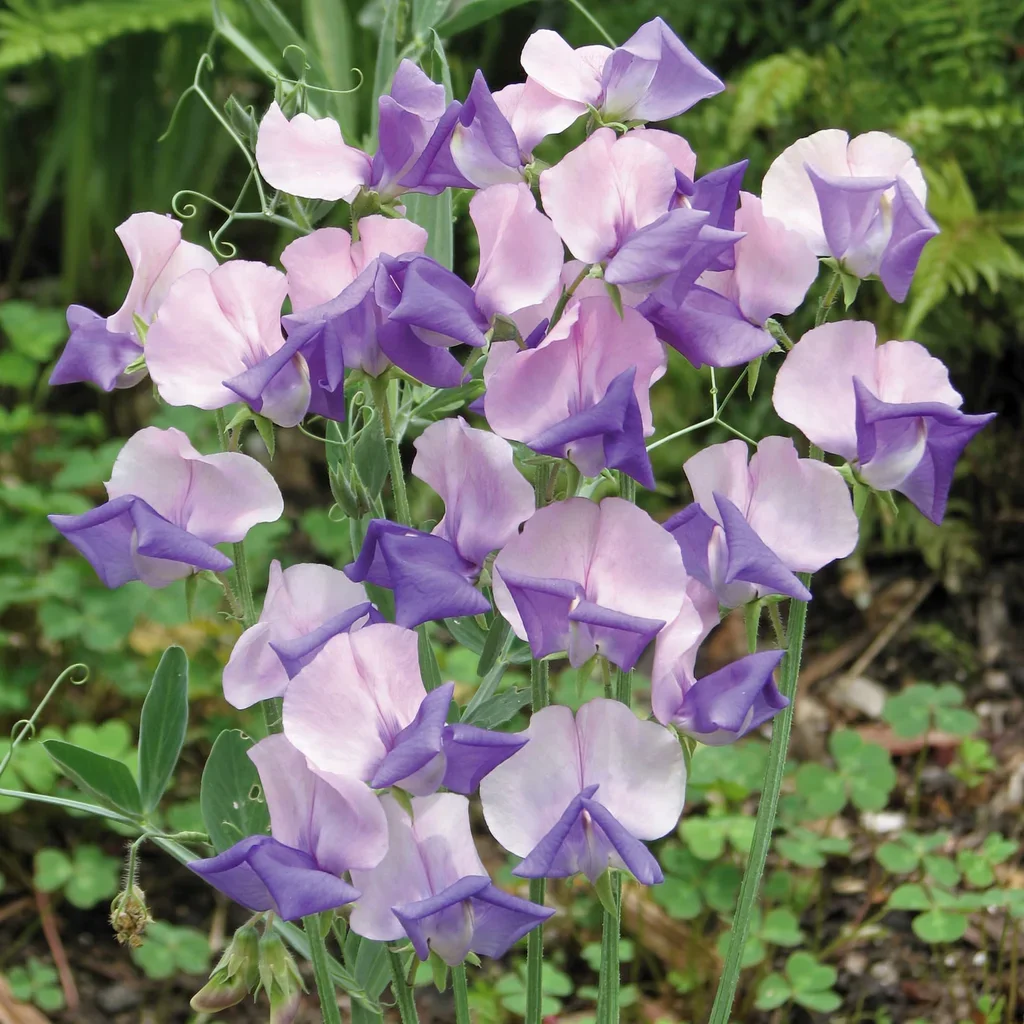
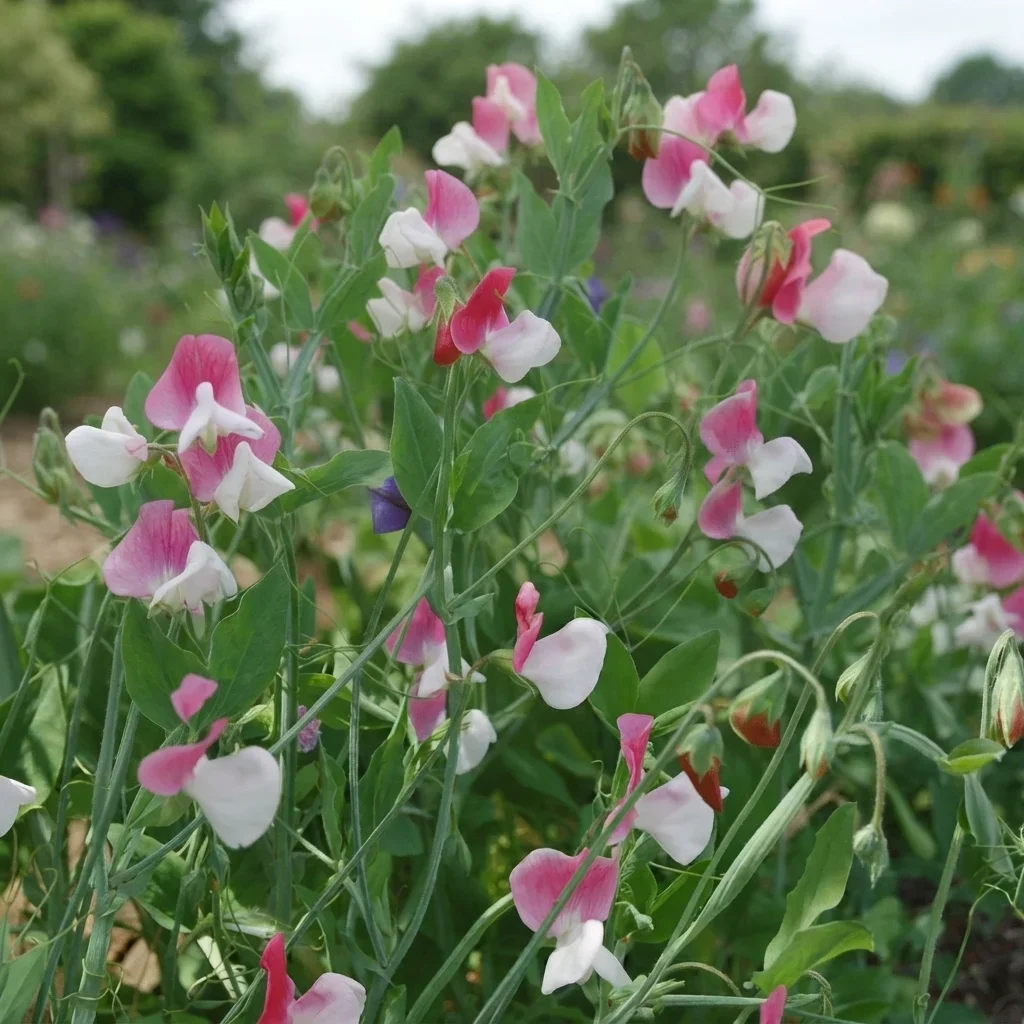
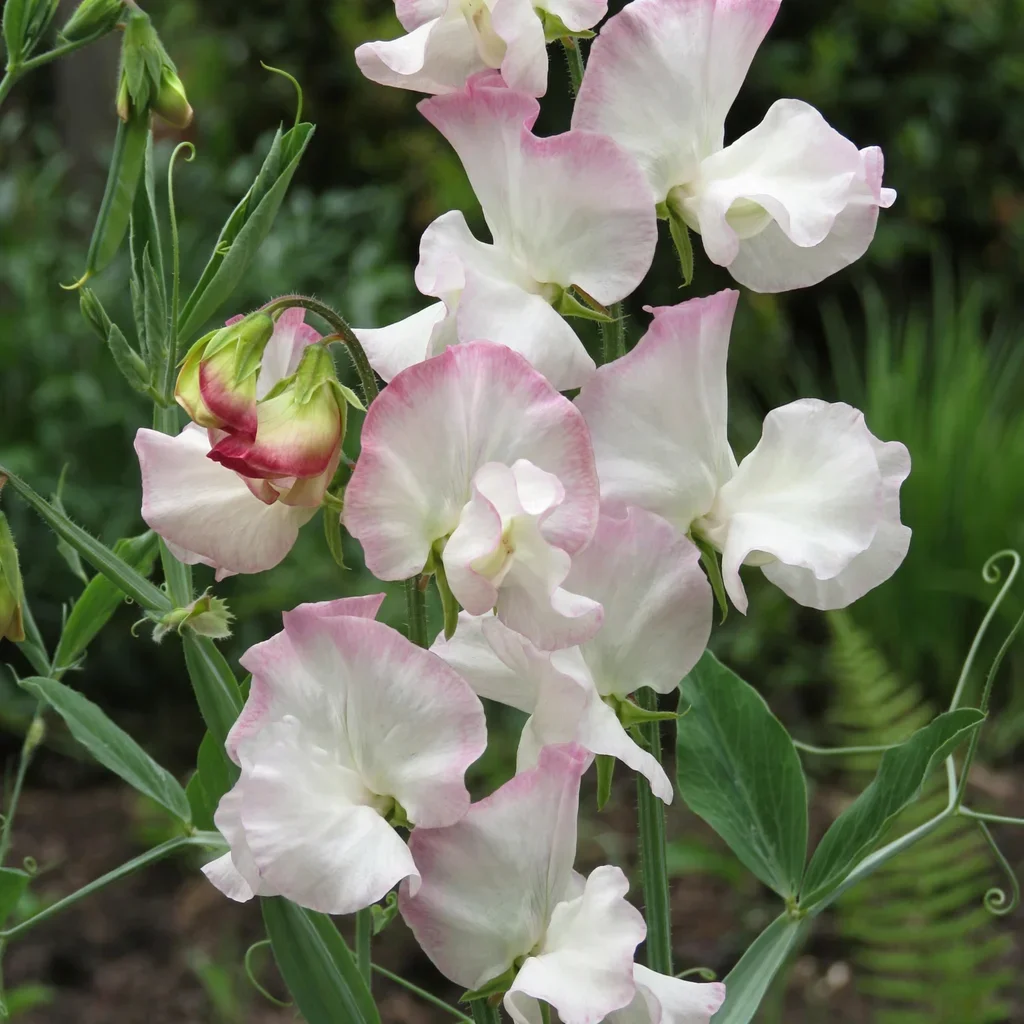
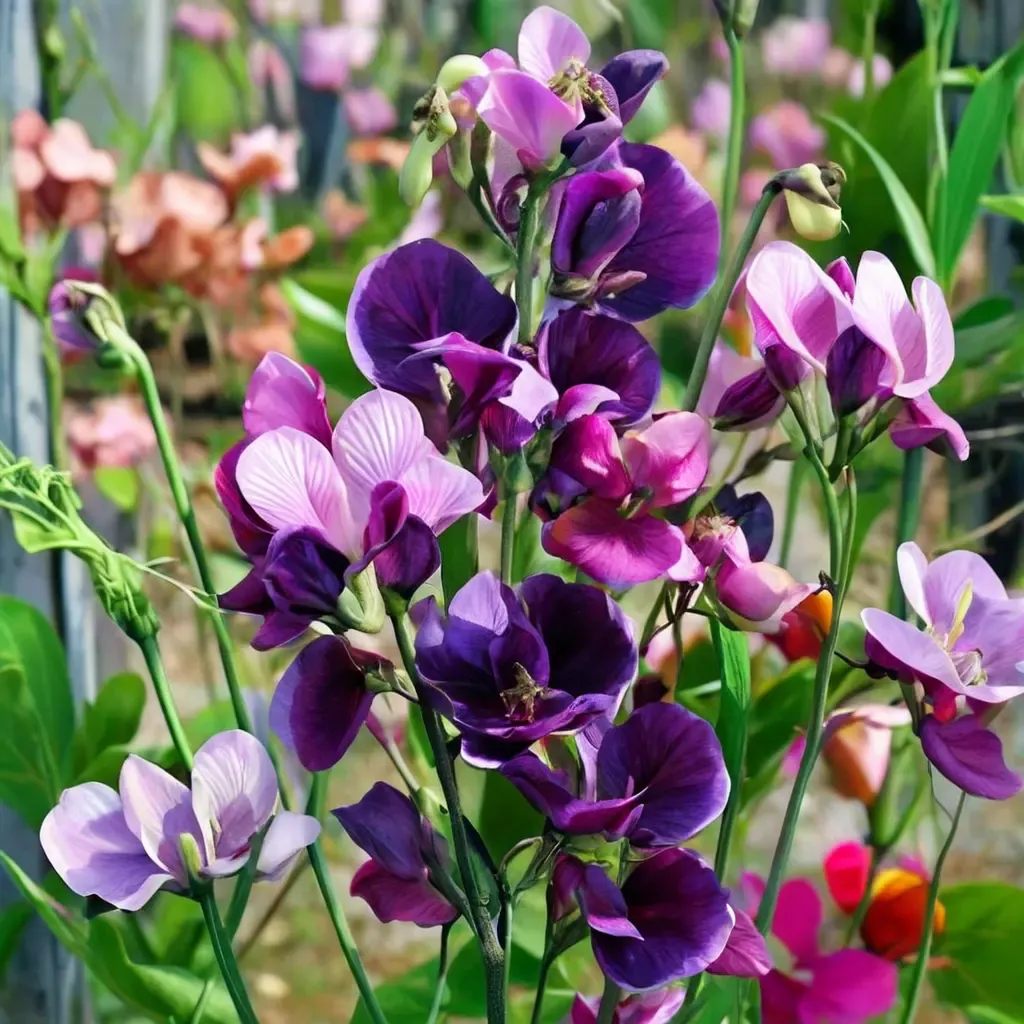
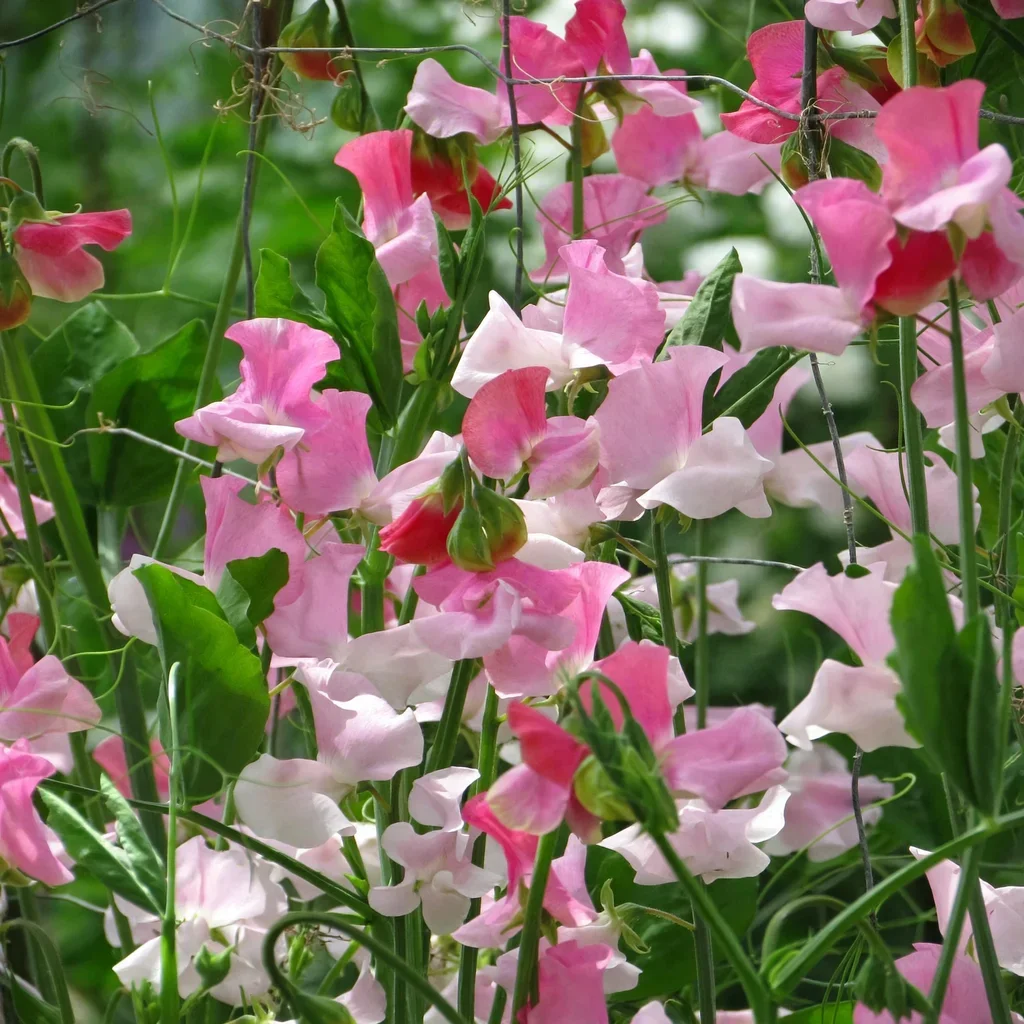
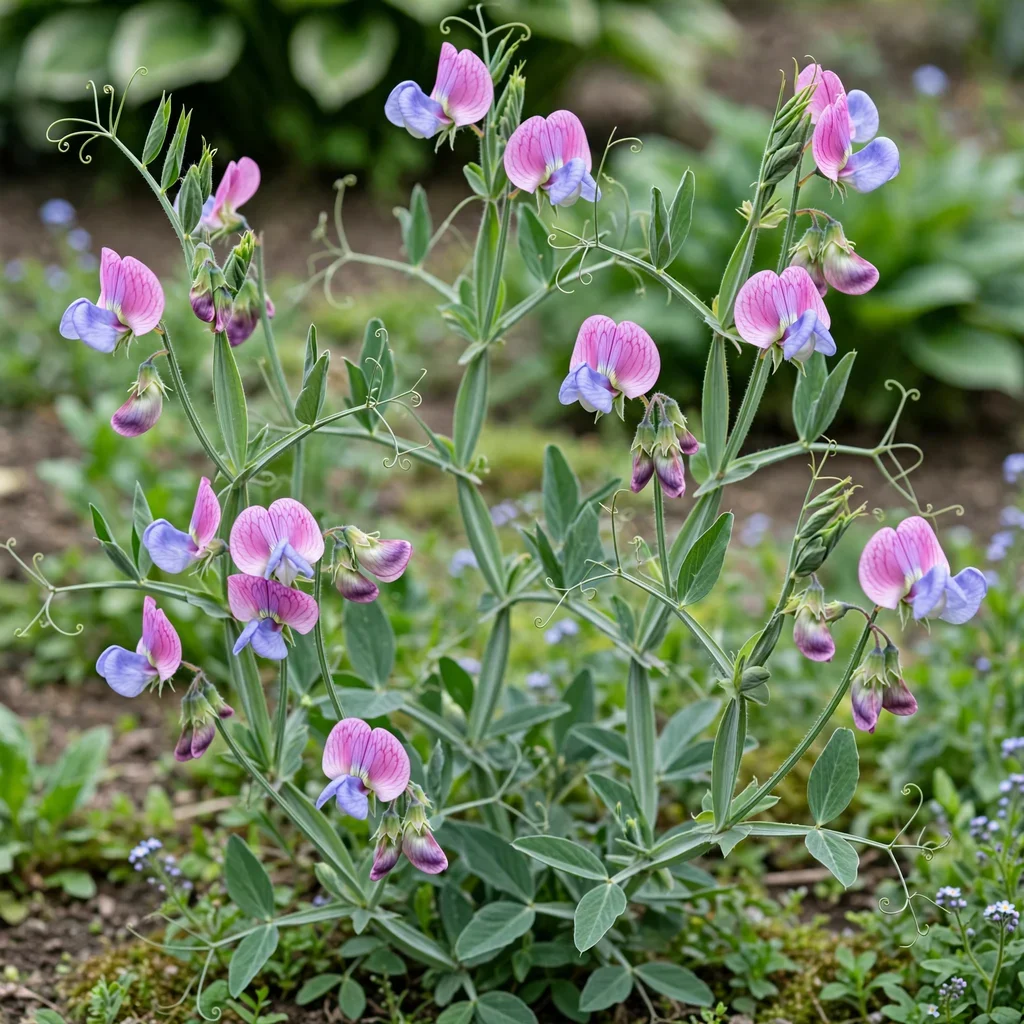
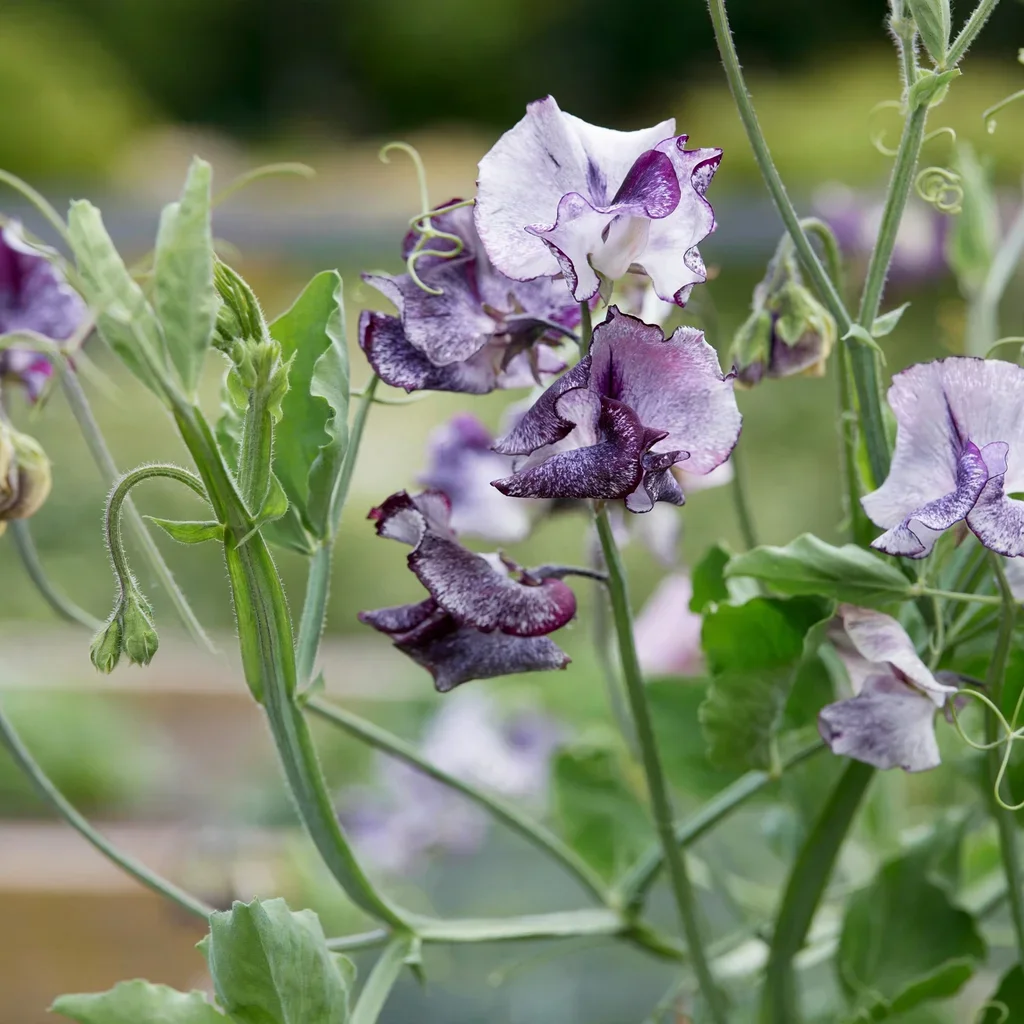
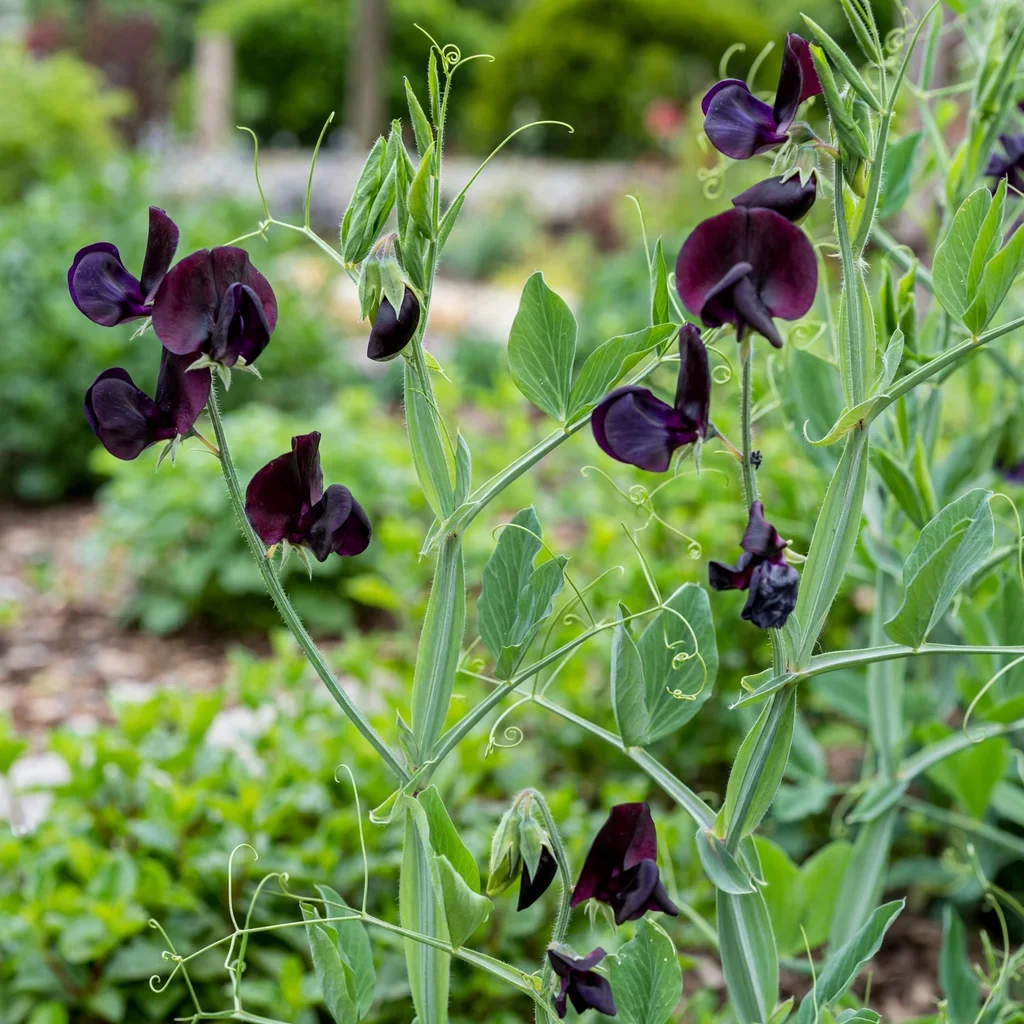
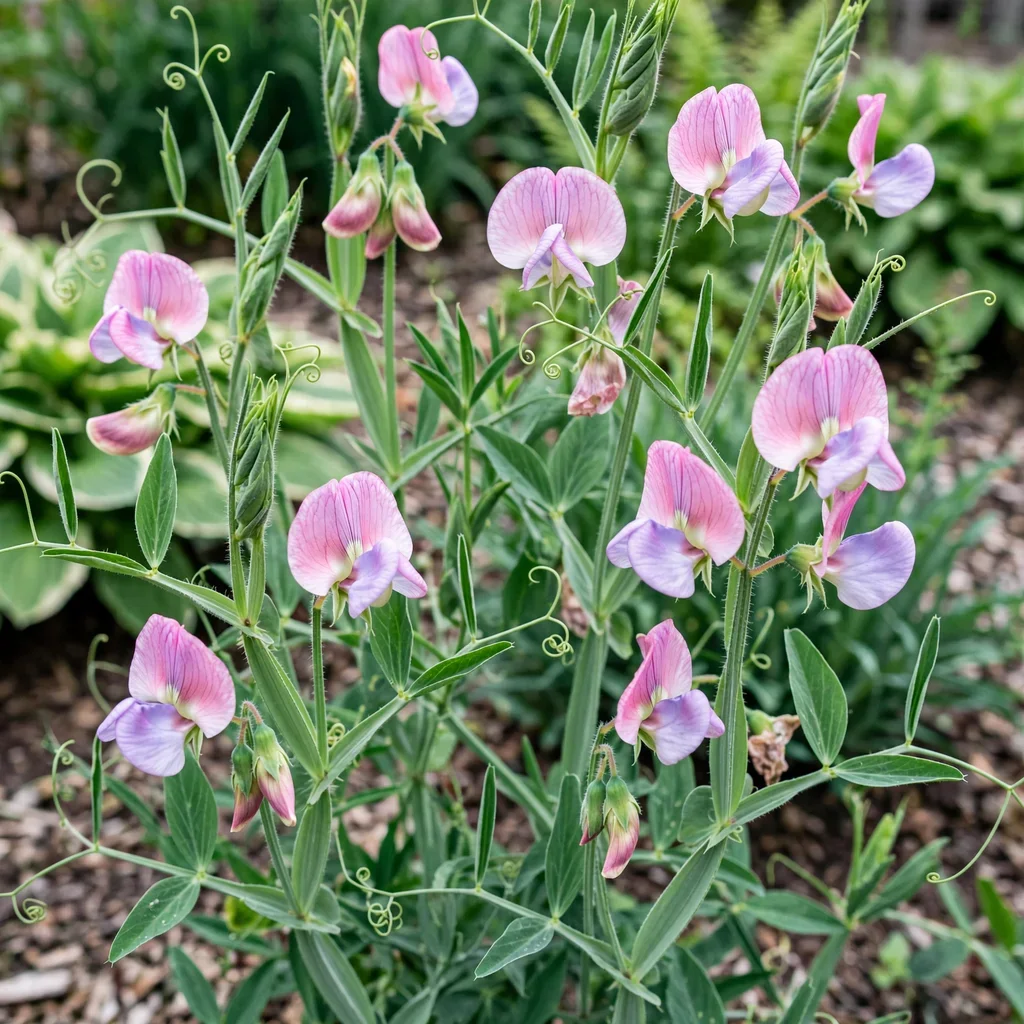
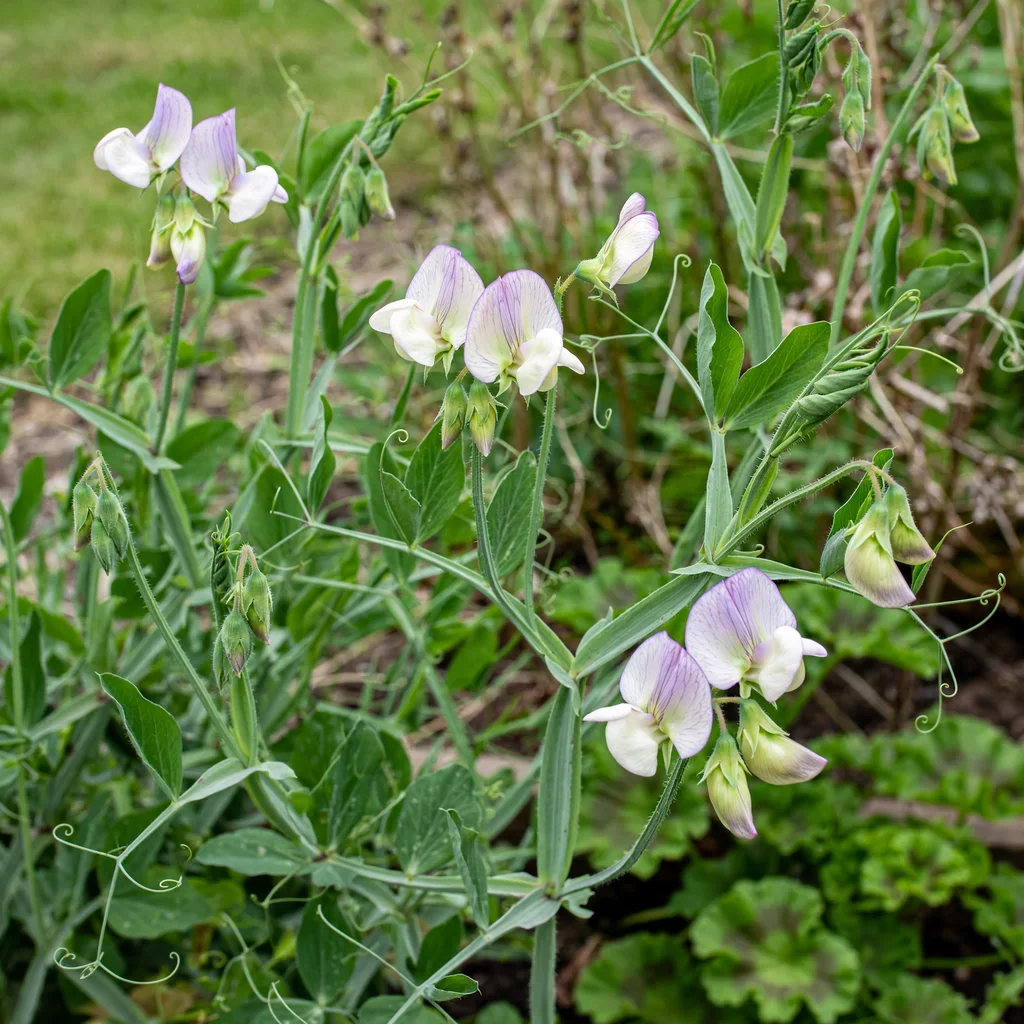
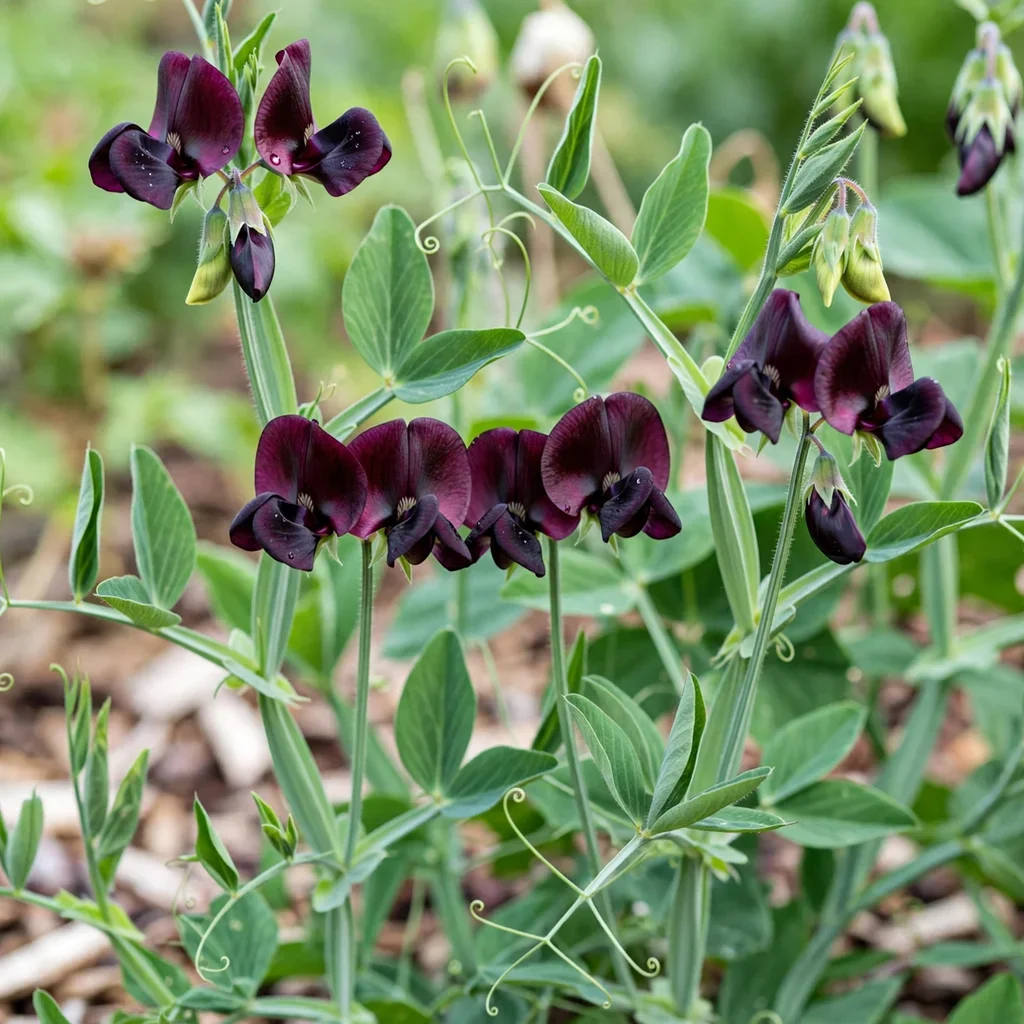
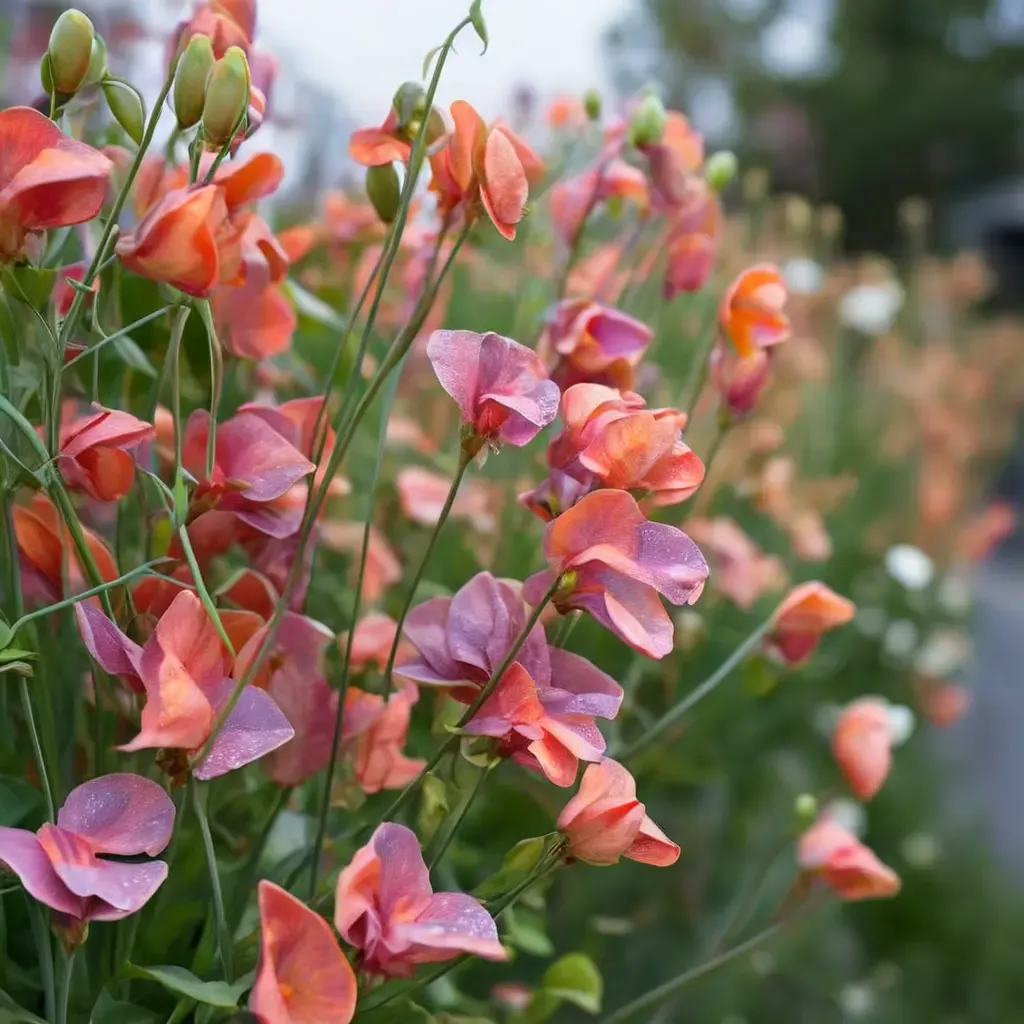
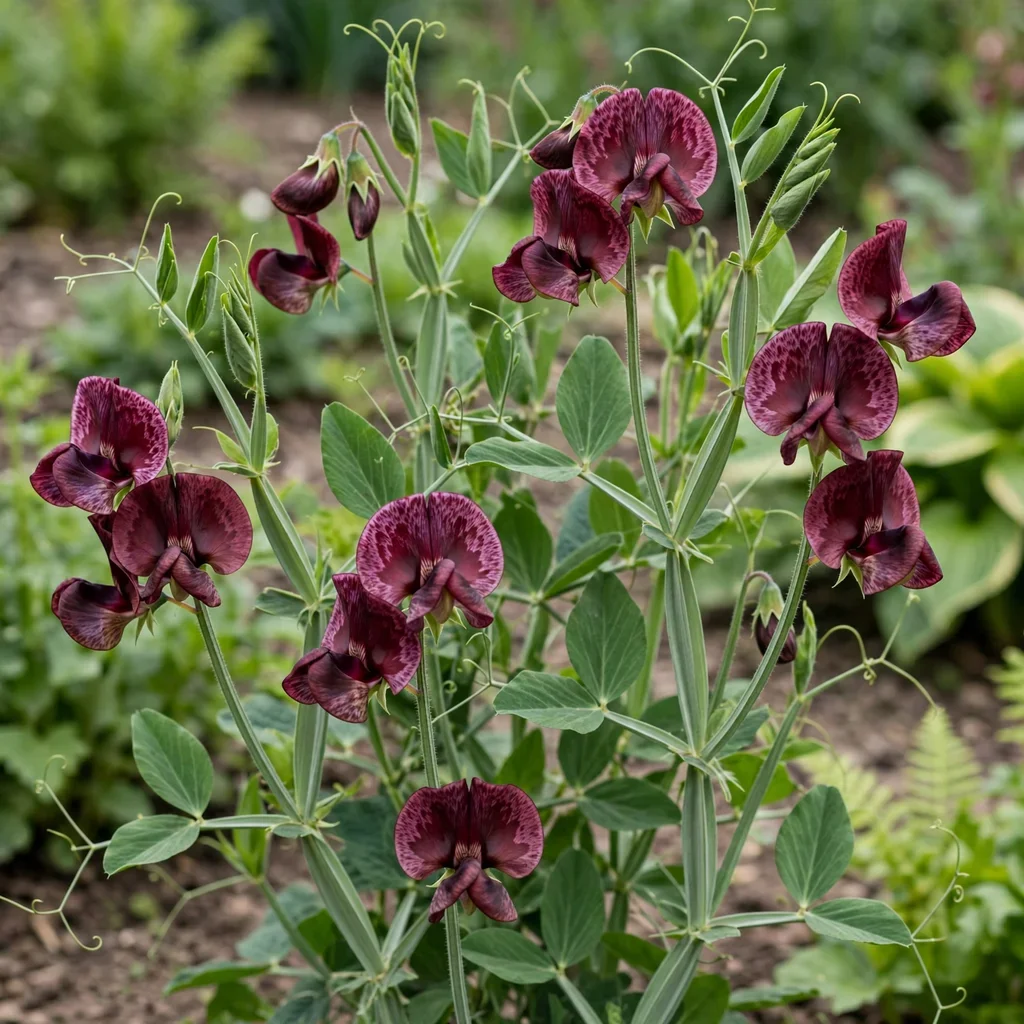
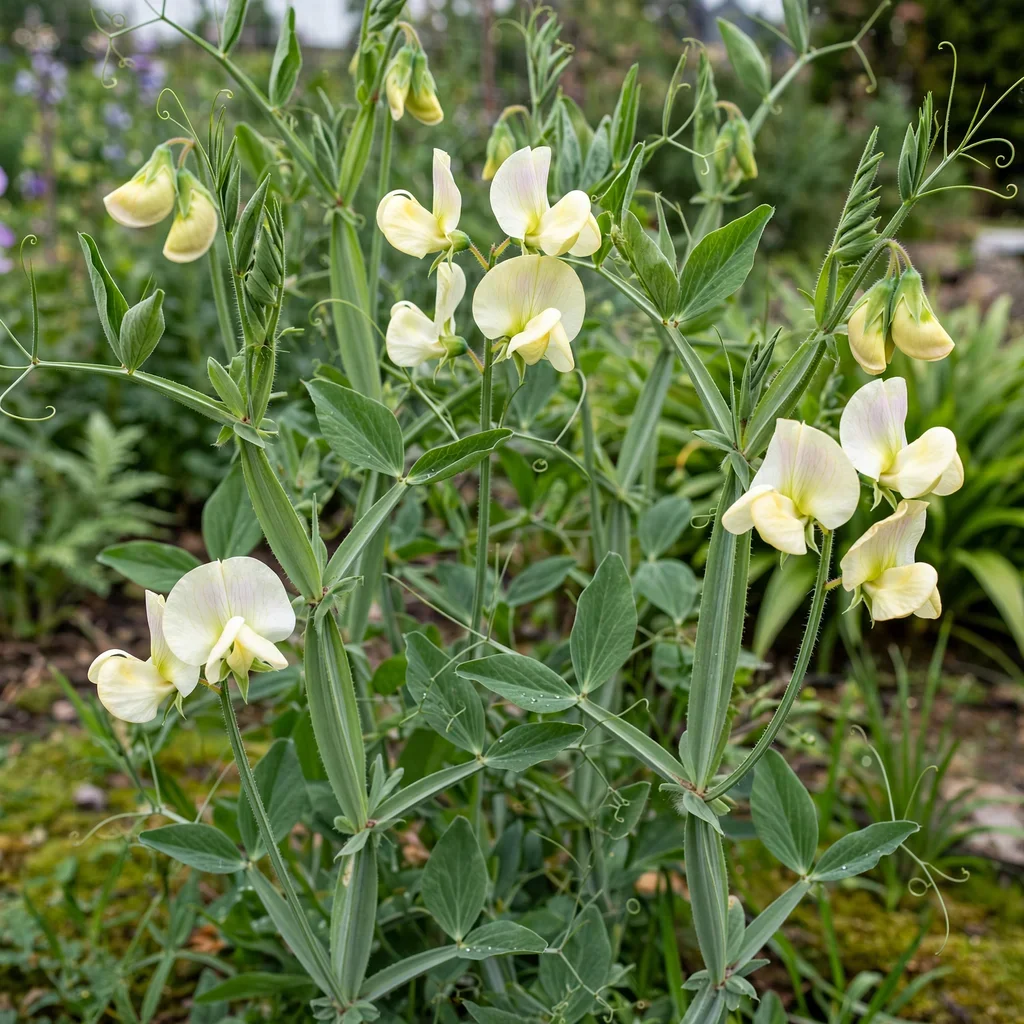
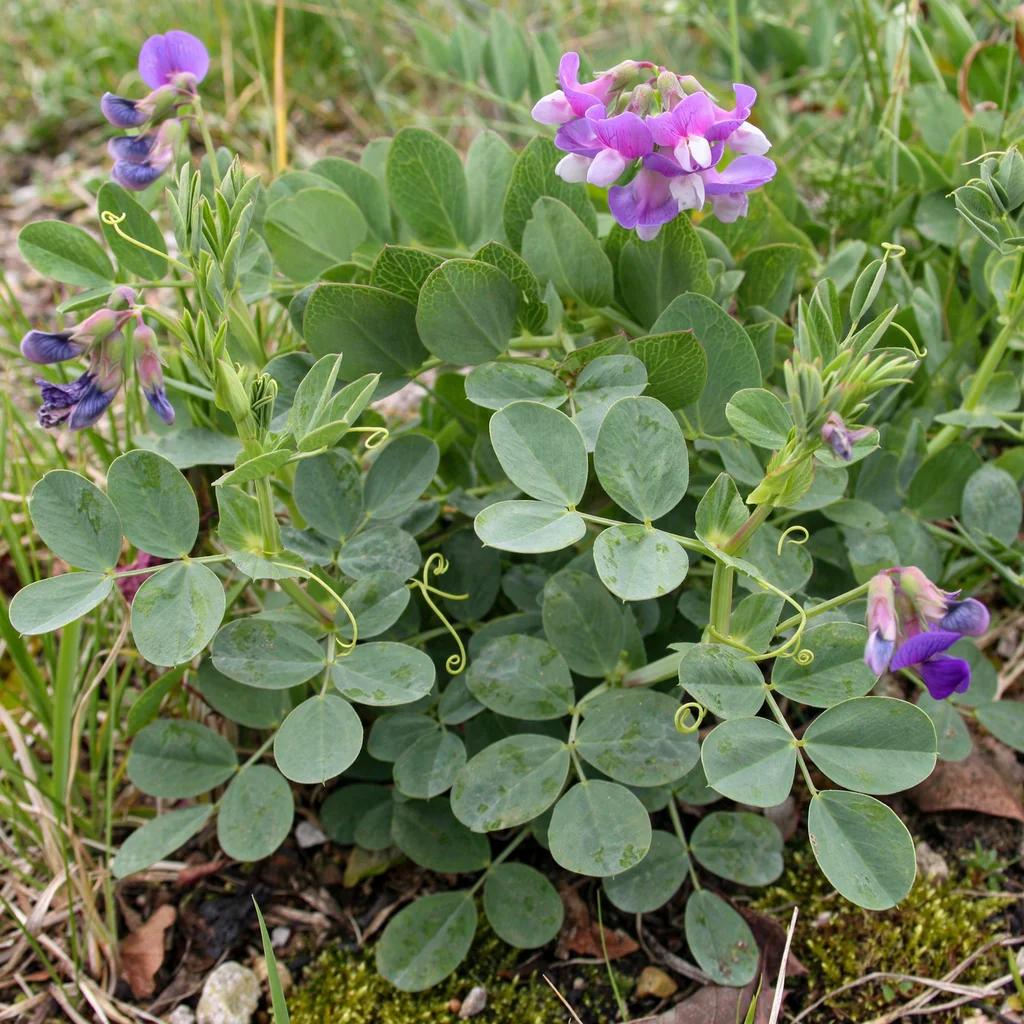
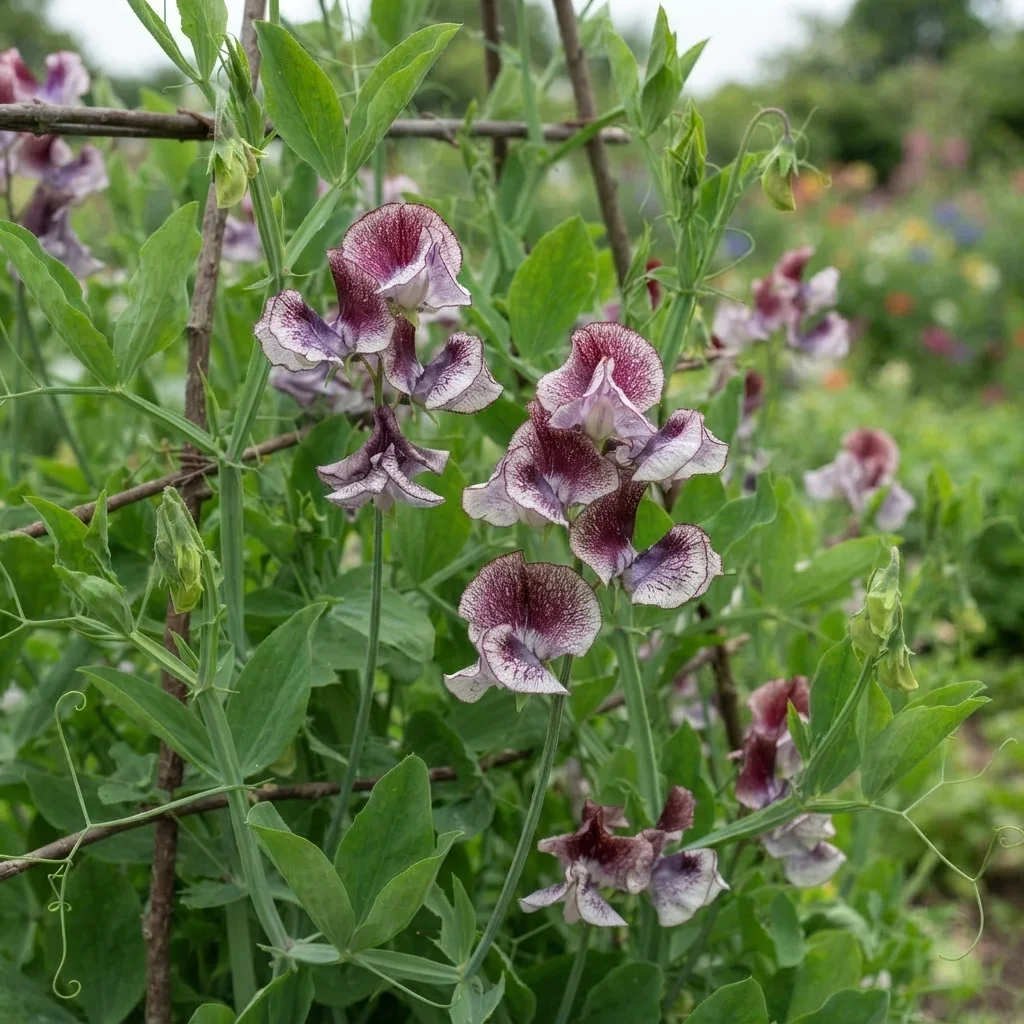
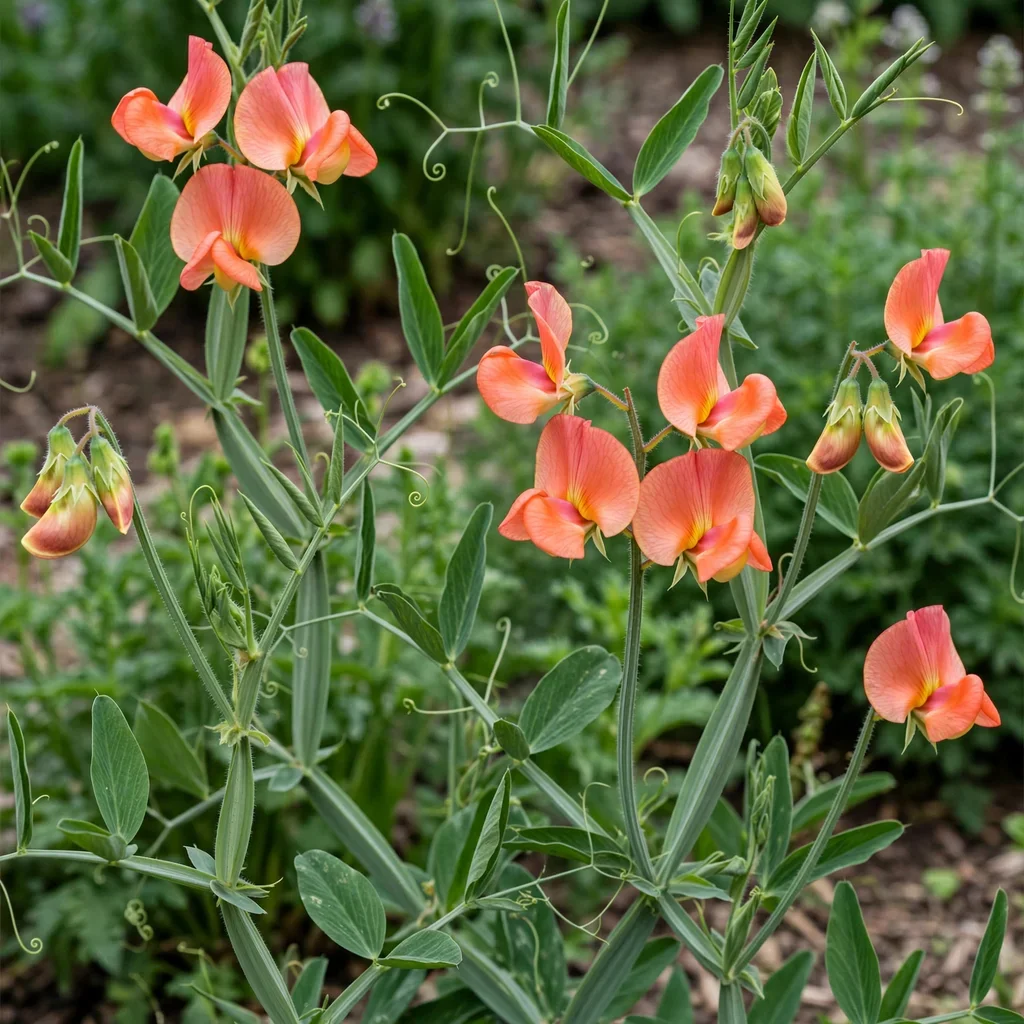
2 species of Lathyrus
Each one is a parent of the varieties above.
Track your Lathyrus in Sow
Save the Lathyrus you grow and get care reminders timed to your zone.
How to grow Lathyrus
Whats common across all Lathyrus varieties in our catalog — drawn from the care records of the 19 most-grown of them.
The Lathyrus year
- PlantFebruary–April95% of varieties
Sow seeds early spring or transplant seedlings after hardening off
- StakeApril and May95% of varieties
Install a trellis or support structure early for the vigorous vine
- Pinch TipsApril and May84% of varieties
Pinch growing tips when plants are 4-6 inches tall for bushier growth
- FertilizeMay–July68% of varieties
Apply a low-nitrogen fertilizer monthly once blooming begins


Do
- Water regularly to keep soil moist 🌱
- Water regularly to keep soil moist but not soggy 🌱
- Provide full sun for optimal flowering 🌞
- Prune after flowering to promote new growth
- Provide full sun for optimal flowering
Avoid
- Avoid overwatering to prevent root rot ❌
- Avoid overwatering, which can cause root rot ❌
- Avoid overwatering which can cause root rot ❌
- Do not disturb roots during flowering
What goes wrong with Lathyrus
| Problem | What you'll see | What to do |
|---|---|---|
| Aphids | Sucking insects cluster on tender new growth, causing distorted leaves and sticky honeydew. | Blast with a sharp stream of water or apply insecticidal soap if infestations are severe. |
| Powdery Mildew | White powdery coating on leaves | Apply a fungicide and improve air circulation |
| Spider mites | Fine webbing on foliage accompanied by yellow stippling and leaf drop in hot, dry conditions. | Increase humidity around the plant or spray with insecticidal soap. |
| Spider Mites | Fine webbing and speckled leaves | Introduce natural predators or spray with water |
| Root Rot | Wilting and yellowing leaves, soft roots | Reduce watering and improve soil drainage |
| Powdery Mildew | White powdery coating on leaves | Use fungicidal spray and improve air circulation |
| Root rot | Wilting, yellowing foliage and mushy, blackened roots caused by saturated soils. | Ensure immaculate soil drainage and strictly avoid overwatering. |
Making more Lathyrus
Cuttings
- Take 4-inch softwood cuttings in late spring.
- Dip cuttings in rooting hormone and plant in moist potting mix.
- Keep humid and wait 6 weeks for roots to develop.
Seed
- Scarify the hard seed coat using sandpaper or a file to allow water penetration.
- Sow the treated seeds directly into sandy, well-draining soil in early spring.
- Keep the substrate lightly moist until germination occurs.
- Establish young seedlings in full sun and avoid transplanting once deep roots develop.
Lathyrus questions
How many types of Lathyrus are there?
The Sow catalog tracks 19 distinct Lathyrus varieties. The most popular — ranked by 565 real gardeners — are shown first above.
What zones does Lathyrus grow in?
Across its varieties, Lathyrus covers USDA Zones 4–10. Individual varieties differ — each plant page lists its exact range, and Sow filters the catalog to your zone automatically.
When does Lathyrus bloom?
Most Lathyrus varieties bloom in late spring to summer, spring to summer, late spring, summer. Staggering early, mid, and late varieties extends the genus's season in one bed.
Which Lathyrus should I choose?
Start from the most-saved varieties above — popularity across thousands of gardens is a strong signal of reliability — then filter by your zone and sun. In the Sow app you can preview any of them in a photo of your actual yard before you buy.