The Story
Plant Bio
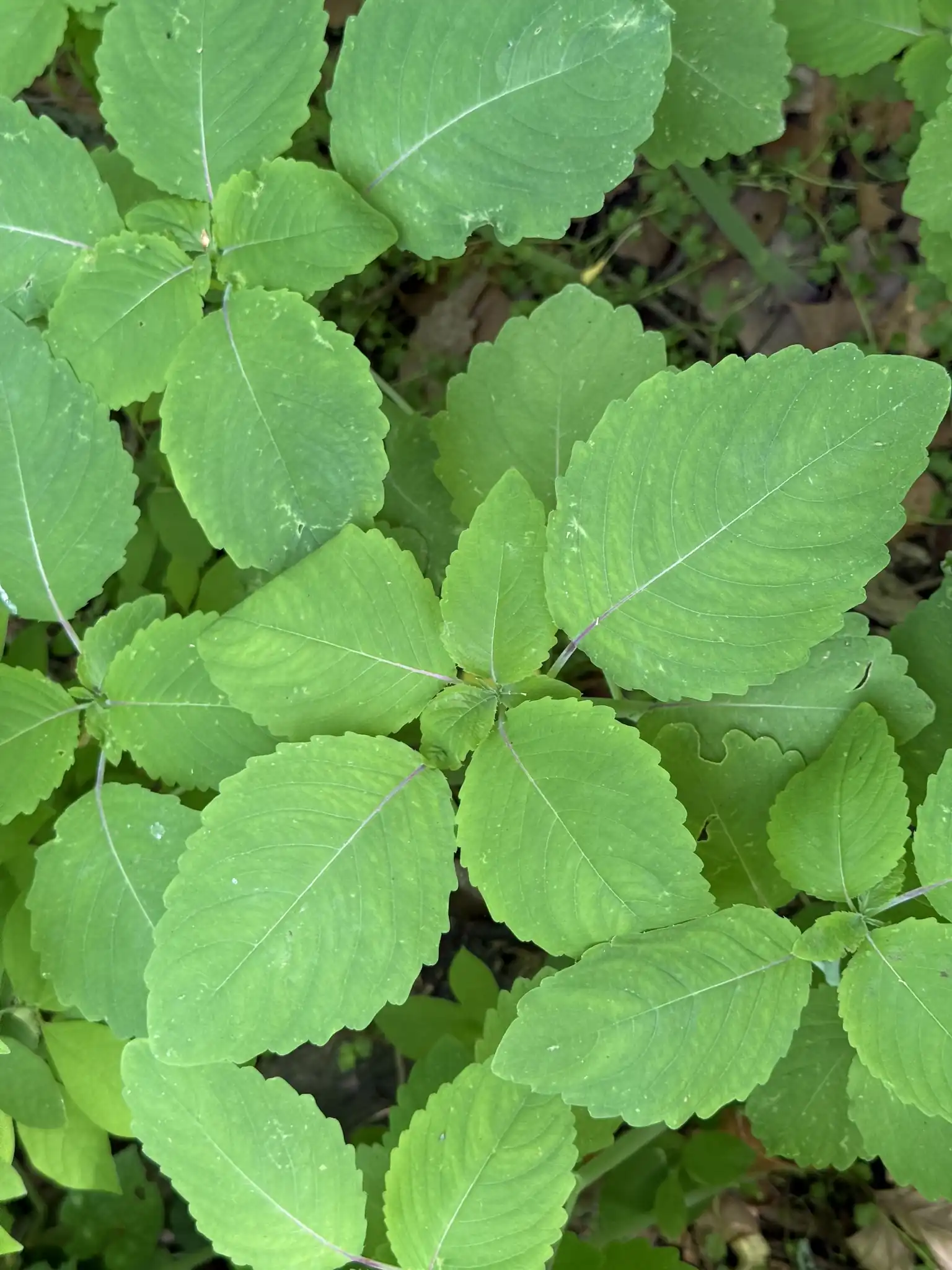
Impatiens pallida is an upright, herbaceous annual native to North American woodlands and wetlands, forming dense colonies in moist, shaded environments. The succulent, translucent stems are exceptionally fragile, bearing pale green, water-beading leaves and delicate, pouch-like yellow flowers that hang from the leaf axils.
The lemon-yellow flowers feature a sharply bent nectar spur and tiny red-brown spots within the throat, distinguishing this species from its orange-flowered relatives. Mature seed pods exhibit explosive dehiscence, bursting open at the slightest touch to fling seeds several feet away.
Uses & Benefits:
Essentials
At a Glance
Plant Type
Annual
Height
60"
Width
36"
Light
Partial Sun, Shade
Zones
4, 5, 6, 7, 8, 9
Water
High
Humidity
High
Lifespan
Annual
Native To
North America
Toxicity
Non-toxic
Bloom period
Summer – Fall
In flower about 6 months of the year
Planting
How to Grow
- Select a site in partial to full shade with moist, humus-rich, or poorly drained soil.
- Sow dry stratified seeds directly onto the soil surface in late fall or early spring.
- Maintain consistent soil moisture, as the succulent stems wilt rapidly during dry spells.
- Allow the plants to self-seed naturally to maintain a permanent colony in the garden.
Pro Tip
To collect seeds before they scatter, bag the ripening pods in fine mesh; the spring-loaded capsules burst open violently at the lightest touch when mature.
Keep It Thriving
Care Guide
Do
- Keep the soil consistently moist or wet, especially during hot summer months.
- Grow in shaded understory areas where the fragile stems are protected from strong winds.
- Allow the plants to self-seed to ensure the colony returns the following year.
Don't
- Do not apply supplemental fertilizers if the soil is already rich in organic matter.
- Do not plant in dry, sunny locations where the shallow roots will desiccate.
- Do not attempt to prune or cut back the soft, succulent stems during the growing season.
Seasonal Care Calendar
| Task | Jan | Feb | Mar | Apr | May | Jun | Jul | Aug | Sep | Oct | Nov | Dec |
|---|---|---|---|---|---|---|---|---|---|---|---|---|
| Pest Check | ||||||||||||
| Plant | ||||||||||||
| Propagate | ||||||||||||
| Spring Cleanup |
Watch Out For
Pests & Diseases
Common Pests
Common Diseases
In the Garden
Landscape Uses & Companions
Landscape Uses
Companion Plants
Multiply
Propagation Methods
Good to Know
Common Questions
Pale Touch-Me-Not questions
What zones can Pale Touch-Me-Not grow in?
Pale Touch-Me-Not is hardy in USDA Zones 4–9. Inside that range it survives winter in the ground; outside it, grow it as an annual or a container plant you protect.
When does Pale Touch-Me-Not bloom?
Pale Touch-Me-Not typically blooms in summer through fall. Exact timing shifts a week or two with your zone — Sow's bloom calendar maps it to your garden.
Does Pale Touch-Me-Not need full sun?
Pale Touch-Me-Not does best in part shade.
More Impatiens to compare
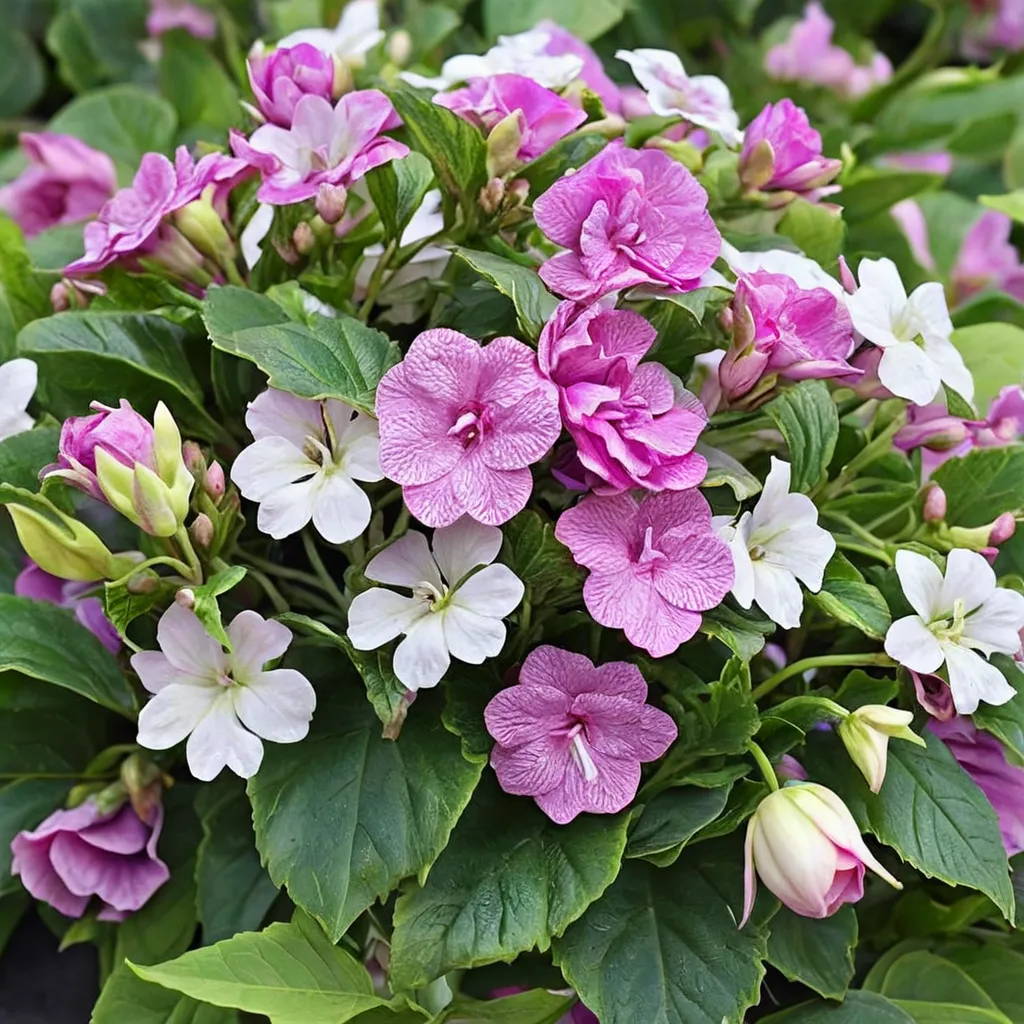
Rockapulco Wisteria Impatiens
Impatiens walleriana 'Rockapulco Wisteria'
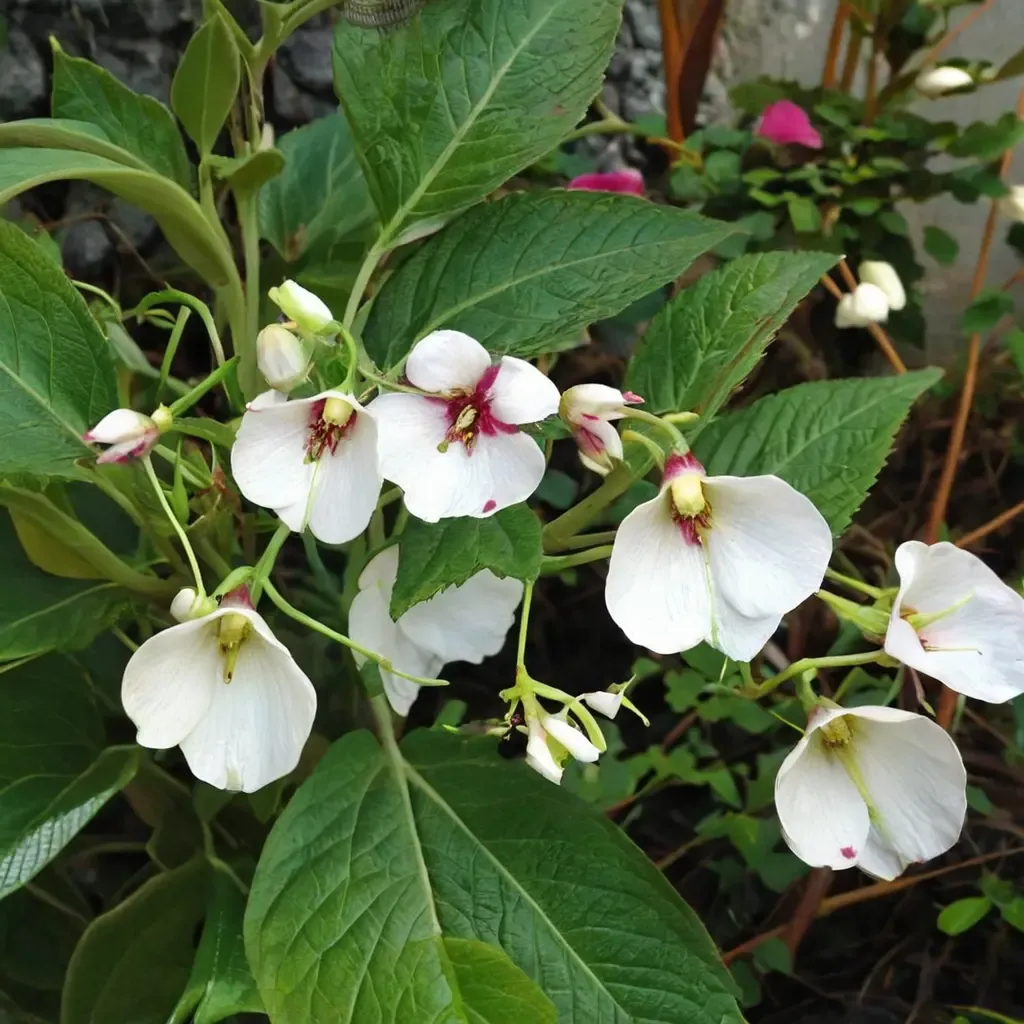
Dyemaker's Balsam
Impatiens tinctoria
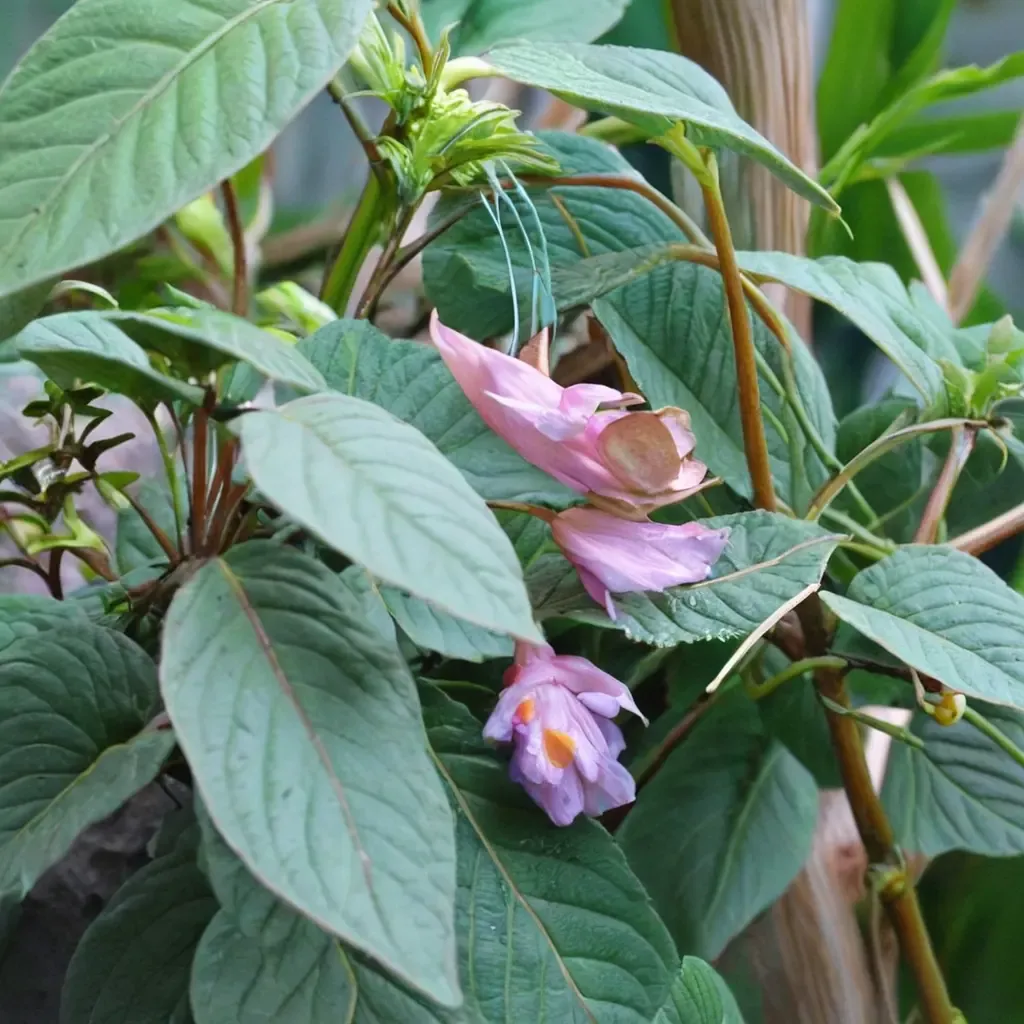
Blue Diamond Impatiens
Impatiens arguta
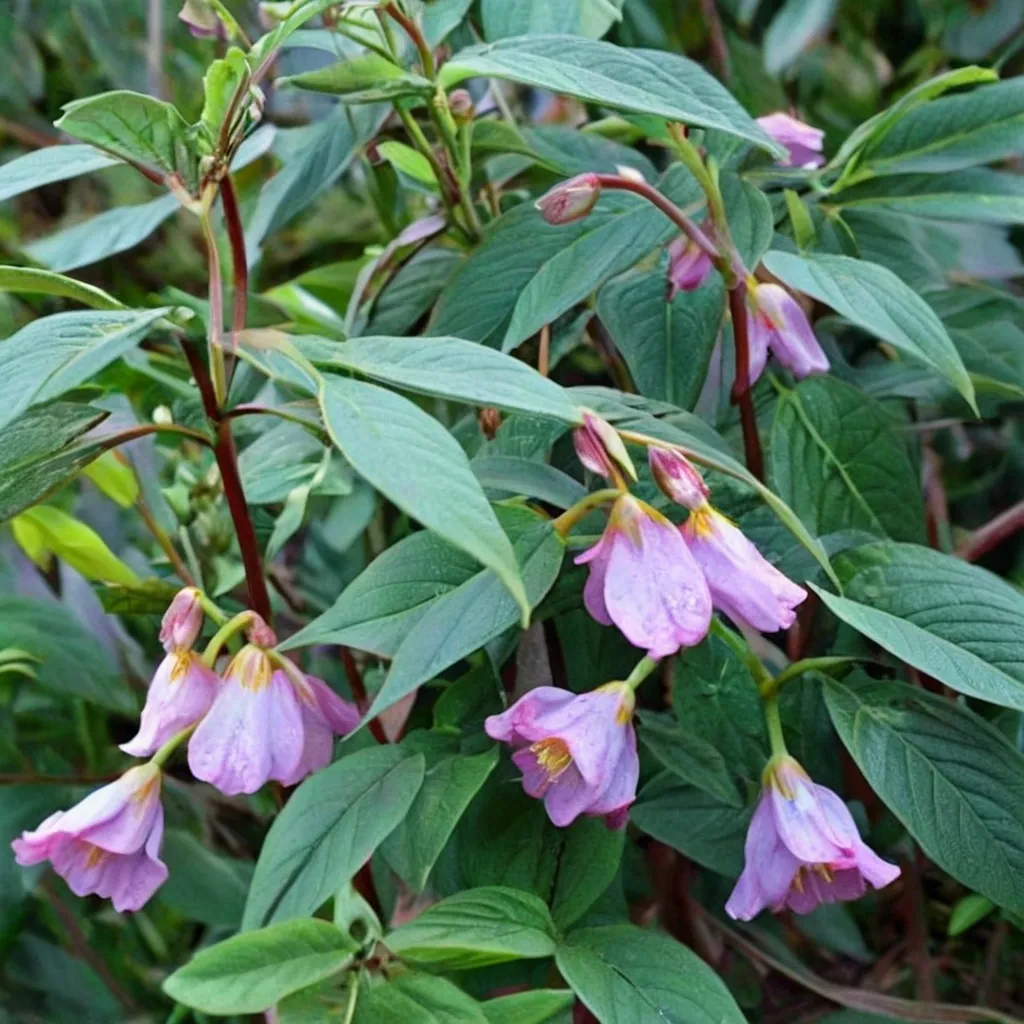
Impatiens Blue Dream
Impatiens arguta 'Blue Dream'
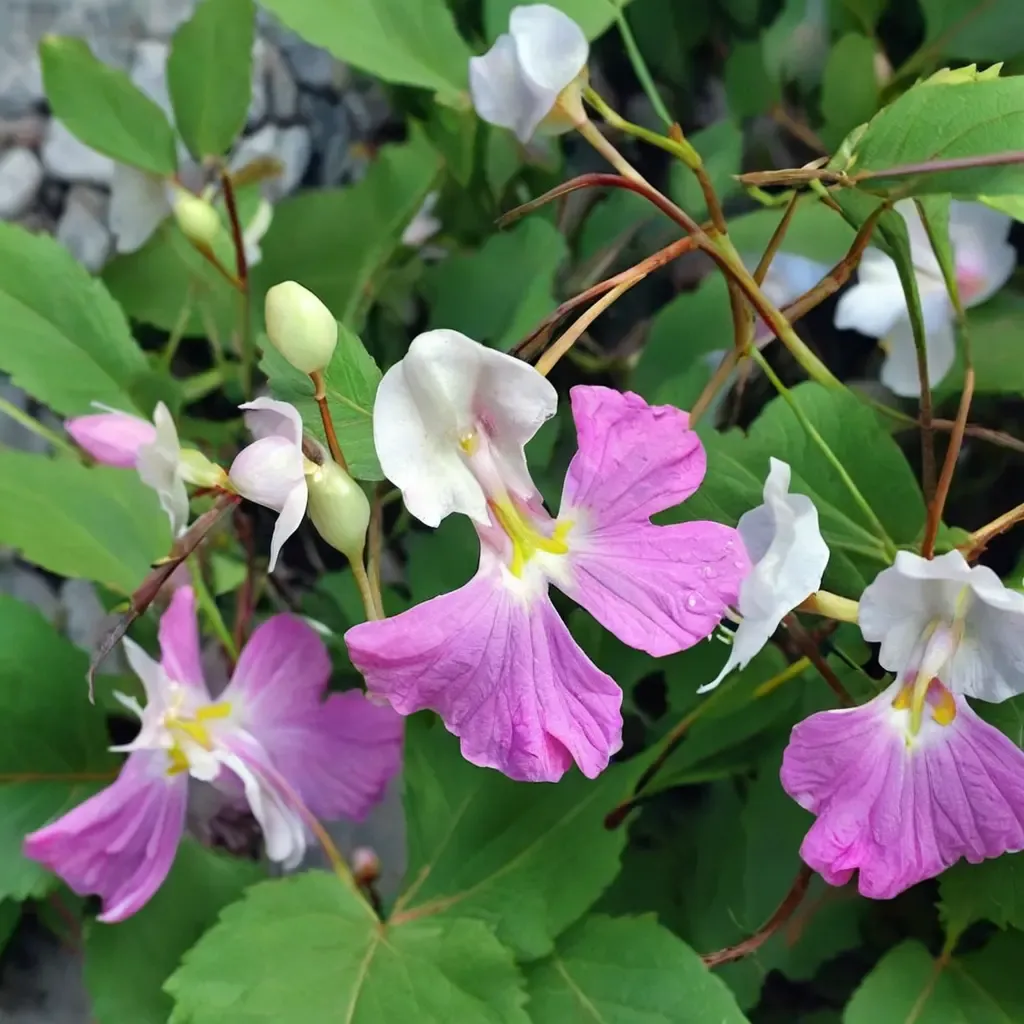
Poor Man's Orchid
Impatiens balfourii 'Poor Man's Orchid'
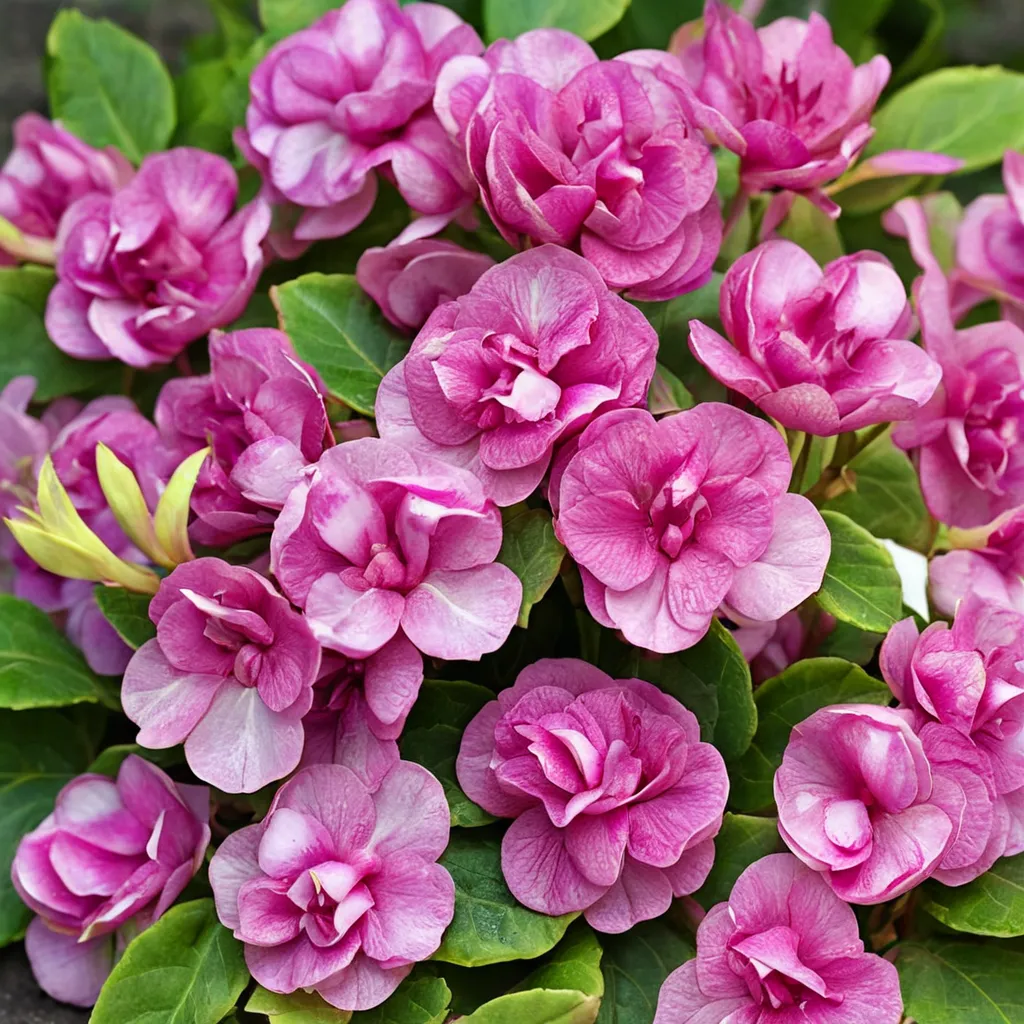
Rockapulco Purple Impatiens
Impatiens walleriana 'Rockapulco Purple'
Keep exploring
Explore the genus
Grow Pale Touch-Me-Not with confidence
See it in a design of your actual yard, get zone-matched care reminders, and track it season by season in your garden journal.