The Story
Plant Bio
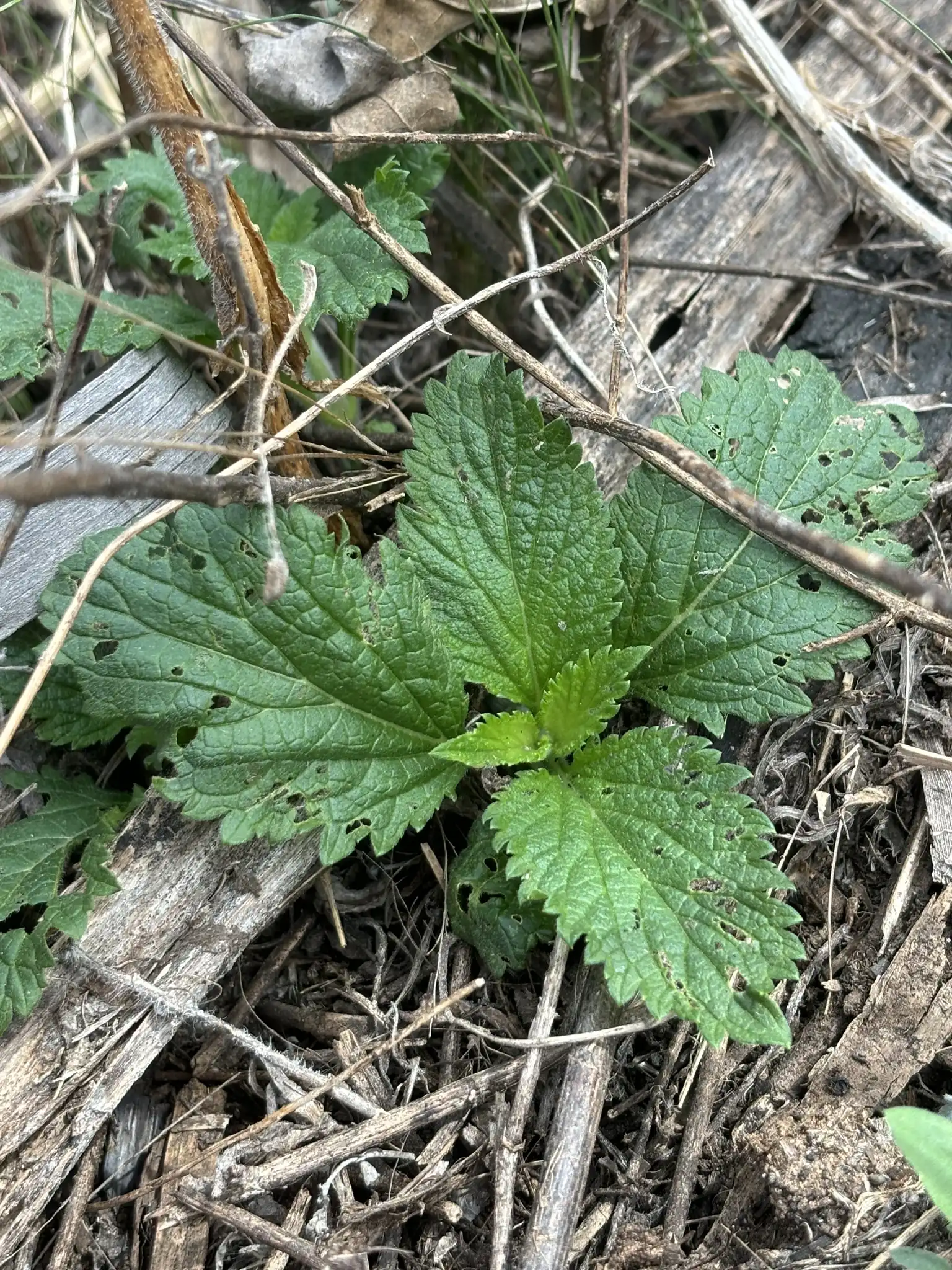
Verbena urticifolia is an upright, short-lived herbaceous perennial native to eastern and central North America, distinguished by its slender, square, grooved stems that branch sparsely toward the summit. The opposite, lanceolate leaves have coarsely serrated margins and a rough, sandpaper-like texture that closely resembles stinging nettle.
The tiny white flowers are arranged sparsely along slender, rat-tail-like spikes that form expansive, airy panicles from summer into early fall. Emerging spring foliage displays a distinctive, dull purple staining before maturing to deep green.
Uses & Benefits:
Essentials
At a Glance
Plant Type
Perennial
Height
71"
Width
35"
Light
Full Sun, Partial Sun
Zones
4, 5, 6, 7, 8, 9
Water
Moderate to wet
Humidity
High
Lifespan
Short-lived perennial
Native To
North America
Toxicity
Potential toxicity
Bloom period
Summer – Early fall
In flower about 4 months of the year
Planting
How to Grow
- Sow seeds directly onto a prepared weed-free seedbed in late fall, as they require cold, moist stratification to germinate.
- Select a planting site in full sun to partial shade with fertile, moist, loamy soil, though clay and gravelly soils are also tolerated.
- Space young plugs or bare-root crowns 18 to 24 inches apart to accommodate their mature spread and ensure adequate air circulation.
- Water regularly after planting to keep the soil consistently moist until the root system is fully established.
Pro Tip
Avoid applying any fertilizer to this species; excess soil nutrients cause the tall, slender stems to become weak and flop over.
Keep It Thriving
Care Guide
Do
- Cut dead stems back to ground level in late winter or early spring before new growth emerges.
- Monitor and thin out volunteer seedlings annually if you wish to restrict its aggressive self-seeding habit.
- Grow in areas with good air movement to minimize late-season powdery mildew on the foliage.
Don't
- Do not fertilize, as high nutrient levels lead to weak, floppy growth that requires staking.
- Do not plant in dry, sandy soils where moisture cannot be retained.
- Do not overhead water during hot, humid periods to prevent fungal spores from establishing on the leaves.
Seasonal Care Calendar
| Task | Jan | Feb | Mar | Apr | May | Jun | Jul | Aug | Sep | Oct | Nov | Dec |
|---|---|---|---|---|---|---|---|---|---|---|---|---|
| Deadhead | ||||||||||||
| Pest Check | ||||||||||||
| Propagate | ||||||||||||
| Prune | ||||||||||||
| Spring Cleanup |
Watch Out For
Pests & Diseases
Common Pests
Common Diseases
In the Garden
Landscape Uses & Companions
Landscape Uses
Multiply
Propagation Methods
Good to Know
Common Questions
White Vervain questions
What zones can White Vervain grow in?
White Vervain is hardy in USDA Zones 4–9. Inside that range it survives winter in the ground; outside it, grow it as an annual or a container plant you protect.
When does White Vervain bloom?
White Vervain typically blooms in summer through early fall. Exact timing shifts a week or two with your zone — Sow's bloom calendar maps it to your garden.
Does White Vervain need full sun?
White Vervain does best in full sun to part shade. In hot climates, afternoon shade keeps blooms fresher longer.
Is White Vervain drought tolerant?
Yes — once established (usually after the first full season), White Vervain handles dry spells with minimal watering. Water deeply its first year to build the root system that makes that possible.
More Verbena to compare
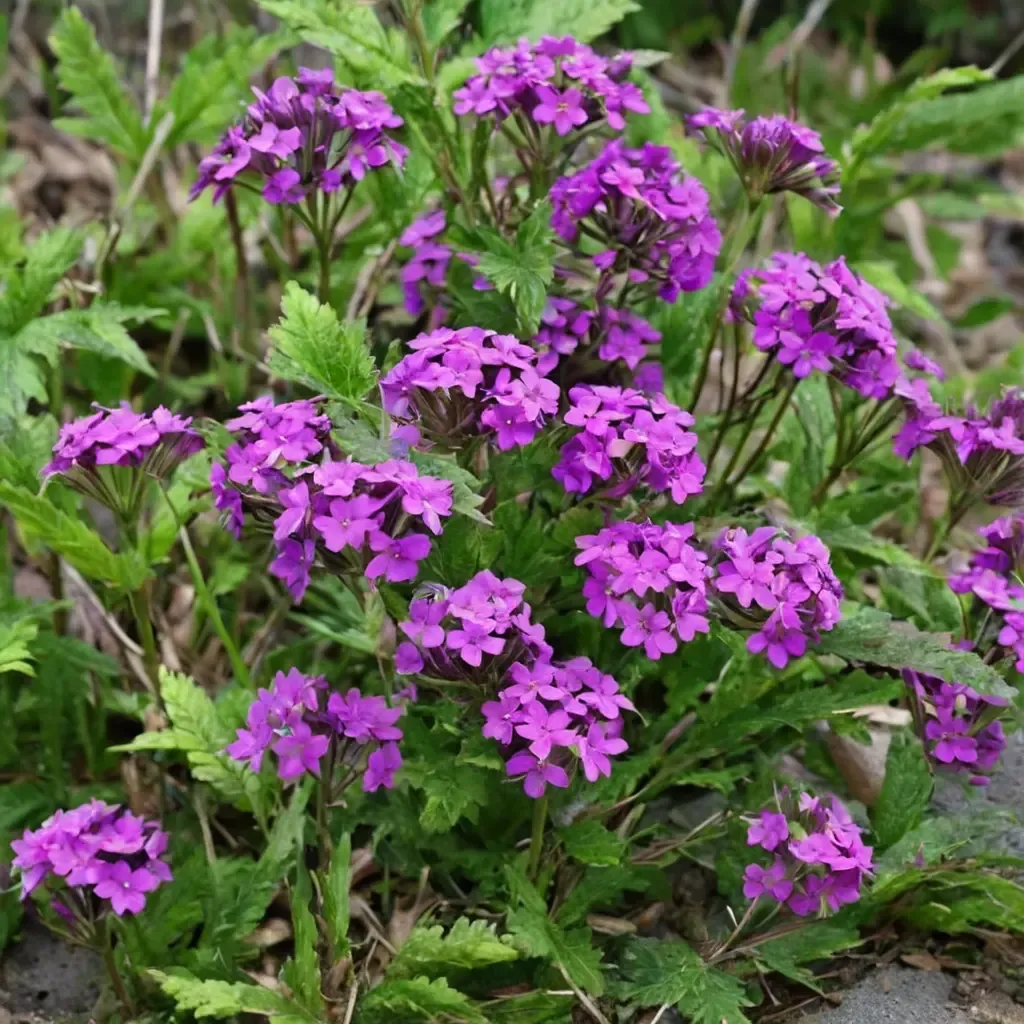
Rose Verbena
Verbena canadensis
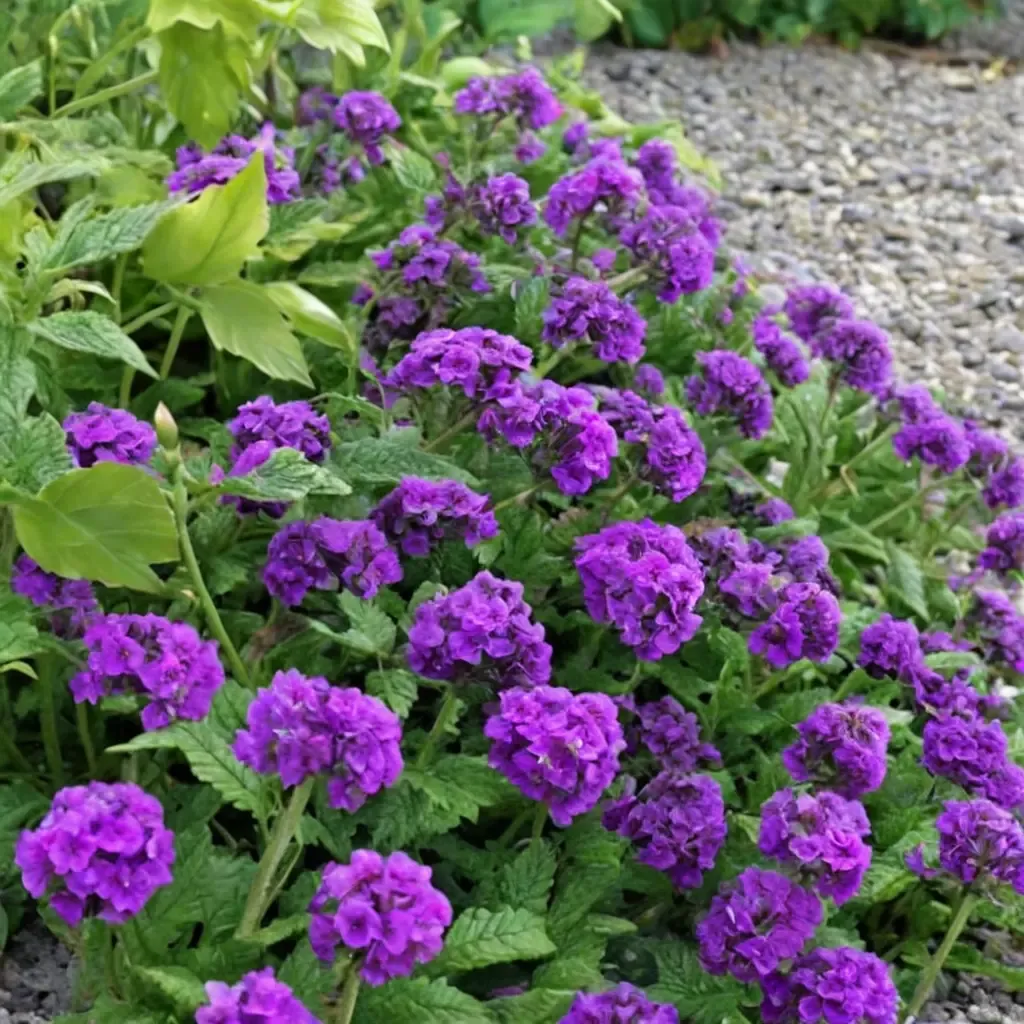
Homestead Purple Verbena
Verbena canadensis 'Homestead Purple'
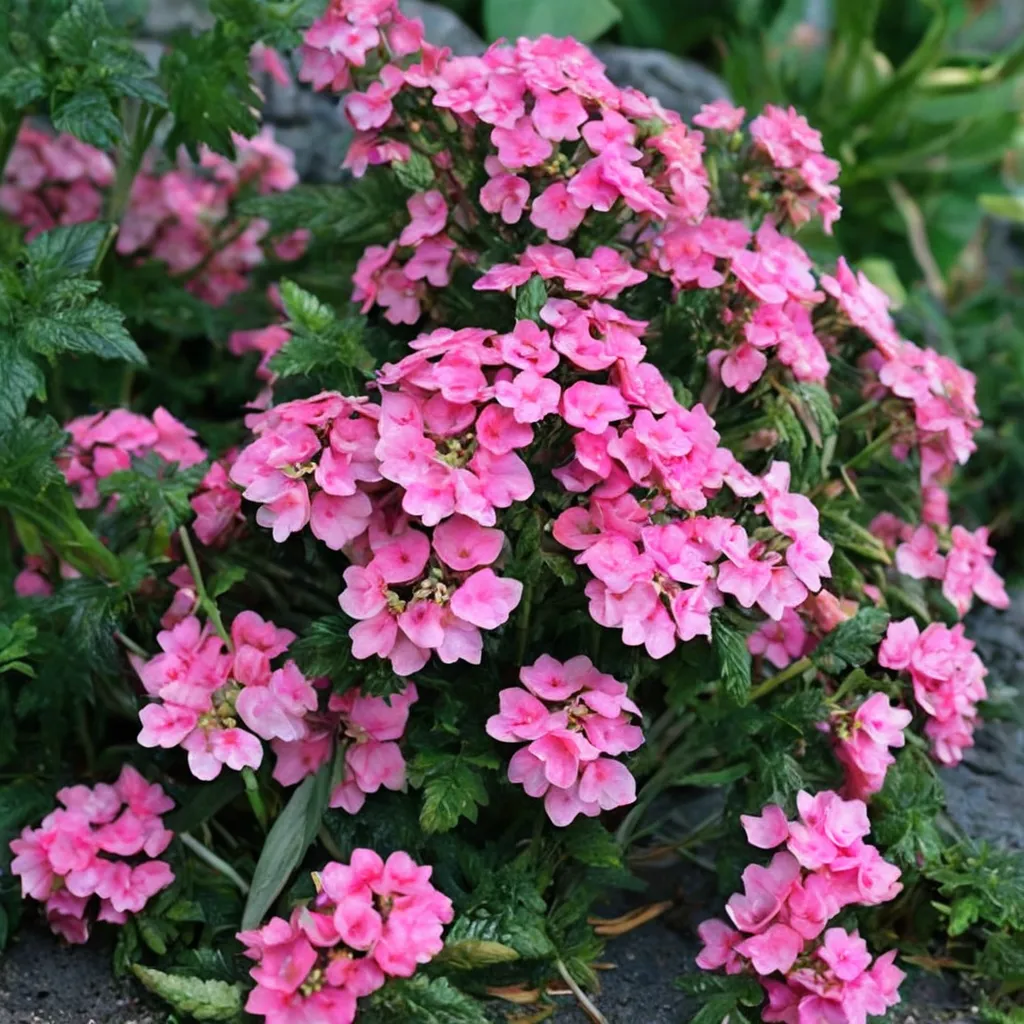
Pink Sunrise Verbena
Verbena x hybrida 'Pink Sunrise'
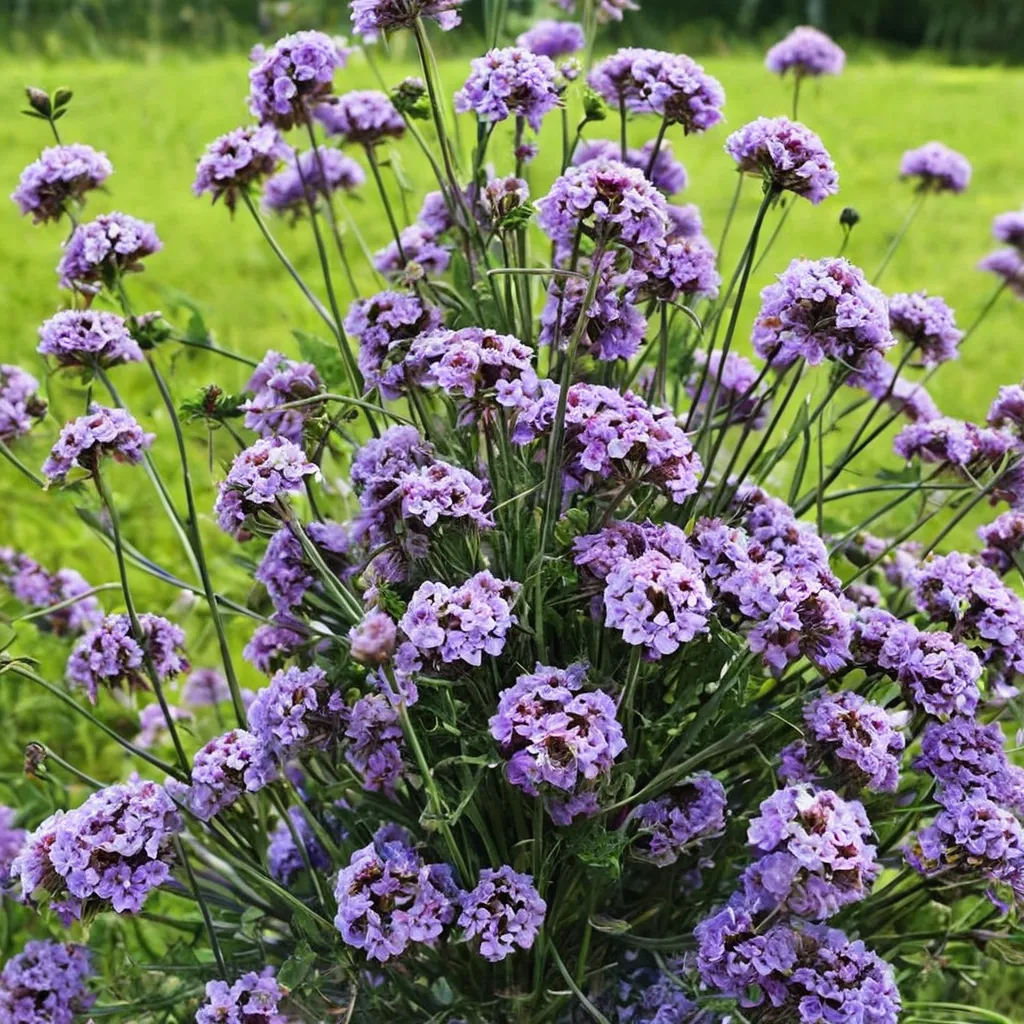
Tall Verbena
Verbena bonariensis 'Meteor Shower'
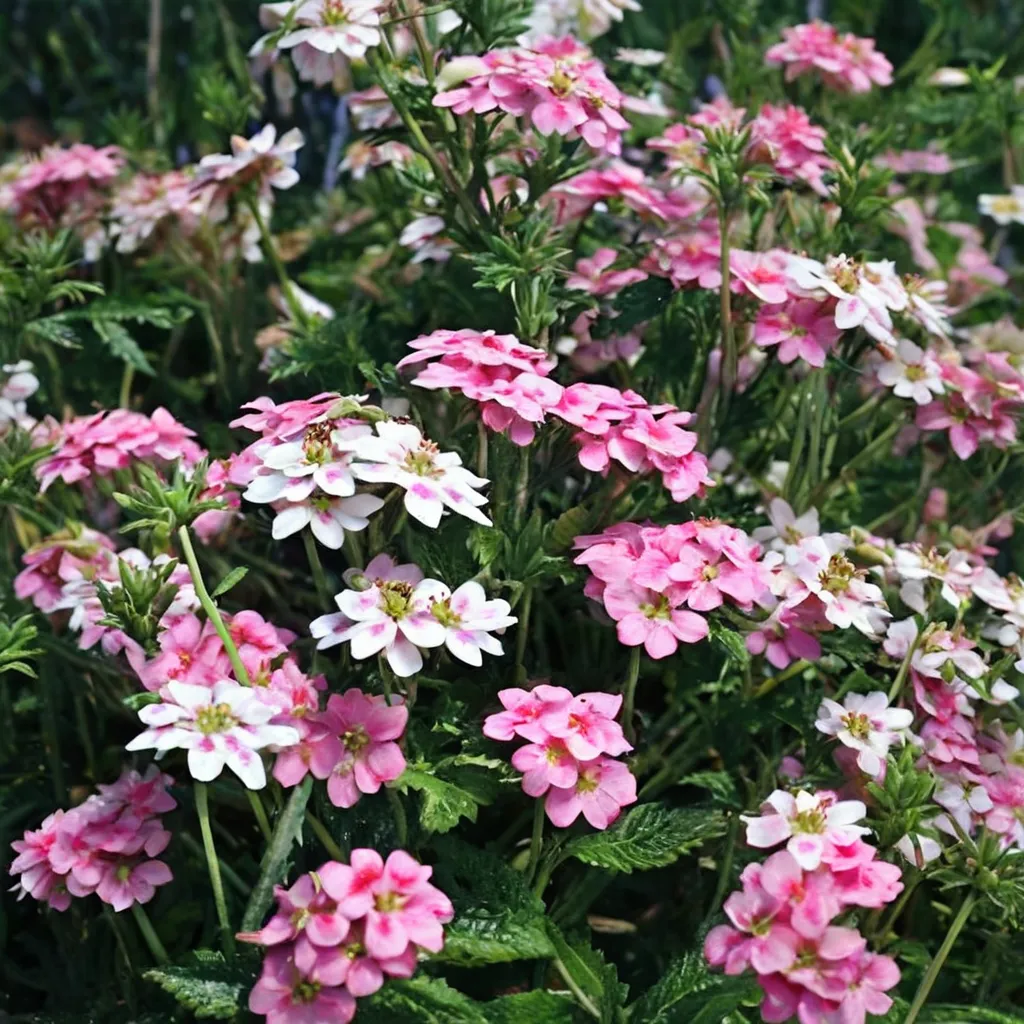
Apple Blossom Verbena
Verbena x hybrida 'Apple Blossom'
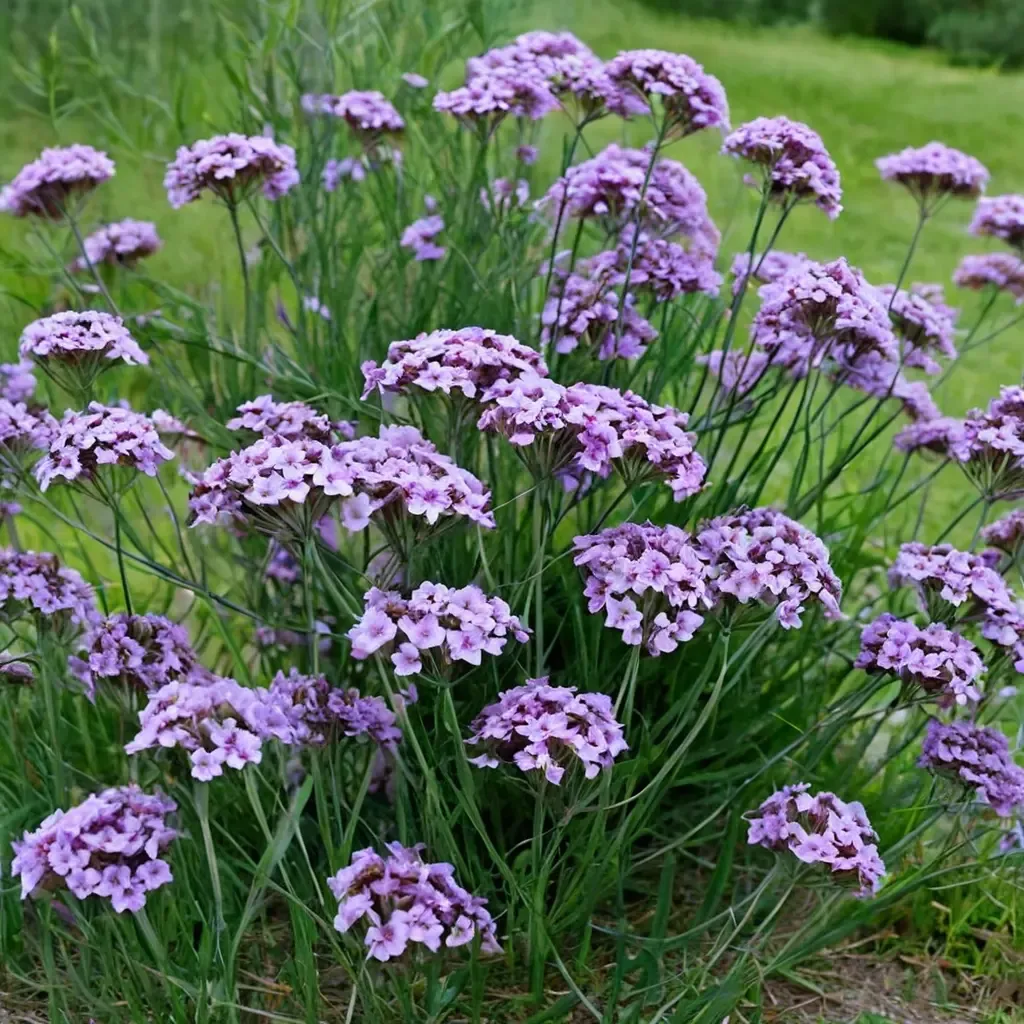
Purpletop Vervain
Verbena bonariensis
Keep exploring
Explore the genus
Grow White Vervain with confidence
See it in a design of your actual yard, get zone-matched care reminders, and track it season by season in your garden journal.