The Story
Plant Bio
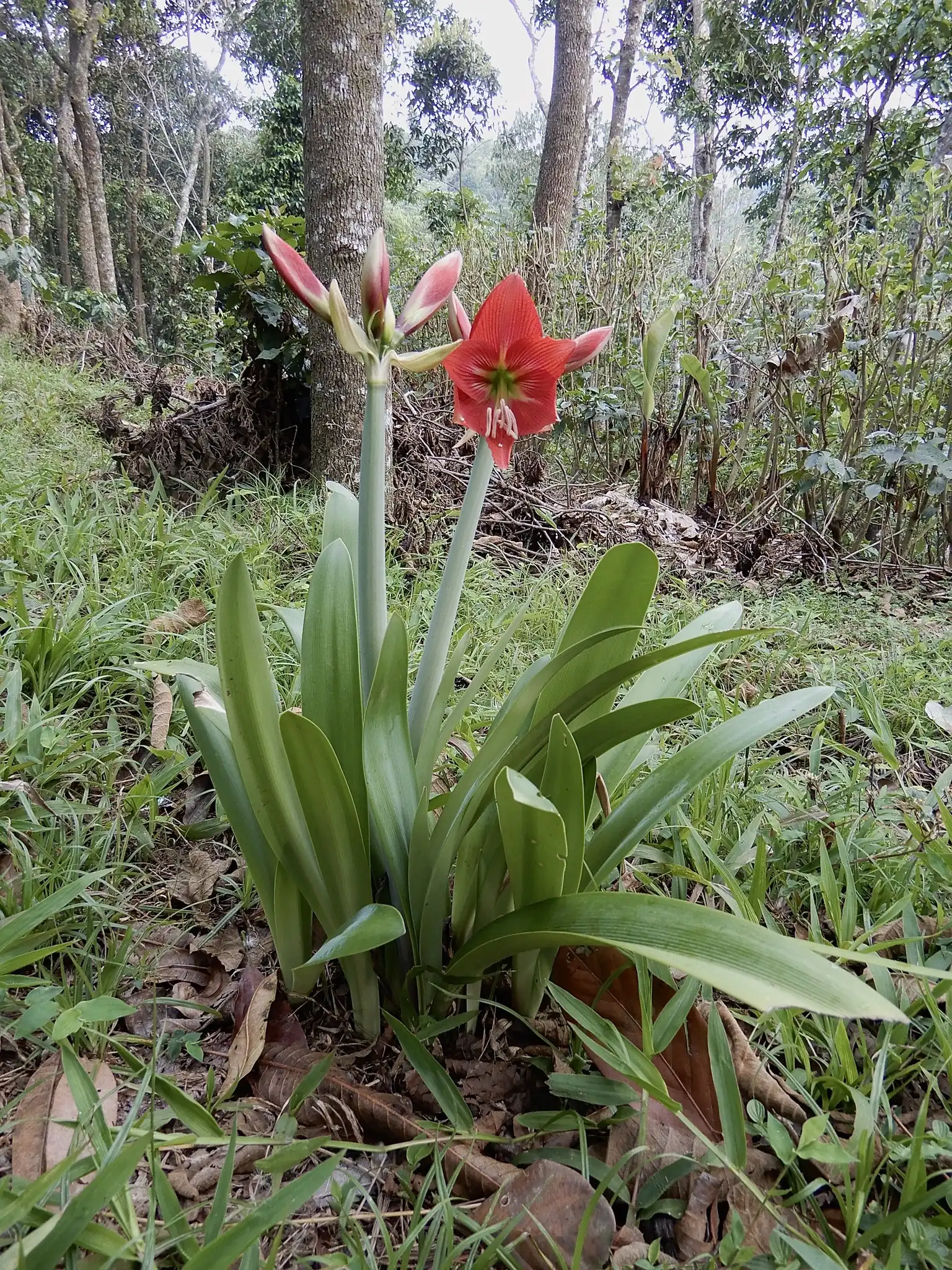
Hippeastrum reginae, commonly known as the queen amaryllis, is a tender bulbous geophyte native to northern South America. It produces stout, hollow, upright flower stems alongside a basal rosette of medium to dark green, strap-shaped leaves.
This species is distinguished by its large, funnel-shaped flowers in shades of red or pink, featuring a prominent greenish-white star-shaped pattern in the throat. Unlike many modern hybrid amaryllis, it retains the elegant, slightly nodding form of the wild species.
Uses & Benefits:
Essentials
At a Glance
Plant Type
Bulb Corm Tuber
Height
24"
Width
18"
Light
Full Sun, Partial Sun
Zones
9, 10
Water
Moderate during growth, dry in dormancy
Humidity
Average
Lifespan
Perennial
Native To
Northern South America
Toxicity
Toxic to humans and pets
Bloom period
Winter – Spring
In flower about 6 months of the year
Planting
How to Grow
- Select a heavy pot only one to two inches wider than the bulb to provide the snug environment these plants prefer.
- Plant the bulb in a highly fertile, exceptionally well-draining potting mix, ensuring the top third of the bulb remains above the soil surface.
- Water sparingly until active green growth emerges, then transition to regular watering to keep the soil evenly moist but never waterlogged.
- Provide bright indirect light indoors, or place in a spot with protection from harsh afternoon sun if grown outdoors in warm climates.
- Withhold water entirely in late summer or early fall for two to three months to induce the dry dormancy required for winter or spring flowering.
Pro Tip
Always leave the upper one-third to one-half of the bulb exposed above the soil line when potting; burying the bulb completely or overwatering during its autumn dormancy prevents reblooming and triggers basal rot.
Keep It Thriving
Care Guide
Do
- Allow the foliage to die back naturally to recharge the bulb for the next flowering cycle.
- Ensure the potting medium drains rapidly to prevent water from pooling around the roots.
- Provide bright, filtered sunlight to encourage strong stem development and prevent flopping.
Don't
- Do not bury the entire bulb beneath the soil surface.
- Do not water the bulb during its mandatory two-to-three-month dry dormancy period.
- Do not cut green, active leaves back prematurely.
Seasonal Care Calendar
| Task | Jan | Feb | Mar | Apr | May | Jun | Jul | Aug | Sep | Oct | Nov | Dec |
|---|---|---|---|---|---|---|---|---|---|---|---|---|
| Fertilize | ||||||||||||
| Lift Store | ||||||||||||
| Pest Check | ||||||||||||
| Prune |
Watch Out For
Pests & Diseases
Common Pests
Common Diseases
In the Garden
Landscape Uses & Companions
Landscape Uses
Companion Plants
Multiply
Propagation Methods
Good to Know
Common Questions
Queen Amaryllis questions
What zones can Queen Amaryllis grow in?
Queen Amaryllis is hardy in USDA Zones 9–10. Inside that range it survives winter in the ground; outside it, grow it as an annual or a container plant you protect.
When does Queen Amaryllis bloom?
Queen Amaryllis typically blooms in winter through spring. Exact timing shifts a week or two with your zone — Sow's bloom calendar maps it to your garden.
Does Queen Amaryllis need full sun?
Queen Amaryllis does best in full sun to part shade. In hot climates, afternoon shade keeps blooms fresher longer.
Is Queen Amaryllis drought tolerant?
Yes — once established (usually after the first full season), Queen Amaryllis handles dry spells with minimal watering. Water deeply its first year to build the root system that makes that possible.
More Hippeastrum to compare
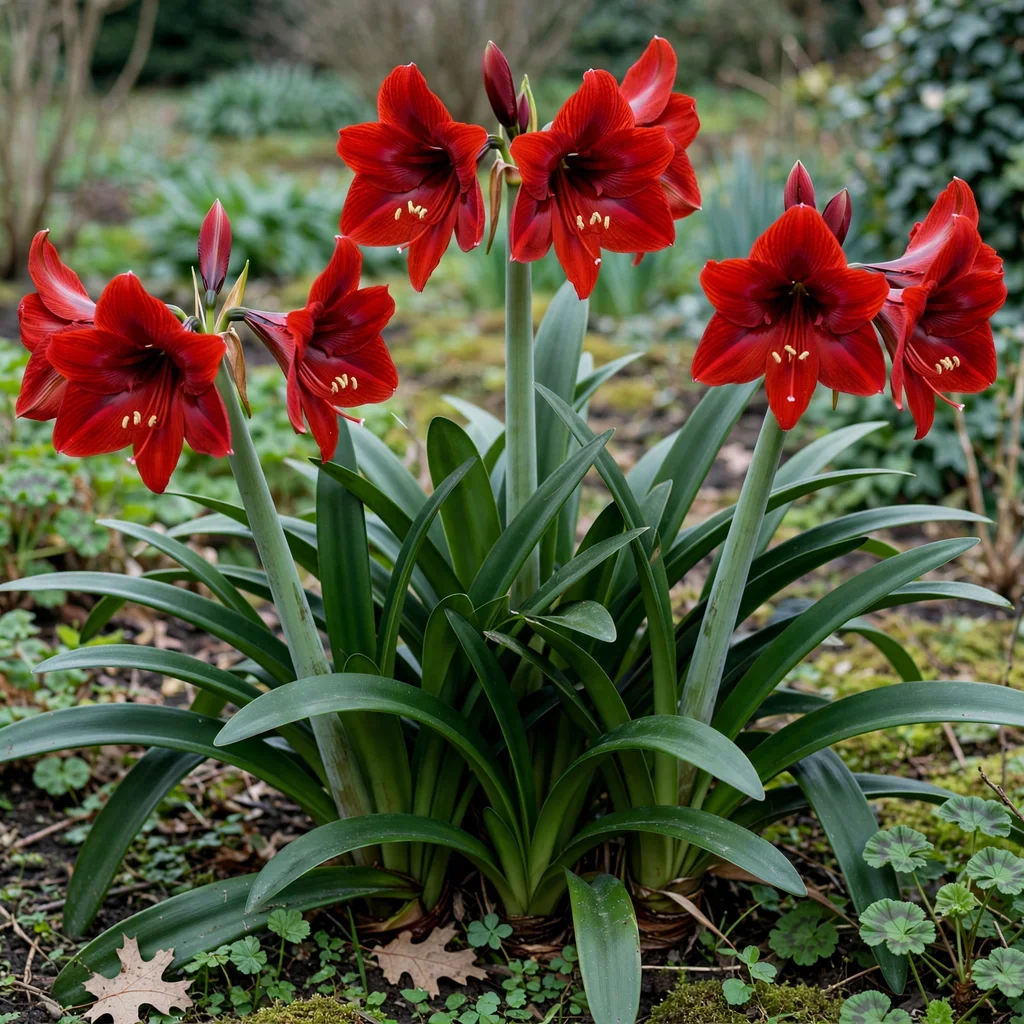
Amaryllis
Hippeastrum x hortorum
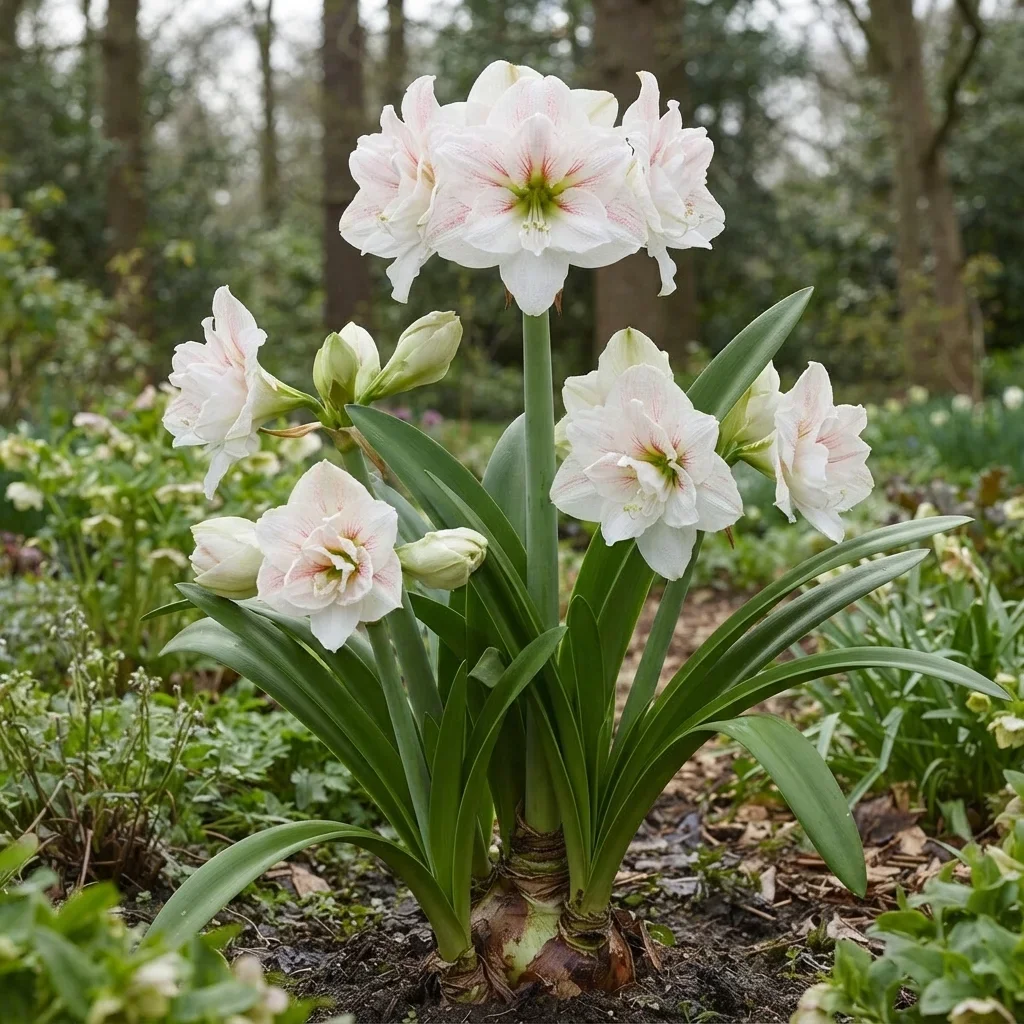
Aquaro Amaryllis
Hippeastrum x hybrida 'Aquaro'
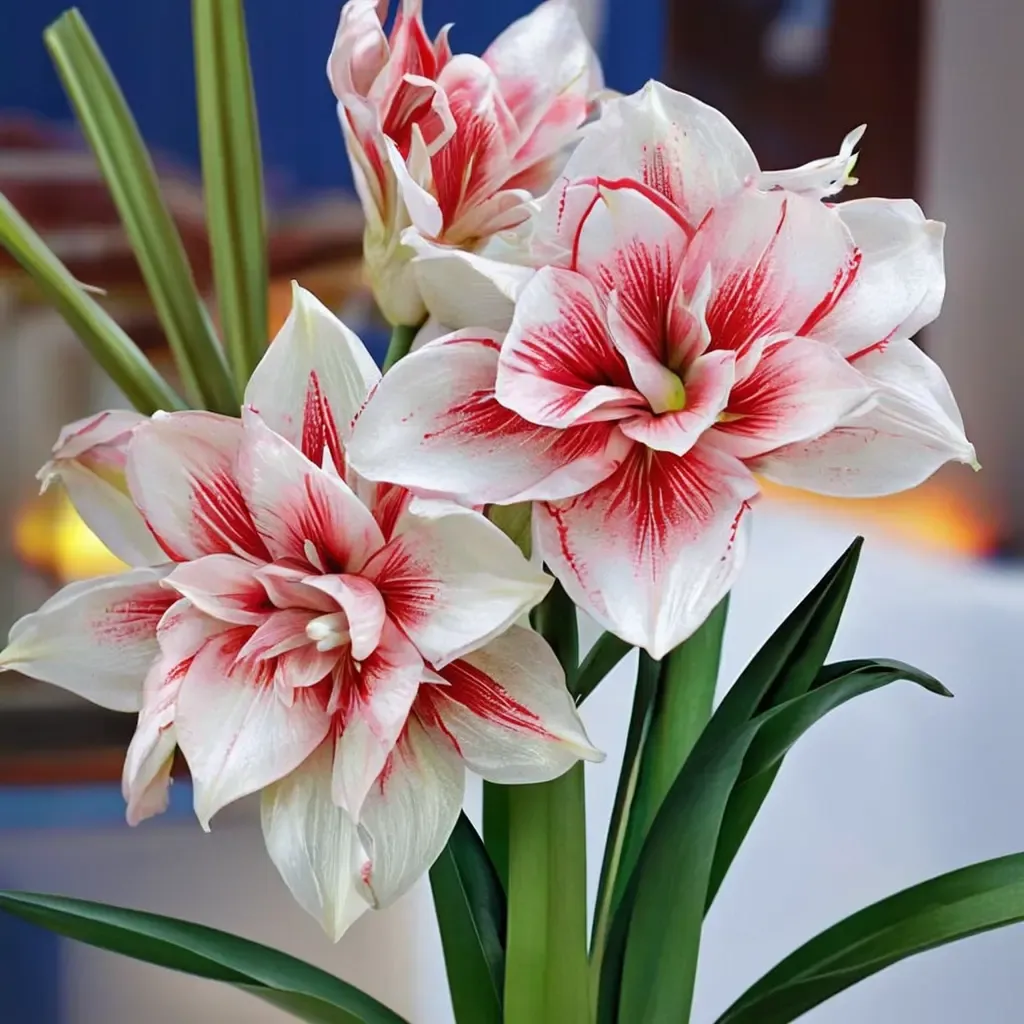
Elvas Amaryllis
Hippeastrum x hybrida 'Elvas'
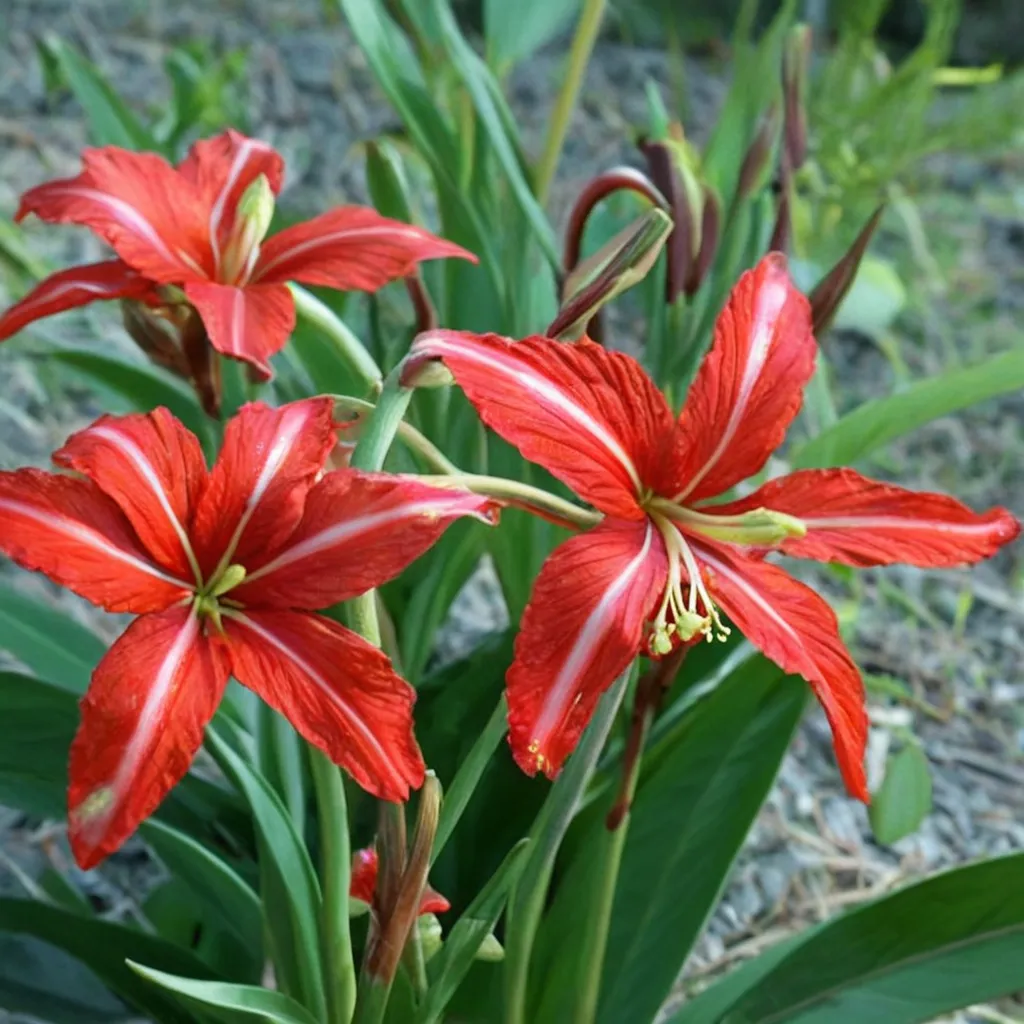
Johnson's Amaryllis
Hippeastrum x johnsonii
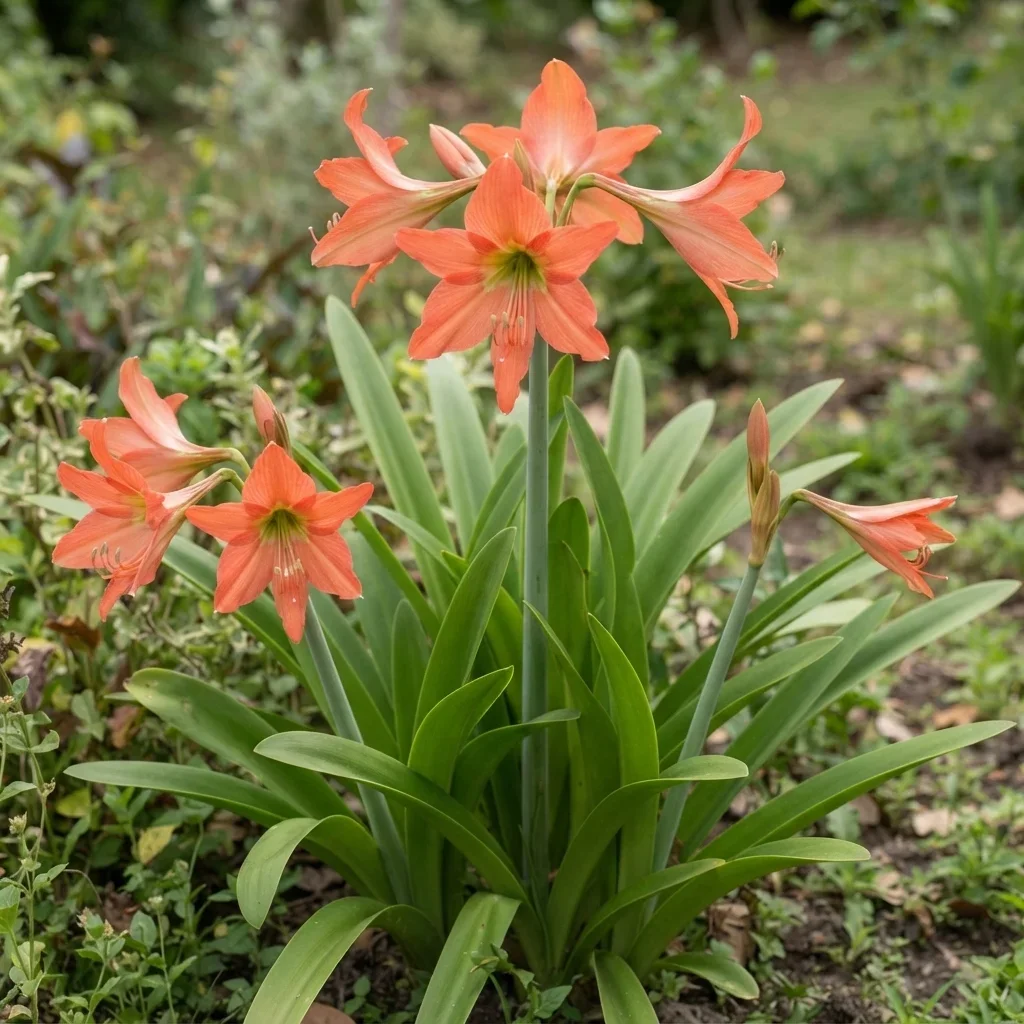
Flamboyant Amaryllis
Hippeastrum x hybrida 'Flamboyant'
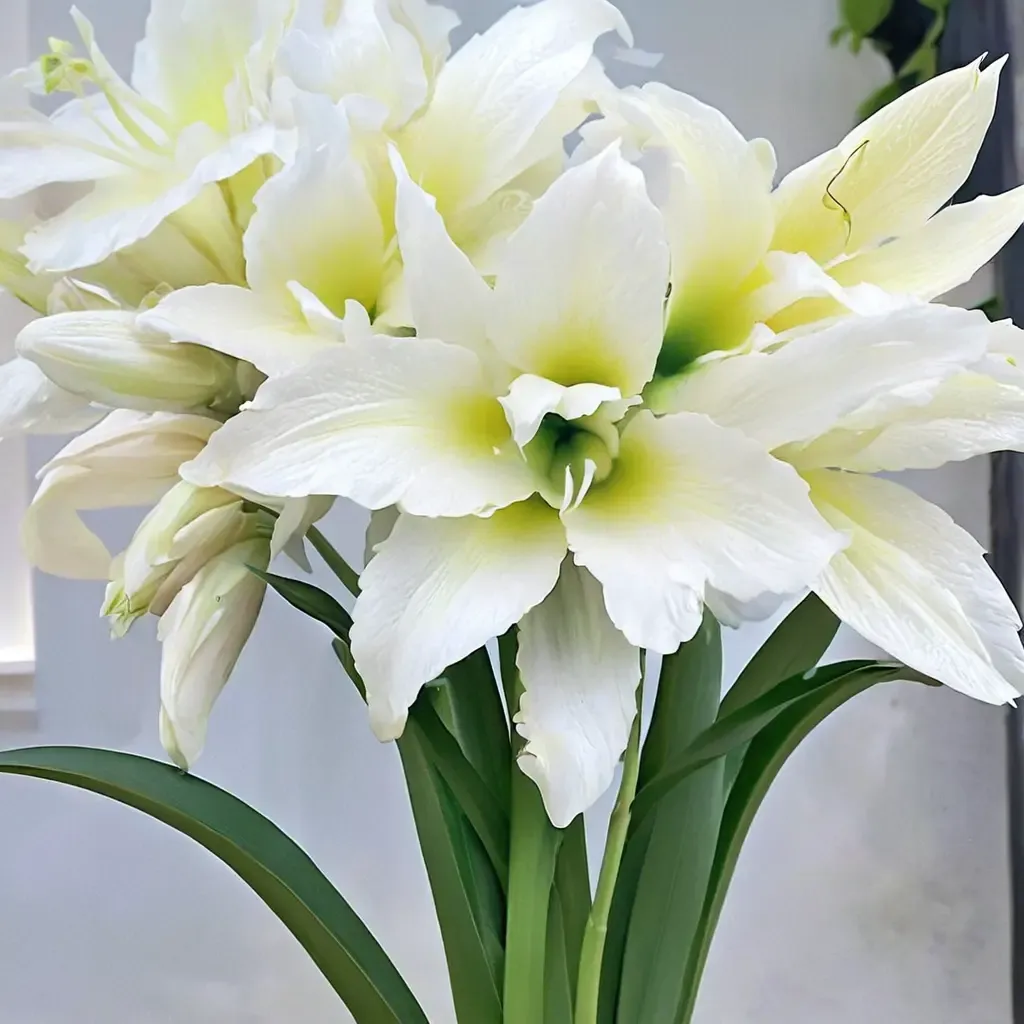
Double Ice Queen Amaryllis
Hippeastrum x hybrida 'Double Ice Queen'
Keep exploring
Explore the genus
Hardy in your zone?
Grow Queen Amaryllis with confidence
See it in a design of your actual yard, get zone-matched care reminders, and track it season by season in your garden journal.