The Story
Plant Bio
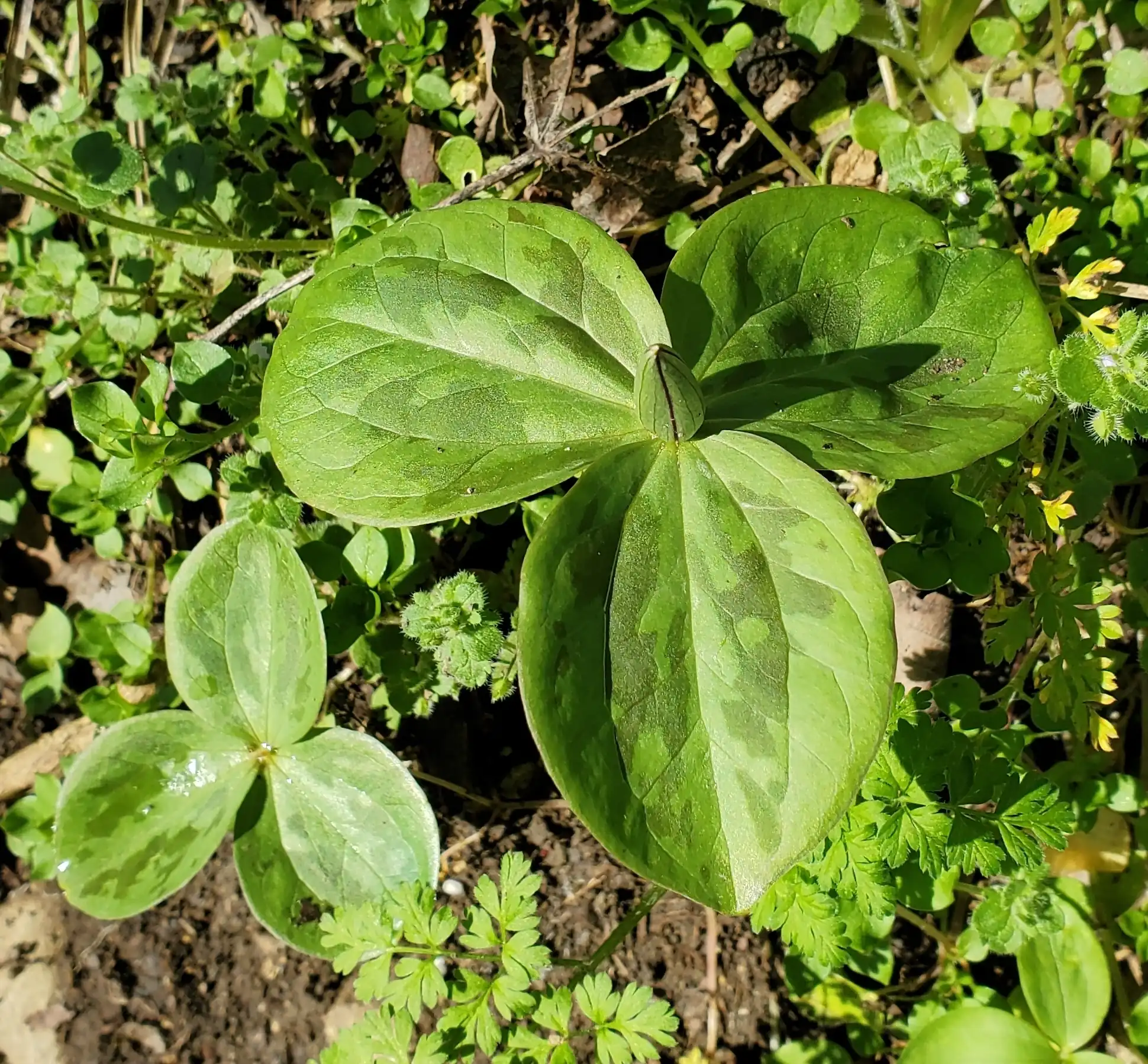
Trillium sessile is a clumping, herbaceous woodland perennial arising from a thick, horizontal underground rhizome. The unbranched stem is topped by a whorl of three broadly oval, dark green bracts that are frequently mottled with purple, brown, or white.
The single, terminal flowers sit directly on the bracts without a stalk, featuring three spreading green sepals and three erect, narrow petals of deep maroon or dark purple. These flowers emit a fetid aroma that attracts beetles and flies for pollination.
Uses & Benefits:
Essentials
At a Glance
Plant Type
Perennial
Height
16"
Width
12"
Light
Partial Sun, Shade
Zones
4, 5, 6, 7, 8
Water
Moderate
Humidity
Moderate
Lifespan
Perennial
Native To
North America
Toxicity
Mildly toxic if ingested
Bloom period
Spring – Summer
In flower about 6 months of the year
Planting
How to Grow
- Select a planting site in partial to full shade, mimicking a dappled woodland understory protected from intense afternoon sun.
- Amend the soil with organic matter to create a rich, moisture-retentive loam, clay, or sandy soil with a neutral to mildly alkaline pH.
- Plant dormant rhizomes horizontally in the soil, ensuring the site is well-drained to prevent waterlogging during winter dormancy.
- Apply a light top-dressing of leaf mold or compost in the fall to replenish nutrients and mimic natural forest floor conditions.
Pro Tip
Never cut down the yellowing foliage in late spring to tidy the garden; the leaves must die back naturally to feed the underground rhizome for the next season's growth.
Keep It Thriving
Care Guide
Do
- Allow the foliage to yellow and die back completely on its own to nourish the rhizome.
- Keep the soil consistently moist but well-drained during the active spring growing season.
- Verify that any purchased stock is nursery-propagated rather than wild-collected.
Don't
- Do not cut back green or yellowing foliage prematurely after flowering.
- Do not allow the soil to become waterlogged, especially during the plant's dormant period.
- Do not attempt to transplant established wild specimens, which leads to catastrophic transplant shock.
Seasonal Care Calendar
| Task | Jan | Feb | Mar | Apr | May | Jun | Jul | Aug | Sep | Oct | Nov | Dec |
|---|---|---|---|---|---|---|---|---|---|---|---|---|
| Fertilize | ||||||||||||
| Mulch | ||||||||||||
| Pest Check | ||||||||||||
| Propagate |
Watch Out For
Pests & Diseases
Common Pests
Common Diseases
In the Garden
Landscape Uses & Companions
Landscape Uses
Multiply
Propagation Methods
Good to Know
Common Questions
Toadshade questions
What zones can Toadshade grow in?
Toadshade is hardy in USDA Zones 4–8. Inside that range it survives winter in the ground; outside it, grow it as an annual or a container plant you protect.
Is Toadshade deer resistant?
Not reliably. Deer may browse Toadshade, especially tender spring growth — plan on repellents or fencing where pressure is high.
When does Toadshade bloom?
Toadshade typically blooms in spring through summer. Exact timing shifts a week or two with your zone — Sow's bloom calendar maps it to your garden.
Does Toadshade need full sun?
Toadshade does best in part shade.
More Trillium to compare
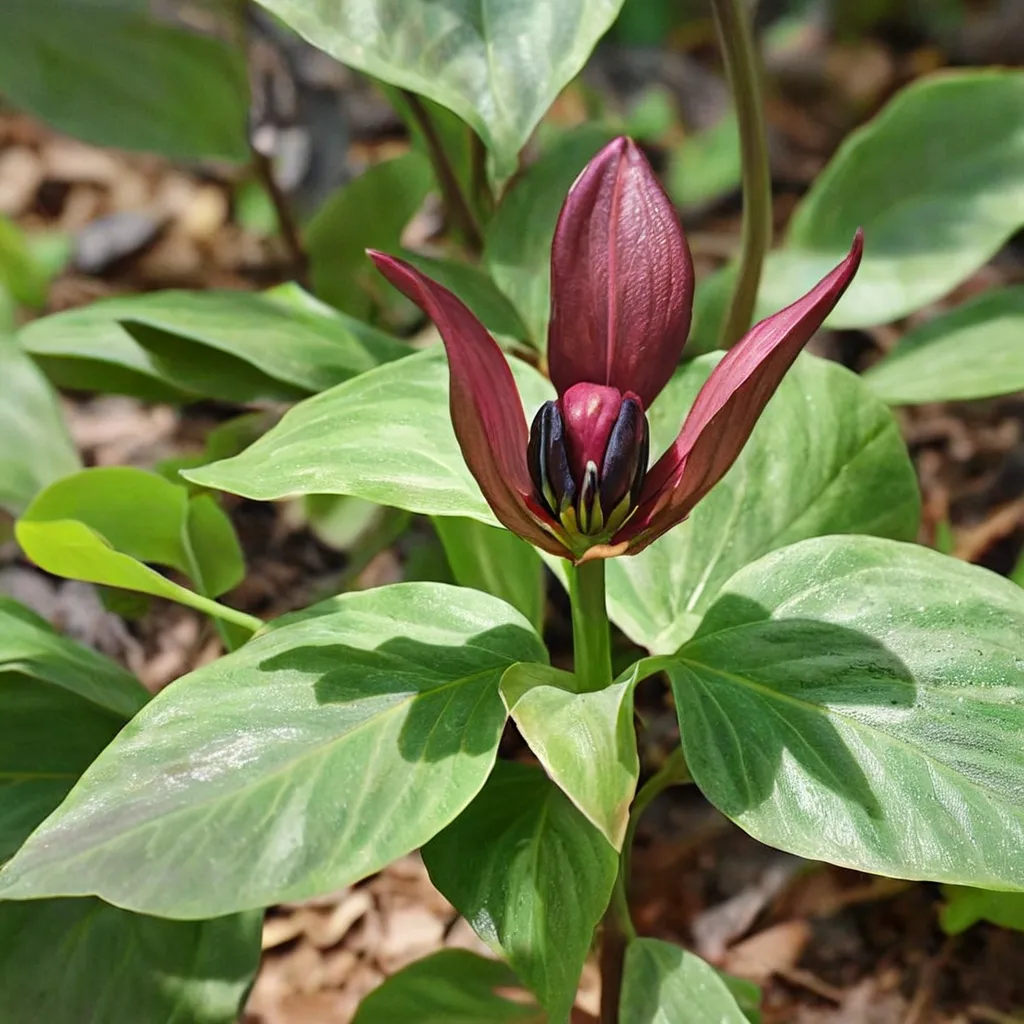
Missouri form Large-flowered Trillium
Trillium recurvatum 'Missouri form'
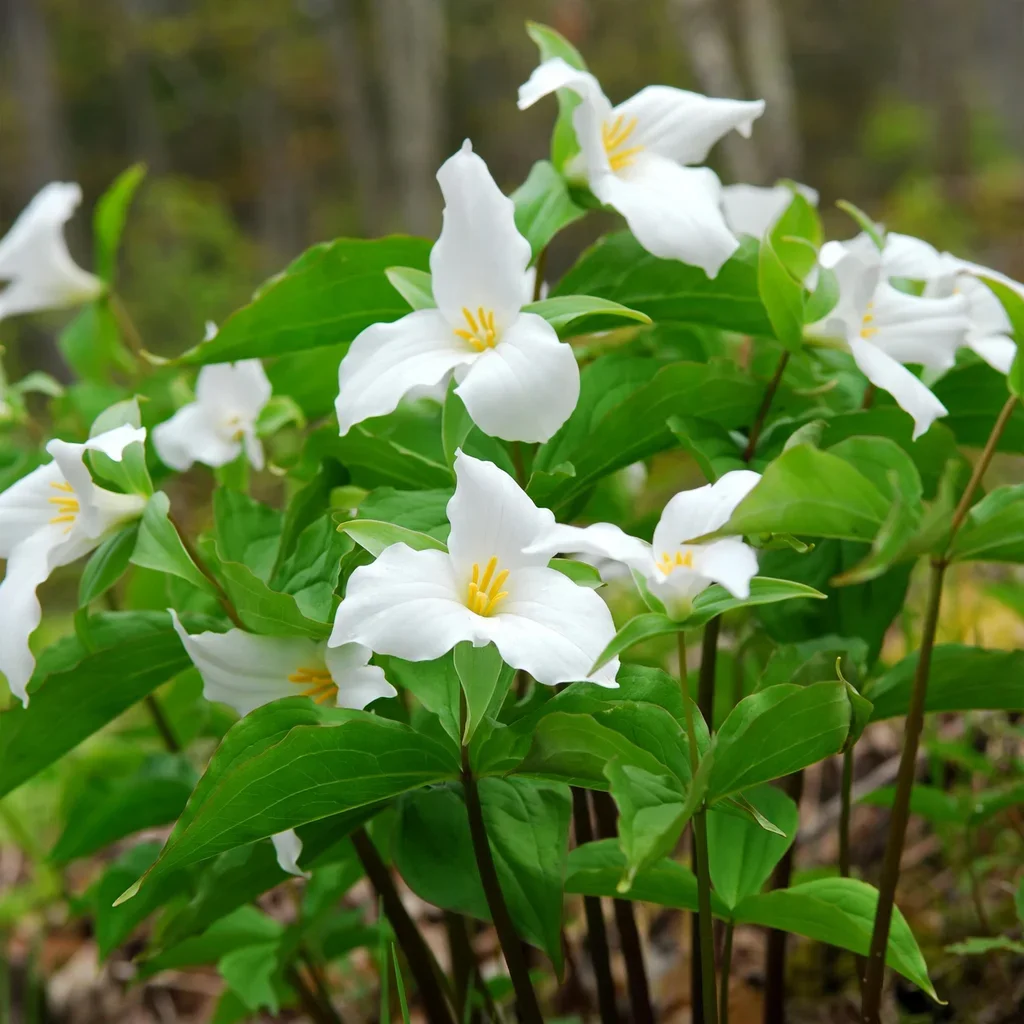
Great White Trillium
Trillium grandiflorum
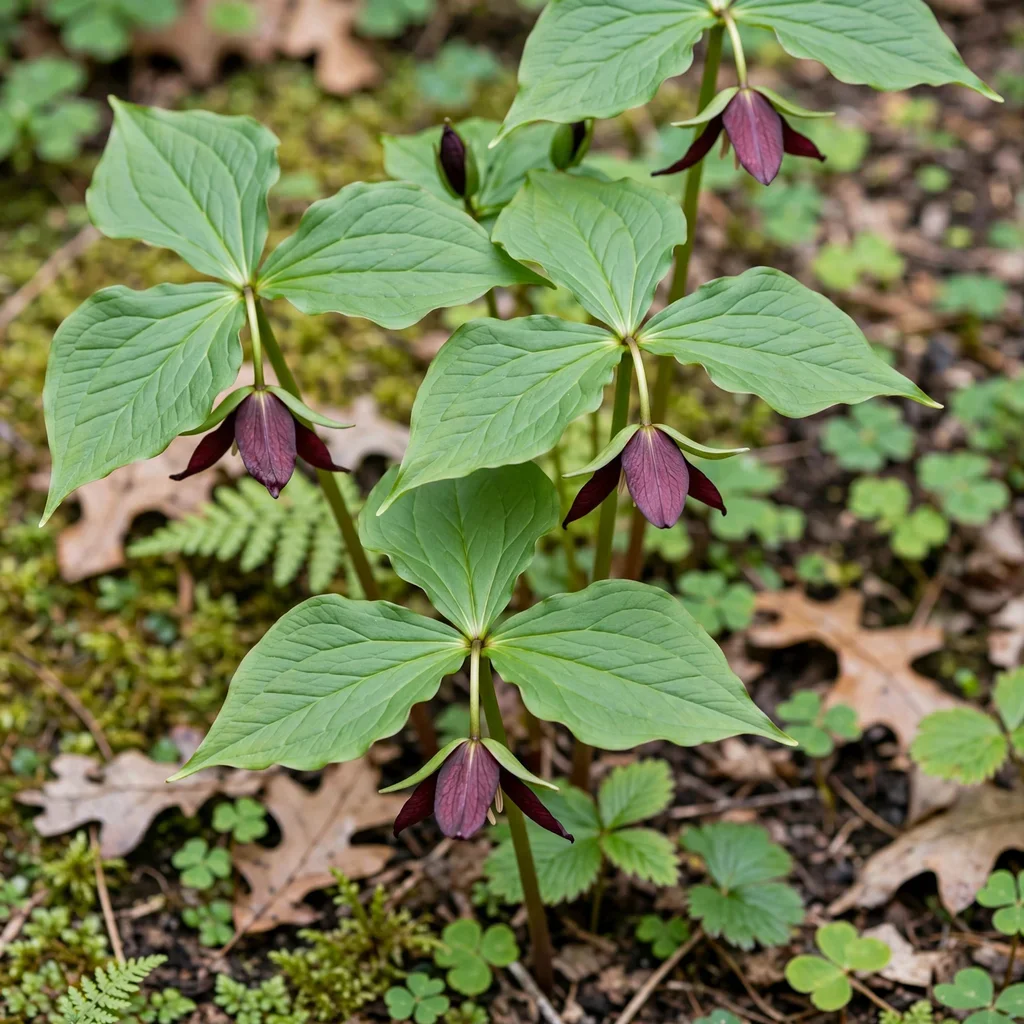
Vasey's Trillium
Trillium vaseyi
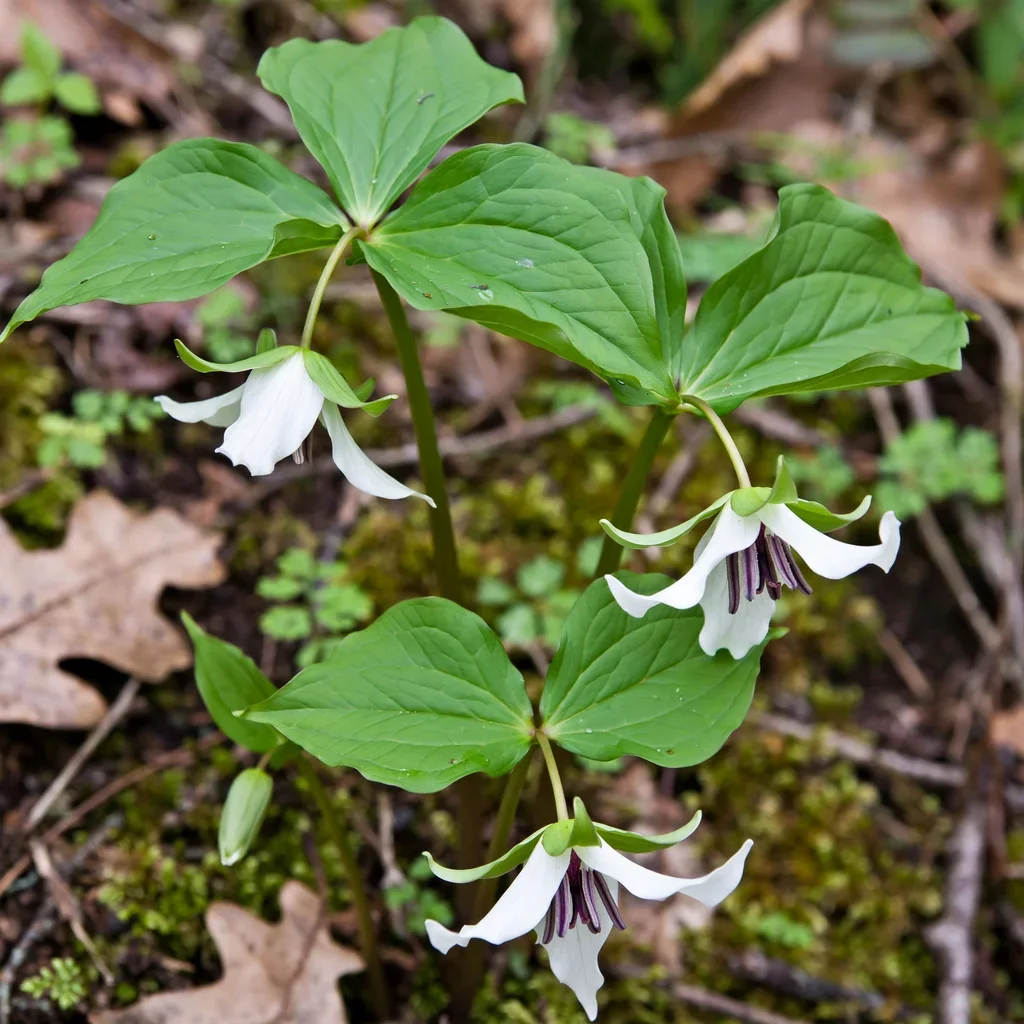
Rugel's Trillium
Trillium rugelii
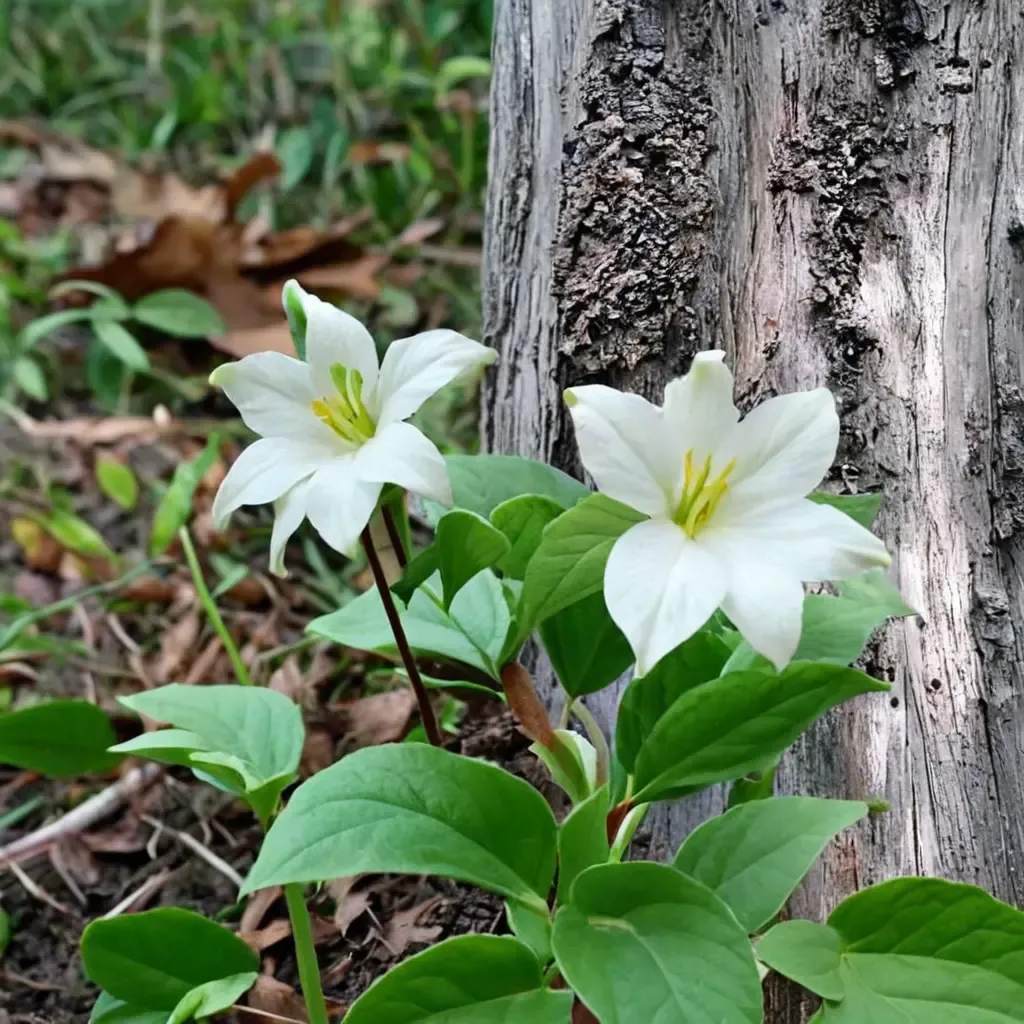
Large-flowered Trillium
Trillium grandiflorum 'Mix'
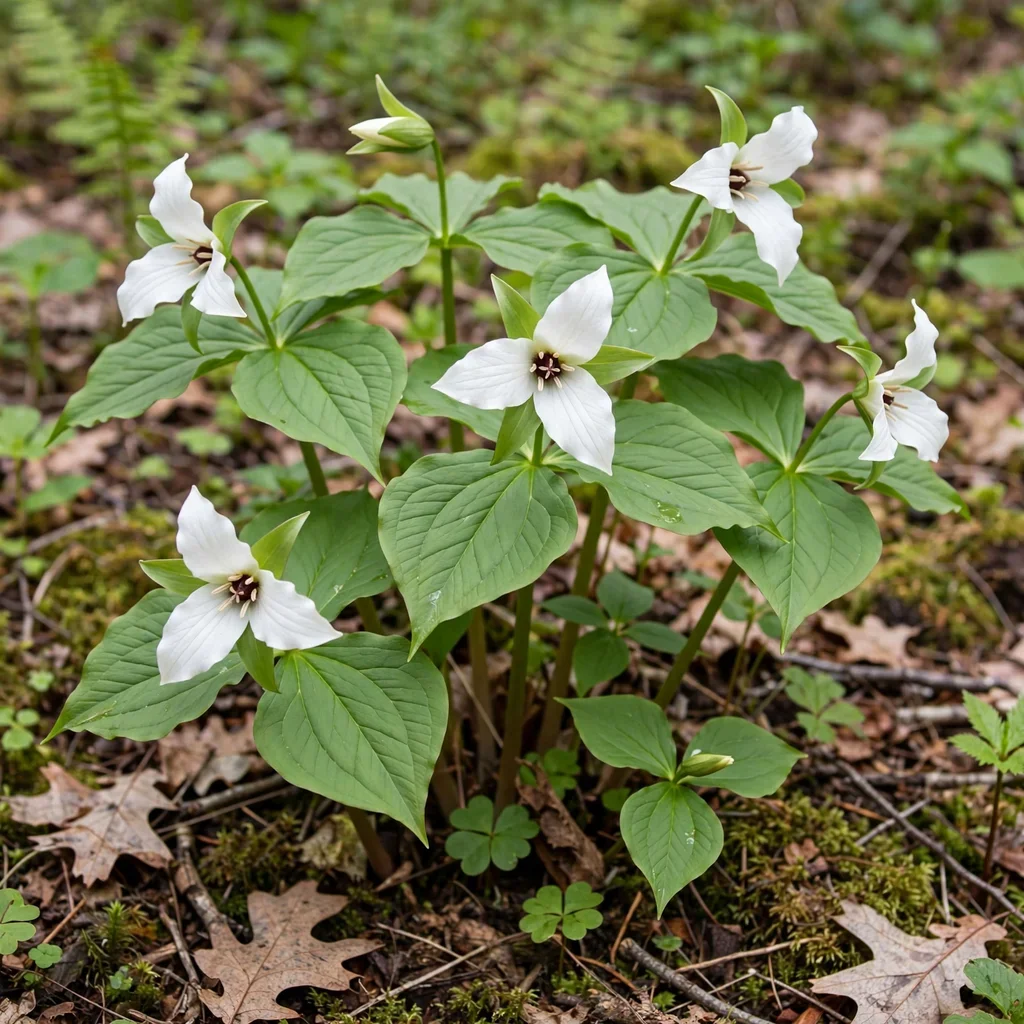
Trillium x flexatum white w dark eye
Trillium x hybrida 'White w/ Dark Eye'
Keep exploring
Explore the genus
Hardy in your zone?
Grow Toadshade with confidence
See it in a design of your actual yard, get zone-matched care reminders, and track it season by season in your garden journal.