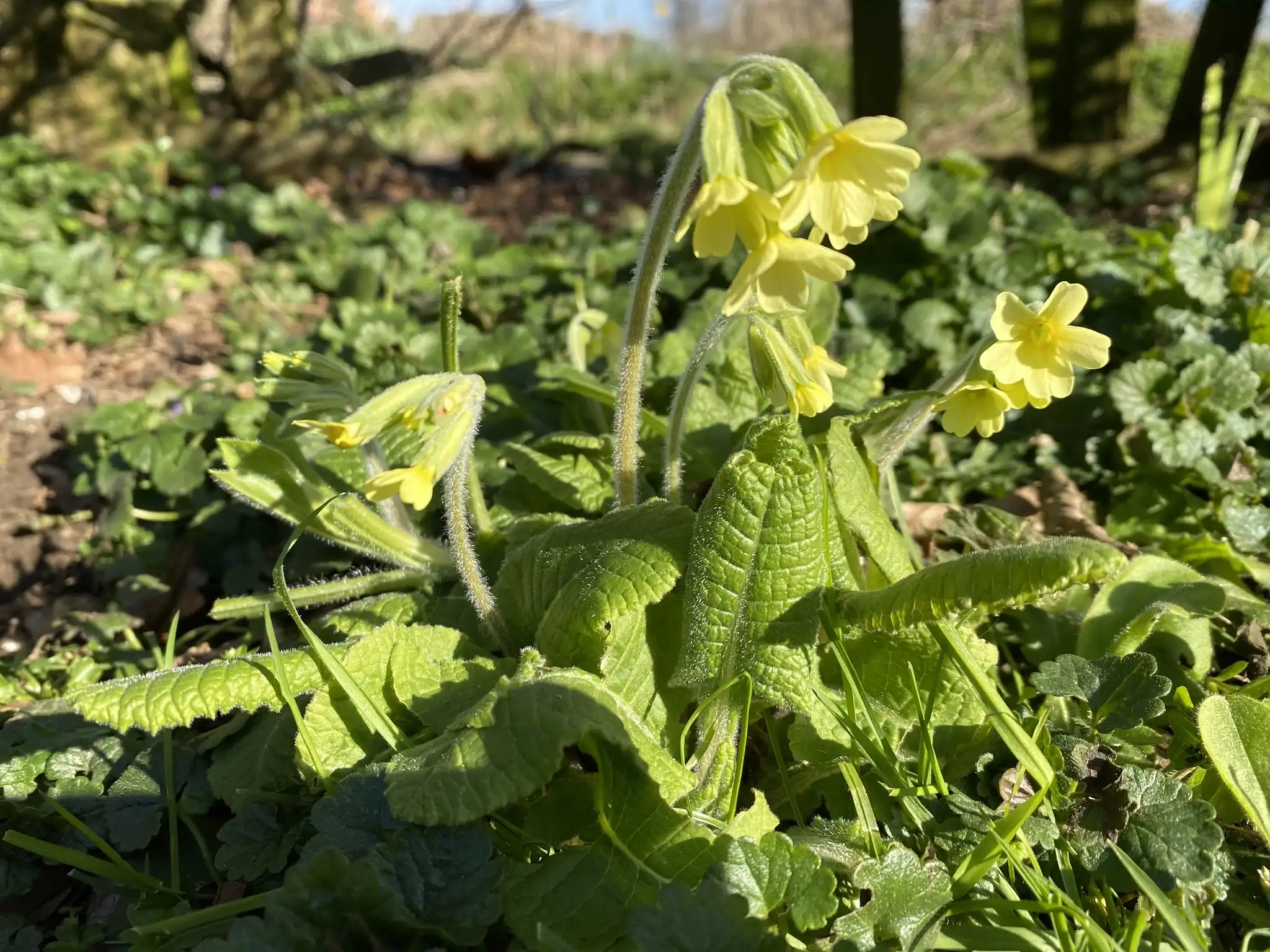
8 named cultivars
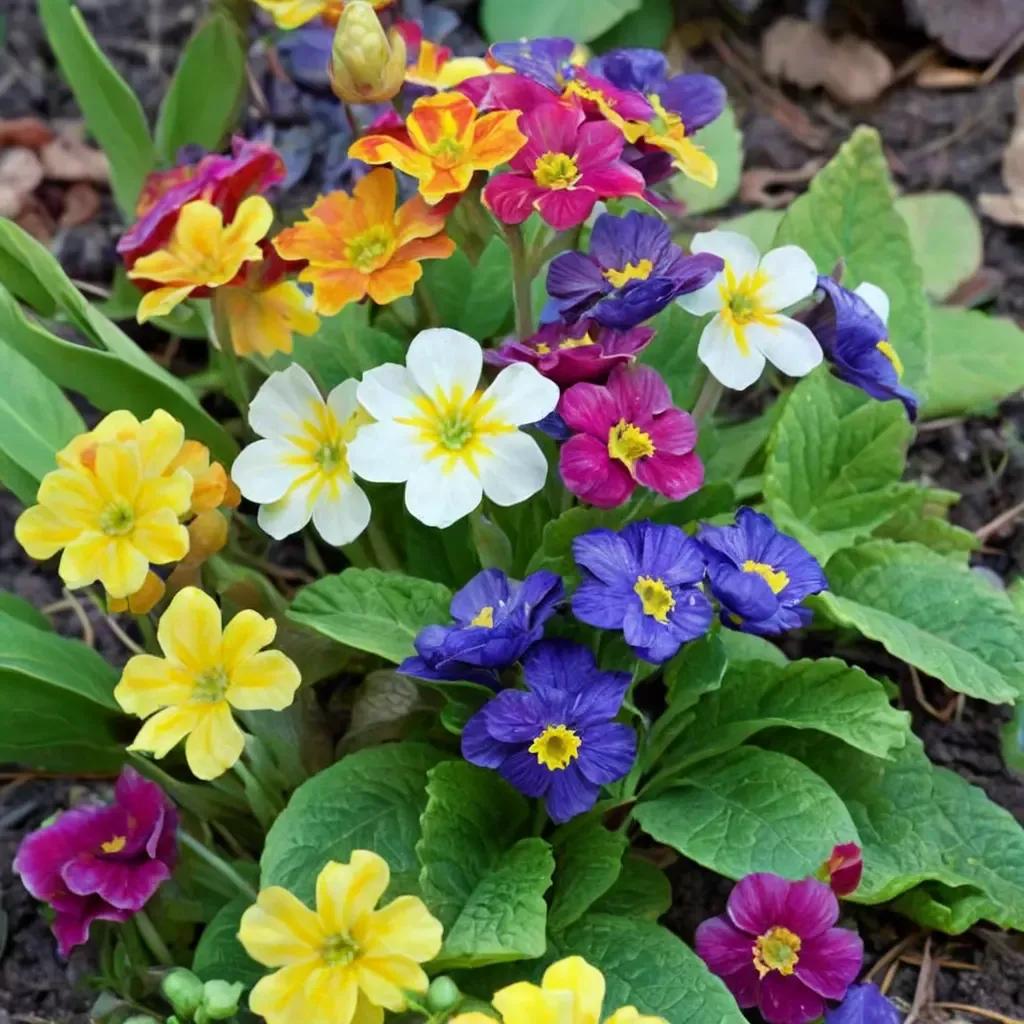 ‘Pacific Hybrids’Pacific Hybrids Primrose
 ‘Crescendo Mix’Primula Crescendo Mix
 ‘Lilac’Lilac Primrose
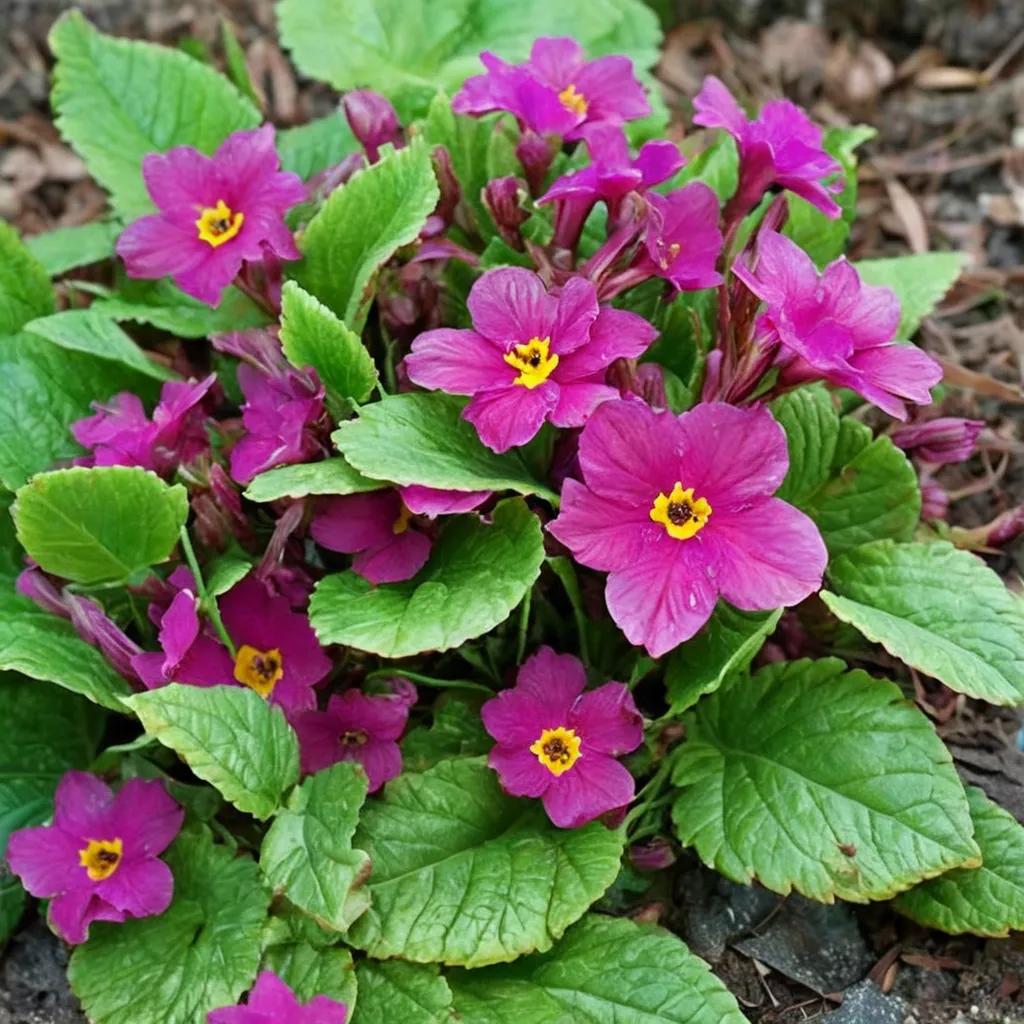 ‘Wanda’Polyantha Primula Wanda
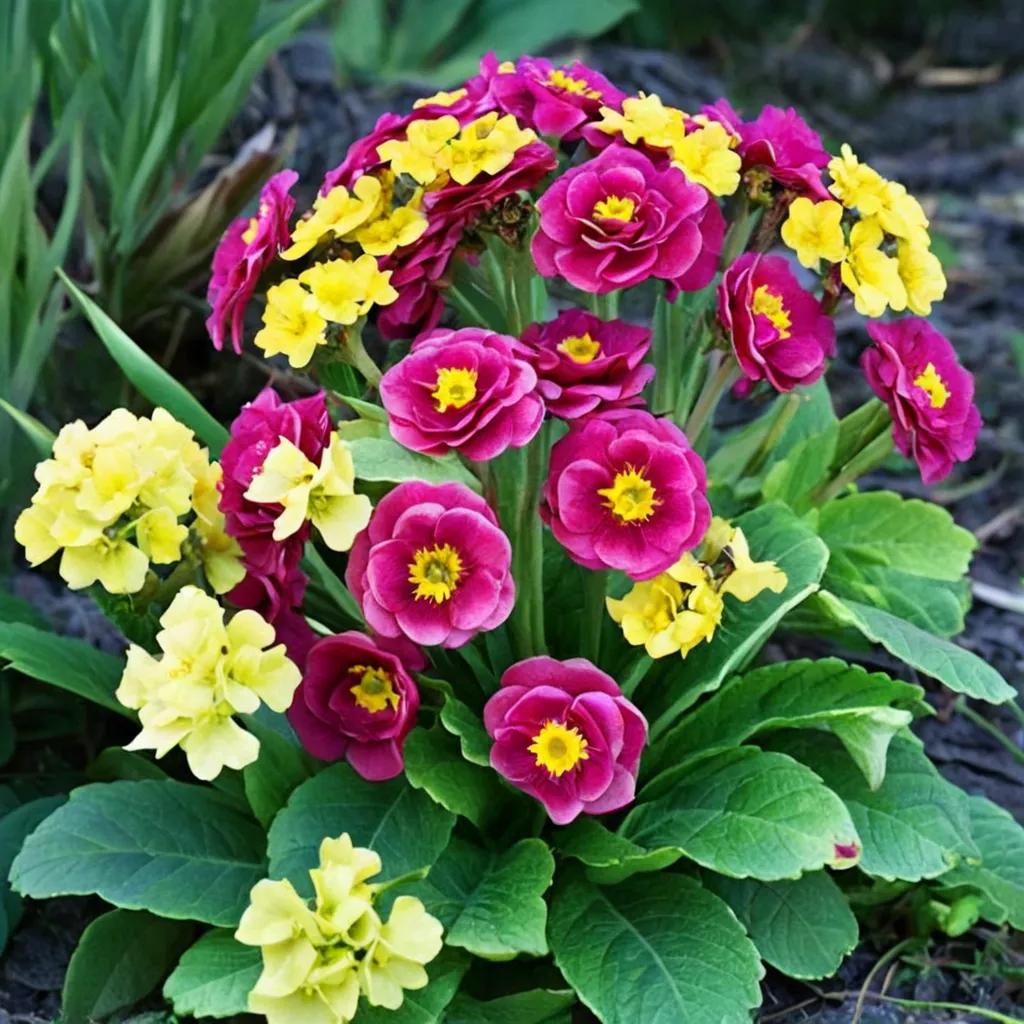 ‘Spring Sun’Spring Sun Polyanthus Primrose
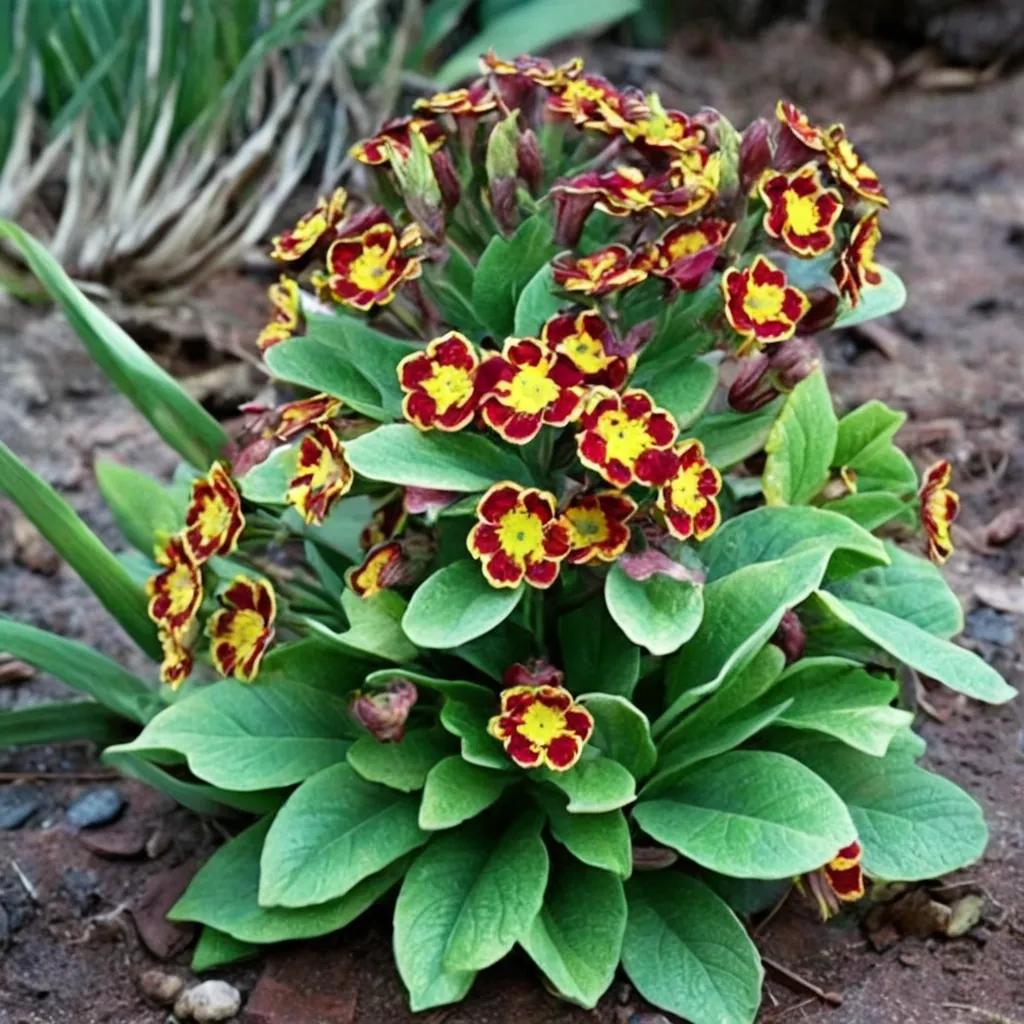 ‘Mahogany Sunrise’Polyantha primrose Mahogany Sunrise
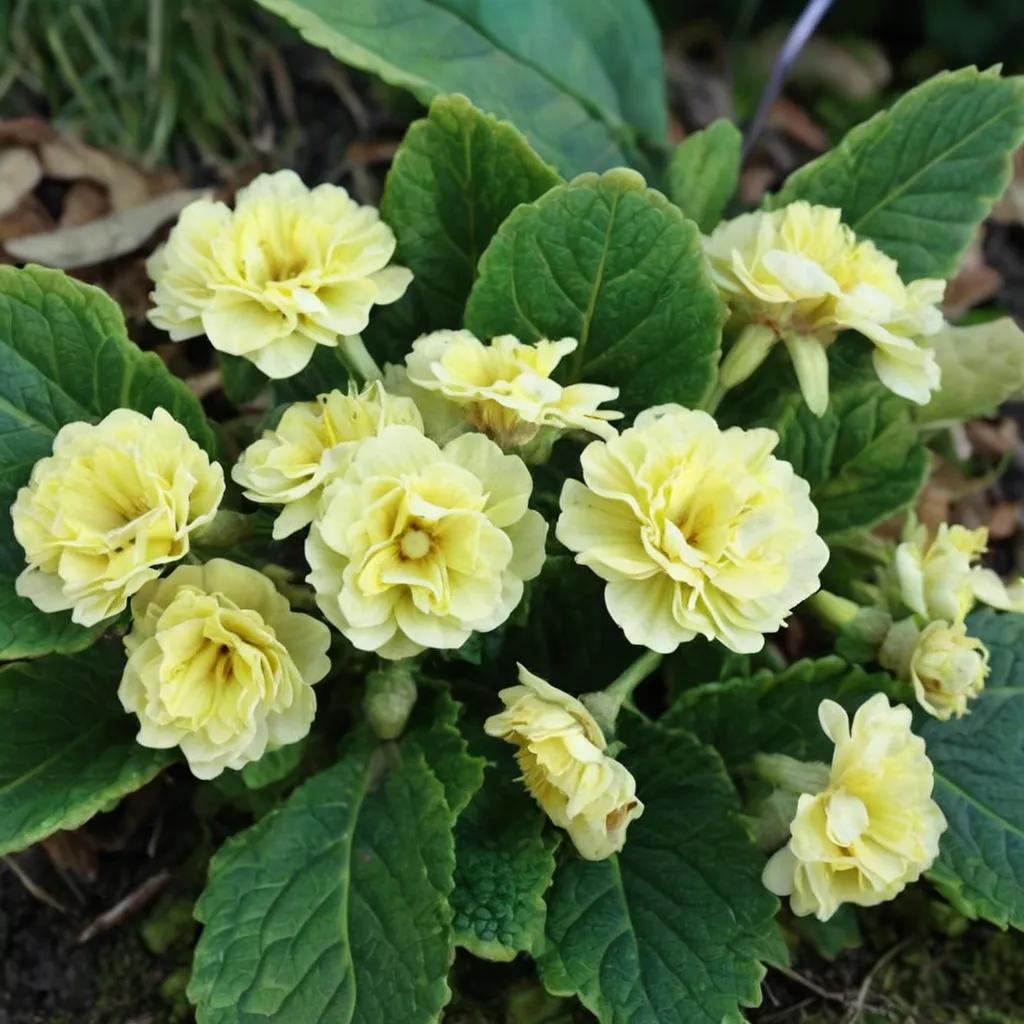 ‘Val Horncastle’Polyantha Primula Val Horncastle
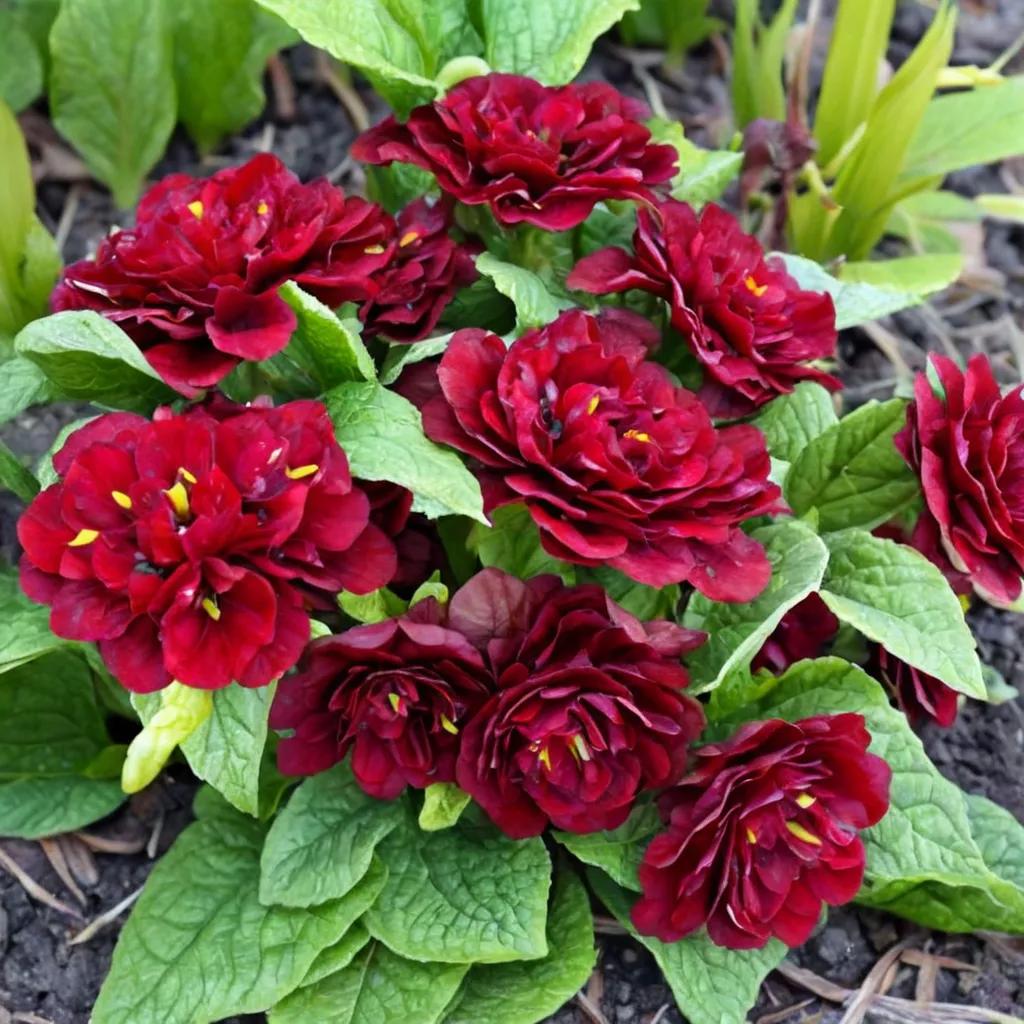 ‘Belarina Valentine’Primula Belarina Valentine
The Story
Plant Bio
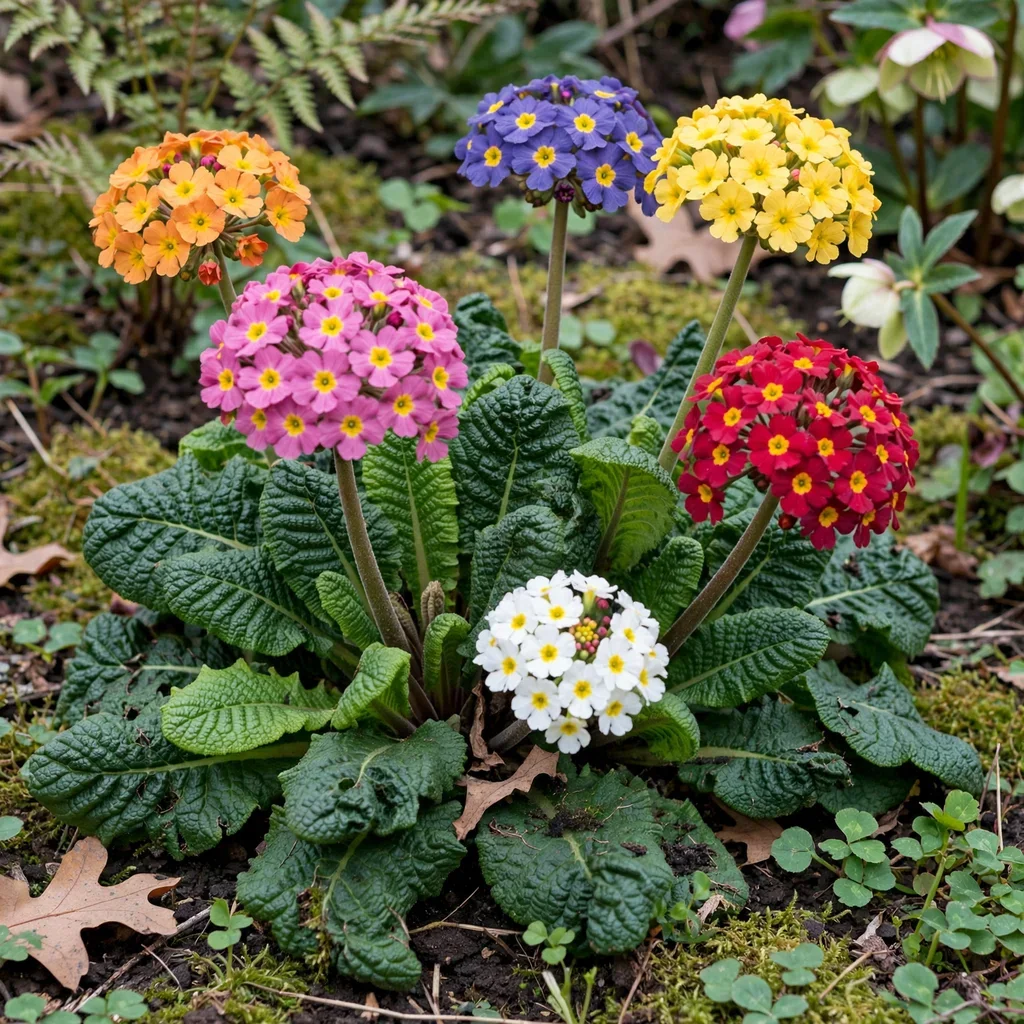
Primula x polyantha, the polyanthus, is a hybrid group raised from the English primrose and its relatives, forming a low rosette of crinkled green leaves about eight inches high. Unlike the primrose, it carries its flowers in a cluster on a single upright stalk, in almost every colour, very often with a contrasting yellow eye.
It is sold in flower as spring bedding and treated as disposable, but it is a genuine perennial — planted out in moist, partly shaded ground after flowering, most plants come back for years. Lift them out of hot summer sun, which is what usually kills the ones bought in flower and left in a bright pot.
Uses & Benefits:
Essentials
At a Glance
Plant Type
Perennial
Height
8"
Width
11"
Light
Partial Sun, Shade
Zones
4, 5, 6, 7, 8
Water
Moderate
Humidity
Moderate
Lifespan
Perennial
Native To
Garden hybrid
Toxicity
Non-toxic
Planting
How to Grow
- Plant in partial shade in moist, rich soil.
- Move shop-bought plants out of pots after flowering.
- Keep them moist through summer; never let them bake.
- Mulch to keep the roots cool.
- Divide congested clumps after flowering.
- Watch for slugs on the new spring foliage.
Pro Tip
Do not bin them after flowering — planted out in cool, moist shade the same plants flower again for several springs.
Keep It Thriving
Care Guide
Do
- Plant out into moist, shaded ground 🌿
- Keep the roots cool through summer 🍂
- Divide clumps after flowering 🔁
- Watch for slugs in early spring 🐌
Don't
- Leave them in a sunny pot all summer ❌
- Let the soil dry out ❌
- Treat them as single-season bedding ❌
Seasonal Care Calendar
| Task | Jan | Feb | Mar | Apr | May | Jun | Jul | Aug | Sep | Oct | Nov | Dec |
|---|---|---|---|---|---|---|---|---|---|---|---|---|
| Divide | ||||||||||||
| Plant Out |
Watch Out For
Pests & Diseases
Common Pests
Common Diseases
In the Garden
Landscape Uses & Companions
Landscape Uses
Companion Plants
Multiply
Propagation Methods
Good to Know
Common Questions
Polyanthus questions
What zones can Polyanthus grow in?
Polyanthus is hardy in USDA Zones 4–8. Inside that range it survives winter in the ground; outside it, grow it as an annual or a container plant you protect.
Is Polyanthus deer resistant?
Not reliably. Deer may browse Polyanthus, especially tender spring growth — plan on repellents or fencing where pressure is high.
When does Polyanthus bloom?
Polyanthus typically blooms in early spring through mid-spring. Exact timing shifts a week or two with your zone — Sow's bloom calendar maps it to your garden.
Does Polyanthus need full sun?
Polyanthus does best in part shade.
More Primula to compare
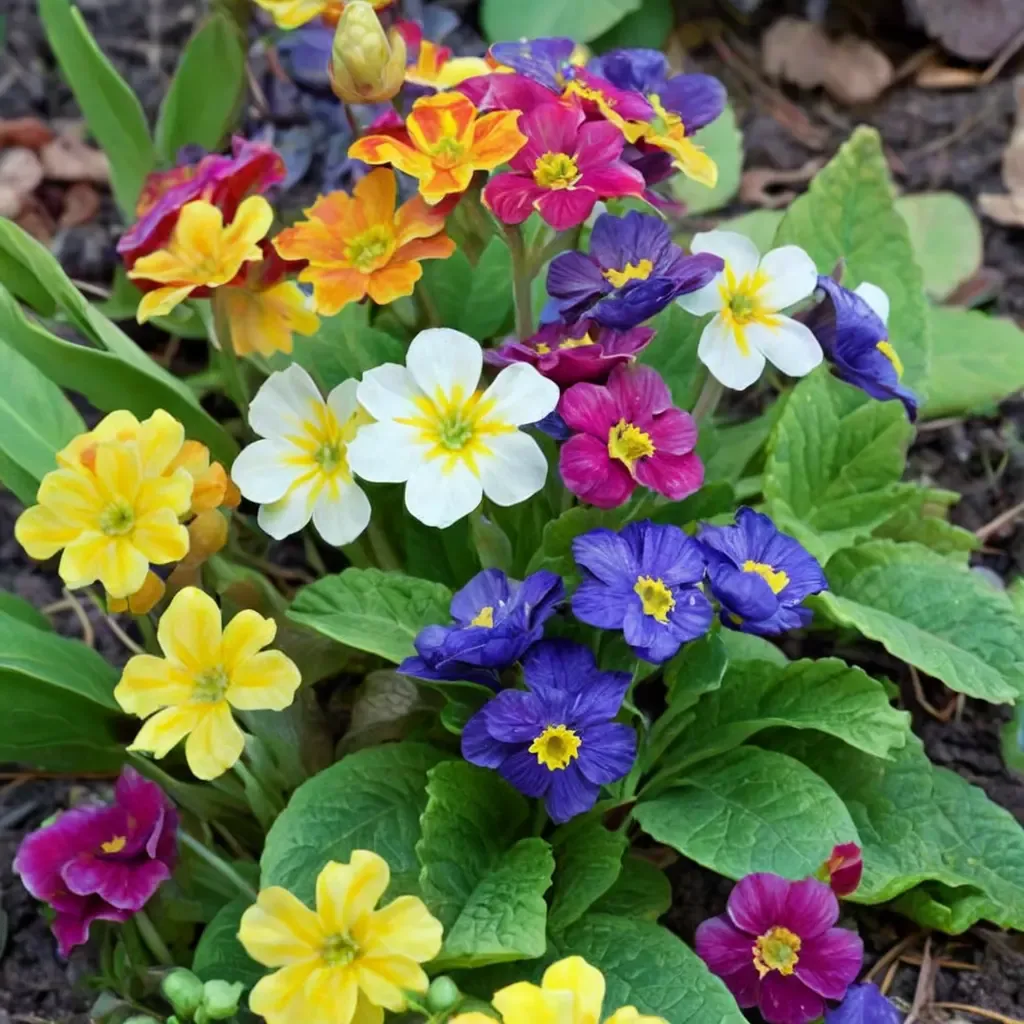
Pacific Hybrids Primrose
Primula x polyantha 'Pacific Hybrids'
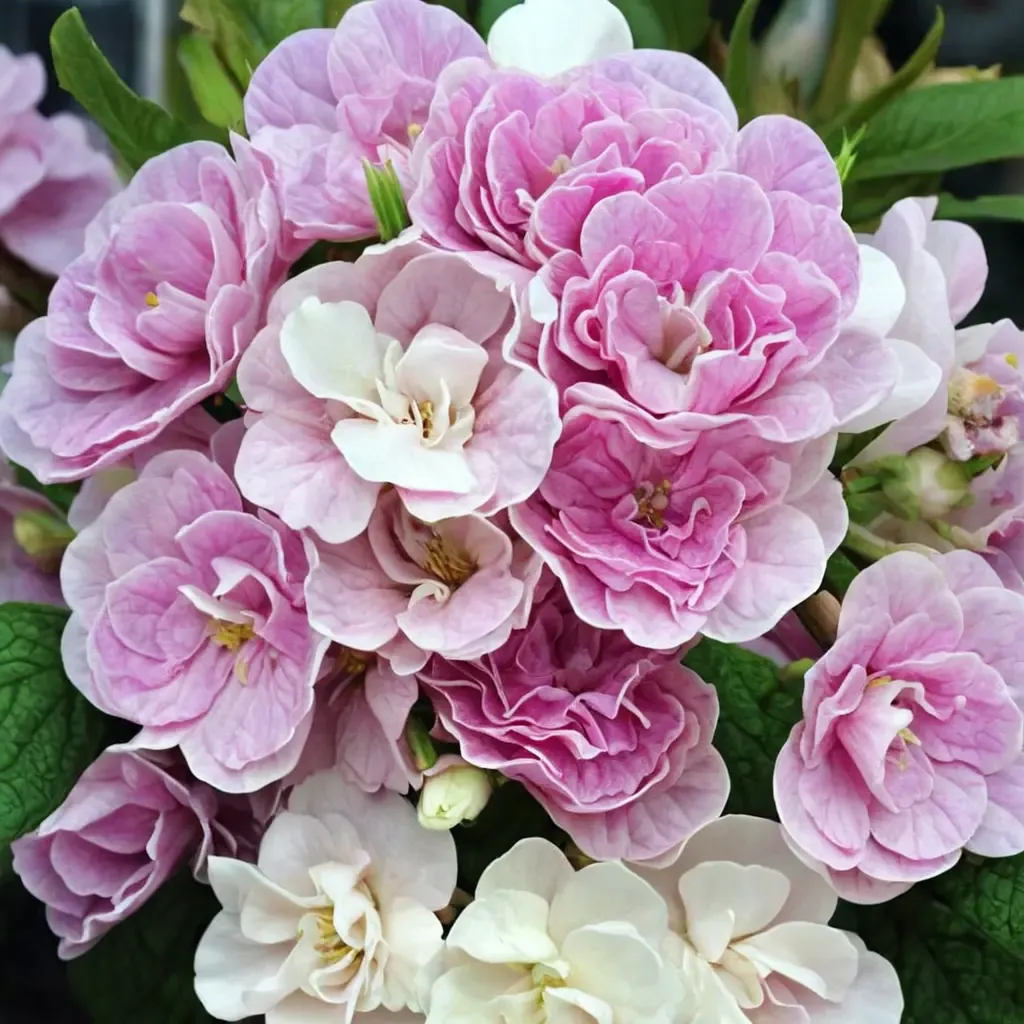
Primula Crescendo Mix
Primula x polyantha 'Crescendo Mix'
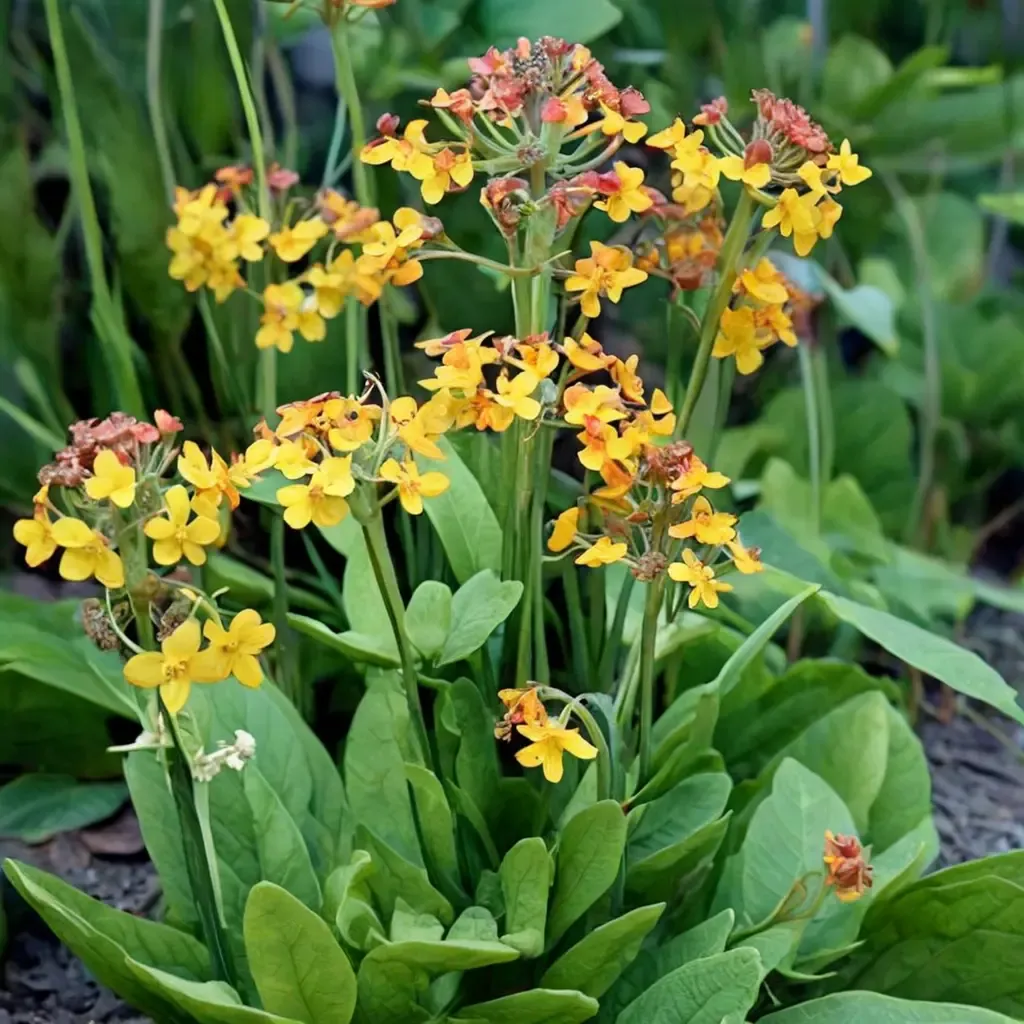
Belarina Pink Ice Primrose
Primula vulgaris 'Belarina Pink Ice'
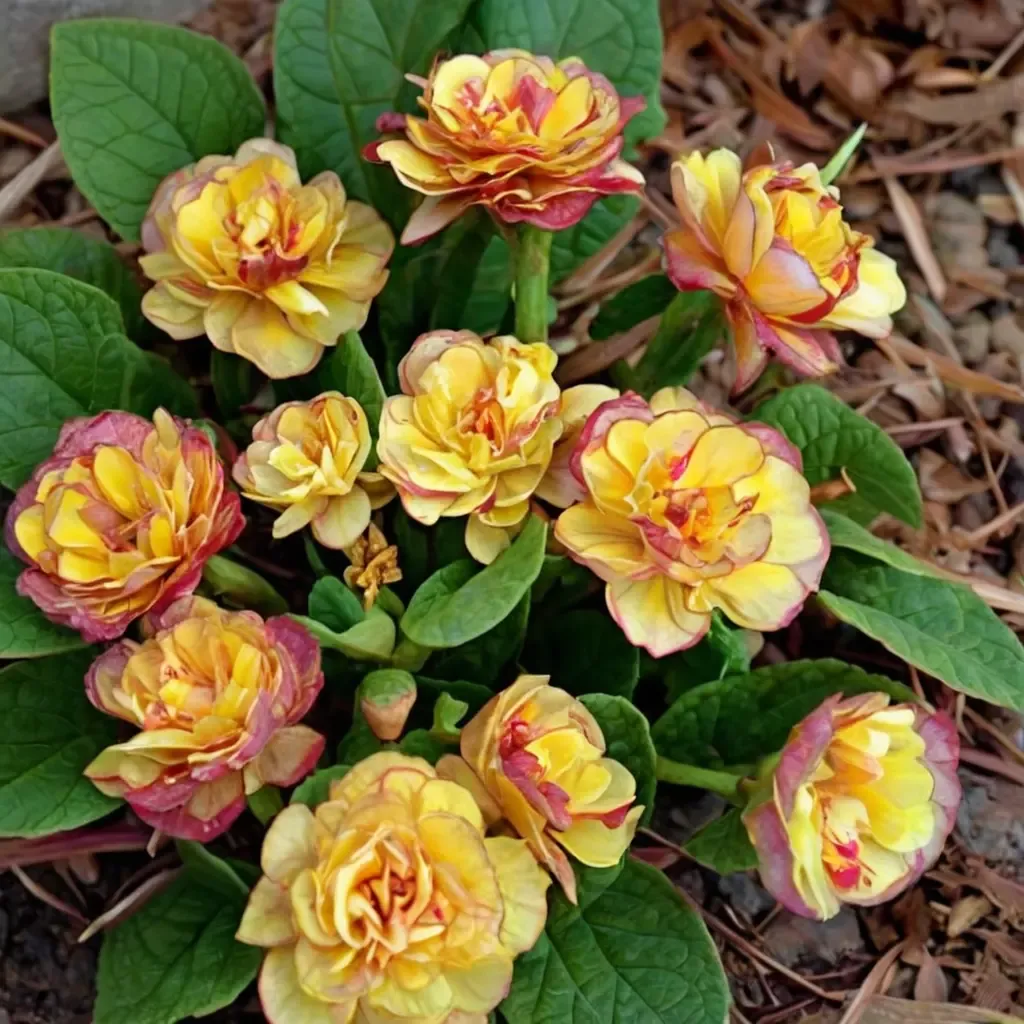
Bulley's Primrose
Primula bulleyana
Nectarine Cowslip
Primula veris 'Nectarine'
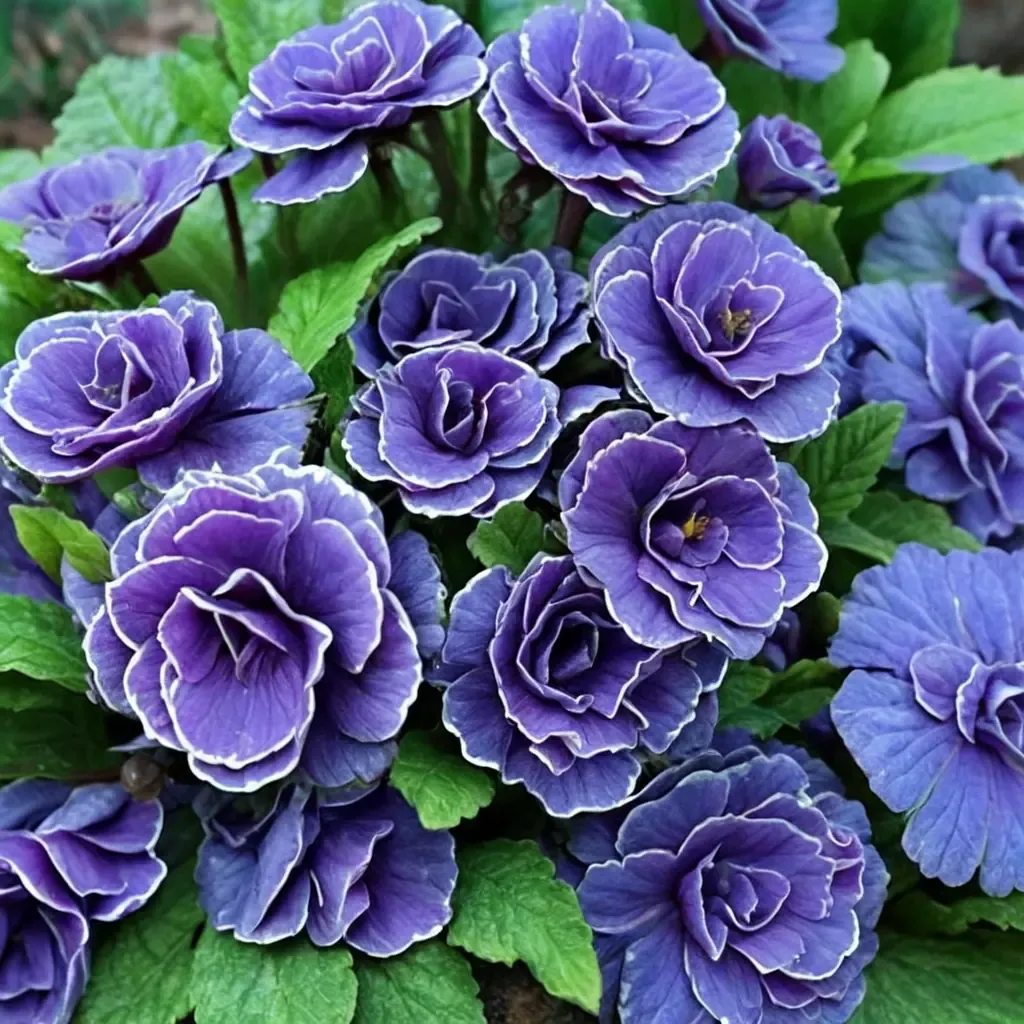
Amethyst Ice Primrose
Primula vulgaris 'Belarina Amethyst Ice'
Keep exploring
Explore the genus
Hardy in your zone?
Grow Polyanthus with confidence
See it in a design of your actual yard, get zone-matched care reminders, and track it season by season in your garden journal.