Species
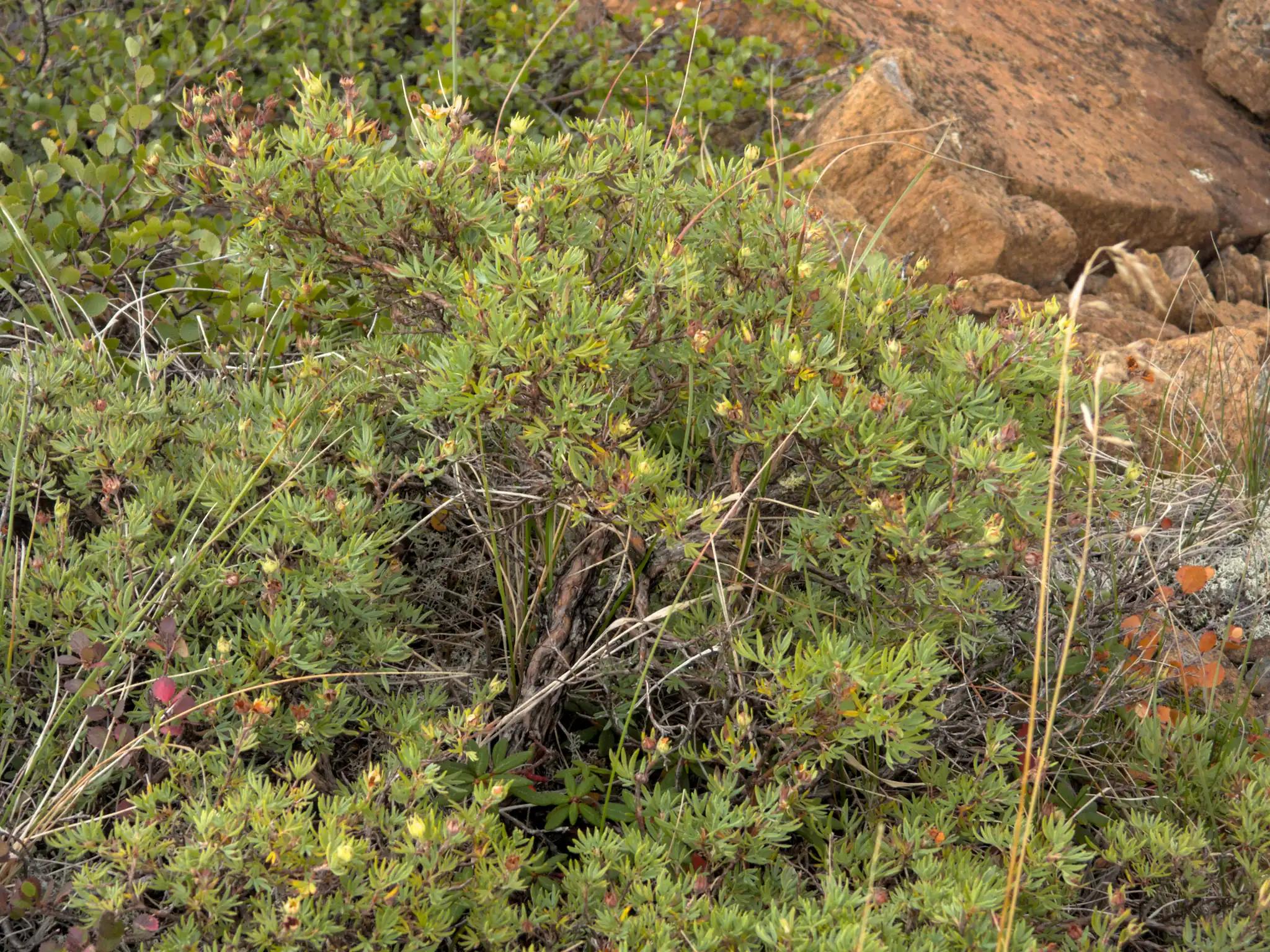 Potentilla fruticosaShrubby Cinquefoil
11 other cultivars
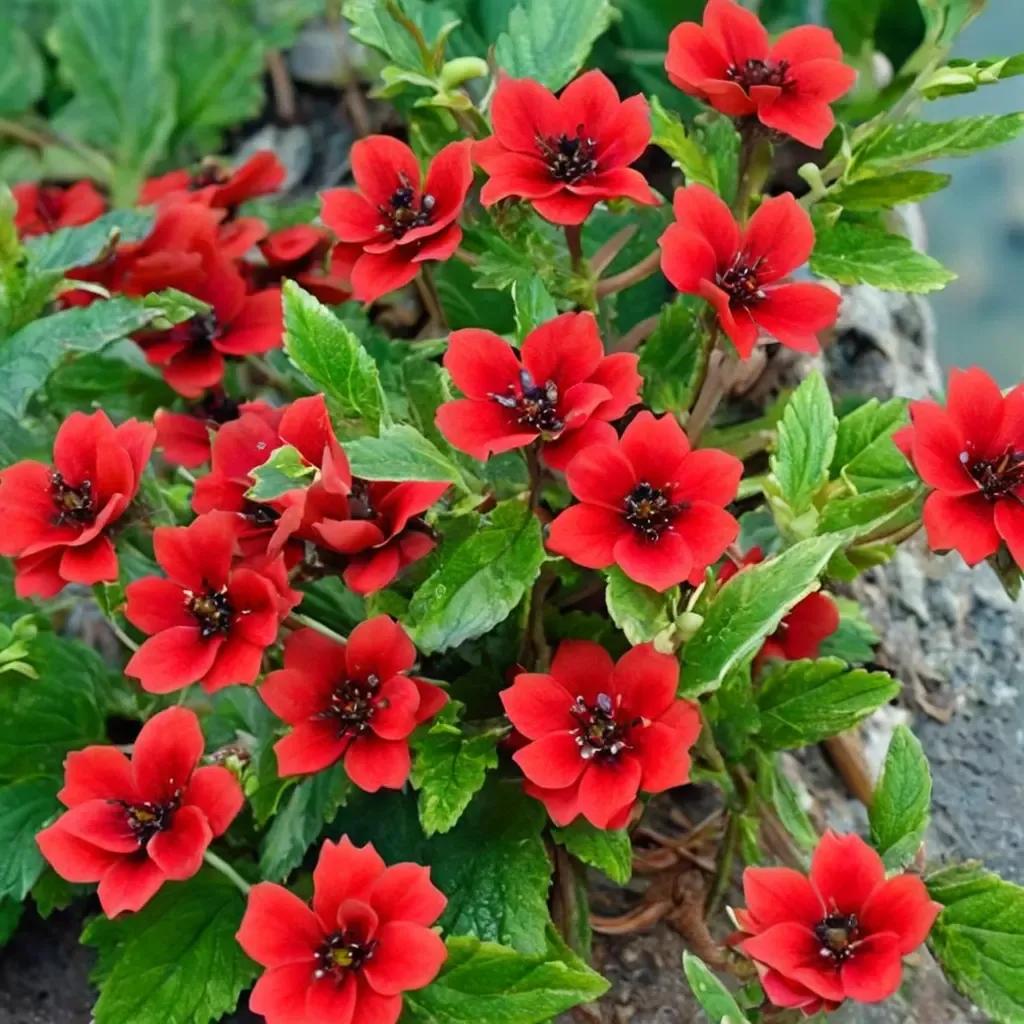 ‘Scarlet Dreams’Scarlet Dreams Cinquefoil
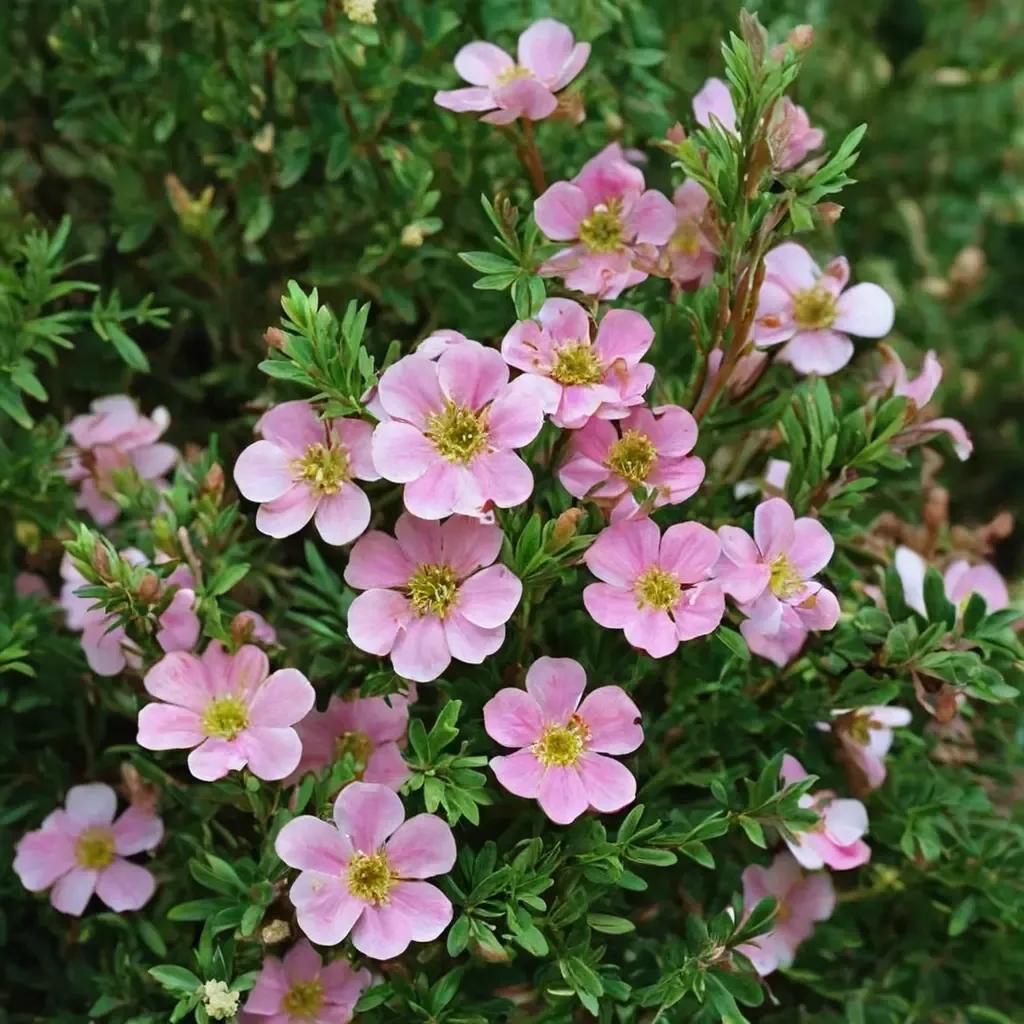 ‘Pink Beauty’Pink Beauty Shrub Cinquefoil
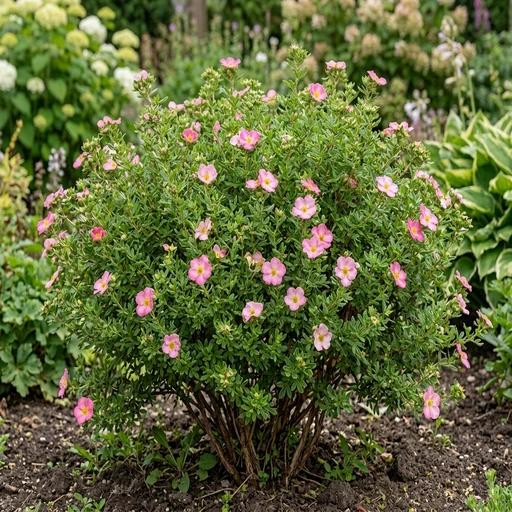 ‘Happy Face Hearts’Happy Face Hearts Bush Cinquefoil
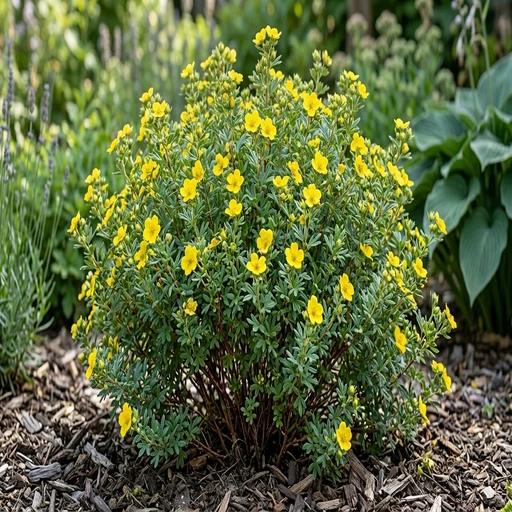 ‘Gold Drop’Gold Drop Bush Cinquefoil
 ‘Abbotswood’Abbotswood Bush Cinquefoil
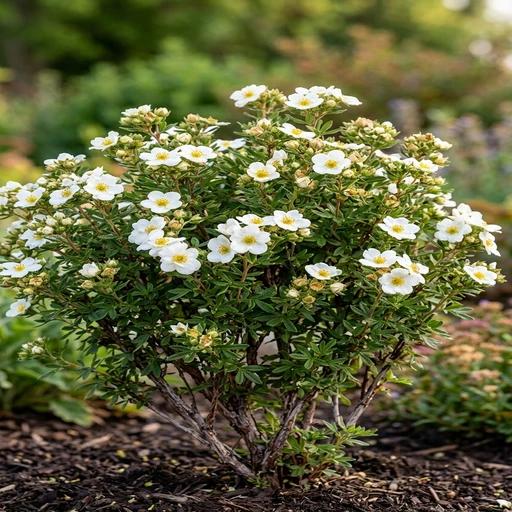 ‘Bailbrule’Creme Brulee Potentilla
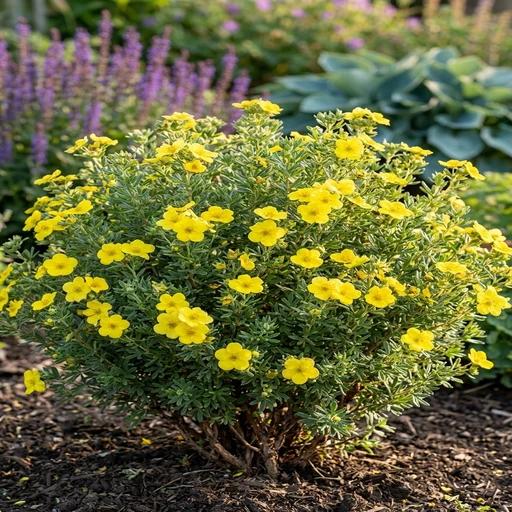 ‘Lundy’Happy Face Yellow Potentilla
 ‘Mckay’McKay's White Shrubby Cinquefoil
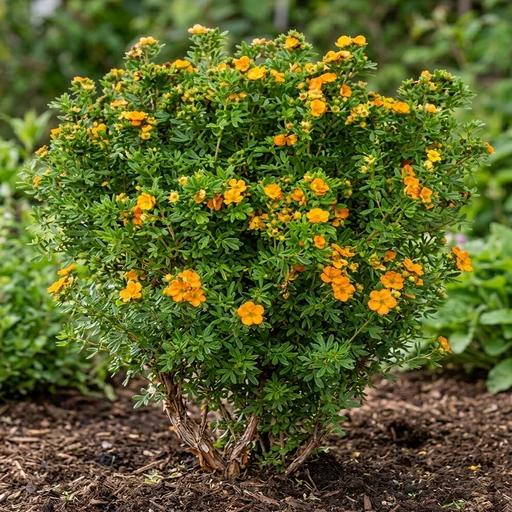 ‘Marmalade’Marmalade Potentilla
 ‘Hopleys Orange’Shrubby Cinquefoil
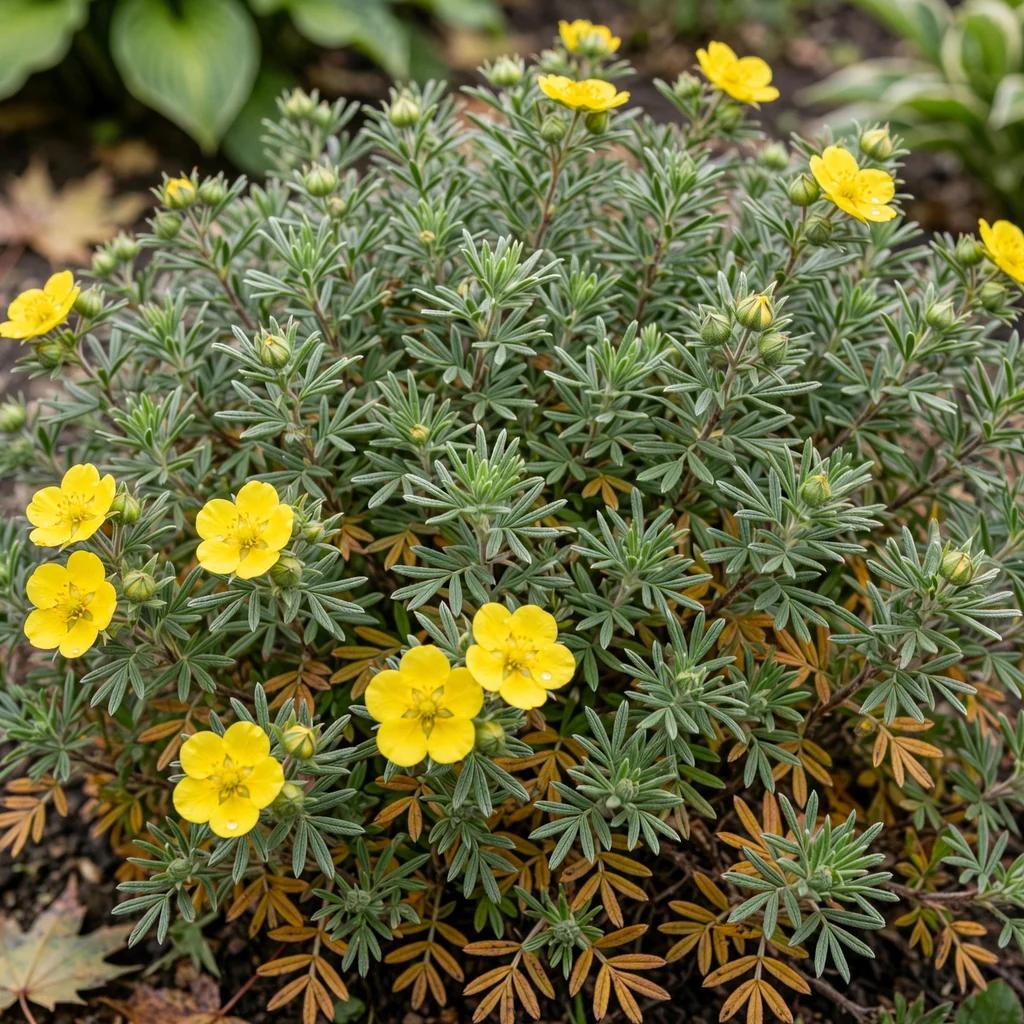 ‘Kobold’Shrubby Cinquefoil
The Story
Plant Bio
Dasiphora fruticosa, commonly known as shrubby cinquefoil, is a compact deciduous shrub native across the cold and temperate regions of the Northern Hemisphere. It features finely textured, compound leaves with three to seven narrow leaflets and produces a continuous succession of five-petaled, cup-shaped flowers from late spring until the first frosts.
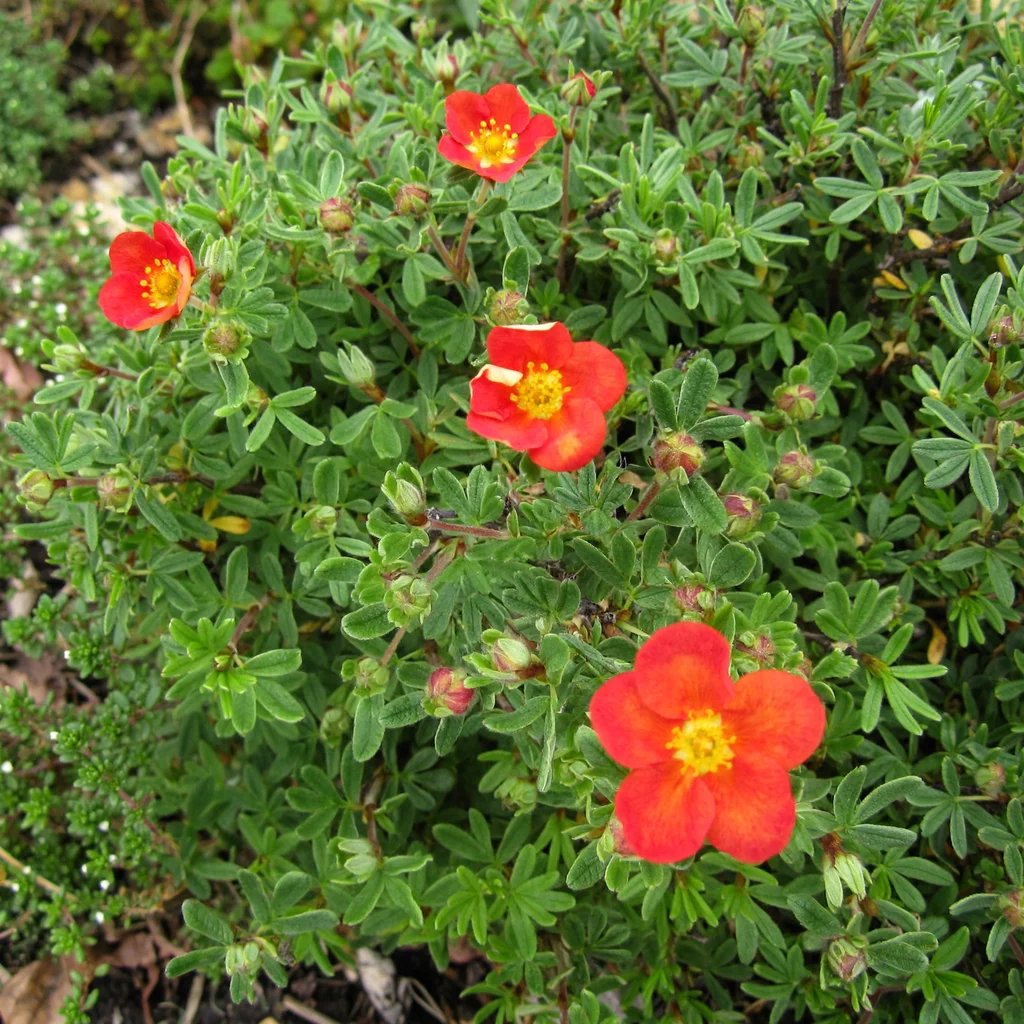
'Red Ace' is distinguished by its low, spreading habit and striking vermilion-red flowers with pale yellow undersides. The red pigments are highly sensitive to heat, causing the blossoms to fade to a soft orange-yellow during hot summer weather.
Uses & Benefits:
Essentials
At a Glance
Plant Type
Shrub
Height
36"
Width
48"
Light
Full Sun, Partial Sun
Zones
4, 5, 6, 7
Water
Low to medium
Humidity
Low to moderate
Lifespan
10-20 years
Native To
Northern Hemisphere
Toxicity
Non-toxic
Bloom period
Late spring – Fall
In flower about 7 months of the year
Planting
How to Grow
- Select a planting site in full sun to ensure maximum flower density and the most intense red coloration.
- Dig a hole twice as wide as the root ball and plant in well-drained soil, as the roots rot quickly in waterlogged conditions.
- Water regularly during the first growing season to establish a deep, drought-tolerant root system.
- Apply a light layer of compost or a slow-release balanced fertilizer in early spring to support continuous blooming.
Pro Tip
Cut the entire shrub back hard to a hand's breadth above the ground every three to five years to rejuvenate the center; annual hard pruning into old, leafless wood without visible buds will prevent regrowth.
Keep It Thriving
Care Guide
Do
- Plant in full sun to prevent the flowers from thinning and losing their rich red color.
- Ensure the soil drains rapidly to avoid root rot.
- Prune lightly in late winter to remove dead wood and maintain a neat, mounded shape.
Don't
- Do not plant in wet, boggy, or poorly drained sites.
- Do not prune deep into old, bare wood that lacks active buds.
- Do not over-fertilize, as excess nutrients promote foliage at the expense of flowers.
Seasonal Care Calendar
| Task | Jan | Feb | Mar | Apr | May | Jun | Jul | Aug | Sep | Oct | Nov | Dec |
|---|---|---|---|---|---|---|---|---|---|---|---|---|
| Fertilize | ||||||||||||
| Pest Check | ||||||||||||
| Propagate | ||||||||||||
| Prune | ||||||||||||
| Winter Prep |
Watch Out For
Pests & Diseases
Common Pests
Common Diseases
In the Garden
Landscape Uses & Companions
Landscape Uses
Companion Plants
Multiply
Propagation Methods
Good to Know
Common Questions
Shrubby Cinquefoil questions
What zones can Shrubby Cinquefoil grow in?
Shrubby Cinquefoil is hardy in USDA Zones 4–7. Inside that range it survives winter in the ground; outside it, grow it as an annual or a container plant you protect.
Is Shrubby Cinquefoil deer resistant?
Yes — Shrubby Cinquefoil is rated deer-resistant. Deer typically pass it over, though extreme hunger can override any plant's defenses.
When does Shrubby Cinquefoil bloom?
Shrubby Cinquefoil typically blooms in late spring through fall. Exact timing shifts a week or two with your zone — Sow's bloom calendar maps it to your garden.
Does Shrubby Cinquefoil need full sun?
Shrubby Cinquefoil does best in full sun to part shade. In hot climates, afternoon shade keeps blooms fresher longer.
Is Shrubby Cinquefoil drought tolerant?
Yes — once established (usually after the first full season), Shrubby Cinquefoil handles dry spells with minimal watering. Water deeply its first year to build the root system that makes that possible.
More Potentilla to compare
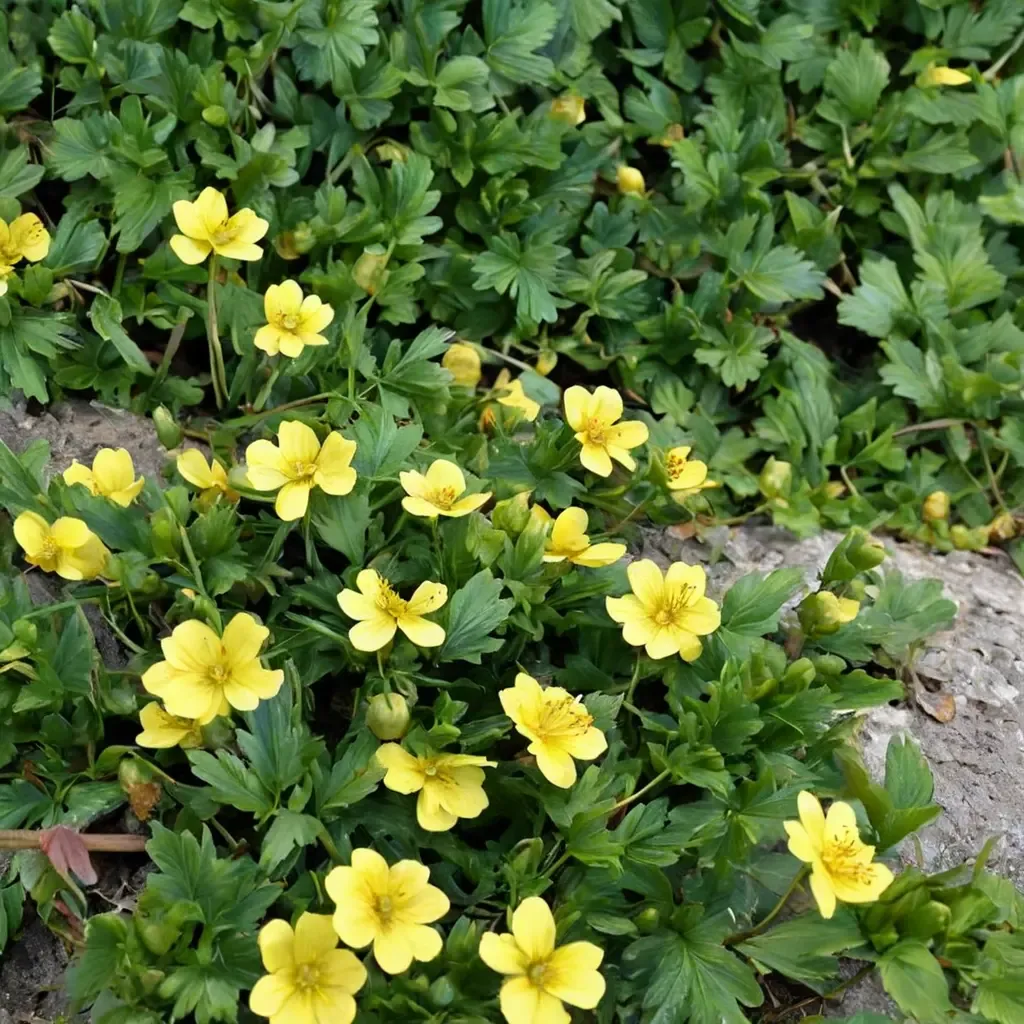
Spring Cinquefoil
Potentilla neumanniana
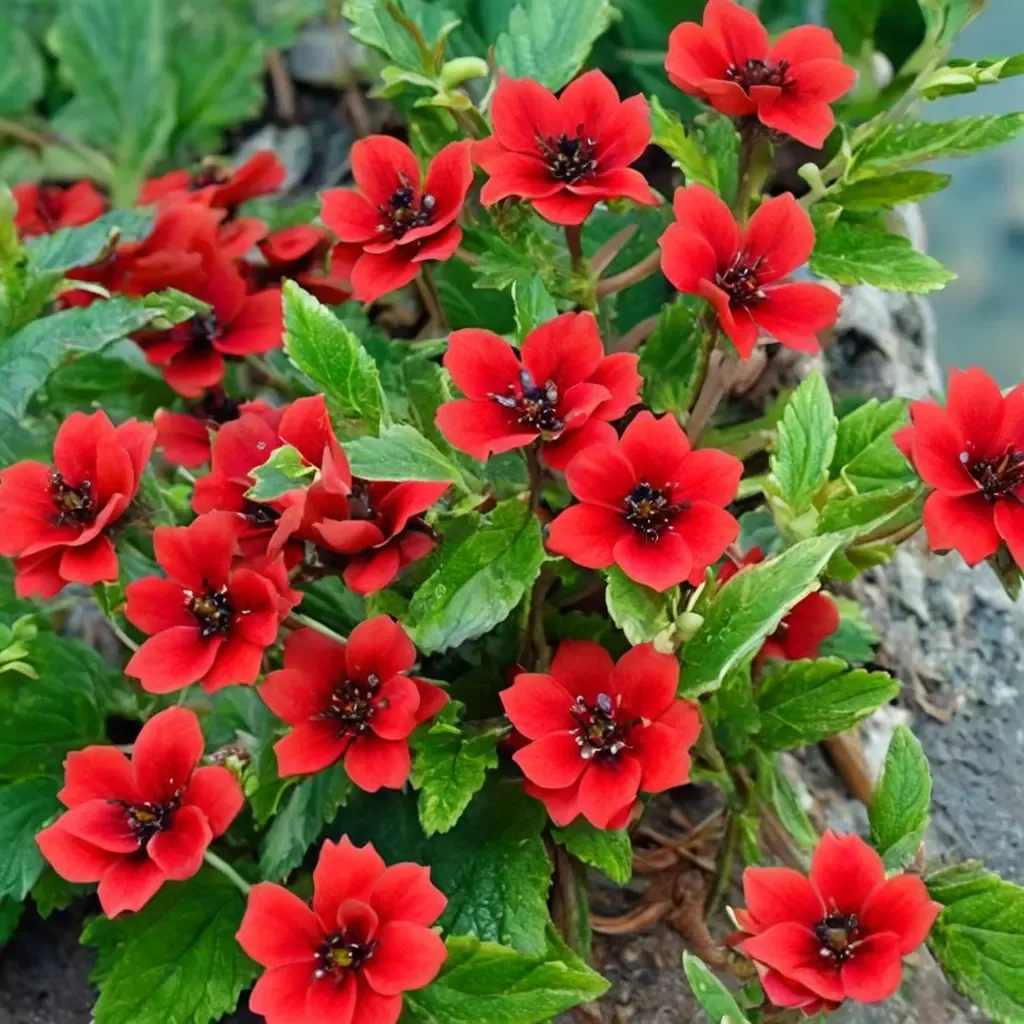
Scarlet Dreams Cinquefoil
Potentilla fruticosa 'Scarlet Dreams'
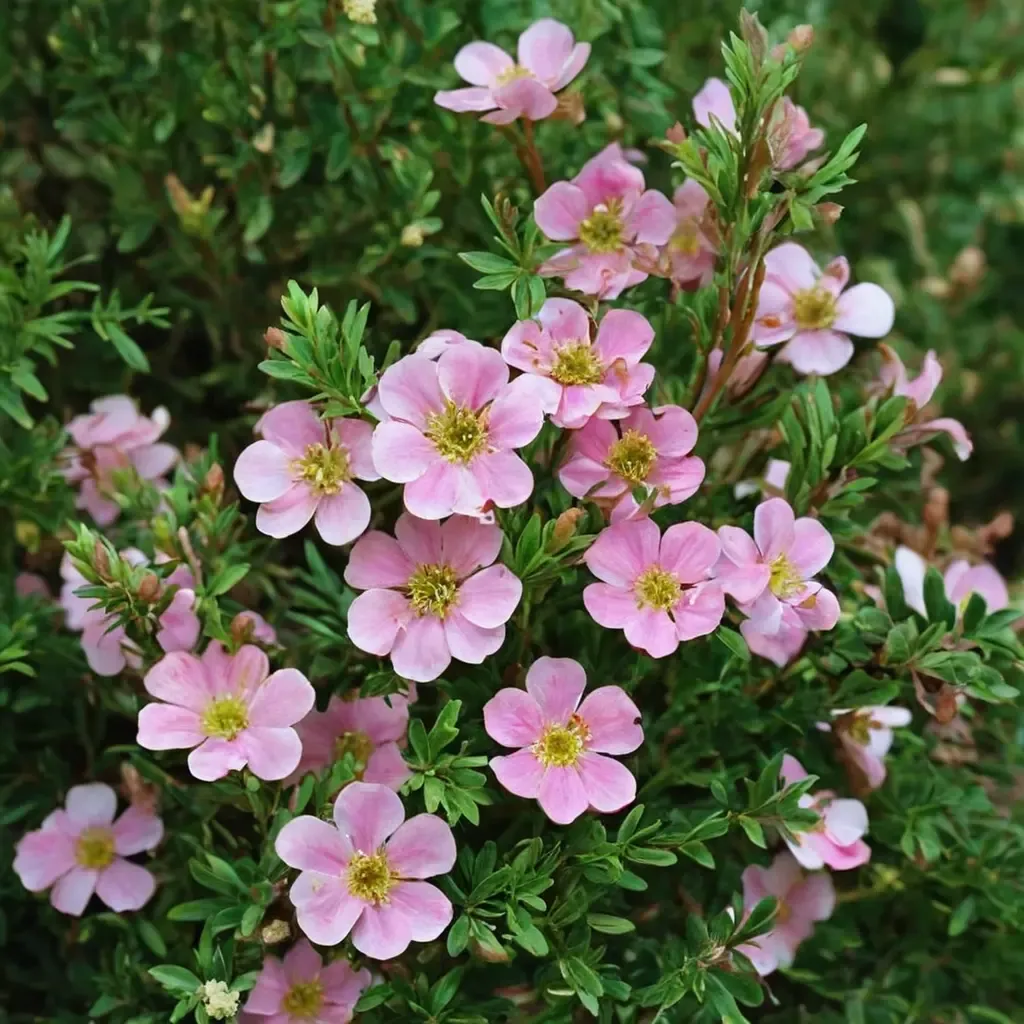
Pink Beauty Shrub Cinquefoil
Potentilla fruticosa 'Pink Beauty'
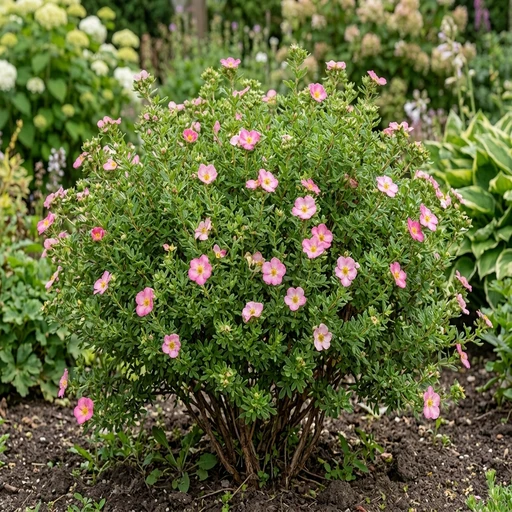
Happy Face Hearts Bush Cinquefoil
Potentilla fruticosa 'Happy Face Hearts'
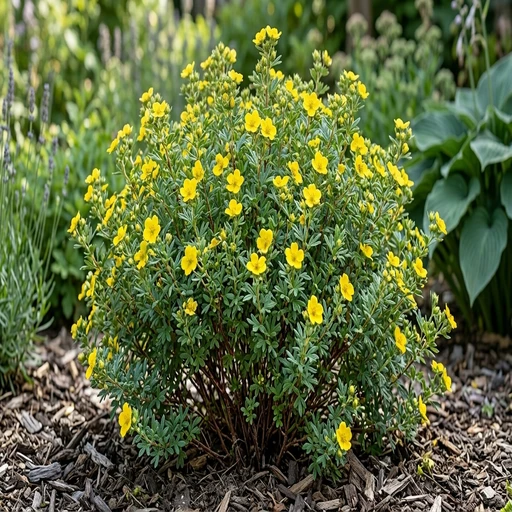
Gold Drop Bush Cinquefoil
Potentilla fruticosa 'Gold Drop'
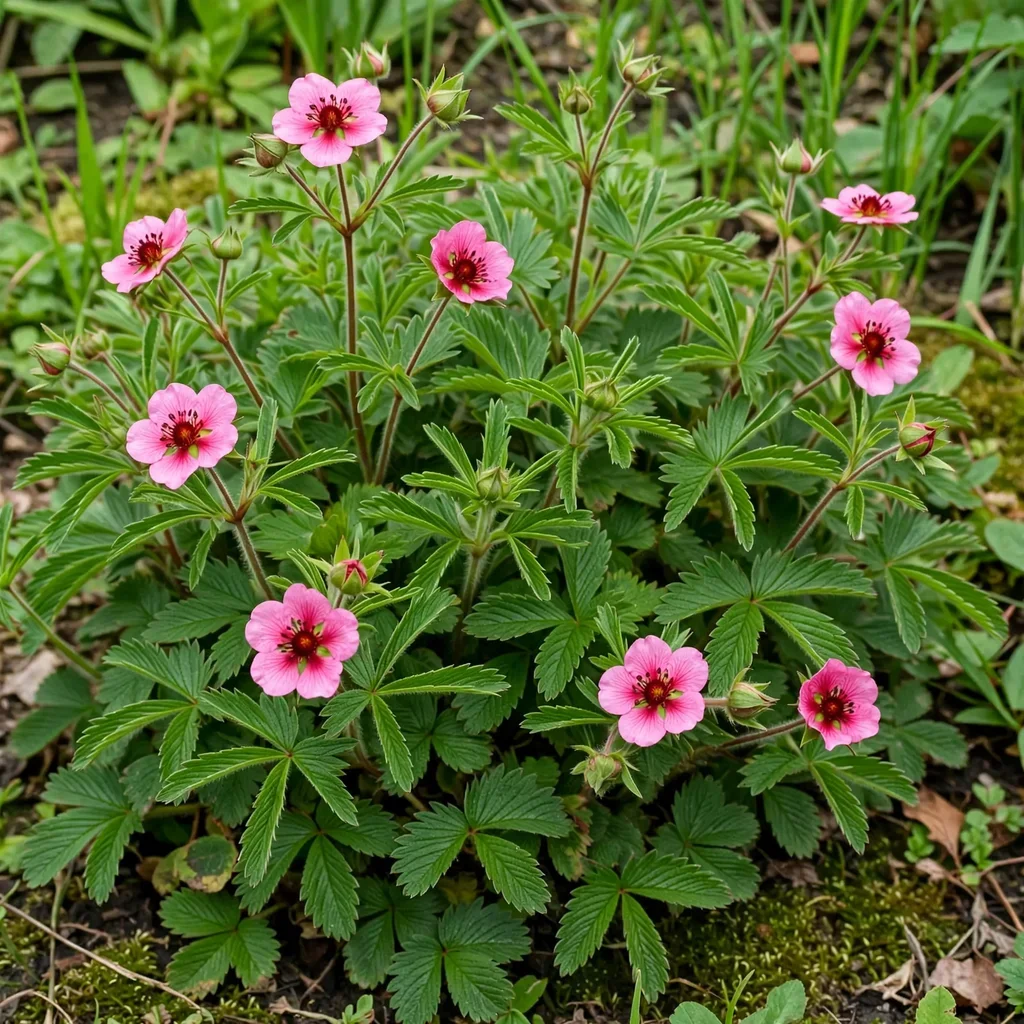
Shogran Cinquefoil
Potentilla nepalensis 'Shogran'
Keep exploring
Explore the genus
Hardy in your zone?
Grow Shrubby Cinquefoil with confidence
See it in a design of your actual yard, get zone-matched care reminders, and track it season by season in your garden journal.