The Story
Plant Bio
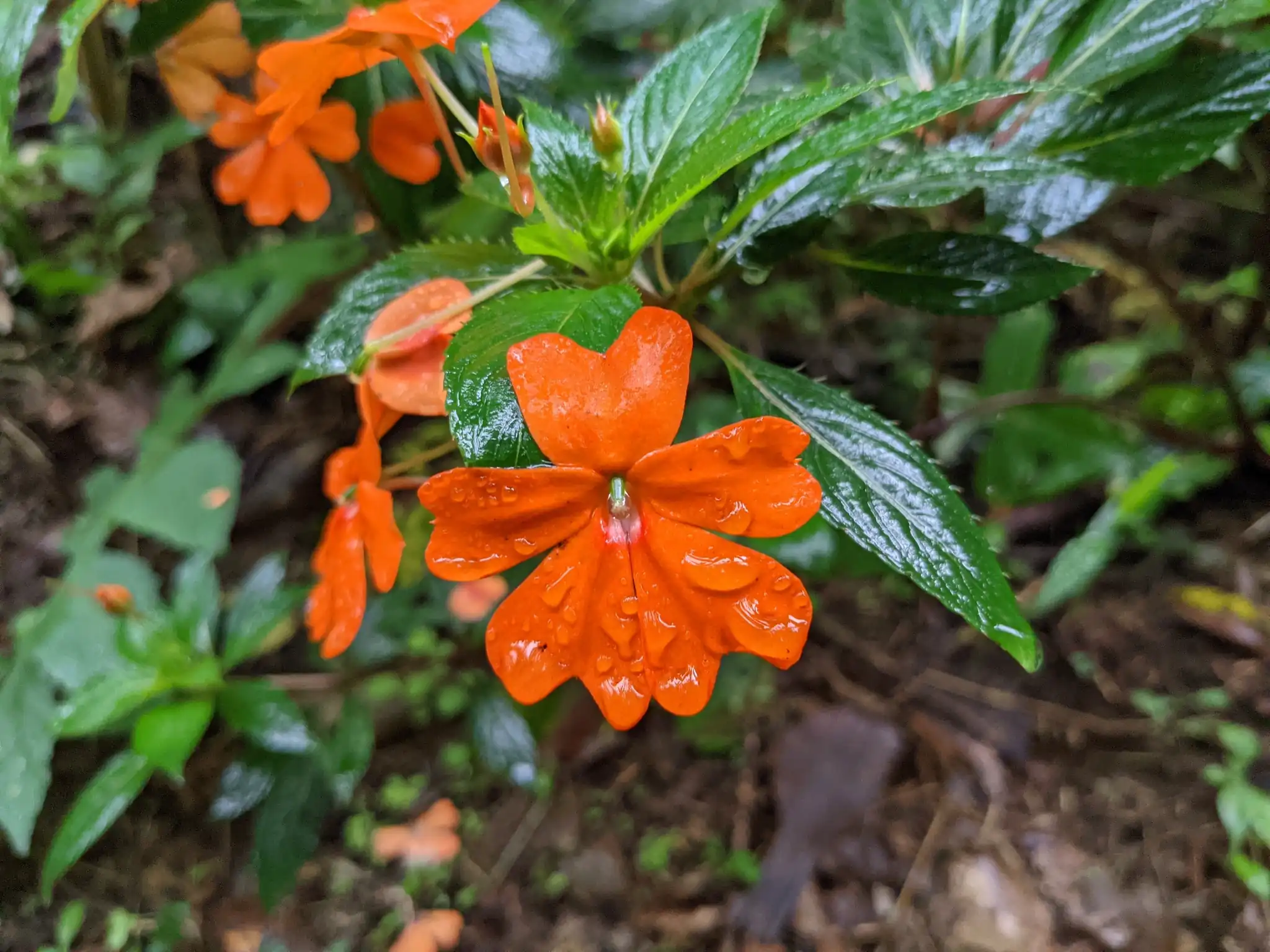
Impatiens hawkeri is a tender perennial herb native to Oceania that forms a rounded, bushy clump of succulent stems and whorled, lance-shaped leaves. The large, flat-faced flowers feature a narrow spur and bloom continuously from spring through fall in shades of white, pink, orange, red, and purple.
This species is distinguished from other impatiens by its larger, thicker foliage, which often features bronze, dark green, or variegated patterns with yellow and pink highlights. The flowers are also significantly larger, measuring up to two inches across, and are held conspicuously above the foliage.
Uses & Benefits:
Essentials
At a Glance
Plant Type
Perennial
Height
36"
Width
24"
Light
Partial Sun, Shade
Zones
10
Water
High
Humidity
High
Lifespan
Perennial (grown as annual)
Native To
Australasia
Toxicity
Non-toxic
Bloom period
Spring – Fall
In flower about 9 months of the year
Planting
How to Grow
- Select a planting site with rich, organic, well-draining soil that receives morning sun and afternoon shade.
- Incorporate compost into the planting bed to improve soil structure and moisture retention without causing waterlogging.
- Space plants twelve to fifteen inches apart to ensure adequate air circulation and reduce the risk of fungal diseases.
- Water deeply at the base of the plant to keep the soil consistently moist, avoiding overhead watering.
Pro Tip
Pinch the growing tips early in the season to stimulate lateral branching for a denser habit, and never cut back into old, leafless woody stems which fail to regenerate.
Keep It Thriving
Care Guide
Do
- Keep soil consistently moist but well-aerated to prevent root rot.
- Pinch young shoots early in the season to encourage a bushier growth habit.
- Apply a balanced, water-soluble fertilizer every two to three weeks during the active growing season.
Don't
- Do not allow the soil to dry out completely, as plants wilt rapidly and suffer tissue damage.
- Do not plant in heavy, poorly drained clay soils that hold standing water.
- Do not prune hard into old, leafless woody stems.
Seasonal Care Calendar
| Task | Jan | Feb | Mar | Apr | May | Jun | Jul | Aug | Sep | Oct | Nov | Dec |
|---|---|---|---|---|---|---|---|---|---|---|---|---|
| Fertilize | ||||||||||||
| Pest Check | ||||||||||||
| Pinch | ||||||||||||
| Winter Prep |
Watch Out For
Pests & Diseases
Common Pests
Common Diseases
In the Garden
Landscape Uses & Companions
Landscape Uses
Companion Plants
Multiply
Propagation Methods
Good to Know
Common Questions
New Guinea Impatiens questions
What zones can New Guinea Impatiens grow in?
New Guinea Impatiens is hardy in USDA Zone 10. Inside that range it survives winter in the ground; outside it, grow it as an annual or a container plant you protect.
Is New Guinea Impatiens deer resistant?
Not reliably. Deer may browse New Guinea Impatiens, especially tender spring growth — plan on repellents or fencing where pressure is high.
When does New Guinea Impatiens bloom?
New Guinea Impatiens typically blooms in spring through fall. Exact timing shifts a week or two with your zone — Sow's bloom calendar maps it to your garden.
Does New Guinea Impatiens need full sun?
New Guinea Impatiens does best in part shade.
More Impatiens to compare
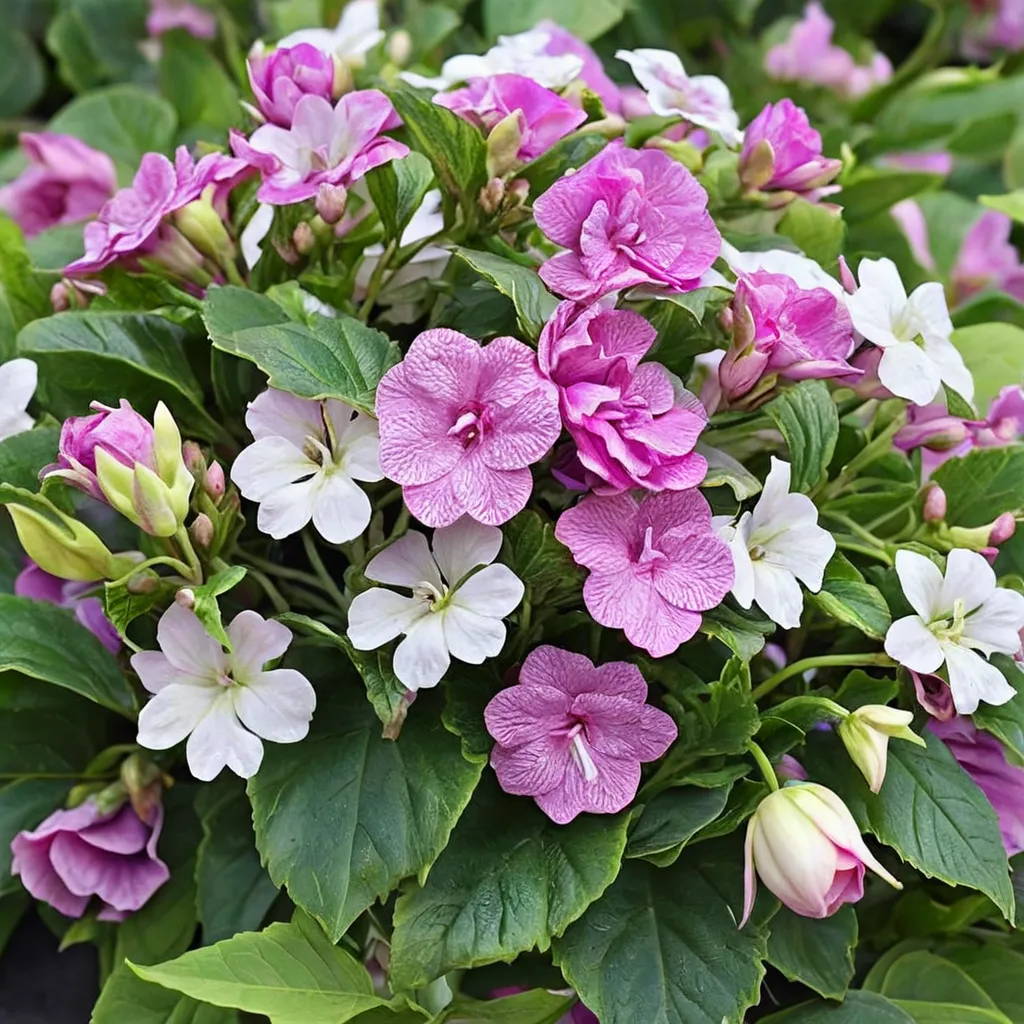
Rockapulco Wisteria Impatiens
Impatiens walleriana 'Rockapulco Wisteria'
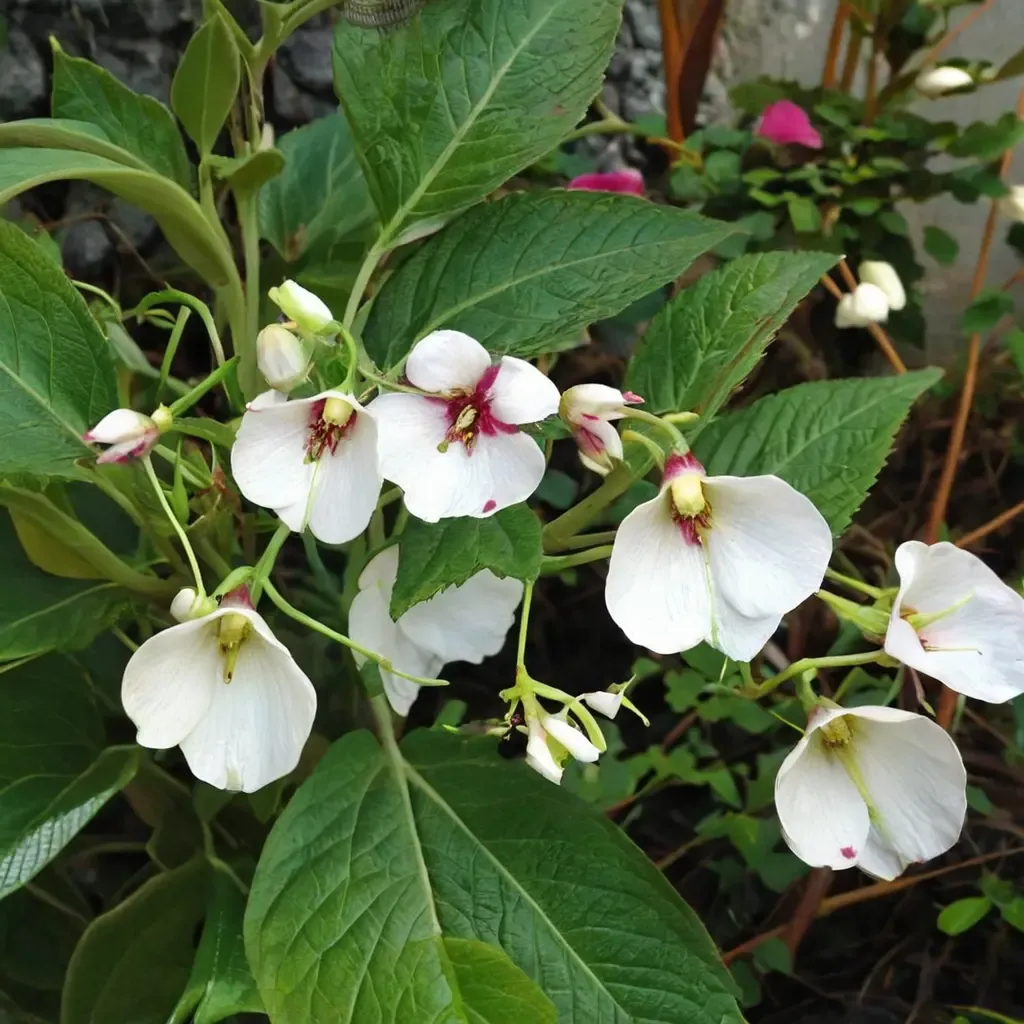
Dyemaker's Balsam
Impatiens tinctoria
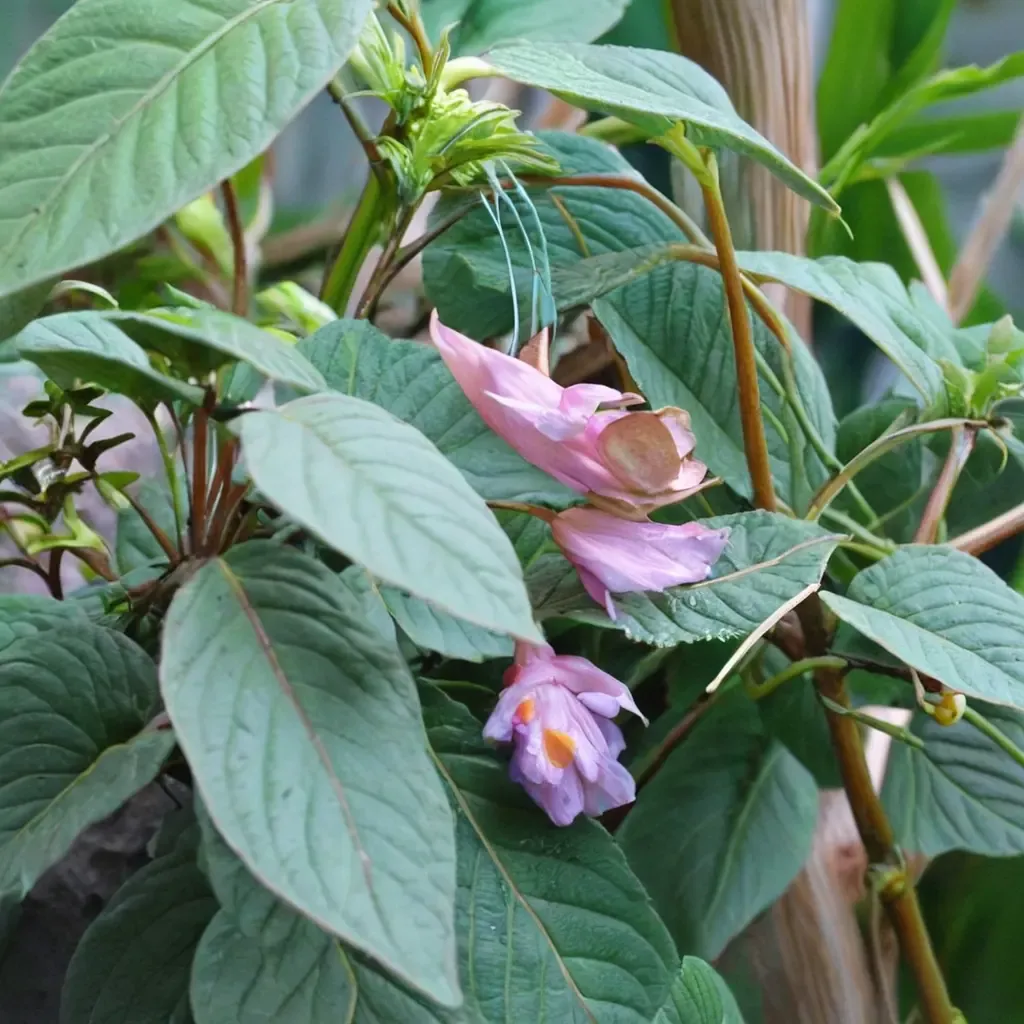
Blue Diamond Impatiens
Impatiens arguta
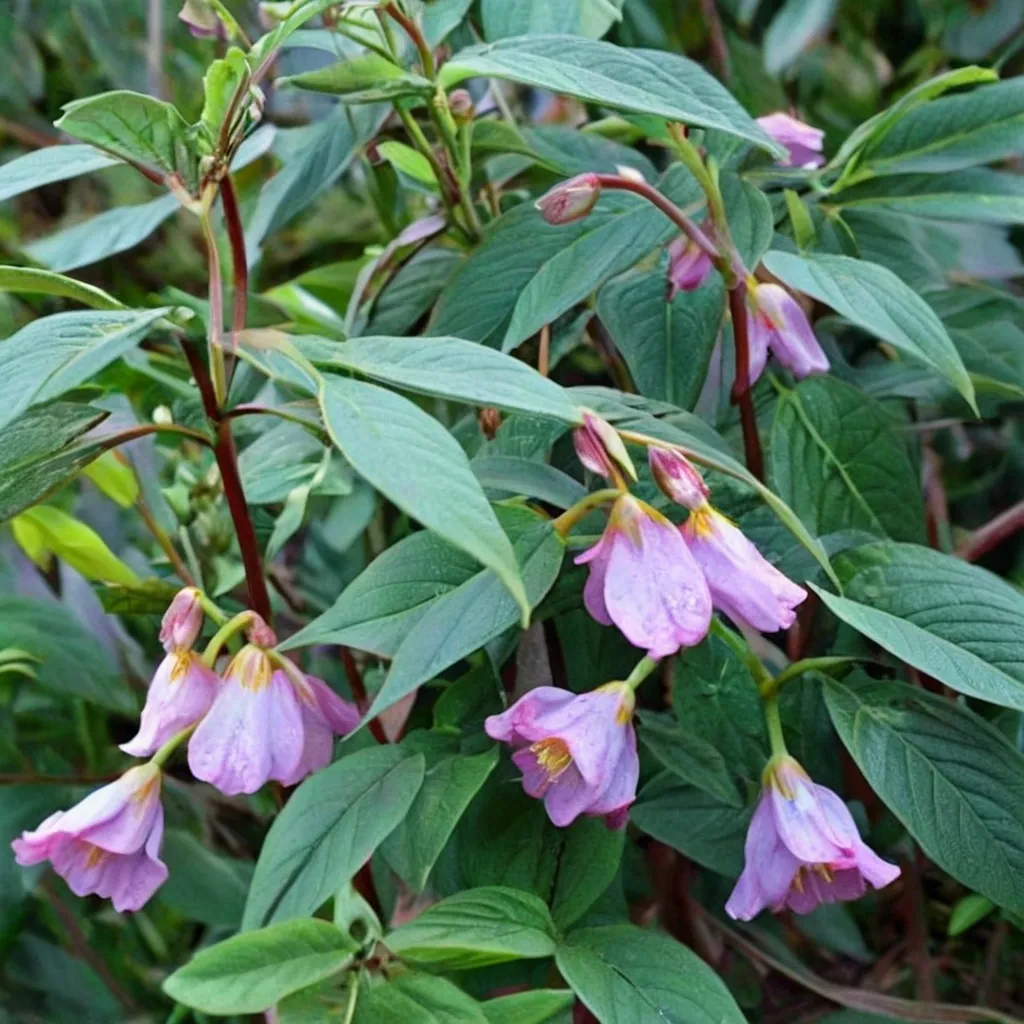
Impatiens Blue Dream
Impatiens arguta 'Blue Dream'
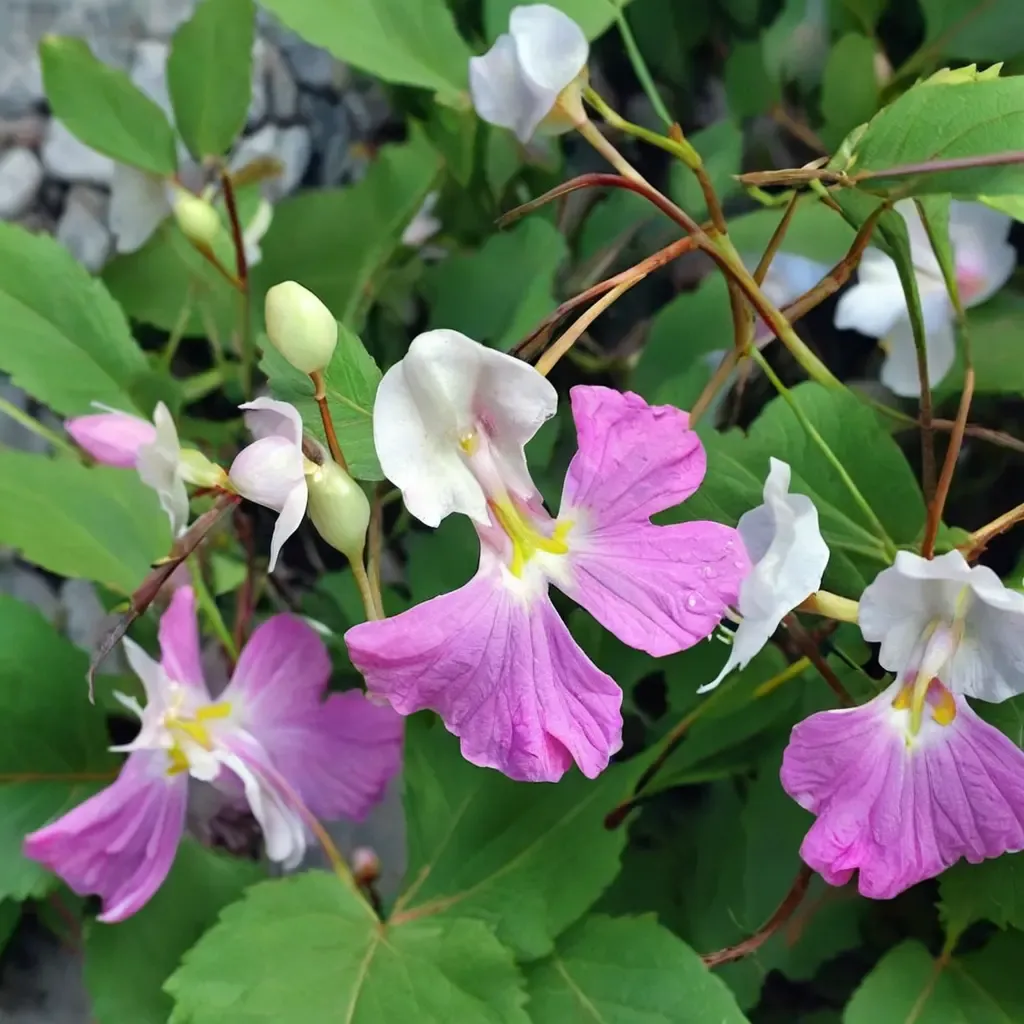
Poor Man's Orchid
Impatiens balfourii 'Poor Man's Orchid'
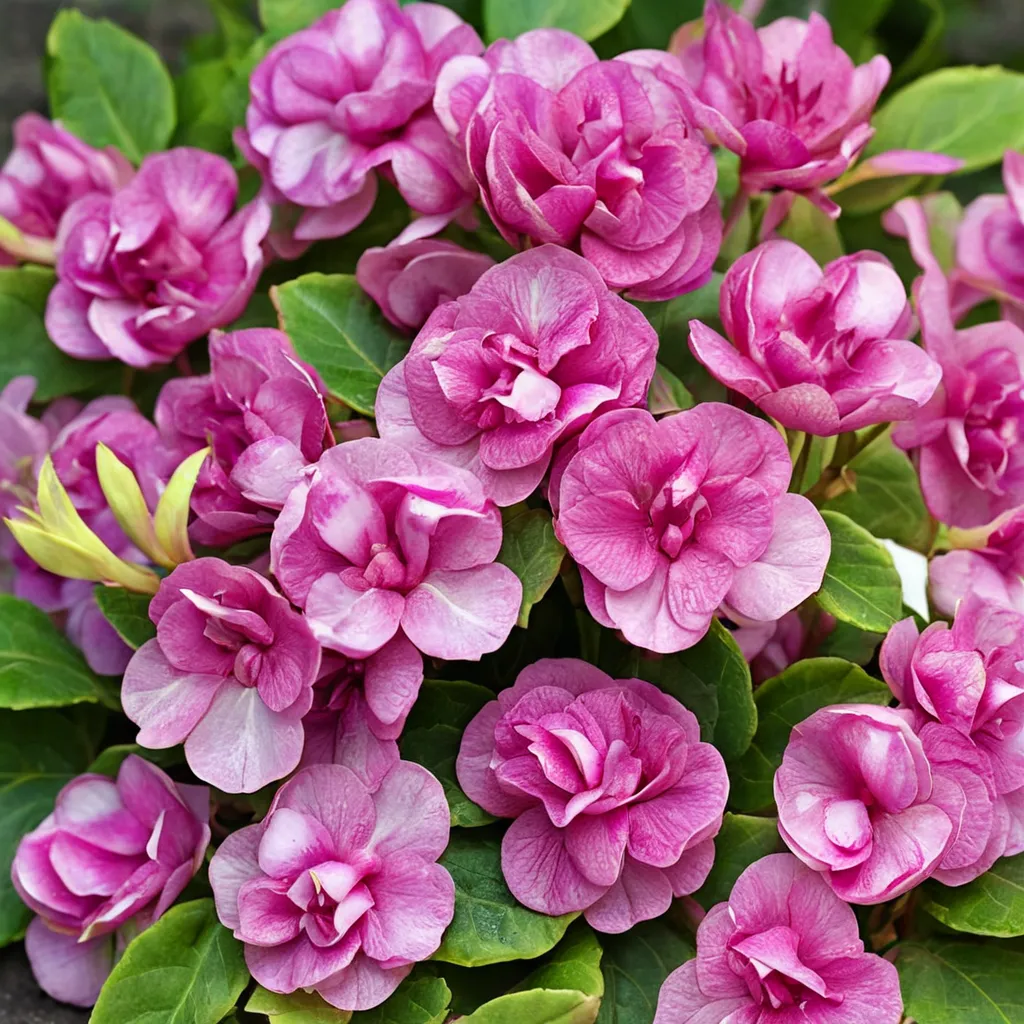
Rockapulco Purple Impatiens
Impatiens walleriana 'Rockapulco Purple'
Keep exploring
Explore the genus
Hardy in your zone?
Grow New Guinea Impatiens with confidence
See it in a design of your actual yard, get zone-matched care reminders, and track it season by season in your garden journal.