The Story
Plant Bio
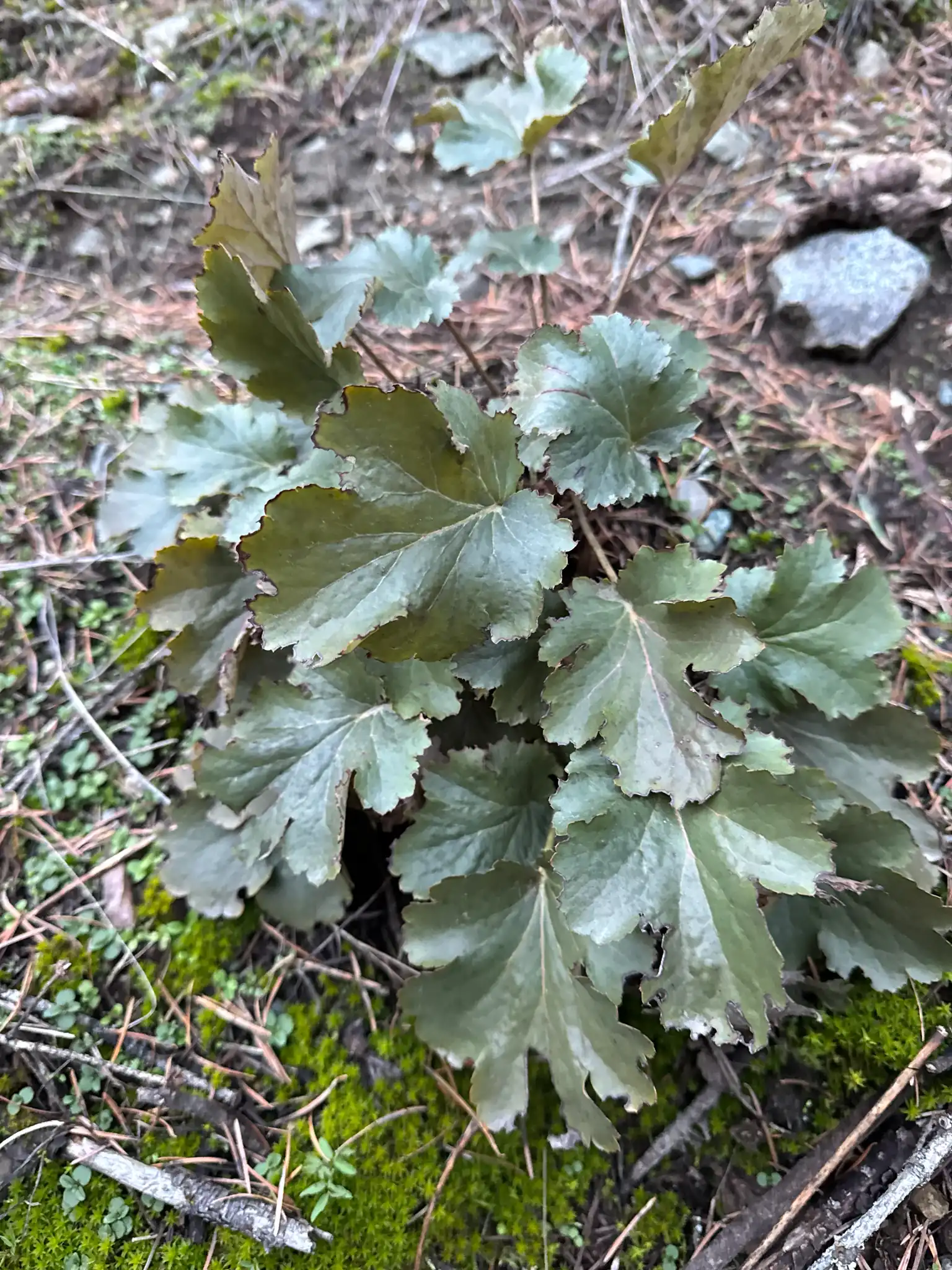
Heuchera cylindrica, the poker alumroot, is a mounding to mat-forming herbaceous perennial native to western North America, producing basal rosettes of leathery, heart-shaped leaves. In late spring and summer, it sends up slender, leafless stems bearing dense, narrow, poker-like spikes of cream to greenish-yellow tubular flowers.
Unlike shade-loving woodland members of the genus, this species naturally inhabits rocky, exposed mountain outcrops and tolerates significantly more direct sunlight. The scalloped, palmately lobed foliage emerges fresh green and remains attractive throughout the growing season.
Uses & Benefits:
Essentials
At a Glance
Plant Type
Perennial
Height
35"
Width
24"
Light
Full Sun, Partial Sun
Zones
4, 5, 6, 7, 8
Water
Moderate
Humidity
Low to moderate
Lifespan
Perennial
Native To
Western North America
Toxicity
Non-toxic
Bloom period
Late spring – Summer
In flower about 4 months of the year
Planting
How to Grow
- Select a planting site with excellent drainage, such as a rock garden, slope, or raised bed, in full sun to partial shade.
- Dig a hole twice as wide as the root ball but of equal depth, ensuring the crown sits slightly above the surrounding soil level.
- Backfill with native soil mixed with coarse sand or grit if needed to improve drainage, and water in thoroughly to settle the roots.
- Apply a thin layer of organic mulch around the base, keeping it clear of the crown to prevent moisture retention against the stems.
Pro Tip
Plant on a slight mound or in rocky, highly permeable soil to keep the crown dry; burying the crown too deeply or planting in heavy clay invites fatal crown rot.
Keep It Thriving
Care Guide
Do
- Ensure the soil drains rapidly, especially during wet winter months.
- Provide afternoon shade in hot, southern climates to prevent leaf scorch.
- Divide congested clumps every three to four years in fall to maintain vigor.
Don't
- Do not bury the central crown below the soil surface when planting.
- Avoid planting in heavy, poorly drained clay soils.
- Do not overwater or allow the roots to sit in soggy, waterlogged conditions.
Seasonal Care Calendar
| Task | Jan | Feb | Mar | Apr | May | Jun | Jul | Aug | Sep | Oct | Nov | Dec |
|---|---|---|---|---|---|---|---|---|---|---|---|---|
| Deadhead | ||||||||||||
| Divide | ||||||||||||
| Fertilize | ||||||||||||
| Pest Check | ||||||||||||
| Spring Cleanup |
Watch Out For
Pests & Diseases
Common Pests
Common Diseases
In the Garden
Landscape Uses & Companions
Landscape Uses
Multiply
Propagation Methods
Good to Know
Common Questions
Poker Alumroot questions
What zones can Poker Alumroot grow in?
Poker Alumroot is hardy in USDA Zones 4–8. Inside that range it survives winter in the ground; outside it, grow it as an annual or a container plant you protect.
Is Poker Alumroot deer resistant?
Not reliably. Deer may browse Poker Alumroot, especially tender spring growth — plan on repellents or fencing where pressure is high.
When does Poker Alumroot bloom?
Poker Alumroot typically blooms in late spring through summer. Exact timing shifts a week or two with your zone — Sow's bloom calendar maps it to your garden.
Does Poker Alumroot need full sun?
Poker Alumroot does best in full sun to part shade. In hot climates, afternoon shade keeps blooms fresher longer.
Is Poker Alumroot drought tolerant?
Yes — once established (usually after the first full season), Poker Alumroot handles dry spells with minimal watering. Water deeply its first year to build the root system that makes that possible.
More Heuchera to compare
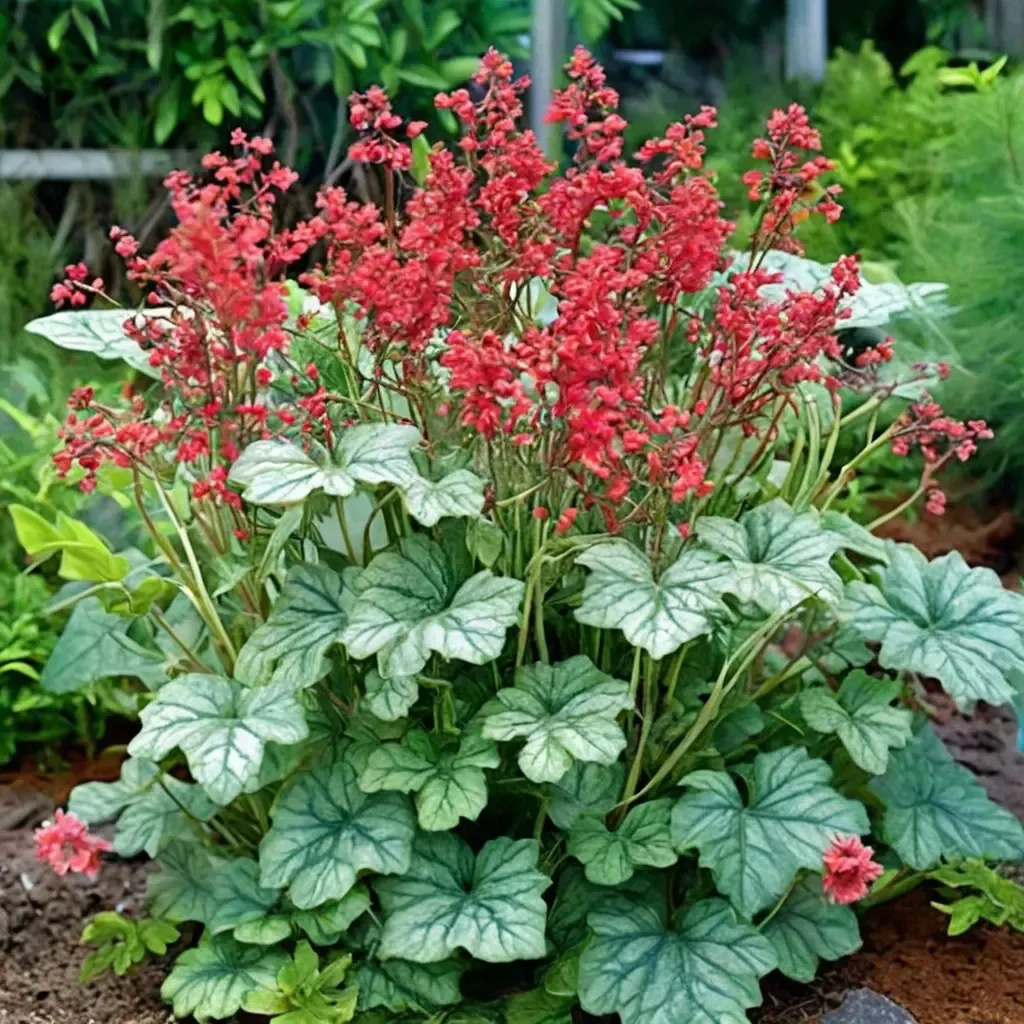
Mixed Coral Bells
Heuchera sanguinea 'Mixed Coral Bells'
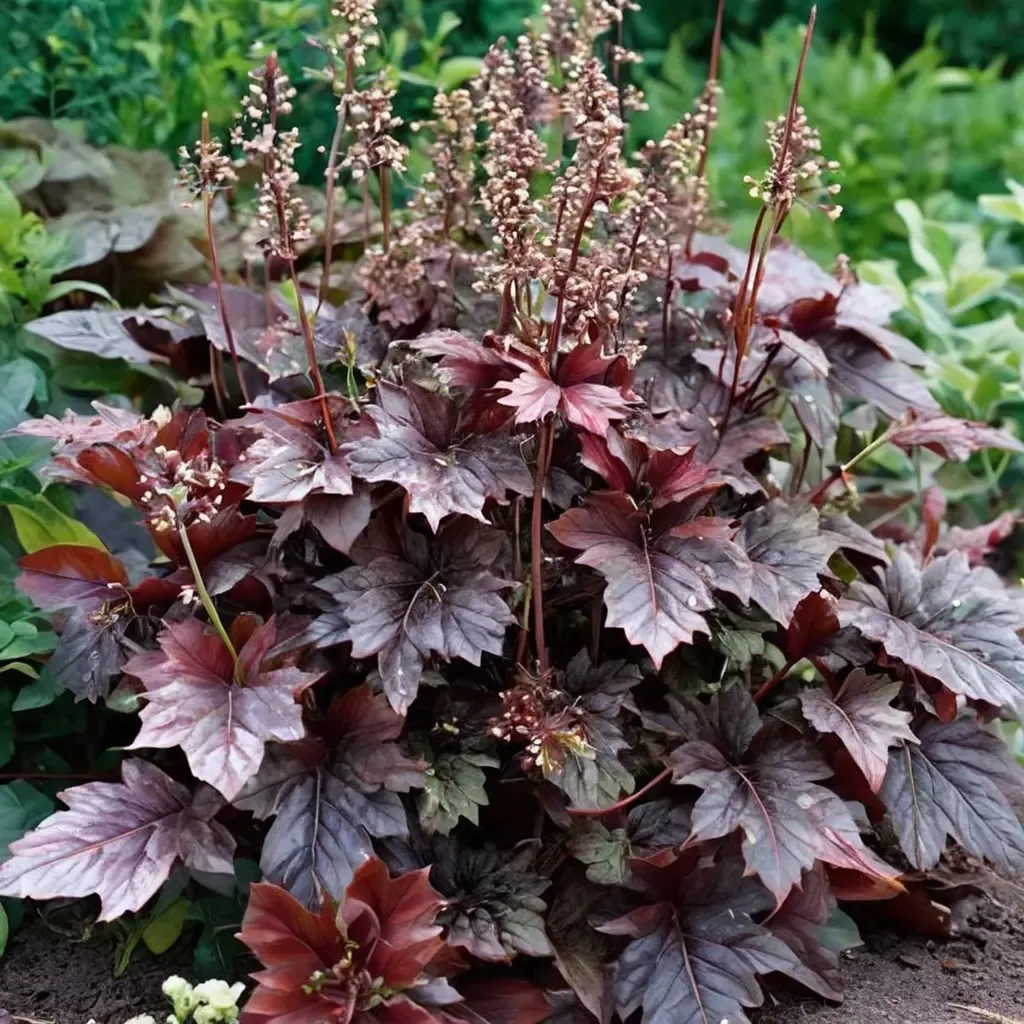
Palace Purple Coral Bells
Heuchera americana 'Palace Purple'
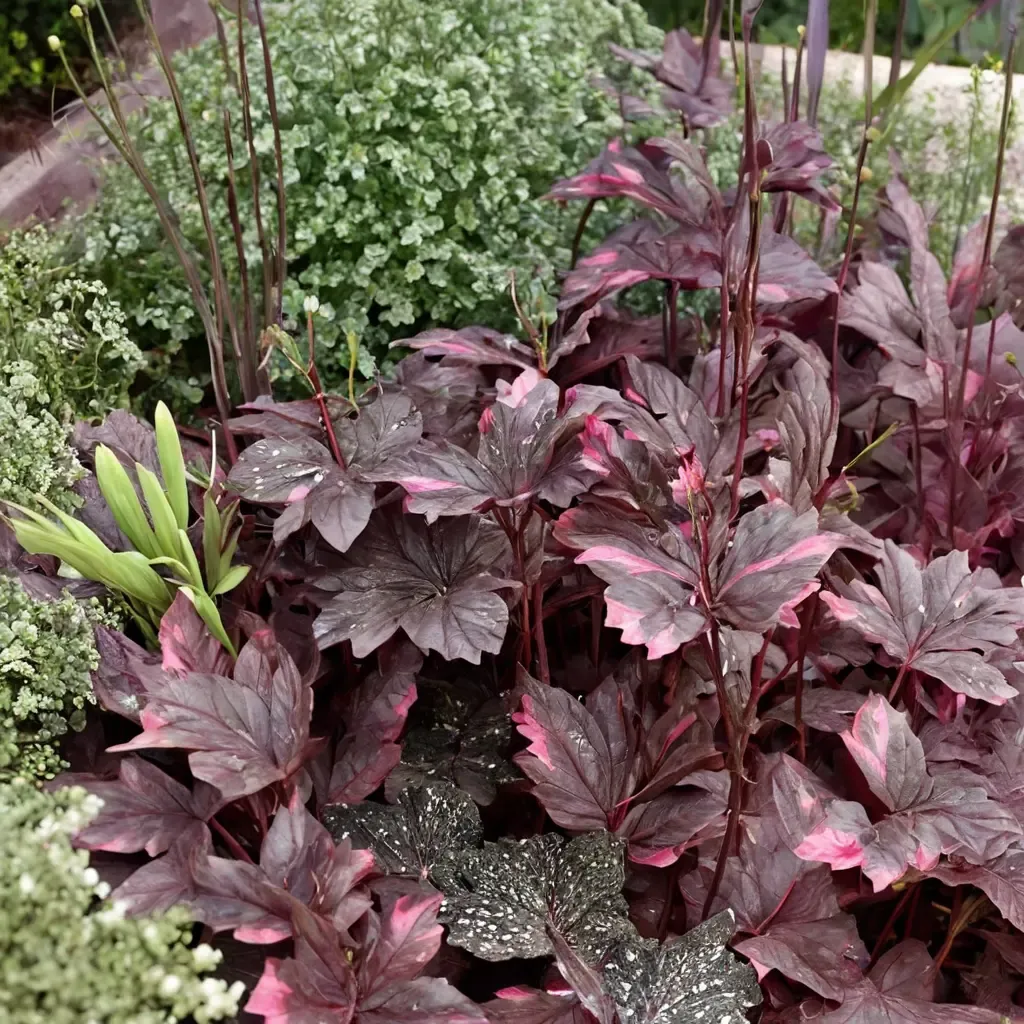
Midnight Rose Coral Bell
Heuchera x brizoides 'Midnight Rose'
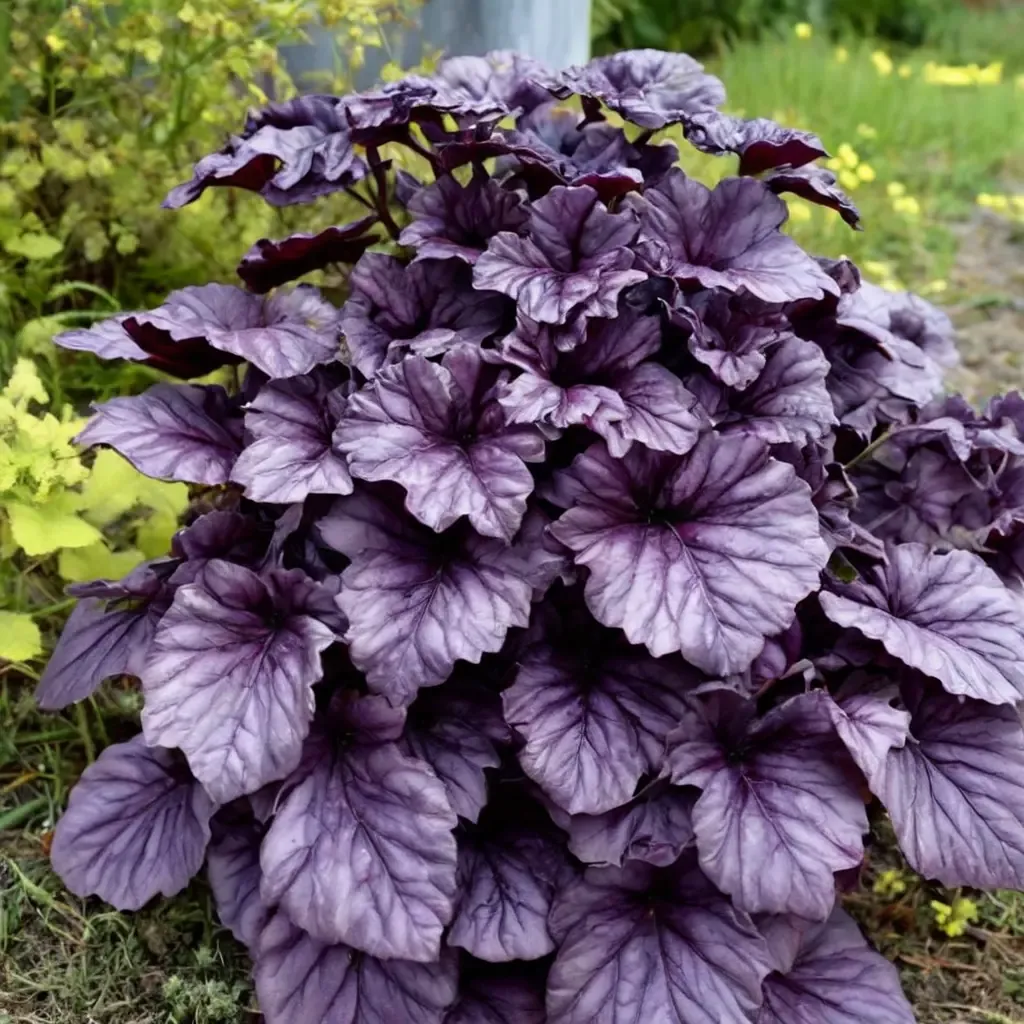
Wildberry Coral Bells
Heuchera x brizoides 'Wildberry'
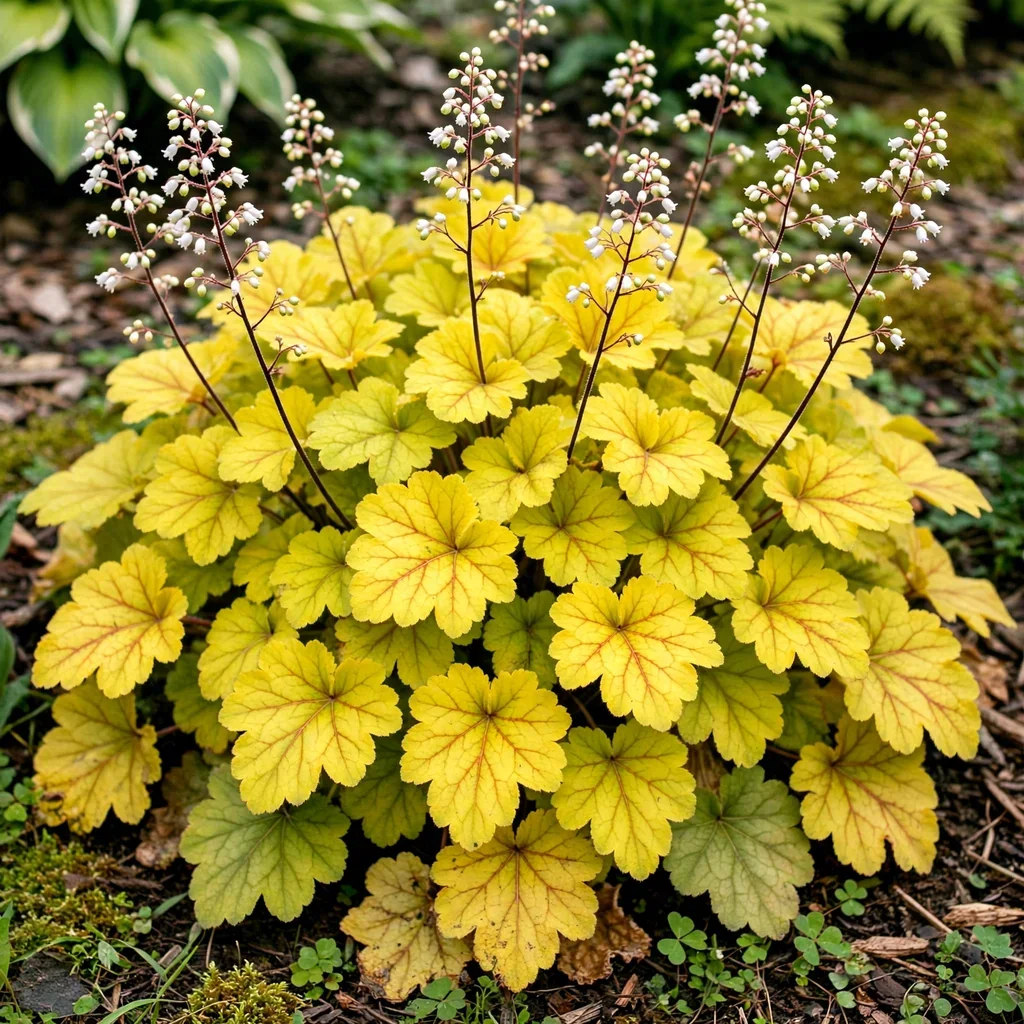
Electra Coral Bells
Heuchera sanguinea 'Electra'
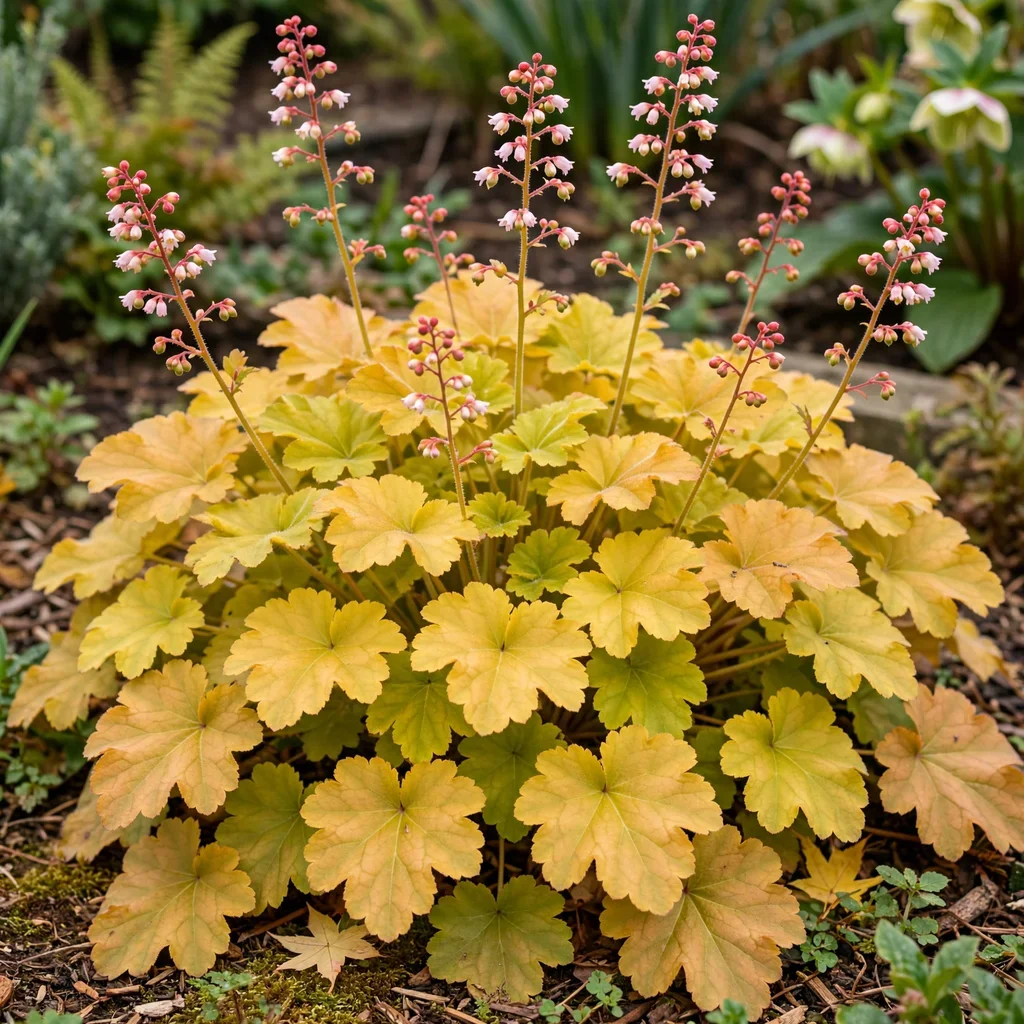
Caramel Coral Bells
Heuchera sanguinea 'Caramel'
Keep exploring
Explore the genus
Hardy in your zone?
Grow Poker Alumroot with confidence
See it in a design of your actual yard, get zone-matched care reminders, and track it season by season in your garden journal.