The Story
Plant Bio
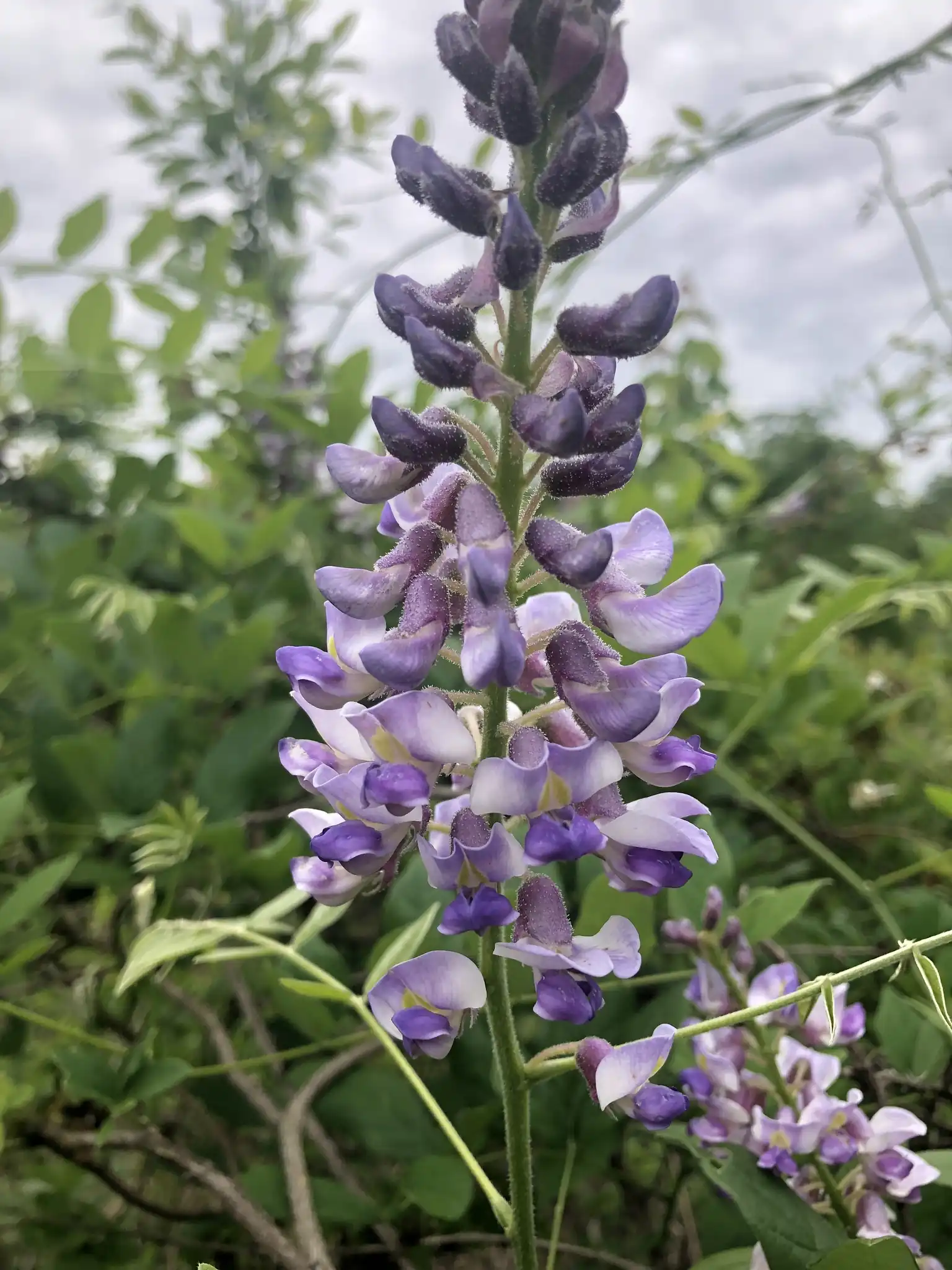
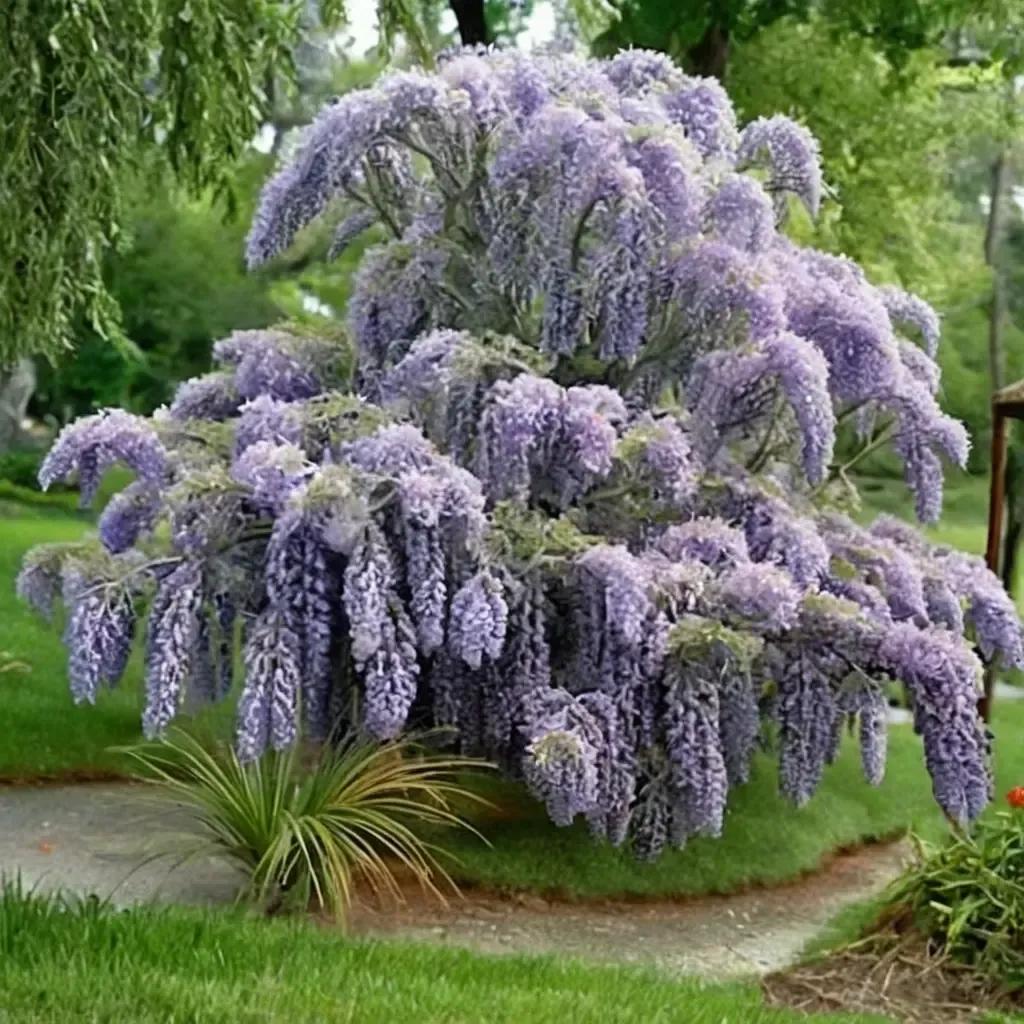
Wisteria frutescens, the American wisteria, is a deciduous woody vine native to the eastern United States, where it grows in moist woods and along riverbanks. It climbs by twining counterclockwise, producing compact, drooping clusters of lilac-purple flowers that open after the foliage has fully emerged.
This species is significantly less aggressive and more manageable than its Asian counterparts, making it a safer choice for garden structures. It is distinguished by its smooth, hairless seed pods and shorter, denser flower racemes measuring two to six inches in length.
Uses & Benefits:
Essentials
At a Glance
Plant Type
Vine
Height
354"
Width
472"
Light
Full Sun, Partial Sun
Zones
5, 6, 7, 8, 9
Water
Medium
Humidity
High
Lifespan
Long-lived
Native To
North America
Toxicity
Toxic to pets and humans
Marketplace
Where to Buy
Shipping costs Year-round shipping Free shipping
Planting
How to Grow
- Plant in a location that receives at least six hours of direct sunlight daily to ensure optimal flowering.
- Provide a sturdy support structure, such as a trellis, arbor, or pergola, for the twining stems to climb.
- Maintain consistently moist, humus-rich, and slightly acidic soil, especially during the first two growing seasons.
- Avoid high-nitrogen fertilizers, which promote excessive leaf growth at the expense of flower production.
Pro Tip
Prune the vine twice a year, cutting back new summer shoots to five or six leaves after flowering, and then shortening those same shoots to two or three buds in late winter to stimulate flowering spurs.
Keep It Thriving
Care Guide
Do
- Prune twice annually to maintain shape and encourage flower bud development.
- Provide a strong, permanent support structure that can bear the weight of mature woody stems.
- Water regularly to keep the soil consistently moist, particularly in dry summer spells.
Don't
- Do not apply heavy nitrogen fertilizers, as this stimulates vegetative growth instead of blooms.
- Do not prune blindly into old, leafless wood that lacks active buds.
- Do not plant in dry, alkaline soils where the vine will struggle to establish.
Seasonal Care Calendar
| Task | Jan | Feb | Mar | Apr | May | Jun | Jul | Aug | Sep | Oct | Nov | Dec |
|---|---|---|---|---|---|---|---|---|---|---|---|---|
| Fertilize | ||||||||||||
| Pest Check | ||||||||||||
| Plant | ||||||||||||
| Prune |
Watch Out For
Pests & Diseases
Common Pests
Common Diseases
In the Garden
Landscape Uses & Companions
Landscape Uses
Multiply
Propagation Methods
Good to Know
Common Questions
American Wisteria questions
What zones can American Wisteria grow in?
American Wisteria is hardy in USDA Zones 5–9. Inside that range it survives winter in the ground; outside it, grow it as an annual or a container plant you protect.
Is American Wisteria deer resistant?
Not reliably. Deer may browse American Wisteria, especially tender spring growth — plan on repellents or fencing where pressure is high.
When does American Wisteria bloom?
American Wisteria typically blooms in late spring through summer. Exact timing shifts a week or two with your zone — Sow's bloom calendar maps it to your garden.
Does American Wisteria need full sun?
American Wisteria does best in full sun to part shade. In hot climates, afternoon shade keeps blooms fresher longer.
More Wisteria to compare
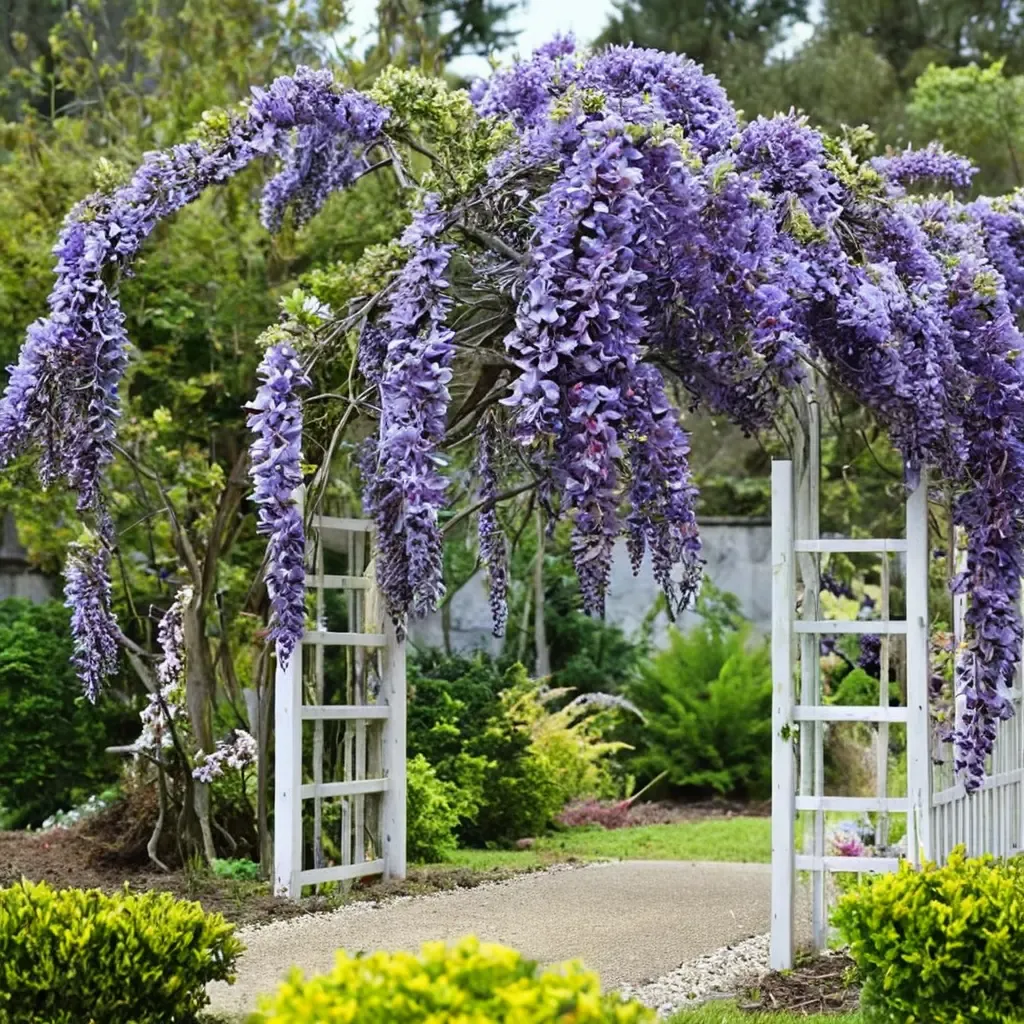
Lattice Arch Chinese Wisteria
Wisteria sinensis 'Lattice Arch'
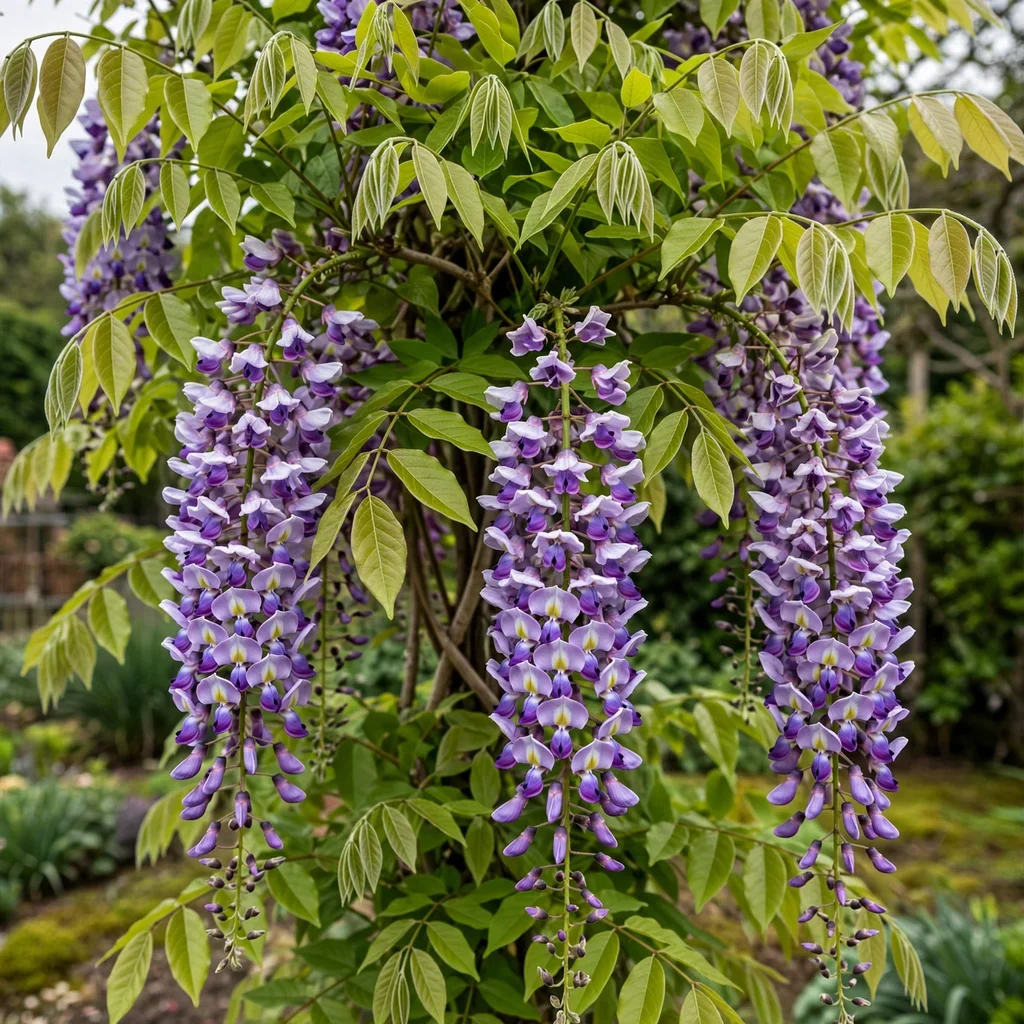
Japanese Wisteria 'Grande Diva Jessye'
Wisteria floribunda 'Grande Diva Jessye'
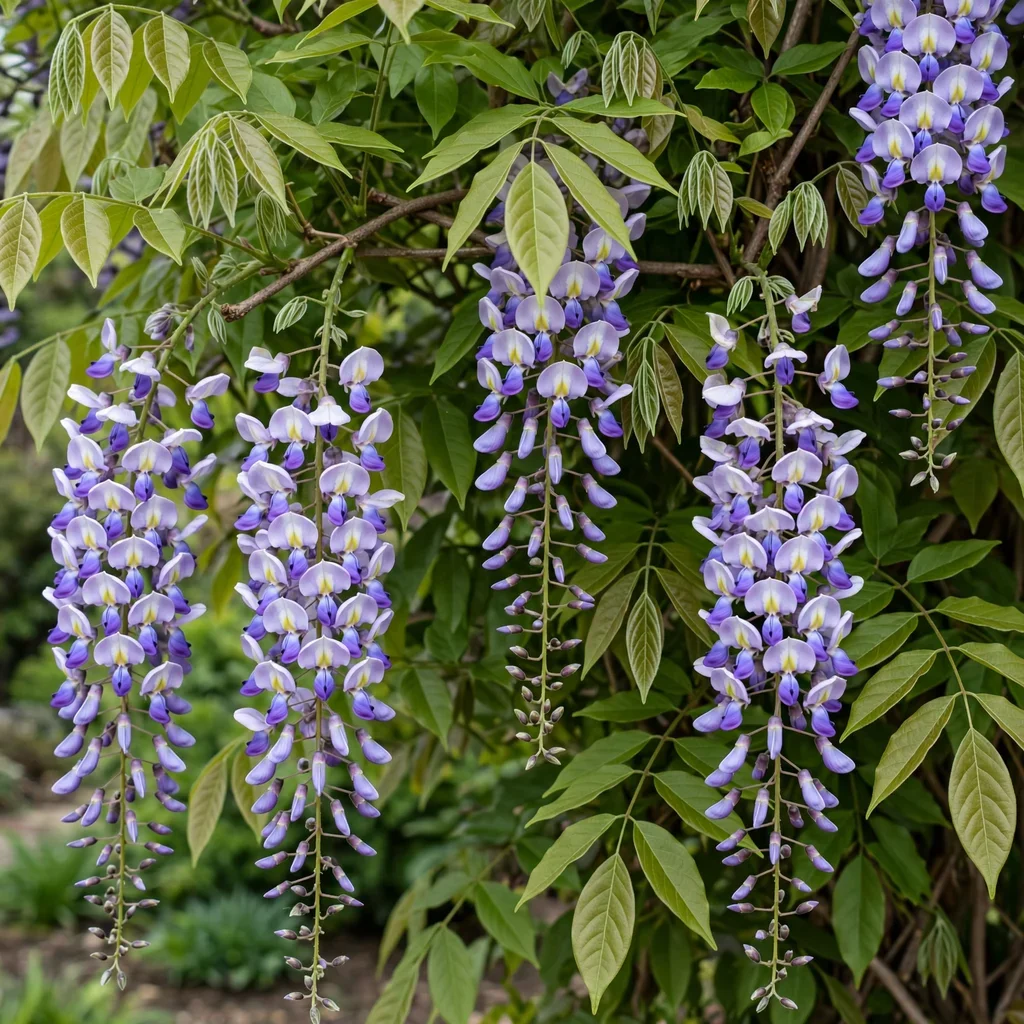
Chinese Wisteria 'Prolific'
Wisteria sinensis 'Prolific'
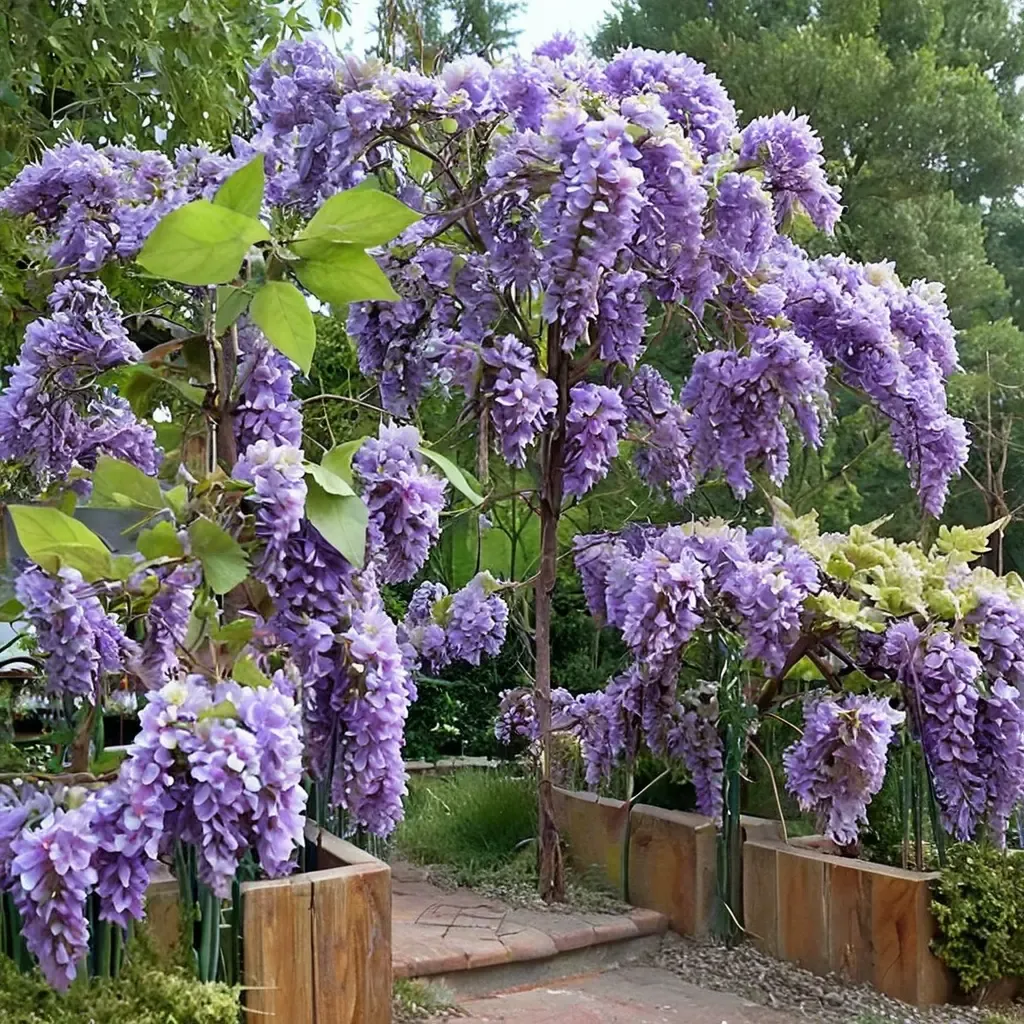
Chinese Wisteria
Wisteria sinensis
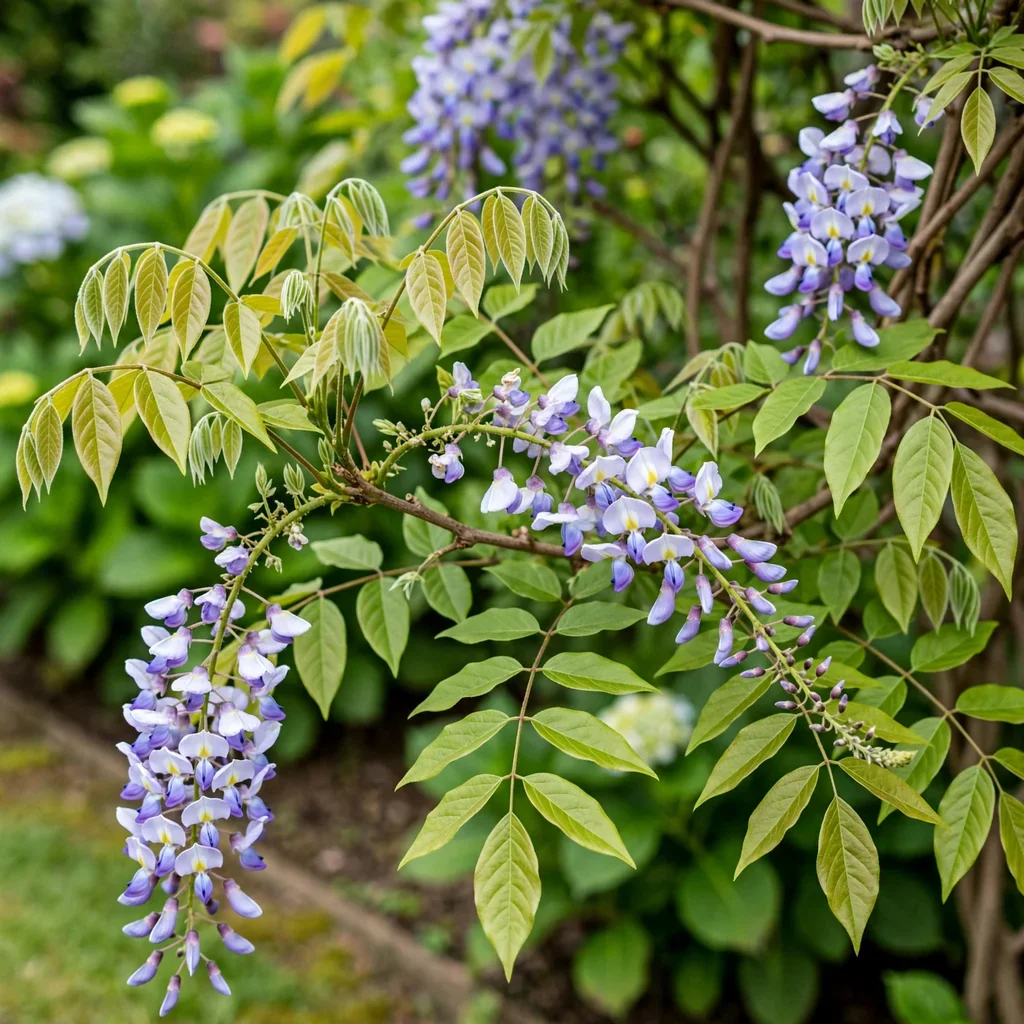
Blue Moon Wisteria
Wisteria floribunda 'Blue Moon'
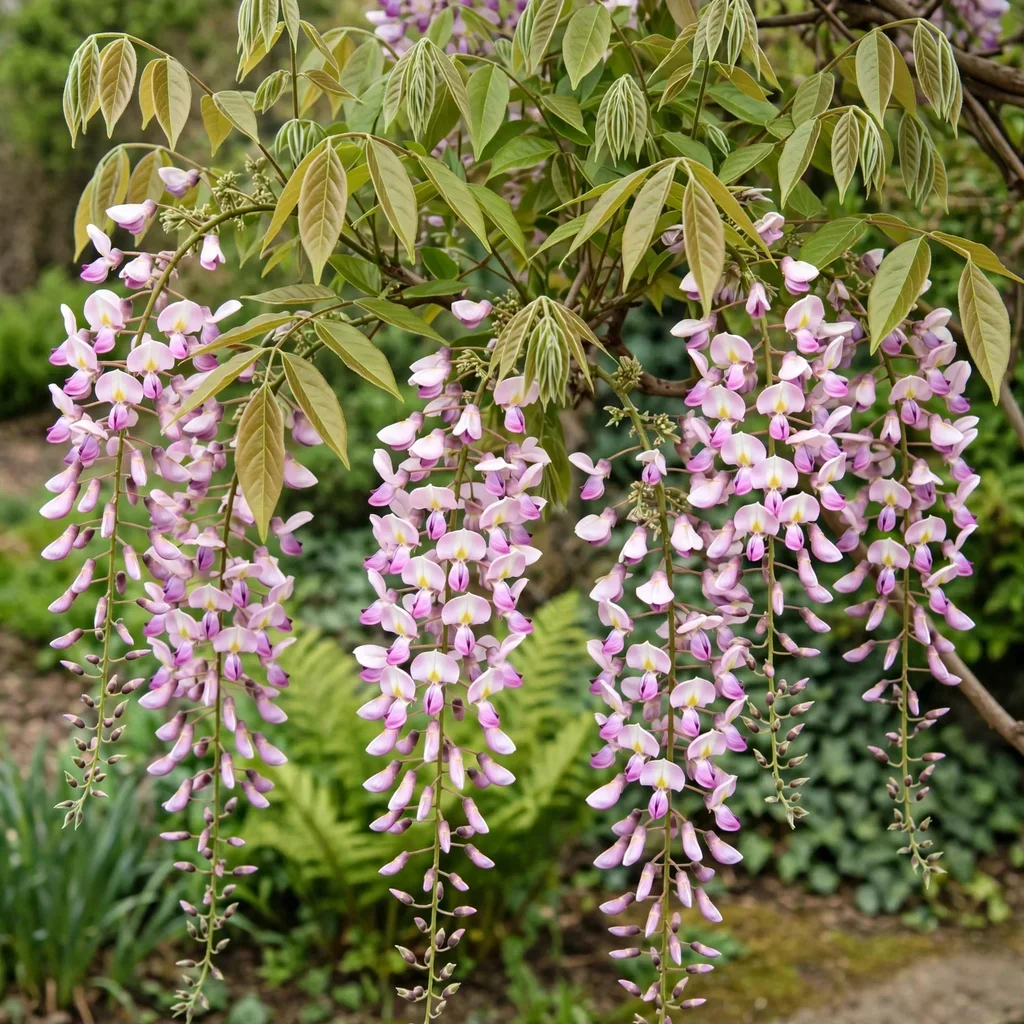
Japanese Wisteria 'Honbeni'
Wisteria floribunda 'Honbeni'
Keep exploring
Explore the genus
Hardy in your zone?
Grow American Wisteria with confidence
See it in a design of your actual yard, get zone-matched care reminders, and track it season by season in your garden journal.