The Story
Plant Bio
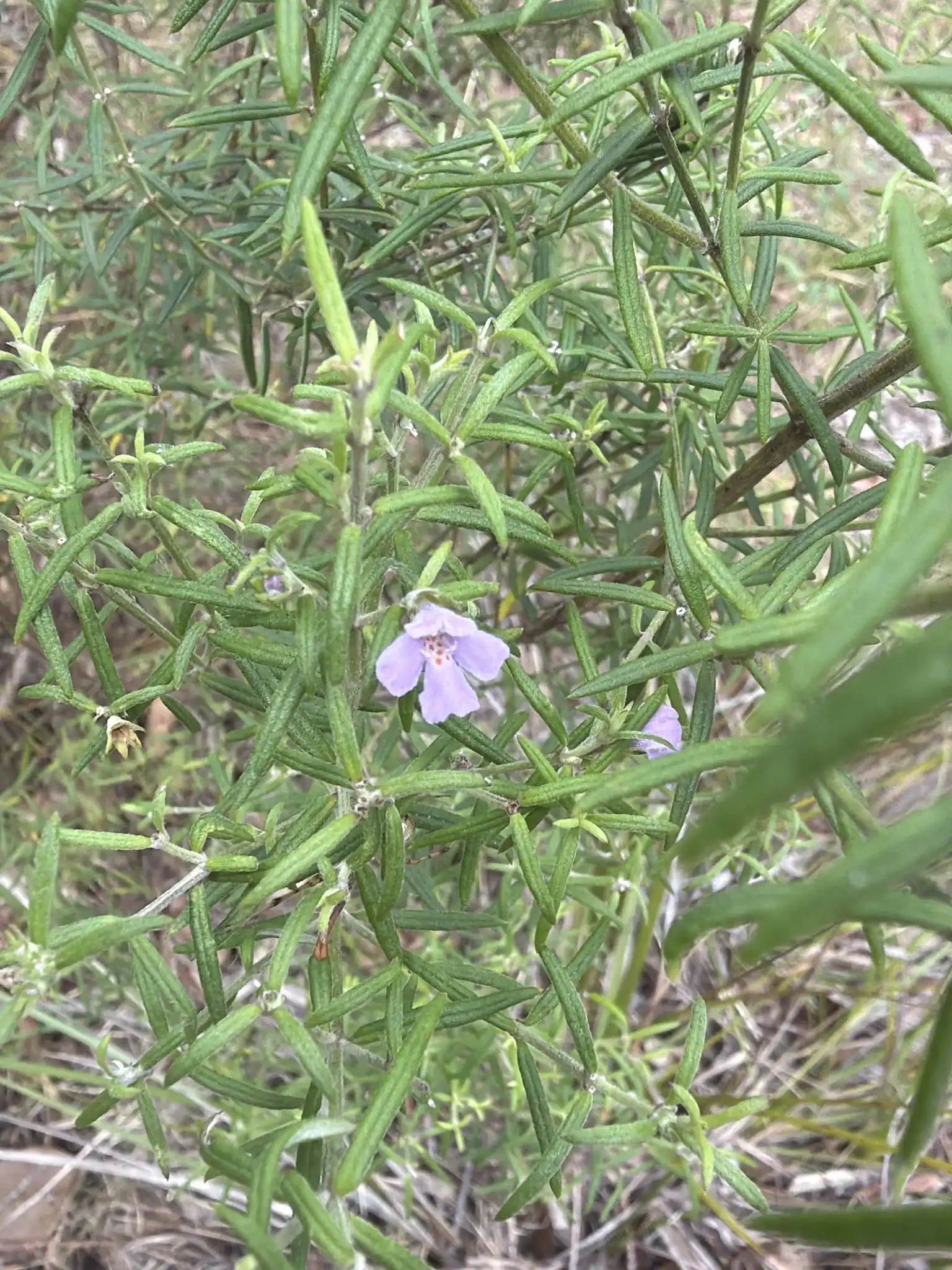
Westringia eremicola, the slender Westringia, is an upright, twiggy evergreen shrub native to eastern and southern Australia that reaches about five feet in height. The stiff, slender branches carry narrow, linear leaves in whorls of three, covered in fine, flattened hairs that give the foliage a distinct gray-green appearance.
Unlike the more common coastal rosemary, this species features a more open, slender habit and is highly adapted to dry inland woodlands and sandy soils. The small, tubular flowers appear in shades of purple, mauve, or white, distinguished by tiny orange to brown dots inside the throat.
Uses & Benefits:
Essentials
At a Glance
Plant Type
Shrub
Height
59"
Width
39"
Light
Full Sun, Partial Sun
Zones
8, 9, 10
Water
Low
Humidity
Moderate to low
Lifespan
Long-lived
Native To
Australia
Toxicity
Non-toxic
Bloom period
Spring – Summer
In flower about 6 months of the year
Planting
How to Grow
- Select a planting site with exceptional drainage and full sun exposure to ensure robust flowering and a compact growth habit.
- Dig a hole twice as wide as the root ball but no deeper, ensuring the crown sits slightly above the surrounding soil level to prevent water pooling.
- Backfill with the native soil without adding organic amendments, pressing firmly to eliminate air pockets around the roots.
- Water deeply immediately after planting to settle the soil, then restrict supplementary watering to periods of extreme drought once established.
Pro Tip
Prune lightly immediately after the main flowering flush to maintain a dense shape; cutting back into old, leafless brown wood will prevent the plant from shooting back.
Keep It Thriving
Care Guide
Do
- Plant in sandy or gravelly soils that drain rapidly.
- Prune the tips lightly after summer flowering to encourage dense branching.
- Ensure the plant receives at least six hours of direct sunlight daily.
Don't
- Do not overwater or plant in heavy, poorly drained clay soils.
- Do not cut back hard into old, leafless brown wood.
- Do not apply heavy doses of high-phosphorus fertilizers.
Seasonal Care Calendar
| Task | Jan | Feb | Mar | Apr | May | Jun | Jul | Aug | Sep | Oct | Nov | Dec |
|---|---|---|---|---|---|---|---|---|---|---|---|---|
| Fertilize | ||||||||||||
| Pest Check | ||||||||||||
| Propagate | ||||||||||||
| Prune |
Watch Out For
Pests & Diseases
Common Pests
Common Diseases
In the Garden
Landscape Uses & Companions
Landscape Uses
Companion Plants
Multiply
Propagation Methods
Good to Know
Common Questions
Slender Westringia questions
What zones can Slender Westringia grow in?
Slender Westringia is hardy in USDA Zones 8–10. Inside that range it survives winter in the ground; outside it, grow it as an annual or a container plant you protect.
When does Slender Westringia bloom?
Slender Westringia typically blooms in spring through summer. Exact timing shifts a week or two with your zone — Sow's bloom calendar maps it to your garden.
Does Slender Westringia need full sun?
Slender Westringia does best in full sun to part shade. In hot climates, afternoon shade keeps blooms fresher longer.
Is Slender Westringia drought tolerant?
Yes — once established (usually after the first full season), Slender Westringia handles dry spells with minimal watering. Water deeply its first year to build the root system that makes that possible.
More Westringia to compare
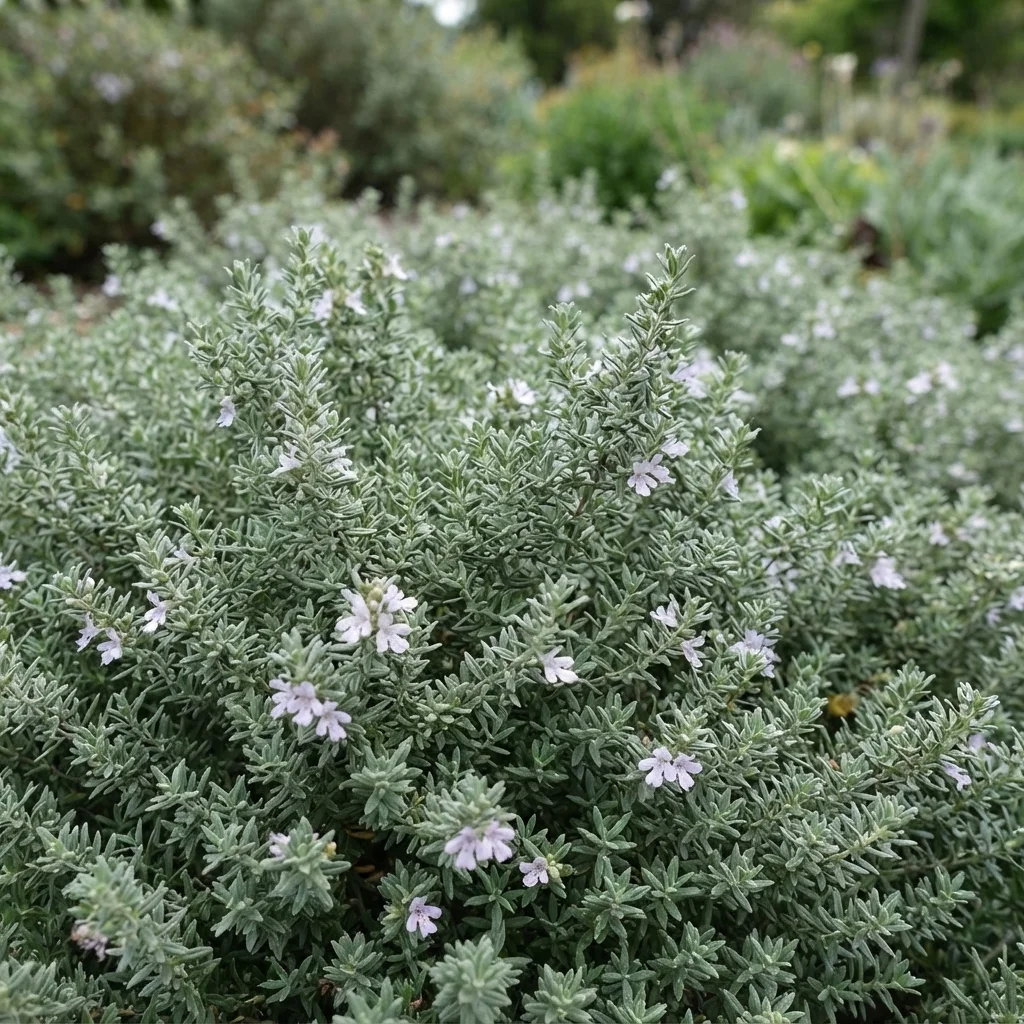
Coastal Rosemary
Westringia fruticosa 'Zena'
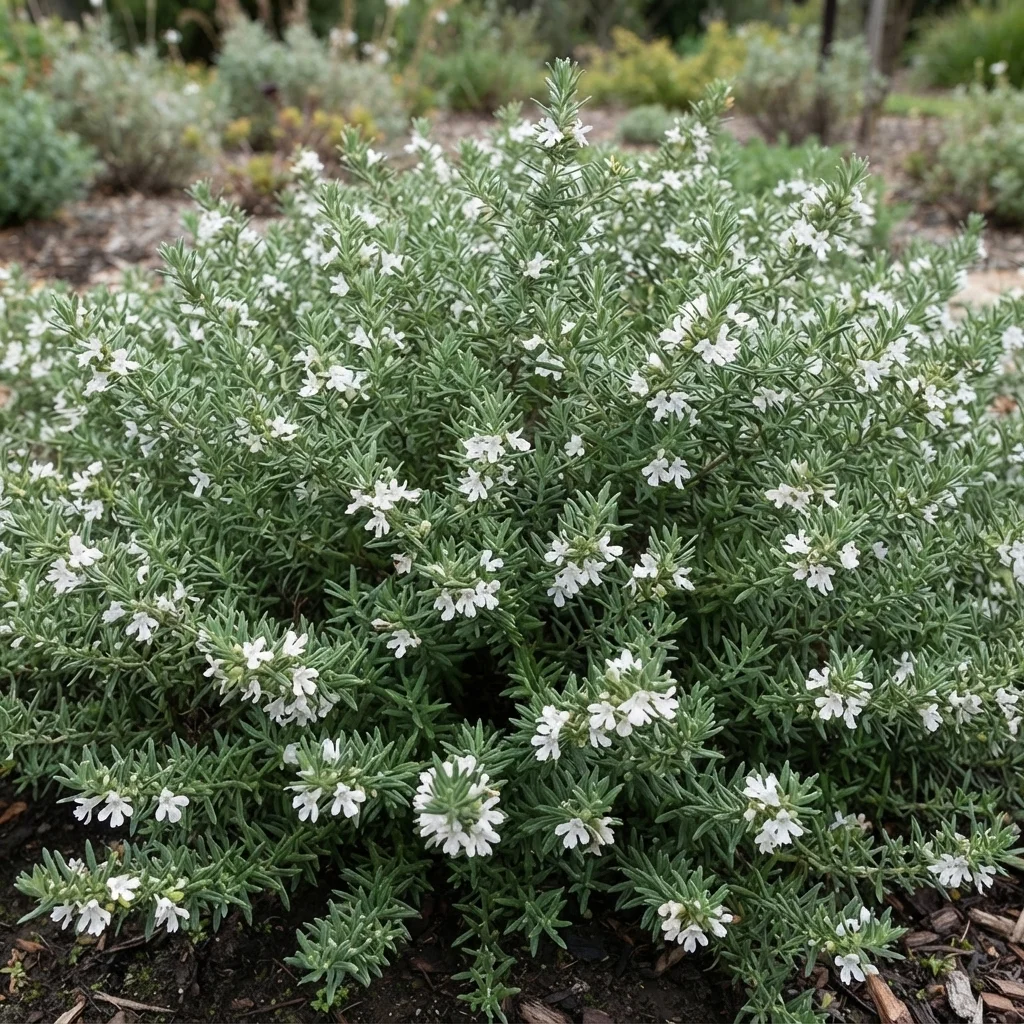
Coast Rosemary
Westringia fruticosa 'Low Horizon'
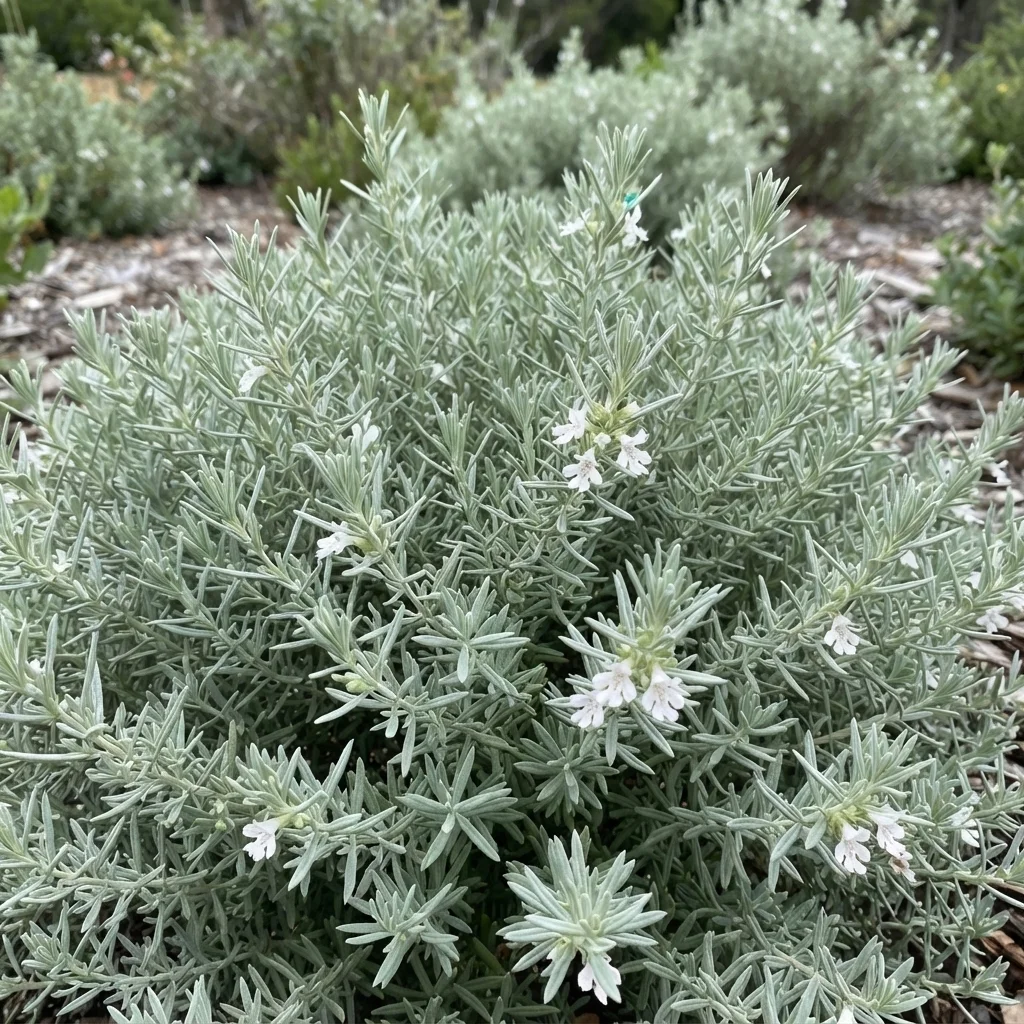
Grey Box Coastal Rosemary
Westringia fruticosa 'Grey Box'
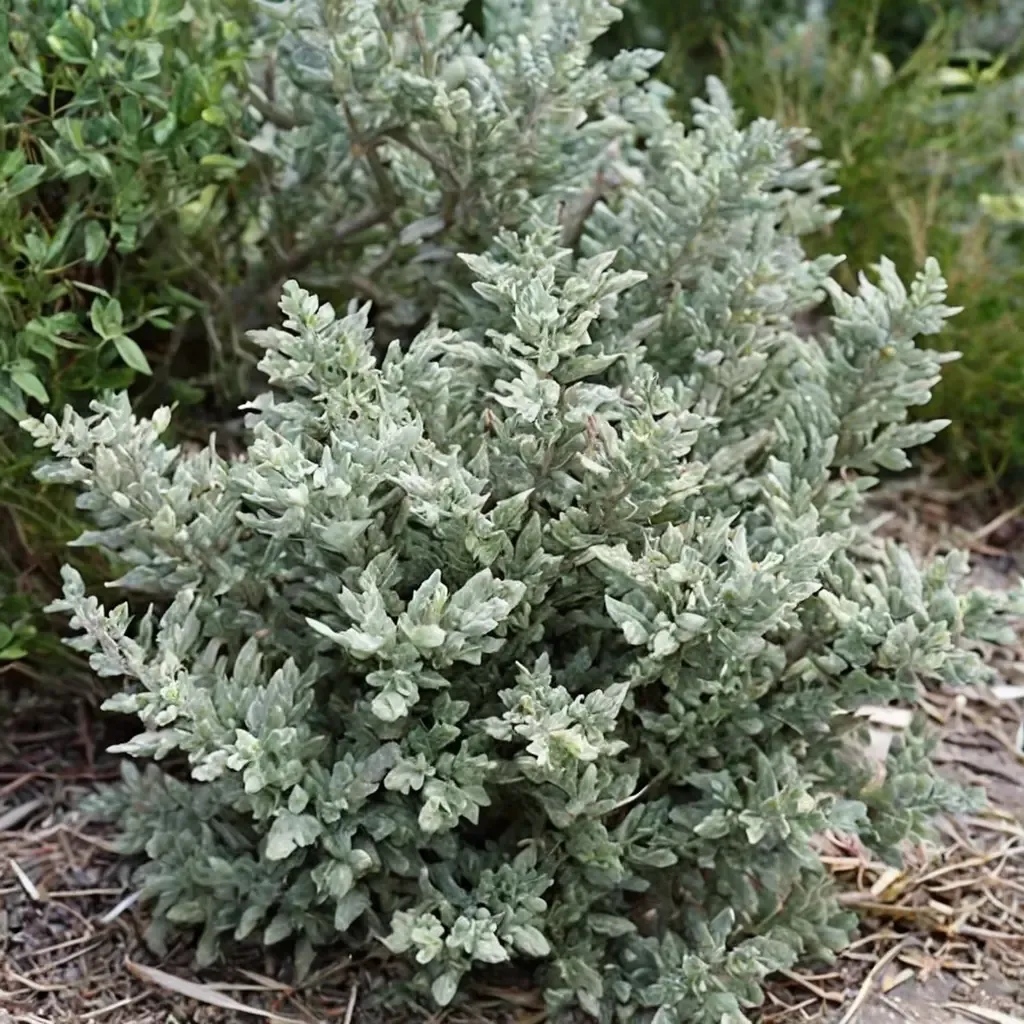
Smokey Coast Rosemary
Westringia fruticosa 'Smokey'
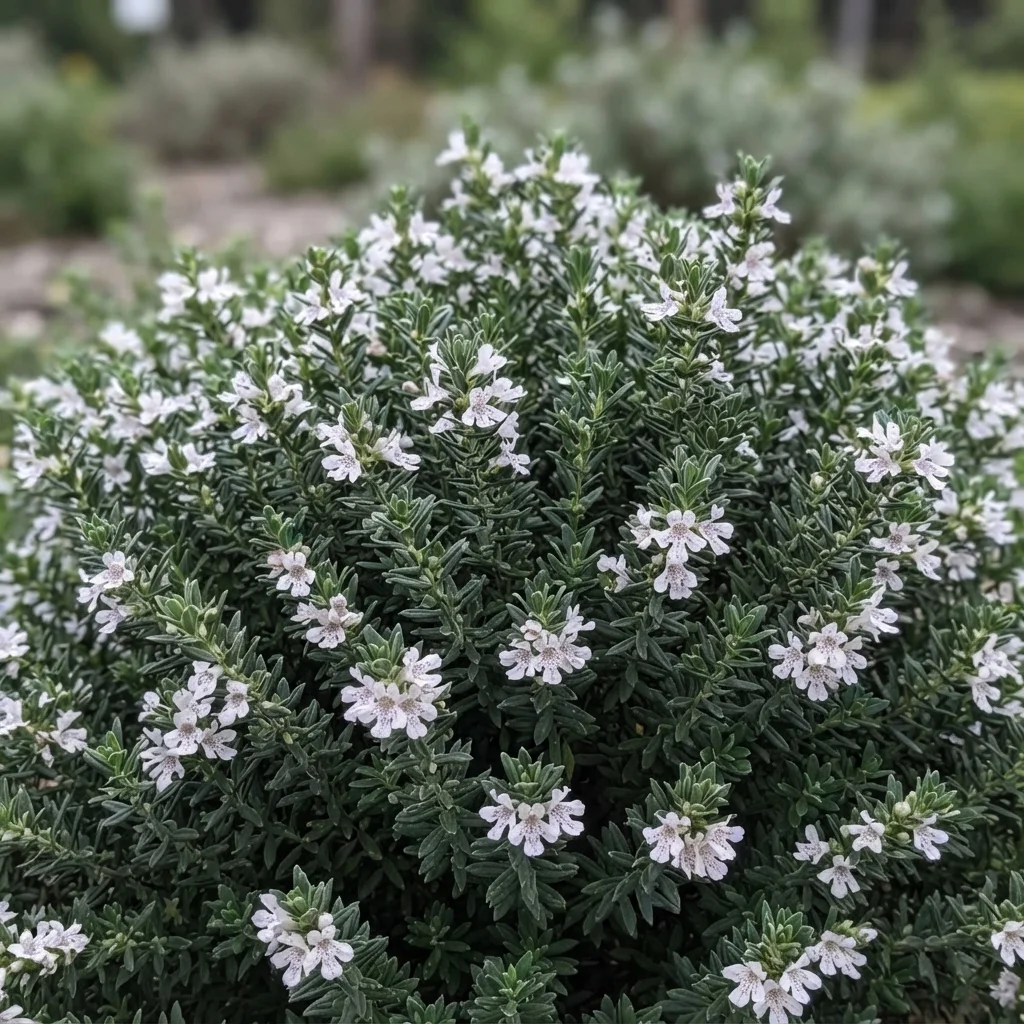
Aussie Box Westringia
Westringia hybrid 'Aussie Box'
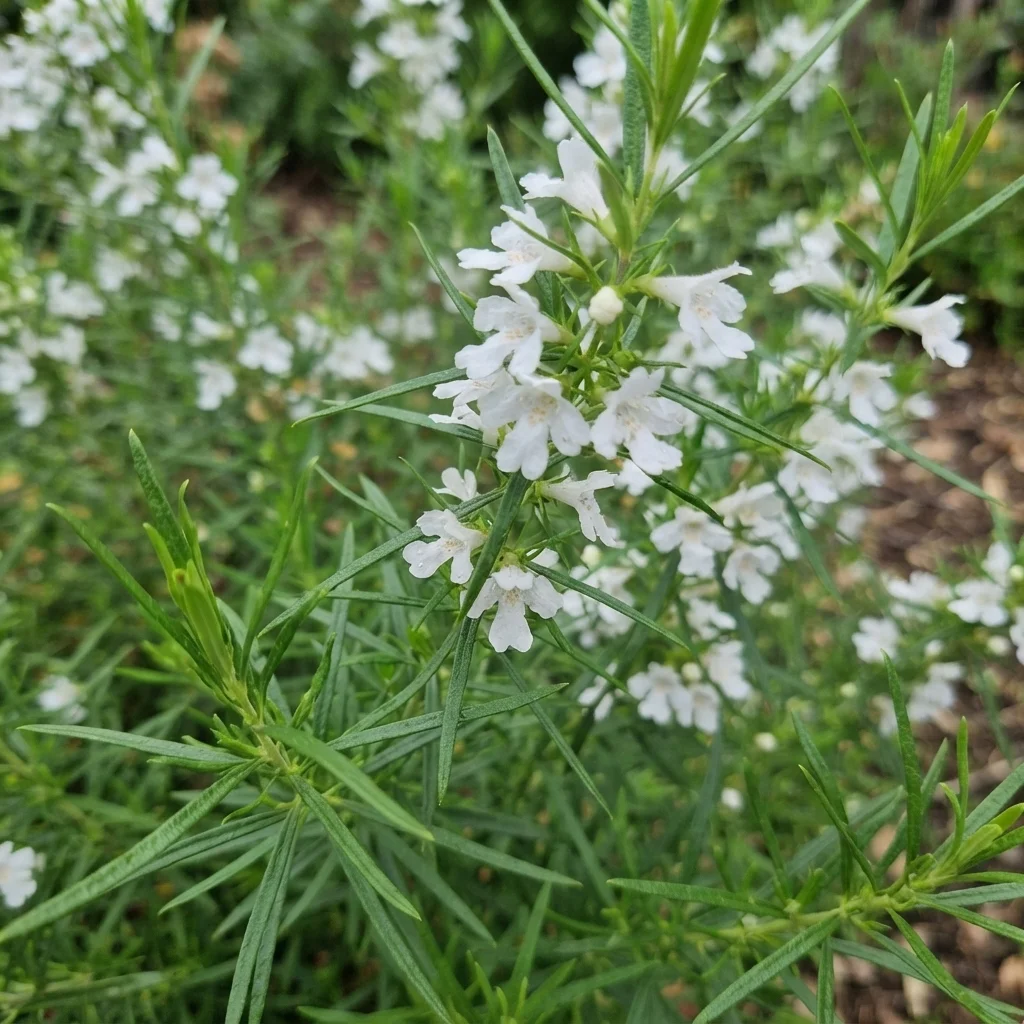
Long-leaved Westringia
Westringia longifolia
Keep exploring
Explore the genus
Hardy in your zone?
Grow Slender Westringia with confidence
See it in a design of your actual yard, get zone-matched care reminders, and track it season by season in your garden journal.