
The Story
Plant Bio
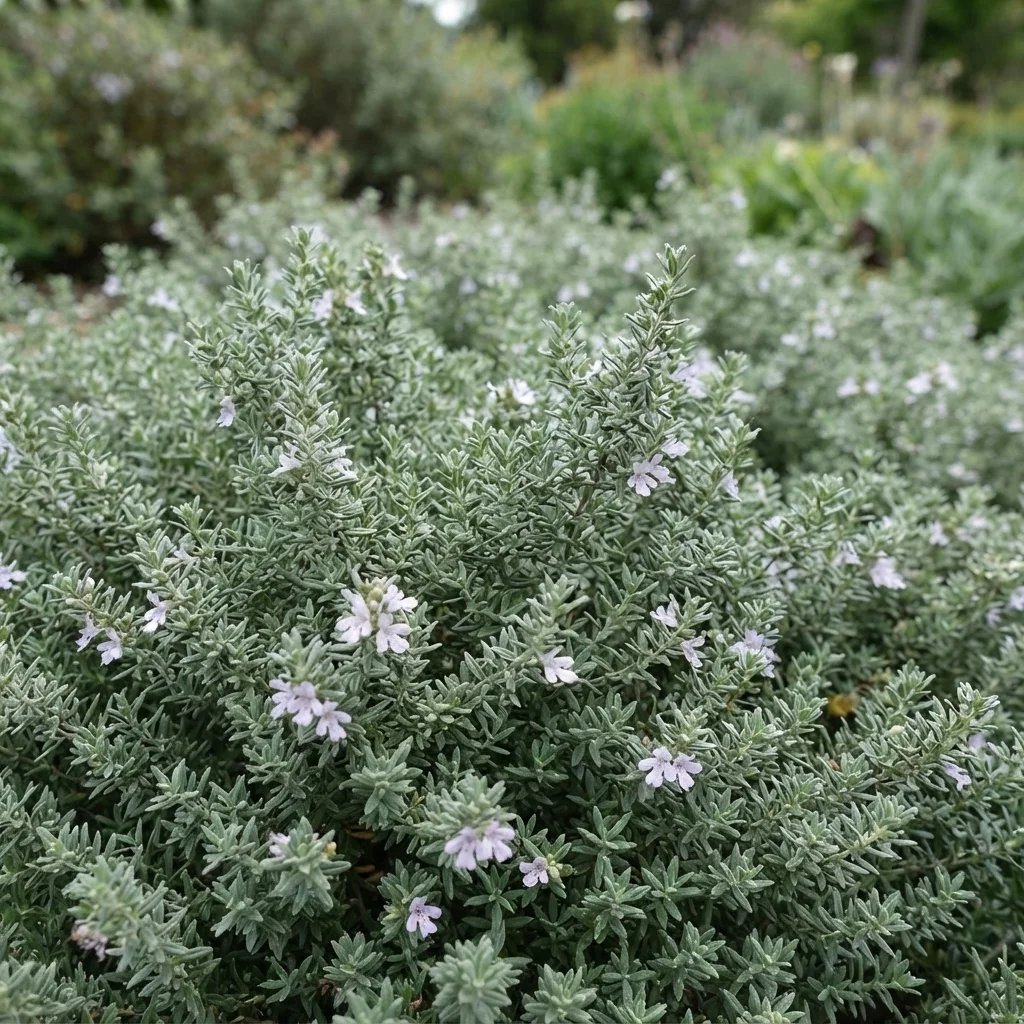
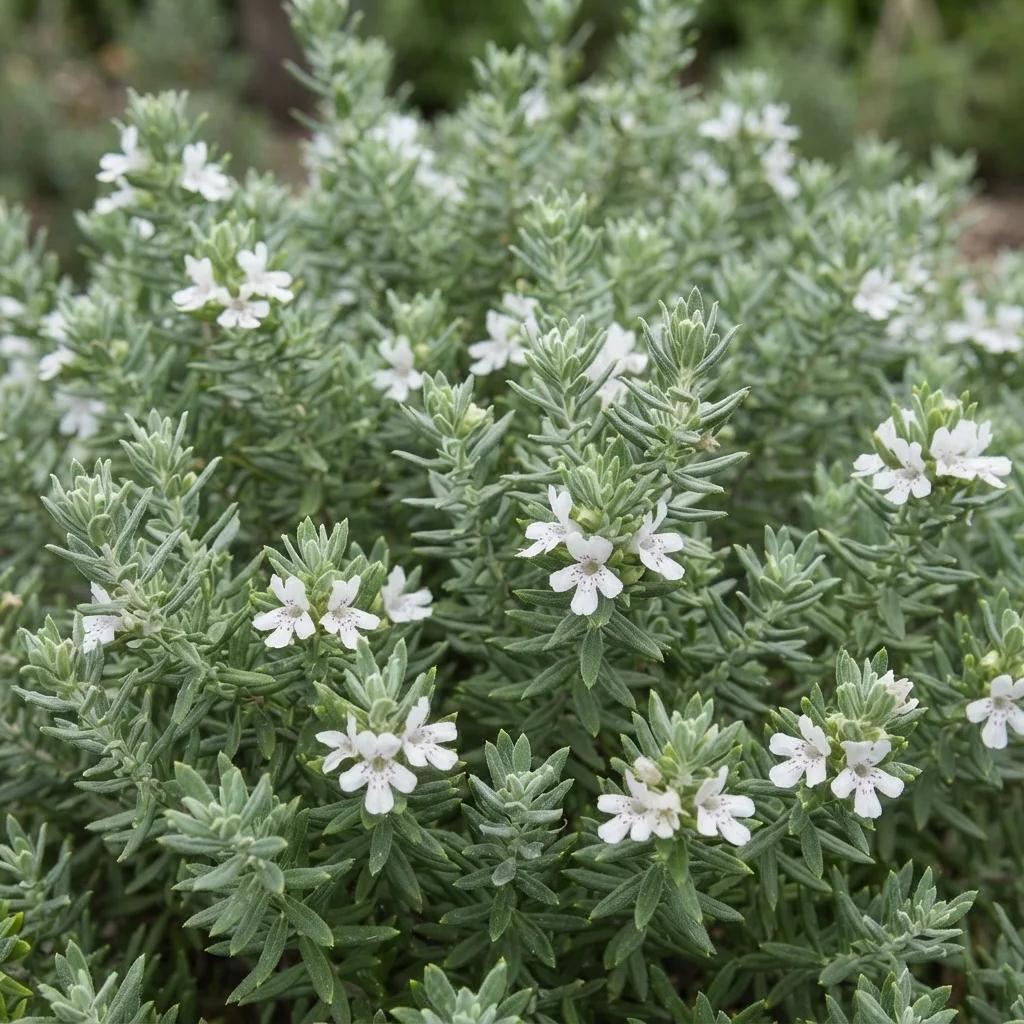
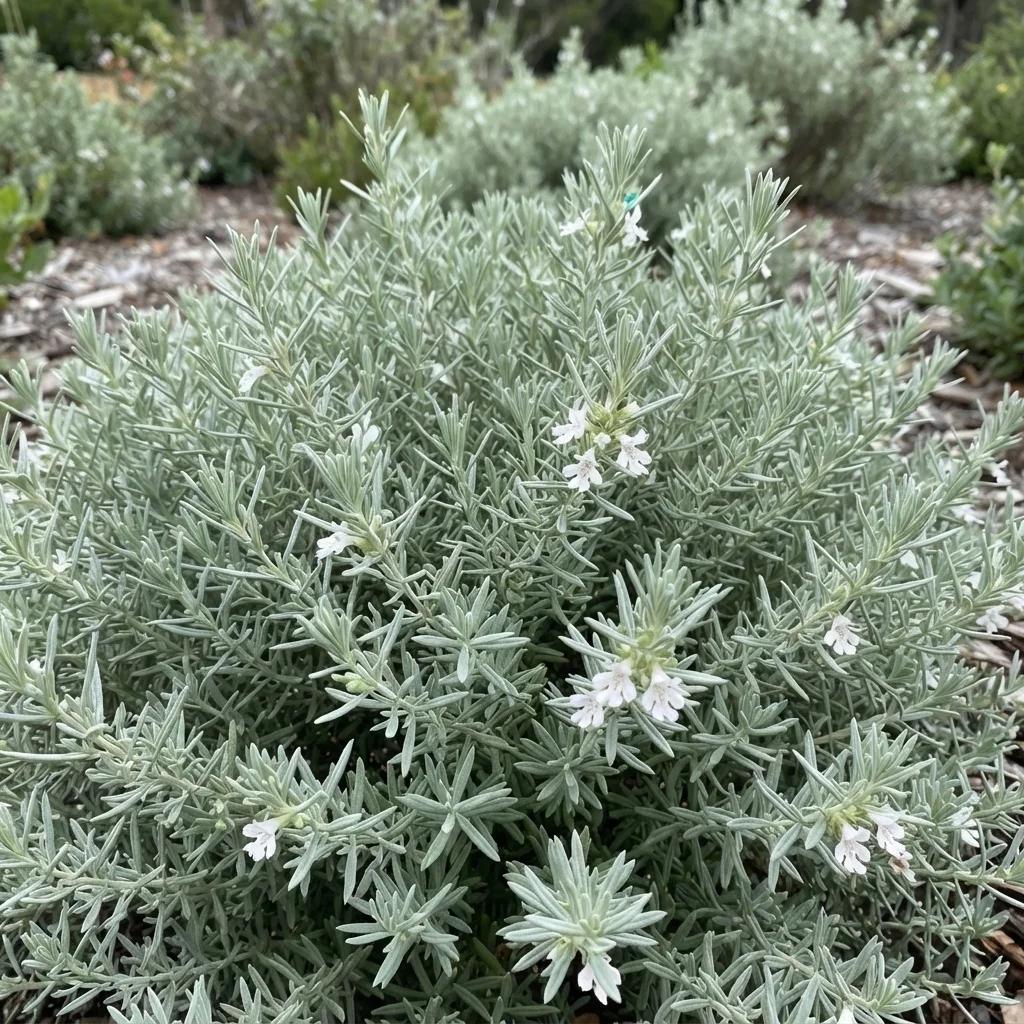
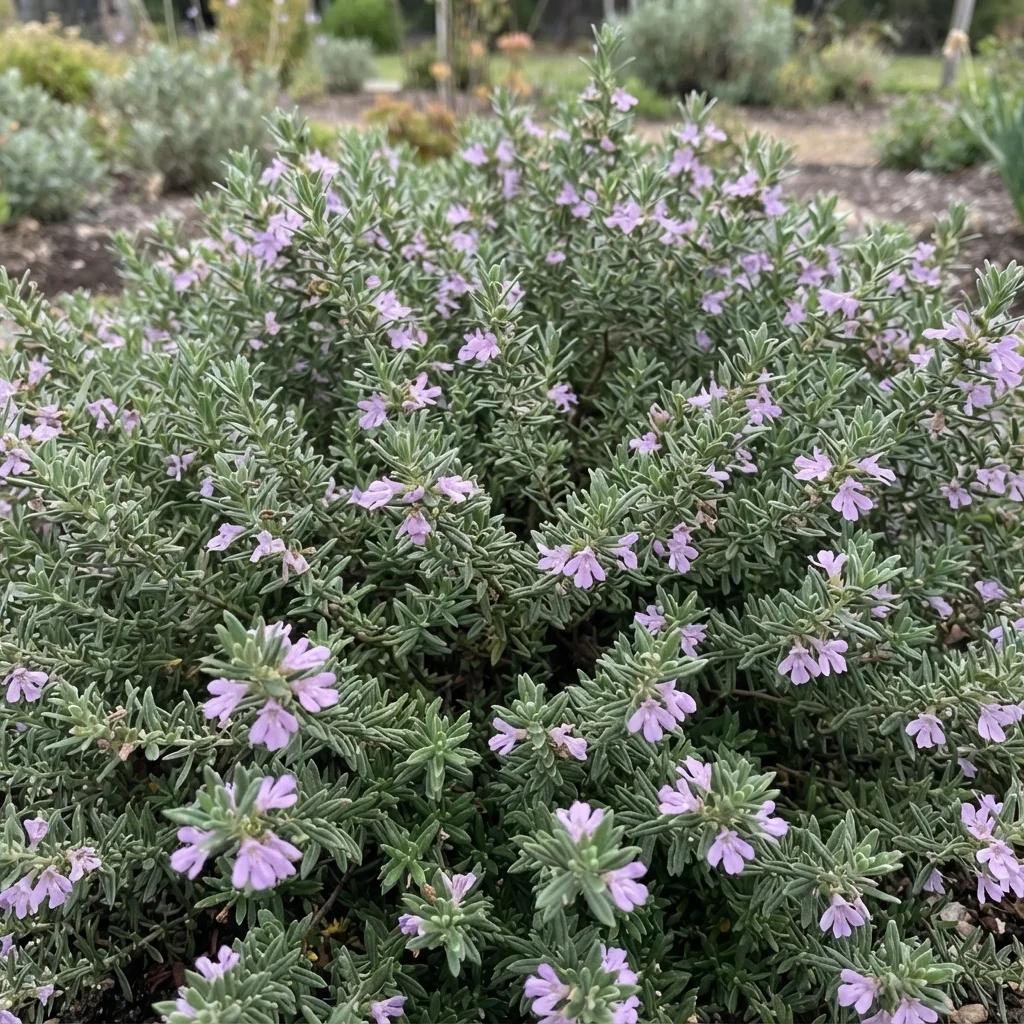
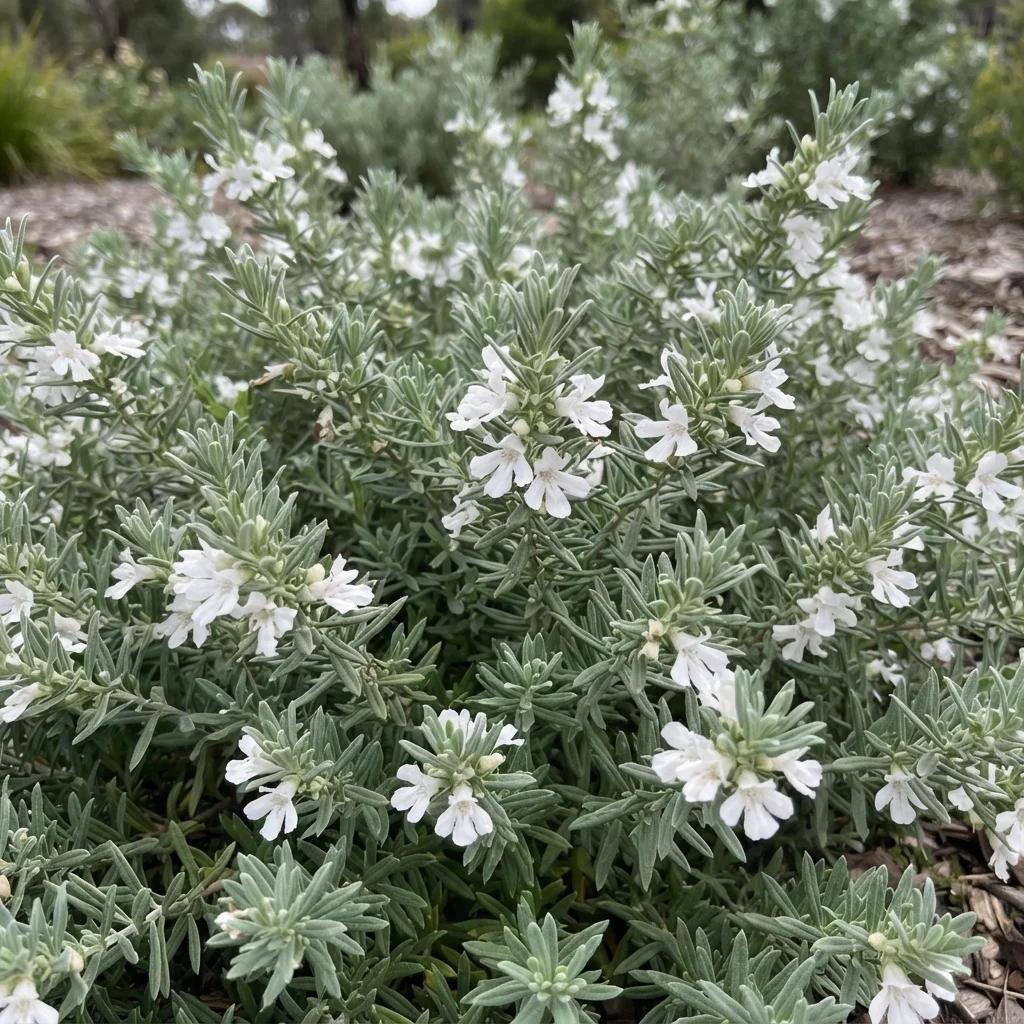
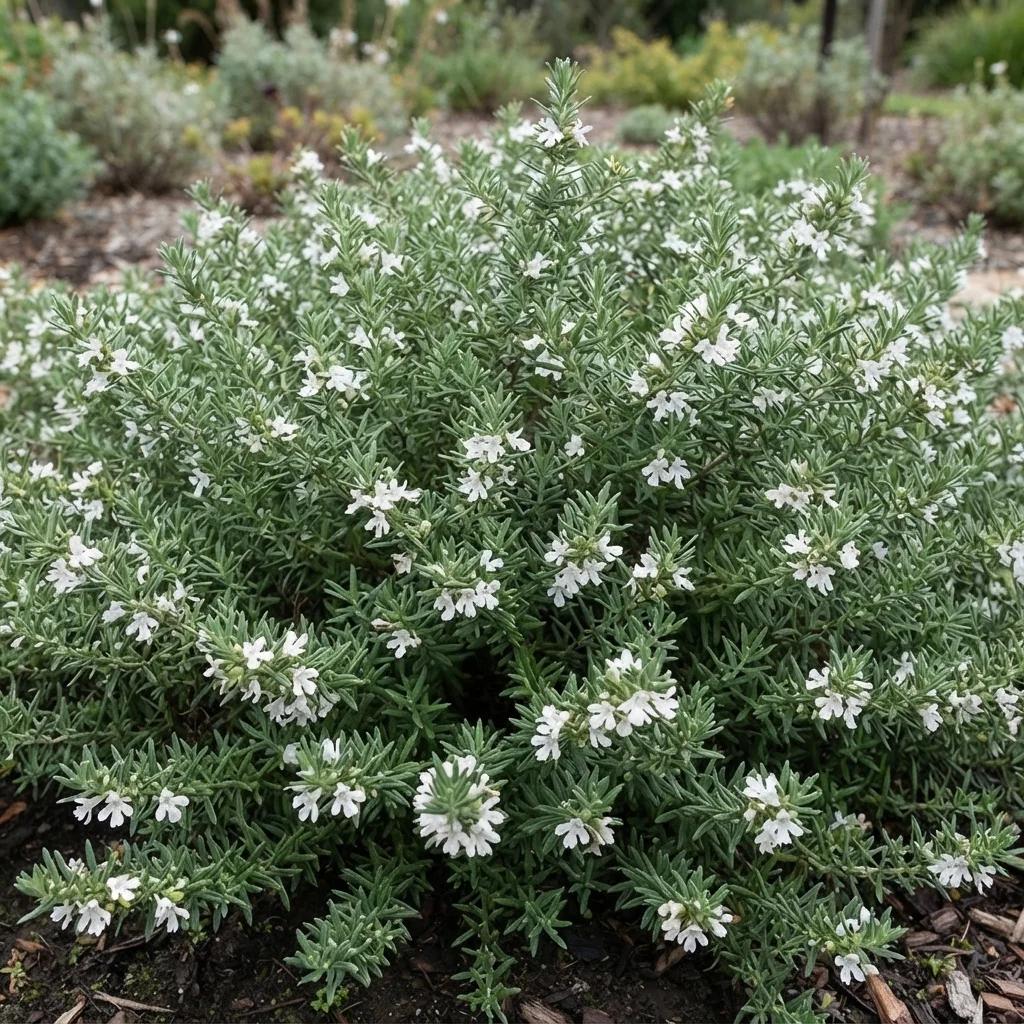
Westringia fruticosa, known as coastal rosemary, is a tough, fine-textured evergreen shrub native to the coastal cliffs of eastern Australia. It features narrow, linear gray-green leaves arranged in tight whorls and produces small, white to pale mauve two-lipped flowers from spring through fall.
'Zena' is a compact, mounding cultivar that naturally maintains a dense, rounded form reaching three feet in height and width. Its young stem tips display a soft, silvery pubescence that contrasts with the darker mature foliage.
Uses & Benefits:
Essentials
At a Glance
Plant Type
Shrub
Height
36"
Width
36"
Light
Full Sun, Partial Sun
Zones
9, 10
Water
Low
Humidity
Tolerant
Lifespan
Moderate
Native To
Australia
Toxicity
Non-toxic
Bloom period
Spring – Fall
In flower about 9 months of the year
Planting
How to Grow
- Select a planting site in full sun with highly permeable, well-drained soil to prevent root rot.
- Dig a hole twice as wide as the root ball but equal in depth, ensuring the crown sits slightly above the surrounding soil grade.
- Water deeply immediately after planting, then establish a regular watering schedule until the root system is fully developed.
- Apply a light layer of organic mulch around the base, keeping it clear of the main stems to avoid moisture retention.
Pro Tip
Keep pruning cuts within the active, leafy green tissue; cutting back into old, leafless woody stems prevents latent buds from breaking and results in permanent bare patches.
Keep It Thriving
Care Guide
Do
- Prune lightly once or twice a year after major flowering flushes to maintain a tight, formal shape.
- Ensure the soil drains rapidly, as the root system is highly intolerant of standing water.
- Grow in full sun to maximize foliage density and flower production.
Don't
- Do not cut back into old, bare wood lacking green shoots, as the plant will fail to regenerate.
- Do not overwater or plant in heavy, poorly drained clay soils without amending for drainage.
- Do not over-fertilize; apply nutrients sparingly to avoid leggy, weak growth.
Seasonal Care Calendar
| Task | Jan | Feb | Mar | Apr | May | Jun | Jul | Aug | Sep | Oct | Nov | Dec |
|---|---|---|---|---|---|---|---|---|---|---|---|---|
| Fertilize | ||||||||||||
| Mulch | ||||||||||||
| Pest Check | ||||||||||||
| Prune |
Watch Out For
Pests & Diseases
Common Pests
Common Diseases
In the Garden
Landscape Uses & Companions
Landscape Uses
Multiply
Propagation Methods
Good to Know
Common Questions
Coastal Rosemary questions
What zones can Coastal Rosemary grow in?
Coastal Rosemary is hardy in USDA Zones 9–10. Inside that range it survives winter in the ground; outside it, grow it as an annual or a container plant you protect.
Is Coastal Rosemary deer resistant?
Yes — Coastal Rosemary is rated deer-resistant. Deer typically pass it over, though extreme hunger can override any plant's defenses.
When does Coastal Rosemary bloom?
Coastal Rosemary typically blooms in spring through fall. Exact timing shifts a week or two with your zone — Sow's bloom calendar maps it to your garden.
Does Coastal Rosemary need full sun?
Coastal Rosemary does best in full sun to part shade. In hot climates, afternoon shade keeps blooms fresher longer.
Is Coastal Rosemary drought tolerant?
Yes — once established (usually after the first full season), Coastal Rosemary handles dry spells with minimal watering. Water deeply its first year to build the root system that makes that possible.
More Westringia to compare
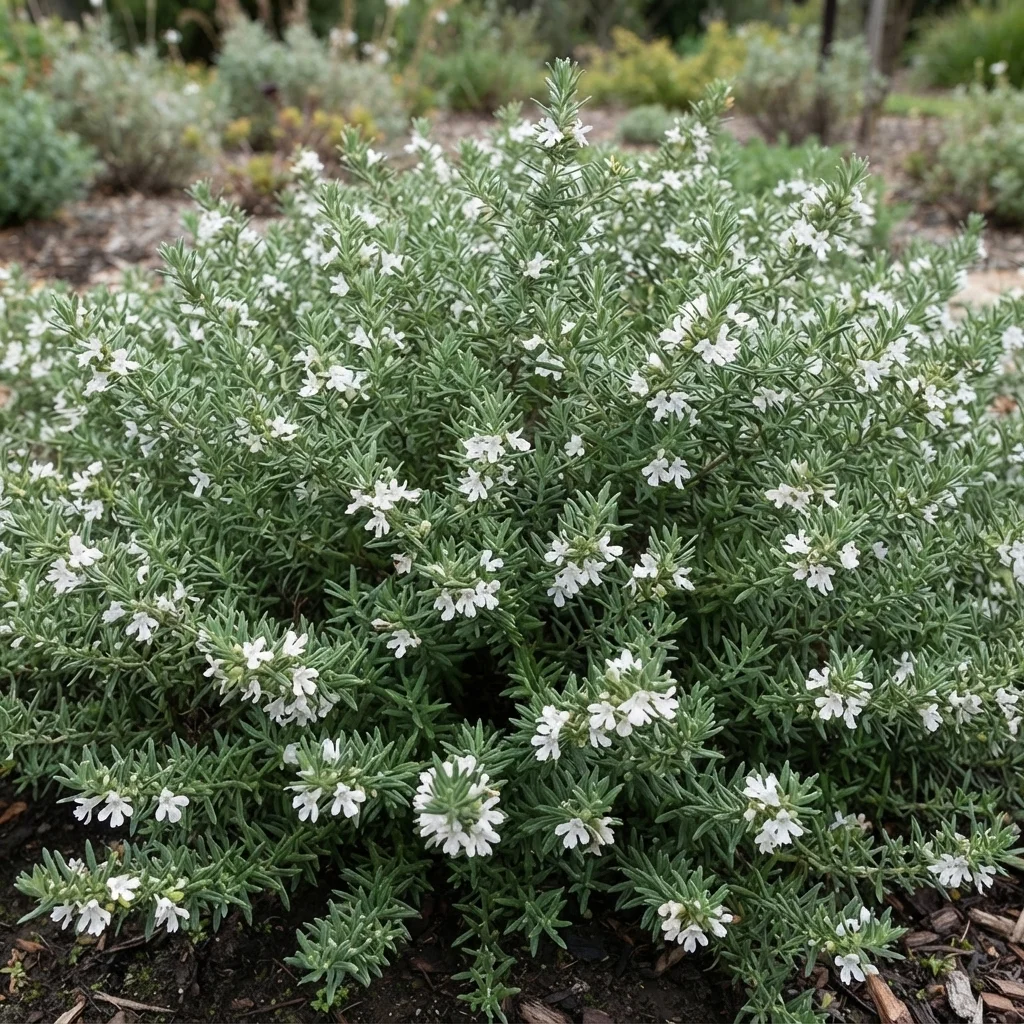
Coast Rosemary
Westringia fruticosa 'Low Horizon'
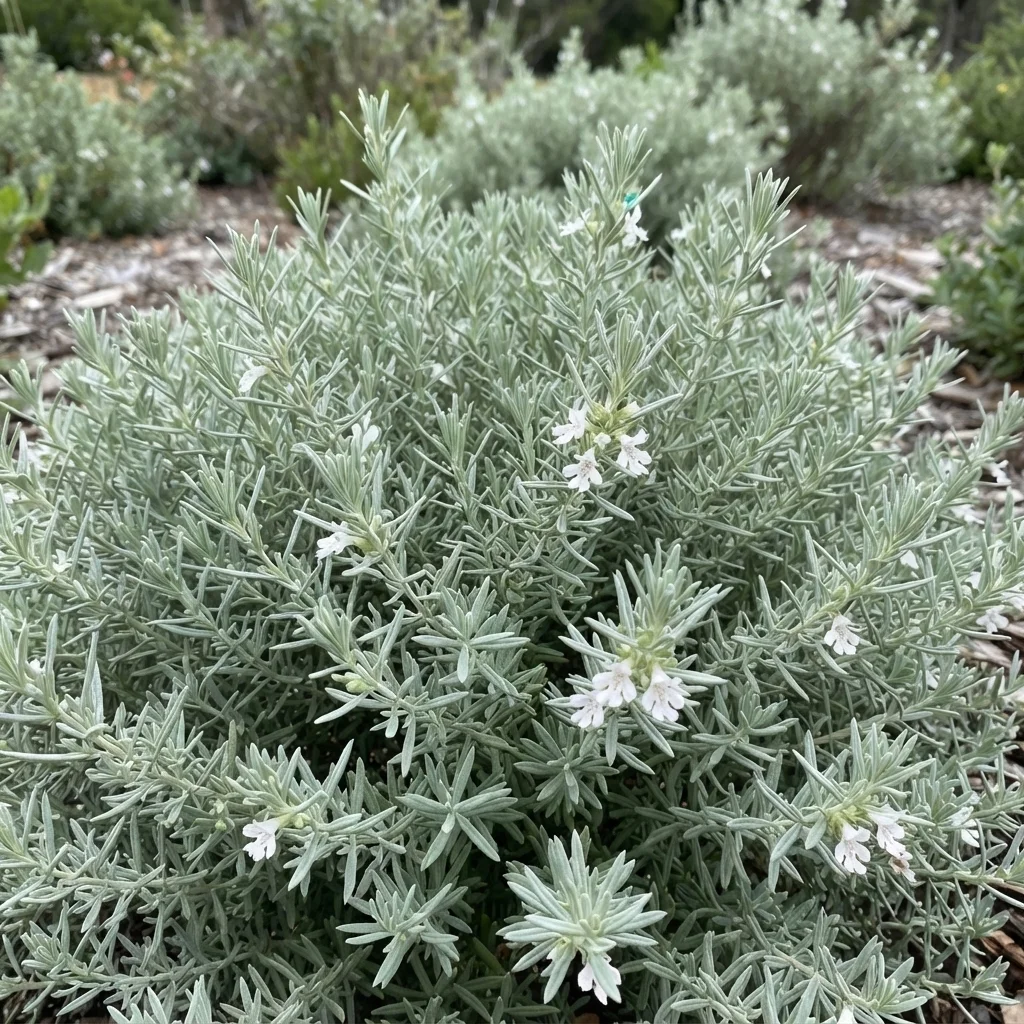
Grey Box Coastal Rosemary
Westringia fruticosa 'Grey Box'
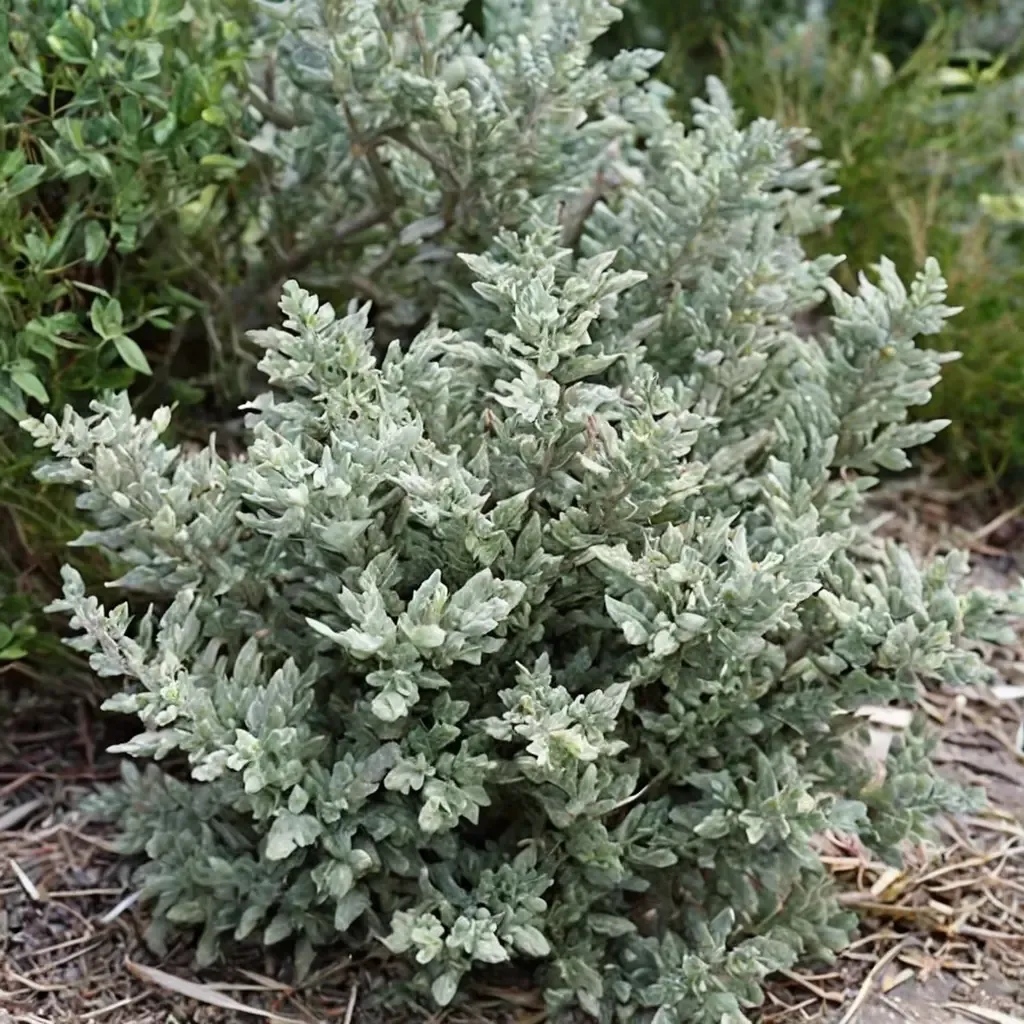
Smokey Coast Rosemary
Westringia fruticosa 'Smokey'
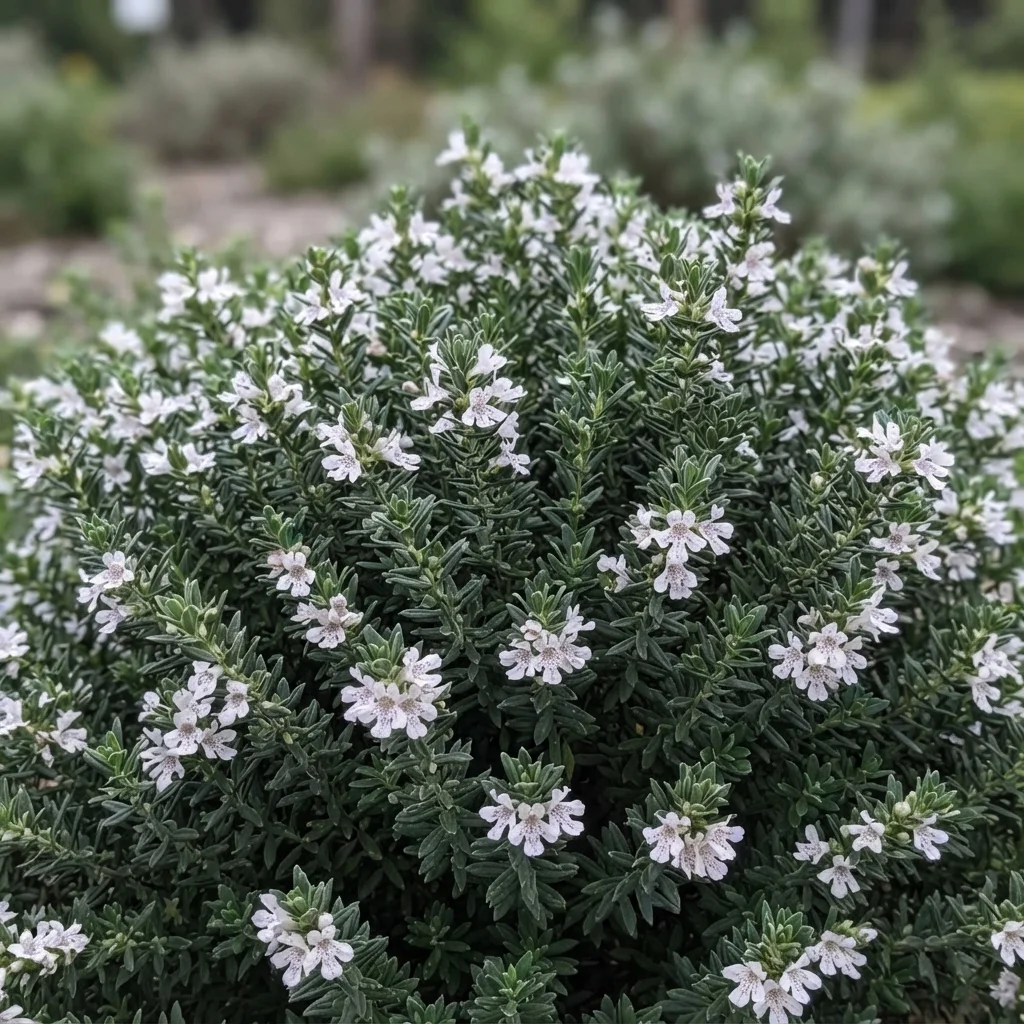
Aussie Box Westringia
Westringia hybrid 'Aussie Box'
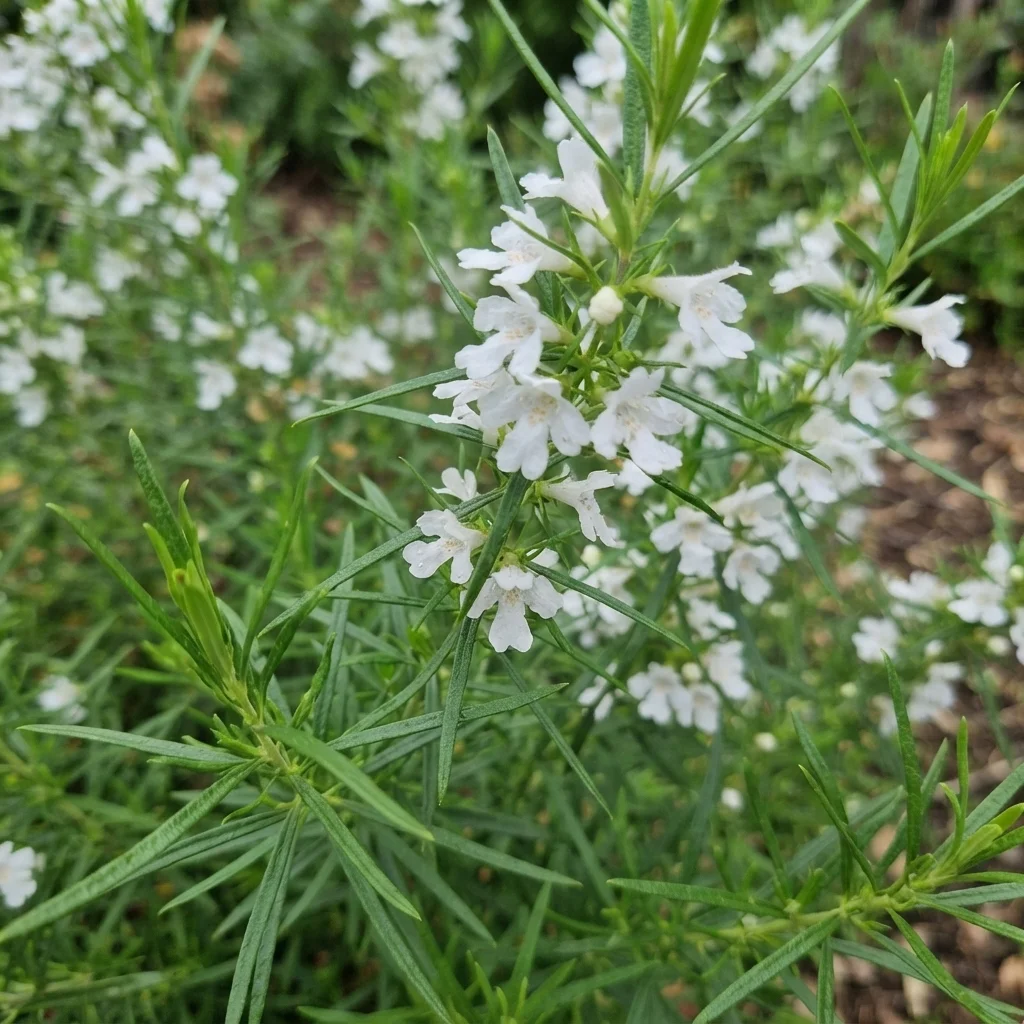
Long-leaved Westringia
Westringia longifolia
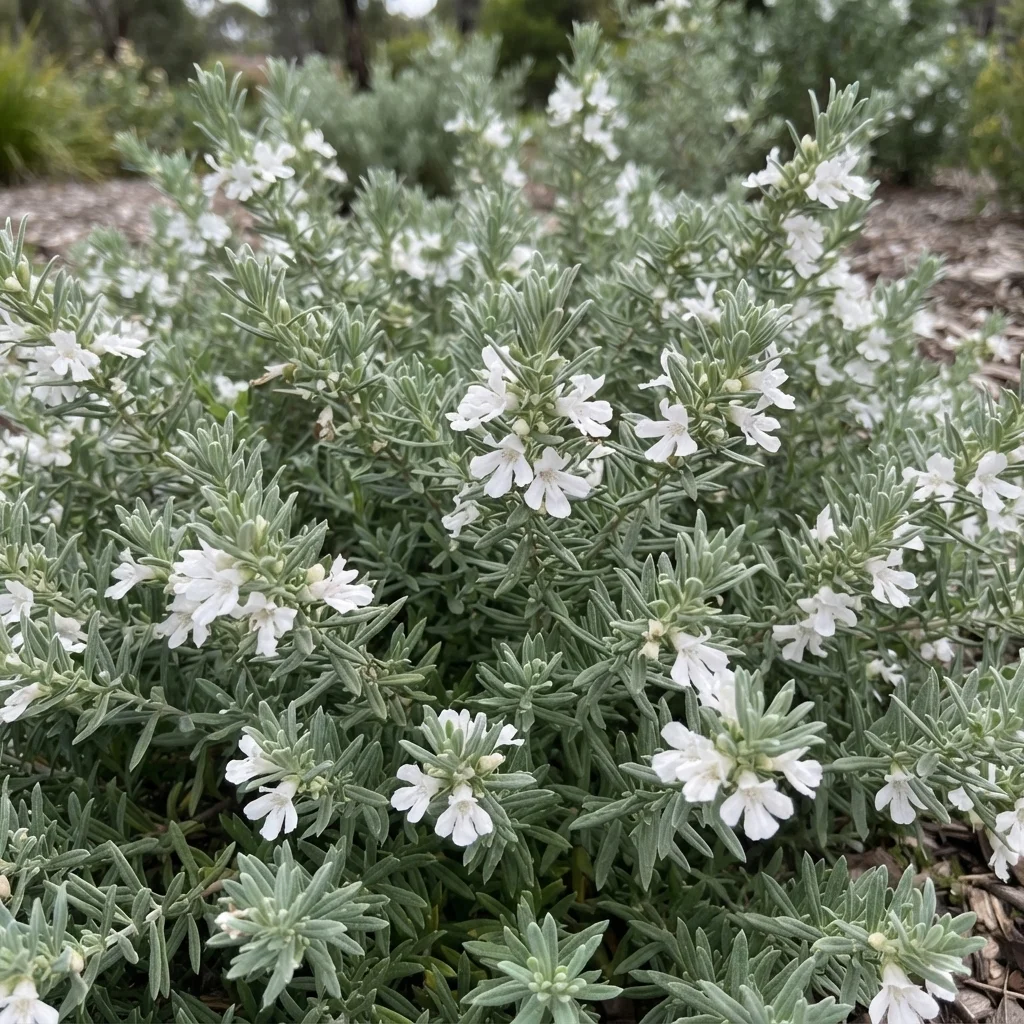
Australian Rosemary
Westringia fruticosa 'Mundi'
Keep exploring
Explore the genus
Hardy in your zone?
Grow Coastal Rosemary with confidence
See it in a design of your actual yard, get zone-matched care reminders, and track it season by season in your garden journal.