The Story
Plant Bio
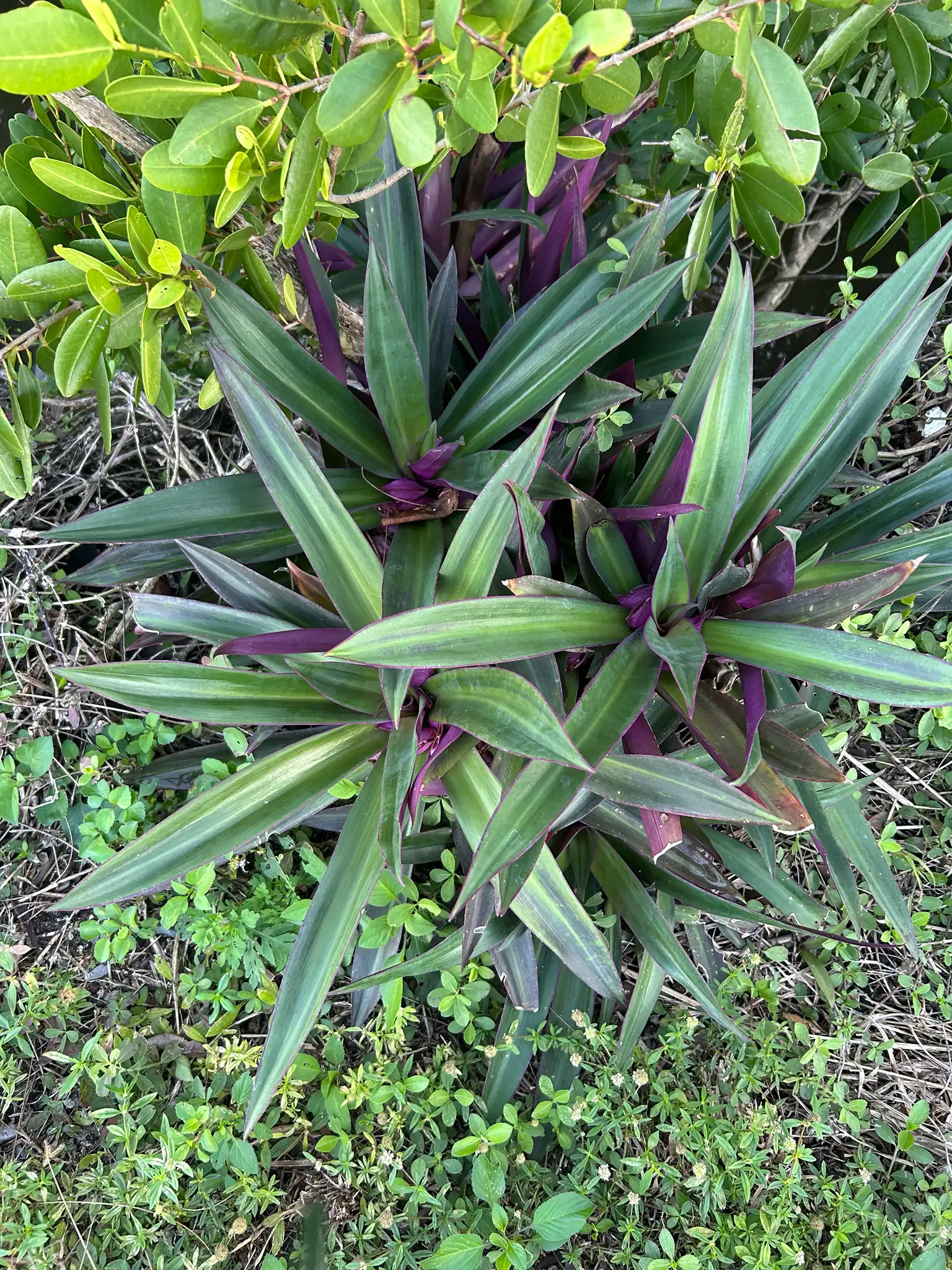
Tradescantia spathacea is a clump-forming, succulent-like herbaceous perennial native to Central America, southern Mexico, and Guatemala. It forms dense rosettes of stiff, sword-shaped leaves that are dark green on top and intense metallic purple underneath.
The small, three-petaled white flowers are clustered inside distinctive, boat-shaped purple bracts nestled in the leaf axils. This species spreads via offsets to form low, tight groundcovers in frost-free climates.
Uses & Benefits:
Essentials
At a Glance
Plant Type
Perennial
Height
15"
Width
24"
Light
Full Sun, Partial Sun, Shade
Zones
9, 10
Water
Low to moderate
Humidity
High
Lifespan
Perennial
Native To
Central America, Mexico, Guatemala
Toxicity
Skin irritant
Bloom period
Spring – Fall
In flower about 9 months of the year
Planting
How to Grow
- Select a planting site with bright, indirect light or filtered shade to maintain the richest foliage color.
- Amend the soil with organic matter to ensure high drainage, as waterlogged conditions cause rapid root rot.
- Water deeply but infrequently, allowing the top few inches of soil to dry completely between sessions.
- Apply a balanced, slow-release fertilizer once in spring to support active growth without causing leggy stems.
Pro Tip
Allow the soil profile to dry substantially between waterings; amateurs often misdiagnose the lower leaf drop of stem rot as underwatering and accelerate the decay by adding more water.
Keep It Thriving
Care Guide
Do
- Grow in well-drained sandy or loamy soil to prevent stem decay.
- Wear gloves when handling or pruning to avoid skin irritation from the clear sap.
- Protect from freezing temperatures, which damage or kill the foliage.
Don't
- Do not overwater or allow the plant to sit in waterlogged soil.
- Do not prune back into old, leafless woody stems, as regrowth will be slow or nonexistent.
- Do not plant outdoors in regions where it is documented as an environmental weed.
Seasonal Care Calendar
| Task | Jan | Feb | Mar | Apr | May | Jun | Jul | Aug | Sep | Oct | Nov | Dec |
|---|---|---|---|---|---|---|---|---|---|---|---|---|
| Divide | ||||||||||||
| Fertilize | ||||||||||||
| Pest Check | ||||||||||||
| Prune |
Watch Out For
Pests & Diseases
Common Pests
Common Diseases
In the Garden
Landscape Uses & Companions
Landscape Uses
Companion Plants
Multiply
Propagation Methods
Good to Know
Common Questions
Boatlily questions
What zones can Boatlily grow in?
Boatlily is hardy in USDA Zones 9–10. Inside that range it survives winter in the ground; outside it, grow it as an annual or a container plant you protect.
Is Boatlily deer resistant?
Yes — Boatlily is rated deer-resistant. Deer typically pass it over, though extreme hunger can override any plant's defenses.
When does Boatlily bloom?
Boatlily typically blooms in spring through fall. Exact timing shifts a week or two with your zone — Sow's bloom calendar maps it to your garden.
Does Boatlily need full sun?
Boatlily does best in full sun to part shade. In hot climates, afternoon shade keeps blooms fresher longer.
Is Boatlily drought tolerant?
Yes — once established (usually after the first full season), Boatlily handles dry spells with minimal watering. Water deeply its first year to build the root system that makes that possible.
More Tradescantia to compare
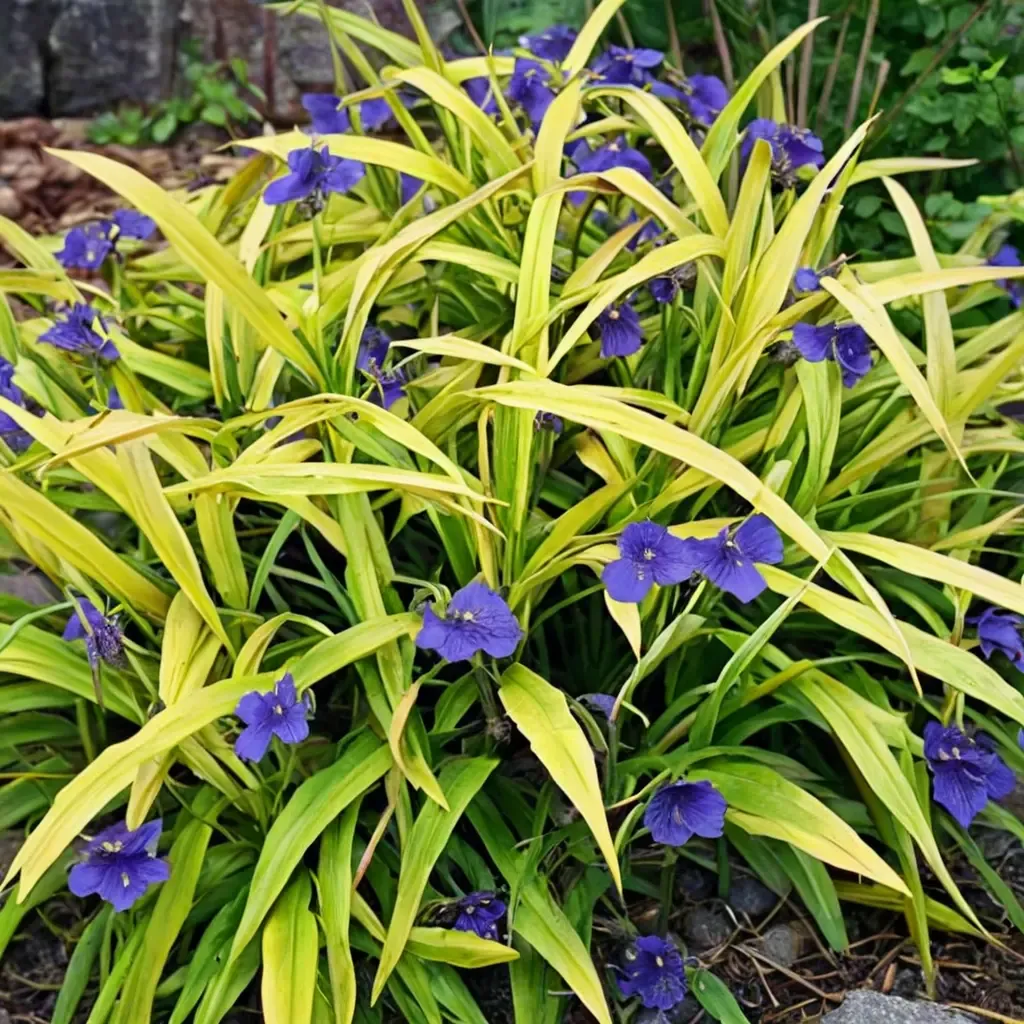
Sweet Kate Spiderwort
Tradescantia occidentalis 'Sweet Kate'
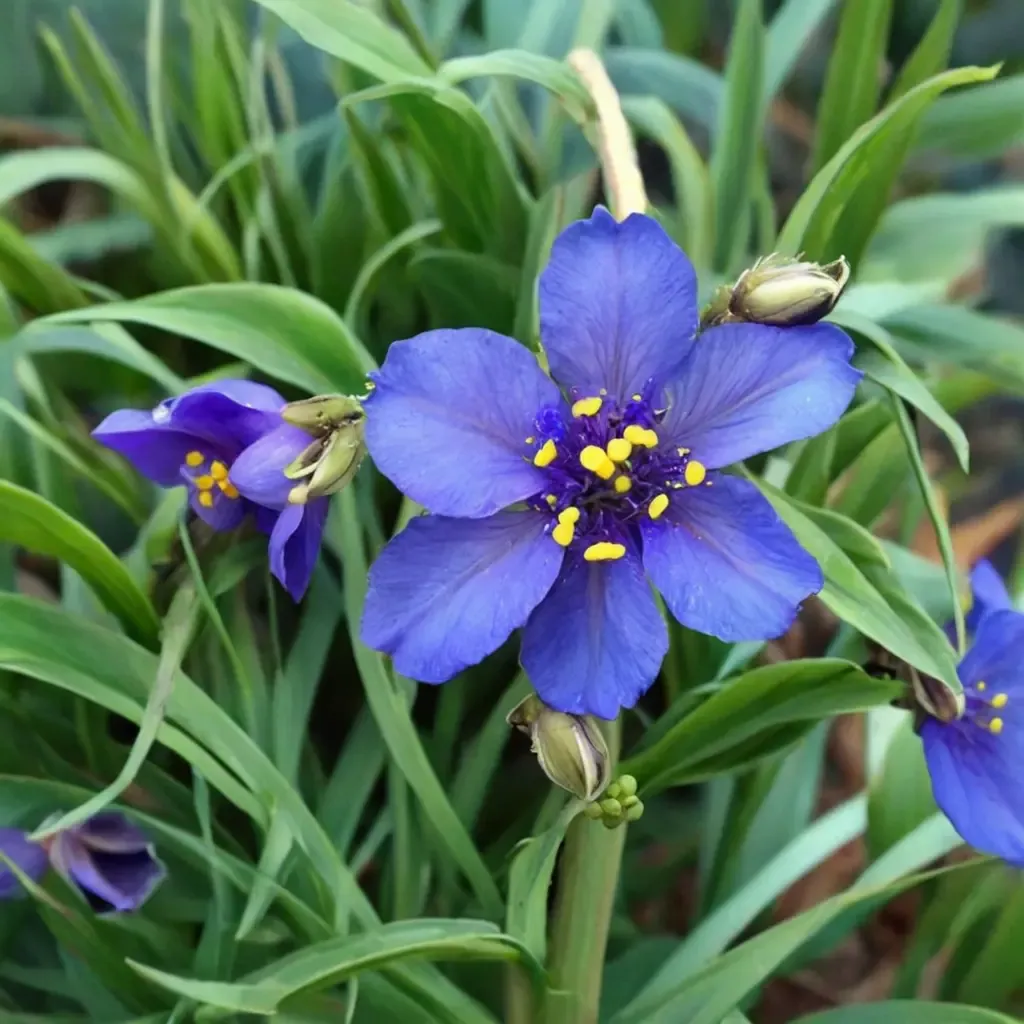
Virginia Spiderwort
Tradescantia virginiana
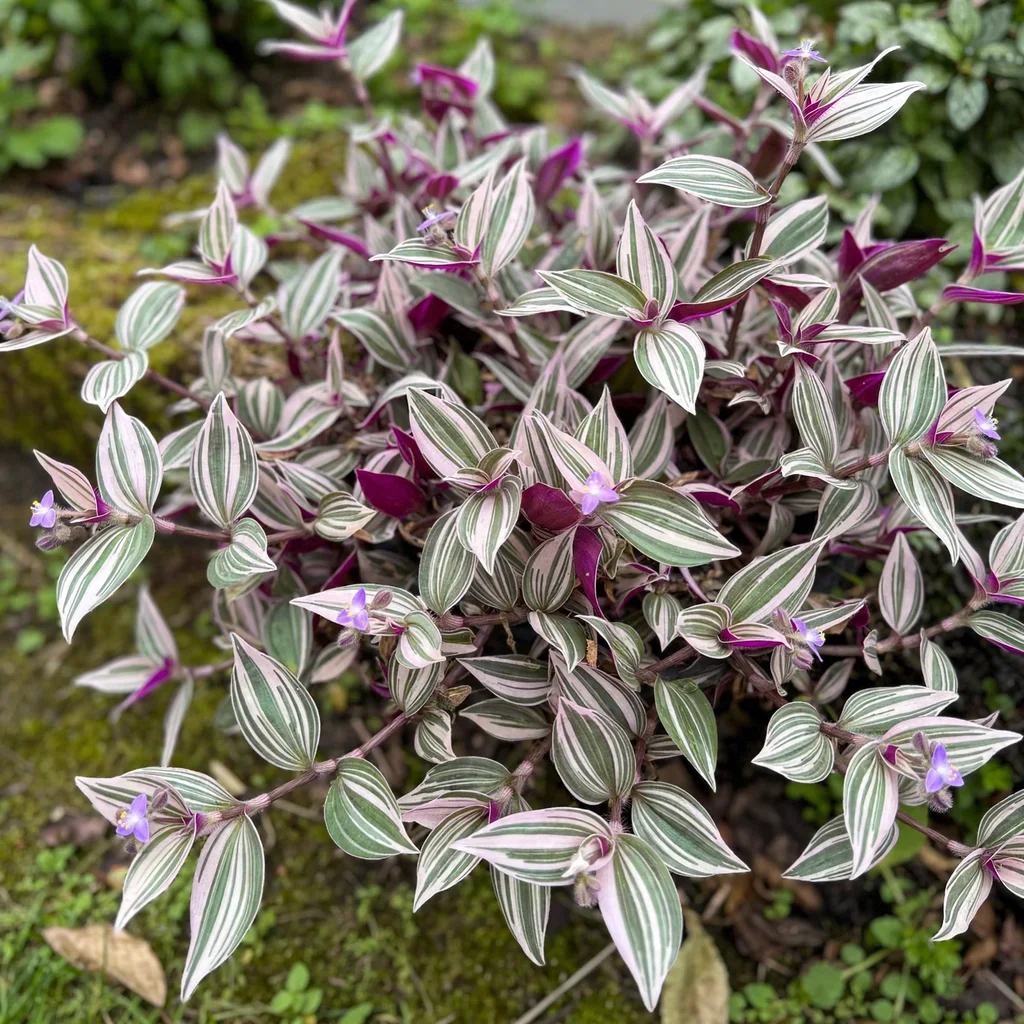
Variegated Wandering Jew
Tradescantia pallida 'Variegata'
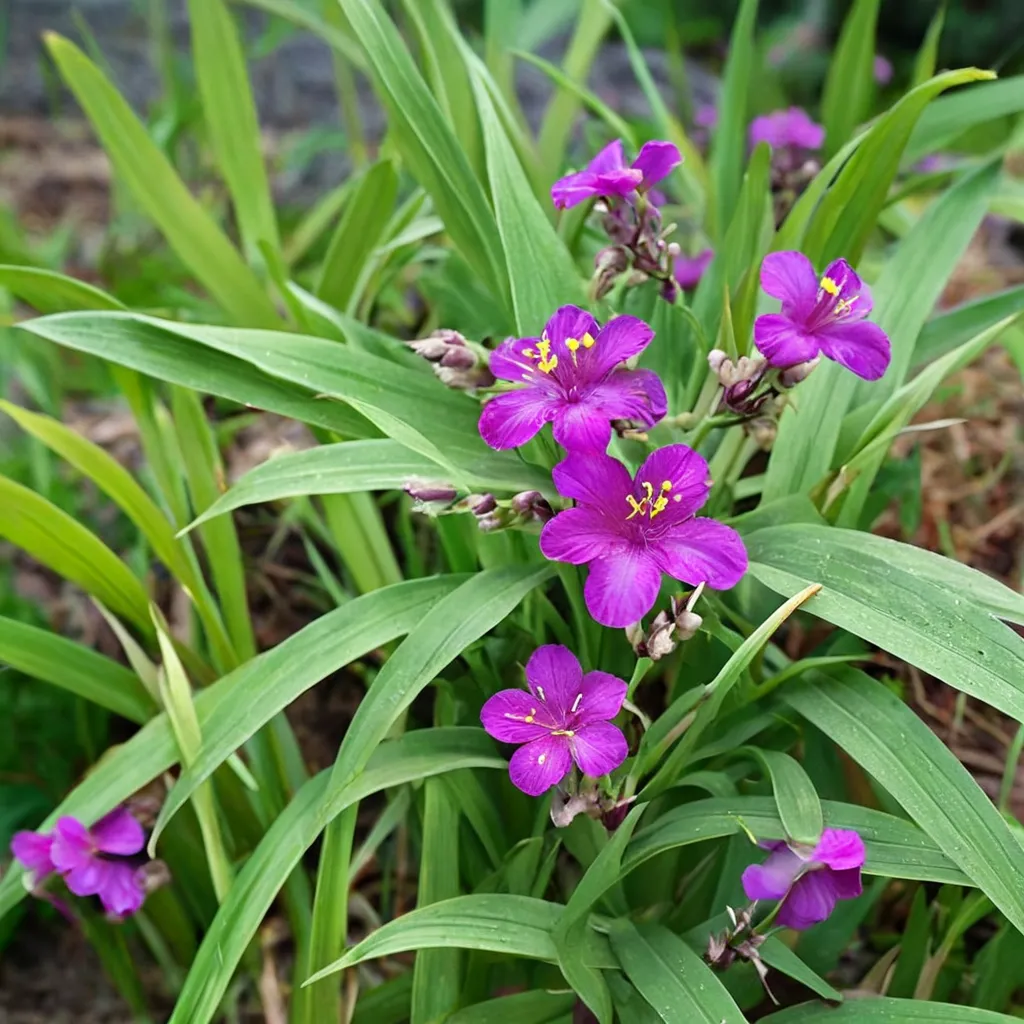
Carmine Glow Spiderwort
Tradescantia x andersoniana 'Karminglut'
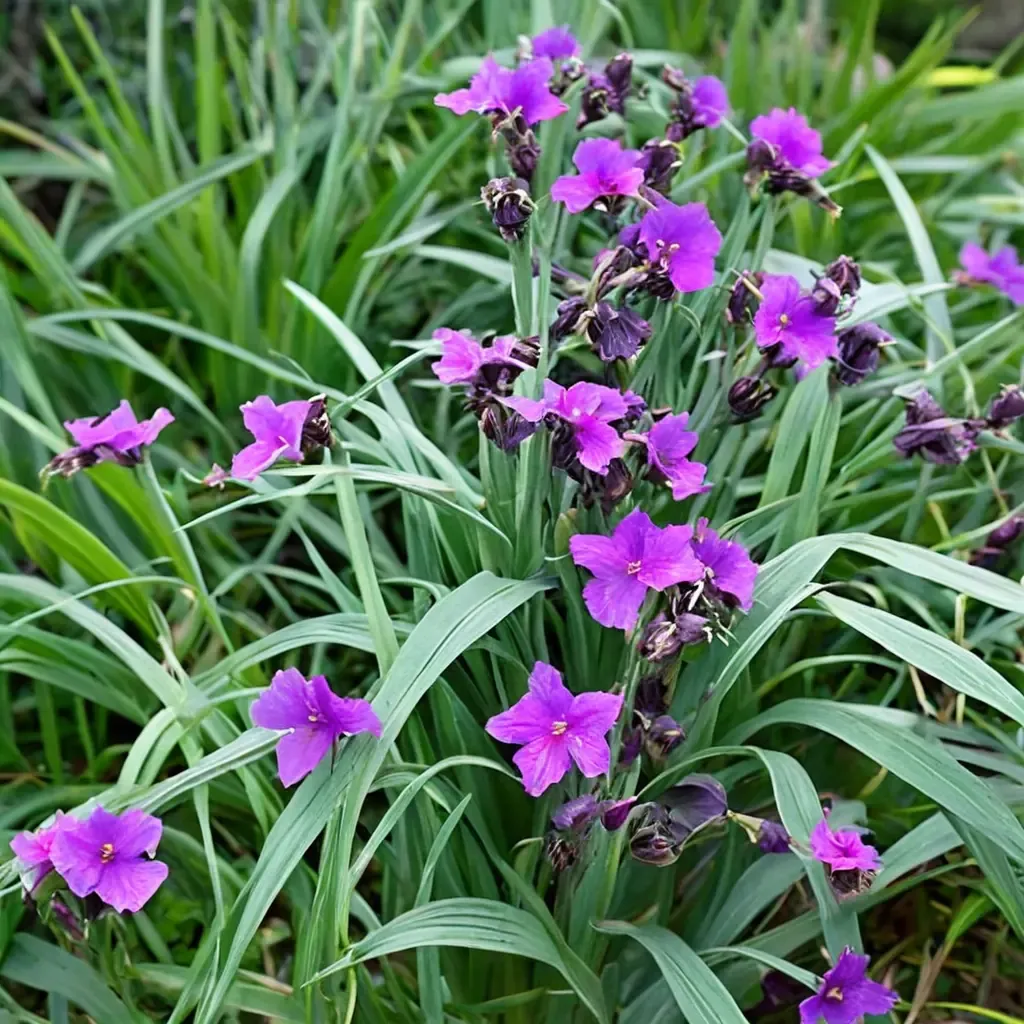
Concord Grape Spiderwort
Tradescantia x andersoniana 'Concord Grape'
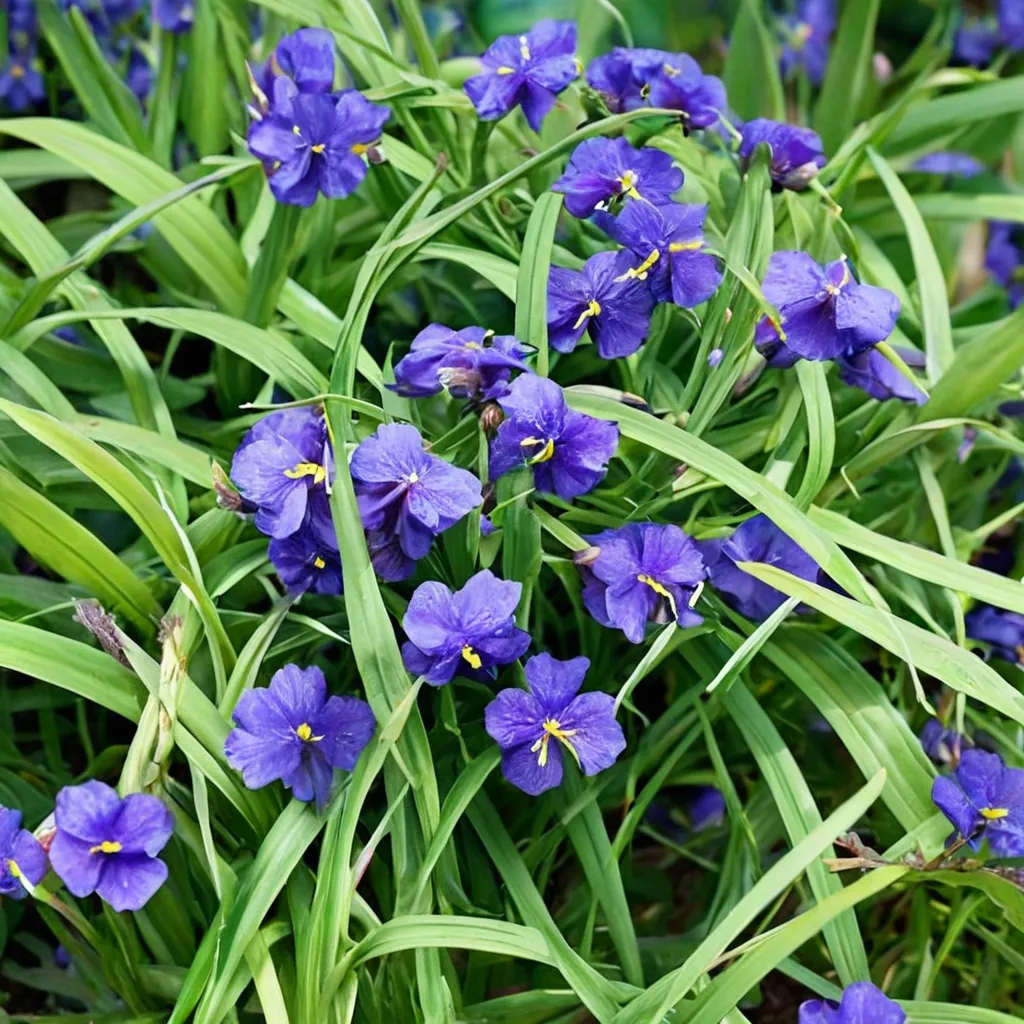
Leonora Spiderwort
Tradescantia x andersoniana 'Leonora'
Keep exploring
Explore the genus
Hardy in your zone?
Grow Boatlily with confidence
See it in a design of your actual yard, get zone-matched care reminders, and track it season by season in your garden journal.