Also known as Boston Fern · 84 saves
Nephrolepis
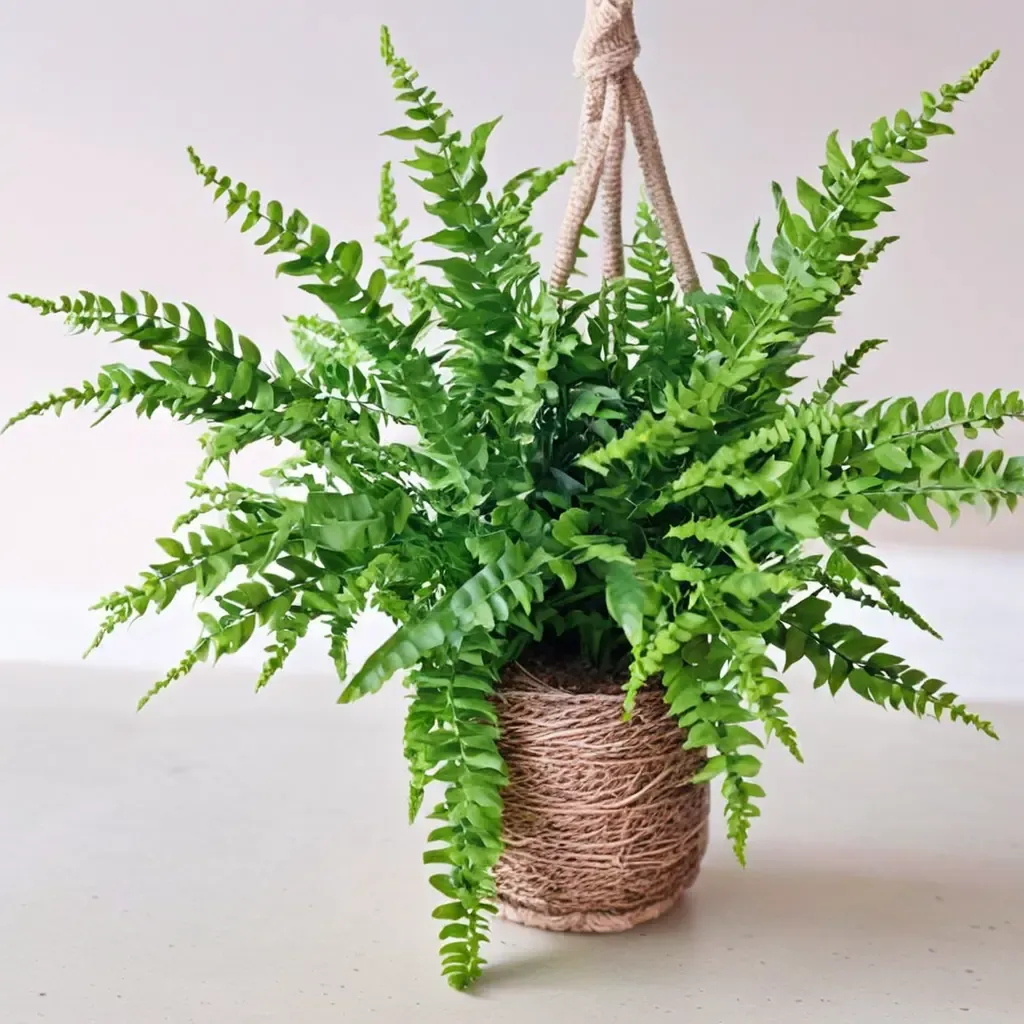
Nephrolepis, the genus most gardeners know as boston fern. We track 9 varieties; the ones most used by real gardeners.
The 9 most-saved Nephrolepis varieties
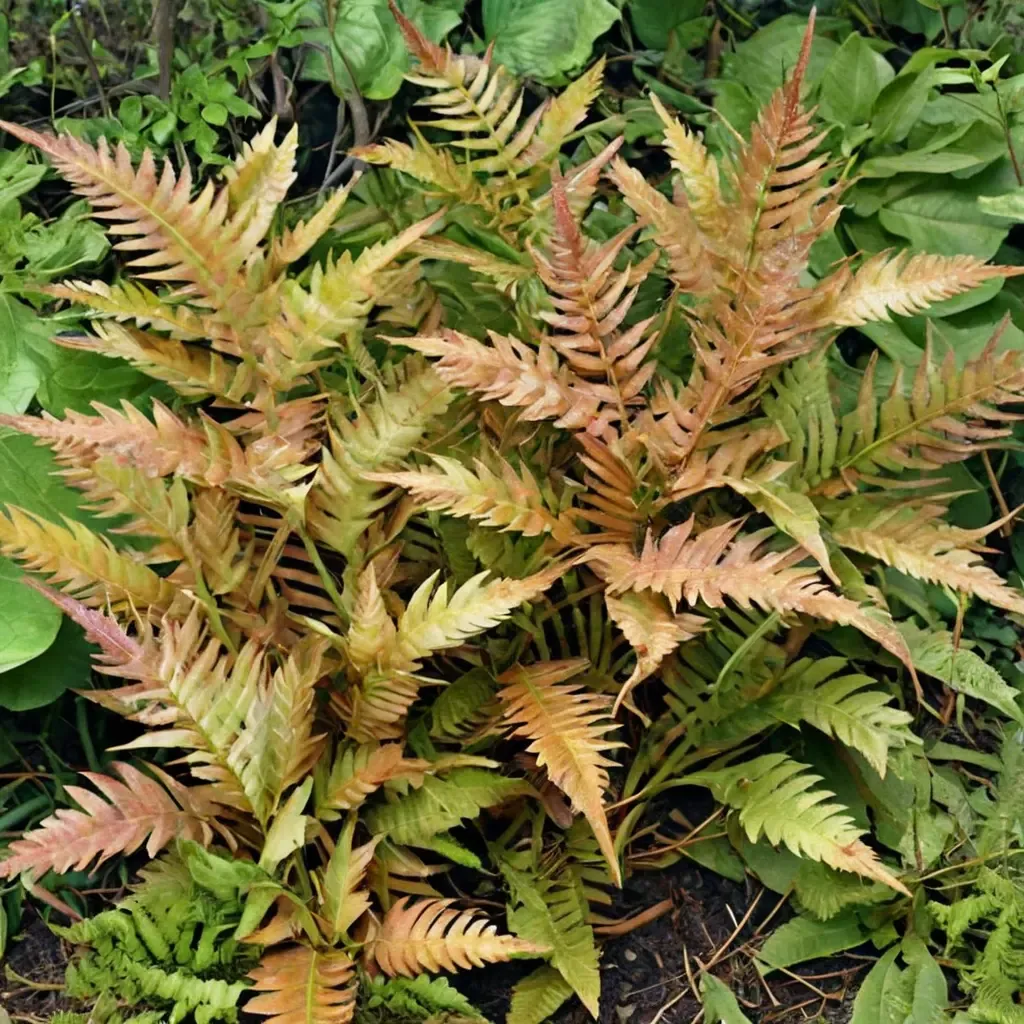
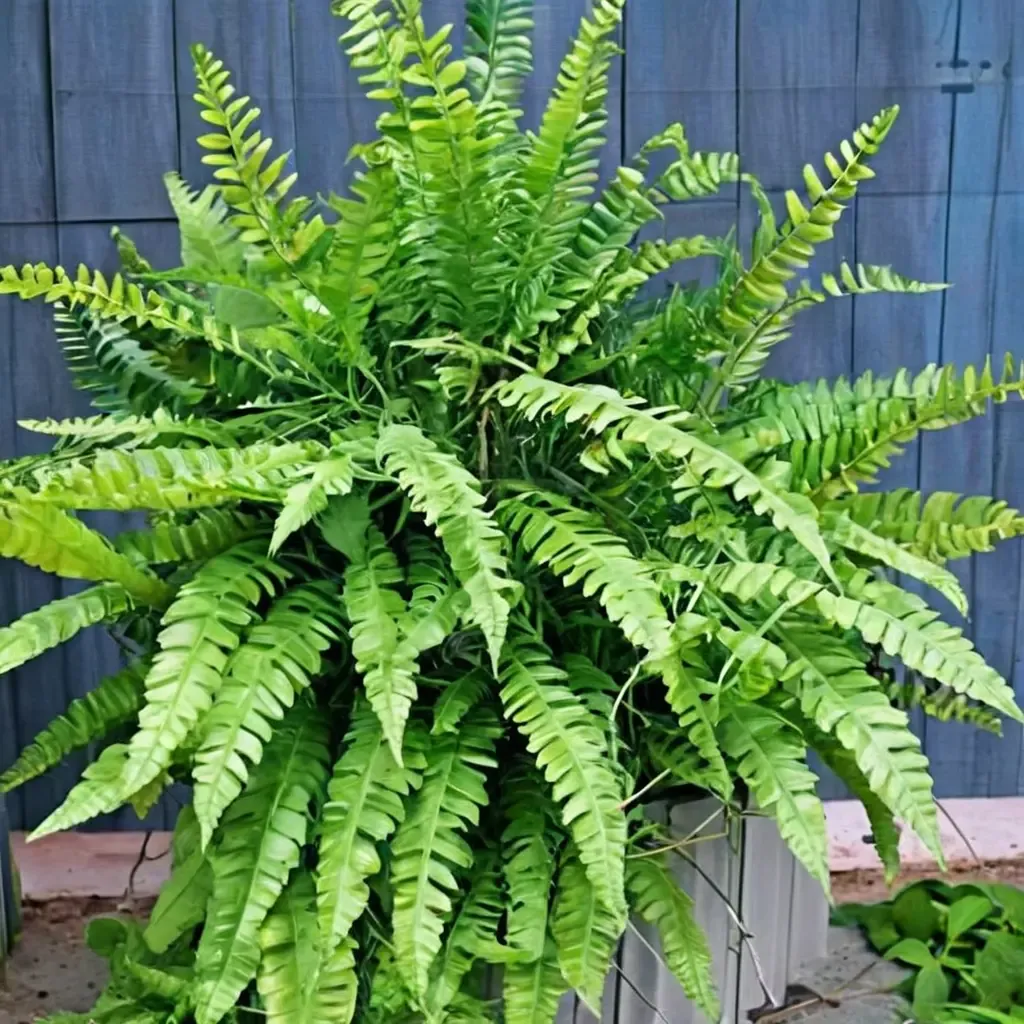
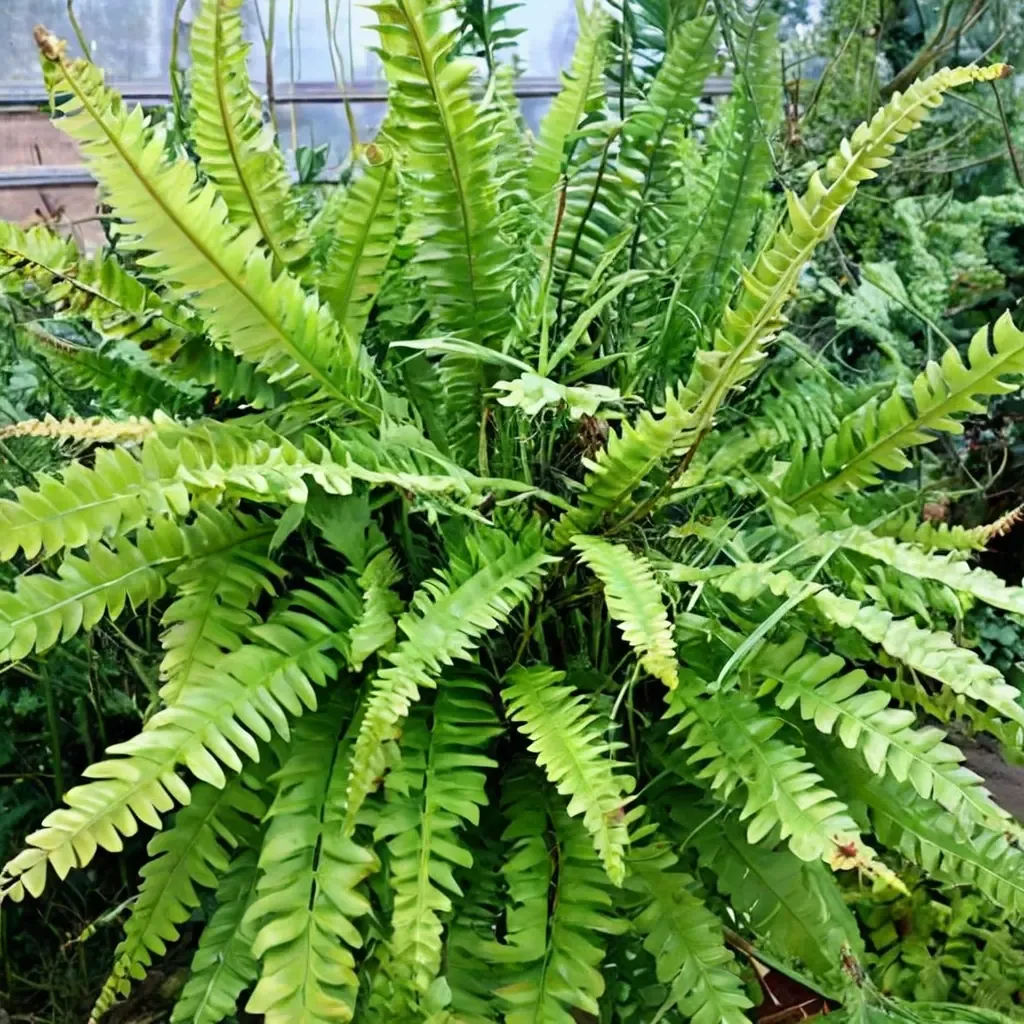
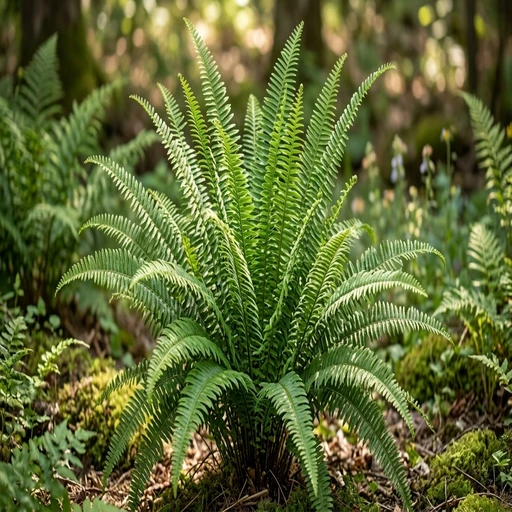
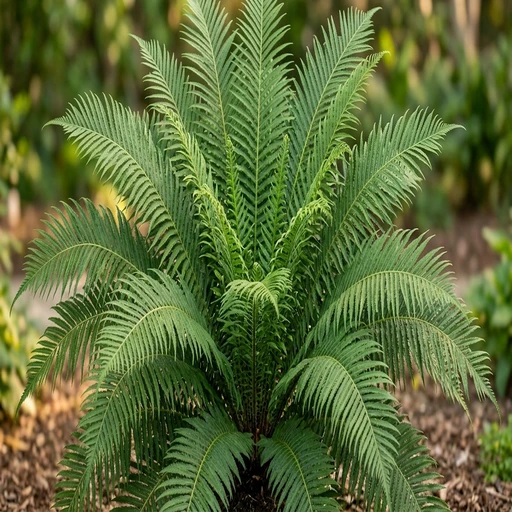
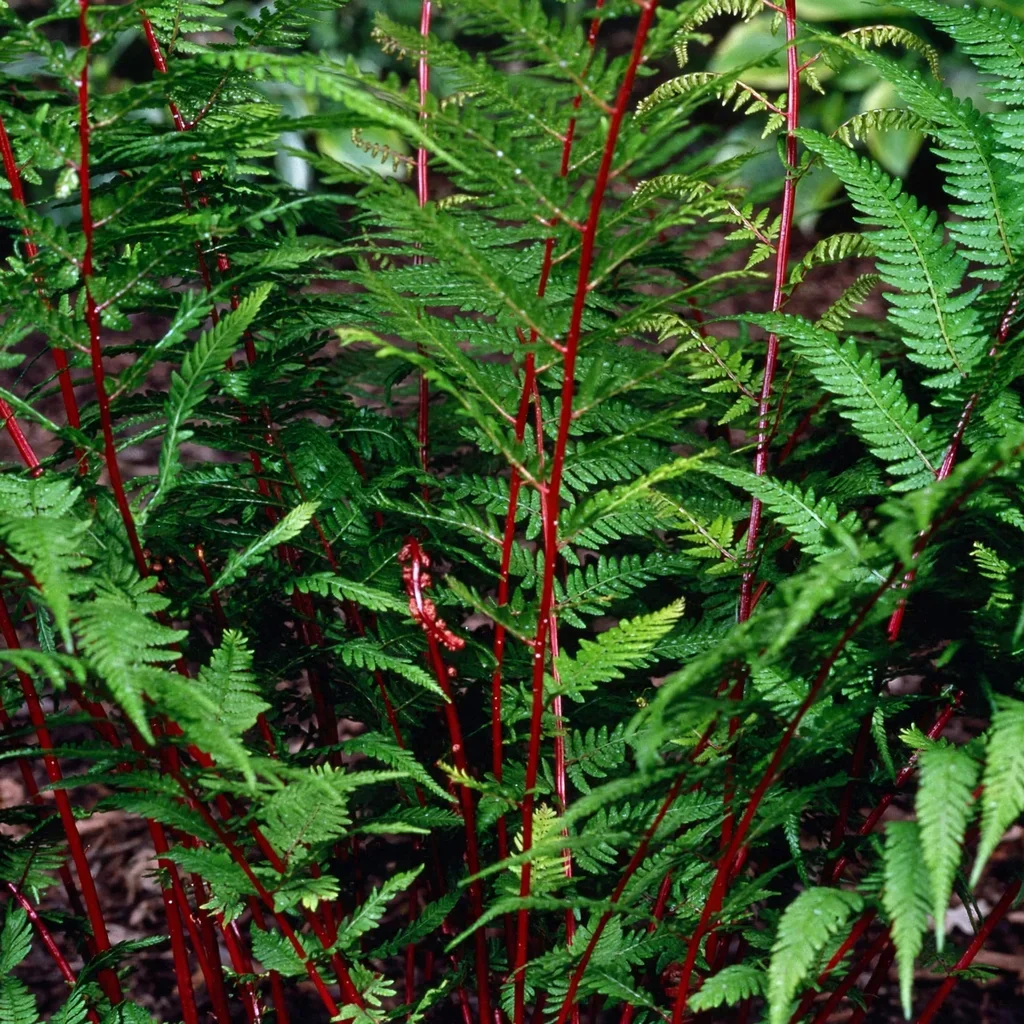
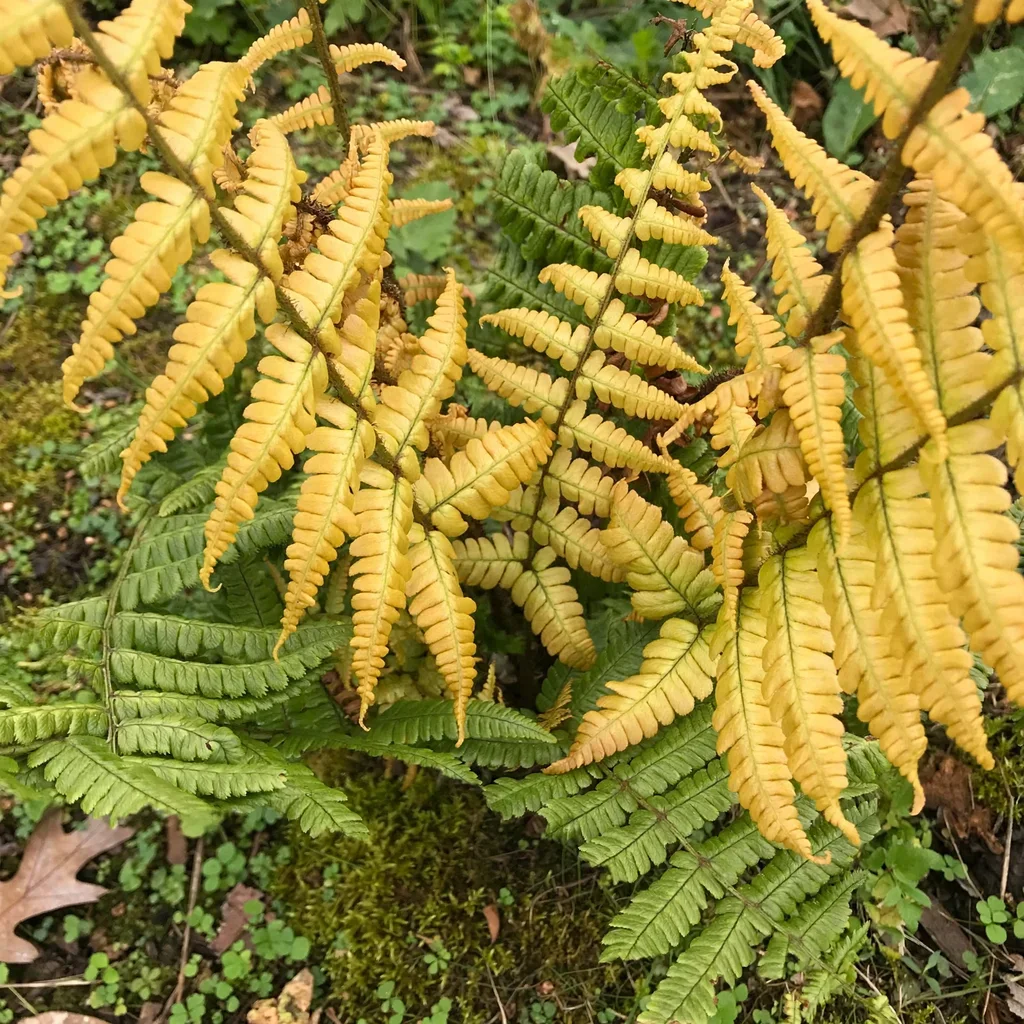
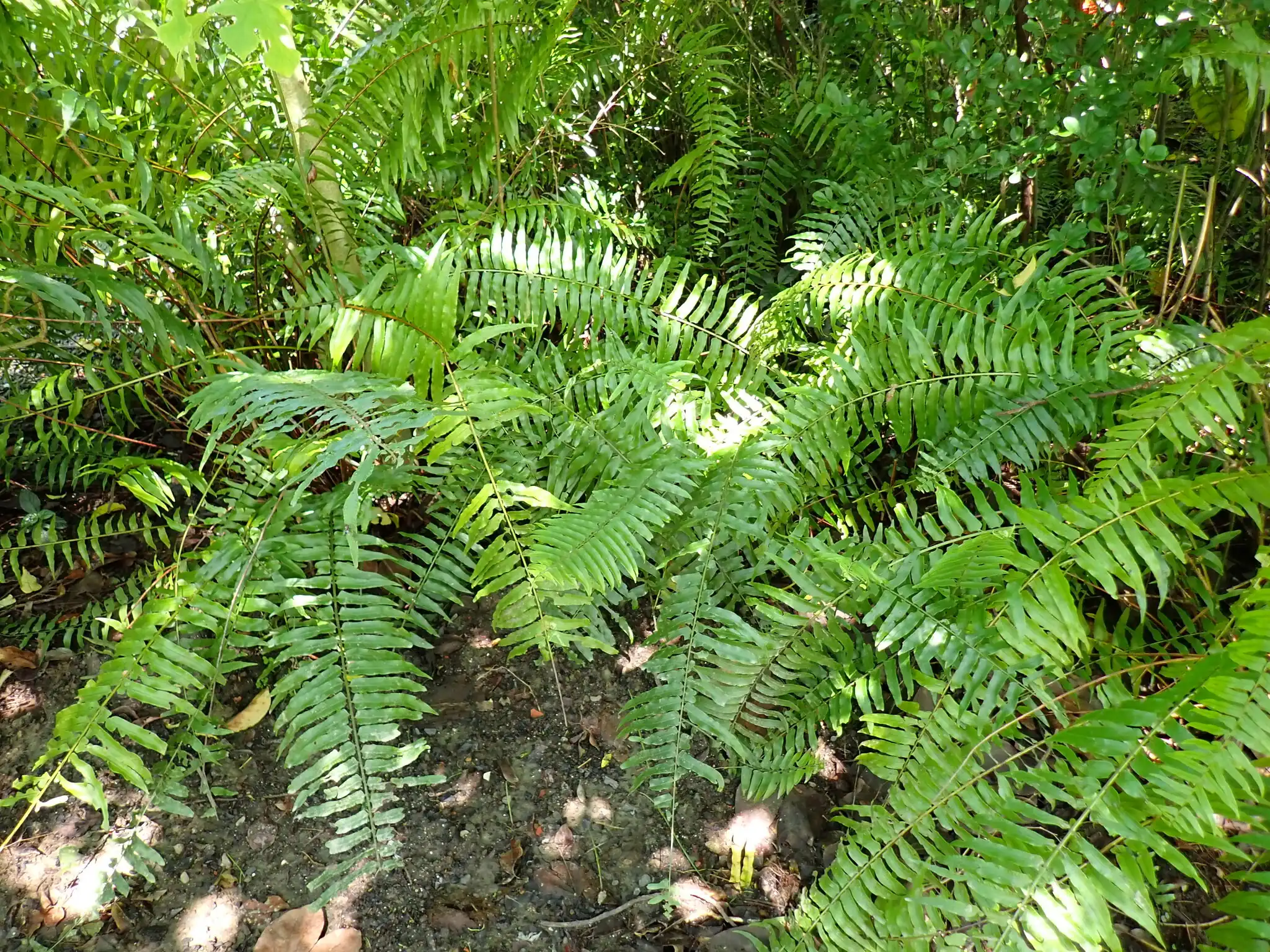
2 species of Nephrolepis
Each one is a parent of the varieties above.
Track your Nephrolepis in Sow
Save the Nephrolepis you grow and get care reminders timed to your zone.
How to grow Nephrolepis
Whats common across all Nephrolepis varieties in our catalog — drawn from the care records of the 9 most-grown of them.
The Nephrolepis year
- FertilizeApril–September67% of varieties
Feed monthly with a diluted, balanced liquid fertilizer.
- DivideMarch–May67% of varieties
Divide crowded plants every 2-3 years to maintain vigor
- PlantApril–June56% of varieties
Move containers outdoors after all danger of frost has passed.
- Winter PrepOctober and November56% of varieties
Bring container plants indoors before the first expected frost.
- Spring CleanupMarch and April56% of varieties
Remove any brown or damaged fronds at the base.
- PruneMarch–December33% of varieties
Trim away old, brown, or damaged fronds at the base


Do
- Keep soil consistently moist 🌱
- Provide bright, indirect light
- Maintain high humidity levels
- Fertilize monthly during active growth
- Provide indirect bright light
Avoid
- Avoid direct sunlight which can scorch fronds ❌
- Do not let soil dry out completely
- Don’t let soil dry out completely
- Refrain from over-fertilizing to prevent leaf burn
What goes wrong with Nephrolepis
| Problem | What you'll see | What to do |
|---|---|---|
| Mealybugs | White, cottony masses on fronds | Remove with alcohol-soaked cotton swab and apply horticultural oil |
| Spider Mites | Fine webbing and speckled, yellowing leaves | Spray with insecticidal soap or neem oil |
| Scale insects | Sticky residue and yellowing fronds | Apply neem oil or insecticidal soap |
| Scale | Small, brown, shell-like bumps on the fronds and stems. | Wipe off with a cloth or cotton swab dipped in rubbing alcohol. For heavy infestations, use horticultural oil. |
| Root Rot | Wilting and yellowing fronds, soggy soil | Reduce watering, improve drainage, and repot if necessary |
| Leaf Spot | Brown or black spots on fronds | Remove affected leaves and apply fungicide if necessary |
| Root rot | Wilting and brown, mushy roots | Improve drainage and reduce watering |
Making more Nephrolepis
Division
- Water the plant thoroughly the day before dividing.
- Carefully remove the plant from its pot or ground.
- Gently separate root clumps with clean, sharp knife or hands.
- Plant divisions into prepared soil or pots with fresh, moist mix.
- Water thoroughly and place in indirect light.
- Allow 4-6 weeks for new growth to establish.
Spores
- Collect mature spores from undersides of fronds.
- Sprinkle spores onto moist sterile soil surface.
- Mist regularly to keep soil humid.
- Place in indirect light and wait 4-6 weeks for germination.
Nephrolepis questions
How many types of Nephrolepis are there?
The Sow catalog tracks 9 distinct Nephrolepis varieties. The most popular — ranked by 84 real gardeners — are shown first above.
What zones does Nephrolepis grow in?
Across its varieties, Nephrolepis covers USDA Zones 5–10. Individual varieties differ — each plant page lists its exact range, and Sow filters the catalog to your zone automatically.
Which Nephrolepis should I choose?
Start from the most-saved varieties above — popularity across thousands of gardens is a strong signal of reliability — then filter by your zone and sun. In the Sow app you can preview any of them in a photo of your actual yard before you buy.