The Story
Plant Bio
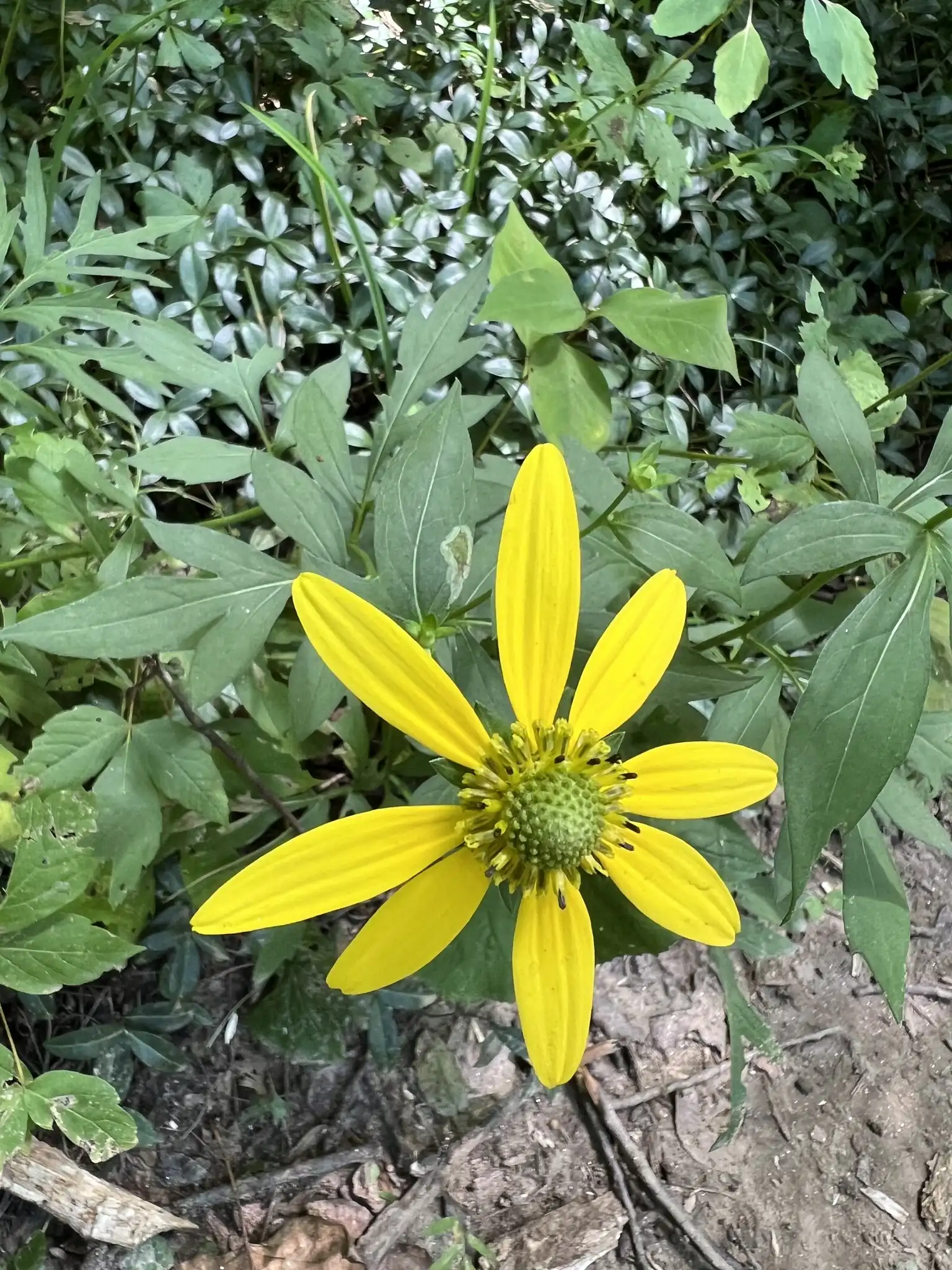
A tall, upright, rhizomatous perennial native to much of North America, found in moist woods and along stream banks. It features deeply lobed leaves and classic daisy-like flowers with drooping yellow rays and a greenish-yellow central cone.
The species is notable for its towering height, making it a dramatic back-of-the-border plant, and its deeply cut (laciniate) lower leaves. It spreads to form impressive colonies in ideal conditions, creating a bold, naturalistic statement.
Uses & Benefits:
Essentials
At a Glance
Plant Type
Perennial
Height
72"
Width
36"
Light
Full Sun, Partial Sun
Zones
4, 5, 6, 7, 8, 9
Water
High
Humidity
Average to high
Lifespan
Long-lived perennial
Native To
North America
Toxicity
Non-toxic
Bloom period
Mid-summer – Early fall
In flower about 3 months of the year
Marketplace
Where to Buy
Shipping costs Year-round shipping Free shipping
Planting
How to Grow
- Choose a site in full sun or light shade with consistently moist soil.
- Amend the soil with compost to improve its water-holding capacity.
- Dig a hole as deep and twice as wide as the pot.
- Place the plant in the hole, ensuring the crown is at soil level.
- Backfill with soil, firm gently, and water thoroughly.
- Provide support or plan to prune in spring to manage height.
Pro Tip
To control its height and prevent flopping without staking, cut the entire plant back by about a third in late spring.
Keep It Thriving
Care Guide
Do
- Provide plenty of moisture; this plant does not like to dry out.
- Give it room to spread, as it forms colonies by rhizomes.
- Cut back in spring for a more compact plant.
- Leave seed heads standing in fall for winter interest and to feed birds.
Don't
- Do not plant in dry, sandy, or poor soil.
- Avoid planting in a small, tidy border unless you plan to control its spread.
- Don't worry about fertilizing if planted in rich soil.
- Avoid overhead watering to help prevent powdery mildew.
Seasonal Care Calendar
| Task | Jan | Feb | Mar | Apr | May | Jun | Jul | Aug | Sep | Oct | Nov | Dec |
|---|---|---|---|---|---|---|---|---|---|---|---|---|
| Divide | ||||||||||||
| Prune | ||||||||||||
| Stake |
Watch Out For
Pests & Diseases
Common Pests
Common Diseases
In the Garden
Landscape Uses & Companions
Landscape Uses
Multiply
Propagation Methods
Good to Know
Common Questions
Cutleaf Coneflower questions
What zones can Cutleaf Coneflower grow in?
Cutleaf Coneflower is hardy in USDA Zones 4–9. Inside that range it survives winter in the ground; outside it, grow it as an annual or a container plant you protect.
Is Cutleaf Coneflower deer resistant?
Yes — Cutleaf Coneflower is rated deer-resistant. Deer typically pass it over, though extreme hunger can override any plant's defenses.
When does Cutleaf Coneflower bloom?
Cutleaf Coneflower typically blooms in mid-summer through early fall. Exact timing shifts a week or two with your zone — Sow's bloom calendar maps it to your garden.
Does Cutleaf Coneflower need full sun?
Cutleaf Coneflower does best in full sun to part shade. In hot climates, afternoon shade keeps blooms fresher longer.
More Rudbeckia to compare
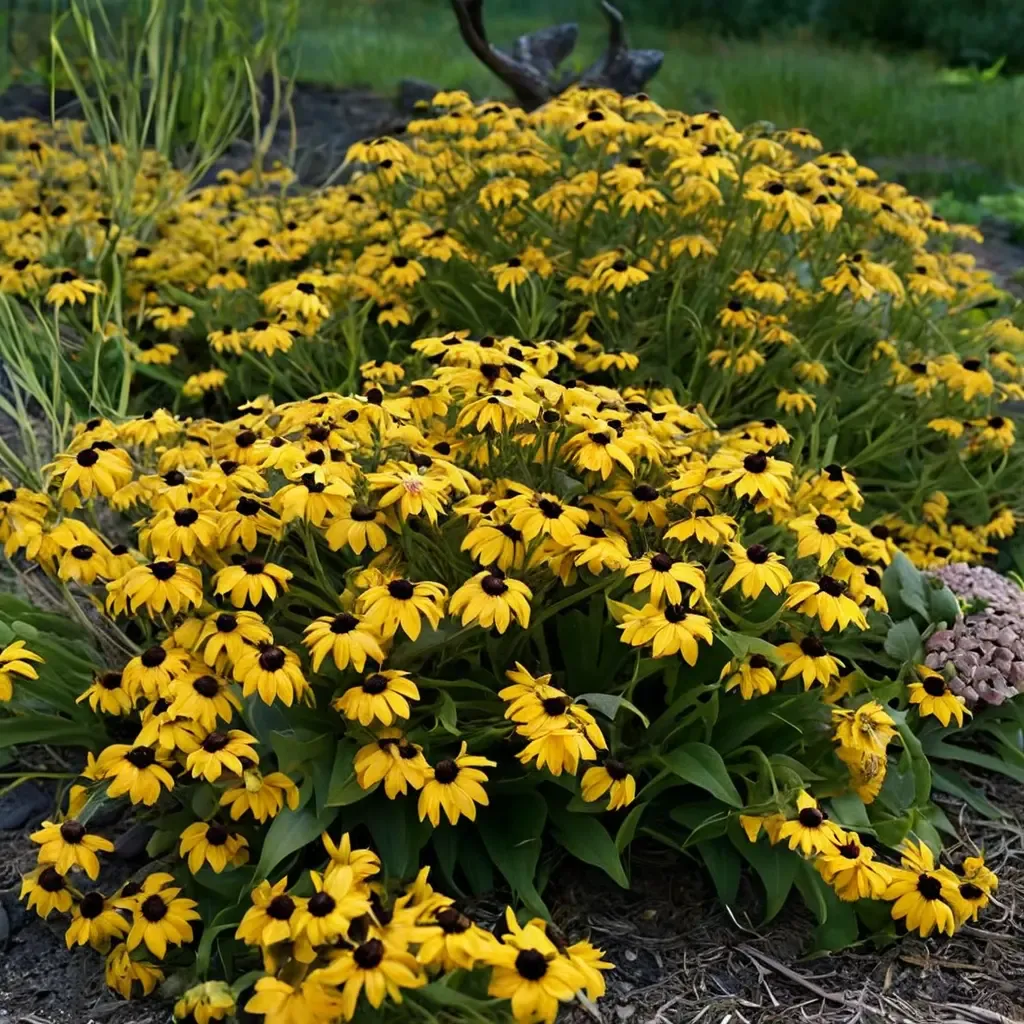
American Gold Rush Black-eyed Susan
Rudbeckia hirta 'American Gold Rush'
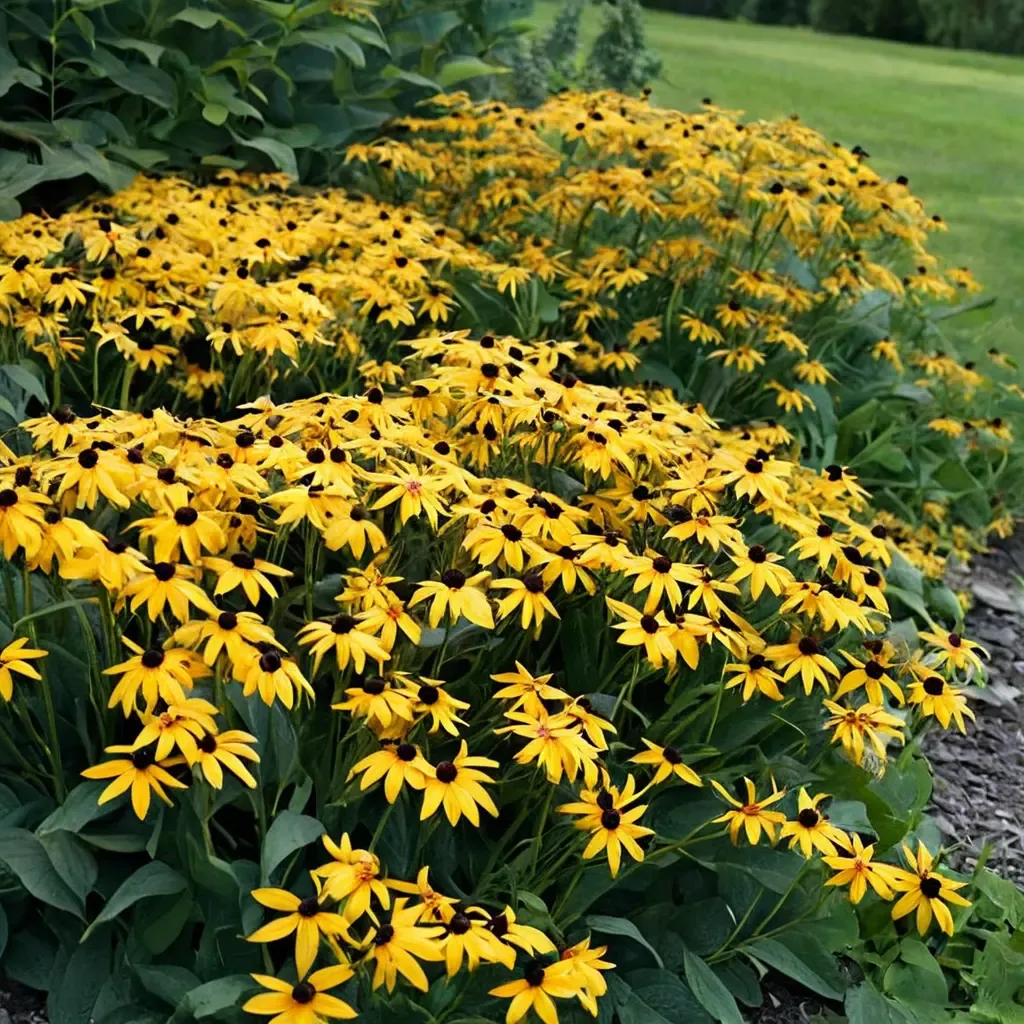
Goldsturm Black-eyed Susan
Rudbeckia fulgida 'Goldsturm'
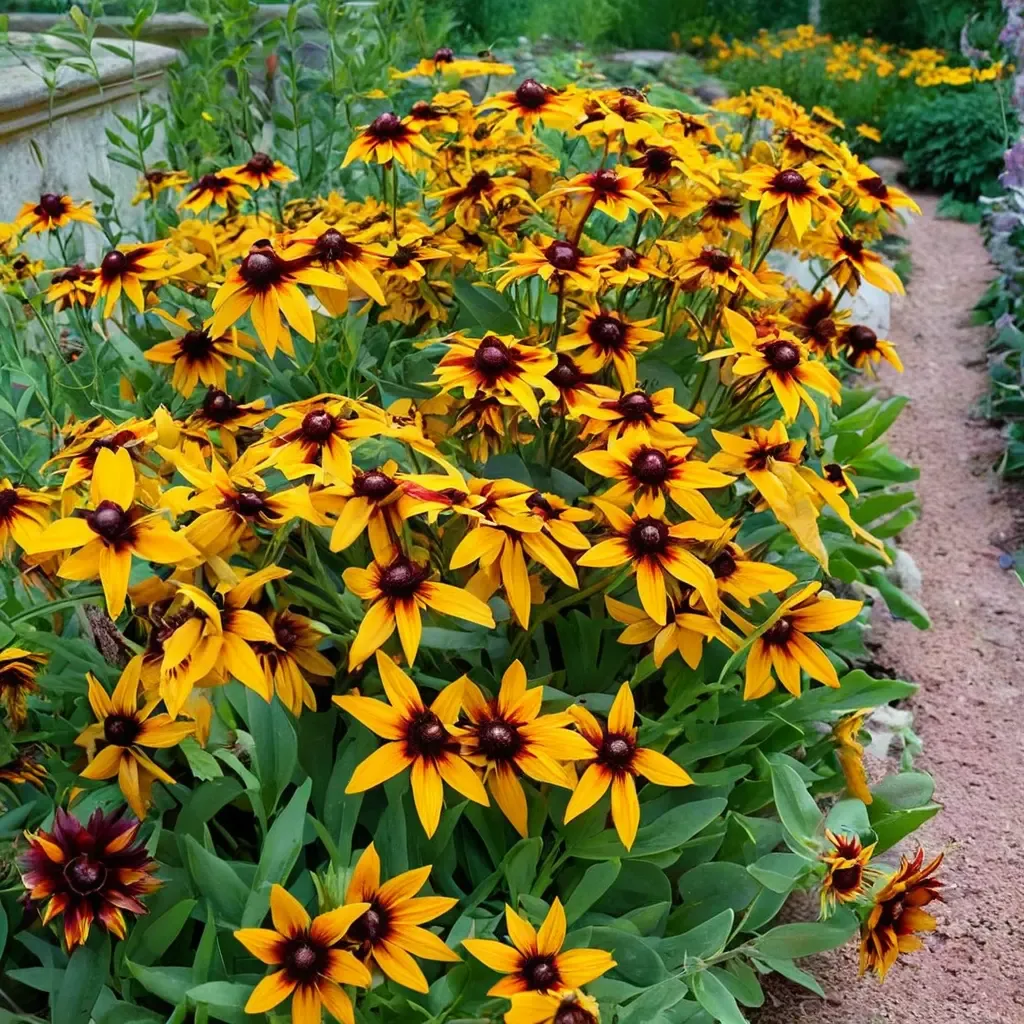
Autumn Colors Mix Black-eyed Susan
Rudbeckia hirta 'Autumn Colors Mix'
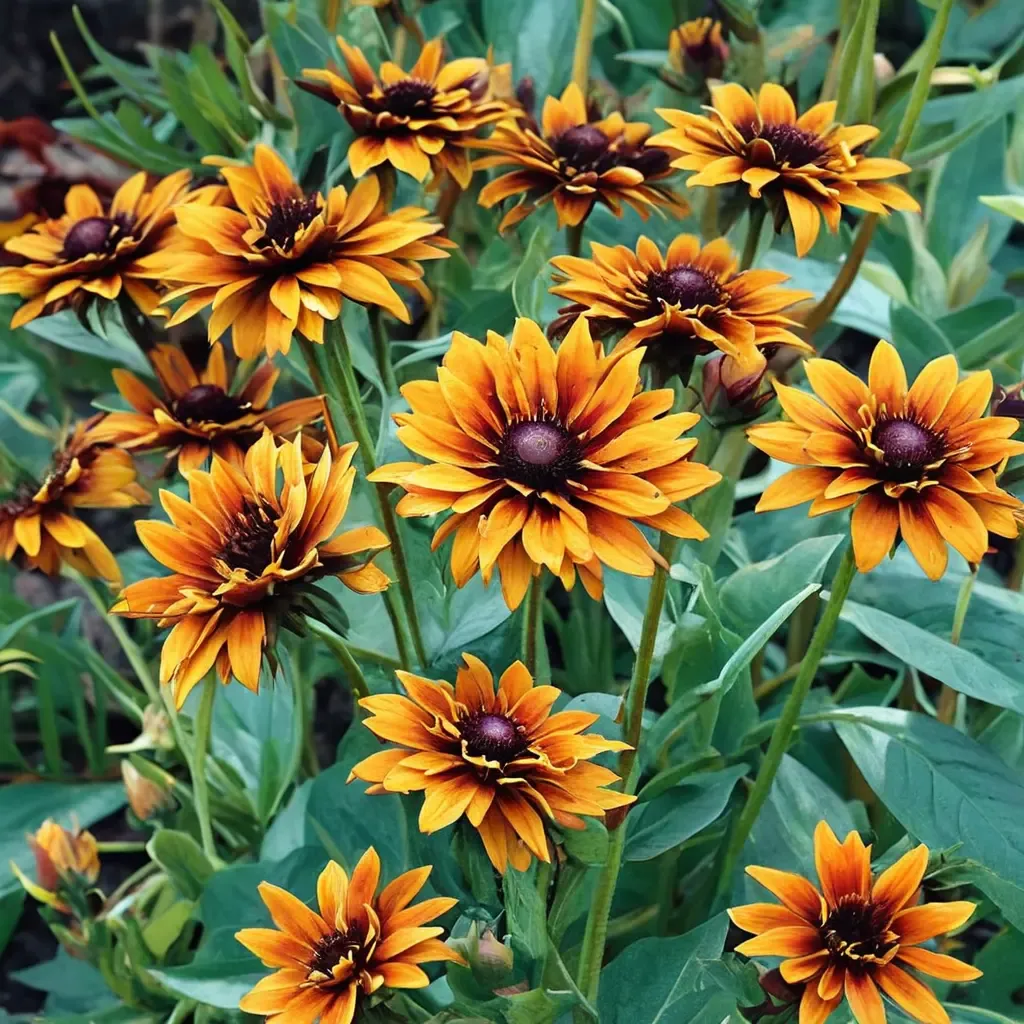
Cherokee Sunset Black-eyed Susan
Rudbeckia hirta 'Cherokee Sunset'
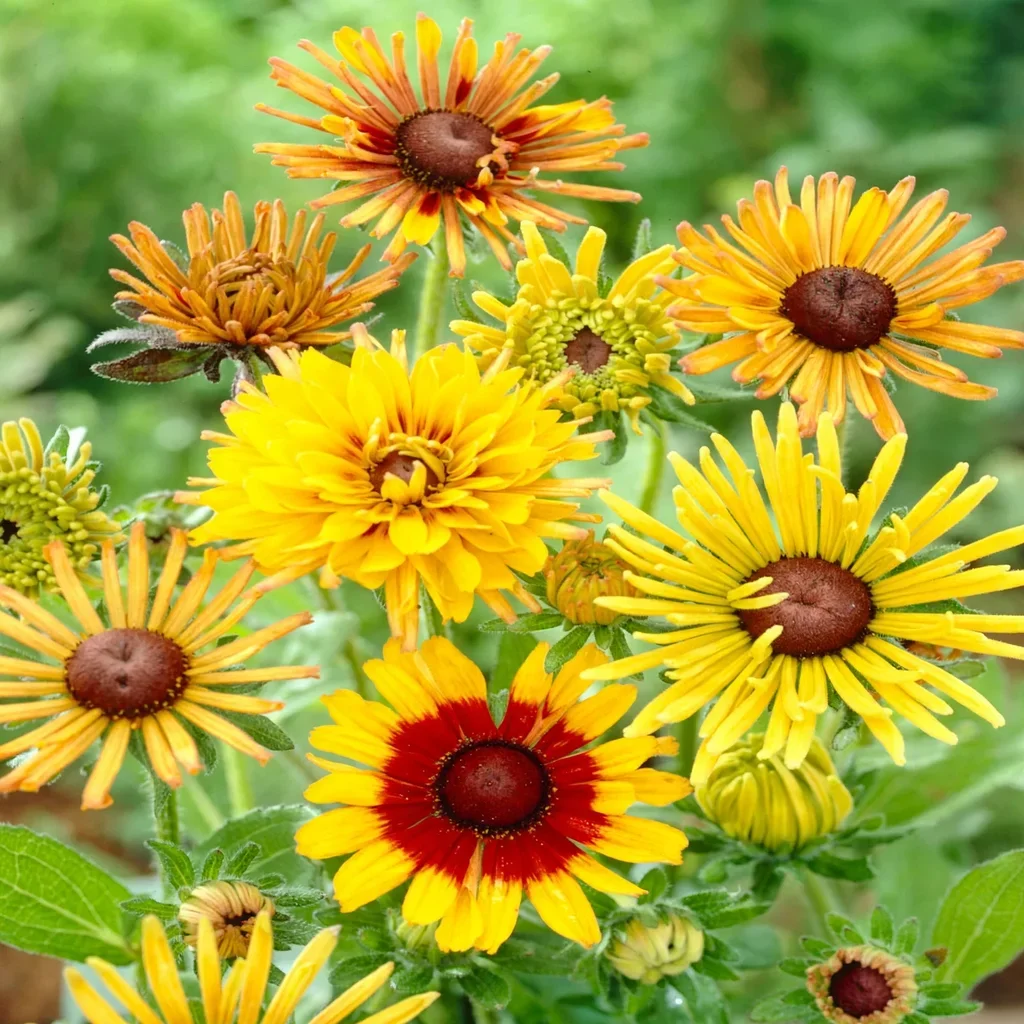
Chim Chiminee Black-eyed Susan
Rudbeckia hirta 'Chim Chiminee'
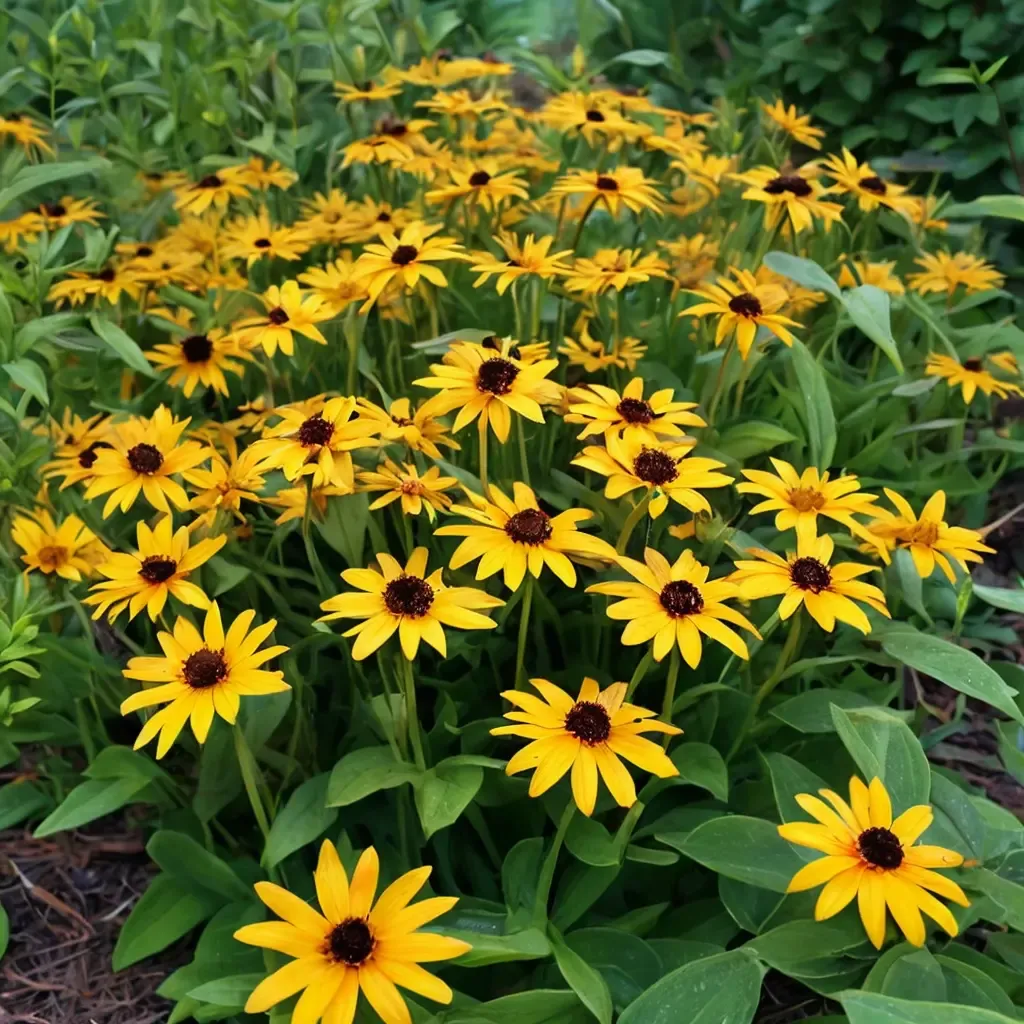
Black-eyed Susan
Rudbeckia hirta
Keep exploring
Explore the genus
Grow Cutleaf Coneflower with confidence
See it in a design of your actual yard, get zone-matched care reminders, and track it season by season in your garden journal.