
Species
 Rudbeckia hirtaBlack-eyed Susan
13 other cultivars
 ‘American Gold Rush’American Gold Rush Black-eyed Susan
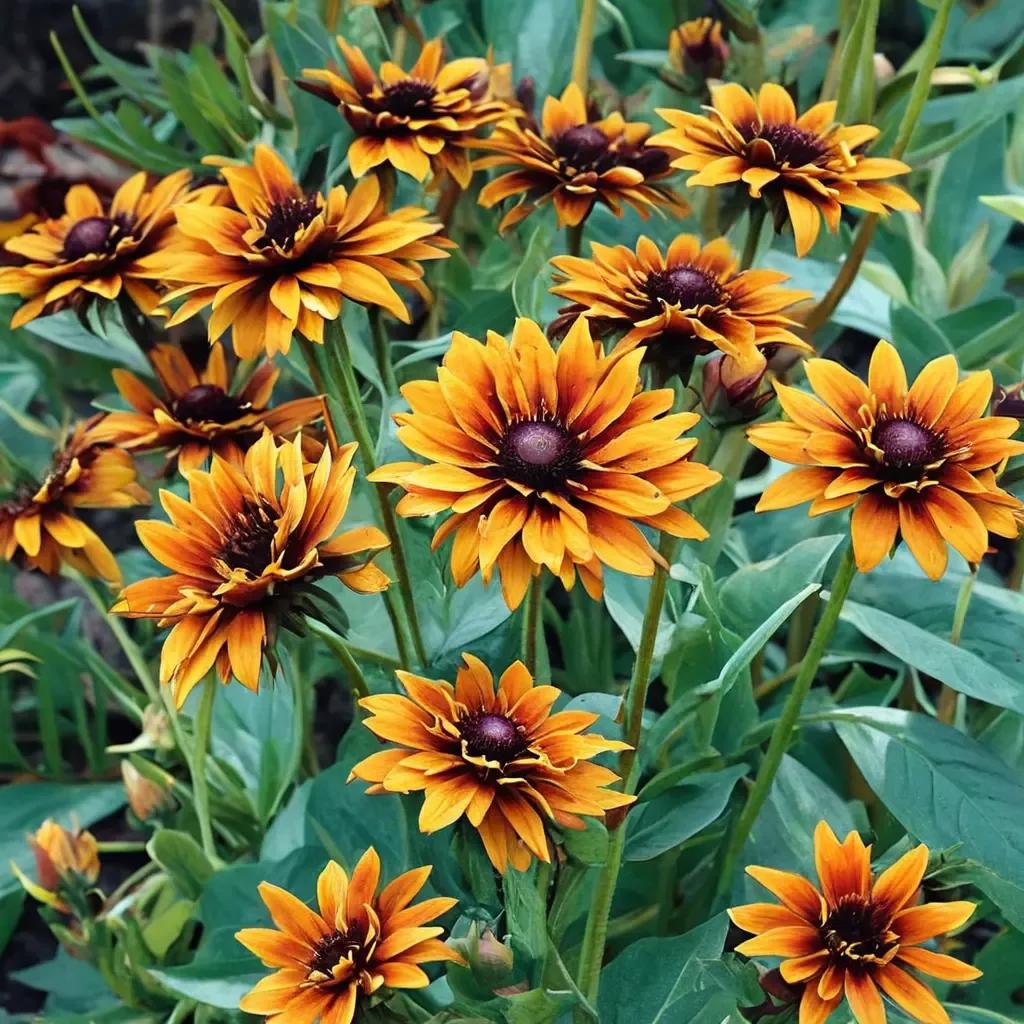 ‘Cherokee Sunset’Cherokee Sunset Black-eyed Susan
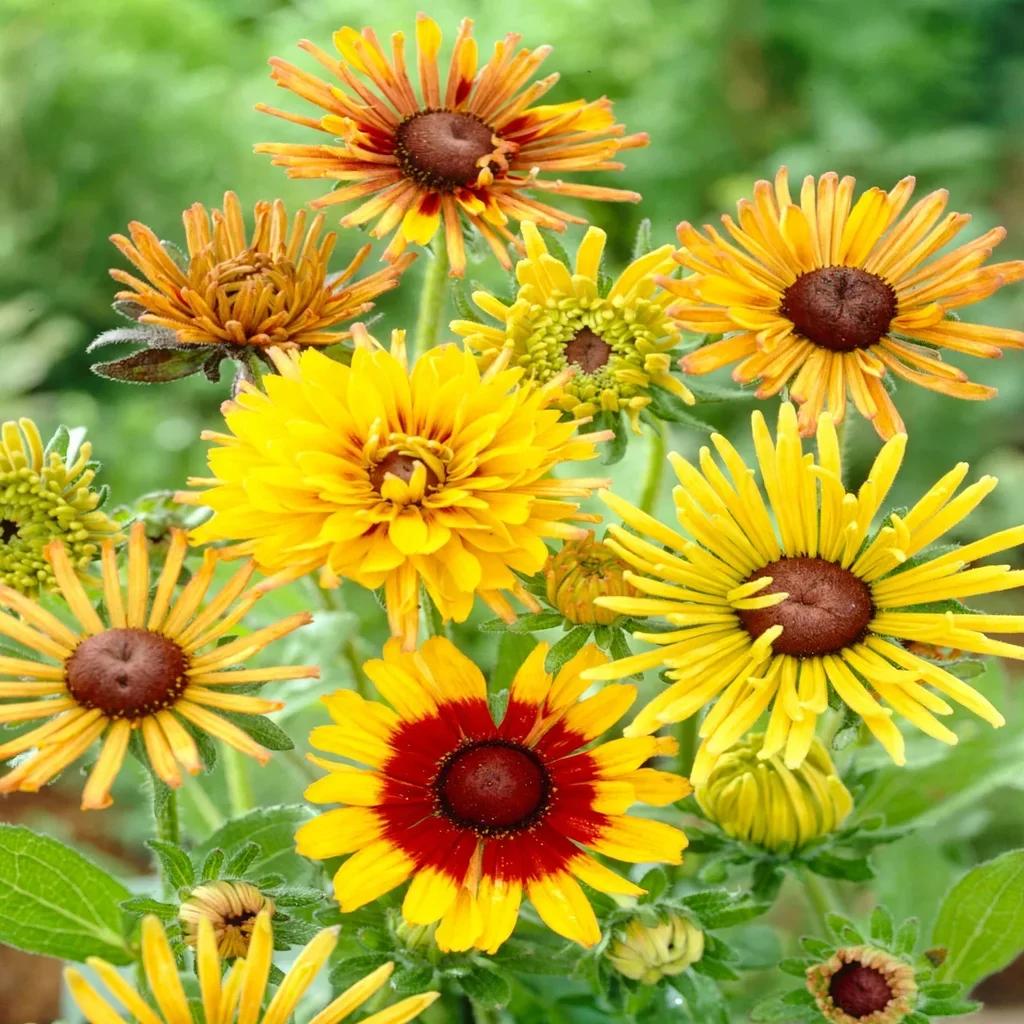 ‘Chim Chiminee’Chim Chiminee Black-eyed Susan
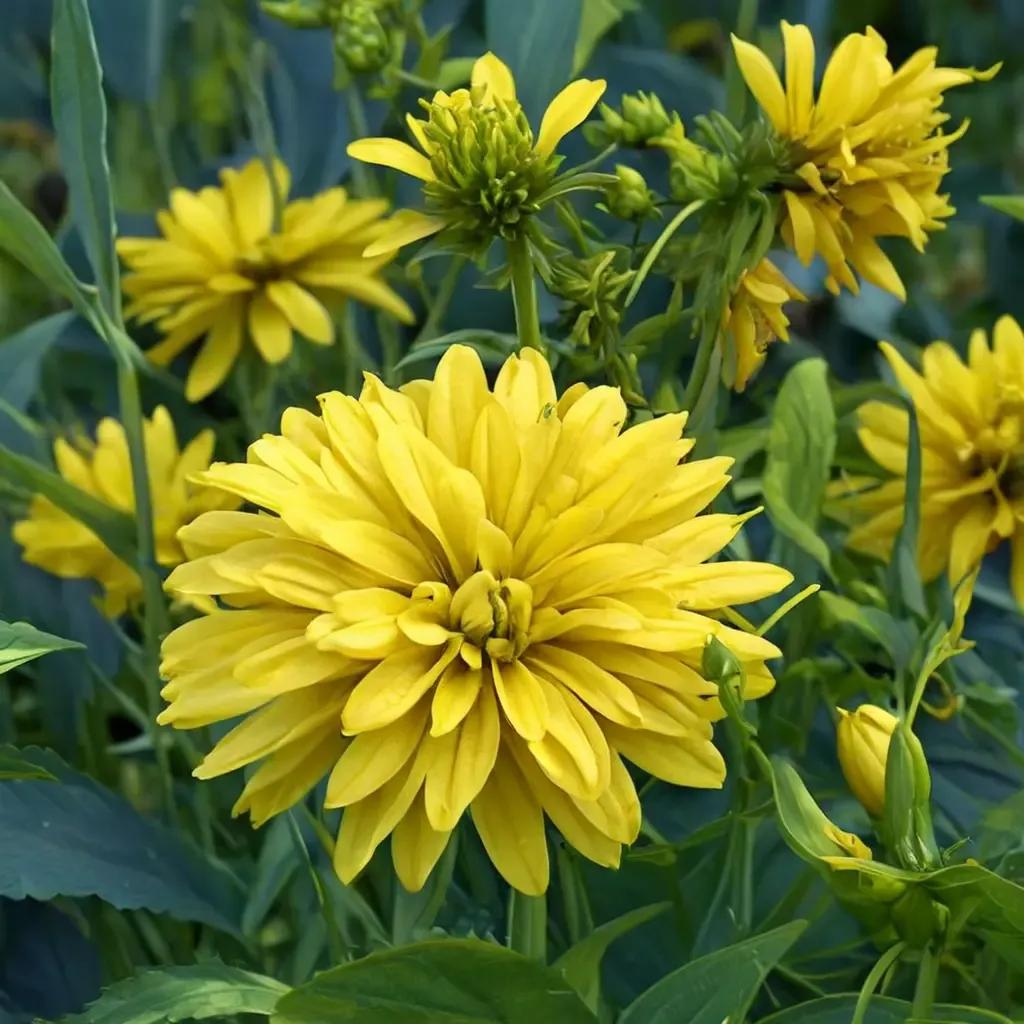 ‘Goldquelle’Golden Glow Coneflower
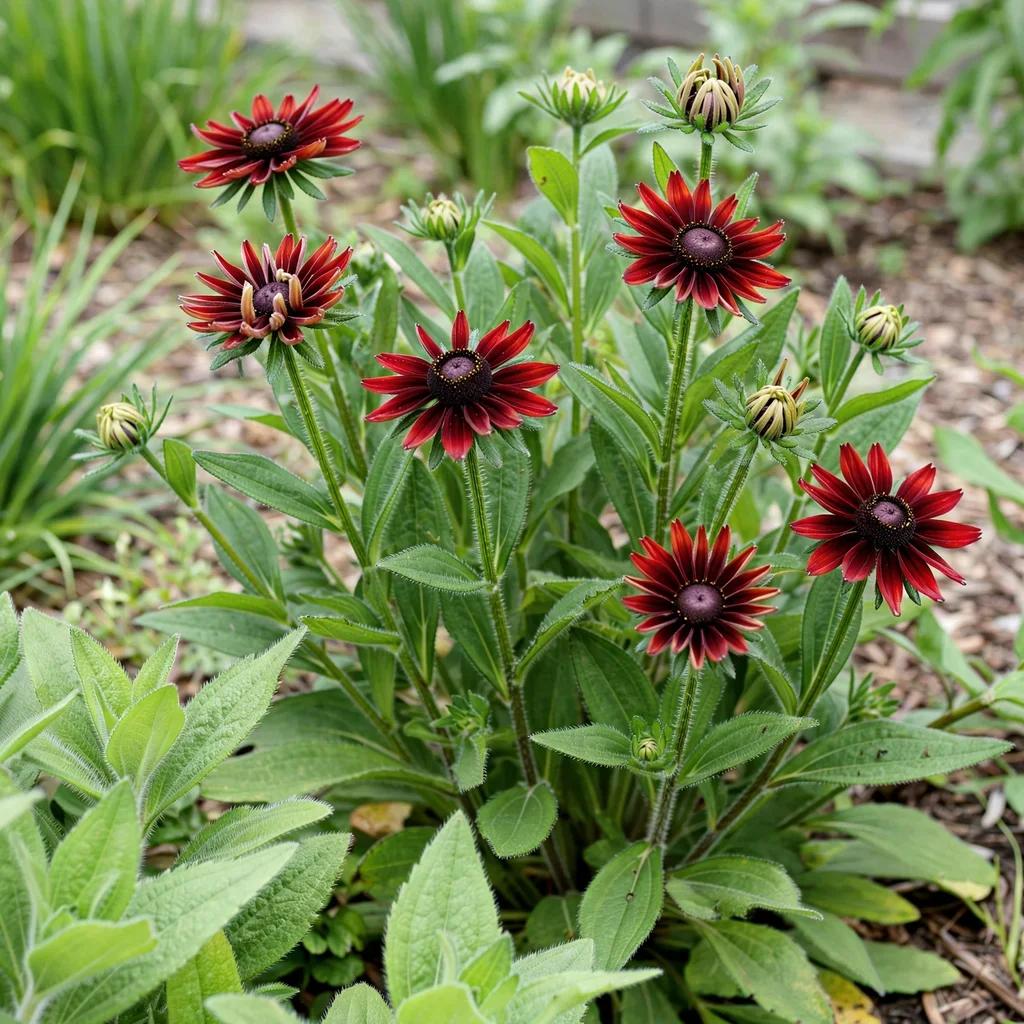 ‘Cherry Brandy’Cherry Brandy Black-eyed Susan
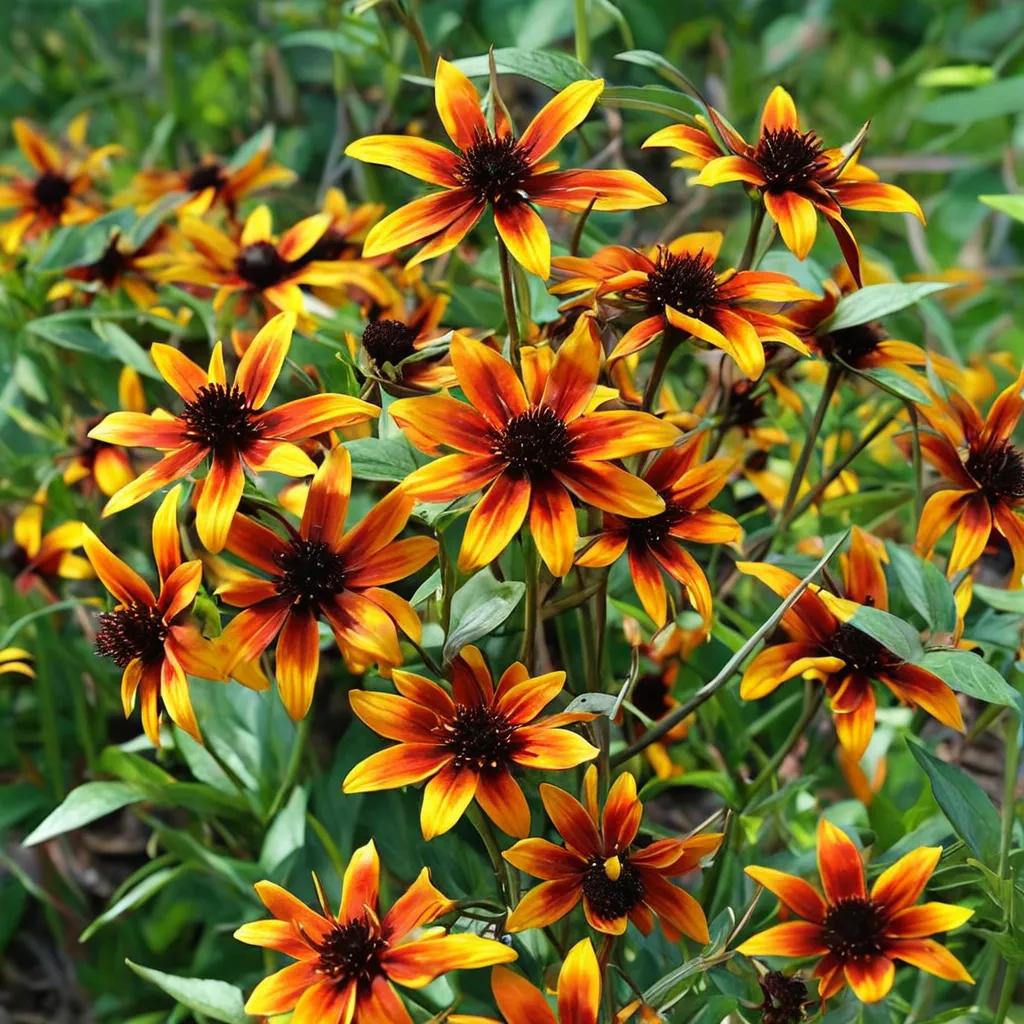 ‘Prairie Glow’Prairie Glow Black-Eyed Susan
 ‘Cappuccino’Cappuccino Black-eyed Susan
 ‘Indian Summer’Indian Summer Black-eyed Susan
 ‘Prairie Sun’Prairie Sun Black-eyed Susan
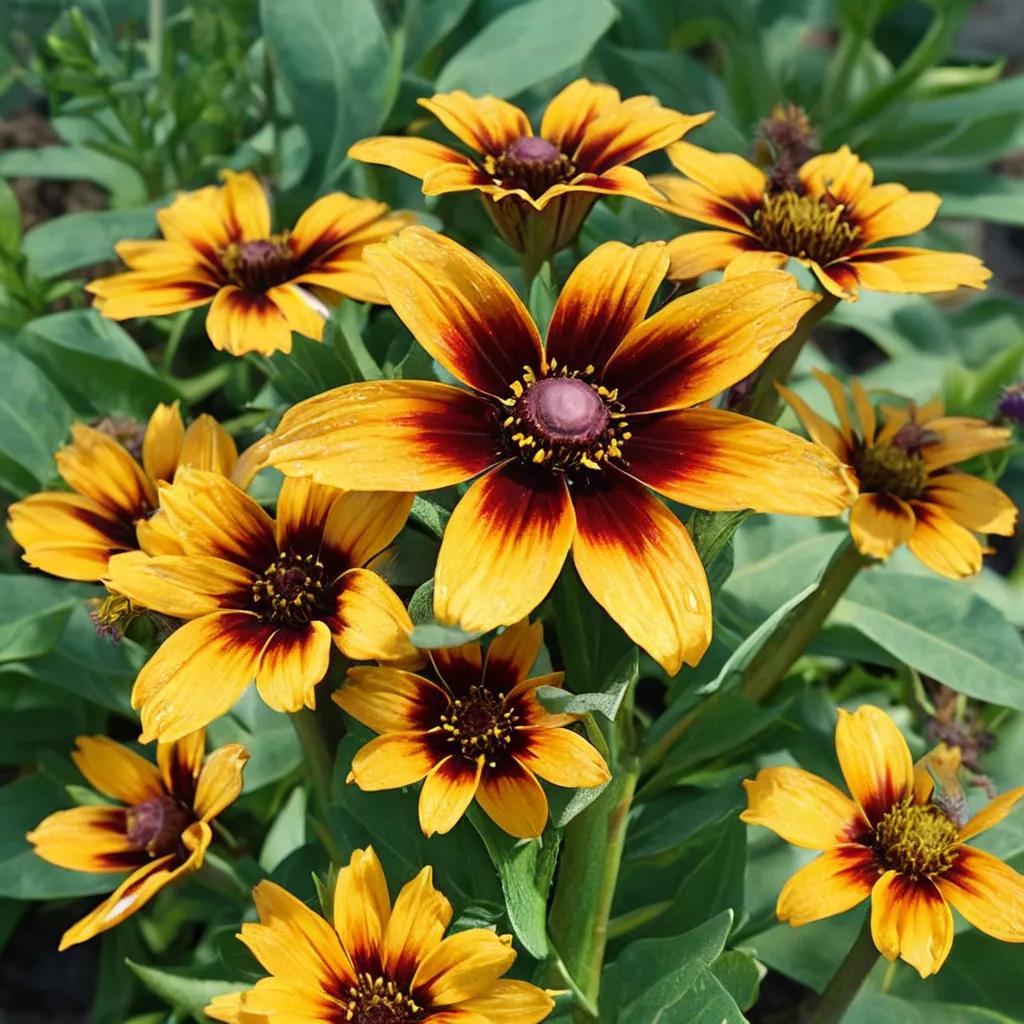 ‘Dakota Red Shield’Black-eyed Susan Dakota Red Shield
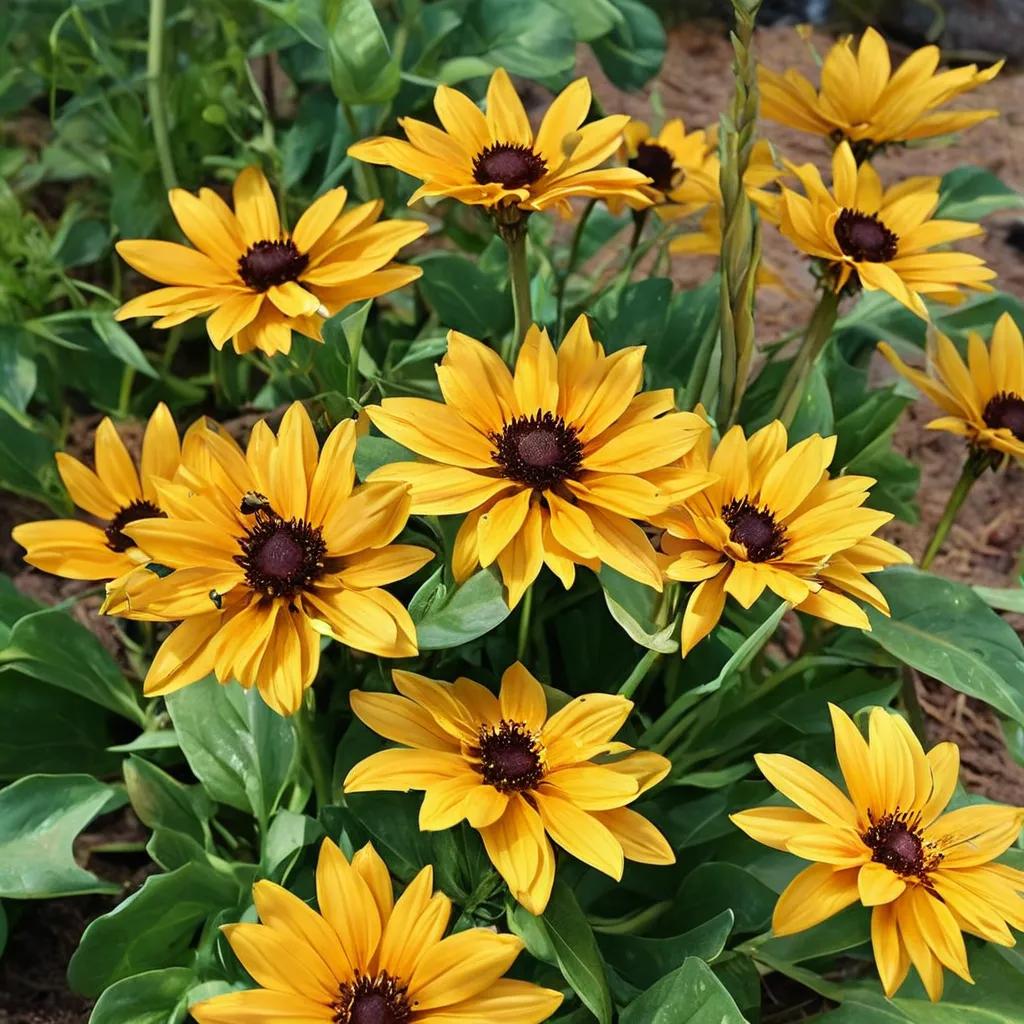 ‘Dakota Double Gold’Dakota Double Gold Black-eyed Susan
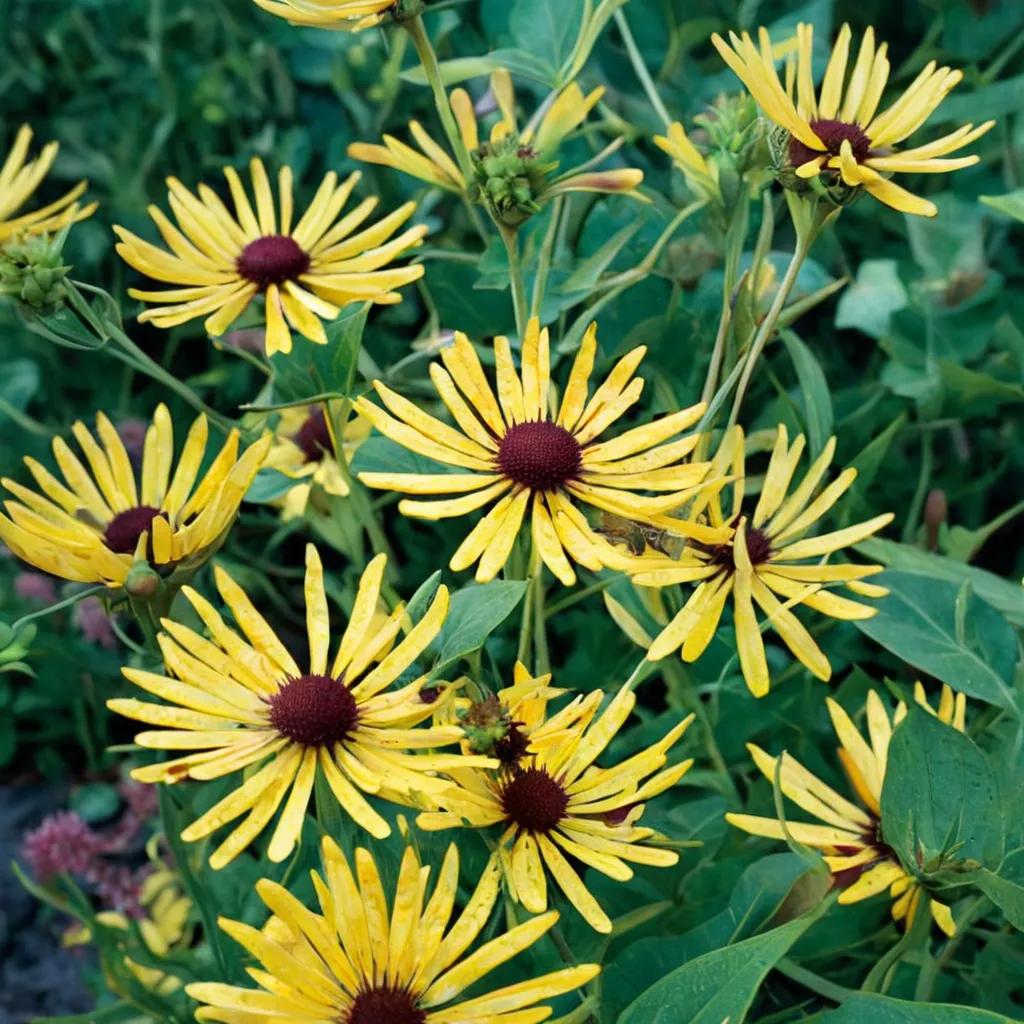 ‘Henry Eilers’Henry Eilers Black-eyed Susan
 ‘Denver Daisy’Denver Daisy Black-Eyed Susan
The Story
Plant Bio
Rudbeckia hirta 'Autumn Colors Mix' is known for its vibrant, multicolored flowers that range from yellow to orange and brown, making it a popular choice for fall gardens.
This mix offers a variety of color combinations and heights, providing a dynamic display throughout late summer into fall.
Uses & Benefits:
Essentials
At a Glance
Plant Type
Perennial
Height
24"
Width
18"
Light
Full Sun, Partial Sun
Zones
4, 5, 6, 7, 8
Water
Moderate
Humidity
Average
Lifespan
Perennial
Native To
North America
Toxicity
Non-toxic to humans and pets
Bloom period
Late summer – Early fall
In flower about 2 months of the year
Planting
How to Grow
- Choose a sunny spot with well-draining soil for planting.
- Tuck seeds ¼ inch deep into moist soil in early spring.
- Mist cuttings regularly to maintain humidity and encourage rooting.
- Apply a balanced fertilizer during active growth for vibrant blooms.
- Mulch around plants to retain moisture and suppress weeds.
- Divide clumps every 2-3 years in early spring or fall for best vigor.
Pro Tip
Use organic compost to enrich soil and promote healthy flowering.
Keep It Thriving
Care Guide
Do
- Water deeply during dry spells 🌱
- Deadhead spent flowers to encourage more blooms
- Fertilize in spring with a balanced fertilizer
- Provide full sun for optimal flowering
- Mulch to conserve soil moisture
Don't
- Avoid overwatering which can cause root rot ❌
- Don’t plant too deeply—keep crown at soil level
- Refrain from excessive fertilizing late in the season
- Avoid pruning in late fall
Seasonal Care Calendar
| Task | Jan | Feb | Mar | Apr | May | Jun | Jul | Aug | Sep | Oct | Nov | Dec |
|---|---|---|---|---|---|---|---|---|---|---|---|---|
| Deadhead | ||||||||||||
| Spring Cleanup |
Watch Out For
Pests & Diseases
Common Pests
Common Diseases
In the Garden
Landscape Uses & Companions
Landscape Uses
Companion Plants
Multiply
Propagation Methods
Good to Know
Common Questions
Autumn Colors Mix Black-eyed Susan questions
What zones can Autumn Colors Mix Black-eyed Susan grow in?
Autumn Colors Mix Black-eyed Susan is hardy in USDA Zones 4–8. Inside that range it survives winter in the ground; outside it, grow it as an annual or a container plant you protect.
Is Autumn Colors Mix Black-eyed Susan deer resistant?
Yes — Autumn Colors Mix Black-eyed Susan is rated deer-resistant. Deer typically pass it over, though extreme hunger can override any plant's defenses.
When does Autumn Colors Mix Black-eyed Susan bloom?
Autumn Colors Mix Black-eyed Susan typically blooms in late summer through early fall. Exact timing shifts a week or two with your zone — Sow's bloom calendar maps it to your garden.
Does Autumn Colors Mix Black-eyed Susan need full sun?
Autumn Colors Mix Black-eyed Susan does best in full sun to part shade. In hot climates, afternoon shade keeps blooms fresher longer.
Is Autumn Colors Mix Black-eyed Susan drought tolerant?
Yes — once established (usually after the first full season), Autumn Colors Mix Black-eyed Susan handles dry spells with minimal watering. Water deeply its first year to build the root system that makes that possible.
More Rudbeckia to compare

American Gold Rush Black-eyed Susan
Rudbeckia hirta 'American Gold Rush'

Goldsturm Black-eyed Susan
Rudbeckia fulgida 'Goldsturm'
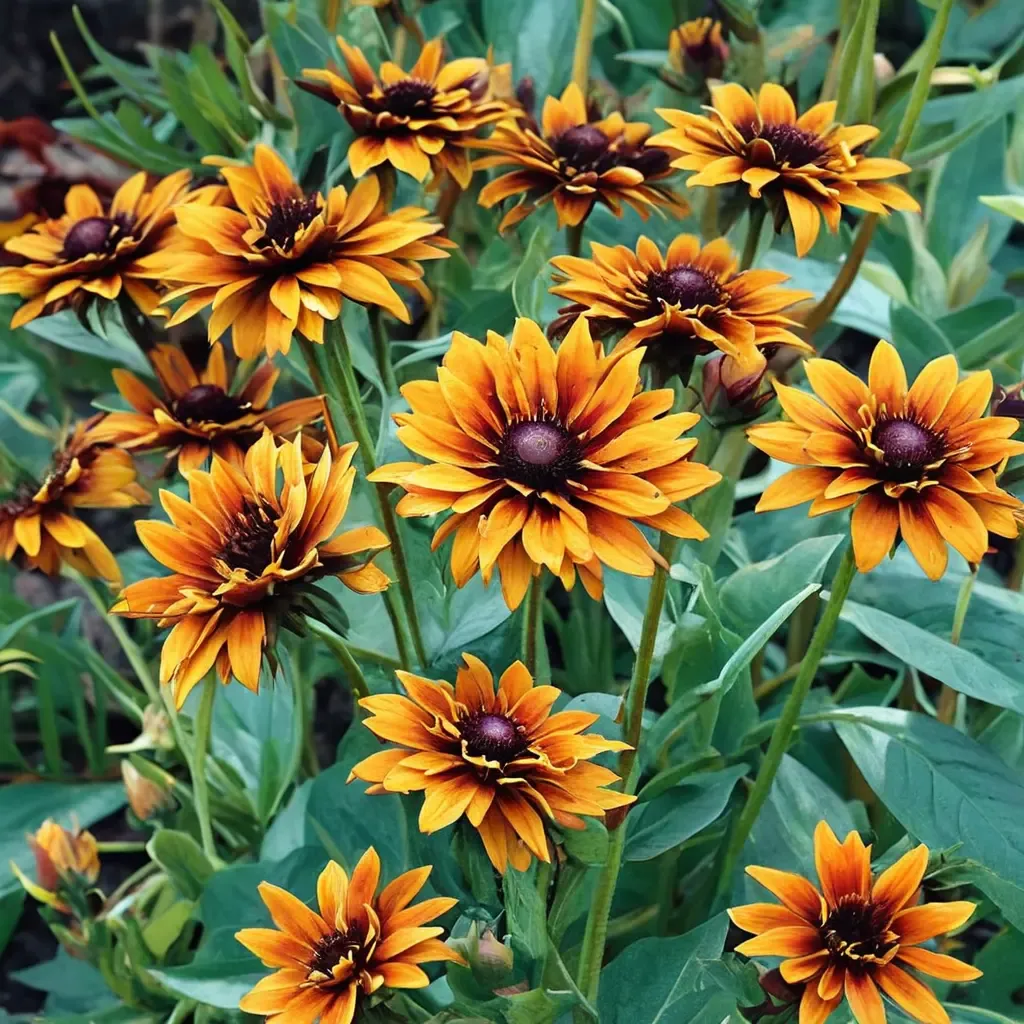
Cherokee Sunset Black-eyed Susan
Rudbeckia hirta 'Cherokee Sunset'
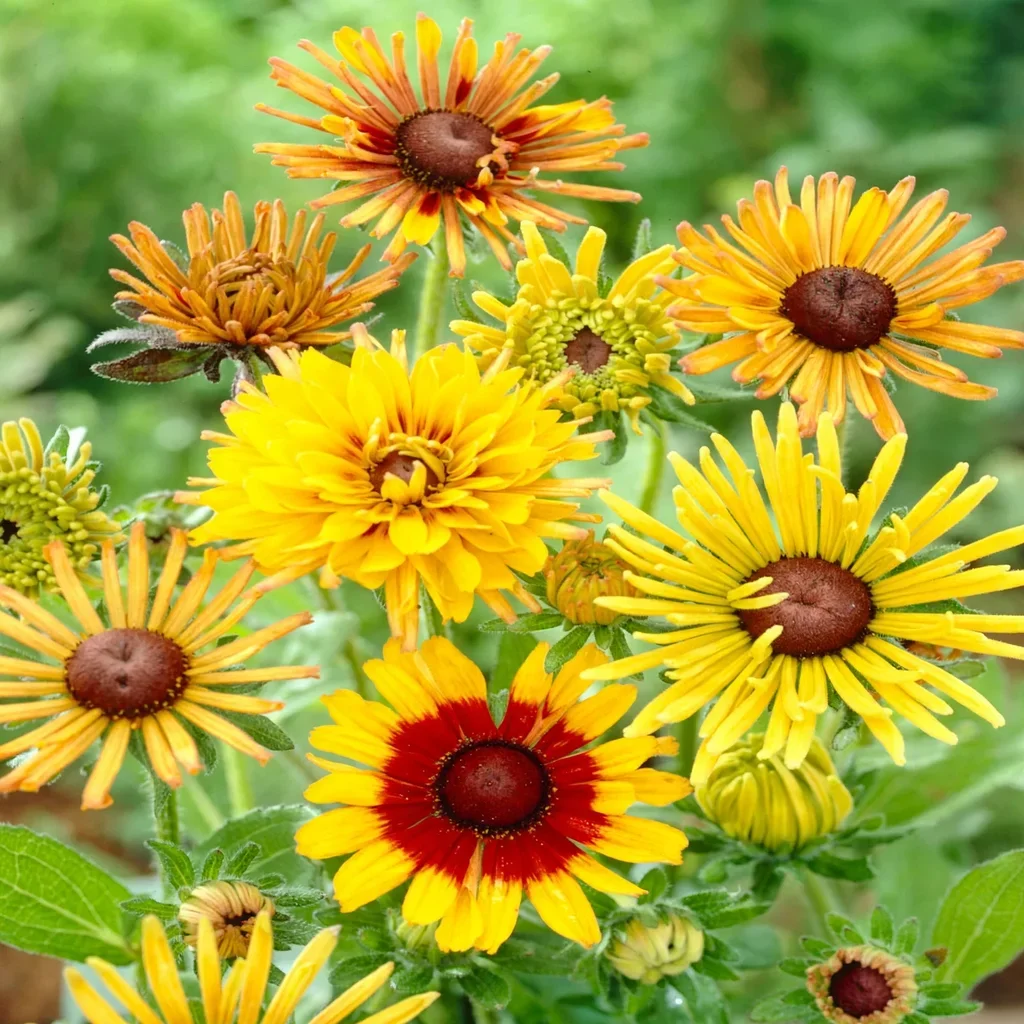
Chim Chiminee Black-eyed Susan
Rudbeckia hirta 'Chim Chiminee'

Black-eyed Susan
Rudbeckia hirta
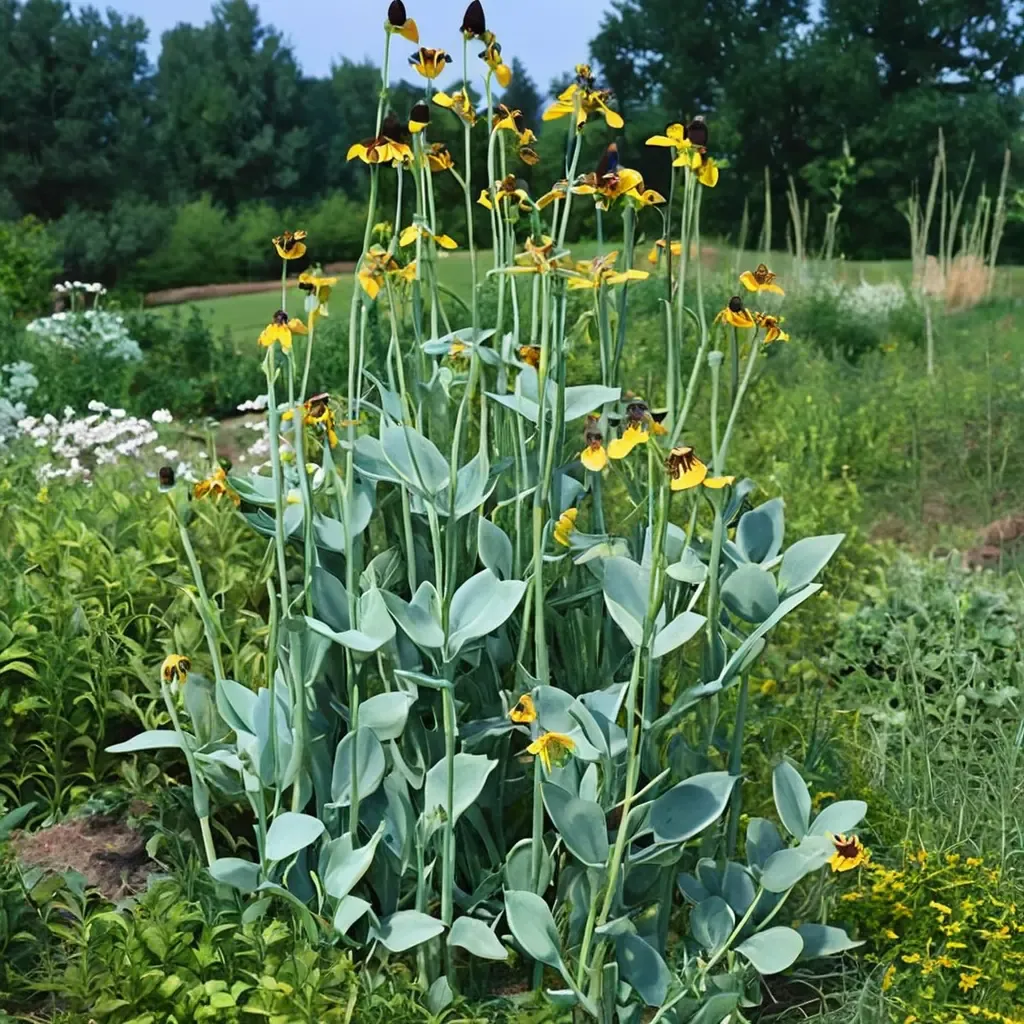
Giant Coneflower
Rudbeckia maxima
Keep exploring
Explore the genus
Hardy in your zone?
Grow Autumn Colors Mix Black-eyed Susan with confidence
See it in a design of your actual yard, get zone-matched care reminders, and track it season by season in your garden journal.