The Story
Plant Bio
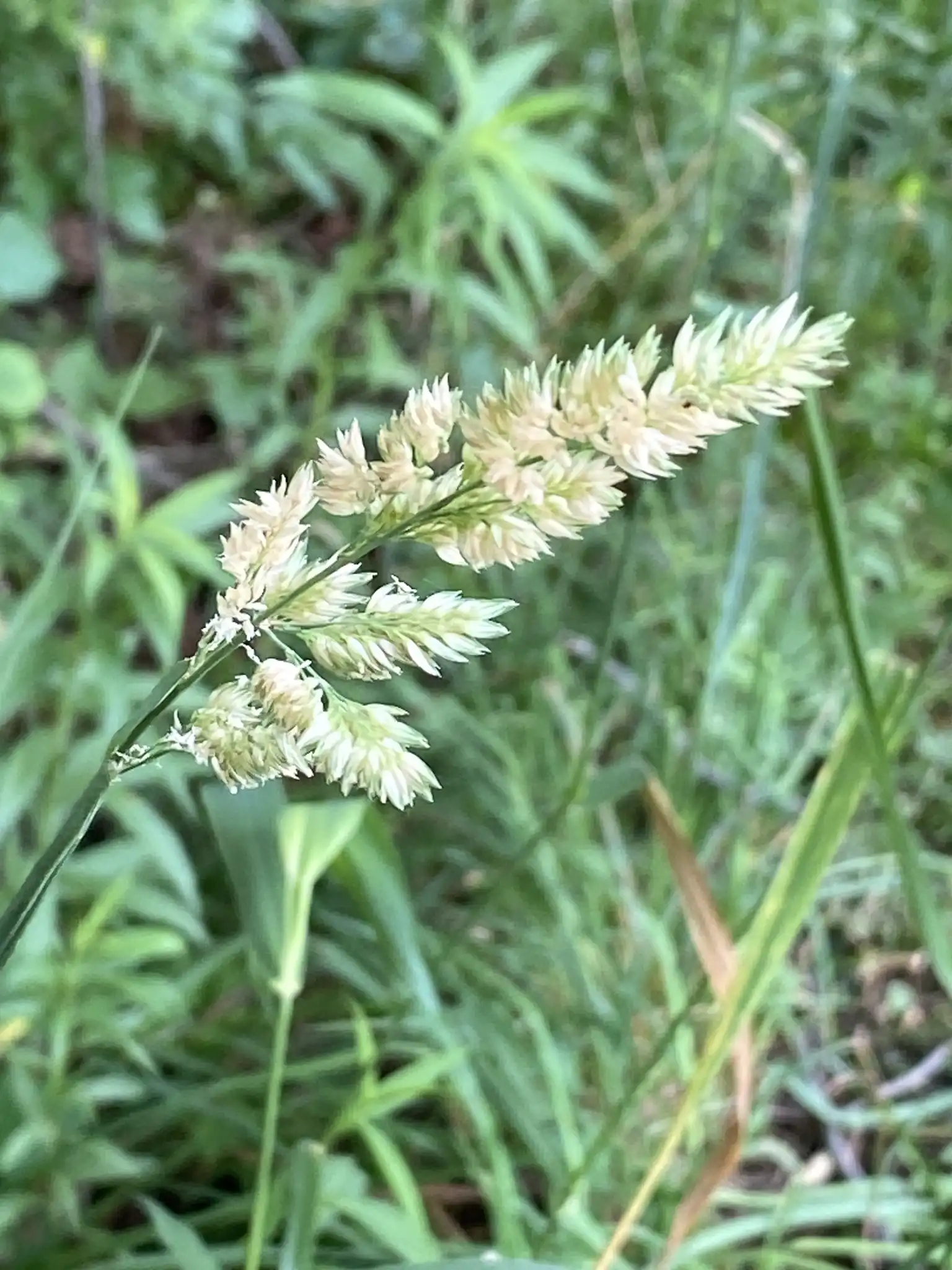
Phalaris arundinacea, reed canary grass, is a vigorous spreading perennial grass native to North America as well as Eurasia, growing across wet ground throughout the continent. It reaches two to five feet with flat, rough leaf blades up to four feet long, and carries narrow panicles in summer that shift from green through purplish to tan as seed ripens. It runs strongly by underground stems.
Its reputation is complicated: the species is genuinely native here, but introduced Eurasian forage cultivars have made it one of the most damaging wetland invaders in North America, forming dense monocultures that displace other marsh plants. It tolerates drought, wet soil, pollution and black walnut, which is precisely why it outcompetes so much once established.
Uses & Benefits:
Essentials
At a Glance
Plant Type
Grass
Height
42"
Width
66"
Light
Full Sun, Partial Sun
Zones
4, 5, 6, 7, 8, 9
Water
Moderate to high
Humidity
Moderate
Lifespan
Perennial
Native To
North America and Eurasia (circumboreal)
Toxicity
Non-toxic
Planting
How to Grow
- Do not plant it in or near wetlands, ditches or waterways.
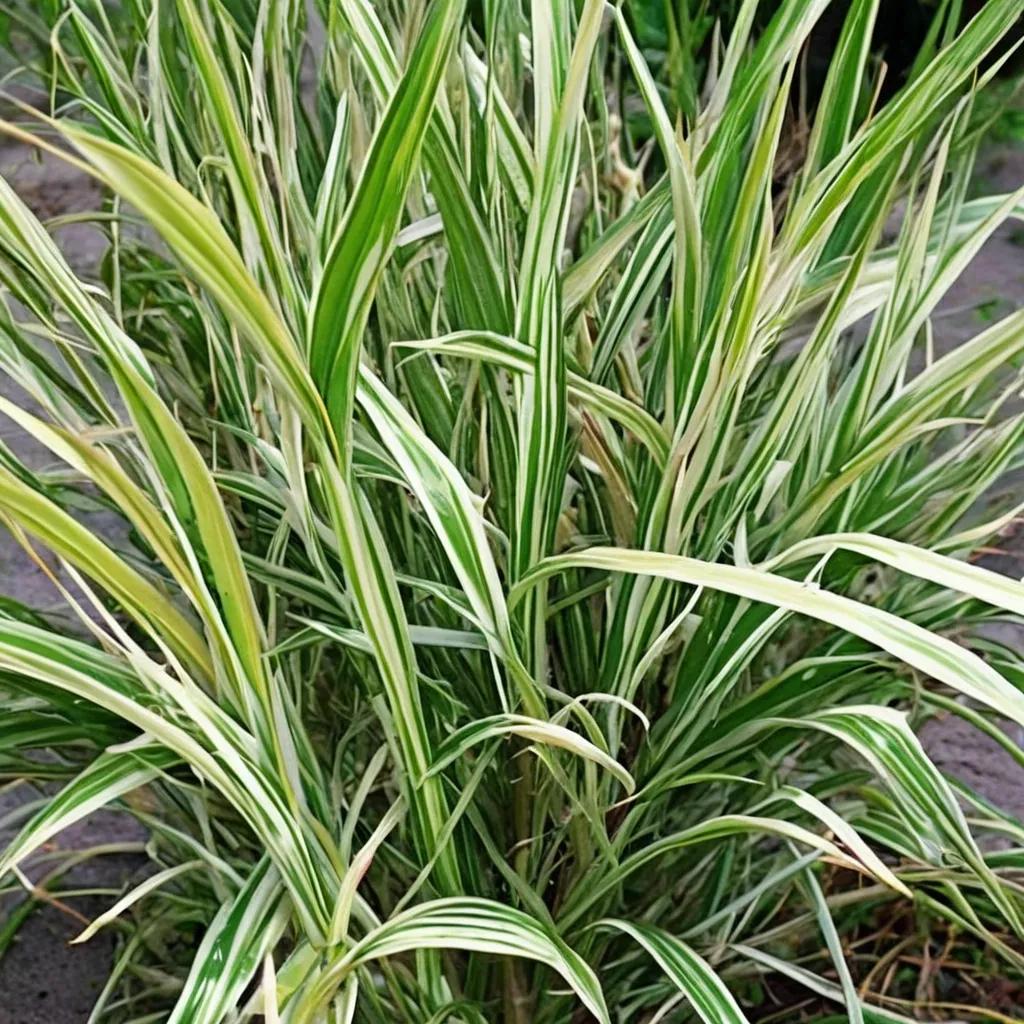
- If growing the variegated form, confine it to a sealed container.
- Use a solid-bottomed pot, not a bed with a root barrier.
- Cut flower heads before seed ripens to prevent spread.
- Dispose of clippings and divisions in household waste, never compost.
- Check annually for runners escaping the container.
Pro Tip
Treat the ornamental variegated form as containment gardening — a sealed pot, seed heads removed, and nothing composted.
Keep It Thriving
Care Guide
Do
- Confine it to a sealed container if grown at all 🪣
- Cut seed heads before they ripen ✂️
- Bin all clippings and divisions rather than composting 🗑️
- Check yearly for escaped runners 🔍
Don't
- Plant it near wetlands, ponds, ditches or streams ❌
- Rely on a root barrier in open ground; it escapes ❌
- Compost any part of it ❌
Seasonal Care Calendar
| Task | Jan | Feb | Mar | Apr | May | Jun | Jul | Aug | Sep | Oct | Nov | Dec |
|---|---|---|---|---|---|---|---|---|---|---|---|---|
| Monitor | ||||||||||||
| Prune |
Watch Out For
Pests & Diseases
Common Pests
Common Diseases
In the Garden
Landscape Uses & Companions
Landscape Uses
Multiply
Propagation Methods
Good to Know
Common Questions
Reed Canary Grass questions
What zones can Reed Canary Grass grow in?
Reed Canary Grass is hardy in USDA Zones 4–9. Inside that range it survives winter in the ground; outside it, grow it as an annual or a container plant you protect.
Is Reed Canary Grass deer resistant?
Not reliably. Deer may browse Reed Canary Grass, especially tender spring growth — plan on repellents or fencing where pressure is high.
When does Reed Canary Grass bloom?
Reed Canary Grass typically blooms in summer through late summer. Exact timing shifts a week or two with your zone — Sow's bloom calendar maps it to your garden.
Does Reed Canary Grass need full sun?
Reed Canary Grass does best in full sun to part shade. In hot climates, afternoon shade keeps blooms fresher longer.
More Phalaris to compare
Keep exploring
Explore the genus
Grow Reed Canary Grass with confidence
See it in a design of your actual yard, get zone-matched care reminders, and track it season by season in your garden journal.