
Species
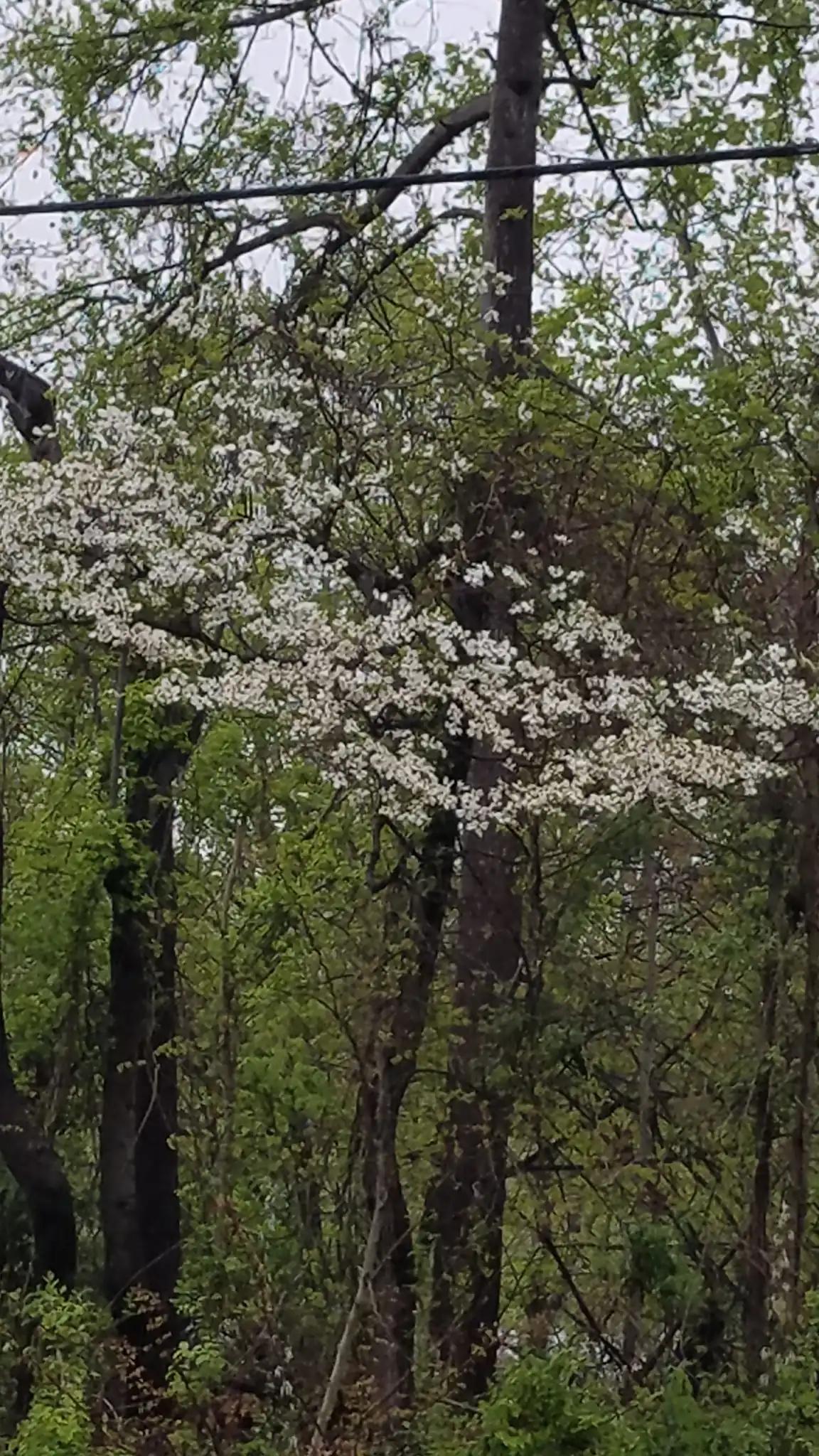 Cornus floridaFlowering Dogwood
15 other cultivars
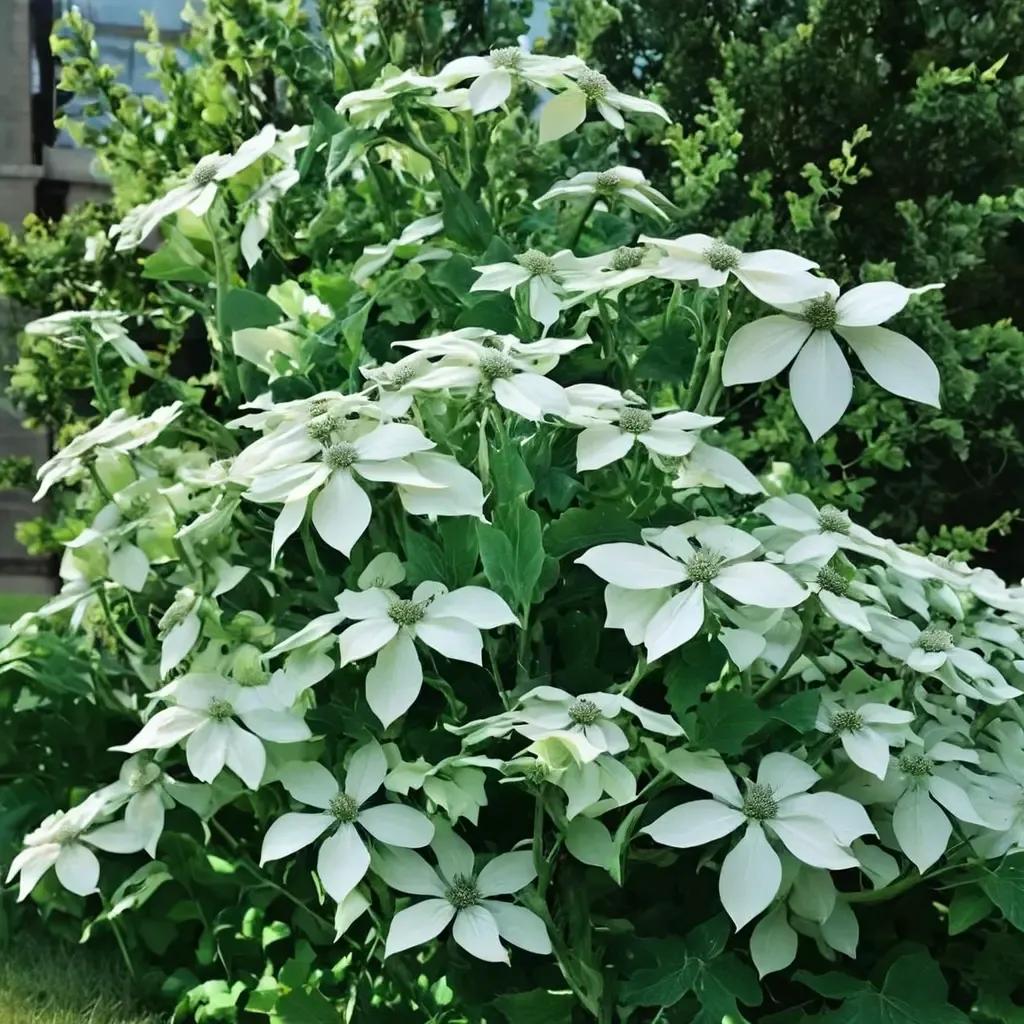 ‘Blue Ray’Blue Ray Dogwood
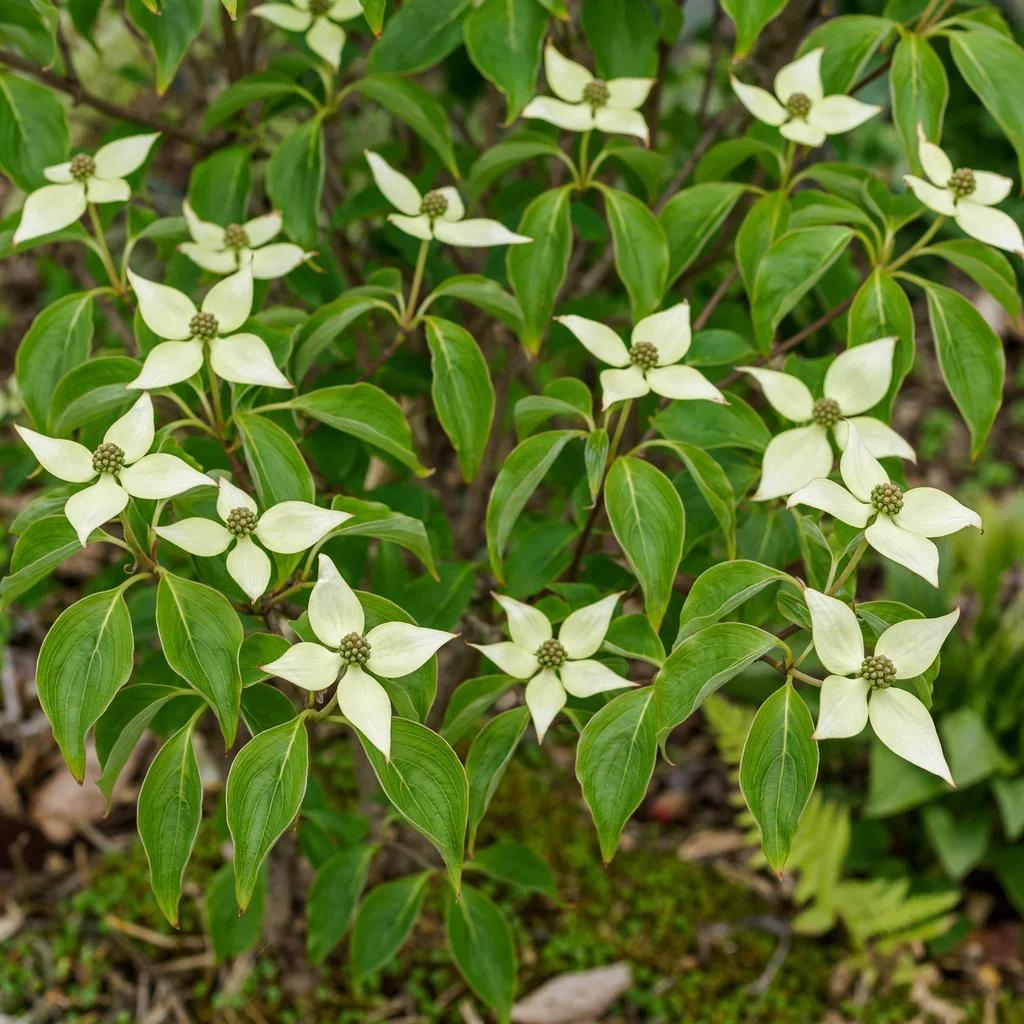 ‘Little Poncho’Little Poncho Dogwood
 ‘Scarlet Fire’Scarlet Fire Kousa Dogwood
 ‘Cherokee Chief’Cherokee Chief Dogwood
 ‘Summer Gold’Summer Gold Flowering Dogwood
 ‘Cherokee Princess’Cherokee Princess Flowering Dogwood
 ‘Sgt Pepper’Coral Bark Dogwood Sgt Pepper
 ‘Rubra’Pink Flowering Dogwood
 ‘Comco No 1’Cherokee Brave Dogwood
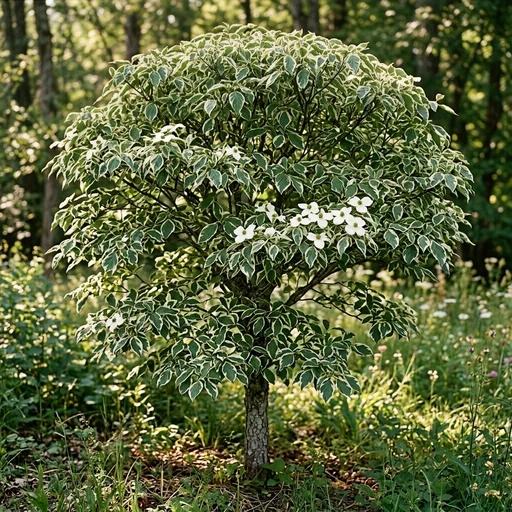 ‘Super Princess’Super Princess Dogwood
 ‘Jean’Jean Flowering Dogwood
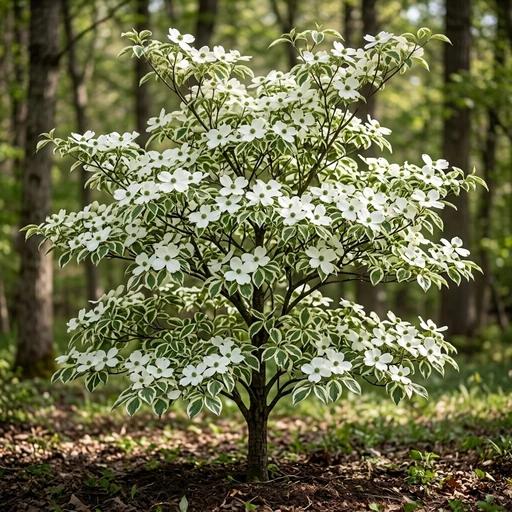 ‘Appalachian Spring’Appalachian Spring Flowering Dogwood
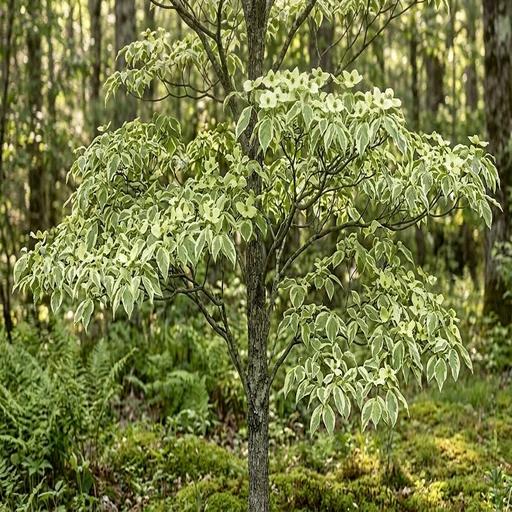 ‘Kay'S Appalachian Mist’Kay's Appalachian Mist Dogwood
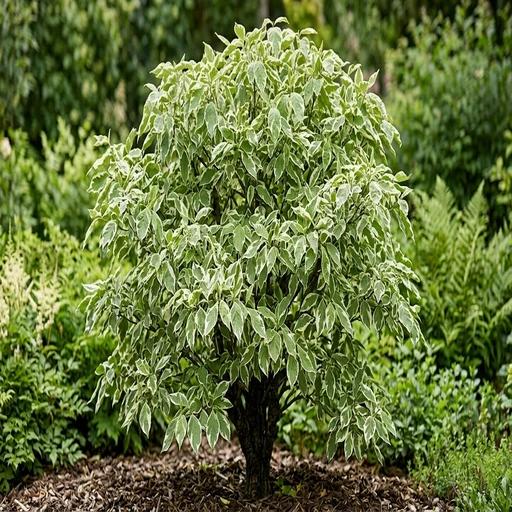 ‘Spring Grove’Spring Grove Flowering Dogwood
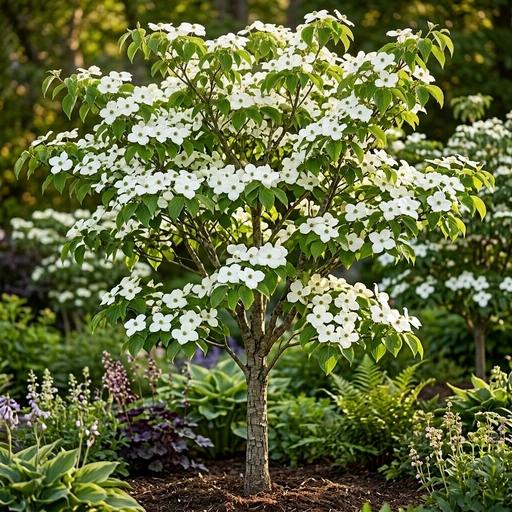 ‘Hyperion’Hyperion Flowering Dogwood
The Story
Plant Bio
Cornus florida is a quintessential small flowering tree of eastern North American woodlands, celebrated for its graceful, horizontal branching and large, showy bracts in spring. It offers four-season interest with spring flowers, summer foliage, fall color, and winter structure.
'Cloud Nine' is a prolific bloomer, known for producing an abundance of large, overlapping, pure white bracts, even on young trees. It is also noted for being more cold-hardy than the species and having a slower, more compact growth habit.
Uses & Benefits:
Essentials
At a Glance
Plant Type
Tree
Height
210"
Width
270"
Light
Full Sun, Partial Sun
Zones
5, 6, 7, 8, 9
Water
Medium
Humidity
Prefers moderate humidity
Lifespan
Up to 80 years
Native To
Eastern North America
Toxicity
Fruit is toxic to humans if ingested, but not to birds.
Bloom period
Mid-spring – Late spring
In flower about 2 months of the year
Planting
How to Grow
- Choose a site with acidic, well-drained soil and afternoon shade.
- Dig a hole three times the width of the root ball.
- Set the tree so its root flare is slightly above soil level.
- Backfill with amended soil, creating a slight mound.
- Water deeply to settle the soil and remove air pockets.
- Apply a 3-inch layer of pine bark or leaf mold mulch.
Pro Tip
Plant in a location with morning sun and afternoon shade to reduce stress and risk of disease like anthracnose.
Keep It Thriving
Care Guide
Do
- Maintain a consistent layer of mulch over the root zone.
- Water deeply during summer droughts.
- Ensure good air circulation to prevent fungal diseases.
- Protect the trunk from lawnmowers and string trimmers.
Don't
- Do not plant in heavy, wet, or alkaline soils.
- Avoid planting in full, hot sun, especially in southern zones.
- Do not fertilize heavily; use a slow-release acidifying fertilizer if needed.
- Avoid overhead watering, which can encourage foliar diseases.
Seasonal Care Calendar
| Task | Jan | Feb | Mar | Apr | May | Jun | Jul | Aug | Sep | Oct | Nov | Dec |
|---|---|---|---|---|---|---|---|---|---|---|---|---|
| Mulch | ||||||||||||
| Pest Check | ||||||||||||
| Prune |
Watch Out For
Pests & Diseases
Common Pests
Common Diseases
In the Garden
Landscape Uses & Companions
Landscape Uses
Companion Plants
Multiply
Propagation Methods
Good to Know
Common Questions
Cloud Nine Flowering Dogwood questions
What zones can Cloud Nine Flowering Dogwood grow in?
Cloud Nine Flowering Dogwood is hardy in USDA Zones 5–9. Inside that range it survives winter in the ground; outside it, grow it as an annual or a container plant you protect.
Is Cloud Nine Flowering Dogwood deer resistant?
Not reliably. Deer may browse Cloud Nine Flowering Dogwood, especially tender spring growth — plan on repellents or fencing where pressure is high.
When does Cloud Nine Flowering Dogwood bloom?
Cloud Nine Flowering Dogwood typically blooms in mid-spring through late spring. Exact timing shifts a week or two with your zone — Sow's bloom calendar maps it to your garden.
Does Cloud Nine Flowering Dogwood need full sun?
Cloud Nine Flowering Dogwood does best in full sun to part shade. In hot climates, afternoon shade keeps blooms fresher longer.
More Cornus to compare
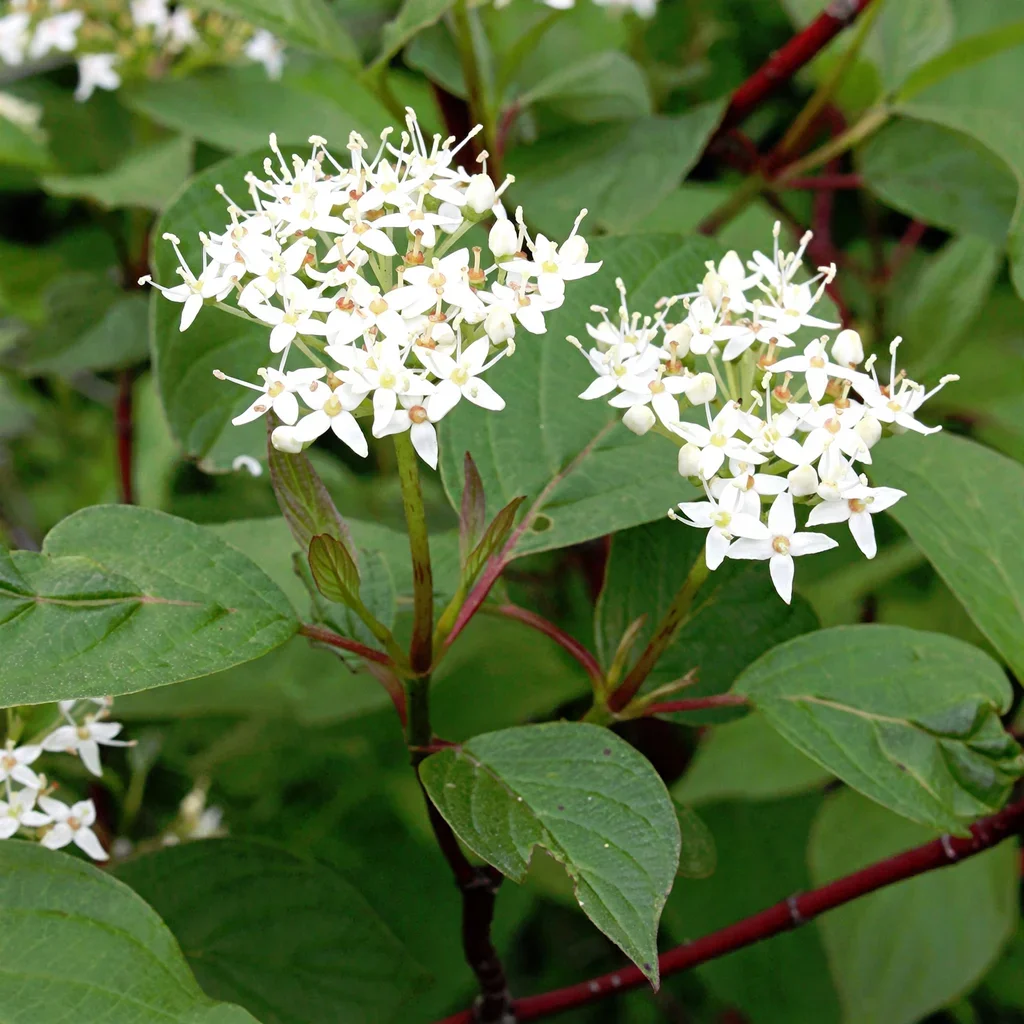
Red Twig Dogwood
Cornus sericea 'Red Twig'
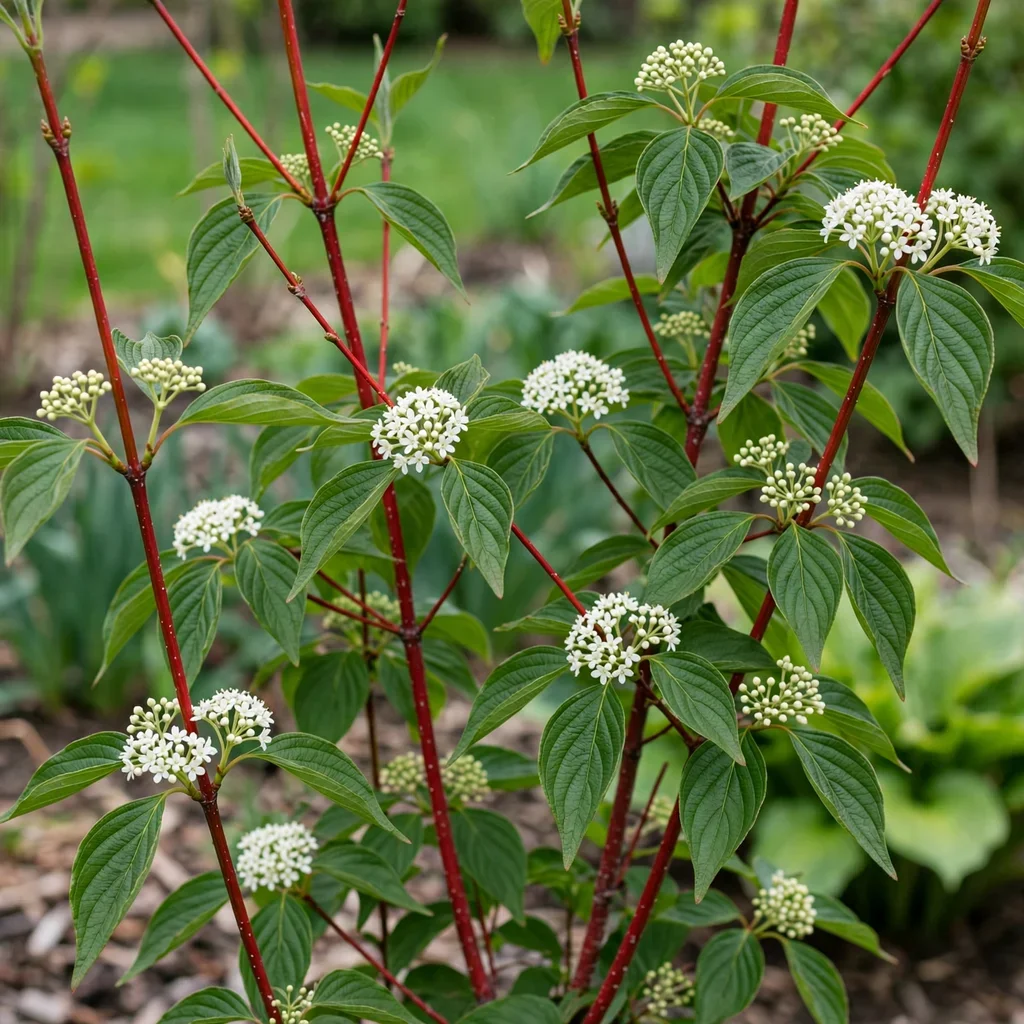
Arctic Fire Red Osier Dogwood
Cornus sericea 'Arctic Fire'
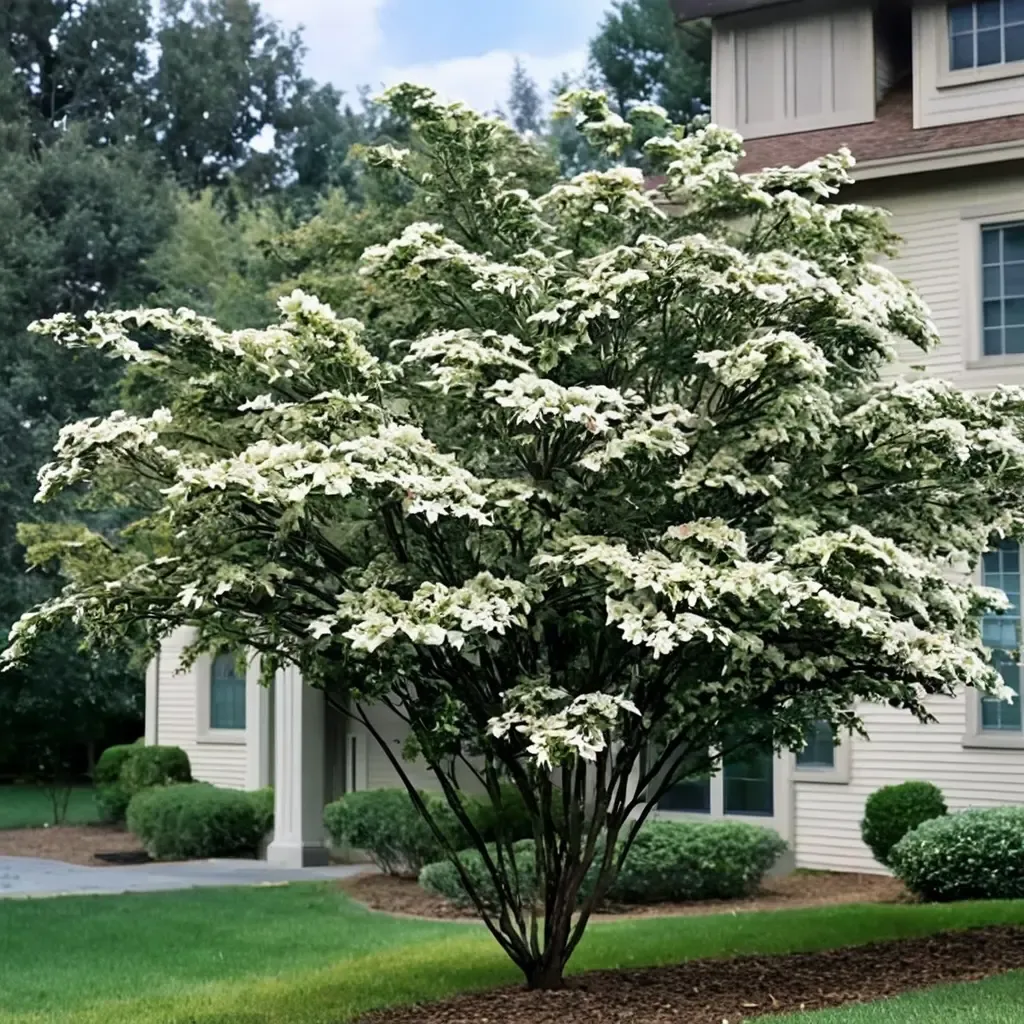
Kousa Dogwood
Cornus kousa
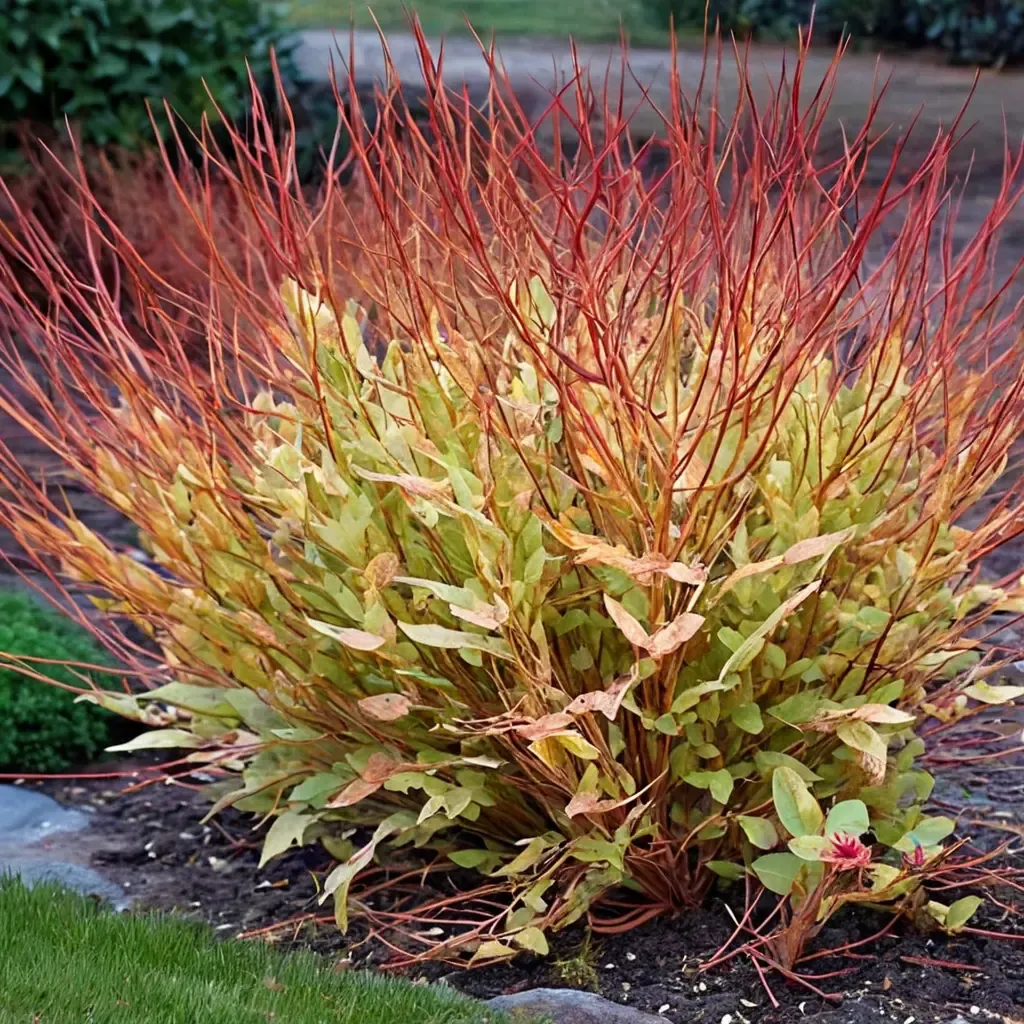
Midwinter Fire Dogwood
Cornus sanguinea 'Midwinter Fire'
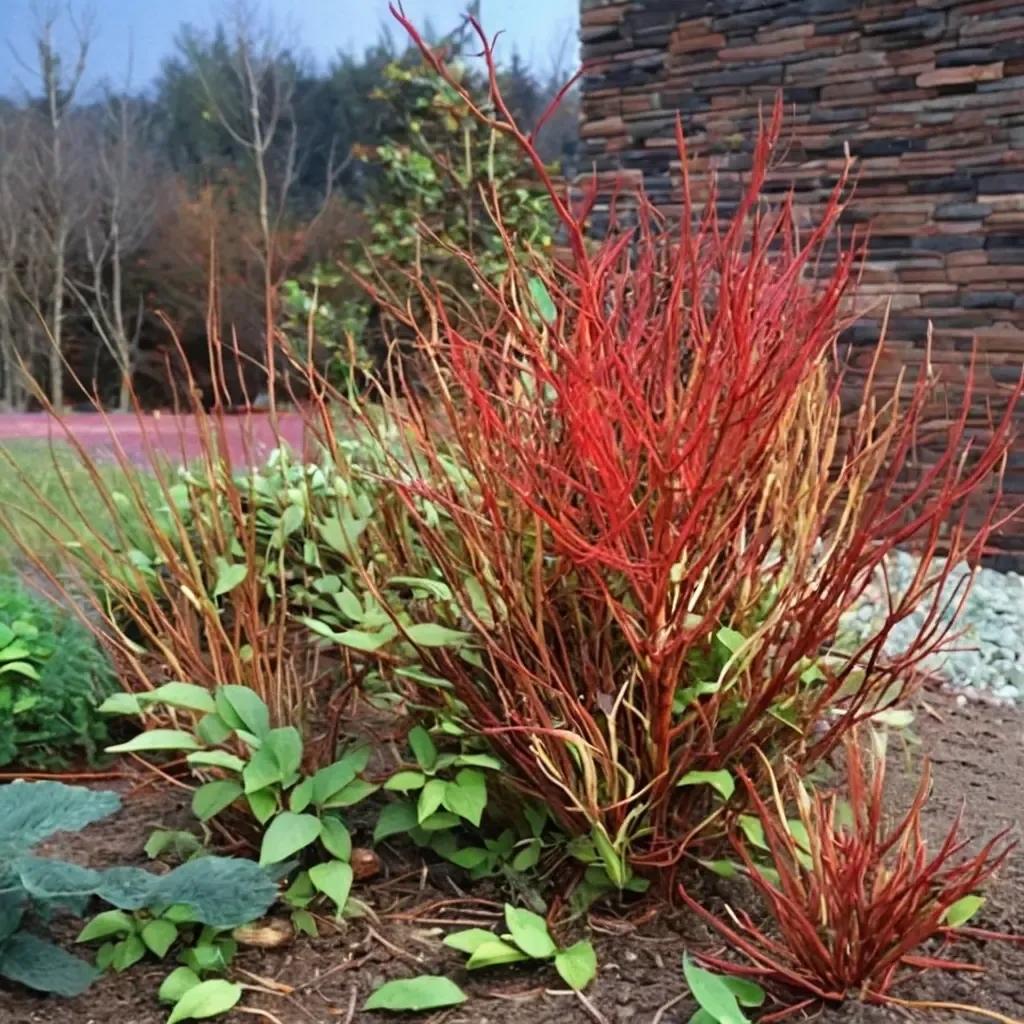
Cardinal Red Osier Dogwood
Cornus sericea 'Cardinal'
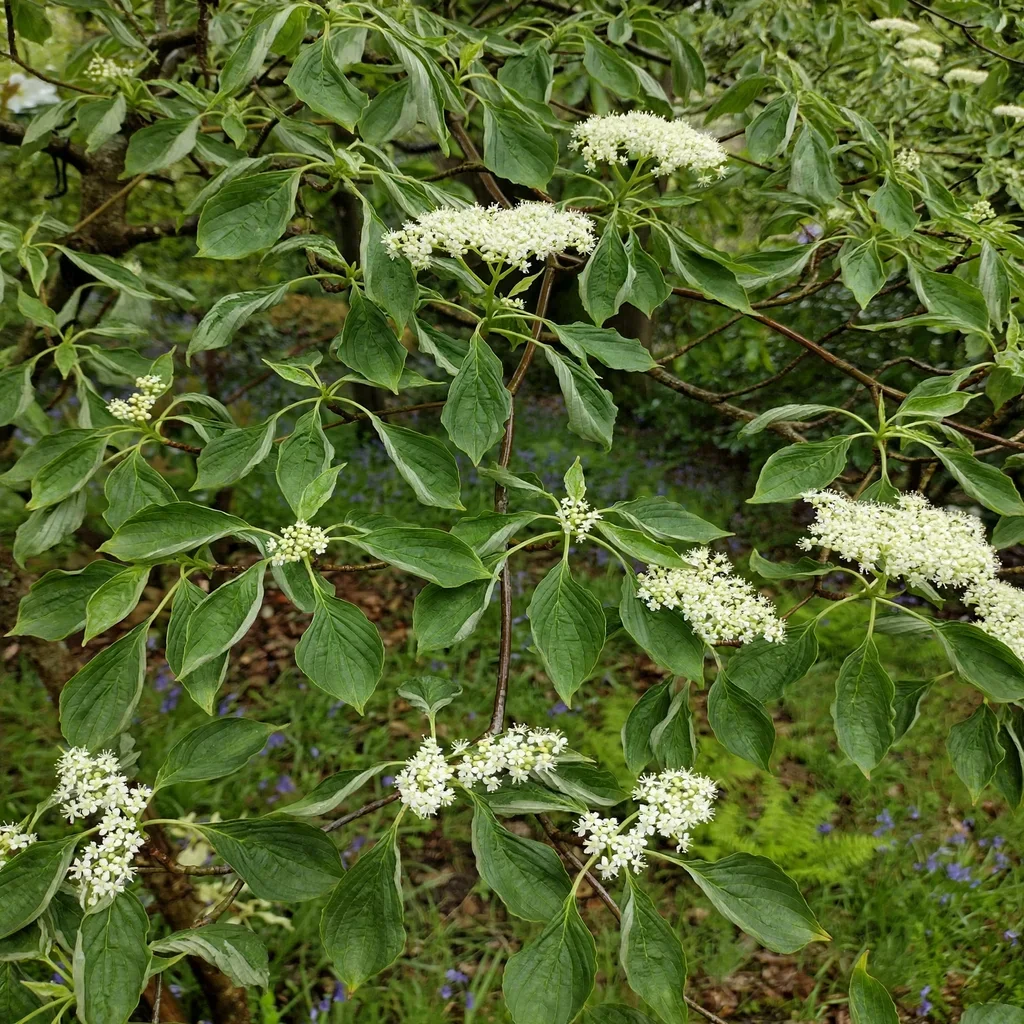
Giant Dogwood
Cornus controversa
Keep exploring
Explore the genus
Hardy in your zone?
Grow Cloud Nine Flowering Dogwood with confidence
See it in a design of your actual yard, get zone-matched care reminders, and track it season by season in your garden journal.