Species
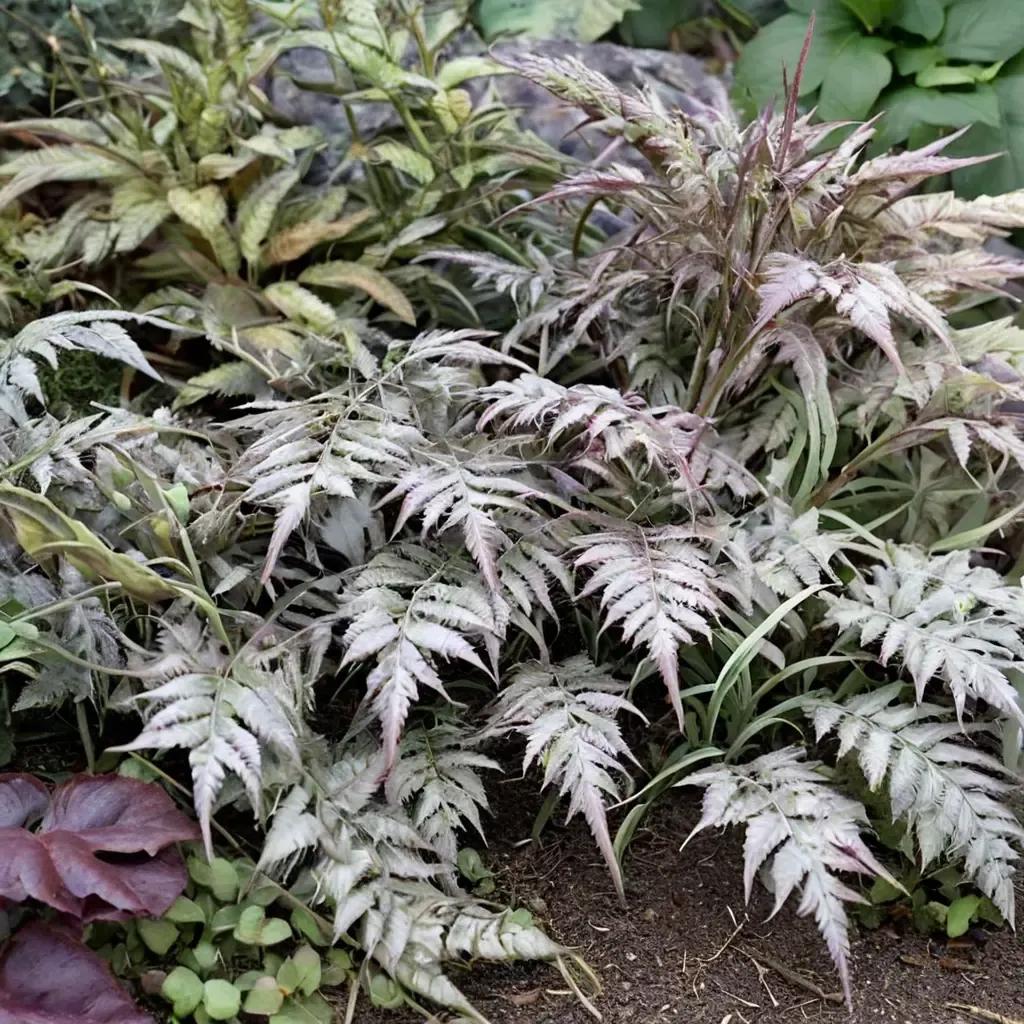 Athyrium niponicumJapanese painted fern
16 other cultivars
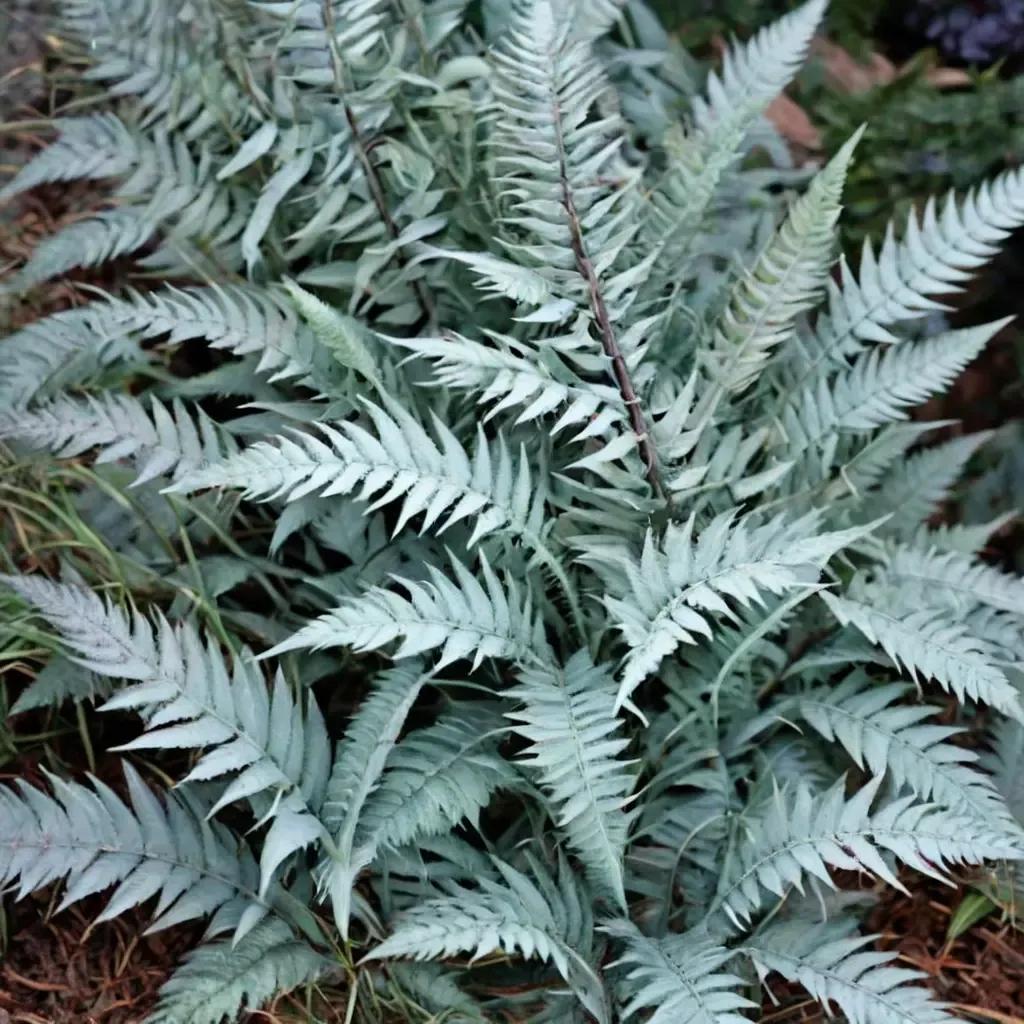 ‘Ghost’Ghost Fern
 ‘Pictum’Pictum Japanese Painted Fern
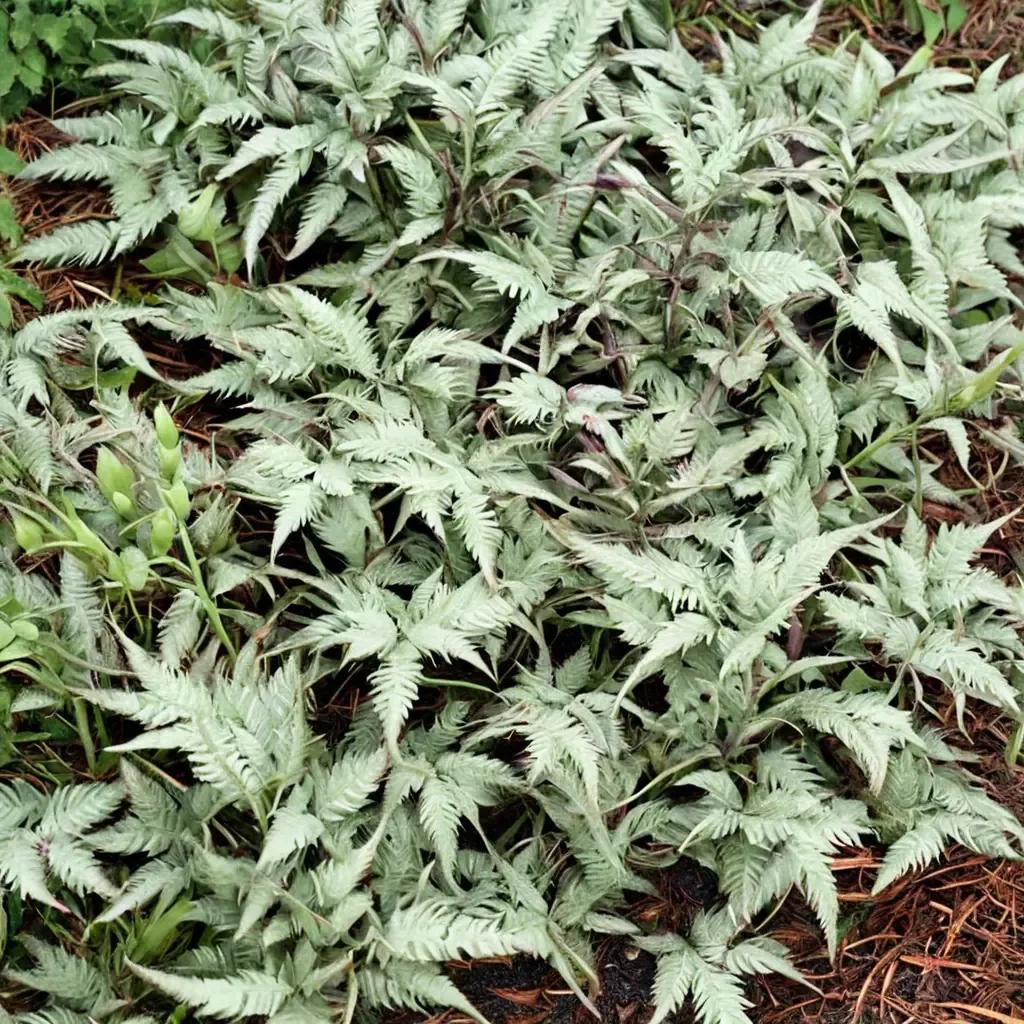 ‘Wildwood Twist’Japanese Painted Fern 'Wildwood Twist'
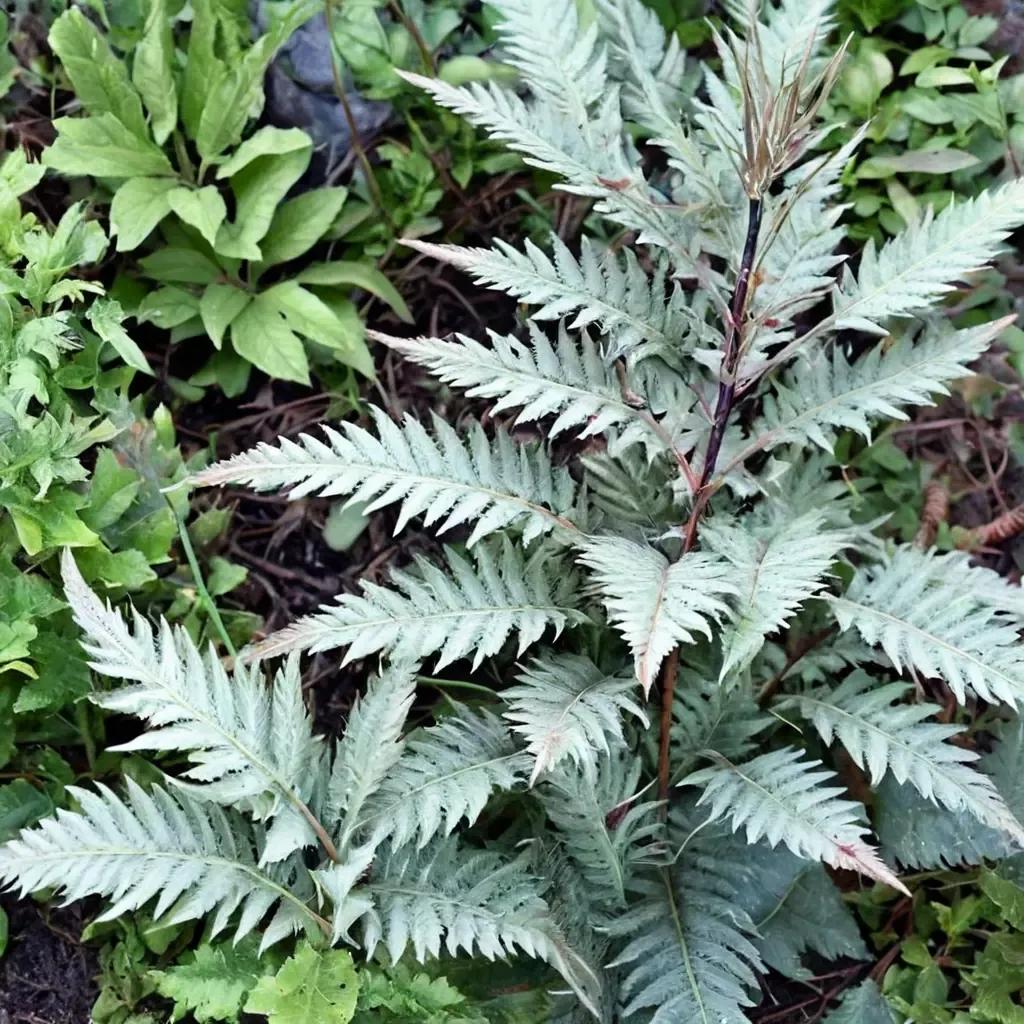 ‘Metallicum’Metallicum Japanese Painted Fern
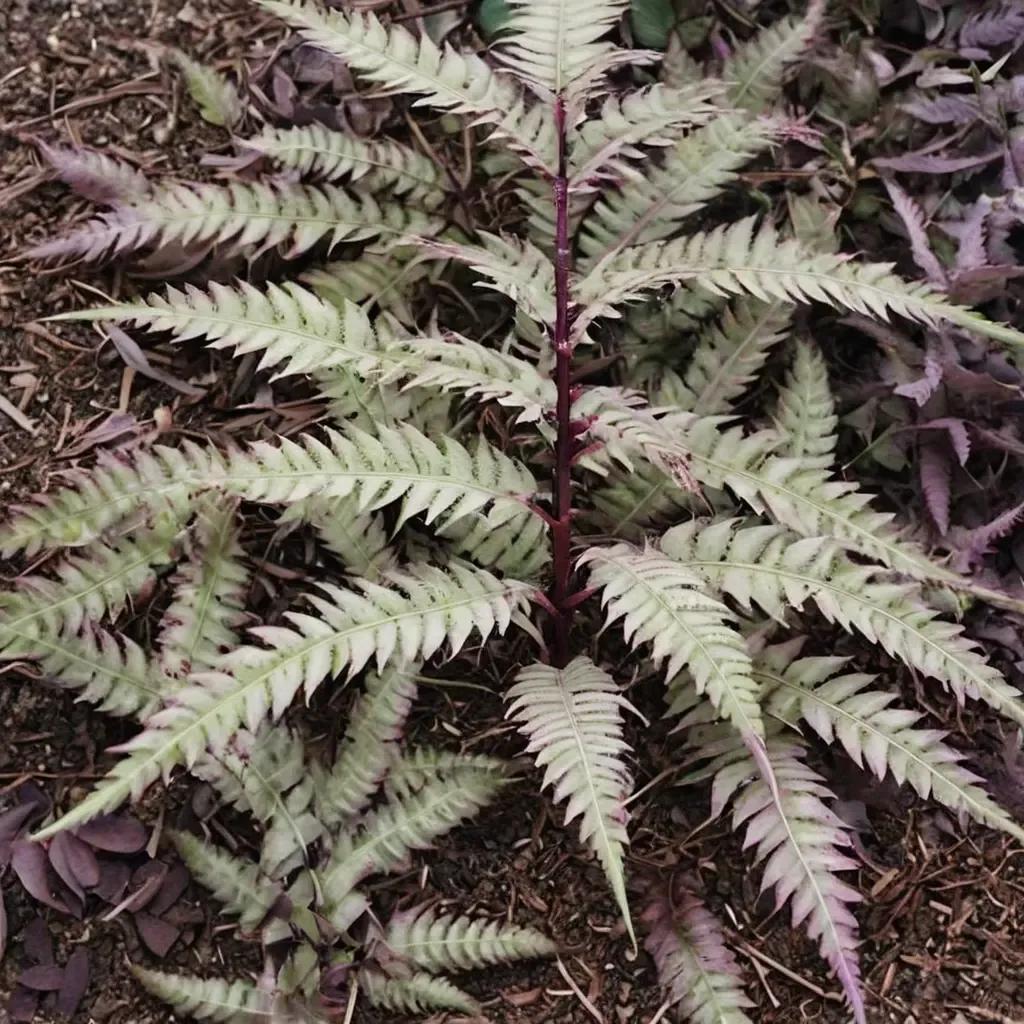 ‘Regal Red’Regal Red Japanese Painted Fern
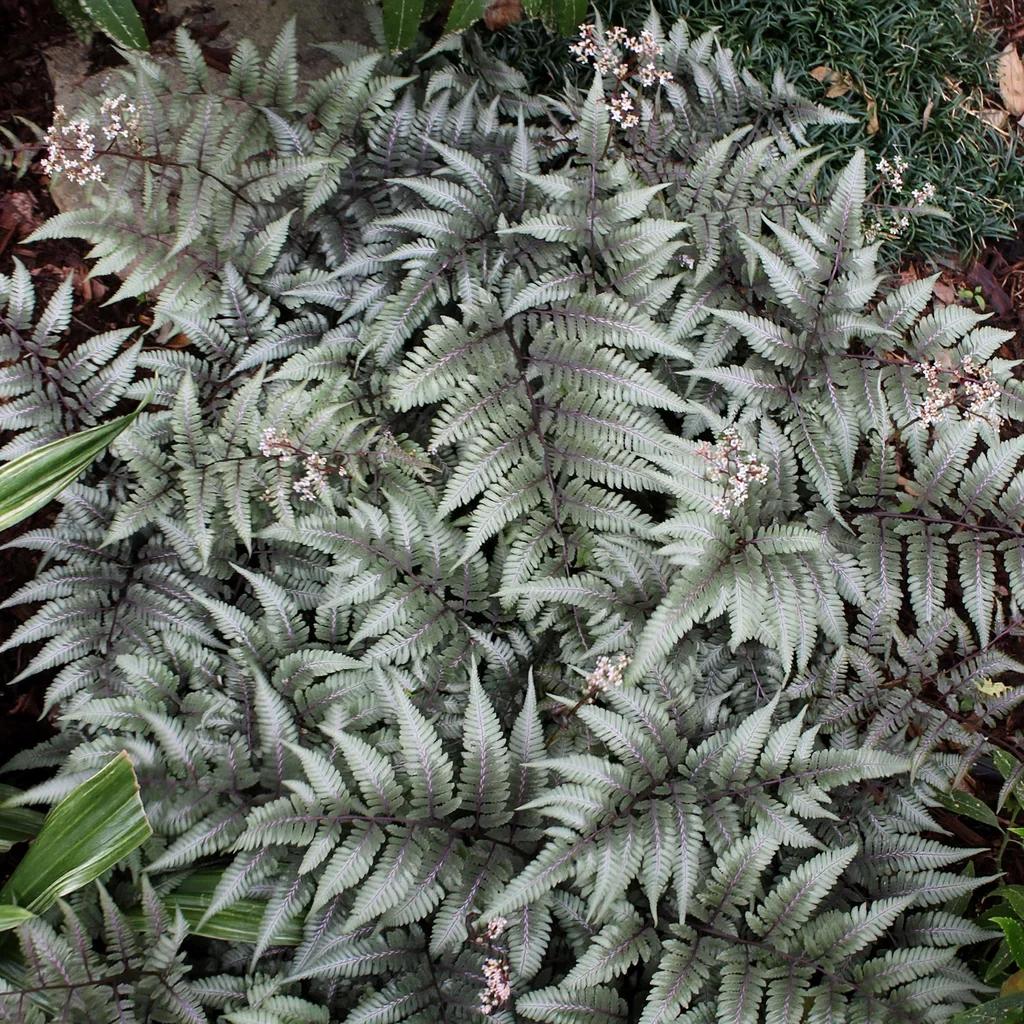 ‘HH-03CH108’Crested Surf Japanese Painted Fern
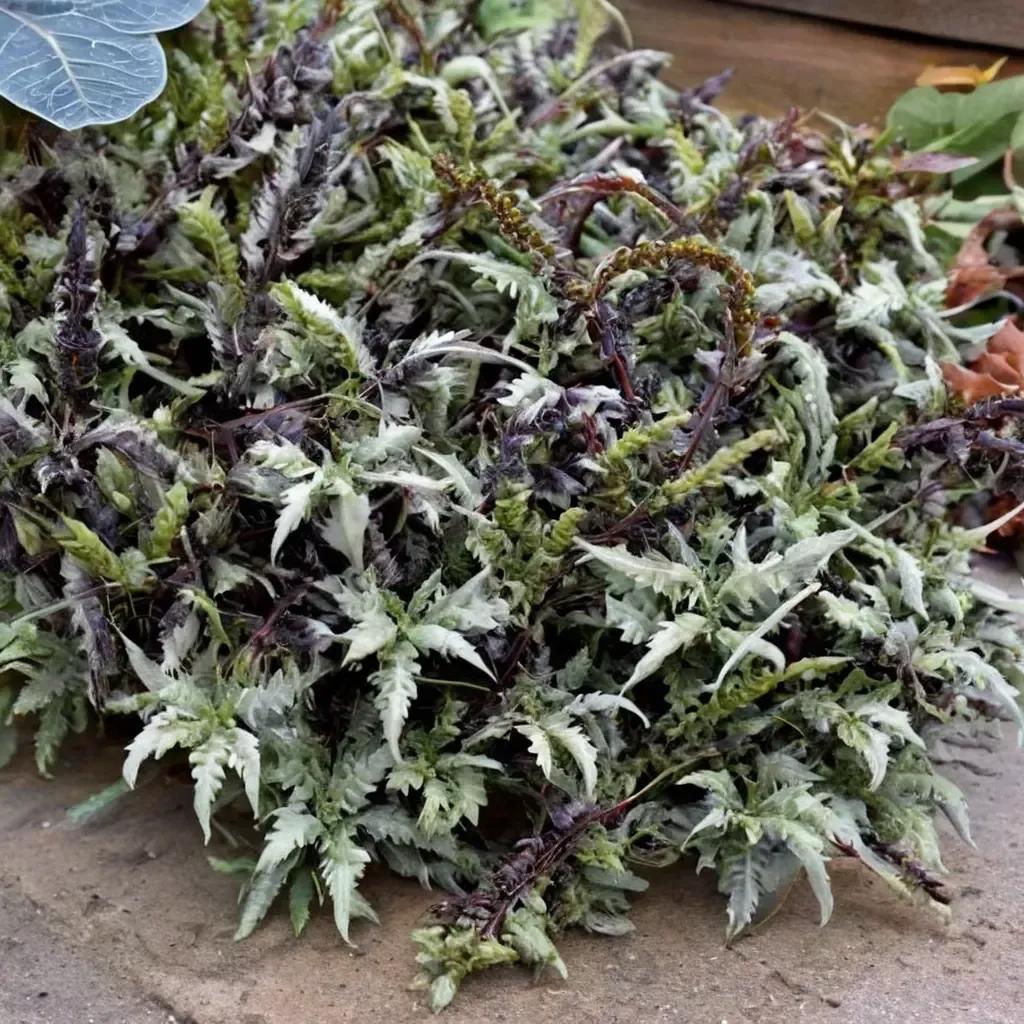 ‘Crested Surf’Crested Surf Japanese Fern
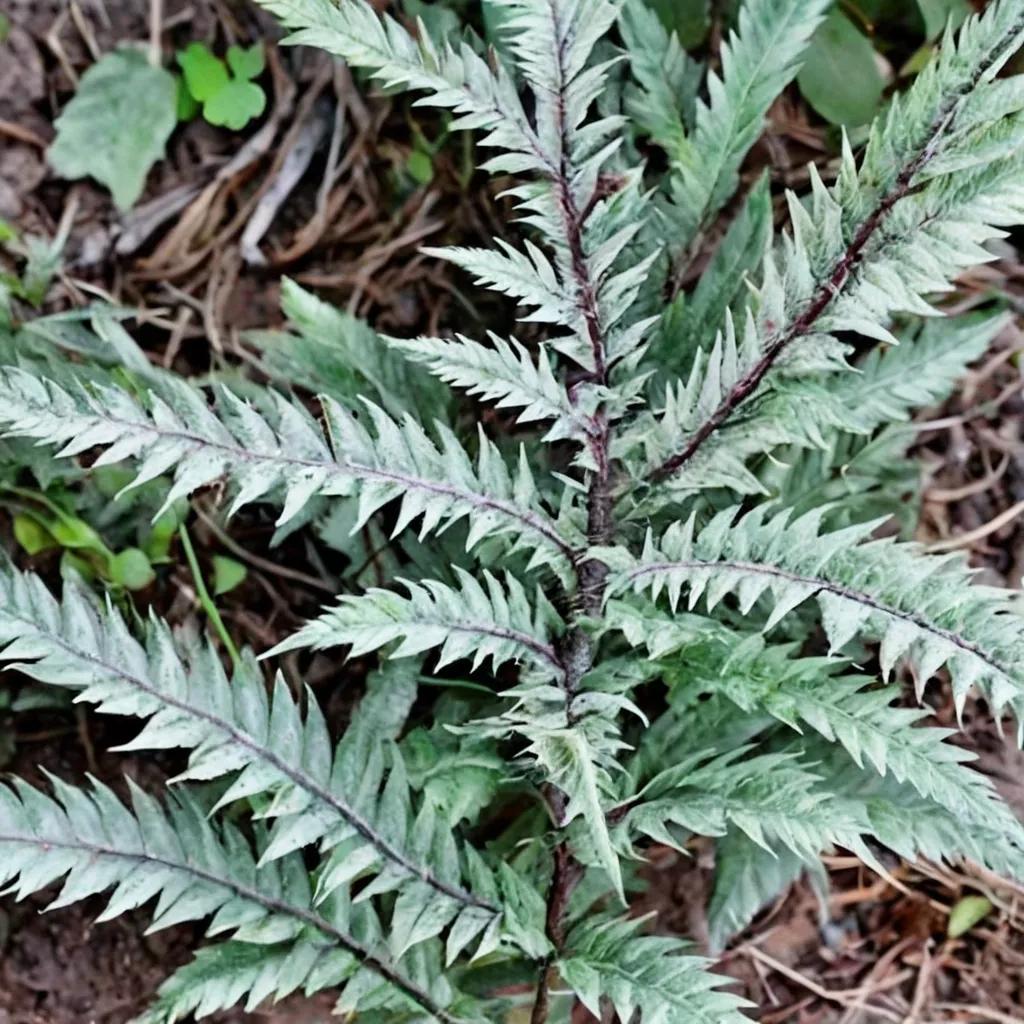 ‘Thrill Seeker’Japanese Painted Fern Thrill Seeker
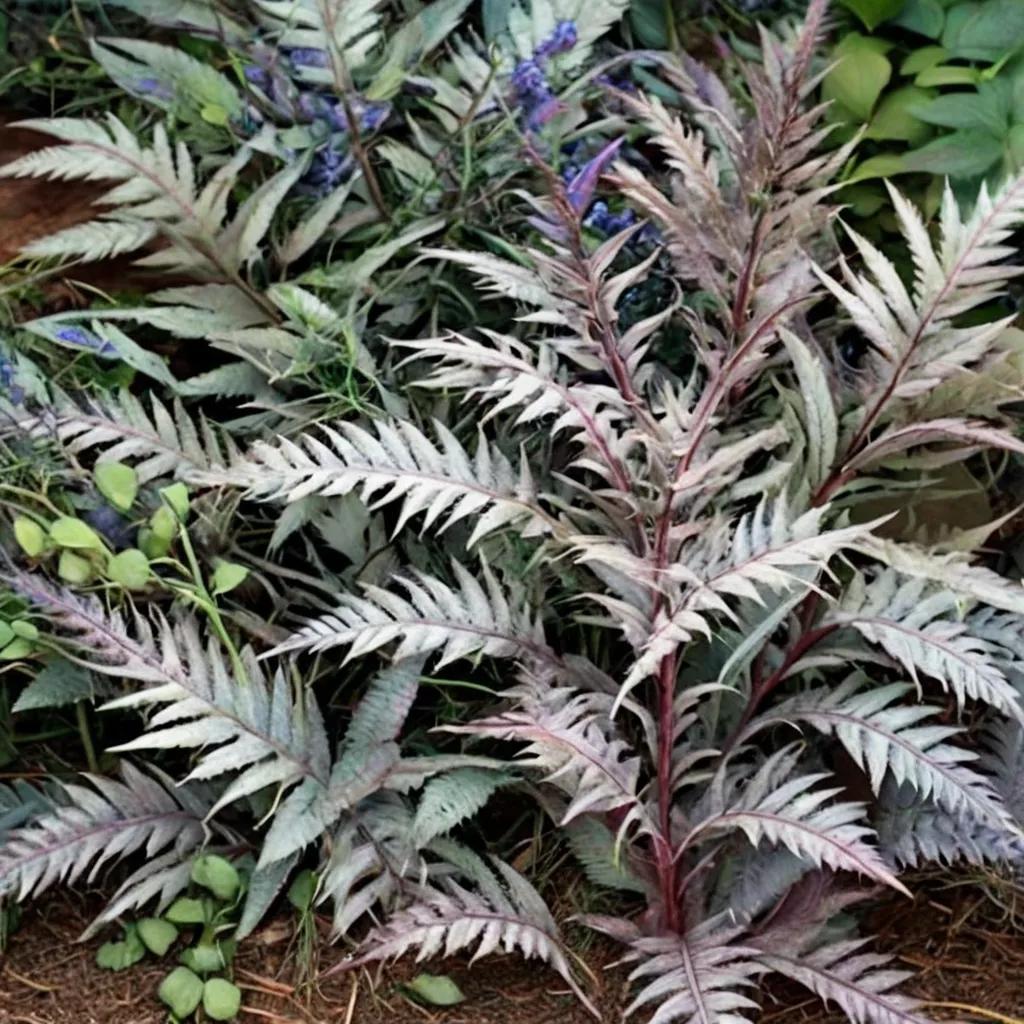 ‘Mix’Japanese Painted Fern
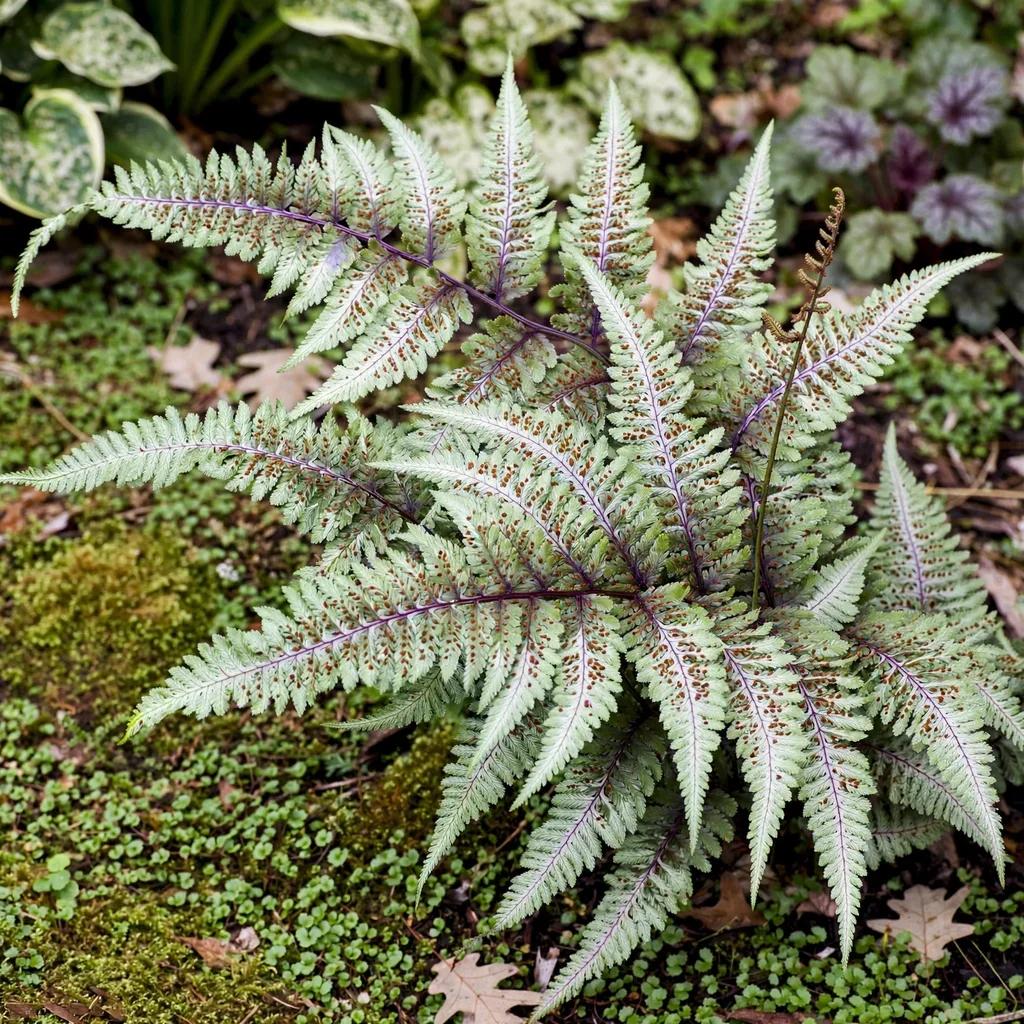 ‘Silver Falls’Japanese Painted Fern 'Silver Falls'
 ‘Burgundy Lace’Japanese Painted Fern Burgundy Lace
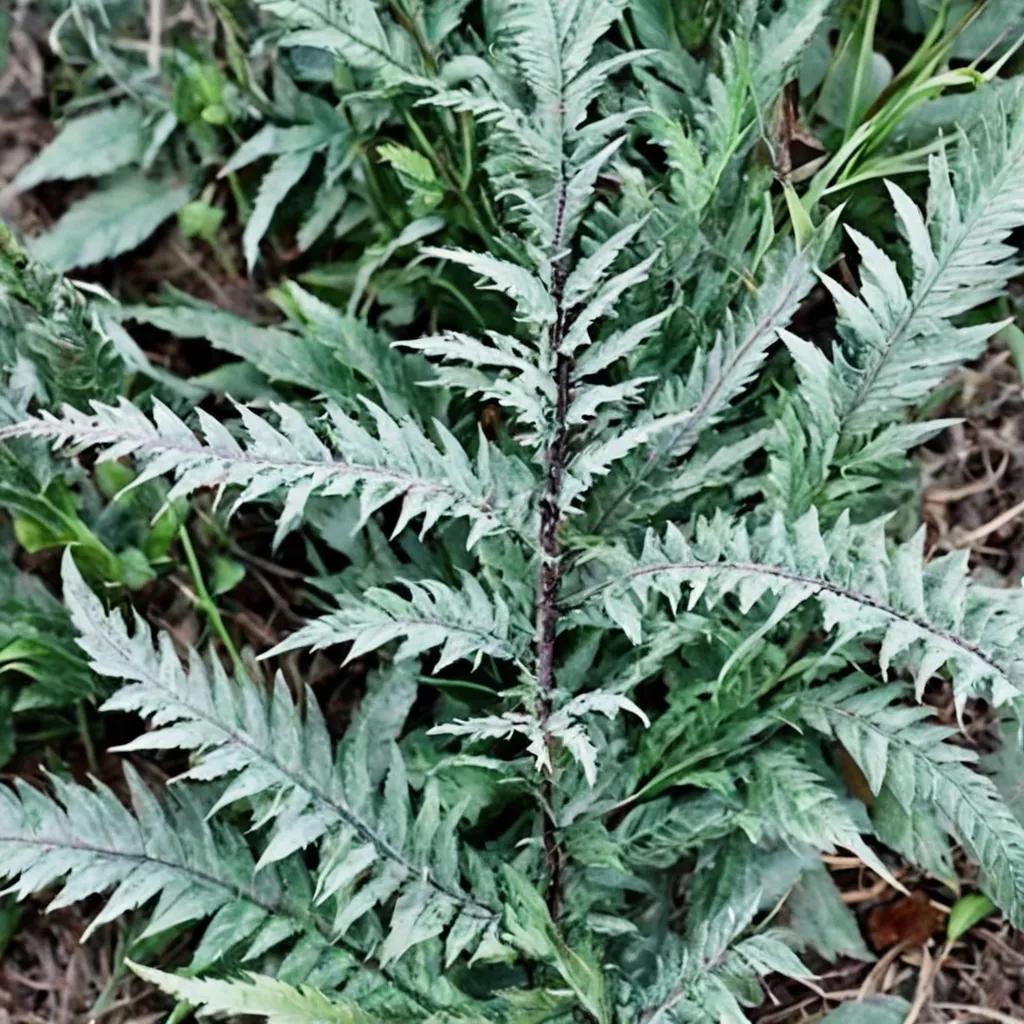 ‘Joy Ride’Joy Ride Japanese Painted Fern
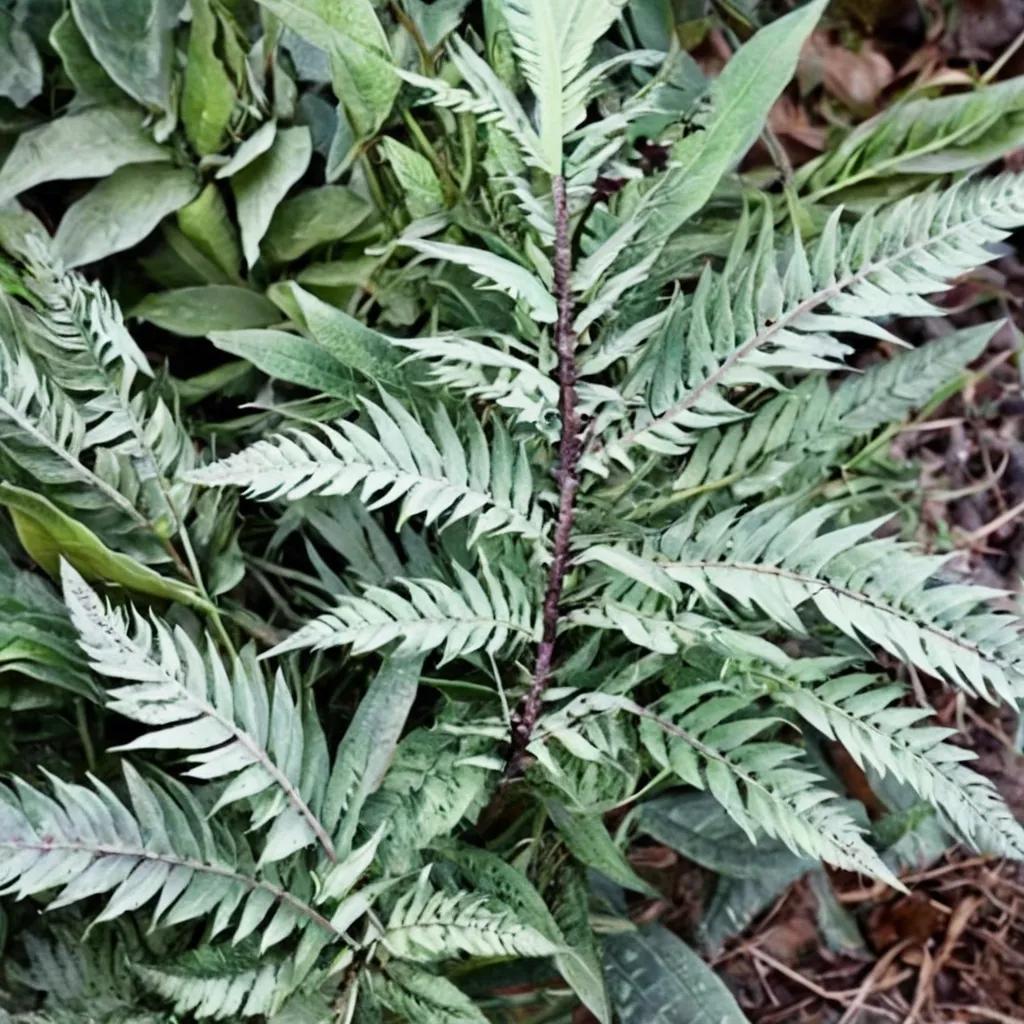 ‘Lemon Cream’Lemon Cream Japanese Painted Fern
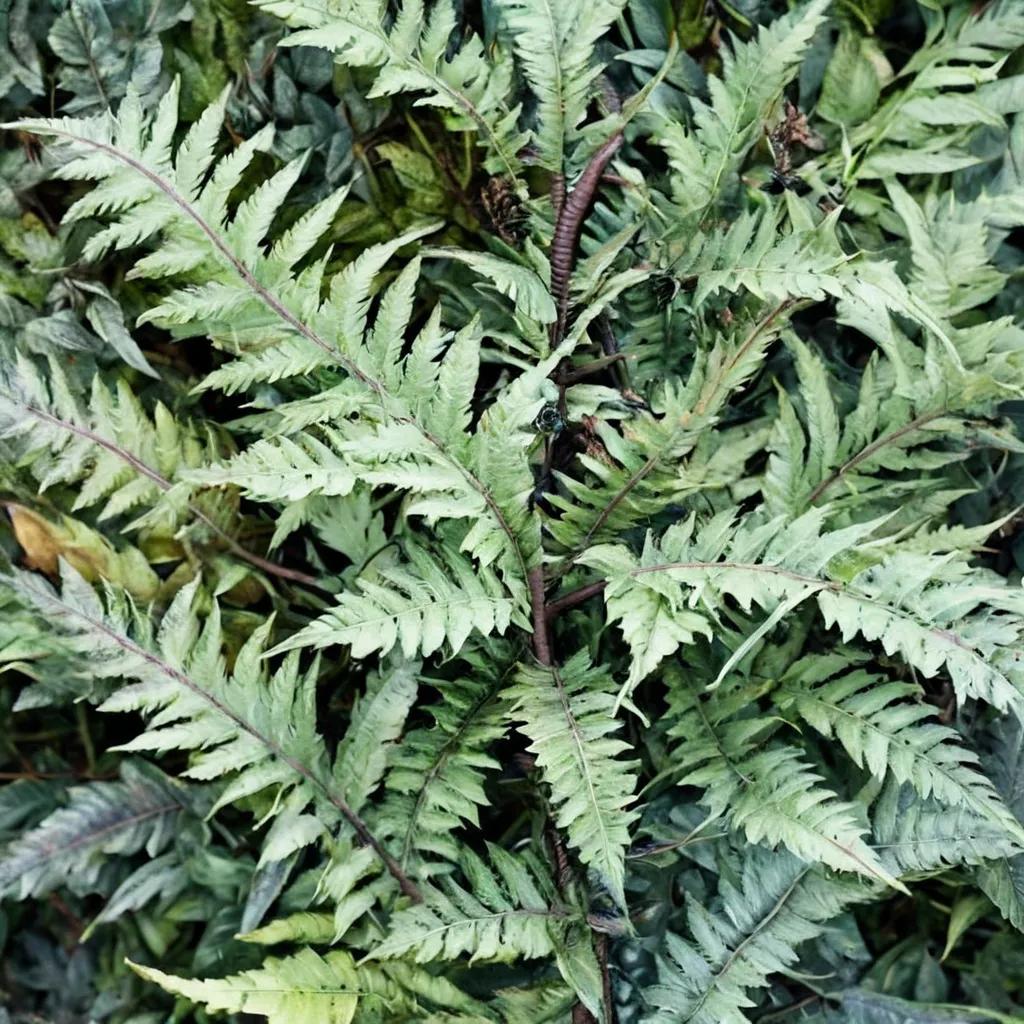 ‘Apple Court’Japanese Painted Fern Apple Court
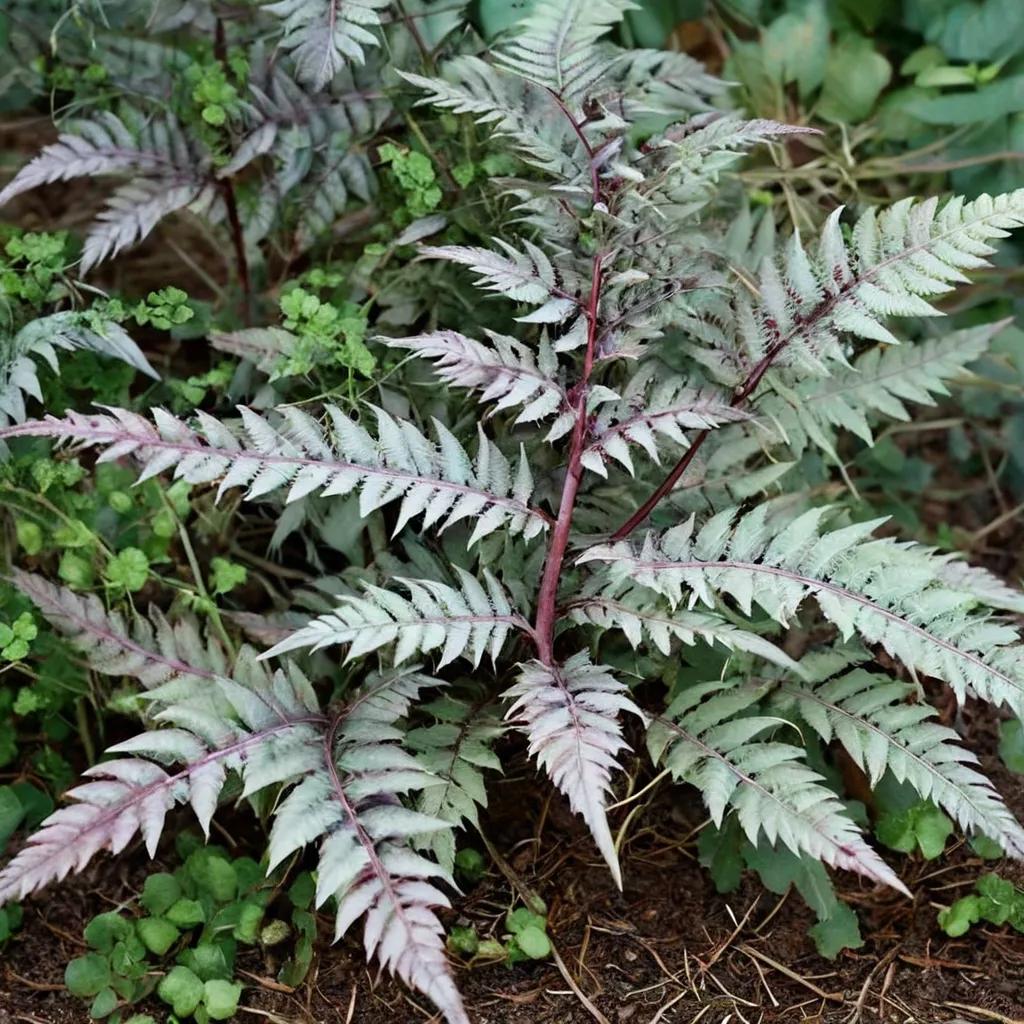 ‘Chungdu Queen’Chungdu Queen Japanese Painted Fern
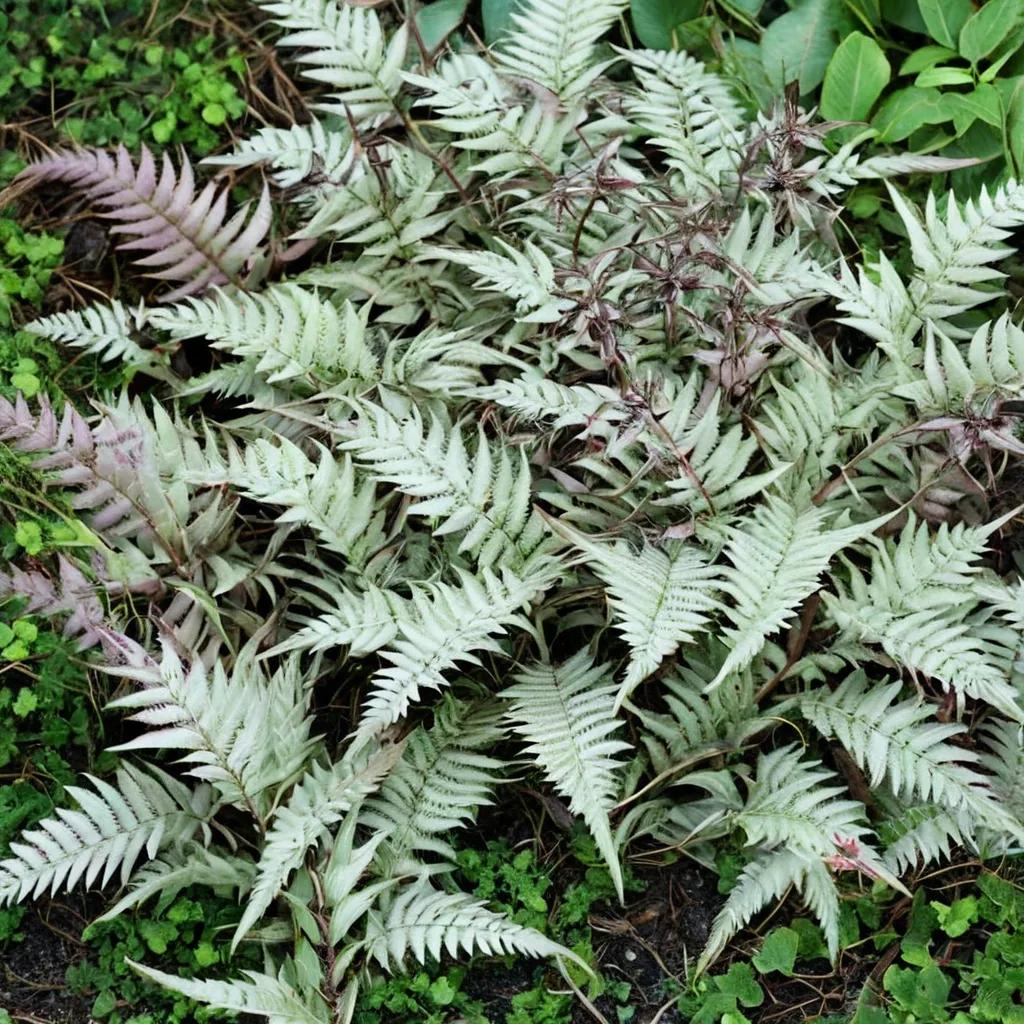 ‘Soul Mate’Japanese Painted Fern Soul Mate
The Story
Plant Bio
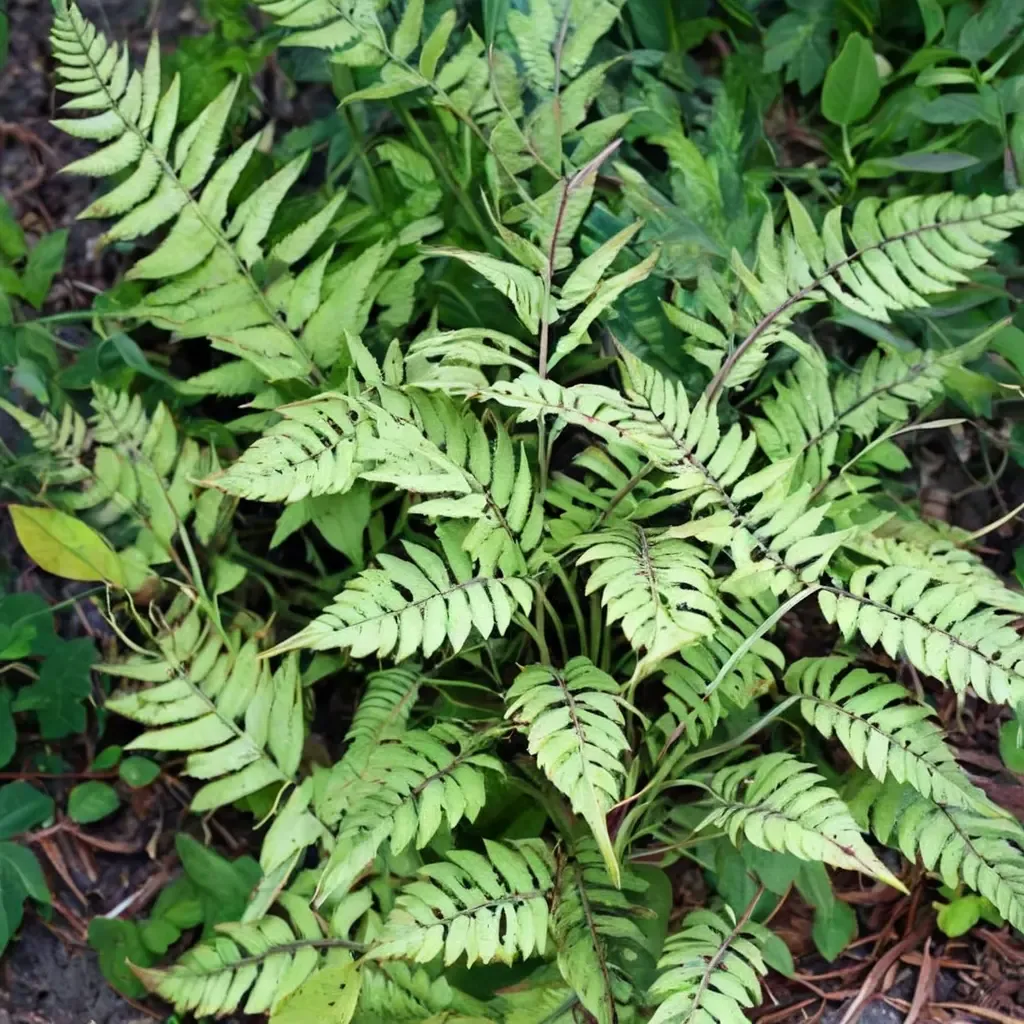
Athyrium niponicum 'Ping Wu' is a deciduous fern distinguished by its delicate, silvery-green fronds with reddish-purple accents, forming a graceful, arching clump that adds texture to shaded garden areas.
This cultivar is celebrated for its vibrant, multicolored fronds that maintain their striking coloration throughout the growing season, making it a standout in shaded landscape plantings.
Uses & Benefits:
Essentials
At a Glance
Plant Type
Fern
Height
18"
Width
24"
Light
Partial Sun, Shade
Zones
4, 5, 6, 7, 8, 9
Water
Moist
Humidity
High
Lifespan
Perennial
Native To
Japan and Eastern Asia
Toxicity
Non-toxic to humans and pets
Planting
How to Grow
- Tuck spores or divisions into moist soil.
- Mist cuttings regularly to maintain humidity.
- Plant in partial shade with rich, moist soil.
- Water consistently to keep soil moist but not waterlogged.
- Mulch around base to retain moisture and suppress weeds.
- Transplant in early spring when dormant.
Pro Tip
Keep soil consistently moist and avoid direct midday sun.
Keep It Thriving
Care Guide
Do
- Water regularly to keep soil moist 🌱
- Mulch to retain moisture and regulate soil temperature
- Divide clumps every 3-4 years for vigorous growth
Don't
- Avoid drought conditions ❌
- Don’t expose to full sun which can scorch leaves
- Refrain from heavy fertilizing that can damage roots
Seasonal Care Calendar
| Task | Jan | Feb | Mar | Apr | May | Jun | Jul | Aug | Sep | Oct | Nov | Dec |
|---|---|---|---|---|---|---|---|---|---|---|---|---|
| Divide | ||||||||||||
| Fertilize | ||||||||||||
| Mulch | ||||||||||||
| Plant | ||||||||||||
| Spring Cleanup |
Watch Out For
Pests & Diseases
Common Pests
Common Diseases
In the Garden
Landscape Uses & Companions
Landscape Uses
Multiply
Propagation Methods
Good to Know
Common Questions
Ping Wu Japanese Painted Fern questions
What zones can Ping Wu Japanese Painted Fern grow in?
Ping Wu Japanese Painted Fern is hardy in USDA Zones 4–9. Inside that range it survives winter in the ground; outside it, grow it as an annual or a container plant you protect.
Is Ping Wu Japanese Painted Fern deer resistant?
Yes — Ping Wu Japanese Painted Fern is rated deer-resistant. Deer typically pass it over, though extreme hunger can override any plant's defenses.
Does Ping Wu Japanese Painted Fern need full sun?
Ping Wu Japanese Painted Fern does best in part shade.
More Athyrium to compare
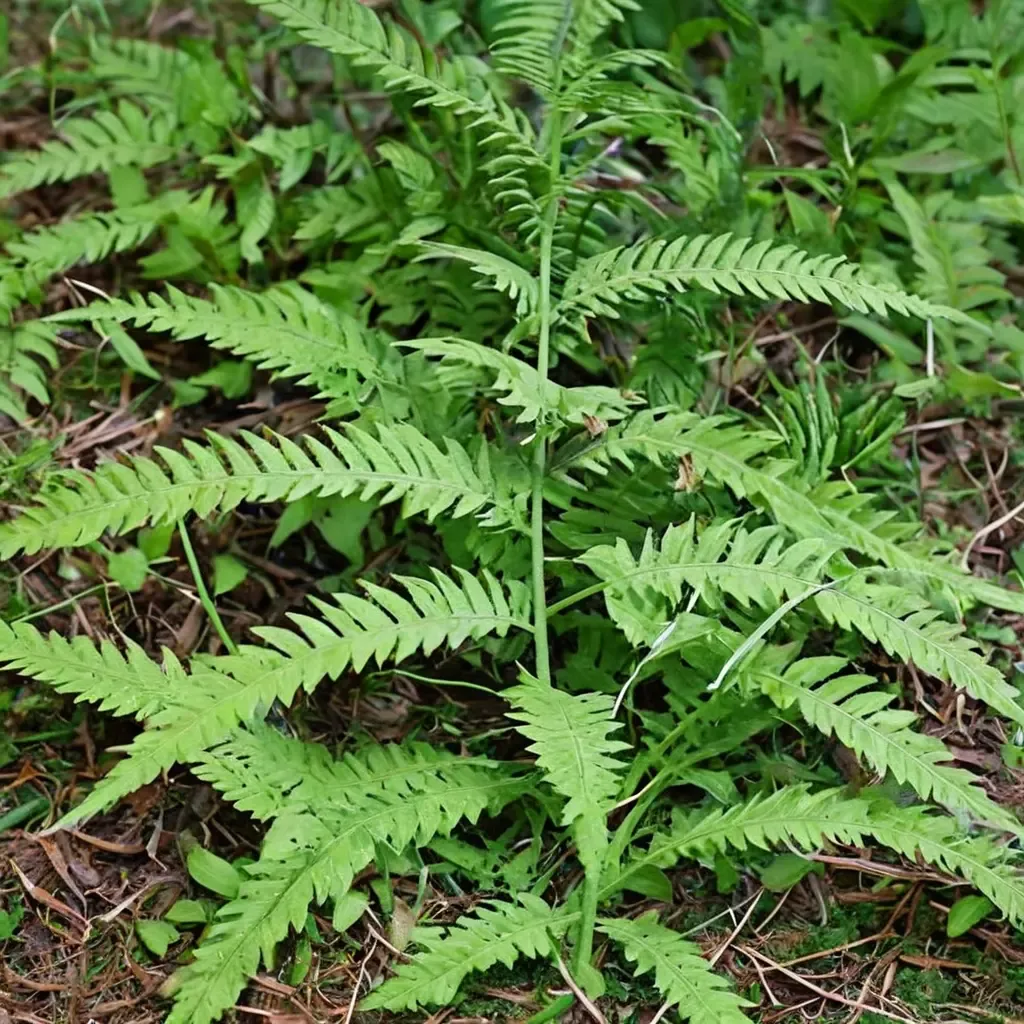
Lady Fern
Athyrium filix-femina
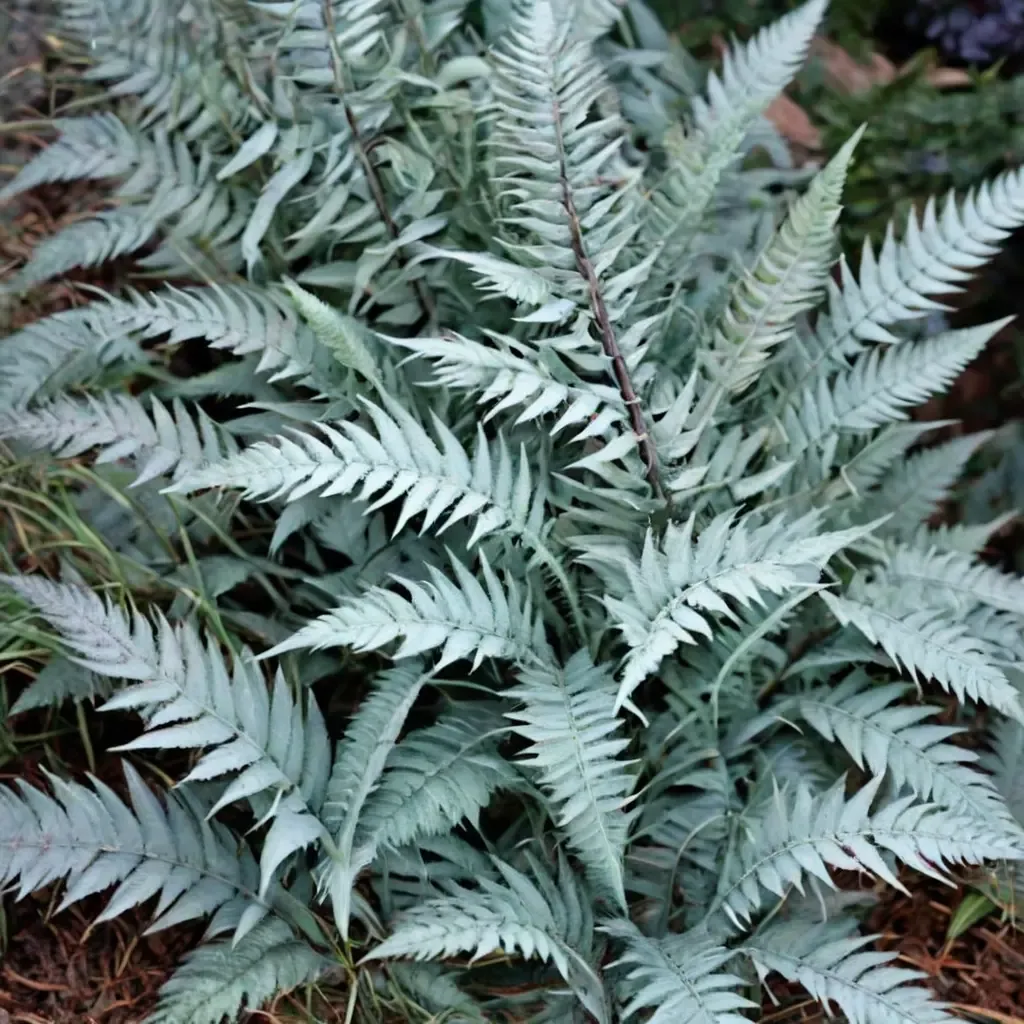
Ghost Fern
Athyrium niponicum 'Ghost'
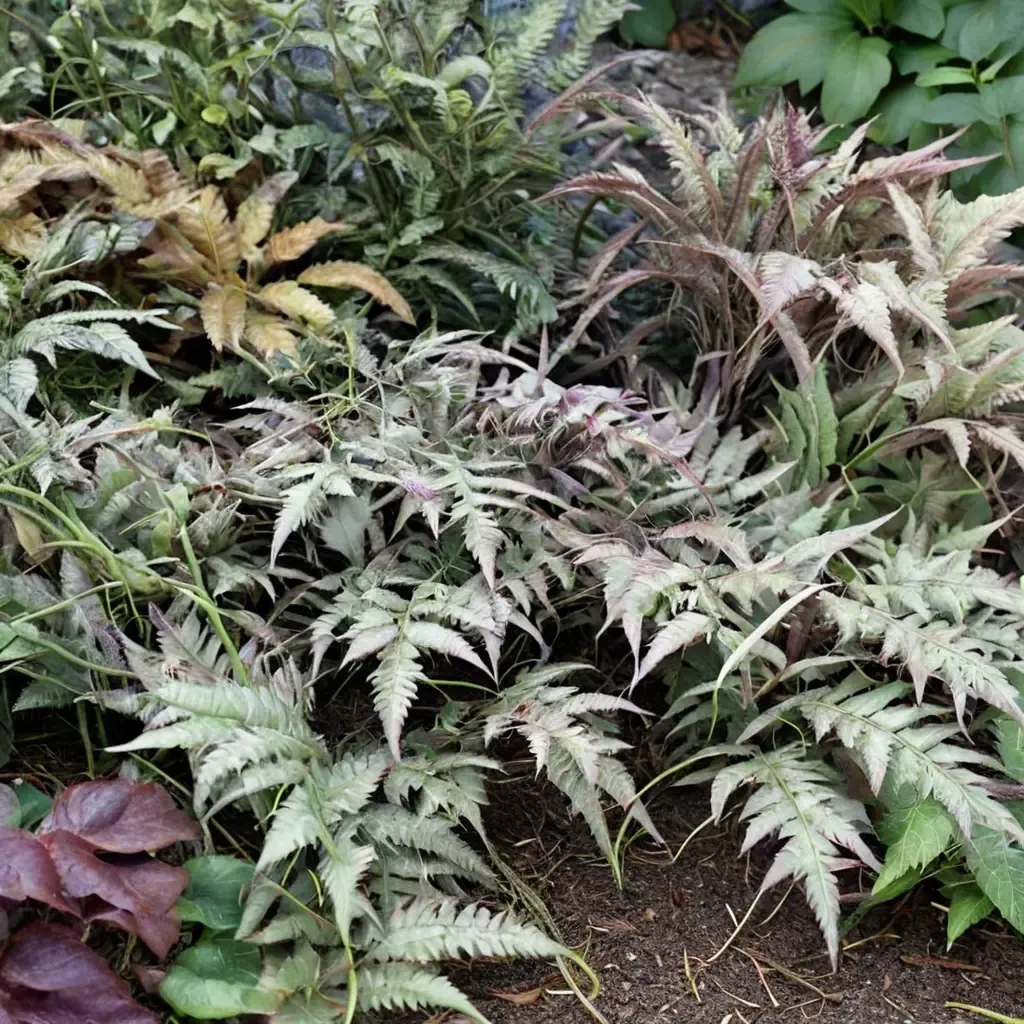
Pictum Japanese Painted Fern
Athyrium niponicum 'Pictum'
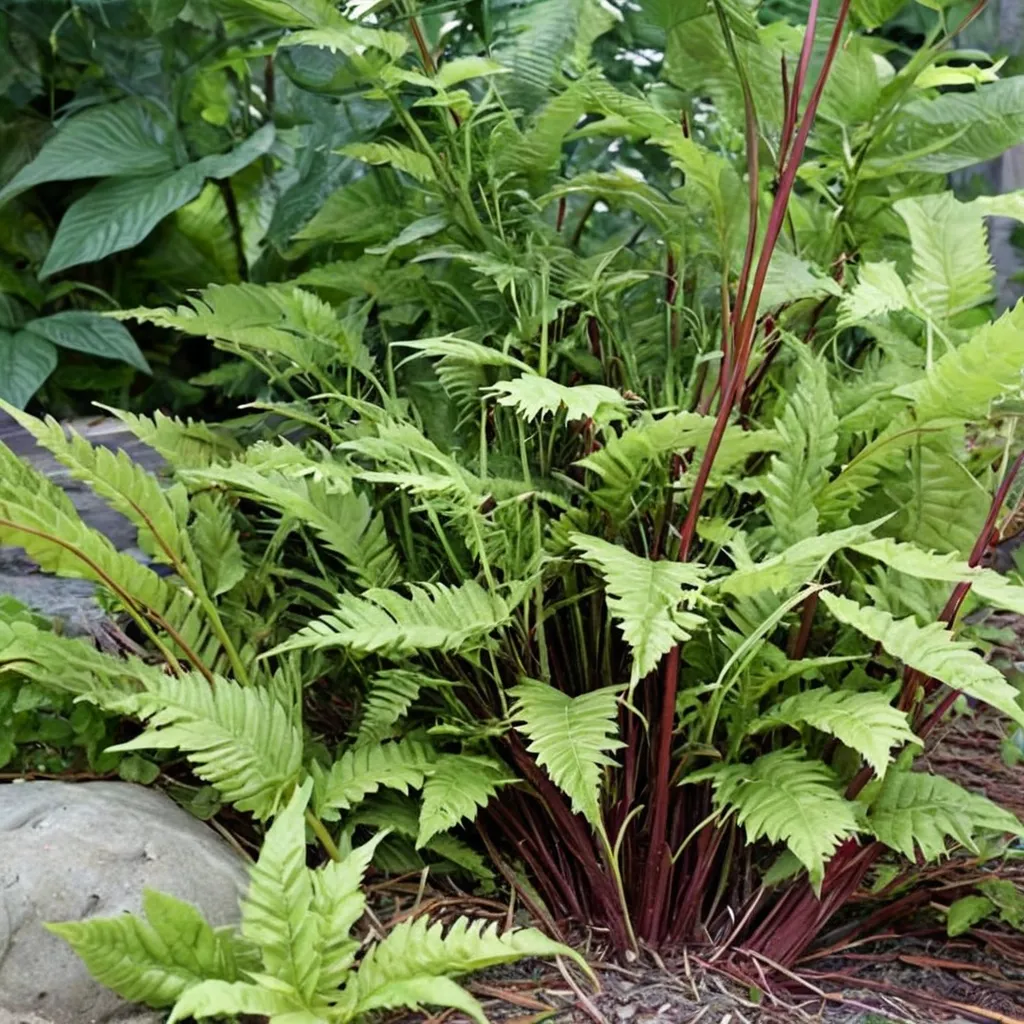
Lady in Red Fern
Athyrium filix-femina 'Lady in Red'
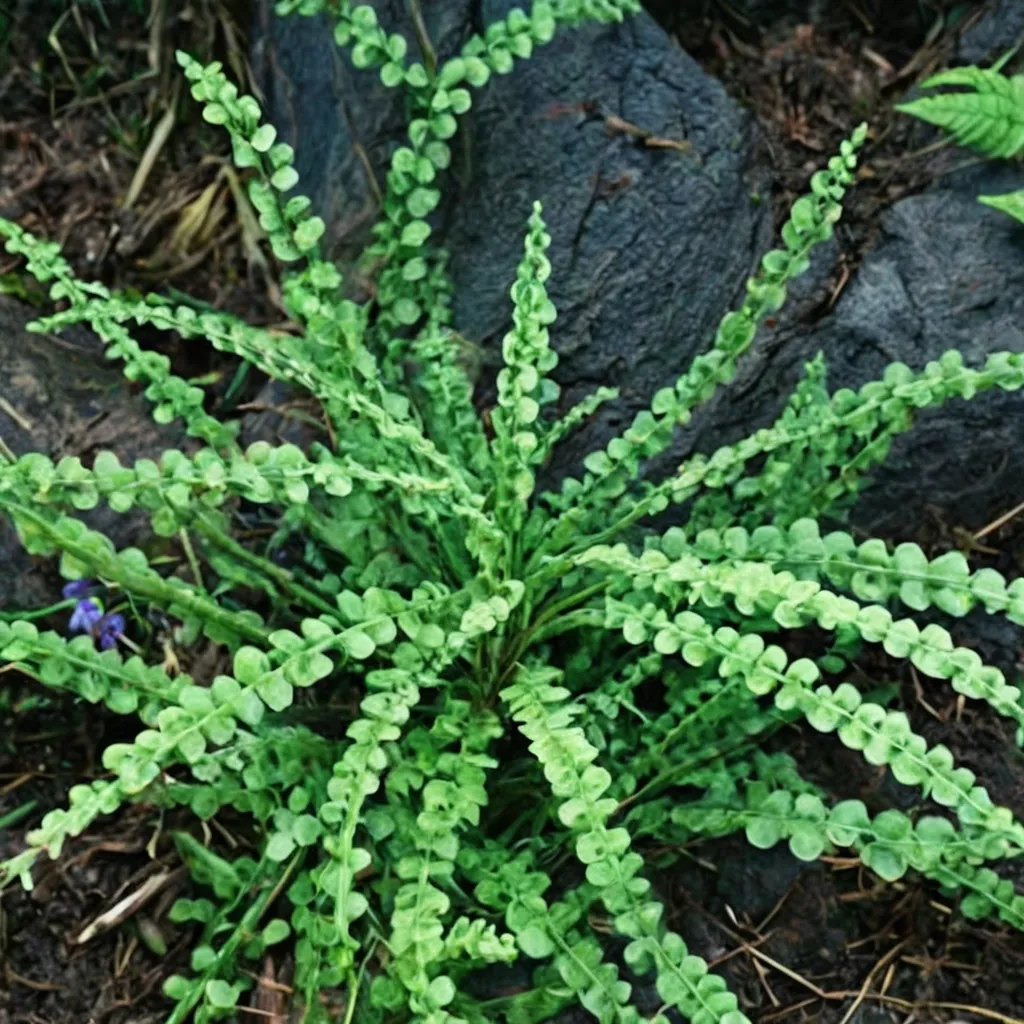
Tatting Fern
Athyrium filix-femina 'Frizelliae'
Okanum fern
Athyrium otophorum 'Okanum'
Keep exploring
Explore the genus
Grow Ping Wu Japanese Painted Fern with confidence
See it in a design of your actual yard, get zone-matched care reminders, and track it season by season in your garden journal.