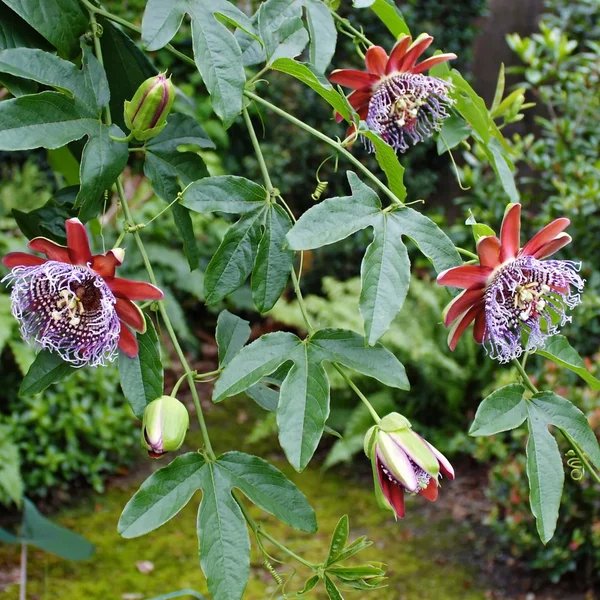
Garden hybrid
This is a garden hybrid, bred from more than one wild species, so it has no single species page of its own.
1 other cultivar

The Story
Plant Bio
Passiflora species are vigorous evergreen or deciduous vines that climb using axillary tendrils and are known for their complex, highly structured flowers. Most species require well-drained, moisture-retentive soil and a support structure to facilitate upward growth.
'Mission Dolores' is a rare hybrid of *Passiflora parritae* and *Passiflora antioquiensis* that produces pendulous, seven-inch rose-pink flowers on exceptionally long peduncles. This cultivar is highly specialized for cool, humid coastal climates and will fail in regions with hot summers or freezing winters.
Uses & Benefits:
Bred from more than one wild species, so it has no species page of its own.
Essentials
At a Glance
Plant Type
Vine
Height
240"
Width
72"
Light
Full Sun, Partial Sun
Zones
9, 10
Water
Regular
Humidity
High
Lifespan
Perennial
Native To
Hybrid origin
Toxicity
Toxic if Ingested
Bloom period
Spring – Autumn
In flower about 9 months of the year
Planting
How to Grow
- Select a planting site with rich, well-draining soil that receives morning sun and afternoon shade.
- Install a sturdy trellis, wire system, or arbor before planting to support the vigorous climbing tendrils.
- Dig a hole twice the width of the root ball and plant at the same depth as the nursery container.
- Water deeply at the base and apply a three-inch layer of organic mulch to keep the root zone cool and moist.
Pro Tip
Provide a tall trellis or arbor in a site protected from strong winds, as the heavy, pendulous flowers hang down several inches and require clearance to be fully seen.
Keep It Thriving
Care Guide
Do
- Water regularly to maintain consistent soil moisture without waterlogging the roots.
- Provide afternoon shade in warmer microclimates to prevent leaf scorch.
- Mulch the root zone heavily to protect against temperature fluctuations.
Don't
- Do not allow the soil to dry out completely, as drought stress triggers leaf drop and bud abortion.
- Do not apply high-nitrogen fertilizers, which stimulate excessive foliage at the expense of flowers.
- Do not plant in areas exposed to hard winter frosts or hot, dry inland winds.
Seasonal Care Calendar
| Task | Jan | Feb | Mar | Apr | May | Jun | Jul | Aug | Sep | Oct | Nov | Dec |
|---|---|---|---|---|---|---|---|---|---|---|---|---|
| Fertilize | ||||||||||||
| Mulch | ||||||||||||
| Pest Check | ||||||||||||
| Prune |
Watch Out For
Pests & Diseases
Common Pests
Common Diseases
In the Garden
Landscape Uses & Companions
Landscape Uses
Companion Plants
Multiply
Propagation Methods
Good to Know
Common Questions
Mission Dolores Passion Flower questions
What zones can Mission Dolores Passion Flower grow in?
Mission Dolores Passion Flower is hardy in USDA Zones 9–10. Inside that range it survives winter in the ground; outside it, grow it as an annual or a container plant you protect.
Is Mission Dolores Passion Flower deer resistant?
Not reliably. Deer may browse Mission Dolores Passion Flower, especially tender spring growth — plan on repellents or fencing where pressure is high.
When does Mission Dolores Passion Flower bloom?
Mission Dolores Passion Flower typically blooms in spring through autumn. Exact timing shifts a week or two with your zone — Sow's bloom calendar maps it to your garden.
Does Mission Dolores Passion Flower need full sun?
Mission Dolores Passion Flower does best in full sun to part shade. In hot climates, afternoon shade keeps blooms fresher longer.
More Passiflora to compare
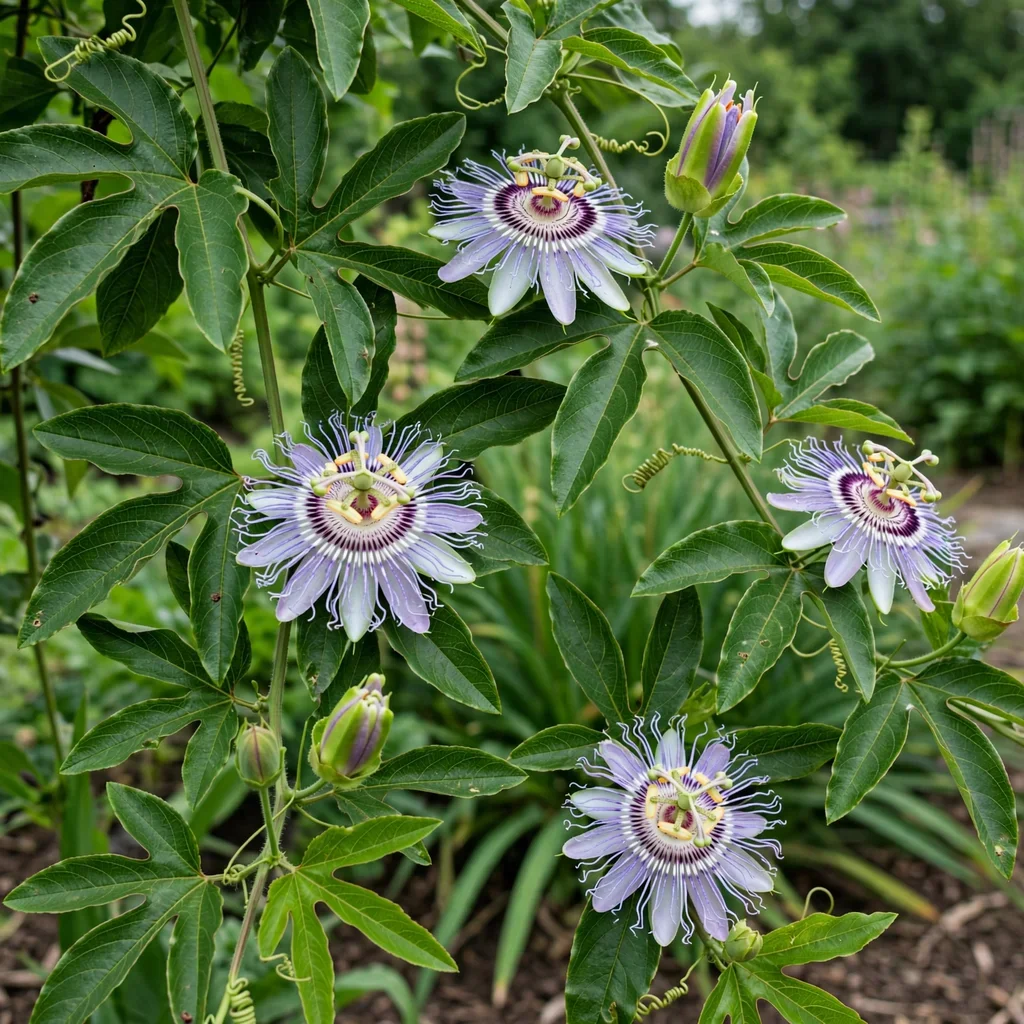
Purple Passionflower
Passiflora incarnata
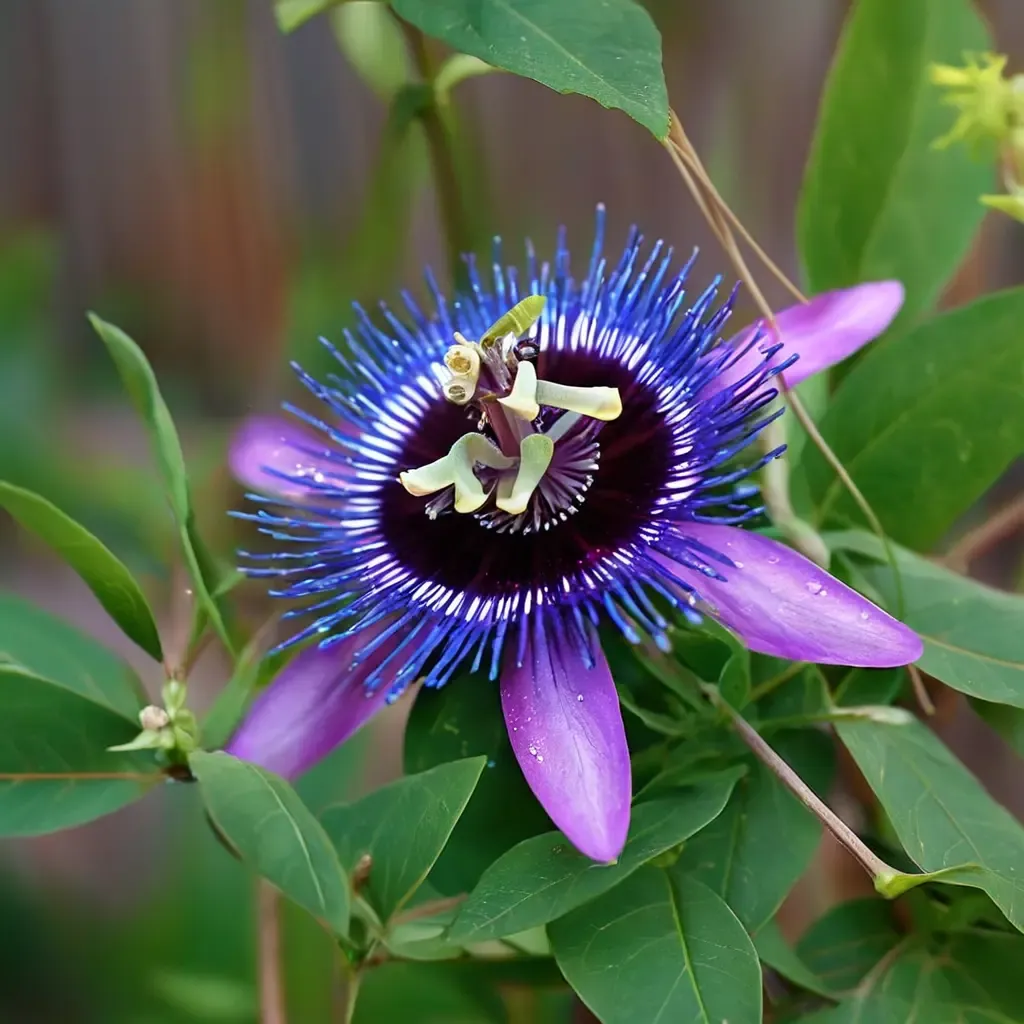
Blue Passionflower
Passiflora loefgrenii
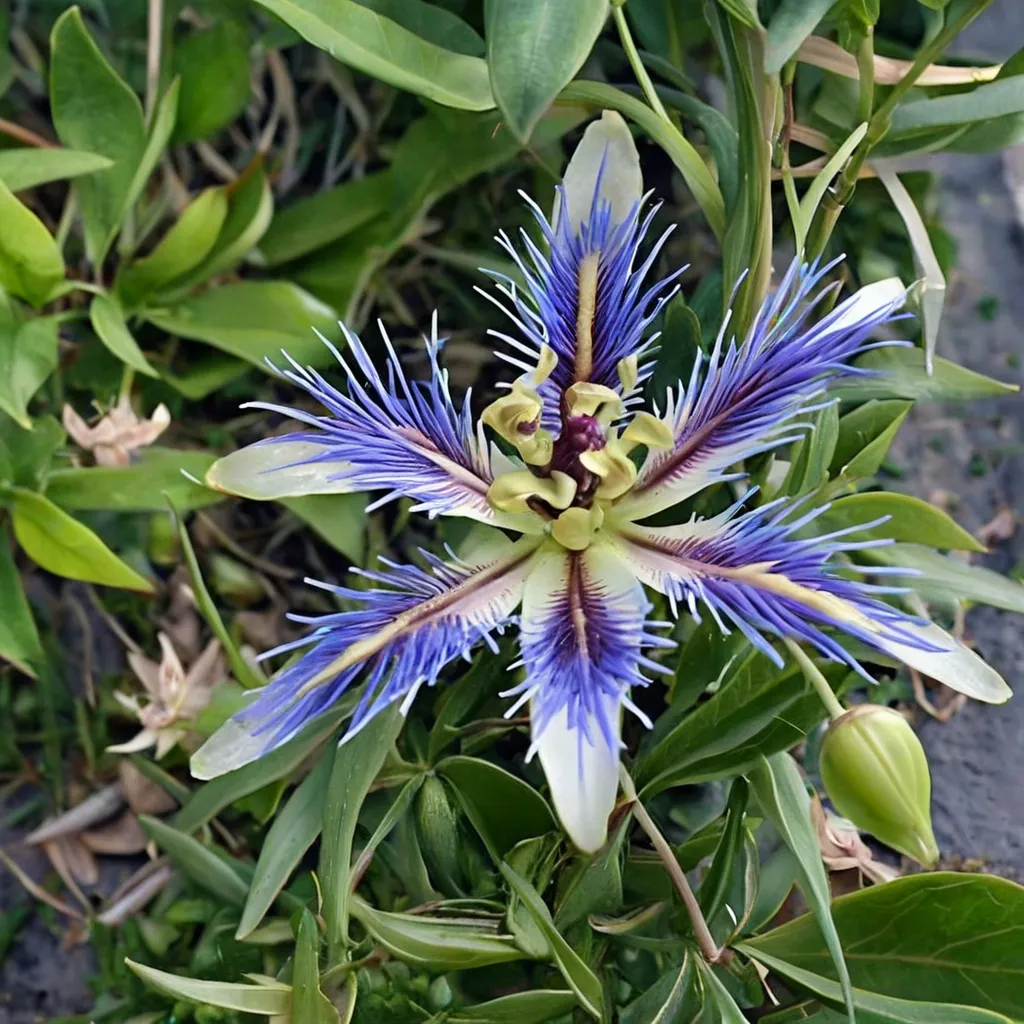
Waterloo Blue Passionflower
Passiflora caerulea 'Waterloo Blue'
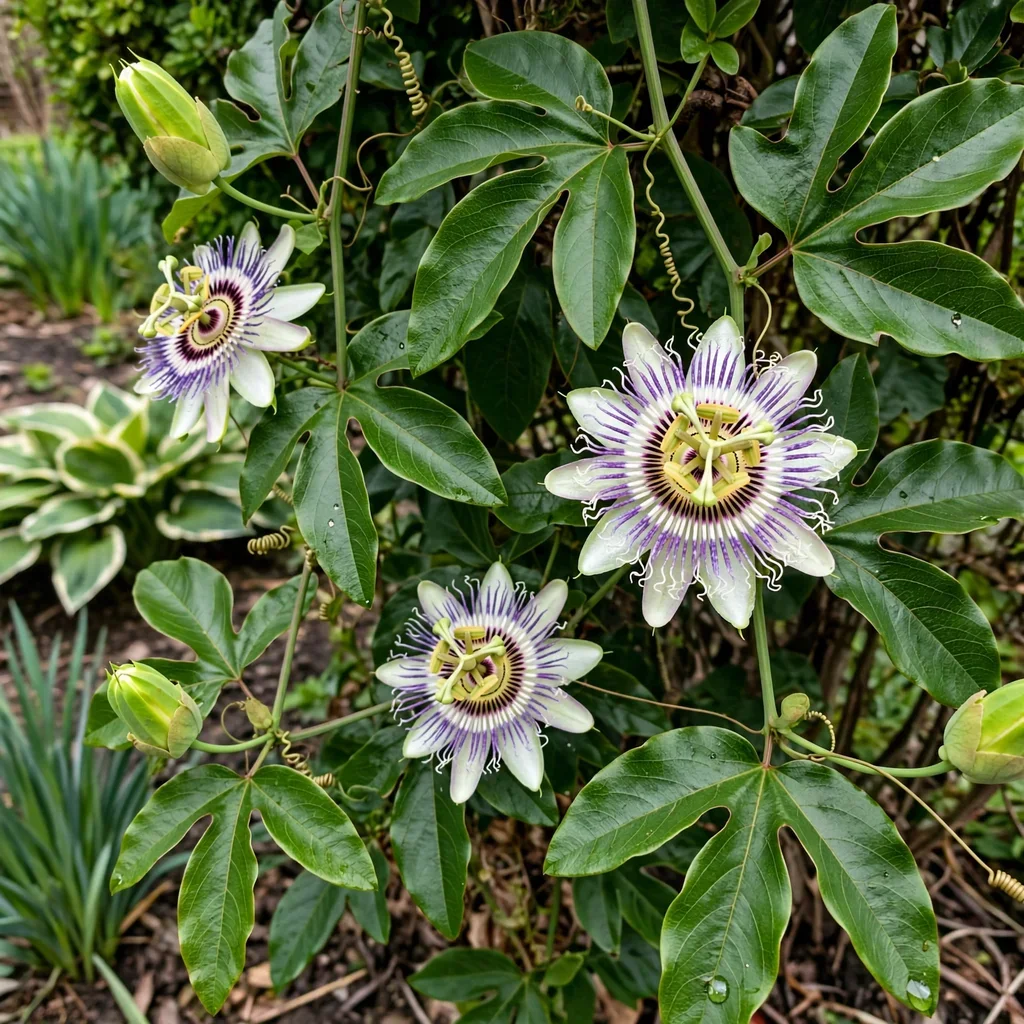
Sea Anemone Passion Flower
Passiflora actinia
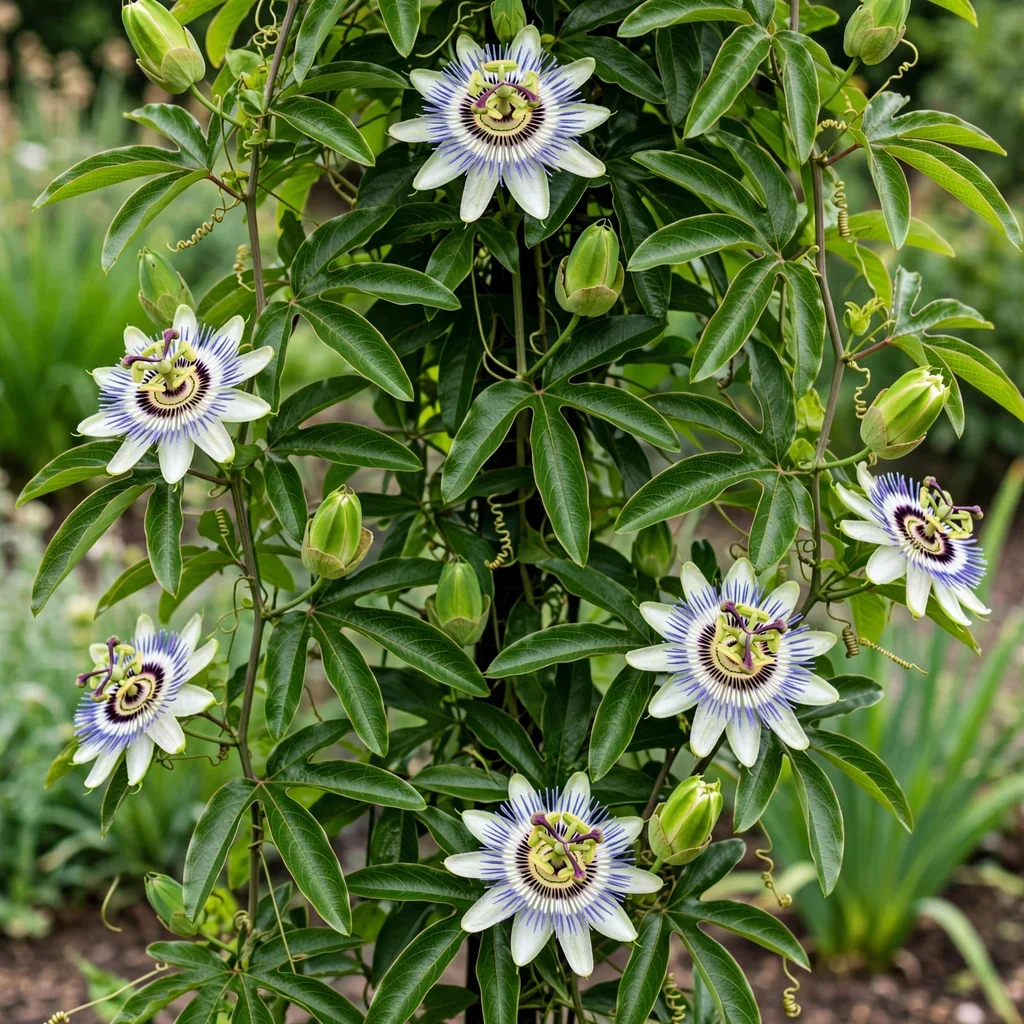
White Passionflower
Passiflora alba 'Blue Horizon'
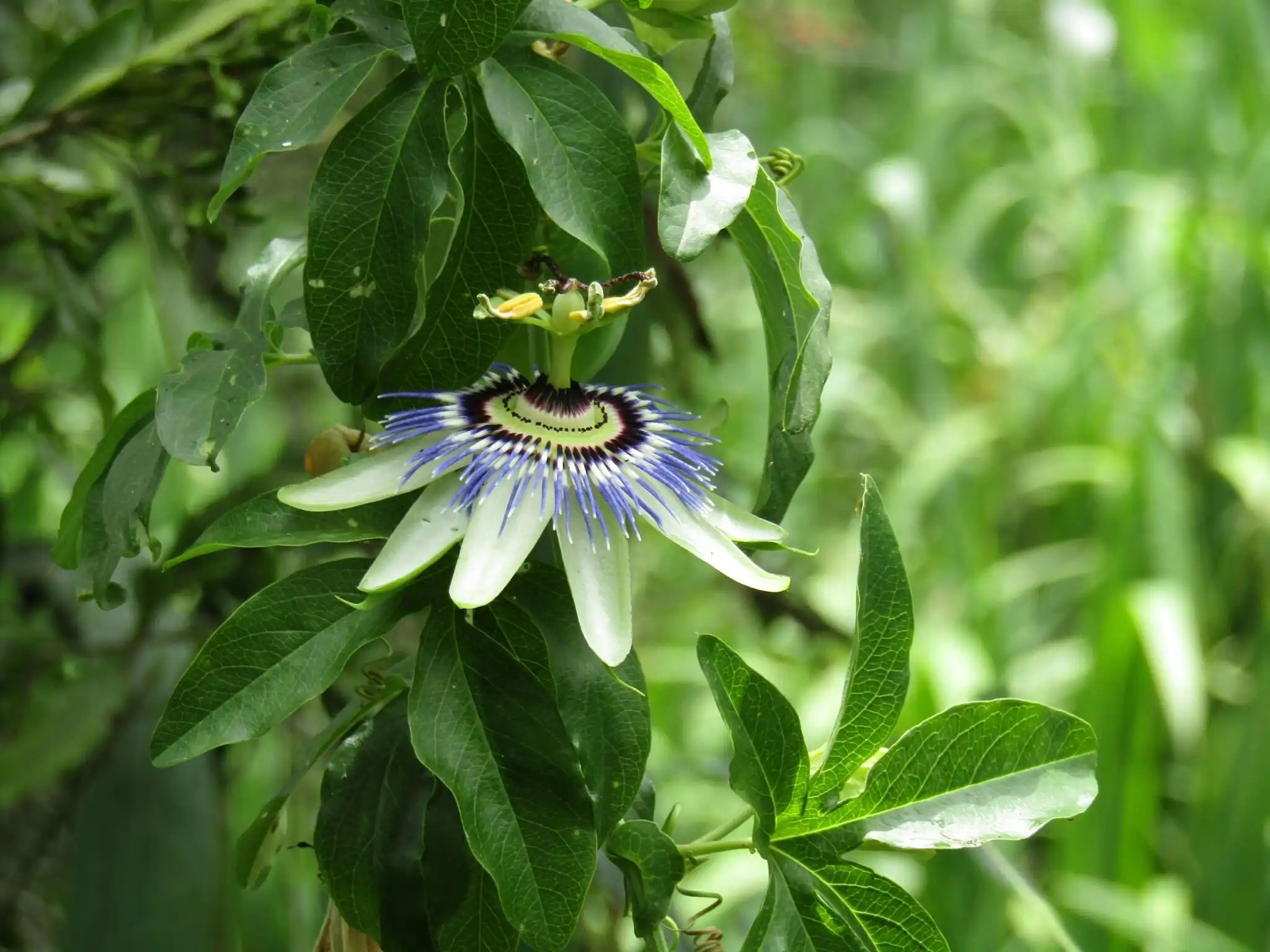
Passionflower
Passiflora caerulea
Keep exploring
Explore the genus
Hardy in your zone?
Grow Mission Dolores Passion Flower with confidence
See it in a design of your actual yard, get zone-matched care reminders, and track it season by season in your garden journal.